Selecting the right High-Pressure Quartz Sight Glass Tube requires more than comparing pressure ratings. It demands attention to temperature, chemical exposure, wall thickness, sealing methods, and optical clarity. In a process line, a small tube may sit beside a hot reactor, flashing liquid, or abrasive gas. Its surface must remain readable, stable, and resistant to sudden thermal stress.
Dr. James E. Shelby, a recognized glass-science author, has emphasized, “The properties of glass depend strongly on its thermal history.” That principle matters here. Poorly controlled heating or cooling can create internal stress, even when the tube looks flawless. Appearance can mislead.
This Top 10 guide examines quartz sight glass tubes through practical operating details. It considers pressure performance, ultraviolet transmission, thermal shock resistance, dimensional consistency, and connection reliability. Each factor affects what operators actually see through the tube. A cloudy surface can hide contamination. A weak seal can cause leakage. An oversized design may add cost without improving safety.
Real applications are rarely perfect. Installation errors happen. Maintenance schedules slip. Some specifications remain incomplete. Therefore, the best choice is not always the most expensive tube. It is the tube whose verified properties match the process conditions, including unexpected temperature changes and repeated cleaning cycles. Readers should confirm supplier data, testing records, and engineering limits before installation. That step feels obvious. It is still missed too often.
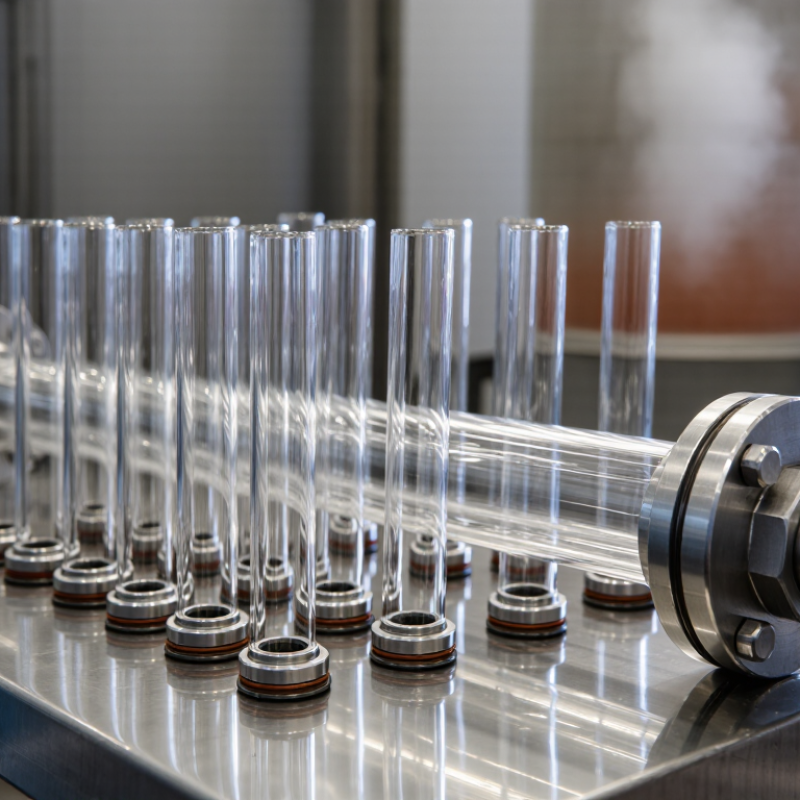
High-pressure quartz sight glass tubes are transparent components used to observe fluids inside pressurized equipment. They are commonly made from fused quartz, which tolerates high temperatures and offers strong resistance to many chemicals. Unlike ordinary glass, quartz remains clear under demanding thermal conditions. That clarity matters.
The tube does not work alone. Metal fittings, seals, wall thickness, and mounting design determine the safe pressure range. A well-made assembly can let operators inspect flow, color, bubbles, or suspended particles without opening the vessel. In field inspections, technicians often check for scratches, cloudy areas, chips, and uneven sealing. Even a tiny edge defect can become serious during pressure cycling. The tube should also match the fluid, operating temperature, and connection method.
Selection is rarely perfect. A thicker tube may improve pressure resistance, yet reduce viewing quality or increase cost. Quartz can withstand sudden temperature changes better than many transparent materials, but it is not indestructible. Rapid heating, impact, poor alignment, or over-tightened fittings may cause failure. Engineers should confirm pressure ratings through documented testing and follow applicable safety standards. Installation should include clean contact surfaces, controlled tightening, and protection from mechanical shock. A transparent tube is useful only when its entire assembly is properly designed, inspected, and maintained.
Top 10 High Pressure Quartz Sight Glass Tubes
Key Design Features and Pressure Performance
High pressure quartz sight glass tubes rely on precise geometry, not thickness alone. Fused quartz provides excellent chemical resistance and clear visibility. Its low thermal expansion also helps manage sudden temperature changes. However, quartz remains brittle and demands careful mechanical design.
A dependable tube has uniform wall thickness, polished surfaces, and smooth transitions near the end fittings. Sharp edges can create stress concentration points. Proper sealing is equally important. Compression should remain even around the tube, without crushing the glass. In field inspections, technicians should check scratches, chips, discoloration, and sealing marks before installation. Small surface damage can become serious under repeated pressure cycles.
Pressure performance depends on diameter, wall thickness, temperature, support length, and loading frequency. Manufacturers should verify the working pressure through documented calculations and controlled proof testing. Safety factors must reflect the actual service conditions, not ideal laboratory conditions. A thicker wall is not automatically safer. Poor alignment may still cause failure. This was an easy assumption to make, but it deserves correction. Thermal shock can also reduce the expected pressure margin. Allow the tube to stabilize before introducing hot or cold process fluid. Operators should never exceed the rated pressure, temperature, or inspection interval. Clear records make replacement decisions more reliable.
High pressure quartz sight glass tubes vary by shape, purity, and mounting method. The straight-through tube offers a clear visual path for liquids and gases. The flanged tube supports bolted connections and easier maintenance.
A threaded-holder tube uses metal threads outside the quartz, avoiding direct stress on fragile glass. The socket-weld holder suits compact process piping. The jacketed tube allows heating or cooling around the viewing area.
The double-wall tube adds insulation and process separation. The capillary tube supports small flow lines and precise observation. UV-grade quartz works well where ultraviolet transmission matters. Infrared-grade quartz suits selected thermal monitoring applications. Opaque or shielded quartz designs reduce unwanted light exposure.
Pressure ratings require careful engineering. Quartz strength depends on diameter, wall thickness, surface damage, temperature, and installation quality. A tube can look flawless yet fail after a small scratch or uneven clamp load. This is often overlooked. The metal holder, gasket, and seal design must match the operating pressure and chemical service. Avoid forcing a rigid tube into misaligned piping.
For reliable selection, review pressure, temperature, fluid chemistry, optical range, and cleaning method together.
Inspect the viewing surface after every maintenance cycle. Use gradual tightening and calibrated tools. Do not treat “high pressure” as a universal rating. That label alone is insufficient. In practice, conservative allowances improve safety, although they may increase cost and reduce viewing area. Field conditions are rarely perfect.
Top 10 High Pressure Quartz Sight Glass Tubes
Industrial Applications and Operating Environments
High-pressure quartz sight glass tubes support visual monitoring in reactors, furnaces, process vessels, and fluid lines. Their transparency helps operators observe color, flow, bubbles, and deposits without opening equipment. Quartz also tolerates intense heat and sudden temperature changes better than many common glass materials. Still, “high pressure” is not a universal rating. Wall thickness, tube diameter, temperature, mounting design, and pressure cycling all matter.
In chemical processing, operators inspect aggressive liquids inside sealed systems. In semiconductor production, clean surfaces and low contamination are essential. Thermal oil units require stable viewing during prolonged heating. Steam equipment demands careful attention to condensation, vibration, and thermal shock. A clear tube can become unsafe when its surface is scratched or poorly supported. Small defects deserve serious inspection.
Field maintenance teams should check seals, clamps, protective shields, and alignment before every critical startup. The tube must match the process temperature and working pressure, with a reasonable safety margin. Cleaning should avoid abrasive tools and sudden cooling. I have seen inspection windows replaced too late because visibility remained acceptable. That decision can hide material fatigue. Better records help, but records are sometimes incomplete. In uncertain conditions, reduce operating stress and seek qualified engineering review.
Representative maximum working-pressure classes for fused-quartz sight glass tube geometries. Values are engineering reference points for clean, concentric tubes at approximately 20°C; actual ratings depend on mounting, seals, thermal shock, inspection, and safety factors.
Larger wall-to-diameter ratios generally support higher pressure resistance, while fused quartz provides excellent optical clarity, chemical resistance, and thermal stability. Typical environments include chemical processing, high-purity water systems, semiconductor utilities, laboratory reactors, and steam or gas service. Pressure ratings must be verified against the complete assembly and operating temperature.
Selecting a high pressure quartz sight glass tube requires more than checking its size. Confirm the tube’s pressure rating, temperature range, wall thickness, and chemical compatibility. Ask for documented test data from a qualified supplier. Quartz tolerates heat well, but sudden temperature changes can still cause failure. Choose a tube with clear viewing quality and carefully finished ends. Small scratches matter.
Before installation, inspect every surface under bright, angled light. Reject tubes with chips, cloudy areas, or hairline cracks. Clean the tube with a lint-free cloth and a compatible solvent. Never force it into the housing. Use the recommended gasket material and align the tube without twisting. Tighten fasteners gradually in a cross pattern. Uneven pressure is a common cause of breakage. Keep hands clear.
Maintenance must follow actual operating conditions, not only a calendar. Check for leakage, discoloration, deposits, and changes in transparency during each inspection. Record pressure and temperature readings near the viewing point. Clean deposits early, since aggressive scraping can mark quartz permanently. If thermal shock occurs, isolate the equipment and allow it to cool naturally. Do not reuse damaged seals. A practical lesson is easy to miss: over-tightening often feels safer, but it can reduce service life. Regular records also reveal gradual problems that a quick visual check may overlook.
It is a transparent tube for observing fluids inside pressurized equipment. Fused quartz handles high heat and resists many chemicals. Operators can view flow, color, bubbles, or suspended particles. The tube alone does not define safety. The complete assembly matters.
Pressure depends on diameter, wall thickness, temperature, and surface condition. Metal fittings, seals, and mounting design also affect performance. A small scratch can worsen during repeated pressure cycles. Do not trust the phrase “high pressure” alone. Documented testing is essential.
Common designs include straight-through, flanged, threaded-holder, and socket-weld types. Jacketed tubes support heating or cooling around the viewing area. Double-wall tubes provide insulation and process separation. Capillary tubes suit small flow lines. Special optical grades support ultraviolet or infrared observation.
Compare pressure, temperature, fluid chemistry, optical needs, and cleaning methods. Check the connection method and available installation space. A thicker wall may improve resistance but reduce viewing quality. It may also increase cost. Selection is rarely perfect.
Examine every surface under bright, angled light. Reject tubes with chips, cloudy areas, scratches, or hairline cracks. Check the finished ends carefully. Clean surfaces with a lint-free cloth and compatible solvent. Small defects matter.
Align the tube without twisting or forcing it into the housing. Use the recommended gasket material for the fluid and temperature. Tighten fasteners gradually in a cross pattern. Use calibrated tools when possible. Uneven pressure can break the quartz.
Inspect leakage, discoloration, deposits, and transparency changes during each maintenance check. Record pressure and temperature near the viewing point. Remove deposits early with approved cleaning methods. Aggressive scraping may permanently mark the surface. Keep useful records.
Isolate the equipment and let it cool naturally after thermal shock. Do not continue operating a cracked, chipped, or cloudy tube. Replace damaged seals rather than reusing them. Check alignment before installing a replacement. Over-tightening may feel safer, but it can shorten service life.
High-Pressure Quartz Sight Glass Tubes are transparent observation components designed to provide a clear view of fluids, gases, and process conditions inside pressurized equipment. Made from heat-resistant quartz, they offer excellent optical clarity, strong thermal stability, and reliable performance under demanding pressure and temperature conditions. Their design may include reinforced walls, polished surfaces, protective fittings, sealing systems, and different connection styles to suit various process requirements. Common types include straight tubes, flanged tubes, threaded tubes, jacketed designs, and versions with protective shields or lighting accessories.
These sight glass tubes are widely used in chemical processing, pharmaceuticals, laboratories, food production, energy systems, and high-temperature industrial equipment. Selecting the correct High-Pressure Quartz Sight Glass Tube requires evaluating pressure rating, temperature range, chemical compatibility, dimensions, sealing materials, and installation orientation. Proper alignment, controlled tightening, routine inspection, cleaning, and timely replacement are essential for maintaining visibility, preventing leakage, and extending service life. With the right specifications and maintenance practices, quartz sight glass tubes can support safe, efficient, and continuous process monitoring.