
High-Temperature Quartz Melting Crucible: The Complete Engineering Manual
Global semiconductor foundries, photovoltaic ingot pullers, advanced metallurgy refiners, and precision analytical laboratories require thermal containment vessels that withstand extreme thermal loads without contaminating melt pools. At Donghai Kemzo Quartz Products Co., Ltd., we engineer every High-Temperature Quartz Melting Crucible with natural mineral sources boasting SiO₂ purity up to 99.99%, extreme thermal shock durability up to 1450 °C, and near-zero thermal expansion coefficient (5.5 × 10⁻⁷ /°C).
Curated Product Recommendations
Selecting the correct high-temperature quartz melting crucible depends on melt viscosity, peak operating cycles, thermal gradients, and mechanical furnace fixtures. Below are our five primary crucible configurations engineered to meet demanding industrial environments.
Transparent Cylindrical Crucibles
Fabricated with transparent fused quartz for optical monitoring and non-wetting liquid metal extraction. Ideal for vacuum induction melting of gold, silver, platinum alloys, and high-purity glass matrix synthesis.
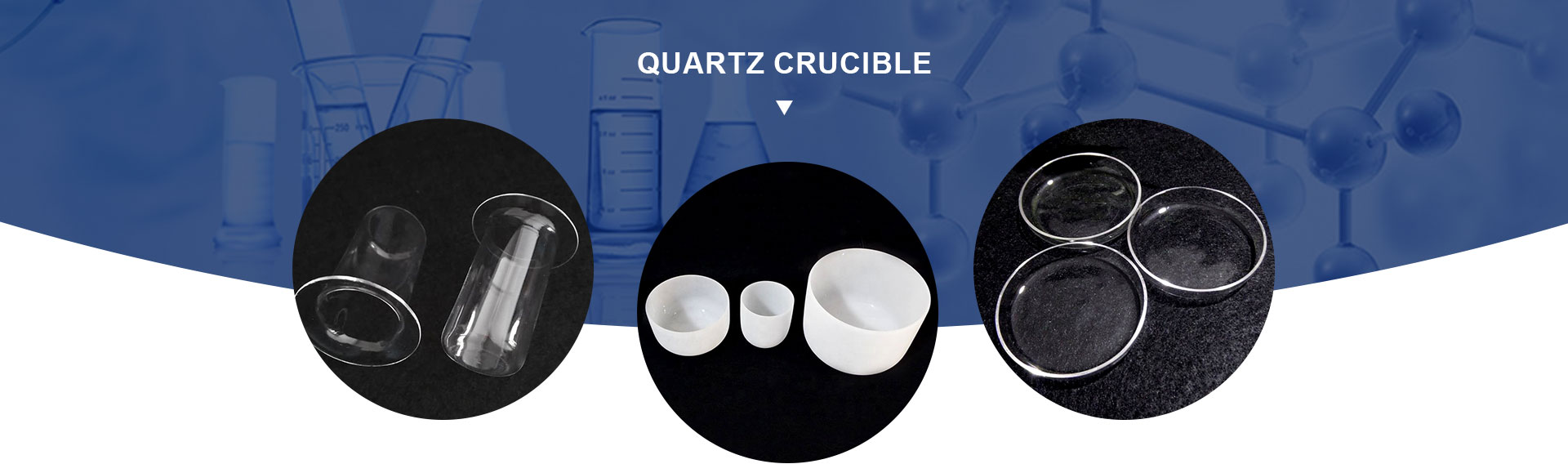
Arc-Fused Opaque Outer Layer Crucibles
Engineered with a dense transparent inner wall and an opaque micro-bubble exterior layer that diffuses radiant infrared heat. Prevents localized hot-spots during Czochralski (CZ) monocrystalline silicon crystal pulling.
Pouring Spout & Flanged Crucibles
Customized with pouring lips, lifting lugs, and reinforced top collars. Designed for automated induction furnaces, precision tilt casting, and pyrochemical processing where slag separation is required.
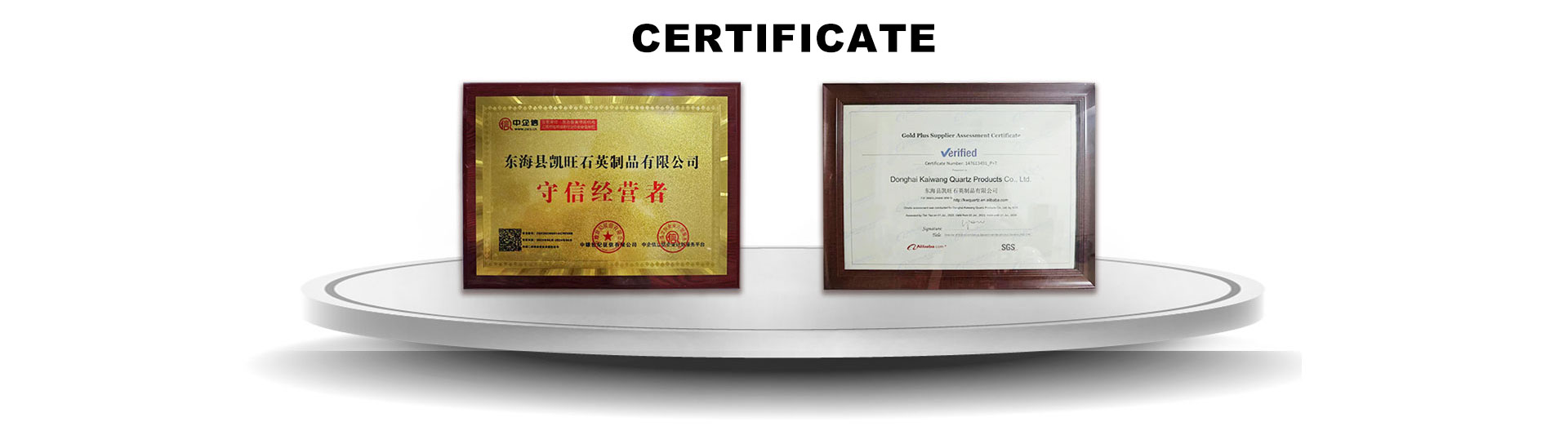
Rectangular Quartz Boats & Trays
Designed for horizontal tube furnace calcination, battery cathode synthesis, and chemical vapor deposition. Features low sidewalls and flat planar bottoms for uniform sample thermal conduction.
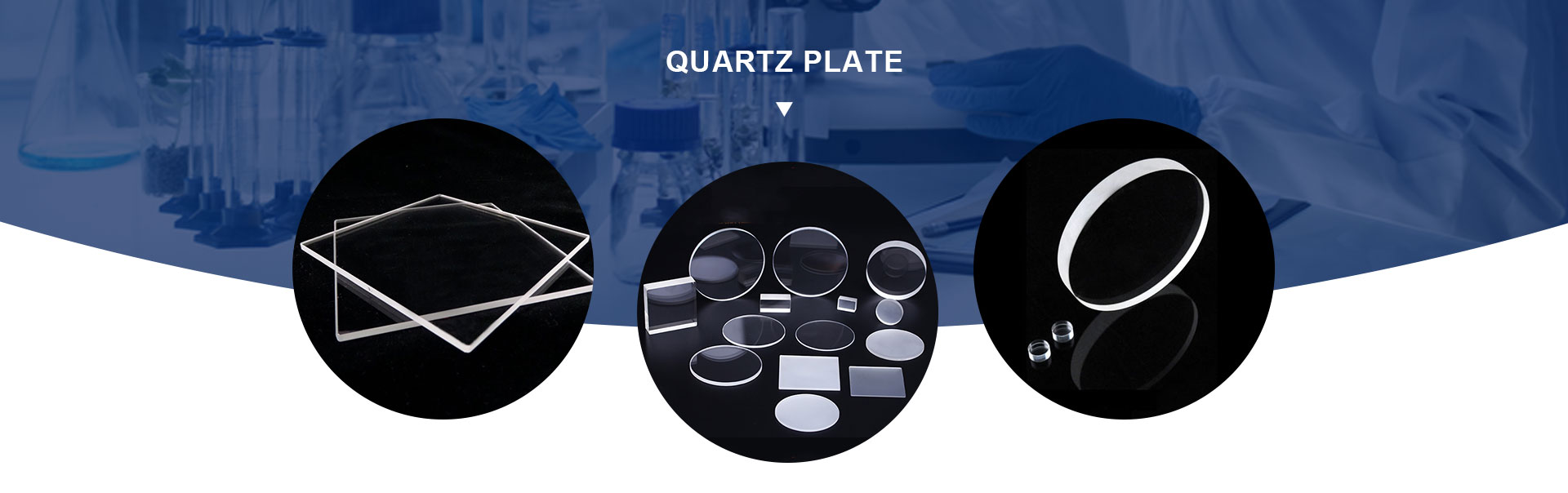
Micro Analytical Assay Crucibles
Precision-ground micro crucibles (1 ml to 50 ml) for thermogravimetric analysis (TGA), differential scanning calorimetry (DSC), and high-temperature forensic acid digestion with ultra-low tare variance.
Ultra-Pure Synthetic Quartz Crucibles
Formulated from chemical precursors (SiCl4) or multi-step washed natural quartz with transition metals controlled under 0.1 ppm. Recommended for third-generation semiconductors including GaN and SiC synthesis.
Market Trends & Technology Evolution
The rapid expansion of third-generation wide-bandgap semiconductors, N-type photovoltaic cell technology (TOPCon and HJT), and vacuum induction metallurgy is redefining crucible procurement specifications globally.
Future Procurement Trends: Total Contamination Control
Global procurement managers are shifting away from basic price-per-unit purchasing toward Total Cost of Ownership (TCO) and batch yield metrics. In modern semiconductor wafer fabrication, even fractional parts-per-billion (ppb) contamination of Boron, Phosphorus, Copper, or Iron leaching from a crucible into the silicon melt can reduce carrier lifetime and destroy entire wafer runs.
Consequently, tier-one buyers now mandate rigorous Inductively Coupled Plasma Mass Spectrometry (ICP-MS) chemical analysis reports with each batch shipment, along with vacuum bake-out protocols prior to dispatch.
Furthermore, supply chain resilience is prompting international buyers to establish multi-quarter framework supply agreements directly with verified integrated manufacturers in regional quartz mining epicenters like Donghai County, China, mitigating raw material bottlenecks and freight inflation.
Technological Advancements: Anti-Devitrification & Synthetic Liners
The metallurgical operational lifecycle of a quartz crucible is primarily limited by devitrification—the spontaneous phase transformation of amorphous fused silica into crystalline cristobalite when held above 1150 °C. This crystallographic reorganization causes structural brittleness, volume shrinkage, and catastrophic wall spalling.
State-of-the-art technological developments at Donghai Kemzo Quartz Products Co., Ltd. include:
- Barium & Rare-Earth Doped Anti-Devitrification Outer Coatings: Promoting controlled micro-crystalline stabilization that increases high-temperature mechanical creep resistance.
- Multi-Layer Co-Arc Fusion: Combining an economical ultra-pure natural quartz outer structure with an inner synthetic lining devoid of bubble inclusions, reducing micro-bubble release during prolonged multi-recharge silicon growth cycles.
- Sub-Zero Stress Annealing: High-precision computerized thermal profiling that completely eliminates residual hoop stress and cooling shears in large-diameter crucibles.
Material Science Specification & Chemical Limits
Engineering a high-temperature quartz melting crucible requires strict adherence to physical thermodynamic laws. High silica purity provides exceptional chemical stability against aggressive molten acids and molten alloys, while preventing thermal expansion fractures.
| Physical / Chemical Parameter | Measured Specification | Engineering Relevance |
|---|---|---|
| Silicon Dioxide (SiO₂) Content | ≥ 99.99% | Maximizes corrosion resistance and prevents melt contamination. |
| Aluminum (Al) Content | ≤ 12.0 – 18.0 ppm | Provides high-temperature structural rigidity and creep resistance. |
| Iron (Fe) Content | ≤ 0.2 ppm | Eliminates electrical and optical deterioration in grown ingots. |
| Alkali Metals (Li + Na + K) | ≤ 1.5 – 2.5 ppm | Prevents premature cristobalite nucleation and devitrification. |
| Hydroxyl Group (OH⁻) | ≤ 15 – 30 ppm | Prevents bubble formation, ballooning, and wall softening at >1200 °C. |
| Density | 2.20 ± 0.02 g/cm³ | Uniform structural density without unbonded porosity. |
| Coefficient of Thermal Expansion | 5.5 × 10⁻⁷ /°C (20 – 300 °C) | Near-zero volumetric change preventing catastrophic thermal fractures. |
| Continuous Working Limit | 1100 °C | Safe limit for continuous firing in atmospheric or vacuum chambers. |
| Peak Intermittent Limit | 1450 °C | Short-term handling threshold for casting, tapping, and assaying. |
| Softening Point | ≈ 1683 °C | Theoretical upper limit where amorphous quartz exhibits viscous flow. |
Why Choose Donghai Kemzo Quartz Products
We combine direct source-region material leverage with rigorous ISO 9001 quality management systems to provide global buyers with reliable high-temperature quartz solutions.
Raw Material Hub
Donghai Crystal CapitalHeadquartered in Donghai County, China's premier quartz processing region, Donghai Kemzo Quartz Products Co., Ltd. controls raw material selection from the mine source, ensuring consistent crystalline purity and lower costs.
High-Temp Durability
1100 °C to 1450 °C RangeOur crucibles undergo complete vacuum dehydroxylation and precision annealing. They withstand extreme thermal cycling and direct furnace transfers without brittle micro-fracturing or wall deformation.
Precision OEM/ODM
11+ Yrs Custom ExperienceOperating over 10 dedicated fabrication lines, we machine, cut, fire-polish, and fuse crucibles to exact buyer blueprints. We accommodate tight geometric tolerances (±0.1 mm) and deliver small prototype runs or mass production.
Global Export Ready
≤ 1h Response · 7 IncotermsWith 71%–80% of our products exported across North America, Europe, East Asia, and Oceania, our dedicated trade engineers provide fast feedback within 1 hour, supporting multi-currency transactions and secure packaging.
End-to-End Quality Assurance System
Every high-temperature quartz melting crucible manufactured by Donghai Kemzo Quartz Products Co., Ltd. passes a five-stage quality checkpoint protocol to guarantee zero melt contamination and complete dimensional accuracy.
-
Optical & Chemical Sand Screening
High-purity crystalline quartz sand is magnetically separated, acid-washed, and sampled via spectroscopy to ensure alkali metals (Li, Na, K) remain under 2 ppm before entering fusion furnaces.
-
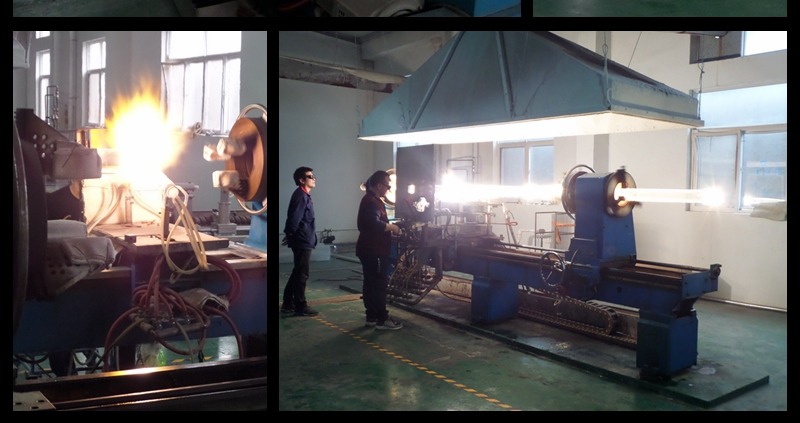
Electric Arc & Flame Forming
Formed via clean precision electric arc rotation or high-purity oxyhydrogen thermal lathes, maintaining uniform wall thickness, seamless bottom curvature, and smooth internal surface finishes.
-
Stress Relief & Annealing
Every crucible is held in continuous electric annealing ovens at 1215 °C and slowly brought down through the 1120 °C strain point, permanently releasing internal stress and preventing crack propagation.
-
Laser Dimension & Defect Inspection
Components are verified for wall consistency, circular concentricity, rim planarity, and checked under high-intensity polarized light tables for bubbles, inclusions, or airlines.
-
Cleanroom Packing & Shock-Proof Crating
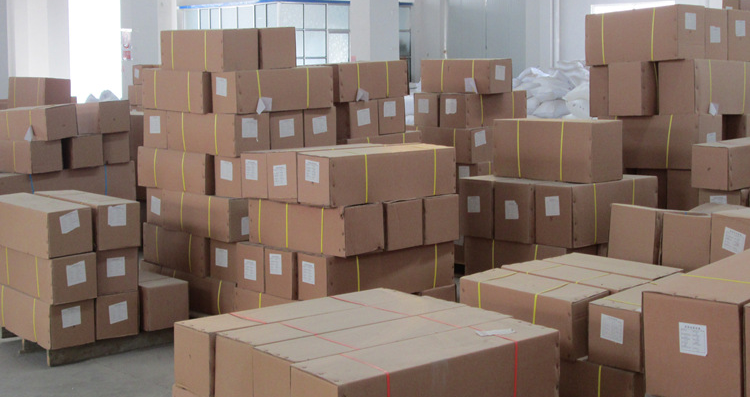
Crucibles are ultrasonic-cleaned, vacuum sealed in polyethylene film, cushioned in custom-molded shock-absorbing EPE foam, and encased in reinforced fumigation-free wooden export crates.
Frequently Asked Questions (FAQ)
Essential technical and commercial answers addressing common engineering queries from international buyers.
What is the continuous and peak working temperature of a high-temperature quartz melting crucible?
Our high-temperature fused quartz crucibles operate safely and continuously at temperatures up to 1100 °C, and can withstand peak operating intervals up to 1450 °C. The softening threshold is approximately 1683 °C. Due to an extremely low thermal expansion coefficient of 5.5 × 10⁻⁷ /°C, they exhibit outstanding resistance to catastrophic thermal shock compared to standard alumina, graphite, or borosilicate vessels.
How does Donghai raw material quality prevent devitrification in quartz crucibles?
Devitrification is primarily triggered by alkali metallic contamination (Li, Na, K) and aluminum impurities under sustained heat. Donghai Kemzo Quartz Products Co., Ltd. sources ultra-refined mineral feedstock with total alkali trace elements controlled well below 2-5 ppm. This drastically lowers nucleation sites, allowing prolonged melt durations without premature crystallization or embrittlement.
What distinguishes clear transparent quartz crucibles from opaque arc-fused crucibles?
Clear transparent fused quartz crucibles allow optical observation, offer uniform wall thickness, and produce zero micro-bubble degassing, which is critical for laboratory wet synthesis, precious metal casting, and analytical assays. Opaque (milky) or arc-fused crucibles feature micro-bubble layers providing infrared diffusion and thermal barrier insulation, making them preferred for bulk silicon ingot growth.
Can Kemzo manufacture custom geometric crucibles according to CAD drawings?
Yes. Donghai Kemzo Quartz Products Co., Ltd. has over 11 years of OEM/ODM engineering experience. We form, machine, fire-polish, and ground-joint custom geometries, including flat-bottom cylindrical, conical, rectangular combustion boats, and flanged crucibles with tolerances within ±0.1 mm to ±0.5 mm.
How are quartz crucibles safely packaged to ensure zero breakage during international transit?
Each crucible is cleaned, dried, sealed in anti-static poly packaging, and isolated with high-density expandable polyethylene (EPE) or bubble cushioning. Products are packed in reinforced corrugated inner cartons and secured in export-grade, fumigation-free plywood crates with anti-vibration framing to withstand sea, air, and multimodal handling.
What are the commercial trade terms and order lead times?
We support FOB, CFR, CIF, EXW, DDU, and DAF across major currencies (USD, EUR, AUD, HKD, CNY). Typical prototype fabrication requires 5 to 7 business days, while standard bulk production runs ship within 12 to 20 days upon drawing confirmation and deposit.
Request a Quotation & Engineering Review for Your Quartz Melting Crucibles
Send us your dimensional drawings, required wall thickness, operating temperatures, and melt batch requirements. Our senior ceramic and quartz engineers will review your parameters, verify material grades, and deliver a detailed technical quote within one hour.
- Sample and prototype batches welcomed
- Material purity testing certificates provided
- Custom OEM, ODM & buyer-label solutions