UV Quartz Viewport Glass: The Definitive Engineering & Global Procurement Guide for Extreme Vacuum & Optical Systems
As modern semiconductor fabrication, UV laser processing, and ultra-high vacuum (UHV) surface analysis push into deeper ultraviolet wavelengths and harsher thermal gradients, conventional optical borosilicate glass inevitably fails due to rapid solarization, low UV-C transmission, and catastrophic thermal expansion mismatch. Donghai Kemzo Quartz Products Co., Ltd. manufactures high-purity UV quartz viewport glass and synthetic fused silica optical windows in Donghai County, China's world-renowned quartz hub. Engineered with over 99.99% SiO₂ purity, our viewports provide over 90% internal transmission down to 185 nm, minimal autofluorescence, and unmatched dimensional stability under cyclic thermal shock and extreme pressure differentials up to high-vacuum regimes.
Engineered Product Recommendations
Selecting the correct UV quartz viewport glass requires balancing optical transmission bands, operating temperature limits, pressure load factors, and mechanical mounting configurations. Below are our four core recommendation tiers engineered for global OEMs and research laboratories.
Deep UV Synthetic Fused Silica Viewports
Synthesized via chemical vapor deposition (SiCl₄ oxidation), this grade features virtually zero bubble inclusions, non-detectable metallic trace impurities, and exceptional hydroxyl (-OH) balance. It is specifically recommended for excimer laser output windows (193 nm ArF, 248 nm KrF), semiconductor lithography, and high-vacuum UV spectroscopy where solarization resistance is mandatory.
Request Drawing Validation
JGS2 Optical Fused Quartz Sight Glasses
Melted from pure Donghai natural crystal feedstock under strictly controlled electric fusion furnaces, JGS2 grade combines outstanding continuous thermal endurance up to 1100 °C with broad optical clarity from near-UV to the shortwave infrared spectrum. Ideal for thermal CVD reactors, high-temperature plasma furnaces, and industrial sight glasses.
Request Drawing Validation
Precision Flanged Vacuum Quartz Viewports
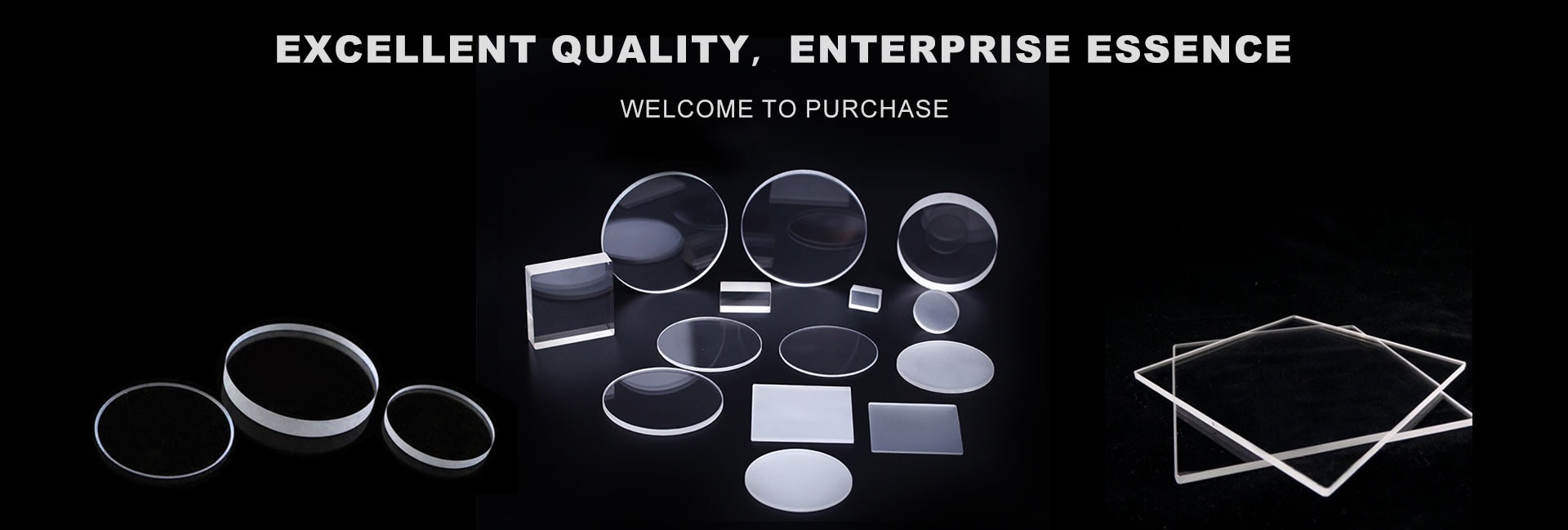
Ground, precision-chamfered, and annealed to zero optical birefringence, these custom round and rectangular quartz viewport discs are fabricated to exact tolerances (±0.05 mm) to fit standard CF (ConFlat), KF (Quick Flange), and ISO vacuum flanges. Rated for Ultra-High Vacuum (UHV) systems, particle accelerators, and surface chemistry cells.
Request Drawing Validation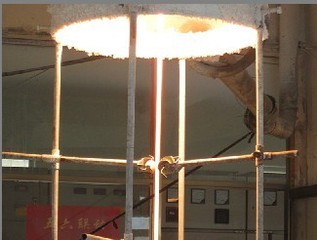
Double-Side Polished Laser Optical Flats
Polished via planetary pitch polishing to achieve surface flatness of λ/4 or λ/10 per inch and 20/10 scratch/dig surface quality. Designed for low wavefront distortion in laser beam delivery, interferometry, UV LED curing monitoring, and high-speed spectroscopic imaging where beam deviation must be eliminated.
Request Drawing Validation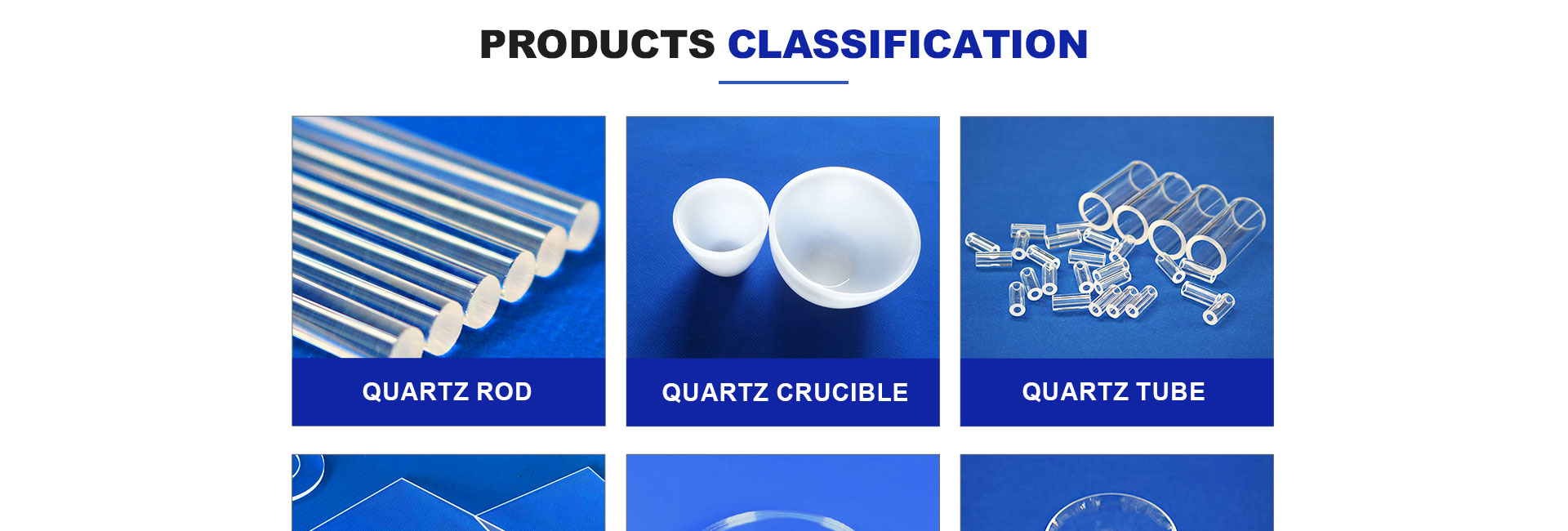
Stepped & Grooved Viewport Discs
Custom-machined on multi-axis CNC glass centers with stepped perimeters, O-ring sealing grooves, counter-bored mounting points, and polished edge bevels. Relieves mechanical edge loading and ensures leak-free compression against stainless steel or titanium viewport housings under dynamic thermal cycles.
Request Drawing Validation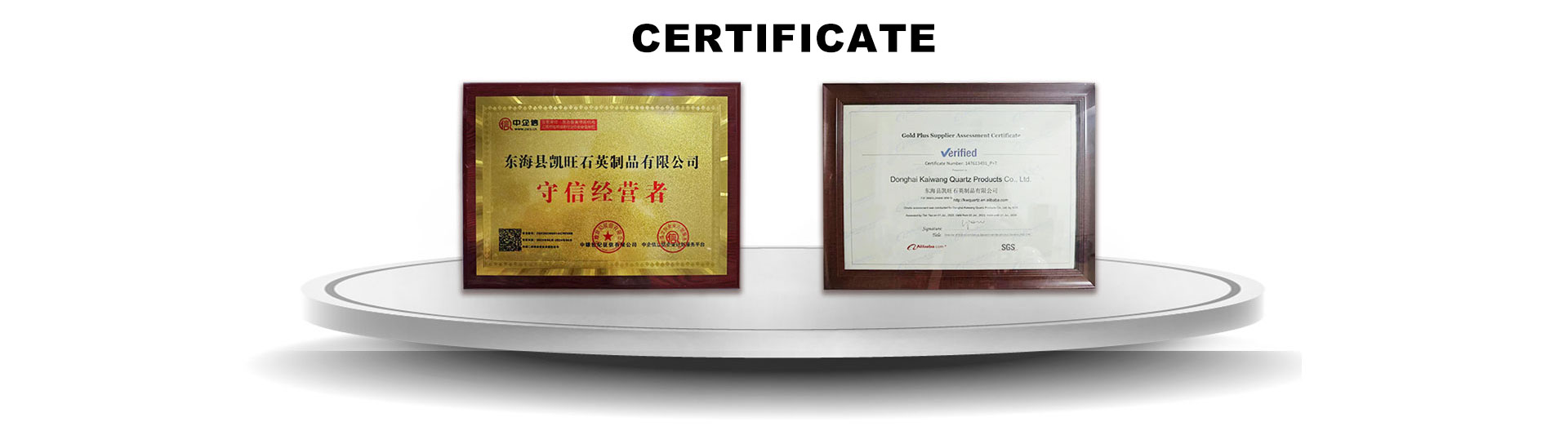
AR-Coated UV Quartz Viewport Windows
Equipped with vacuum dielectric coatings such as broadband anti-reflective (BBAR) coatings tailored for 248 nm, 266 nm, 355 nm, or 200–400 nm UV bands. Suppresses surface reflection losses from ~4% per surface down to less than 0.5%, significantly maximizing throughput for sensitive optical diagnostics.
Request Drawing ValidationProcurement & Technology Trends (2025–2030)
Strategic insights for optical engineers, supply chain managers, and vacuum system procurement officers navigating new technical standards and supply vulnerabilities.
Semiconductor Migration
DUV & EUV Metrology ShiftThe acceleration of advanced node sub-3nm chip fabrication drives soaring demand for synthetic fused silica viewports that resist high-power excimer laser darkening, color center formation, and high-vacuum chemical etching.
UV-C Disinfection & Phototherapy
222 nm Far-UV-C UptakeDemand for germicidal 222 nm excimer lamps and advanced photochemical reactors requires cost-effective optical quartz sight glasses with guaranteed transmission above 85% at narrow UV-C bands without expensive synthetic price premiums.
TCO & Source Supply Integration
Source Origin AdvantageProcurement teams increasingly eliminate Western broker markups by contracting directly with vertically integrated Chinese manufacturers in Donghai that control quartz refining, diamond-slicing, polishing, and annealing in-house.
Near-Zero Outgassing & UHV
≤ 10⁻¹⁰ Torr StandardsModern analytical equipment (XPS, SIMS, synchrotron radiation beamlines) mandates pre-baked, low-hydroxyl, and annealed viewport blanks that maintain vacuum integrity without thermal degassing or helium micro-permeation.
Material Comparison: UV Quartz vs. Alternatives
Purchasers frequently ask why standard soda-lime or borosilicate glass cannot substitute for quartz in high-performance viewport assemblies. The engineering matrix below details the mechanical, optical, and thermal characteristics that prove UV quartz's superiority in high-stress industrial applications.
- JGS1 (Synthetic Fused Silica) – Highest deep-UV transmission (down to 185 nm), free of bubbles and striations, zero solarization.
- JGS2 (Optical Grade Fused Quartz) – Premium crystal melt, transmission from 220 nm to 2500 nm, exceptional cost-to-performance ratio.
- JGS3 (Infrared Fused Silica) – Low hydroxyl concentration (<5 ppm OH), optimized for near-UV through 3.5 μm infrared passbands.
| Critical Specification | UV Synthetic Silica (JGS1) | Optical UV Quartz (JGS2) | Borosilicate Glass (Pyrex/Duran) |
|---|---|---|---|
| Useful Optical Passband | 185 nm – 2100 nm (DUV) | 220 nm – 2500 nm (UV-VIS-NIR) | 350 nm – 2000 nm (VIS-NIR only) |
| Transmission @ 254 nm (10mm) | > 90% (Zero Absorption) | 85% – 88% | < 5% (Opaque in UV-C) |
| Thermal Expansion (CTE 20–300°C) | 5.5 × 10⁻⁷ / °C | 5.5 × 10⁻⁷ / °C | 32.5 × 10⁻⁷ / °C (6x Higher) |
| Max Continuous Temperature | 1100 °C | 1100 °C | 450 °C – 500 °C |
| Softening Point | ≈ 1683 °C | ≈ 1680 °C | ≈ 820 °C |
| Solarization Resistance | Immune / Extremely High | High to Moderate | Very Poor (Browning / Darkening) |
| Hydroxyl (-OH) Concentration | 800 – 1200 ppm | 30 – 150 ppm | N/A |
| Optical Surface Quality Available | 20/10 or 40/20 Scratch/Dig | 40/20 or 60/40 Scratch/Dig | Commercial Polish (80/50) |
| Wavefront Flatness & Parallelism | λ/4 – λ/10 per inch; <10 arcsec | λ/2 – 1λ per inch | Commercial window grade |
Corporate Capability Donghai Kemzo Quartz
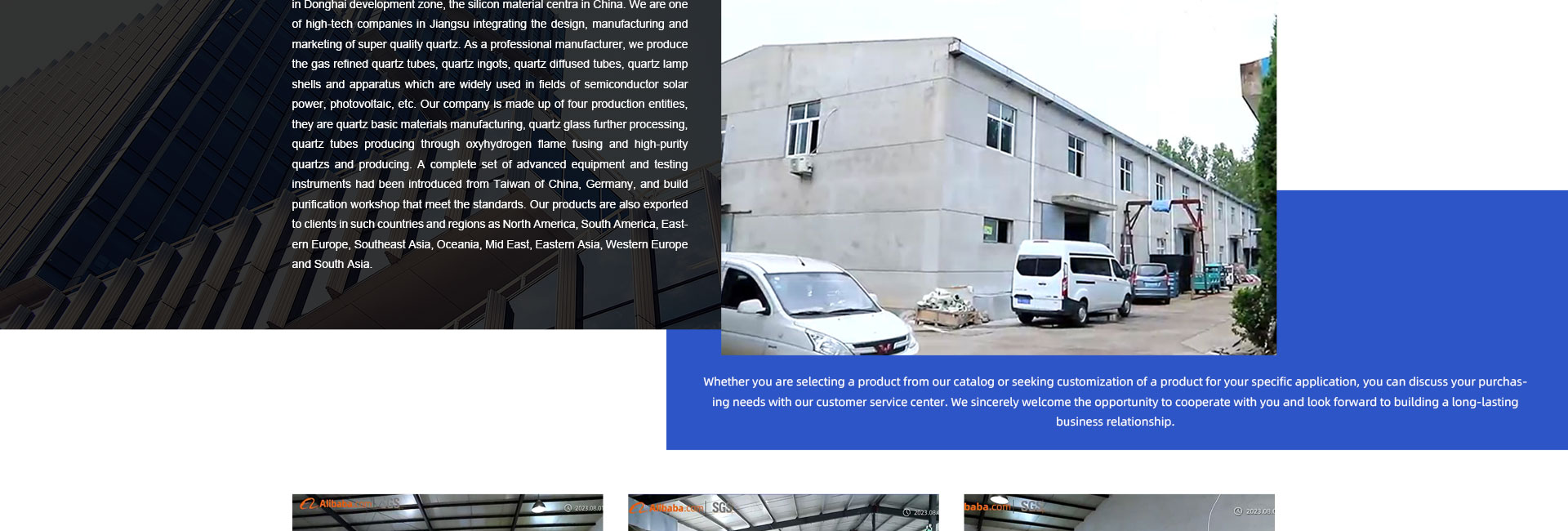
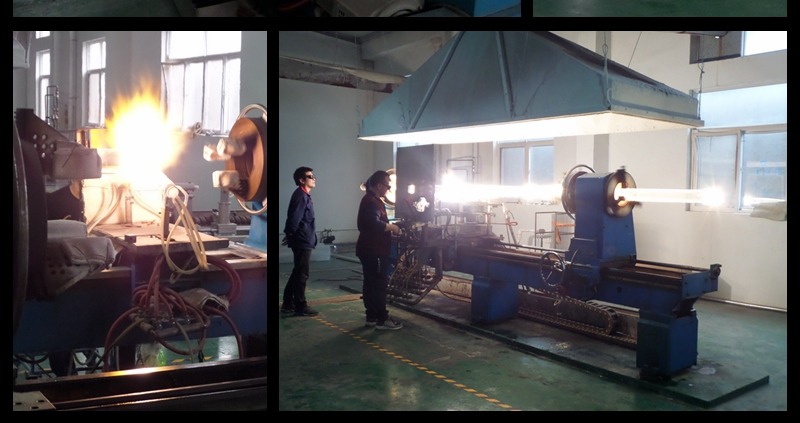
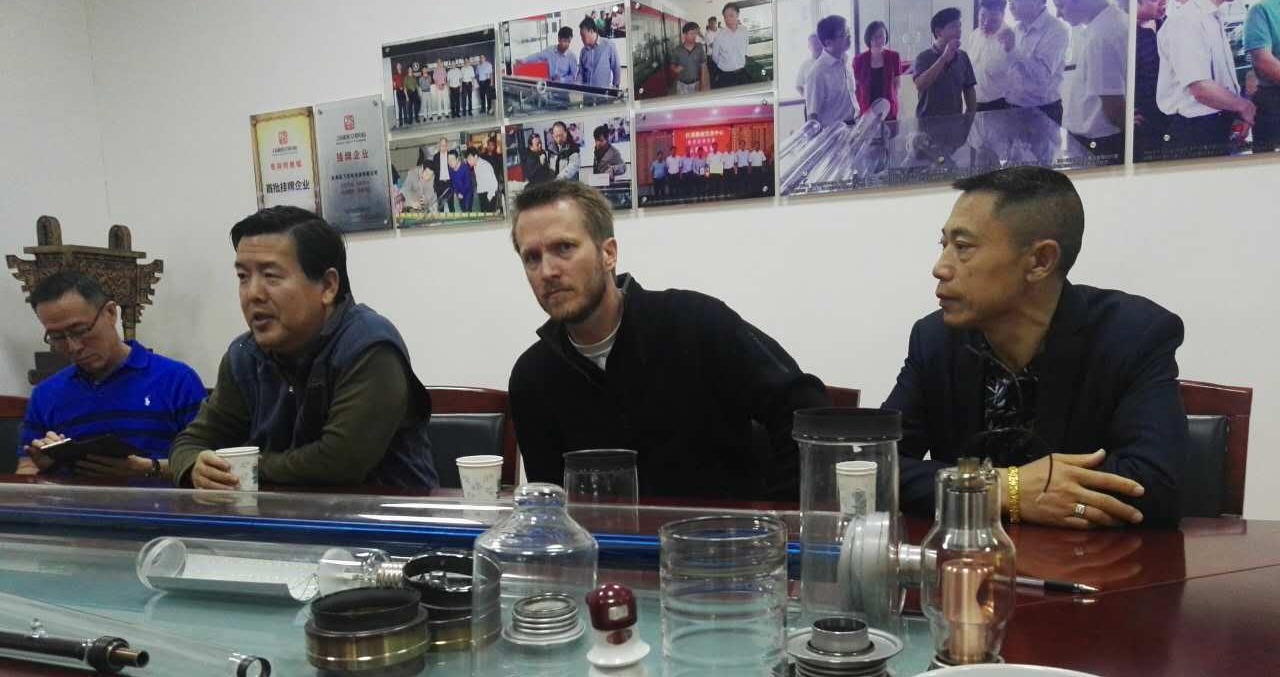
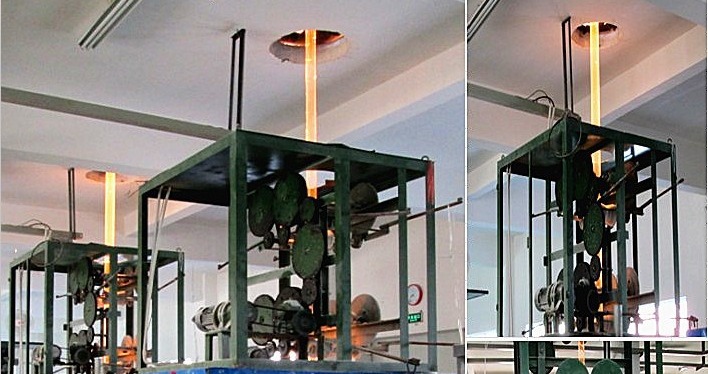
Donghai Kemzo Quartz Products Co., Ltd. is a specialized manufacturer and exporter based in Donghai County, Lianyungang City – the historic center of China's quartz and silicon industry. Founded in 2011, our facility unites raw high-purity mineral refining, electric-arc and gas fusion, precision CNC machining, double-side planetary optical lapping, and fine vacuum annealing within one tightly audited production complex.
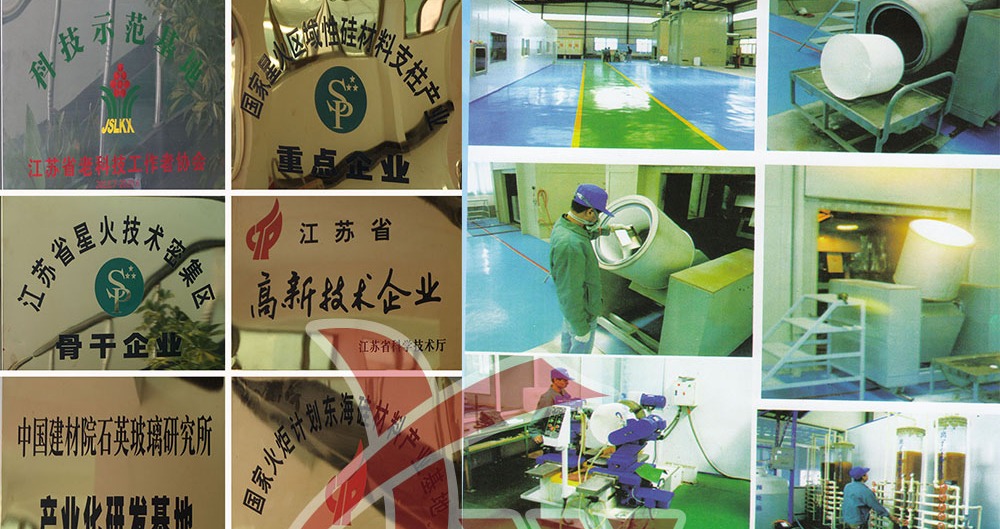
Our comprehensive production program includes high-purity quartz sand, clear and opaque quartz tubes, heavy-wall diffusion tubes, ground joints, spectrophotometer cuvettes, and custom UV quartz viewport glass engineered to rigorous international mechanical and optical standards. Certified under ISO 9001 and recognized as a Jiangsu High Technology Enterprise, we provide global engineering clients with full material batch traceability and guaranteed optical conformity.
Our guiding operational principle remains invariant: the client is the centre, and quality is the key.
- Business Type
- Direct Manufacturer & Exporter
- Founded
- 2011 (Donghai, Jiangsu, China)
- Factory Footprint
- 1,000 – 3,000 m² Modern Facility
- Annual Export Value
- US$10M – US$50M
- Quality Accreditations
- ISO 9001 Certified · High-Tech Award
- Contract Engineering
- OEM, ODM, Buyer Label Machining

Fabrication Process & Quality Verification
Every UV quartz viewport manufactured by Donghai Kemzo Quartz Products Co., Ltd. follows a strict 5-stage quality governance model to ensure zero vacuum leaks, perfect surface flatness, and maximum transmission in deep UV spectra.
Raw Silica Pre-Selection & Purity Assay
Donghai-sourced natural quartz crystals and high-purity synthetic precursor powders are screened via spectrophotometry and chemical spectrographic analysis to ensure metallic iron and transition metals remain below sub-ppm thresholds.
Precision CNC Slicing & Edge Profiling
Diamond wire saws slice ingots with micrometer precision. Viewport perimeters, bevels, and O-ring grooves are machined on multi-axis CNC machines to eliminate micro-cracking and edge flaking that cause vacuum fractures.
Multi-Stage Planetary Double-Side Lapping
Discs undergo coarse to fine cerium oxide and diamond slurry polishing on dual-plate planetary machines, achieving 20/10 Scratch/Dig optical finishes, λ/4 wave flatness, and near-zero wedge errors.
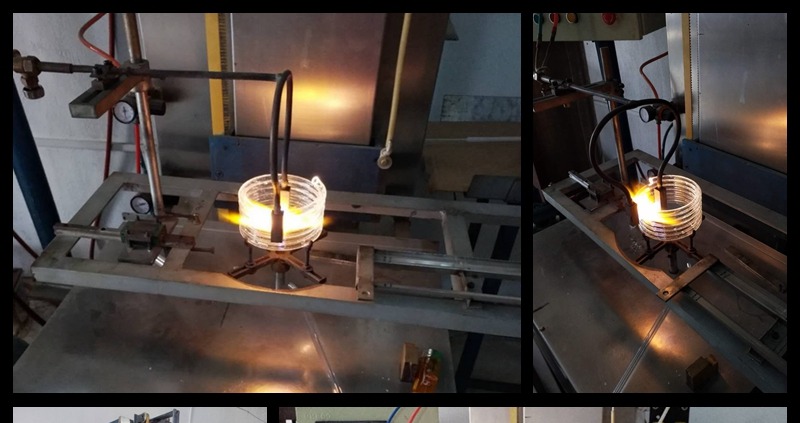
Programmed Deep Thermal Annealing
To eliminate internal stresses caused by grinding and laser machining, viewports are placed in digital annealing kilns at 1215 °C with slow ramp cooling, certified under cross-polarization polarimeters.
Spectral & Ultra-High Vacuum Seal Inspection
Each batch is tested for UV spectral transmission (190–350 nm) via UV-Vis spectrophotometers and verified for structural hermeticity and vacuum outgassing before export-grade vacuum sealing.
Why Partner With Donghai Kemzo
Eliminate supply intermediaries and procure directly from a certified Donghai quartz manufacturing plant equipped for rapid OEM engineering response.
Raw Material Monopoly
SiO₂ ≥ 99.99% GuaranteedDirect access to Donghai’s unparalleled quartz crystal base guarantees consistent raw material batches, transparent supply chains, and low production costs passed directly to clients.
Zero Thermal Fatigue
1450 °C Short-Term PeakWith an ultra-low expansion coefficient of 5.5 × 10⁻⁷ / °C, our viewports can endure instantaneous heating to 1000 °C and rapid liquid quenching without fracturing or leaking.
Custom Drawing Precision
Tolerances to ±0.02 mmFully customized thickness, diameter, stepped edges, drilled holes, and laser edge-marking. Engineering drawings in CAD, STEP, or PDF evaluated by staff engineers within 1 hour.
Comprehensive Export Logistics
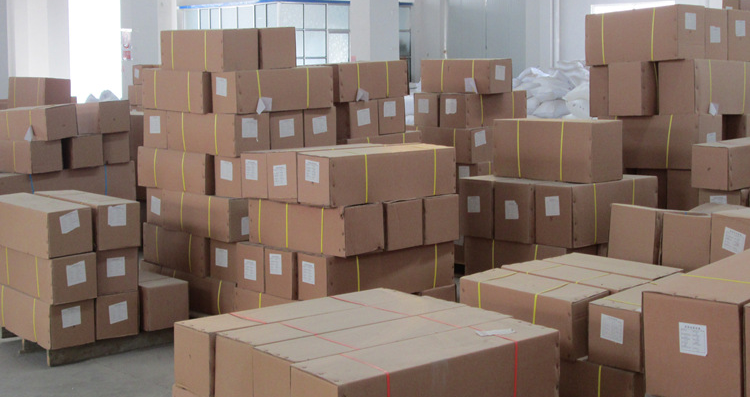
Global Clean PackingEach viewport disc is cleanroom-dusted, double vacuum-sealed, and packaged in custom impact-absorbing foam cases to prevent scratching and chipping during overseas transit.
Frequently Asked Questions (FAQ)
Authoritative technical answers to common questions asked by global optical engineers, vacuum specialists, and procurement directors when ordering UV quartz viewport glass.
What is the difference between fused quartz and fused silica in UV viewport applications?
While both are high-purity amorphous silicon dioxide (SiO₂), fused quartz is produced by melting naturally occurring high-grade quartz crystals, whereas fused silica is synthesized synthetically through the gas-phase chemical vapor deposition (CVD) of silicon tetrachloride (SiCl₄). Fused quartz (such as JGS2) offers good UV transmission down to 220 nm and handles high continuous working temperatures up to 1100 °C at an economical price point. Synthetic fused silica (such as JGS1) contains virtually no metallic impurities, transmitting down to 185 nm in the deep UV (DUV) range with exceptional resistance to laser-induced damage, laser solarization, and color center darkening.
How do I calculate the minimum required thickness for a quartz vacuum viewport?
The minimum required viewport thickness depends on the unsupported clear aperture diameter, the maximum pressure differential (typically 1.0 to 1.5 bar for standard vacuum setups, higher for pressurized autoclave reactors), and an appropriate safety design factor (typically 4 or 5 for glass optics under vacuum). The engineering formula commonly applied is t = (D / 2) × √((K × ΔP × S) / σb), where D is the unsupported diameter, K is a mounting constraint constant (typically 0.75 for clamped edges, 1.12 for freely supported edges), ΔP is differential pressure, S is the safety factor, and σb is the ultimate bending tensile strength of fused quartz (~48 to 50 MPa). Donghai Kemzo Quartz provides complimentary engineering review to confirm safe viewport thickness for your custom aperture.
Why do UV quartz viewports fail under cyclic thermal or pressure conditions?
The overwhelming majority of catastrophic viewport failures do not result from quartz material degradation, but from edge micro-cracking and unannealed mechanical stress. Rough diamond slicing leaves microscopic sub-surface flaws along disc perimeters. Under vacuum compression or thermal expansion cycling against metal flanges, these micro-notches concentrate tensile stresses, initiating fast fracture propagation. Donghai Kemzo Quartz eliminates this failure mode by executing uniform 0.5–1.0 mm 45-degree edge chamfering, fine edge polishing, and high-temperature stress-relief annealing on every viewport blank.
Can UV quartz viewport glass resist harsh corrosive gases in plasma etch chambers?
UV quartz demonstrates outstanding chemical inertness against virtually all industrial solvents, strong acids (including hot hydrochloric, nitric, and sulfuric acids), and halogen gas vapors. The primary exceptions are hydrofluoric acid (HF), which readily dissolves SiO₂, and concentrated hot phosphoric acid above 150 °C. In semiconductor plasma chambers using fluorine-based gases (CF₄, SF₆), quartz will gradually react over extended operational cycles; nonetheless, high-purity fused quartz remains the industry standard material due to its lack of metal contamination in wafer micro-environments.
What surface flatness and scratch/dig specifications should I specify for my application?
For standard visual inspection, pyrometer monitoring, and UV-C curing lamps, a commercial optical polish of 60/40 Scratch/Dig and surface flatness of 1 to 2 waves (λ) per inch at 632.8 nm is sufficient and cost-effective. For laser diagnostic chambers, interferometry, beam sampling, and confocal fluorescence detection, we recommend specifying 20/10 or 40/20 Scratch/Dig, λ/4 or λ/10 per inch surface flatness, and parallelism under 30 arcseconds to prevent beam deviation, flare reflection, and wavefront distortion.
What are your custom lead times, packaging standards, and payment terms?
Donghai Kemzo Quartz Products Co., Ltd. provides prototype manufacturing (1 to 5 pieces) within 7 to 10 working days, with high-volume OEM orders typically completed in 2 to 3 weeks. Each viewport is wrapped in dust-free lintless lens tissue, protected with anti-static bubble cushioning, and vacuum-sealed inside custom-cut export wooden cases. We accept T/T, L/C, PayPal, and cash, transacting under FOB, CFR, CIF, EXW, DDU, and express air freight worldwide.
Need a Rapid Quotation or Engineering Review for Your UV Quartz Viewport?
Submit your optical window dimensions, target passband (e.g. 193 nm, 254 nm, 365 nm), operational pressure differential, and required tolerances. Donghai Kemzo Quartz Products Co., Ltd. will verify engineering feasibility, recommend the optimal quartz grade, and send an itemized factory direct quotation within 1 hour.
- Prototype & Serial Production
- CAD / STEP Drawing Analysis
- ISO 9001 Factory Direct Pricing