Precision Quartz Components & Heavy-Wall Tubes
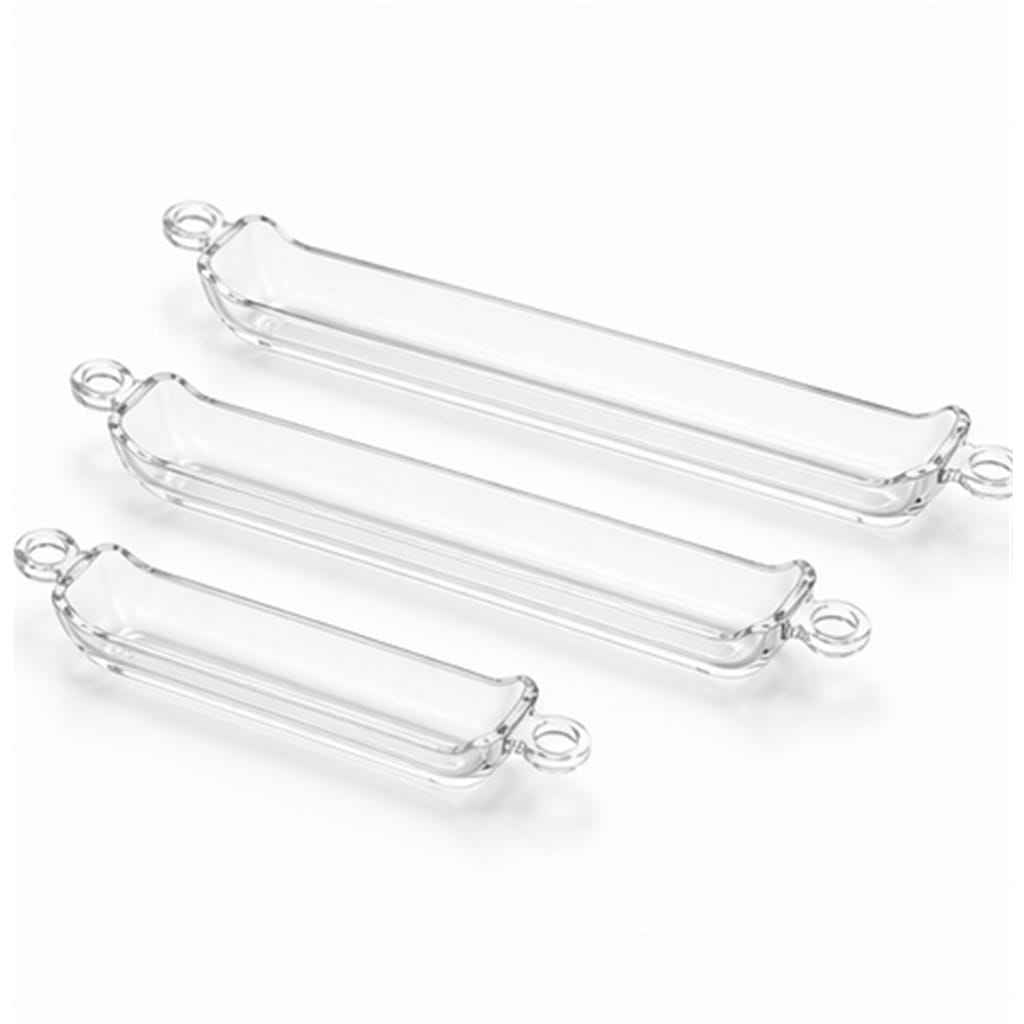
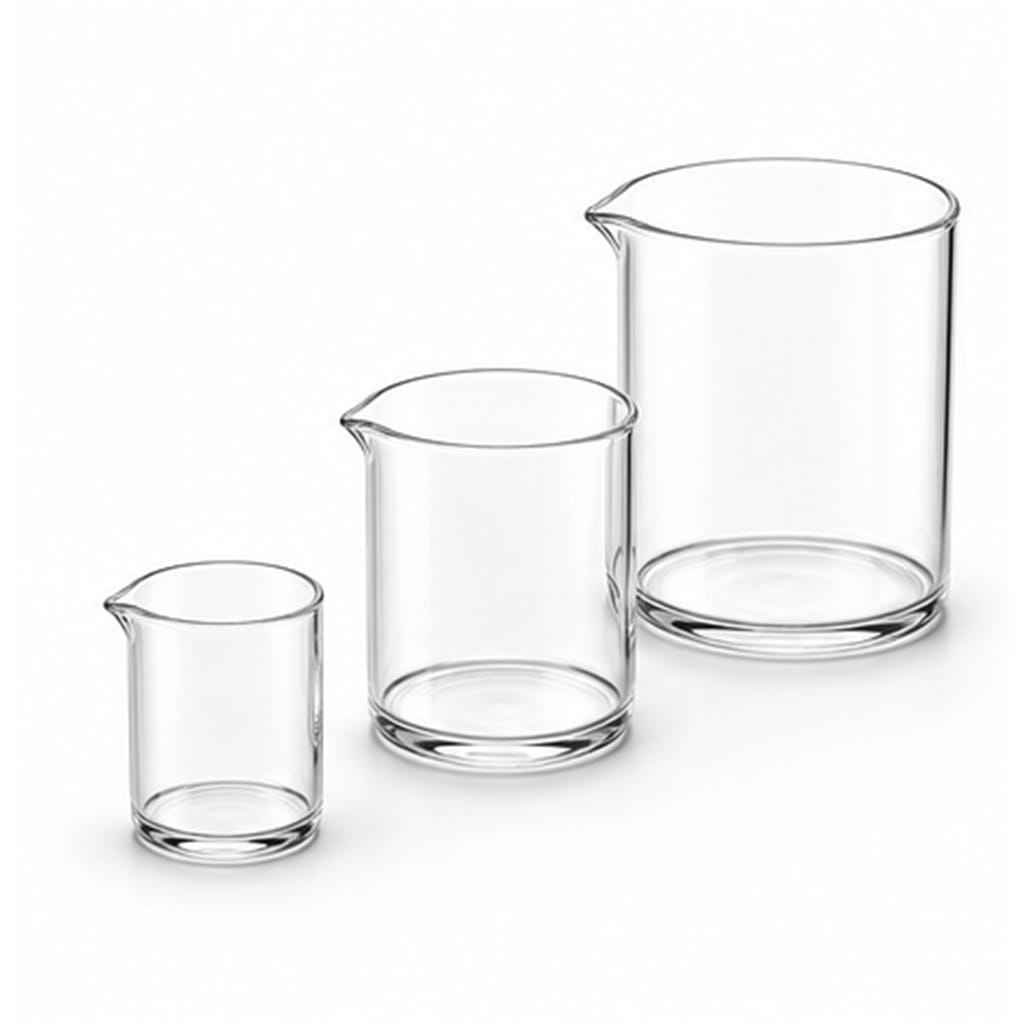
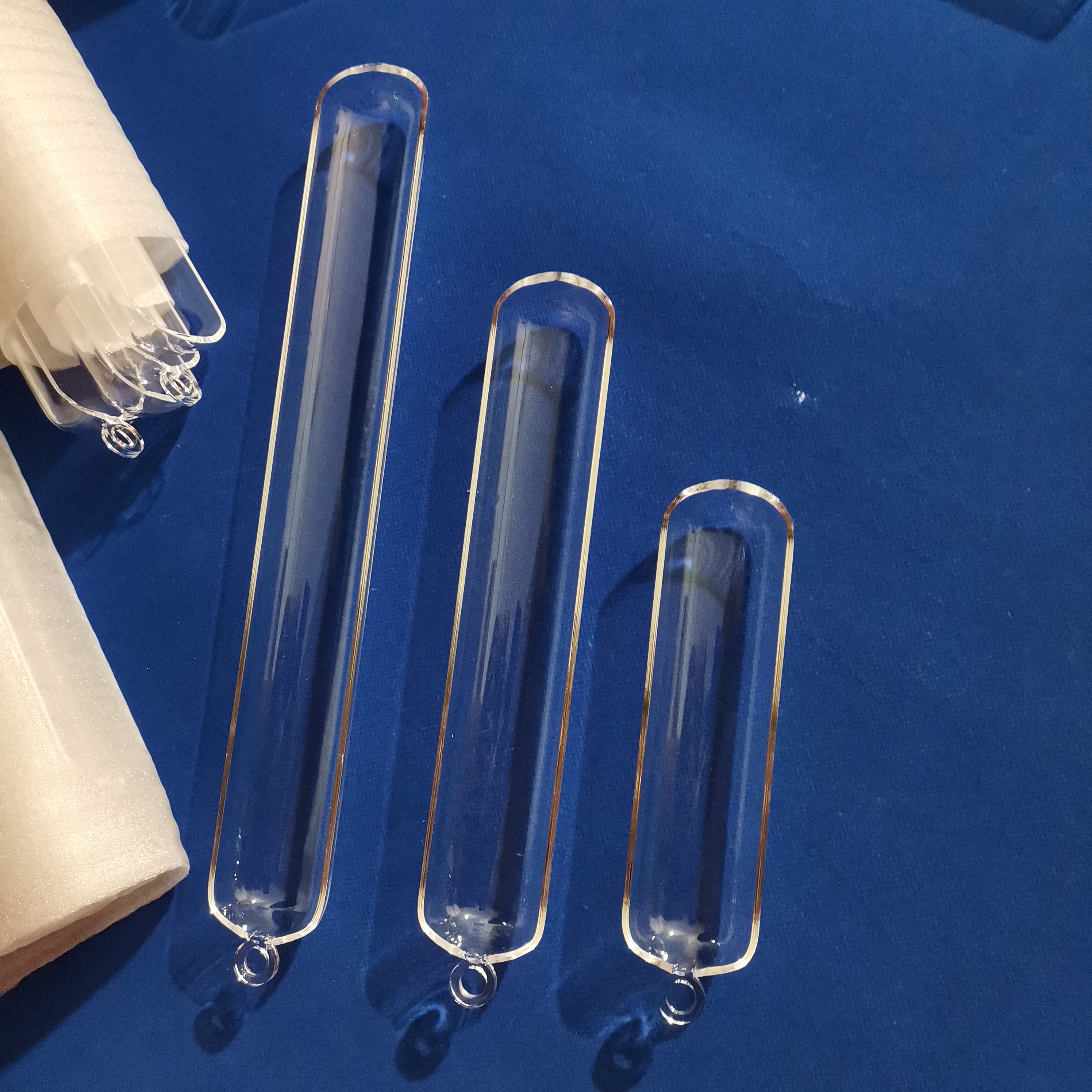
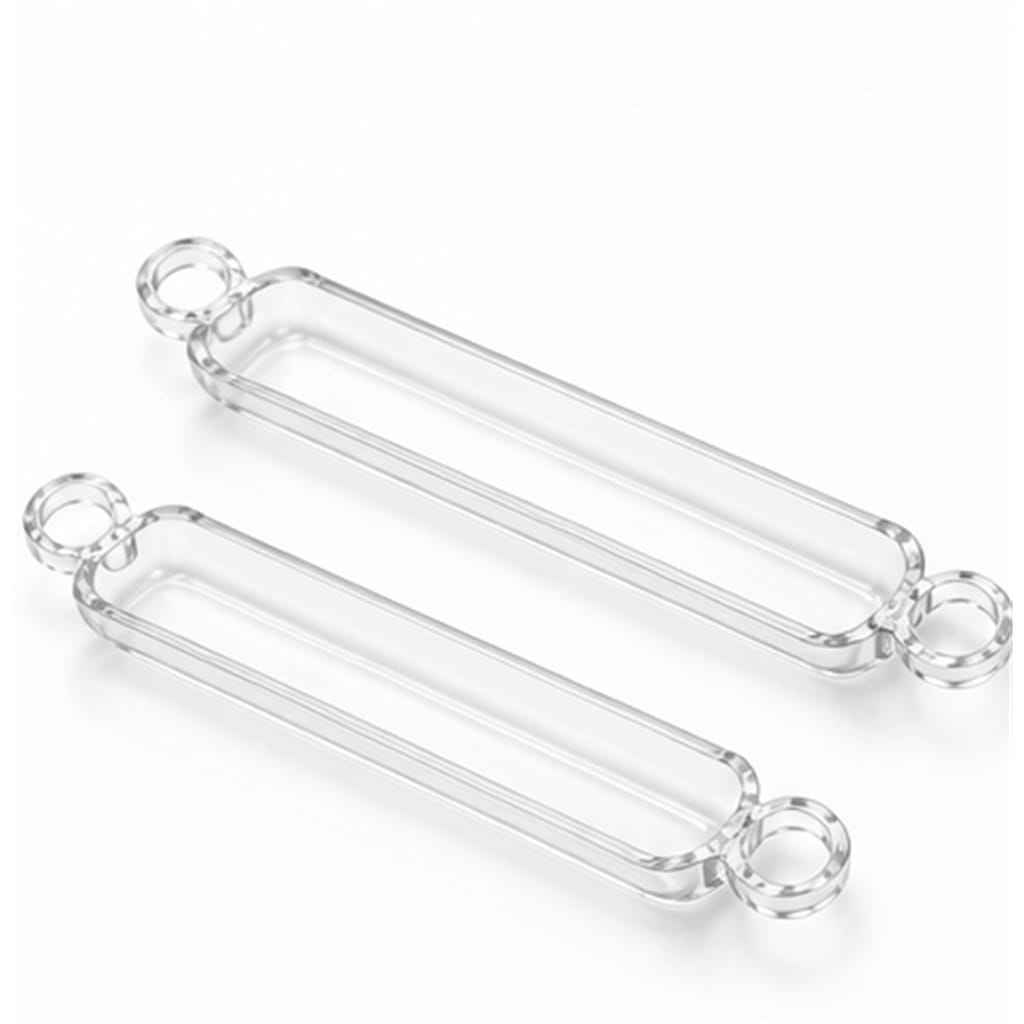
Custom-fabricated to exact mechanical tolerances for semiconductor diffusion, chemical calcination, photovoltaic wafer synthesis, and laser photonics.
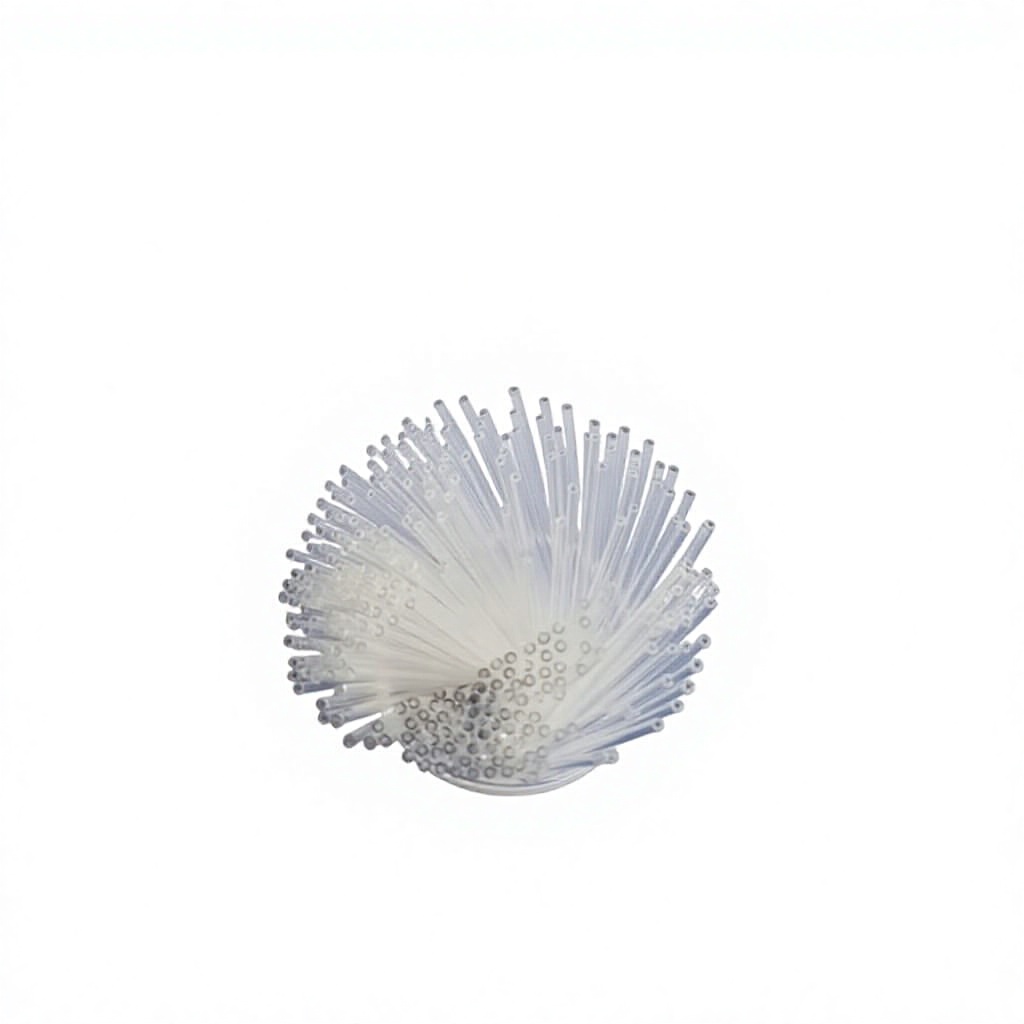
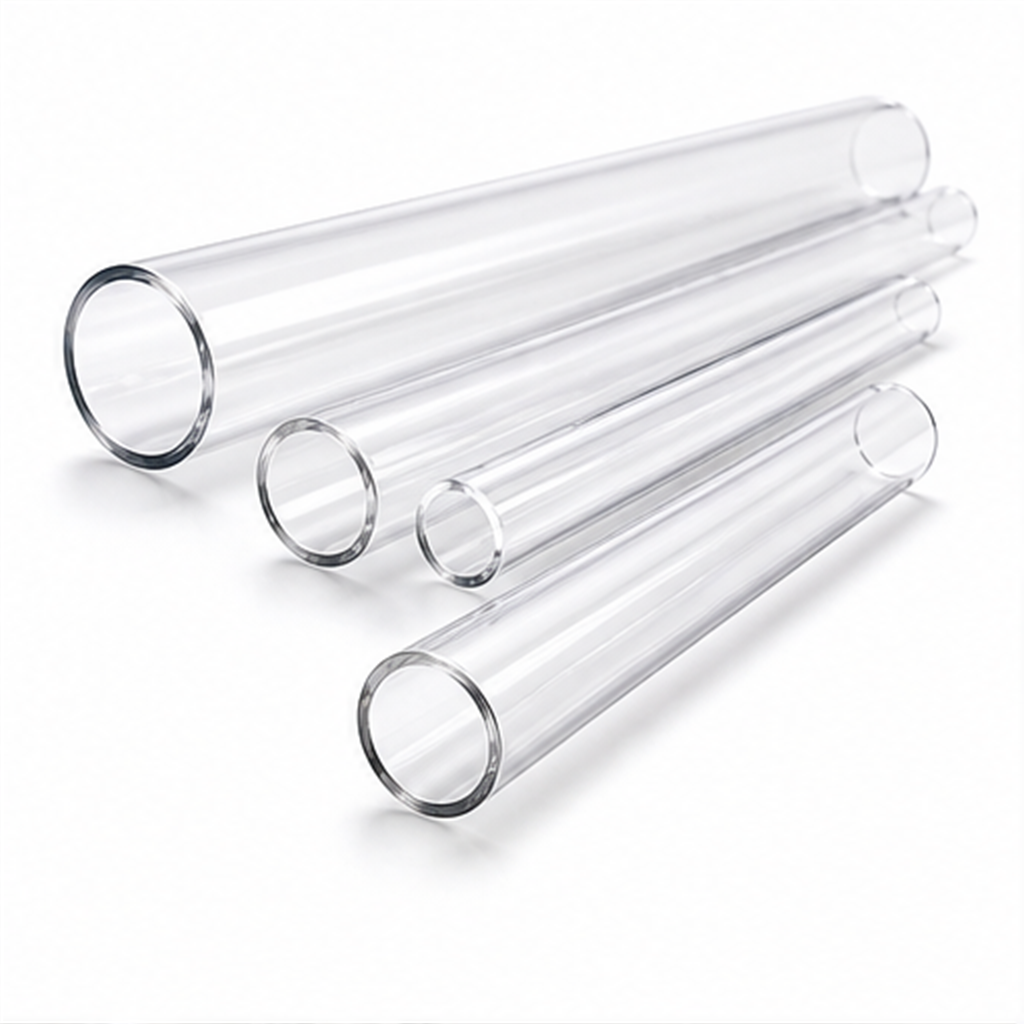
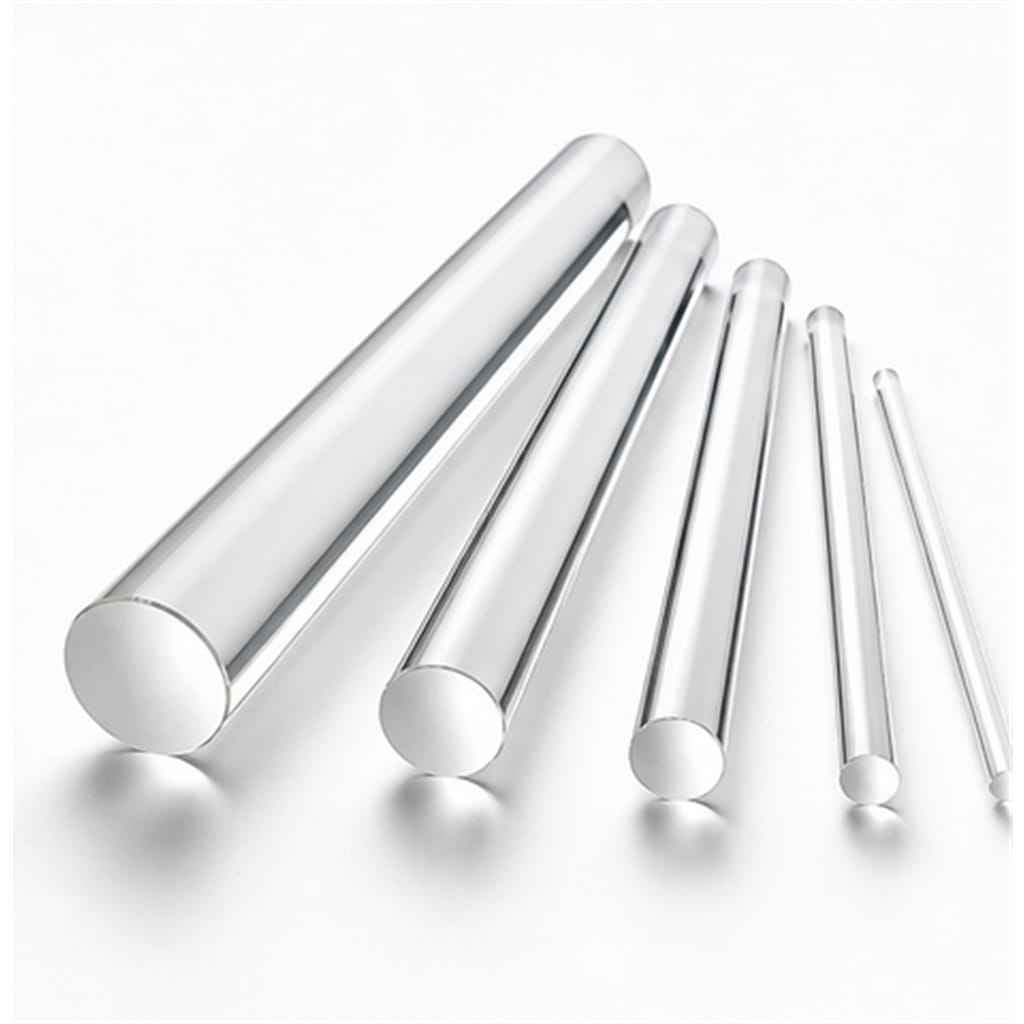
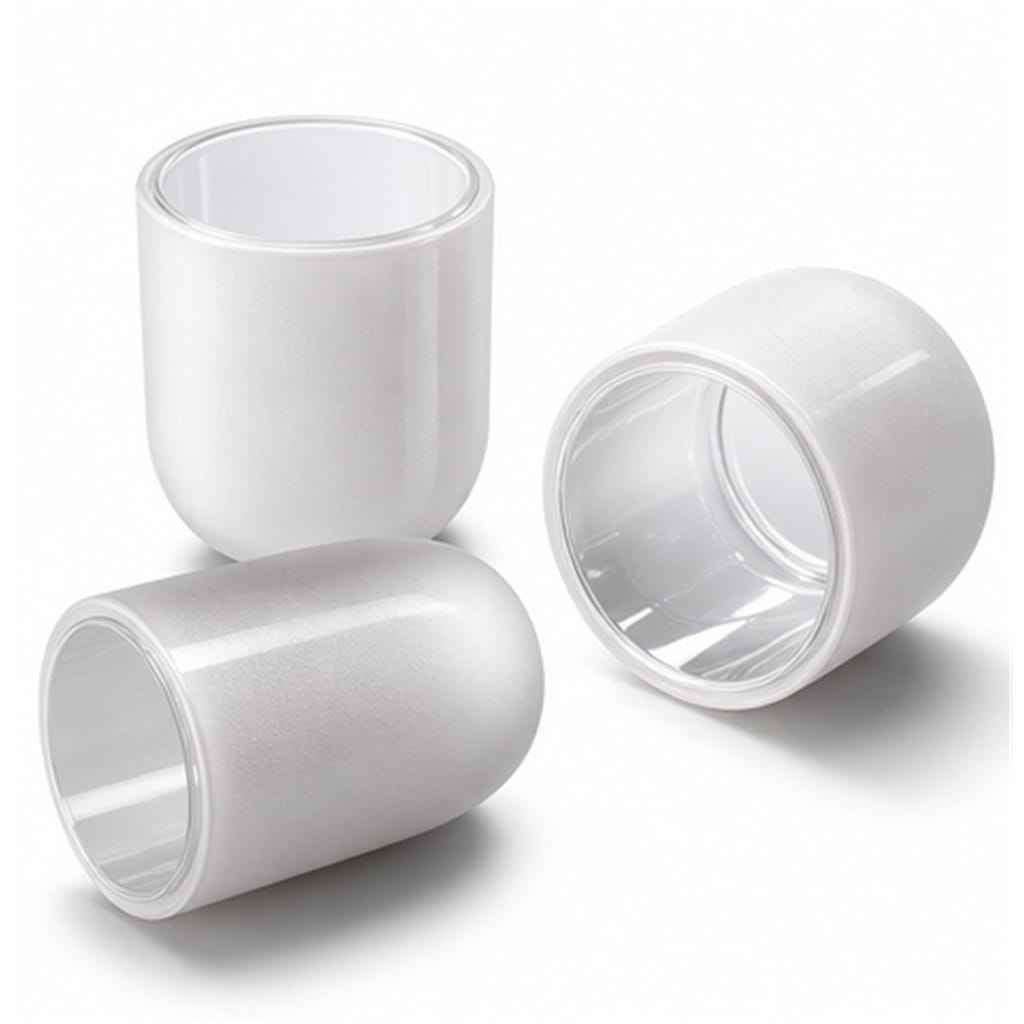
Enterprise Authority: Sourcing from Donghai's Crystal Capital
Founded in 2011 in Donghai County, Lianyungang, Jiangsu Province—globally acknowledged as the premier "Crystal Capital of China"—Donghai Kemzo Quartz Products Co., Ltd. has evolved into an international benchmark for advanced fused silica materials. Operating across modern facilities ranging from 1,000 to 3,000 m² and maintaining an annual output between US$10M and US$50M, Kemzo leverages a profound regional raw material advantage. Donghai's geological quartz pegmatite reserves yield exceptionally low-alkali natural crystal feedstocks. This geographical integration guarantees that incoming raw silica sand maintains baseline silicon dioxide (SiO2) purities from 99.99% to 99.999%, directly minimizing detrimental transition metal contaminants such as iron (Fe), aluminum (Al), titanium (Ti), and lithium (Li).
As an officially accredited Jiangsu High Technology Enterprise operating under full ISO 9001:2015 Quality Management System compliance, Kemzo bridges raw elemental processing with micro-tolerance cold-working and fire-polishing craftsmanship. Over 70% to 80% of our precision furnace tubes, diffusion sleeves, crucibles, and customized analytical glassware are exported directly to Tier-1 semiconductor equipment integrators, advanced photovoltaic manufacturing clusters, and research institutions across North America, Europe, East Asia, and Oceania. With ten dedicated continuous drawing, vertical electric fusion, and rotary casting production lines, our technical team supports demanding OEM, ODM, and customized drawing specifications with an average response time of less than one hour.
Material Science White Paper: Large-Bore Fused Quartz Physics
In high-temperature semiconductor processing (such as LPCVD, dry/wet thermal oxidation, and diffusion), process engineers routinely push mechanical equipment to thermodynamic extremes. A large-diameter quartz tube (defined as Outer Diameter Ø ≥ 200mm up to 650mm with wall thicknesses between 5.0mm and 12.0mm) is subject to rigorous structural stress. Ordinary borosilicate or aluminosilicate glasses fail cataclysmically above 550°C due to excessive thermal expansion. Conversely, Kemzo's CE-certified large fused quartz tubes exhibit a virtually negligible coefficient of thermal expansion (5.5 × 10⁻⁷ /°C between 20°C and 320°C)—roughly one-twentieth that of standard soda-lime silicate glass.
This extraordinary thermal dimensional stability enables extreme thermal shock cycling: a 400mm quartz furnace tube can be heated to 1150°C and plunged directly into ambient water without structural fracture. However, engineering large-bore tubes requires meticulous mitigation of high-temperature gravitational sag. Above 1150°C, vitreous silica enters its plastic deformation phase, where the amorphous network of corner-sharing SiO4 tetrahedra slowly shifts. Our factory employs specialized vacuum electric fusing and controlled oxy-hydrogen rotary heating to minimize interior hydroxyl (OH⁻) content below 15–30 ppm. Reduced OH⁻ bonding drastically raises the annealing point to 1215°C and strain point to 1120°C, extending the service lifespan of heavy horizontal furnace tubes by more than 300% relative to standard commercial-grade quartz.
| Physical / Thermal Property | Standard Value (SI Units) | Engineering Significance in Large-Tube Systems |
|---|---|---|
| Silicon Dioxide (SiO2) Content | ≥ 99.99% (Optical grade ≥ 99.999%) | Eliminates heavy metal cross-contamination during wafer processing. |
| Density (ρ) | 2.20 × 10³ kg/m³ | Lightweight structural load compared to ceramic alternatives (alumina/silicon carbide). |
| Thermal Expansion (20°C to 300°C) | 5.5 × 10⁻⁷ K⁻¹ | Zero thermal shock failure during rapid furnace door actuation and wafer boat insertion. |
| Strain Point | 1120 °C | Lower threshold where internal structural stress ceases to relax over operational cycles. |
| Annealing Point | 1215 °C | Maximum stress-relief temperature utilized in our controlled electric annealing lehrs. |
| Softening Point | ≈ 1683 °C | Thermodynamic boundary before viscous collapse of the fused cylindrical geometry. |
| Hydroxyl (OH⁻) Radical Content | Standard: < 30 ppm | Low-OH: < 5 ppm | Directly governs high-temperature mechanical viscosity and infrared absorption bands. |
| Dielectric Strength (20°C, 1MHz) | 2.5 × 10⁷ V/m | Superior RF insulation for high-frequency induction plasma heating and PECVD chambers. |
| Devitrification Initiation (Cristobalite) | > 1150 °C (in clean air) | Suppressed by ultra-low alkali metal residues (Na, K, Li < 0.5 ppm aggregate). |
Industry Technological Evolution & Future Procurement Dynamics
Analyzing key structural shifts in high-temperature quartz manufacturing across next-generation solar, semiconductor fab expansion, and hydrogen energy vectors.
1. Photovoltaic Cell Evolution: The TOPCon & Perovskite Transition
The global solar industry's rapid departure from p-type PERC toward n-type TOPCon (Tunnel Oxide Passivated Contact) and emerging Perovskite-Silicon tandem architectures has revolutionized furnace tube requirements. TOPCon boron diffusion and LPCVD polysilicon deposition operate at elevated thermal cycles exceeding 1100°C for hours. This has catalyzed a massive surge in procurement demand for ultra-large diameter quartz tubes (Ø 450mm to 650mm) spanning lengths greater than 3.2 meters. These oversized tubes must maintain axial bow tolerances below 1.5mm/m to prevent automated paddle collisions.
2. Sub-5nm Fab Cleanliness & Synthetic Silica Integration
As semiconductor micro-architecture shrinks past 5nm, metallic impurities once considered negligible (e.g., Fe < 0.1 ppm, Cu < 0.05 ppm) can ruin entire wafer runs via lattice contamination. Future procurement strategies emphasize synthetic fused silica (synthesized from high-purity silicon tetrachloride SiCl4 vaporization) for wafer-contact rings, alongside high-purity natural fused quartz for large furnace envelopes. This dual-material procurement hybrid balances rigorous trace-element containment with pragmatic overall chamber manufacturing costs.
3. Green Hydrogen & Plasma Calcination Enclosures
Beyond microelectronics, deep-decarbonization applications are rapidly adopting large quartz tubes as thermal insulation shields and plasma reaction chambers. In continuous high-temperature hydrogen generation and solid-oxide electrolysis cell (SOEC) testing, high-purity fused quartz provides the unique chemical inertness necessary to withstand volatile reducing atmospheres and aggressive moisture saturation without undergoing the structural pitting or catalytic degradation typical of alloyed steels.
4. Total Lifecycle Optimization & Devitrification Management
Enterprise buyers are moving away from evaluating quartz solely on upfront procurement cost per kilogram, transitioning instead toward Total Cost of Ownership (TCO) modeling. Quartz tubes that incorporate laser-controlled wall thickness uniformity (±0.2mm) and double-stage thermal vacuum annealing experience significantly lower devitrification rates (conversion to alpha/beta-cristobalite). Extending continuous furnace runtime by an extra 600–1200 operating hours provides huge bottom-line savings by minimizing cleanroom downtime and thermal re-stabilization costs.
Why Global Engineering Teams Specify Kemzo Fused Quartz
Procuring industrial quartz glass from an overseas supplier presents substantial quality risks if dimensional verification, mechanical annealing, and export crating are not strictly controlled. Donghai Kemzo Quartz Products Co., Ltd. addresses these challenges through comprehensive quality-control systems:
Raw Material Hegemony
Direct processing access to Donghai’s crystalline quartz mines ensures complete traceability of feedstock batches, ensuring constant dielectric parameters and absence of microscopic bubble seeds.
Full-Spectrum In-House Machining
Our workshop hosts diamond-toothed circular slicing saws, CNC cylindrical grinding, double-sided flat optical lapping, ultrasonic hole perforation, and high-precision glass lathe fire-working.
CE Marking & EU Compliance
Our large-diameter tubes and pressure-resistant vessels comply with relevant CE health, safety, and environmental protection directives (such as EN 61010-1 and European Pressure Equipment standards where applicable).
Polariscopic Stress Testing
100% of finished fabricated products undergo optical polariscope strain-retardation analysis. Residual internal stresses are guaranteed below 10 nm/cm to prevent spontaneous in-service shattering.
Engineered Export Packaging
Large-bore quartz tubes are suspended inside reinforced fumigated timber crates using custom high-density EPE foam cradles and drop-indicator shock sensors, maintaining a >99.6% damage-free delivery rate.
Comprehensive Logistics Incoterms
Exporting seamlessly across FOB, CFR, CIF, EXW, DDU, and DAF terms. Payment flexibility supports T/T, L/C, and major convertible currencies including USD, EUR, AUD, HKD, and CNY.
Frequently Asked Questions: Industrial Quartz Procurement
In-depth technical answers addressing material selection, dimensional tolerances, and handling protocols for high-temperature applications.
What is the exact scientific distinction between natural fused quartz and synthetic fused silica?
Synthetic Fused Silica is produced via chemical vapor deposition (CVD) by oxidizing silicon tetrachloride (SiCl4) precursor gas in an oxygen-hydrogen flame. This results in an amorphous material with virtually zero metallic impurities (total trace elements < 0.1 ppm) and no micro-bubble inclusions, providing extreme transmission down to the deep ultraviolet (193nm DUV excimer laser range). However, synthetic silica features higher hydroxyl levels (unless specifically dehydrated) and a lower softening point than natural fused quartz.
What are the achievable dimensional tolerances for large-diameter quartz tubes (Ø > 200mm)?
- Outer Diameter (OD): ±1.0% of nominal OD (or down to ±0.5mm upon precision ground calibration).
- Wall Thickness (WT): ±8% to ±10% of nominal wall (tightened to ±0.4mm for CNC-machined tubes).
- Straightness / Axial Bow: Less than 1.5mm per 1000mm length.
- Ovality / Out-of-Roundness: Less than 1.2% of the nominal outer diameter.
Why does fused quartz devitrify, and how can premature failure be prevented in operation?
Upon cooling through the 200°C–275°C temperature window, beta-cristobalite converts to alpha-cristobalite accompanied by a sudden ~5% volumetric contraction. This induces severe microscopic fracturing, hazing, and catastrophic structural failure. To prevent this:
- Never touch high-temperature quartz with bare hands; skin oils contain sufficient sodium to nucleate cristobalite patches. Always handle with clean cotton or lint-free cleanroom gloves.
- Clean quartz components prior to thermal commissioning using a 5% to 10% hydrofluoric (HF) acid etch for 2–3 minutes, followed by an immediate multi-stage rinse with 18 MΩ·cm deionized (DI) water and pure nitrogen drying.
- Operate furnaces in non-alkaline atmospheres and avoid direct contact with refractory ceramic wool containing high fluxing impurities.
How does CE certification apply to large quartz tubes and industrial vessels?
Can Kemzo customize quartz flanges, ground joints, and gas injection ports onto large tubes?
- Precision ground flat or O-ring groove quartz flanges for vacuum sealing.
- Standard taper ground joints (e.g., 24/40, 29/32, 45/50) and ball-and-socket spherical joints.
- Threaded GL-spec connectors with heat-resistant PTFE screw caps.
- Thermocouple quartz protection wells, carrier support lugs, and custom gas sparging nozzles.
What are your standard export lead times and small-batch prototyping policies?
Have an Engineering Drawing or Custom Quartz Specification?
Consult directly with Donghai Kemzo's quartz glass fabrication engineers. We provide comprehensive feasibility assessments, geometric tolerance verification, and factory-direct quotation within 1 hour.