Recommended Precision Quartzware Components
Direct Factory OEM / ODM Manufacturing with Full Dimensional Traceability and International Compliance
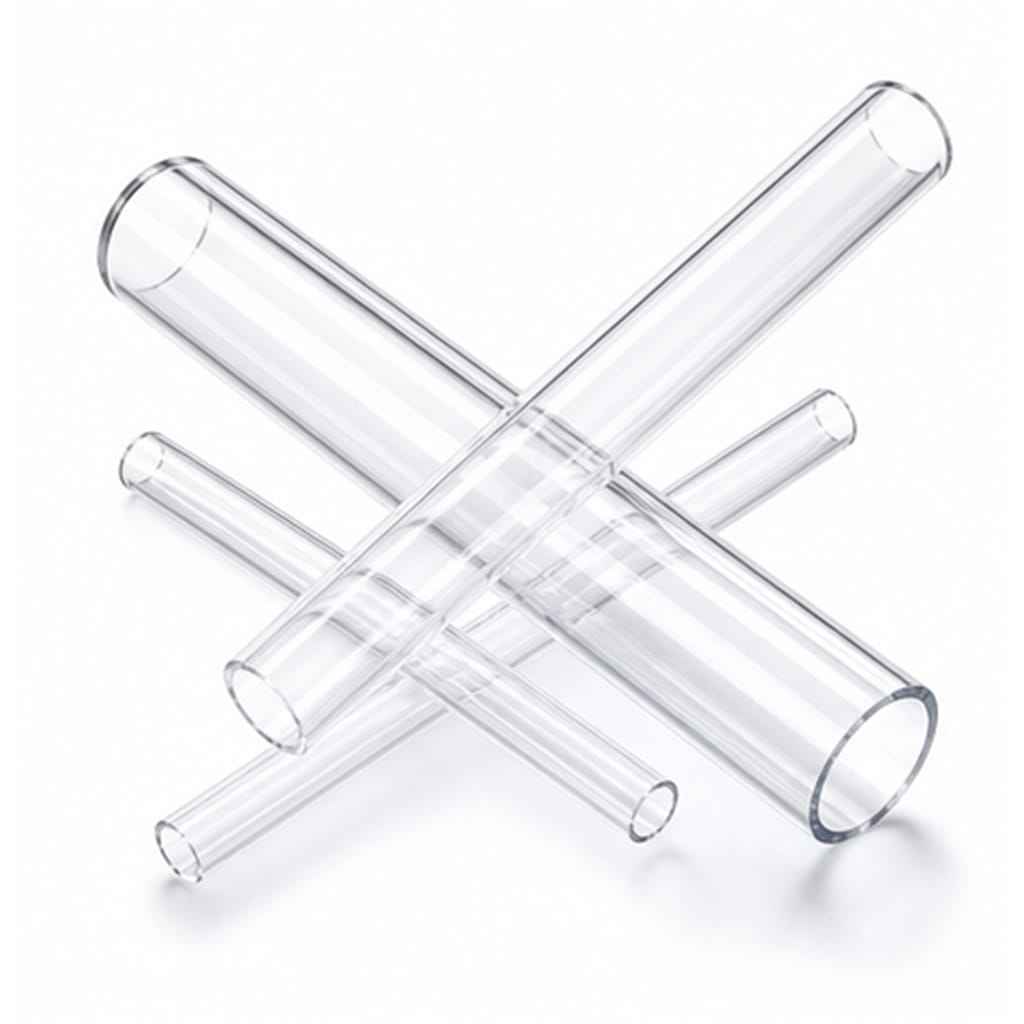
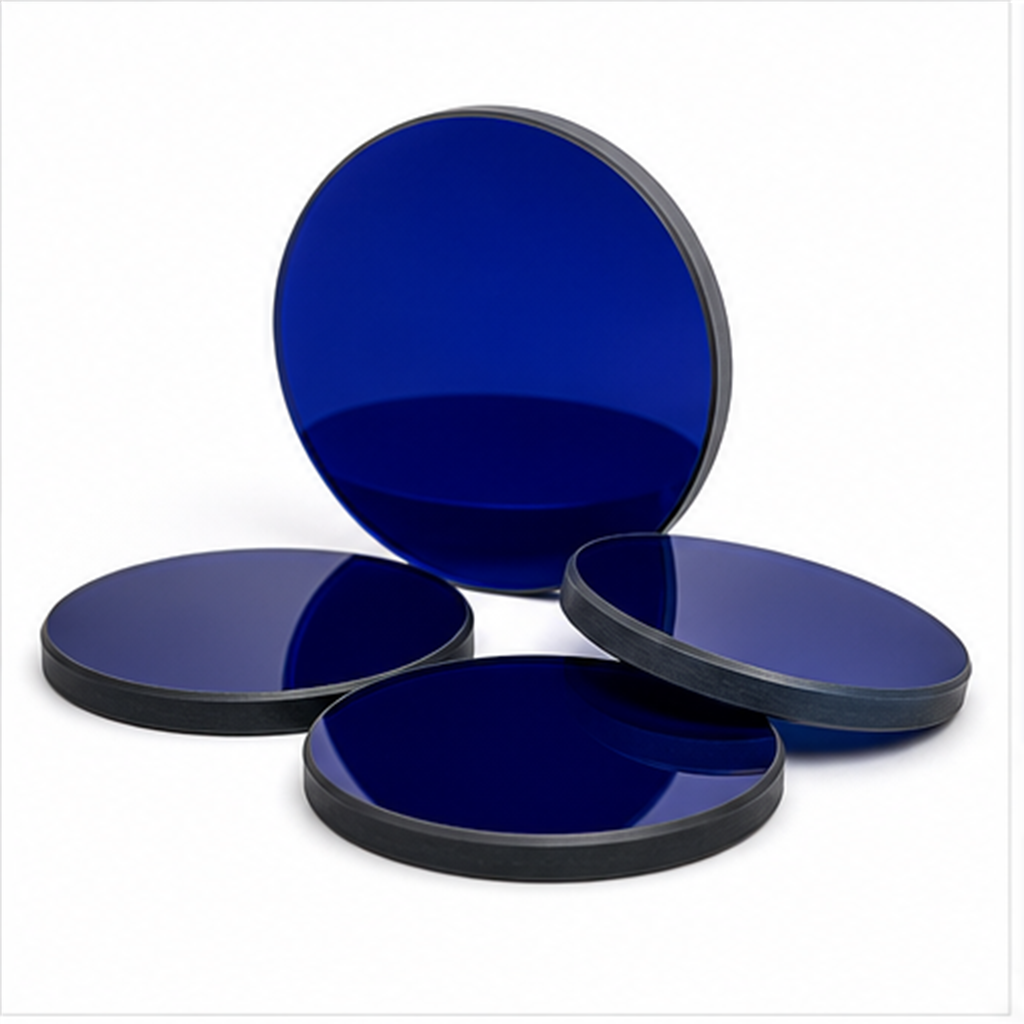
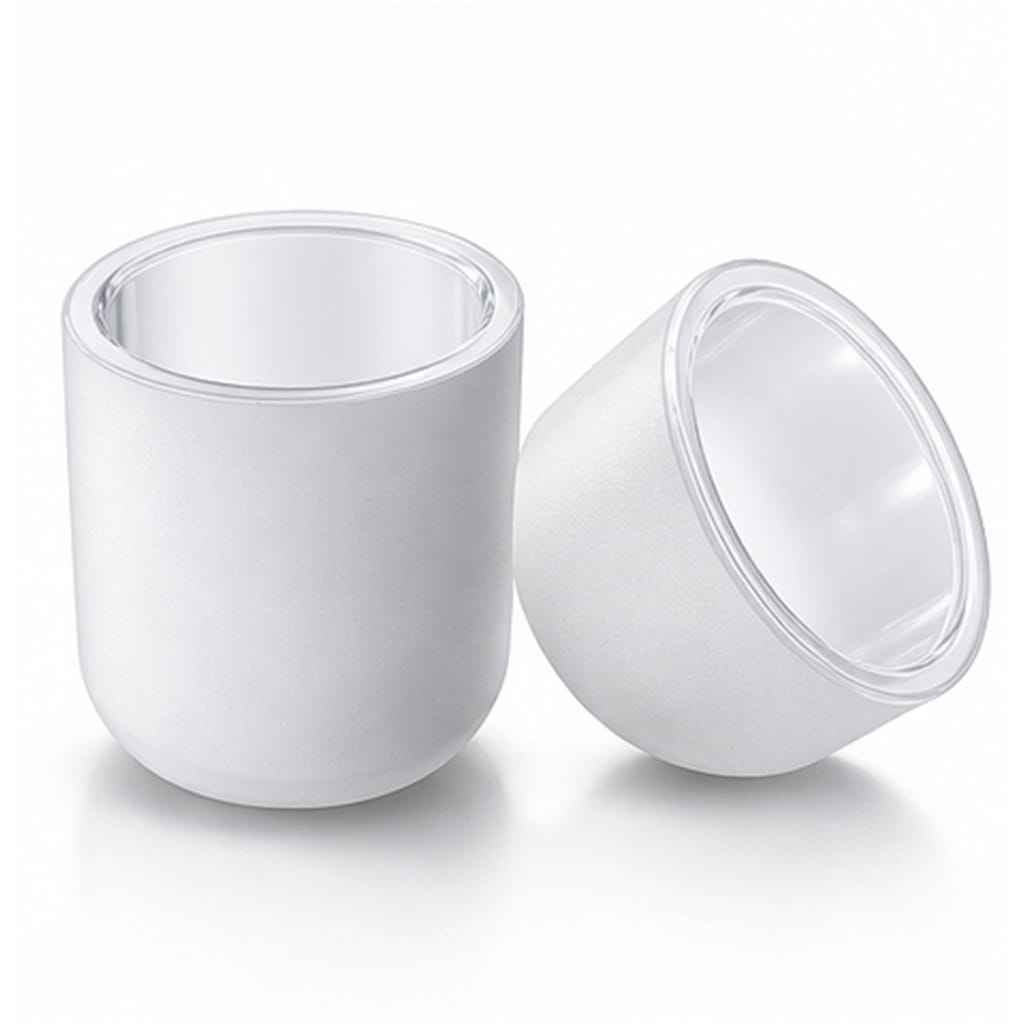
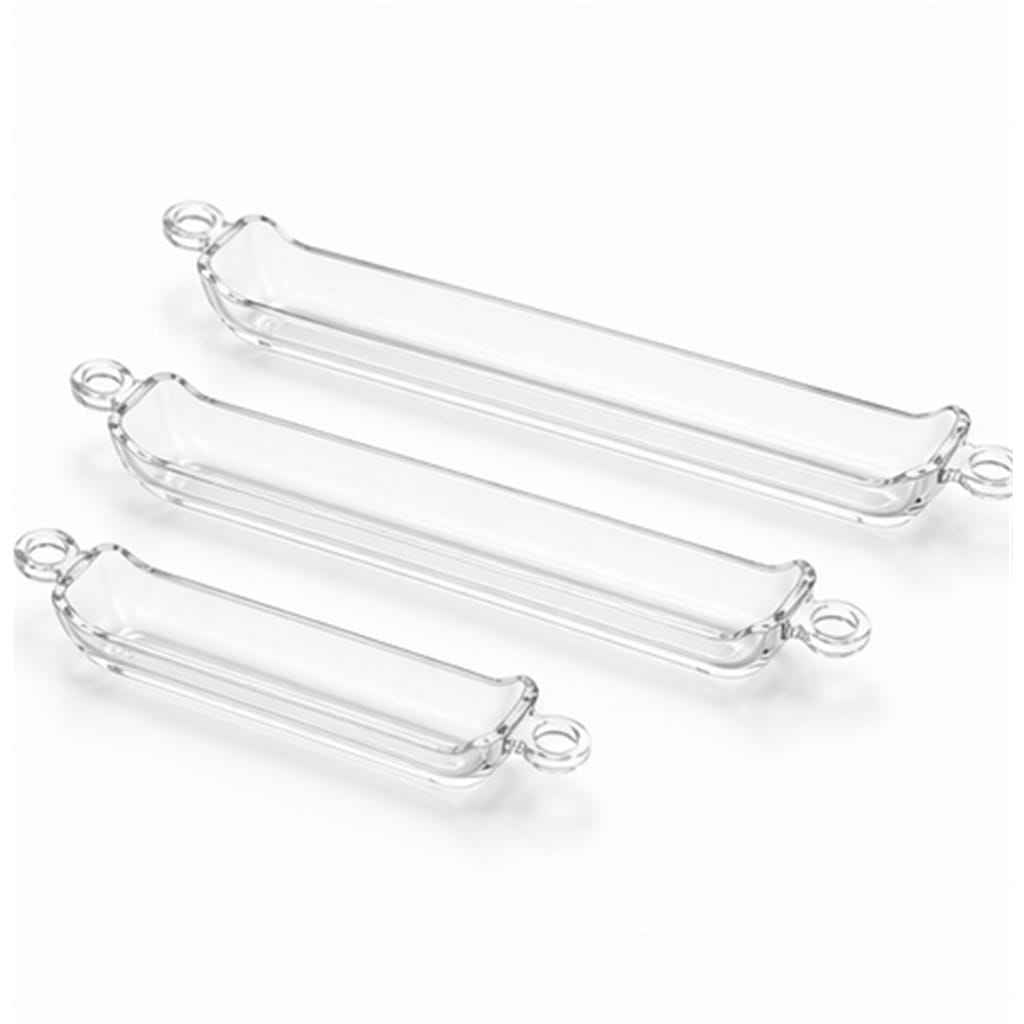
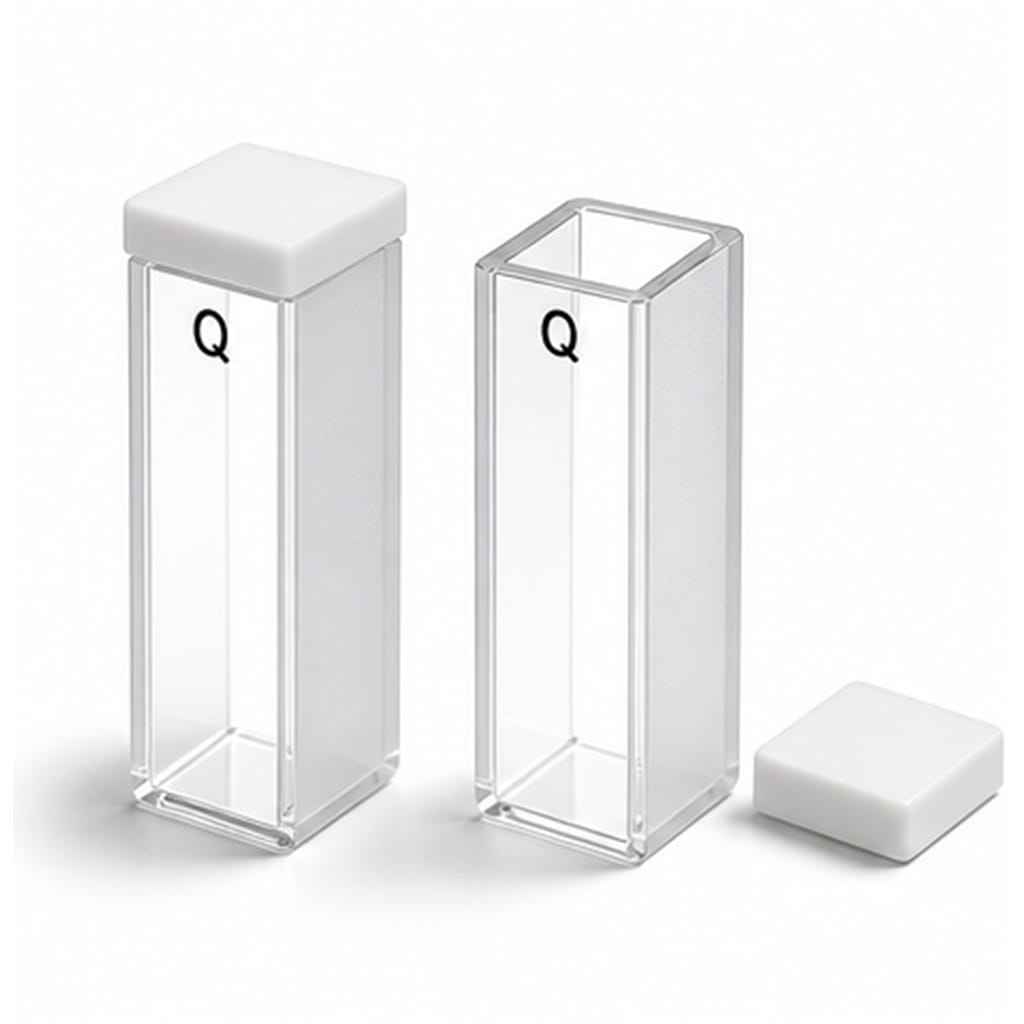
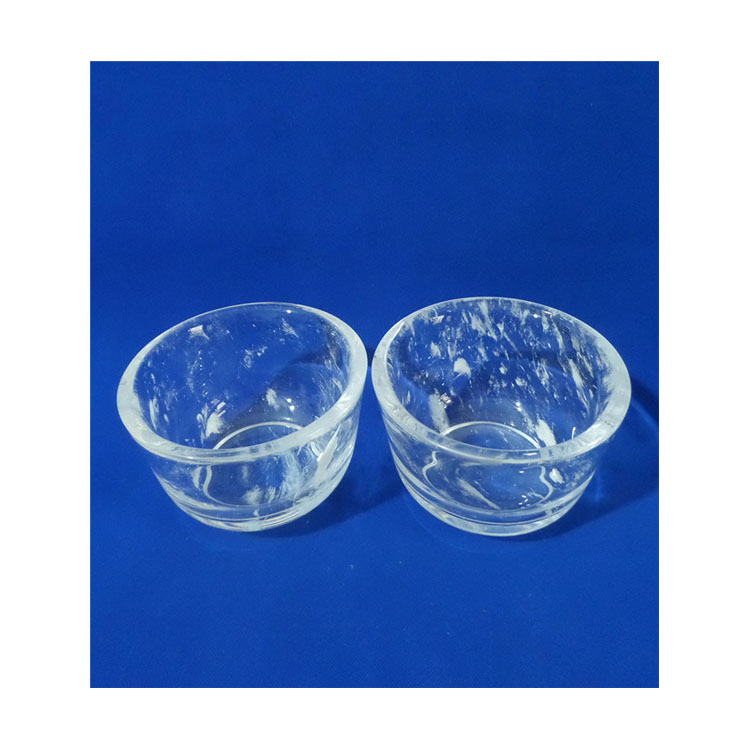
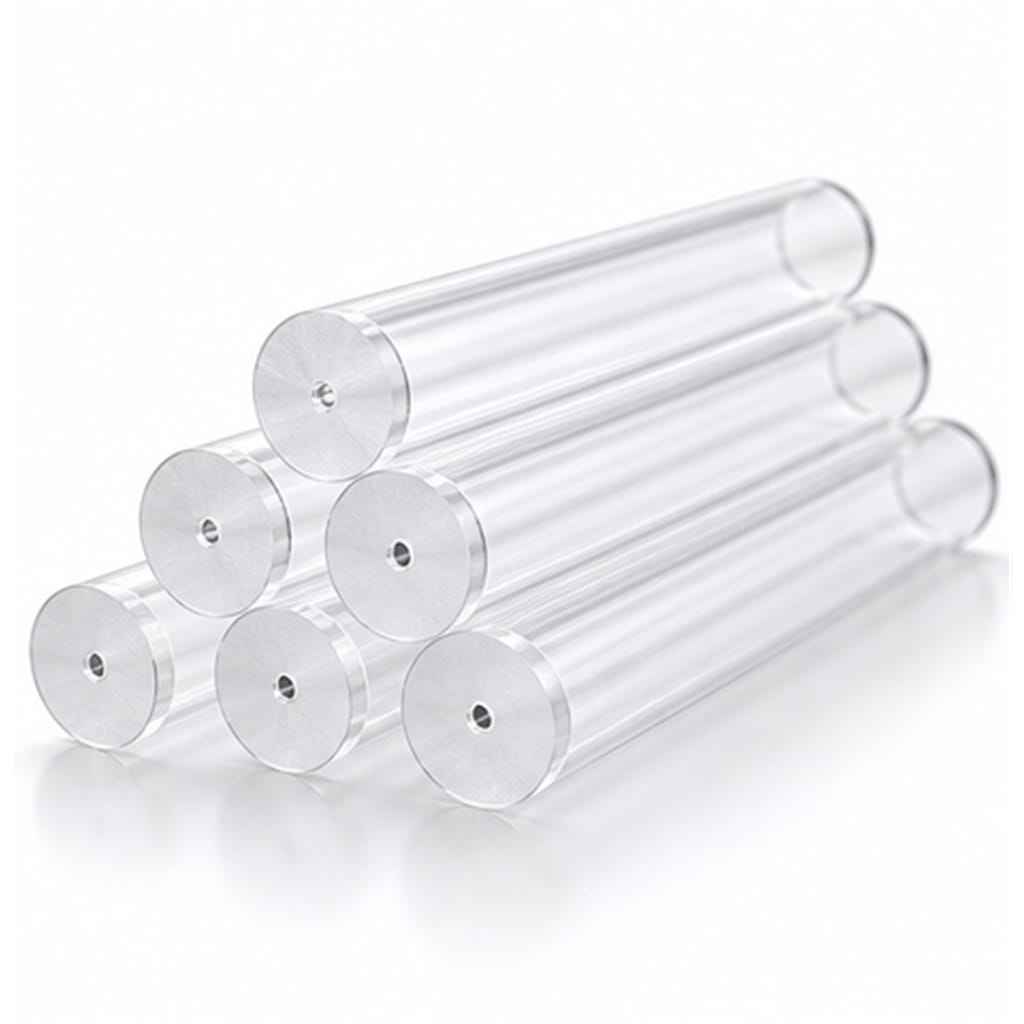
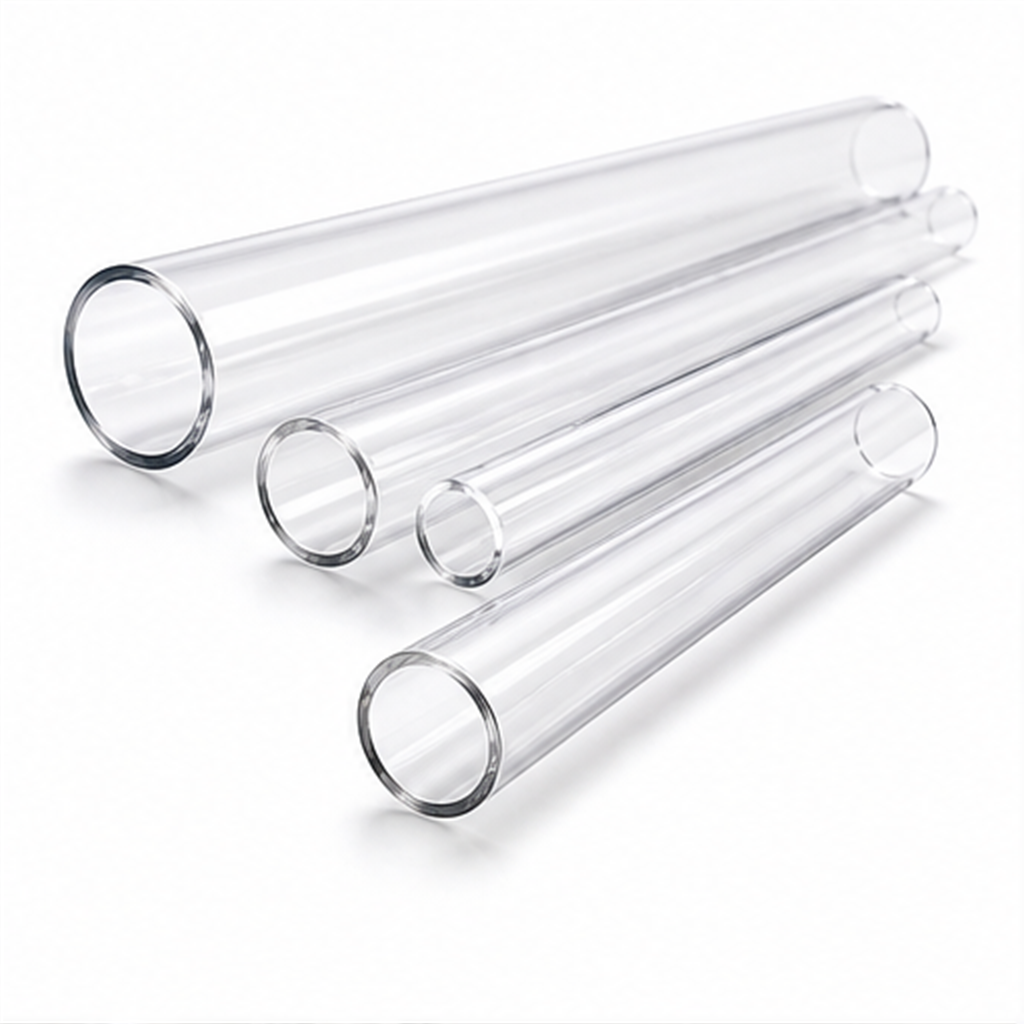
Enterprise Strengths & Manufacturing Excellence
Donghai Kemzo Quartz Products Co., Ltd. — Your Certified High-Purity Quartz Glass Engineering Partner
Donghai Source Supply Chain
Situated in Donghai County, Lianyungang, China's world-renowned crystal and natural quartz capital, we possess direct localized access to ultra-high purity silica deposits, guaranteeing material stability and competitive cost structures.
CE & ISO 9001 Qualification
Our complete line of fused quartz glass bells, diffusion tubes, and analytical vessels strictly adheres to European CE safety directives (EN 61010-1) and ISO 9001 quality management guidelines, ensuring zero operational risk in high-pressure thermal processes.
Advanced Flame & CNC Machining
Equipped with state-of-the-art automatic rotary glass lathes, 5-axis ultrasonic CNC milling systems, and optical flame polishing setups, we fabricate quartz bells down to tight dimensional tolerances of ±0.05mm according to technical drawings.
Technical Specification & Engineering Whitepaper
Comprehensive Insights into Fused Quartz Bell Jars, Material Kinetics, and Structural Reliability
1. Material Composition & Physical Thermodynamics of Quartz Bells
A quartz glass bell jar serves as an indispensable containment vessel in thermal processing applications where strict atmosphere control, structural integrity at extreme temperatures, and ultra-high chemical inertness are mandatory. Manufactured primarily from fused silica (derived from refined silicon tetrachloride) or high-purity natural quartz sand ($SiO_2 \ge 99.99\%$), quartz glass possesses physical attributes that far outclass standard borosilicate or soda-lime glasses.
The fundamental advantage of fused quartz lies in its single-element chemical structure ($SiO_2$), yielding an extremely low linear coefficient of thermal expansion ($\alpha = 5.5 \times 10^{-7} / ^\circ\text{C}$ between $20^\circ\text{C}$ and $300^\circ\text{C}$). This minimal expansion rate imparts superior thermal shock resistance, allowing a CE-certified quartz bell to endure abrupt thermal gradients—such as plunging from $1000^\circ\text{C}$ directly into ambient air—without structural fracturing or micro-fissuring.
Table 1: Physical & Thermal Property Comparison Matrix
| Physical Parameter | Standard Fused Quartz Bell | Synthetic Fused Silica Bell | Borosilicate Glass (Comparison) |
|---|---|---|---|
| Silicon Dioxide ($SiO_2$) Content | ≥ 99.99% | ≥ 99.9999% (Synthetic) | ≈ 81% ($SiO_2$ + $B_2O_3$) |
| Density ($\text{g/cm}^3$) | 2.20 | 2.20 | 2.23 |
| Coefficient of Thermal Expansion | $5.5 \times 10^{-7} / ^\circ\text{C}$ | $5.2 \times 10^{-7} / ^\circ\text{C}$ | $3.3 \times 10^{-6} / ^\circ\text{C}$ |
| Softening Point (°C) | ≈ 1683 °C | ≈ 1600 °C (OH dependent) | ≈ 820 °C |
| Annealing Point (°C) | 1215 °C | 1180 °C | 560 °C |
| Continuous Max Temp (°C) | 1100 °C | 1050 °C | 450 °C |
| Hydroxyl ($OH^-$) Content | ≤ 30 ppm (Low OH available < 5 ppm) | 100 - 1000 ppm | N/A (Multi-component) |
2. CE Certification & Safety Compliance Standards
In high-vacuum, high-temperature chemical vapor deposition (CVD), plasma etching, and epitaxial silicon growth, structural failure of a glass dome under vacuum or pressure differentials presents severe safety risks. CE certification for quartz glass bells confirms that the manufacturing batch satisfies the health, safety, and environmental protection benchmarks set by the European Union.
Key governing standards applied during our production and testing routines include:
- EN 61010-1 Safety Requirements: Compliance protocols for electrical and thermal safety in laboratory and industrial process equipment.
- Pressure Equipment Directive (PED 2014/68/EU): Stress simulation and hydrostatic burst tests for quartz chambers designed to operate under negative pressure or pressurized gas purges.
- ASTM E438 Class A Standard: Verification of chemical durability and resistance to corrosive gas phase reagents, including $HCl$, $HF$, and volatile silanes.
3. Quality Control Workflow for Quartz Bell Manufacturing
To eliminate internal stress, micro-bubbles, and inclusion defects that lead to vacuum implosions or optical scattering, Donghai Kemzo Quartz enforces a rigorous 4-stage quality validation process across every production lot.
Sand Refining & Spectrometry
XRF atomic absorption spectroscopy evaluates raw $SiO_2$ feedstocks to restrict trace metallic impurities ($Fe, Al, Ti, Na, K$) below 10 ppm combined.
Vacuum Flame Fusion
Melting in high-temperature vacuum induction furnaces removes gas pockets, creating dense bubble-free quartz bell blanks with uniform wall thickness.
Precision CNC & Annealing
5-axis diamond tooling finishes bell flanges and port joints, followed by a controlled 24-hour thermal annealing cycle at 1215°C to alleviate internal stress.
Polariscope & Hydrostatic QC
100% polariscopic optical stress evaluation and helium mass spectrometer leak inspection ensure zero optical strain and zero micro-void leak paths.
Future Procurement & Technological Trends (2025–2030)
Strategic Sourcing Insights for Global Semiconductor, Solar Photovoltaic, and Industrial Process Purchasing Directors
1. Semiconductor Wafer Scale-Up & Ultra-Low OH Content
As semiconductor fabrication shifts toward sub-2nm nodes and larger 300mm/450mm wafer formats, demand for oversized quartz glass bells with exceptional dimensional stability is expanding. Future procurement contracts increasingly mandate Ultra-Low OH Content (<5 ppm). Lower hydroxyl concentration suppresses structural softening at prolonged thermal runs above 1200°C, doubling bell jar operational lifespans and reducing unplanned chamber maintenance down-time.
2. Photovoltaic TOPCon & HJT Cell Expansion
The solar industry's rapid upgrade to N-type TOPCon (Tunnel Oxide Passivated Contact) and Heterojunction (HJT) solar cells requires high-throughput plasma-enhanced chemical vapor deposition (PECVD) processing. This shift drives high-volume demand for heavy-wall quartz bell jars and process tubes capable of resisting fluorine-containing cleaning plasma gases while maintaining tight thermal uniformity across massive wafer boats.
3. Transition from Natural Quartz to Synthetic Silica Mixes
While natural high-purity quartz remains the dominant material for cost-effective thermal chambers, cutting-edge optical and EUV lithography applications are driving hybrid quartzware solutions. Procurement directors are adopting hybrid bell configurations—utilizing cost-effective natural quartz bodies paired with synthetic fused silica optical viewports—to balance total cost of ownership (TCO) with optical purity.
4. Traceable Digital Material Certificates & ESG Compliance
Global supply chain regulations now mandate full material origin traceability. Direct integration of 3D laser-etched matrix codes on quartz bell flanges allows semiconductor foundries to trace every bell jar back to its specific batch melt, annealing temperature log, and raw sand chemical report—simplifying audit compliance and ESG reporting.
Frequently Asked Procurement Questions (FAQ)
In-Depth Technical Answers to Assist B2B Procurement Engineers and Equipment OEM Buyers
Request Custom Quartz Bell Specifications & Factory Price List
Send us your dimensional drawings or performance parameters. Our thermal glass engineering team provides technical feedback, feasibility reviews, and official quotation proposals within 1 hour.