High-Precision Optical & Thermal Quartz Components
Engineered to drawing from natural Donghai crystal sand and synthetic precursors. Full spectrum optical clarity from 185 nm to 2500 nm with extreme thermal stability.
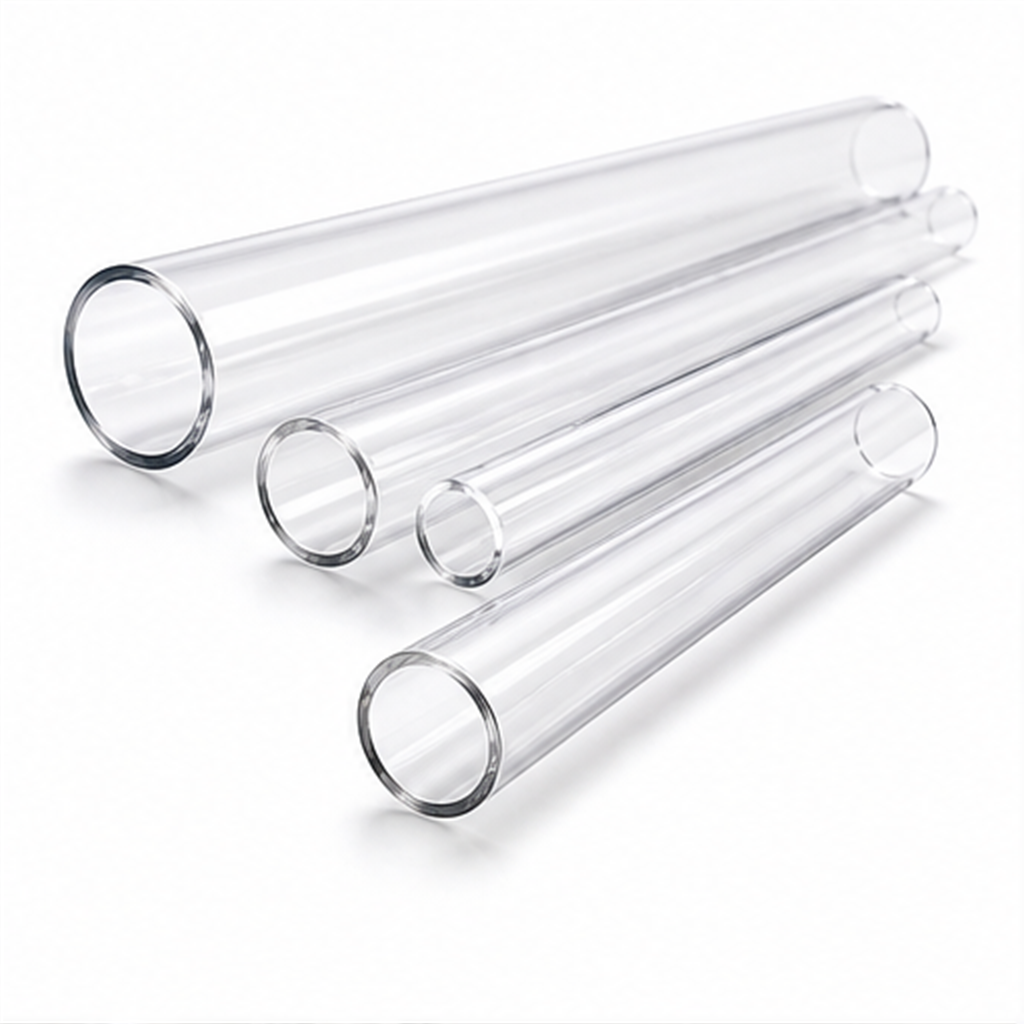
Thermal Shock Resistant Transparent Fused Quartz Furnace Tube
- Continuous operational threshold: 1100°C
- Softening deformation point: 1683°C
- Ultra-low expansion: 5.5 × 10⁻⁷ / °C
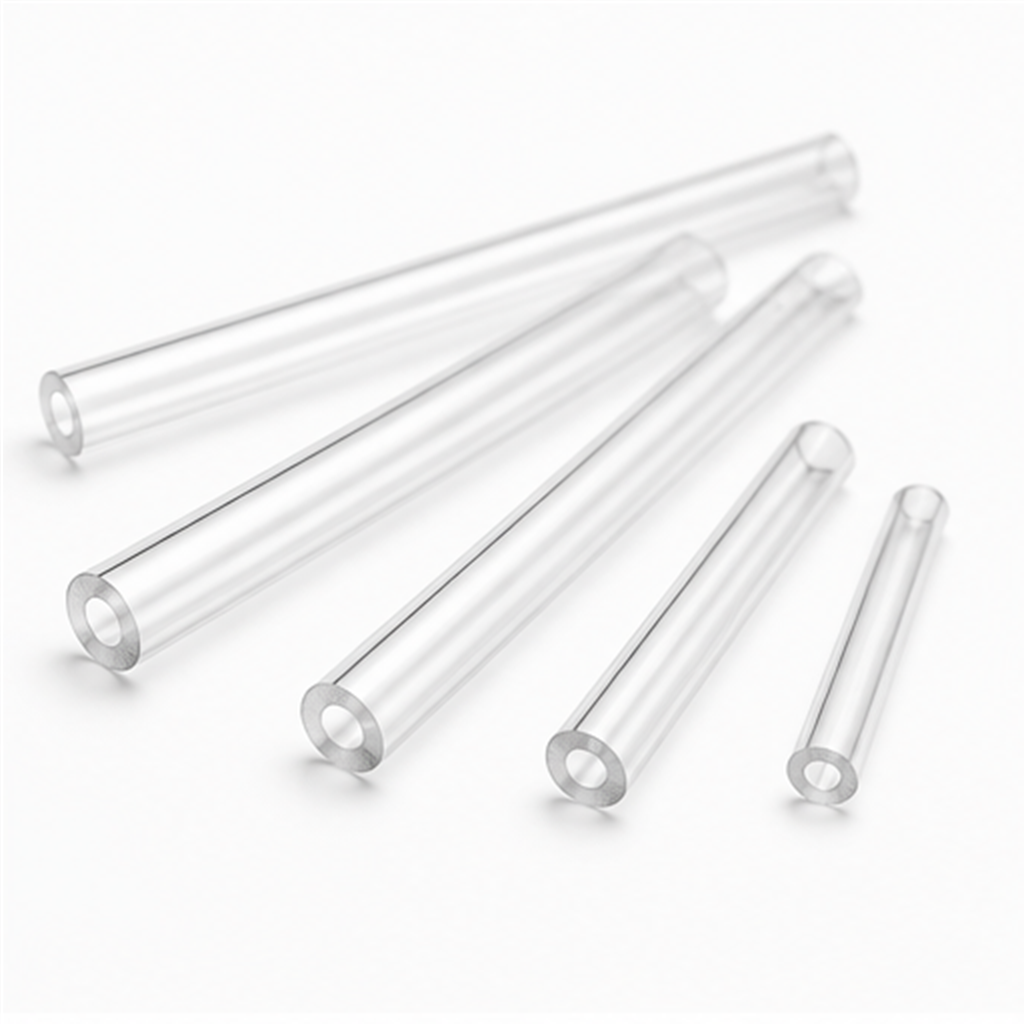
Small Bore Clear Fused Quartz Glass Tube for Analytical Systems
- Precision concentricity: ±0.02 mm
- Precision flat cut non-flaking end finishes
- High chemical inertia for analytical HPLC/GC
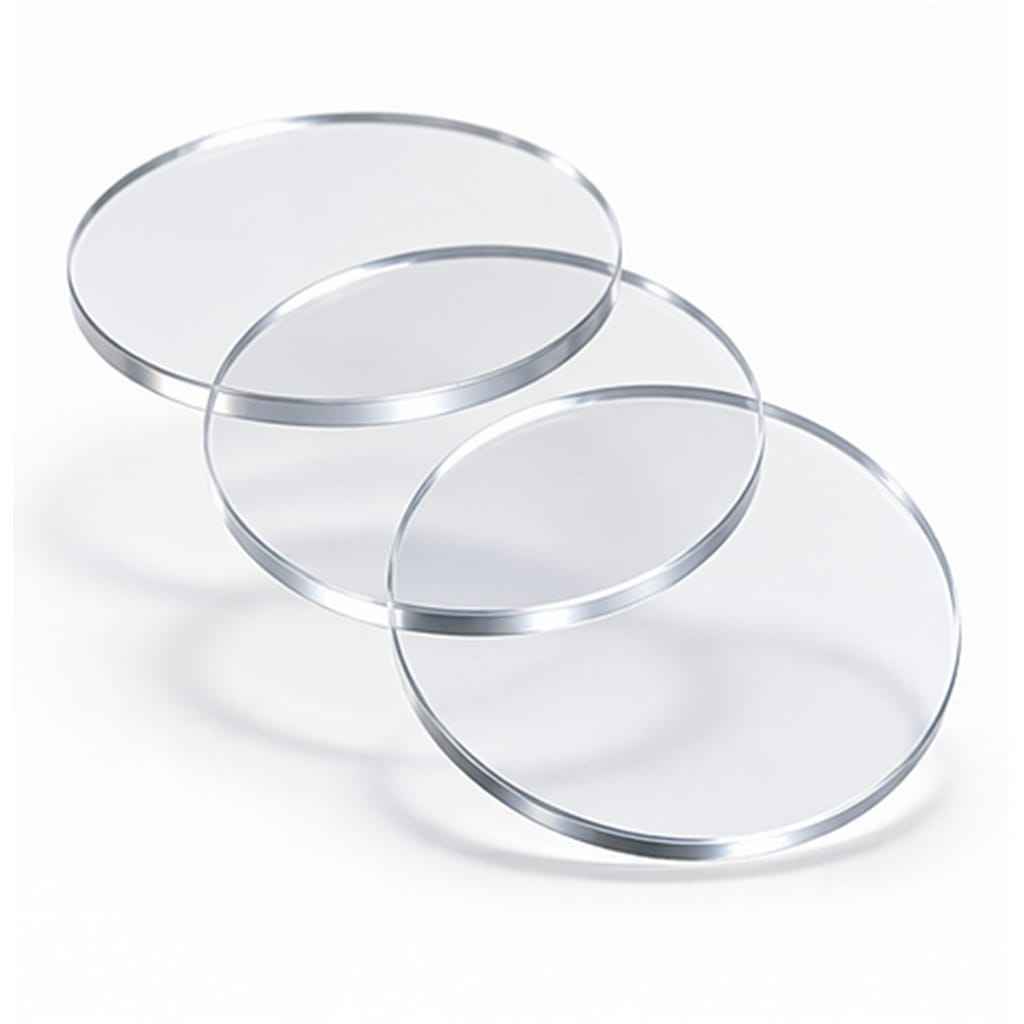
Optically Polished Single-Crystal Quartz Wafers for QCM Sensors
- Surface roughness Ra: < 0.5 nm CMP polish
- Edge profile: Precision CNC chamfered
- Substrate application: Piezoelectric biosensors
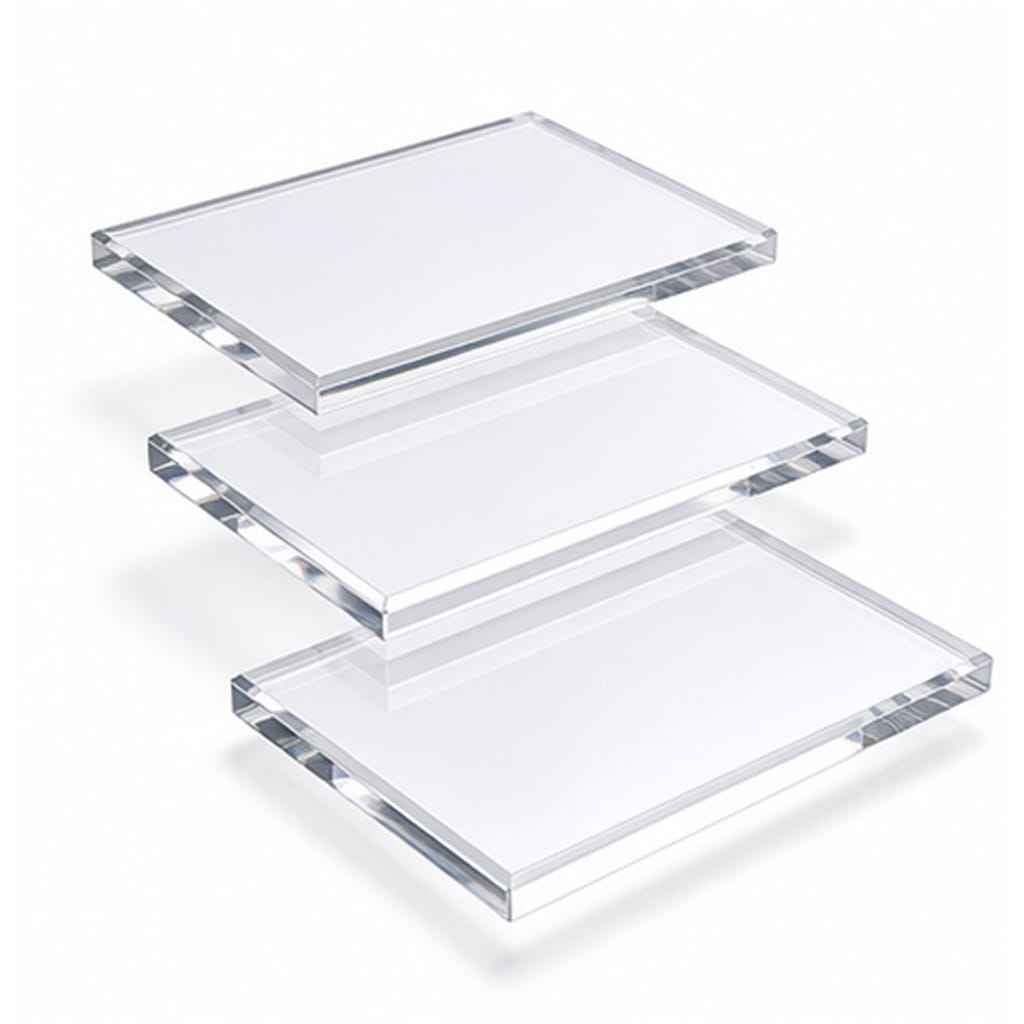
Precision Optical Fused-Quartz Square Plates for Photomasks
- Wavefront distortion: λ/4 to λ/10 at 632.8 nm
- Surface quality: MIL-PRF-13830B 20-10 Scratch/Dig
- Zero bubble/inclusion optical aperture zone
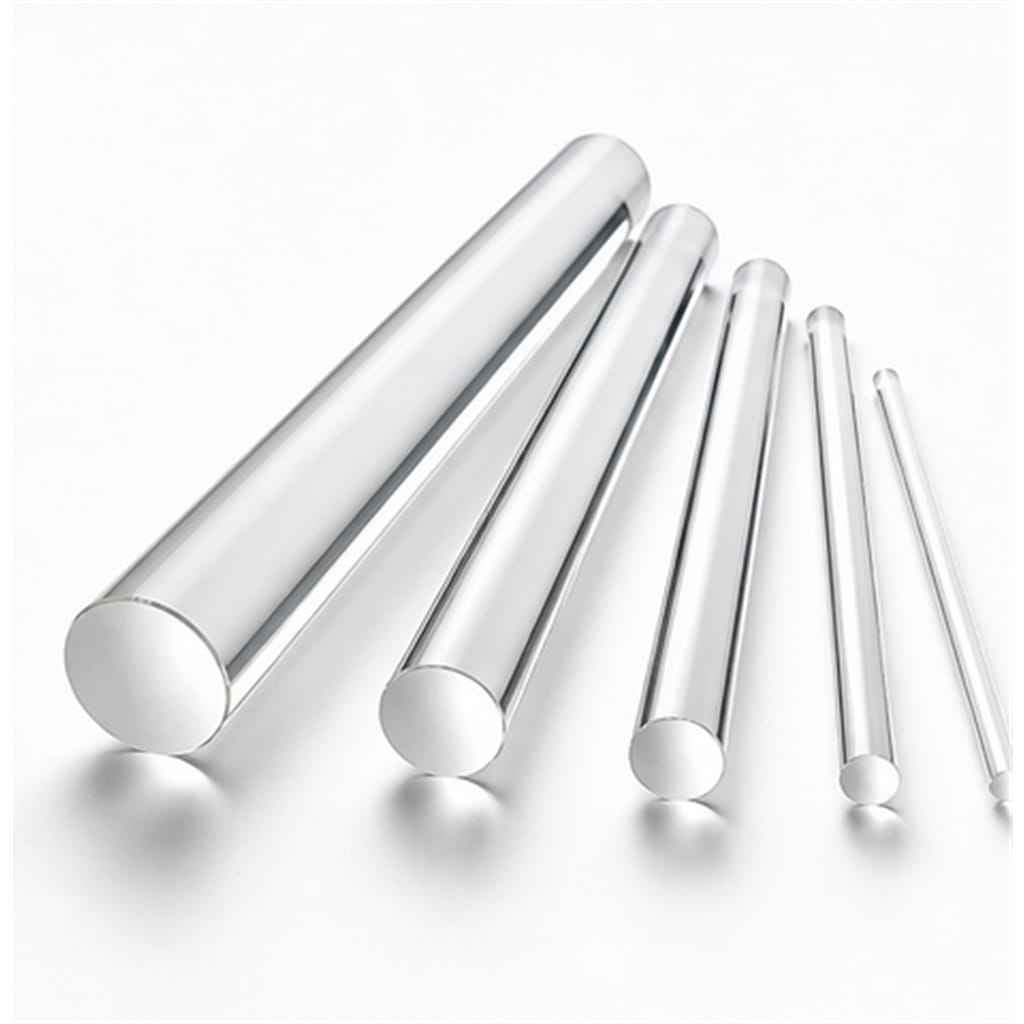
Solid Fused-Quartz Cylindrical Rods for Laser Light Guides
- End face: 90° flat cut, optically polished
- High total internal reflection (TIR) index
- LIDT: > 10 J/cm² at 1064 nm 10 ns pulses
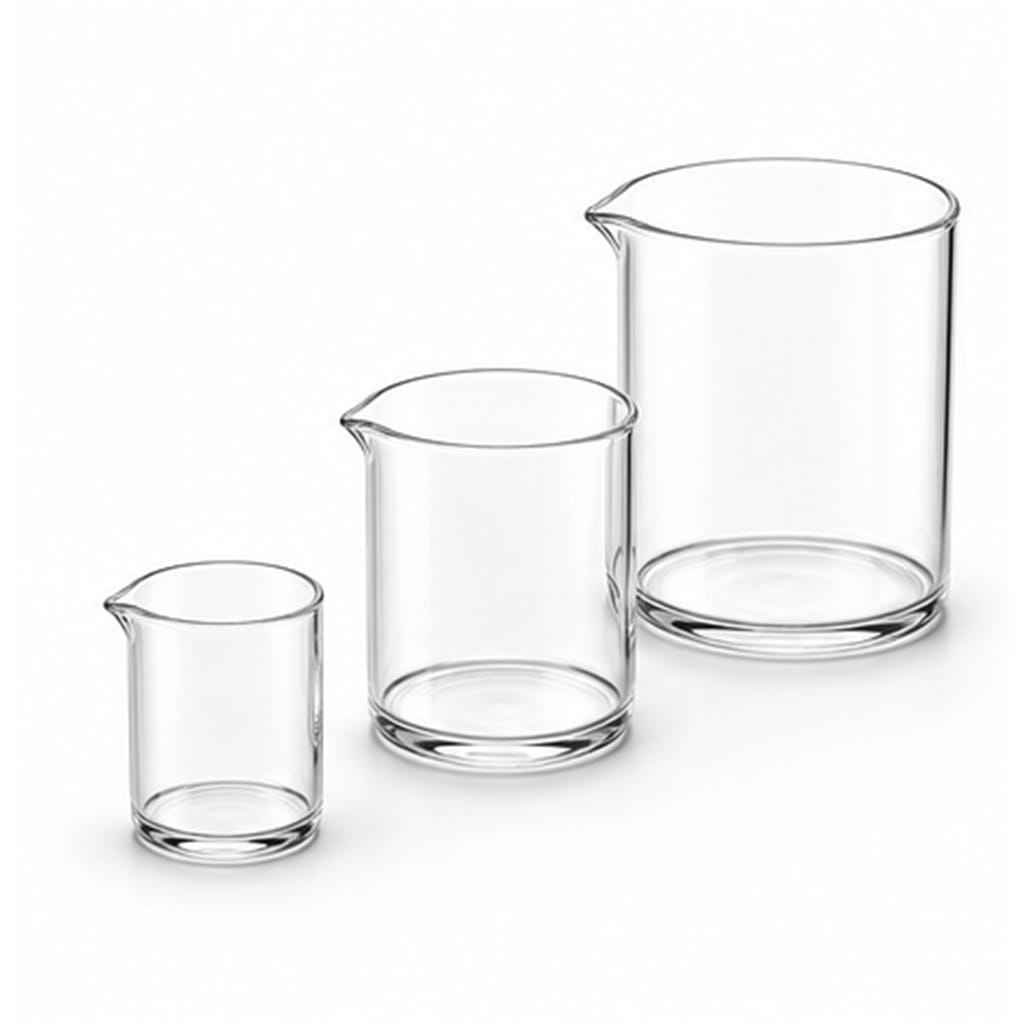
Clear Fused-Quartz Beakers for Acid-Resistant Heating
- Inert to boiling acids (except HF & H₃PO₄)
- Integrated molded spout for laminar flow
- Thermal quench delta: Instant 1000°C to cold water
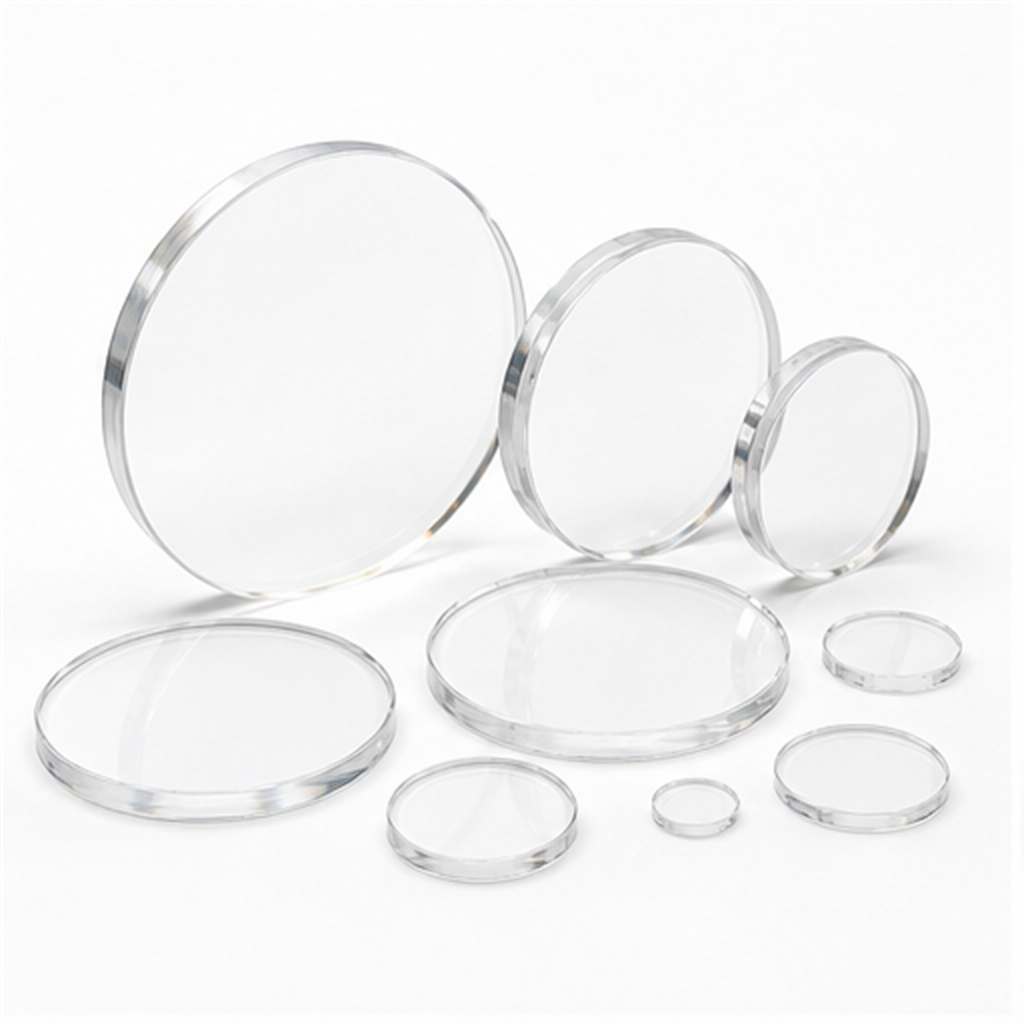
High Purity Clear Fused Quartz Disc Window Substrate
- Deep UV transmission: > 90% at 200 nm
- Parallelism: < 30 arcseconds, Flatness < λ/4
- Applications: Vacuum viewports and laser output couplers
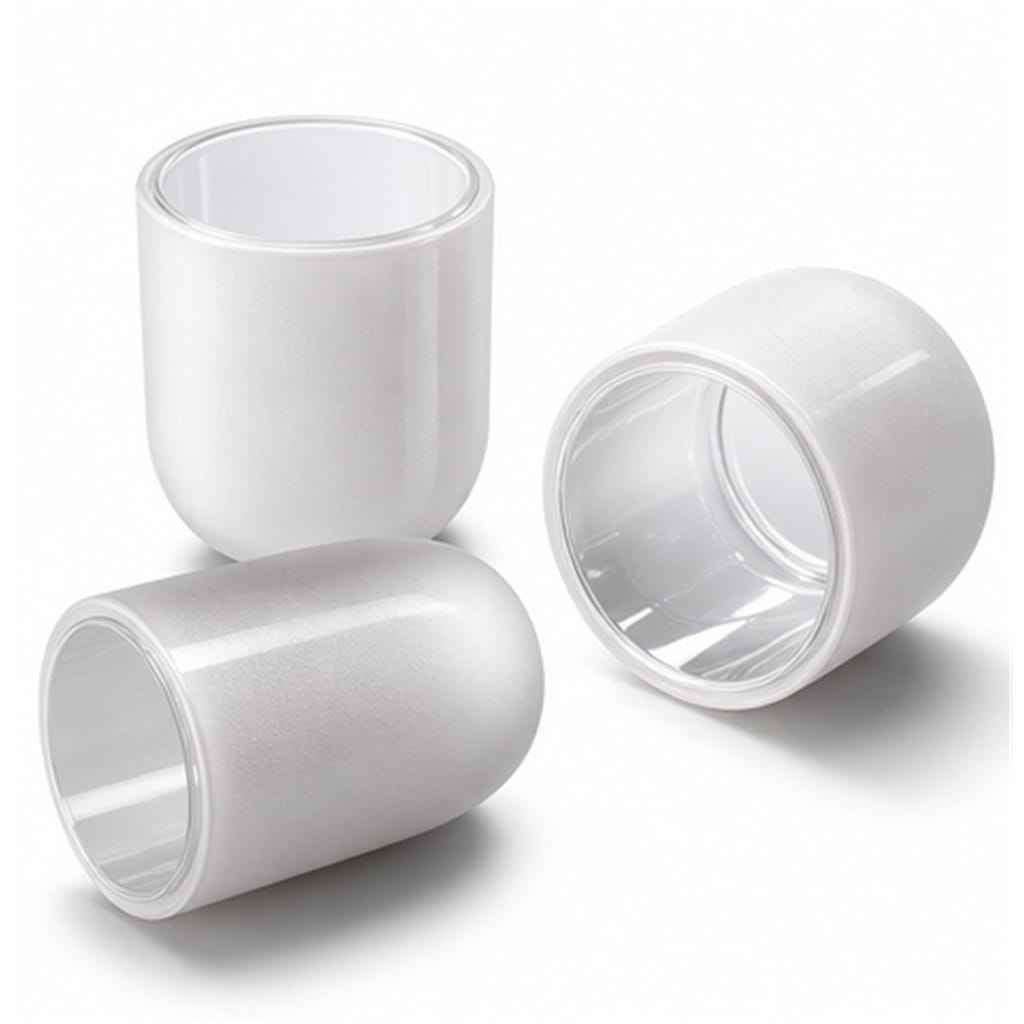
4-Inch Fused Quartz Crucibles for Ingot Melting
- Sourced from high-grade refined quartz sands
- Fire-polished bead rim preventing particulate drop
- Contamination control: Low trace alkali metals (< 15 ppm)
Engineering Authority: Fused Quartz & Silica Optics Physics
A comprehensive white paper on high-homogeneity synthetic vitreous silica and natural quartz melting metallurgy for optoelectronic procurement engineers.
Optical engineers and procurement leads face severe performance risks when sourcing industrial optical components under punishing conditions: intense photon fluxes, thermal gradients exceeding 1000°C, and chemical volatility. Standard borosilicate, soda-lime, and low-grade optical glasses experience solarization, molecular devitrification, and destructive structural thermal fracture under such environments. Specifying CE Certified Fused Quartz and Synthetic Fused Silica establishes a fundamentally superior baseline of material reliability.
Chemically comprised of amorphous silicon dioxide (SiO₂ > 99.99%), fused quartz is fabricated via the thermal fusion of naturally occurring, exceptionally pure crystalline quartz sands (such as those indigenous to the Donghai geological cluster). In contrast, synthetic fused silica is produced via the chemical vapor deposition (CVD) or flame hydrolysis of silicon-bearing chemical precursors (such as SiCl₄). This synthesis provides virtually defect-free materials with trace metallic impurities well below parts-per-billion (ppb) thresholds.
Critical Engineering Distinction: JGS1 vs. JGS2 vs. JGS3
Within international precision optics manufacturing, synthetic fused silica and natural fused quartz are systematically categorized by their absorption bands and OH (hydroxyl) radical content:
- JGS1 (Synthetic Fused Silica): Free of optical absorption bands within the 185–2500 nm range. High hydroxyl content (OH > 800–1200 ppm) eliminates UV coloration, making it the definitive choice for DUV excimer laser lenses, photolithography stepper optics, and UV spectrophotometer cuvettes.
- JGS2 (Optical Grade Fused Quartz): Melted from premium refined natural quartz crystal. Demonstrates high structural homogeneity and optical transmission spanning 220–2500 nm, serving as the industry benchmark for laser sight glasses, furnace windows, and high-temperature imaging viewports.
- JGS3 (Infrared Grade Optical Quartz): Synthesized via gas-free electrical vacuum melting. Contains exceptionally low hydroxyl content (OH < 5 ppm), completely suppressing the devastating 2.73 µm OH fundamental vibration absorption peak, making it vital for MWIR sensors, thermal imaging systems, and CO₂ laser delivery systems.
A primary mechanical advantage of fused quartz optics is its exceptionally low thermal expansion coefficient of approximately 5.5 × 10⁻⁷ / °C between 20°C and 300°C. This is roughly one-sixth that of thermal shock-resistant borosilicate glass. As a result, a precision quartz lens can be rapidly cycled from a furnace chamber at 1100°C into sub-zero ambient fluids without incurring destructive mechanical stress or phase alteration into cristobalite.
| Physical / Optical Parameter | JGS1 (UV Synthetic) | JGS2 (Optical Natural) | JGS3 (IR Vacuum Fused) | Verification / Standard |
|---|---|---|---|---|
| Refractive Index (nd @ 589.3 nm) | 1.4585 | 1.4584 | 1.4586 | ISO 10110 Abbe Refractometry |
| Spectral Transmission Range | 185 nm – 2500 nm | 220 nm – 2500 nm | 260 nm – 3500 nm | Shimadzu UV-3600i Plus |
| Hydroxyl (OH⁻) Ion Content | 800 – 1200 ppm | 150 – 200 ppm | < 5 ppm | FTIR Spectroscopic Analysis |
| Coefficient of Thermal Expansion (CTE) | 5.5 × 10⁻⁷ / K | 5.5 × 10⁻⁷ / K | 5.4 × 10⁻⁷ / K | Dilatometry (20°C to 320°C) |
| Laser Induced Damage Threshold (LIDT) | > 15 J/cm² @ 1064nm, 10ns | > 7.5 J/cm² @ 1064nm, 10ns | > 8.0 J/cm² @ 1064nm, 10ns | ISO 21254 Pulsed Laser Protocol |
| Bubble Class / Inclusions | Class 0 (DIN 3140) | Class 1 (DIN 3140) | Class 1-2 (DIN 3140) | Micro-Darkfield Polarimetry |
| Continuous Working Temperature | 1050 °C | 1100 °C | 1150 °C | ASTM C338 Anneal Monitoring |
Strategic Procurement Trends: Quartz Optics 2025–2030
Global supply chain evolution, cleanroom standards, and lifecycle Total Cost of Ownership (TCO) considerations for strategic purchasing directors.
TCO Optimization vs. Upfront Yield
Leading global buyers in high-power laser manufacturing and semiconductor tooling are moving away from evaluating suppliers on initial substrate price alone. Micro-bubbles and sub-surface damage in substandard quartz cause micro-explosions during high-power kilowatt laser pulses, resulting in expensive downtime. Investing in certified, homogenously annealed, zero-bubble fused silica lenses reduces annual optical replacement budgets by up to 42%.
Source-Region Cluster Supply Models
Supply chain security concerns are driving procurement executives to source directly from integrated manufacturing hubs. Facilities based in Donghai, China—the global epicenter of raw natural quartz processing—benefit from uninterrupted raw mineral access, dedicated gas processing infrastructure, and generational glassblower talent. This structural advantage insulates international buyers from intermediate supply crunches.
Mandatory CE & RoHS Metrology Verification
With tightening international safety directives, CE conformity for optical substrates used inside industrial equipment has transitioned from a formal declaration to a strict audit requirement. European and North American OEMs require verified non-destructive interferometry reports, traceable surface wavefront data (Zygo PV < λ/10), and RoHS/REACH compliance documentation with every export crate.
Technological Frontiers in Quartz Lens Manufacturing
How Magnetorheological Finishing (MRF), ultrasonic machining, and plasma thin-film coatings are redefining precision optical limits.
Sub-Nanometer Magnetorheological Finishing (MRF)
Traditional mechanical lap-and-polish techniques leave microscopic fractures beneath the polish layer. Modern fabrication pairs CNC pre-grinding with MRF polishing, using magnetically controlled fluid ribbons to remove sub-surface damage. This process achieves surface roughness values under 0.2 nm Ra, unlocking exceptional damage thresholds for multi-kilowatt UV laser delivery.
Ion Beam Sputtering (IBS) Coating Integration
Due to fused silica's low thermal expansion, standard dielectric coatings frequently craze or delaminate under high temperatures. Advanced Ion Beam Sputtering (IBS) produces high-density, stoichiometric optical dielectric films directly matched to the silica matrix. This achieves surface reflectance under 0.05% across narrow-band laser wavelengths while tolerating working environments up to 400°C.
Deep-UV Solarization-Resistant Compositions
Prolonged exposure to 193 nm ArF and 248 nm KrF excimer radiation generates paramagnetic defect centers (E' centers), causing transmission degradation. Modern chemical doping and hydrogen-loading thermal conditioning stabilize the synthetic fused silica lattice, providing years of continuous deep UV exposure without significant darkening.
Engineered by Kemzo Quartz: Excellence from China's Crystal Capital
Headquartered in Donghai County, Lianyungang—internationally recognized as the hub of China's quartz deposits—Donghai Kemzo Quartz Products Co., Ltd. has specialized in the high-temperature melting, precision cold-machining, and custom shaping of fused quartz optics since 2011.
Recognized as an official Jiangsu High Technology Enterprise and certified under the ISO 9001:2015 Quality Management System, our facility combines automated horizontal drawing lines with manual flame-working and computerized optical polishing. With over 70% of our production exported across North America, the European Union, South Korea, and Japan, we engineer parts tailored to your exact drawings, specifications, and performance requirements.
Purity at the Source
Direct access to refined Donghai silica reserves ensures SiO₂ purity levels of 99.99% to 99.999%, keeping baseline raw material costs competitive and stable.
Full OEM/ODM In-House
Complete in-house processing: core drilling, CNC waterjet cutting, double-sided optical planarization, spherical polishing, and hydrogen-oxygen glassblowing.
Verified Optical Standards
Components undergo strict quality checks using Zygo phase-shifting laser interferometers, polariscopes, and spectrophotometers to verify wavefront accuracy.
Export Cushion Packaging
Multi-layer shock-absorbing vacuum enclosures and reinforced export wooden crates ensure delicate components arrive scratch-free and ready for cleanroom assembly.
Procurement & Technical Engineering FAQ
Direct, technically detailed answers to common inquiries from optical systems buyers and manufacturing engineers.
What distinguishes CE Certified quartz lenses from non-certified industrial glass windows?
How do I choose between natural fused quartz and synthetic fused silica for my application?
What mechanical and dimensional manufacturing tolerances can Kemzo Quartz achieve on custom drawings?
- Diameter and outer profile dimensional tolerance: Up to ±0.01 mm
- Center and edge thickness tolerance: Up to ±0.02 mm
- Surface figure / Wavefront accuracy: λ/10 per 25 mm aperture at 632.8 nm
- Surface scratch/dig quality: MIL-PRF-13830B 20-10 or 10-5 (Laser Grade)
- Wedge / Parallelism: < 10 arcseconds for laser viewports
- Surface Roughness (Ra): < 0.3 nm using Chemical-Mechanical Polishing (CMP)
How do quartz lenses tolerate thermal shock, and can they be water-quenched from elevated temperatures?
What are your international payment terms, shipping methods, and freight damage policies?
Need Custom Quartz Optics or Large-Scale Quartz Substrates?
Submit your CAD drawings, required optical tolerances, or operational parameters. Our senior optics engineers will review feasibility and provide a transparent, detailed quotation within 1 hour.