ISO 9001 & CE Certified Technical Standard

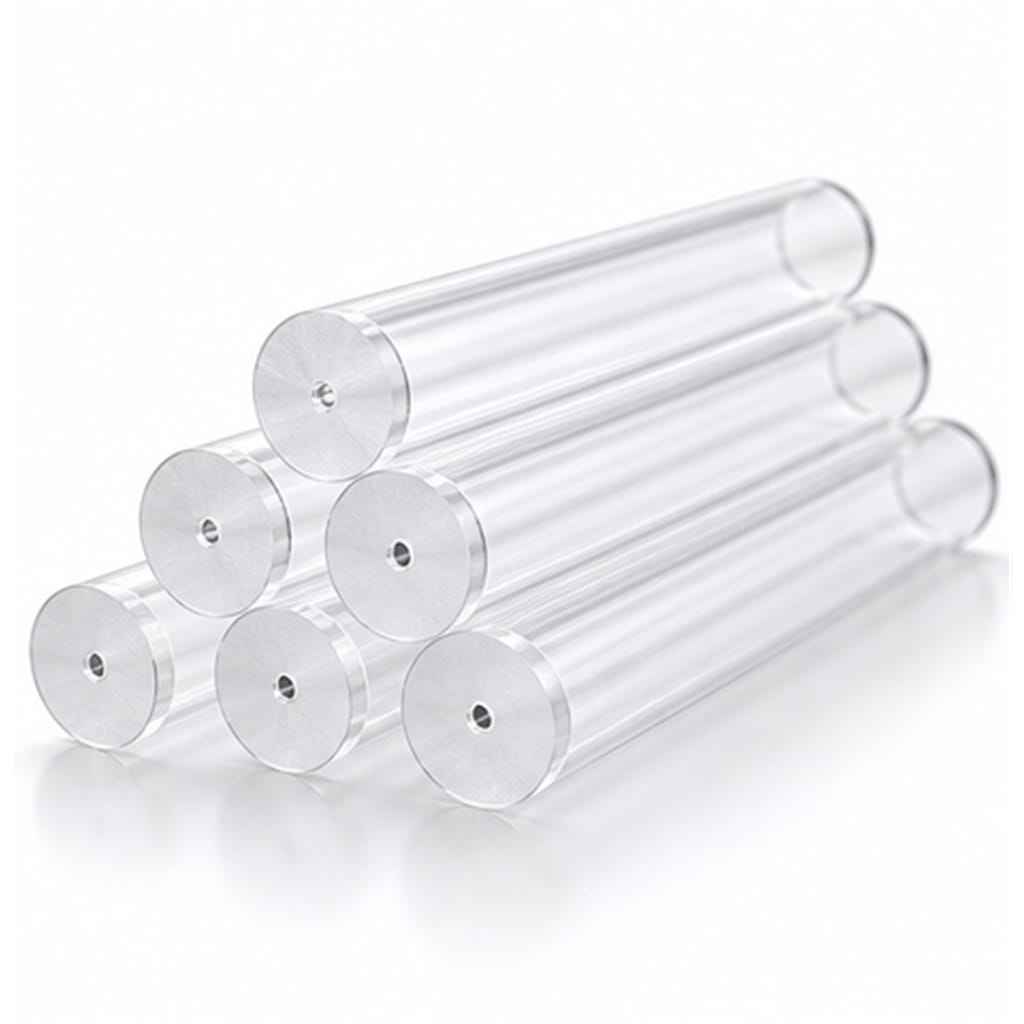
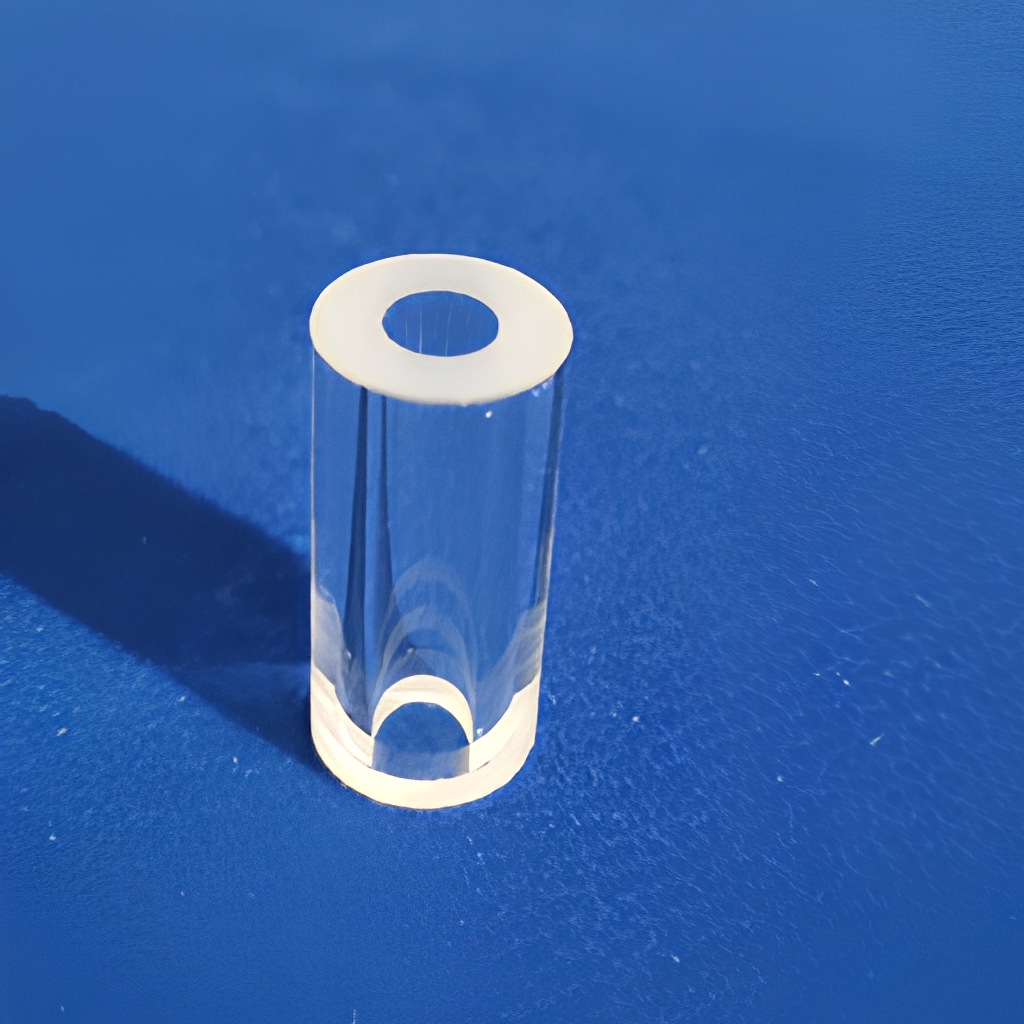
CE Certified Quartz Heating Element Manufacturer & Suppliers

Precision-engineered fused quartz infrared emitters, twin-tube industrial heating elements, and high-purity thermal radiation solutions custom-fabricated for semiconductor, photovoltaic, and high-yield thermal processing.

Engineered Quartz Thermal & Heating Solutions

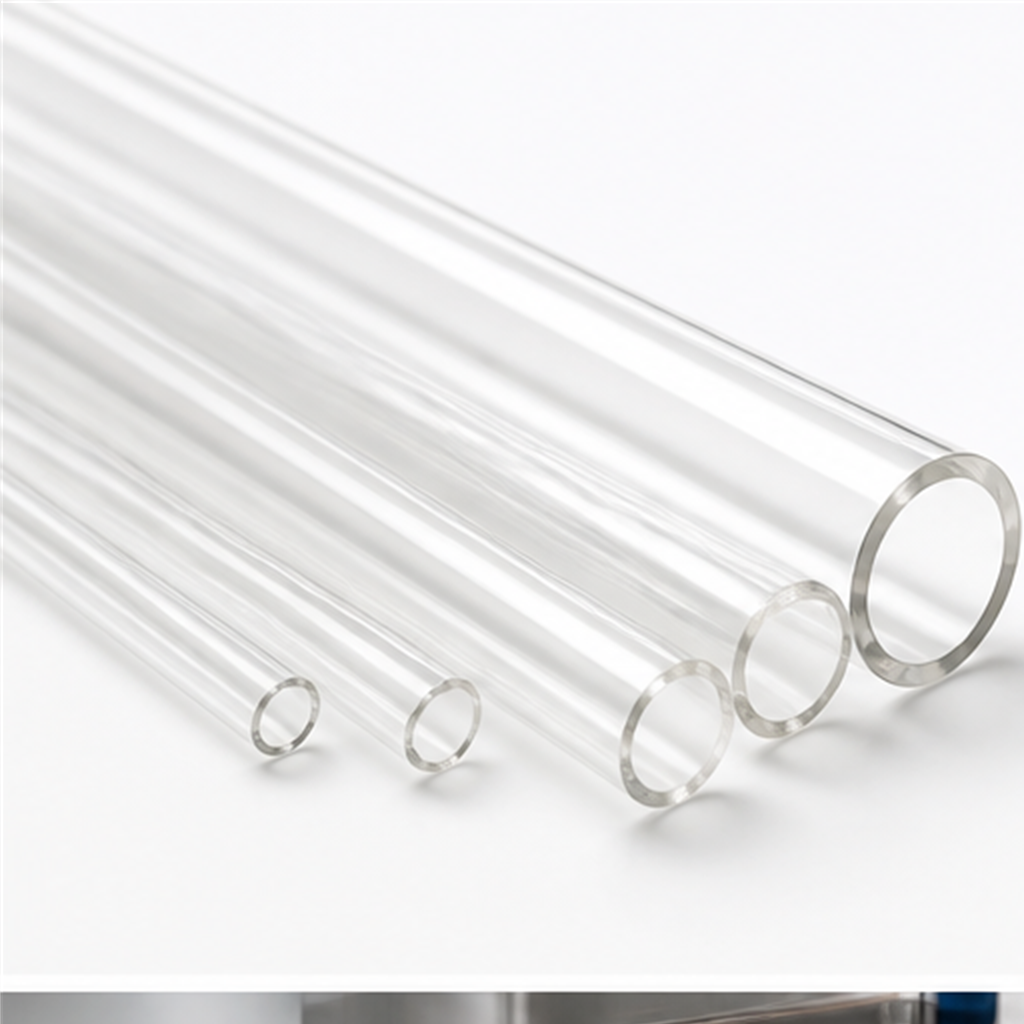
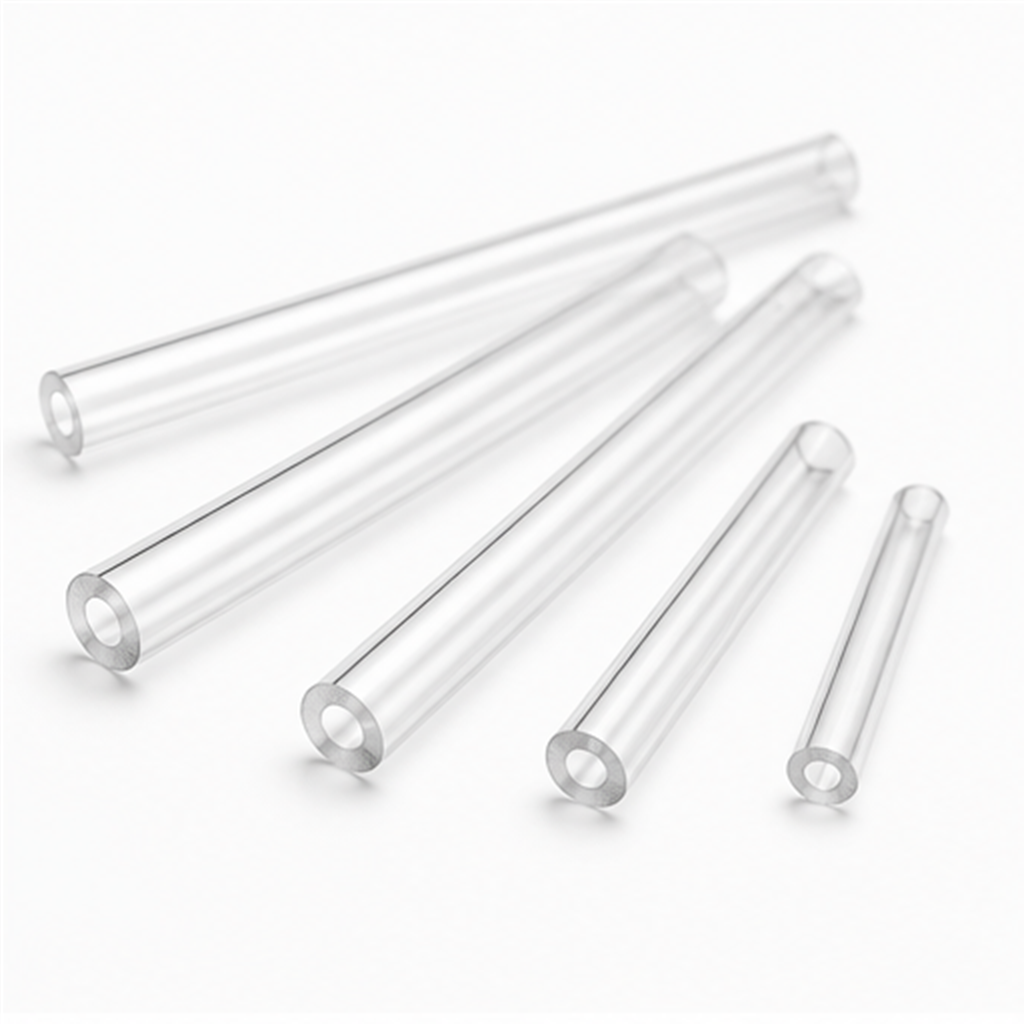
Direct manufacturer supply of CE compliant transparent quartz heating envelopes, heavy-duty twin tubes, and precision fused silica laboratory and furnace components fabricated to exact OEM mechanical tolerances.

Engineering Whitepaper: Thermodynamic Integrity & CE Standards

A rigorous review of high-purity amorphous fused silica behavior under extreme watt density, dielectric breakdown thresholds, and European harmonized safety directives.

In high-throughput industrial thermal applications—ranging from semiconductor wafer rapid thermal processing (RTP) and photovoltaic cell metallization firing to PET preform blow-molding and composite curing—the selection of electric heating elements is governed by precise electromagnetic and thermodynamic laws. A CE certified quartz heating element is fundamentally distinguished from standard commercial resistance heaters by its electromagnetic emission spectrum, glass envelope composition, and strict electrical safety validation. As certified manufacturers based in Donghai, Kemzo Quartz engineers electric infrared emitters utilizing optical-grade fused silica sheaths that maintain absolute structural and dielectric stability under continuous mechanical and thermal loads.

Critical CE Directives for Industrial Heating Systems: Compliance with the European Union's Low Voltage Directive (LVD) 2014/35/EU and Electromagnetic Compatibility (EMC) Directive 2014/30/EU requires electric quartz radiators to pass strict dielectric withstand voltages (frequently exceeding 1,500V to 2,500V AC), leakage current thresholds below 0.75 mA under working temperature, and comprehensive RoHS compliance eliminating hazardous lead, cadmium, and hexavalent chromium from end-cap potting cements, pinch-seal leads, and soldering joints.

The thermodynamic performance of a quartz heating element is determined by the purity of the raw silica matrix. The natural quartz sourced from our Donghai crystal reserves yields an amorphous silicon dioxide (SiO₂) purity of 99.99% (4N). This exceptionally low concentration of transition metals (Fe, Cu, Ti) and alkali metals (Na, K, Li < 1.5 ppm total) directly prevents premature devitrification. Devitrification—the high-temperature phase transformation of metastable amorphous fused silica into crystalline cristobalite—typically initiates at microscopic impurity nucleation sites around 1150°C. Once cristobalite forms, the material undergoes an abrupt 2.8% volume change during subsequent cooling through 220°C to 270°C (the alpha-to-beta inversion point), inducing micro-cracking and catastrophic envelope rupture. By maintaining rigid raw material beneficiation, our CE certified elements sustain up to 1100°C continuous operating sheath temperatures and 1450°C peak transient exposures without thermal degradation.

Furthermore, the hydroxyl content ([OH⁻]) of the fused quartz envelope dictates infrared spectral transmission. For short-wave and fast medium-wave halogen emitters operating at filament color temperatures between 1800K and 2500K (emitting peak wavelengths between 1.1 µm and 1.6 µm), Kemzo Quartz applies vacuum thermal desulfurization and dehydration processes to minimize the classic [OH⁻] absorption band at 2.73 µm. This structural optimization ensures that over 93% of the electrical energy supplied to the coiled tungsten or nickel-chromium alloy resistive core is converted directly into directional radiant thermal energy, bypassing ambient convective losses and maximizing thermodynamic coefficient of performance (COP).

≥ 99.99% Fused Silica Purity (SiO₂)
5.5×10⁻⁷ Thermal Expansion (/°C)
> 2500 V Dielectric Breakdown Voltage
≤ 1 Hour Technical Response Time

Future Procurement Trends in Industrial Infrared Elements

How global thermal processing OEMs are reshaping component sourcing specifications to prioritize directional energy efficiency, IoT lifecycle monitoring, and monolithic double-tube geometry.

Technical Specification Matrix: Quartz Heating Classes

Compare operational characteristics across short-wave halogen, fast medium-wave, carbon composite, and standard medium-wave quartz configurations to optimize your thermal process absorption profile.

Heating Technology Filament Core Type Peak Wavelength (µm) Color Temp (K) Thermal Response Time CE Safety Verification Primary Industrial Applications
Short-Wave Infrared (SWIR) Tungsten Coiled Wire in Inert/Halogen Gas 0.9 – 1.6 µm 2200 – 2600 K < 1 Second EN 60335 / CE LVD PET blowing, powder coating gelling, metal preheating, semiconductor RTP
Fast Medium-Wave (FMW) Tungsten or Ni-Cr Wire in Clear Tube 1.4 – 2.0 µm 1600 – 2000 K 1 – 2 Seconds EN 60335 / CE LVD Plastics thermoforming, automotive paint baking, solar wafer drying
Carbon Fiber Infrared (CIR) Woven Pure Carbon Ribbon 2.0 – 2.6 µm 1200 – 1500 K 1 – 3 Seconds EN 60335 / CE LVD Water-based ink drying, paper manufacturing, textile laminating, plastics welding
Medium-Wave Industrial (MWIR) Fe-Cr-Al (Kanthal) Alloy Coil 2.2 – 3.5 µm 900 – 1200 K 2 – 4 Minutes EN 60335 / CE LVD Continuous annealing, glass bending, curing of thick composite sections
Twin-Tube Radiators Multi-circuit Tungsten or Fe-Cr-Al 0.9 – 3.2 µm 1000 – 2400 K Tunable per zone EN 60335 / CE LVD Automotive paint line automation, large-format coil coating, PV cell baking

Enterprise Strengths: Donghai Kemzo Quartz Products

Combining raw silica deposit advantages in China's crystal capital with ISO 9001 certified manufacturing, state-of-the-art cold CNC grinding, and extensive export experience across 50+ countries.

Raw Material Hub

Source-Region Silica Beneficiation

Situated in Donghai County, Lianyungang—the historical epicenter of China's quartz deposits—Kemzo Quartz exercises immediate physical oversight over mineral sand purification, ensuring 99.99% SiO₂ continuity, unvarying chemical homogeneity, and exceptional cost stability across global supply lines.

Certified Operations

ISO 9001 & High-Tech Recognition

Our production facilities operate strictly under certified ISO 9001 quality management workflows and hold designated Jiangsu High Technology Enterprise honors. Every heating element envelope is stress-relieved in precision annealing lehrs at 1215°C to systematically eliminate residual hoop strain.

Custom Engineering

11+ Years OEM / ODM Experience

From complex twin-tube cross-sections, gold mirror sputtering, and custom quartz glass cutouts to high-temperature ceramic end blocks (steatite / cordierite), terminal pinch-leads, and vacuum ground joints, our master glassblowers and CNC technicians manufacture strictly to customer engineering drawings.

Global Trade Assurance

Rapid Response & Export Packaging

Over 70% of Kemzo Quartz's annual production ships to advanced manufacturing plants in North America, Germany, South Korea, Japan, and Oceania. We guarantee inquiry responses within 1 hour, support multi-currency settlements (USD, EUR, CNY), and deploy multi-tier wooden crate packaging engineered for zero freight breakage.

Procurement & Engineering Frequently Asked Questions

In-depth technical answers addressing regulatory compliance, mechanical integration, thermal lifespan, and customized supply agreements for industrial infrared heating systems.

Q: What specific European safety standards must a CE certified quartz heating element meet?

A CE certified industrial quartz heating element must comply with the Low Voltage Directive 2014/35/EU by satisfying European Harmonized Standards EN 60335-1 (Safety of household and similar electrical appliances - general requirements) and EN 60335-2-30 (Particular requirements for room heaters and radiant heating appliances) or EN 60519-1/2 (Safety in electroheat installations). This mandates dielectric insulation resistance testing (typically 500V DC > 100 MΩ), cold and hot high-voltage breakdown resistance (1500V to 2500V AC without arcing), ground continuity verification for metallic flanges, and compliance with RoHS 2011/65/EU and WEEE directives regarding hazardous substances in ceramic cements and terminal leads.

Q: Why is fused quartz superior to borosilicate glass or metal sheaths for infrared heating elements?

Fused quartz exhibits an ultra-low linear coefficient of thermal expansion (5.5 × 10⁻⁷ / °C between 20°C and 320°C), roughly one-sixth that of borosilicate glass (33 × 10⁻⁷ / °C) and one-twentieth that of stainless steel. This negligible expansion grants fused quartz near-infinite thermal shock tolerance, allowing a red-hot quartz element at 1000°C to be quenched in cold water without shattering. Chemically, pure fused silica is non-porous and impervious to nearly all organic solvents and hot acids (excluding HF and H₃PO₄ > 300°C). Optically, it exhibits up to 93% spectral transmission across the UV-visible-NIR range, bypassing envelope absorption and ensuring maximum radiant heat transfers directly into the process substrate.

Q: How does hydroxyl ([OH⁻]) concentration impact the functional lifespan of quartz heating elements?

Hydroxyl ions ([OH⁻]) bonded within the silicon dioxide tetrahedral lattice lower the viscosity and softening point of the quartz glass. High [OH⁻] concentrations (e.g., > 150–200 ppm) increase the mobility of bridging oxygen atoms, which accelerates envelope sag during high-wattage horizontal installations and lowers the maximum devitrification onset temperature. Additionally, the fundamental vibration of structural hydroxyl bonds creates an intense absorption band at 2.73 µm. In medium-wave emitters, this absorption band traps thermal energy within the quartz tube wall rather than allowing it to radiate freely, elevating the sheath temperature and shortening the working life of inner resistance windings.

Q: What is the operational difference between gold reflector and white ceramic reflector coatings?

Both coatings serve to direct omnidirectional infrared radiation toward the target substrate, converting a 360-degree radiant field into a focused 180-degree unidirectional profile. Sputtered gold coatings achieve an exceptional 95% reflection efficiency in the near-infrared and short-wave regions (0.9 – 2.0 µm). However, gold layers degrade via atomic sublimation if tube wall temperatures consistently exceed 600°C. For heavy-duty industrial furnaces where envelope temperatures reach 800°C to 1000°C, white ceramic (calcined silica) diffuse reflectors are preferred; although offering slightly lower peak reflectivity (~85%), ceramic coatings remain thermally stable up to 1100°C without flaking or chemical degradation.

Q: Can Kemzo Quartz fabricate customized heating elements matching non-standard OEM geometry?

Yes. OEM and ODM component fabrication from technical engineering drawings or physical counter-samples represents the cornerstone of Kemzo Quartz's global operations. Our manufacturing equipment supports custom single-bore diameters from 4mm up to 80mm, twin-tube profiles (23×11mm, 33×15mm, and asymmetric channels), custom-bent U-shapes, circular omega geometries, spiral coils, and custom ceramic end-blocks (R7s, SK15, X-cables, metal-sheathed M-flanges). Furthermore, our engineers optimize filament coiling pitch and internal gas backfilling (Argon / Halogen trace mixtures) to eliminate tungsten filament evaporation and envelope blackening over extended operational lifecycles.

Q: What horizontal vs. vertical mounting restrictions apply to high-intensity quartz elements?

Tungsten-filament short-wave and halogen quartz emitters are typically designed for horizontal mounting to prevent the internal coiled filament from sagging under gravity toward one end, which can cause coil-turn short-circuiting and localized overheating. However, Kemzo Quartz manufactures specialized vertical-mount quartz heating elements equipped with internal tungsten support rings, ceramic spacer disks, or indented tube walls that lock the filament pitch securely along the entire active heated length, ensuring flawless operation in vertical automated spray-drying and web-coating towers.

Q: How does Kemzo Quartz secure fragile quartz components against damage during intercontinental export?

Fragile quartz tubing, crucibles, and electric emitters undergo a proven multi-stage packaging methodology developed over 11+ years of international logistics. Each quartz unit is individually enveloped in anti-static expanded polyethylene (EPE) foam sleeves or cellular bubble cushioning. Tube arrays are placed into shock-absorbent multi-wall honeycomb corrugated partition boxes that completely isolate each unit from impact. These boxes are then vacuum-shrink-wrapped and placed within heavy-duty fumigated wooden crates reinforced with high-density polyurethane corner cushioning, external steel strapping, and external "Drop-N-Tell" / "Tip-N-Tell" tilt indicator sensors for sea, air, and express door-to-door transit.

Q: What are the standard lead times, minimum order quantities (MOQ), and accepted Incoterms?

Standard prototype and evaluation samples are normally dispatched within 5 to 7 working days. Regular production volume batches of custom quartz heating elements require 2 to 3 weeks depending on raw material grade and tooling requirements. We accommodate flexible trial order MOQs to support initial R&D validations and pilot run certifications. Our commercial terms cover standard international Incoterms including FOB, CFR, CIF, EXW, DDU, and door-to-door DDP shipments, with payment transactions settled via T/T, L/C at sight, or PayPal in USD, EUR, AUD, or CNY.
Accelerate Your Thermal Efficiency with CE Certified Quartz Solutions

Send your CAD drawings, dimensional parameters, operating voltages, and watt density specifications directly to our engineering department. Receive a comprehensive manufacturing feasibility assessment, tolerance review, and quotation response within one hour.

Get a Quote
ISO 9001:2015 Registered CE LVD & EMC Harmonized 99.99% Optical Fused Silica Rapid Global Export Service