Lab Furnaces
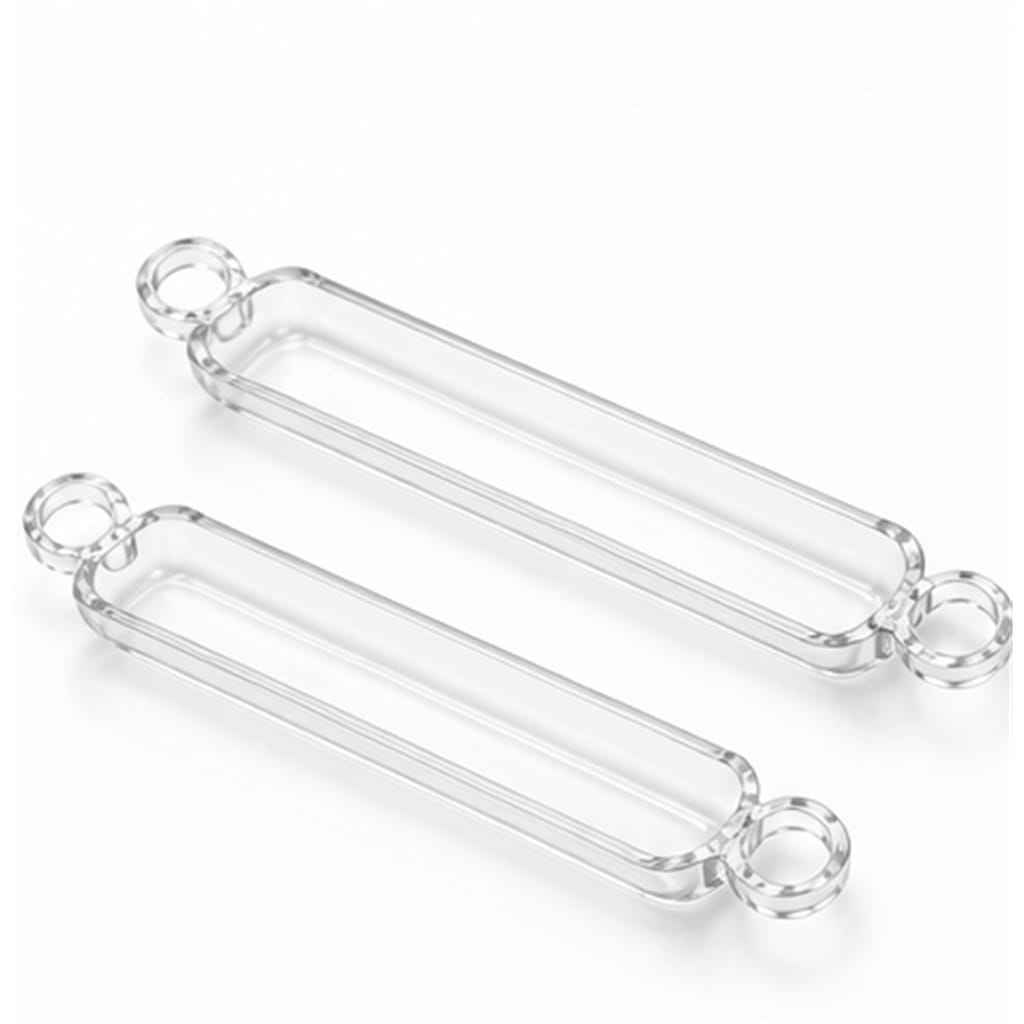
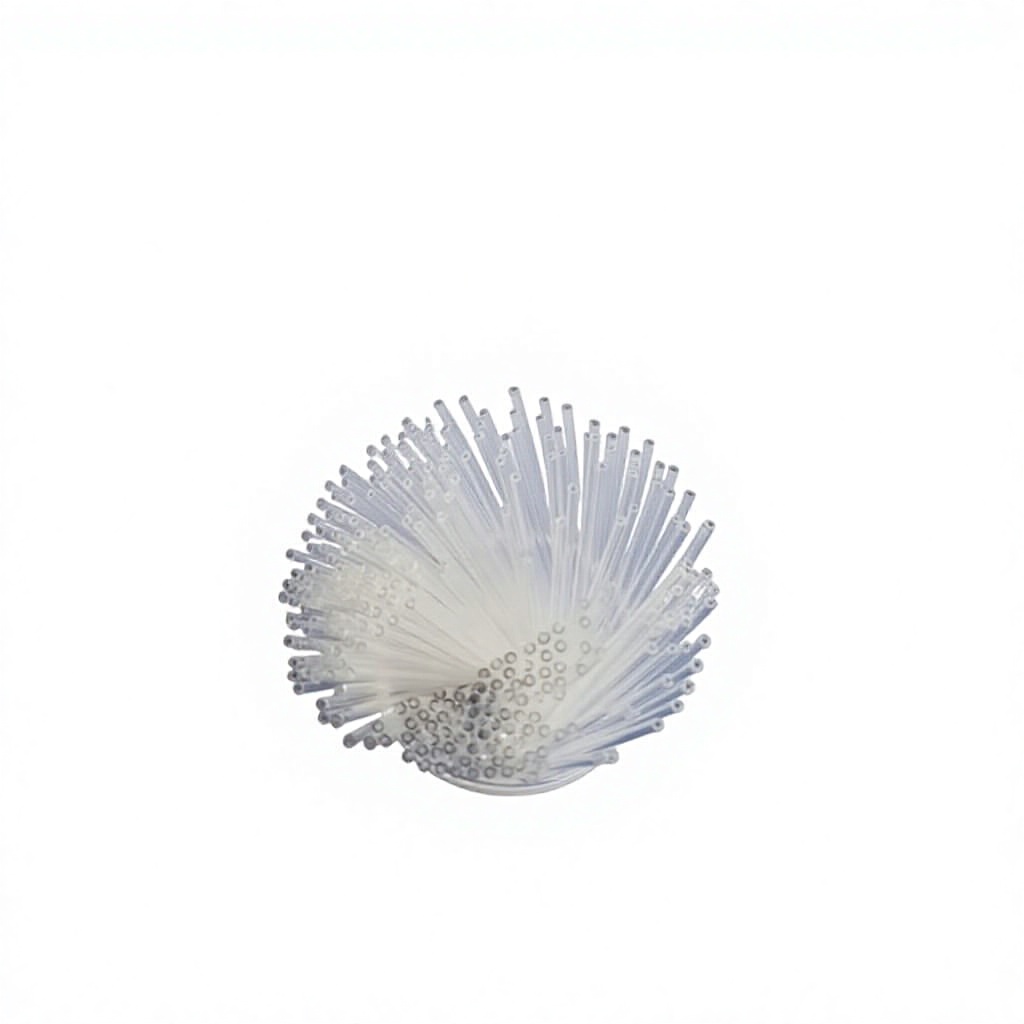
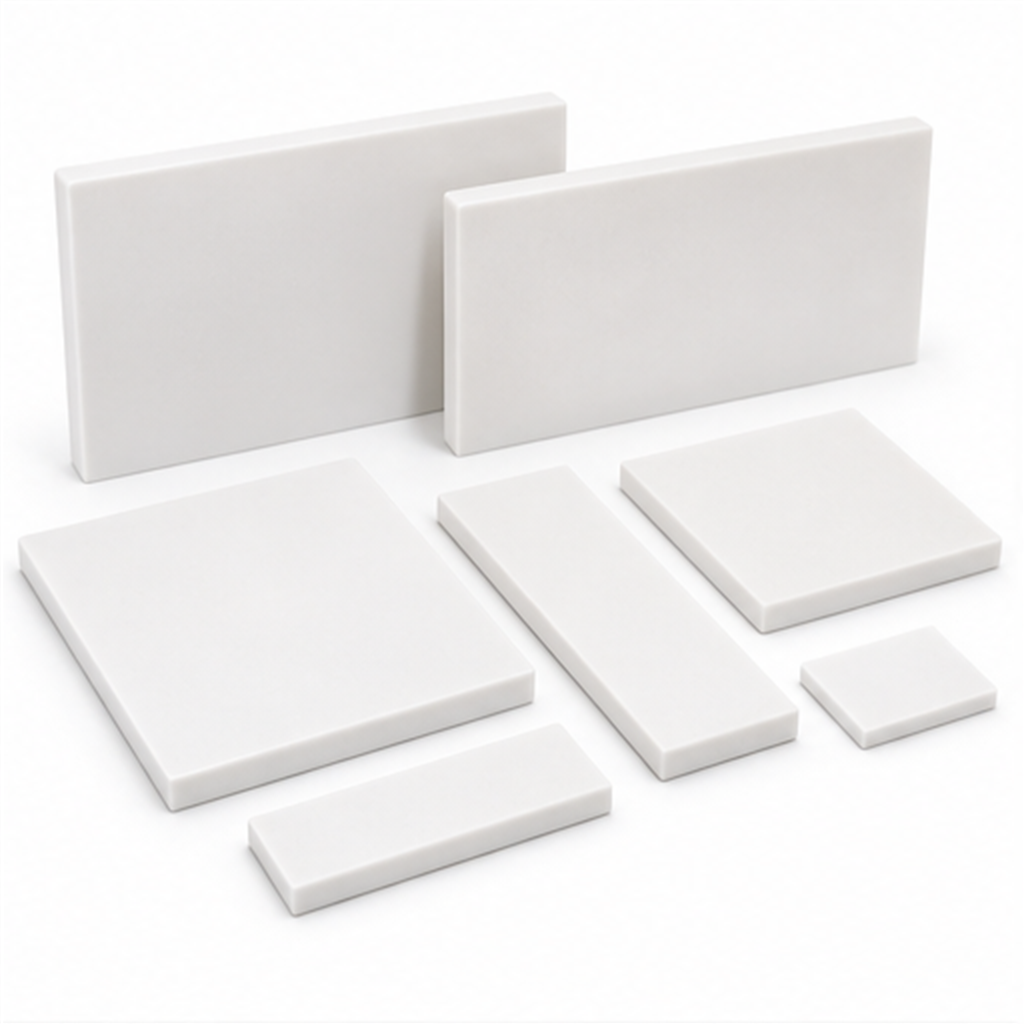
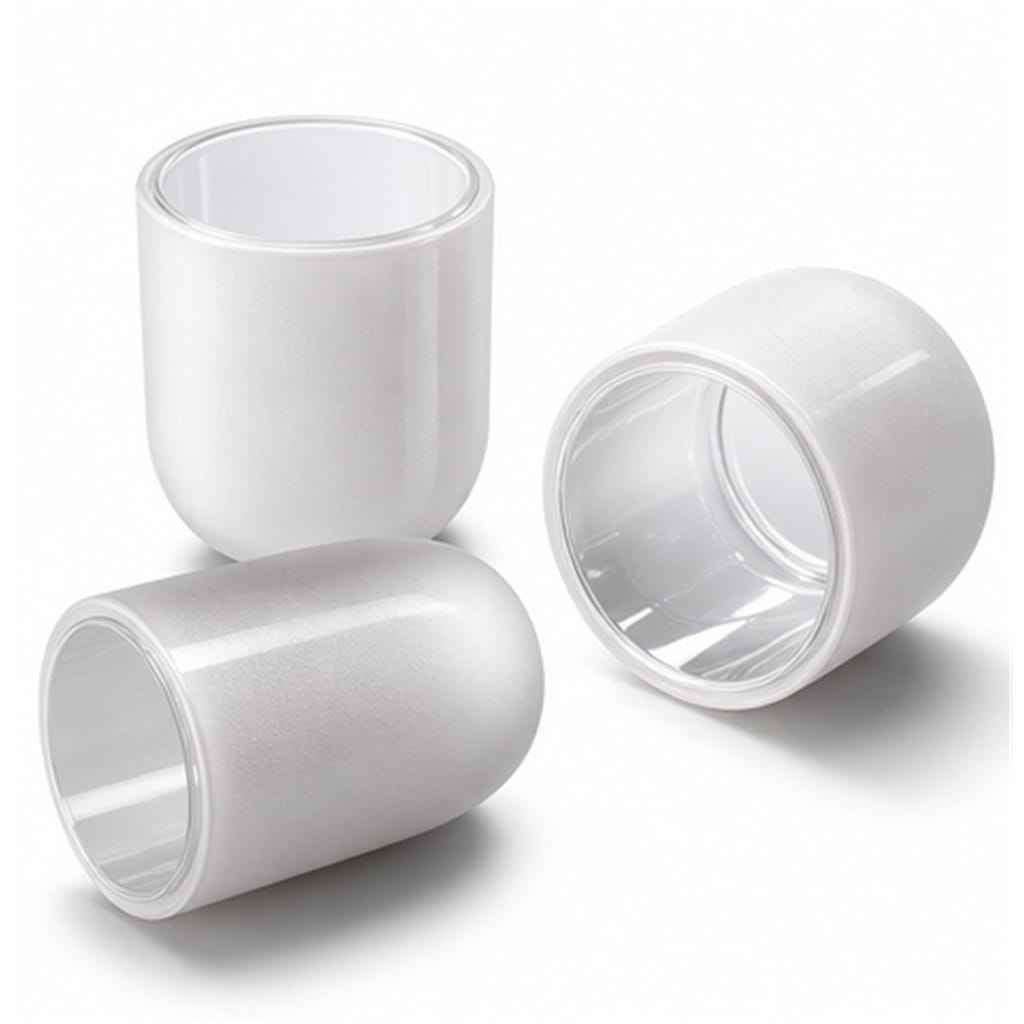
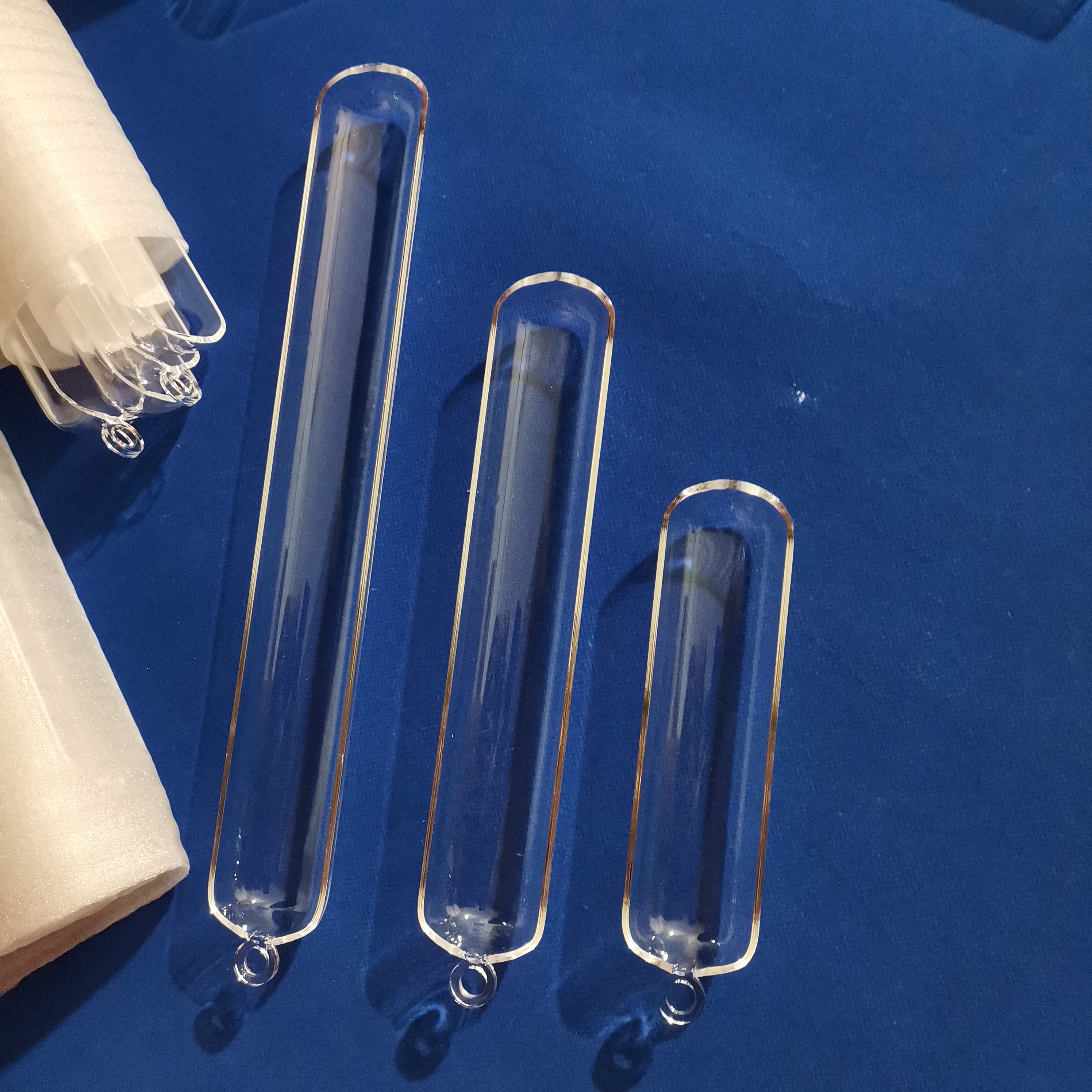
Fused-Quartz Combustion Sample Boats with Integrated Pull-Ring Handles
- Max operating temp: Up to 1450 °C
- Integrated structural pull-ring design
- High chemical inertness to mineral acids
Engineered for extreme thermal shock environments, semiconductor diffusion furnaces, vacuum chemical vapor deposition (CVD), and corrosive chemical distillation.
A comprehensive metallurgical and thermodynamic examination of coiled fused silica geometry in photochemical synthesis, continuous flow reactors, and ultra-clean thermal processing.
The transition from straight tubular reactors to helical spiral quartz glass tubes represents a fundamental thermodynamic leap for precision chemical synthesis, semiconductor wafer cleaning, and extreme ultraviolet (EUV) photolysis. While conventional straight tubes offer basic containment, they are constrained by parabolic laminar velocity profiles that yield uneven residence time distributions and localized hot spots.
By engineering synthetic fused silica or high-purity natural quartz sand (SiO2 ≥ 99.99%) into a continuous spiral coil, our manufacturing process introduces fluid dynamic centrifugal vectors known as Dean vortices. As fluids or reactive precursors traverse the coiled path, secondary counter-rotating cross-sectional flows disrupt boundary layer stagnation. This vortex mechanism amplifies radial convective mixing by up to 340% without requiring mechanical impellers, enabling micro-scale heat transfer coefficients and strictly uniform photon exposure across the entire fluid column.
Kemzo Quartz spiral coils conform to the European Pressure Equipment Directive (PED 2014/68/EU Sound Engineering Practice), Low Voltage Directive (LVD 2014/35/EU for quartz heating modules), and RoHS/REACH chemical directives. Every batch undergoes hydrostatic proof testing, polarimetric residual stress verification, and spectrometric purity mapping with full 3.1 material certification.
Thermal stability is governed by the exceptionally low coefficient of thermal expansion (α ≈ 5.5 × 10⁻⁷ /K from 20 °C to 300 °C). A CE certified spiral quartz tube from our factory can withstand continuous operations at 1100 °C and intermittent thermal excursions up to 1450 °C without devitrification, thermal fatigue, or geometric pitch deformation. Furthermore, the optical window of fused quartz allows broad spectrum transmission exceeding 90% between 260 nm (deep UV) and 2500 nm (near IR), ensuring maximum photon transfer efficiency for photochemical halogenation, water oxidation, and pharmaceutical API syntheses.
Melted from pure Donghai crystal resources, our fused silica maintains an amorphous tetrahedral network that eliminates grain boundary corrosion from fuming nitric, hydrochloric, or hydrobromic vapors at high temperatures.
Controlled hydroxyl ([OH-]) content (< 15 ppm for low-OH formulations) prevents infrared absorption notches at 2.73 μm, enabling high-efficiency integration with infrared quartz heaters and excimer lasers.
Computerized glass-working lathes ensure consistent helical outer diameter (OD), pitch spacing (±0.5 mm), and wall thickness uniformity, minimizing burst risk under pressurized continuous-flow conditions.
| Material Property | Typical Metric Value | Test Standard / Baseline | Application & Engineering Significance |
|---|---|---|---|
| Silicon Dioxide Content (SiO2) | ≥ 99.99 % | ICP-MS Trace Analysis | Mitigates metallic trace contamination in semiconductor & high-purity assay environments. |
| Density (ρ) | 2.20 × 10³ kg/m3 | ASTM C693 | Lightweight structural load compared to technical ceramics and specialty alloy tubing. |
| Thermal Expansion Coefficient (CTE) | 5.5 × 10⁻⁷ / °C | 20 °C to 320 °C Average | Virtually zero expansion; withstands direct quenching from 1100 °C into cold water. |
| Annealing Point | 1215 ± 10 °C | ASTM C336 | Critical relief threshold applied in computerized annealing ovens to prevent residual strain. |
| Softening Point | 1683 ± 15 °C | ASTM C338 | Ultimate upper structural limit before viscous plastic flow occurs under atmospheric load. |
| Dielectric Strength (20 °C) | 25 - 40 kV/mm | IEC 60243-1 (1 MHz) | Outstanding high-frequency insulation in RF plasma generators and dielectric barrier reactors. |
| Refractive Index (nD) | 1.4585 | λ = 589.3 nm (Sodium D) | Low chromatic dispersion; minimal internal light scattering in optical quartz process windows. |
| Chemical Acid Resistance | Class 1 (Inert) | DIN 12116 | Completely immune to all mineral acids except Hydrofluoric Acid (HF) and hot Phosphoric Acid. |
Combining natural resource superiority in Donghai County with ISO 9001 certified advanced glassforming automation and full-spectrum custom fabrication.
Situated in Donghai, Jiangsu—China's natural quartz epicenter—our facility directly controls silica sand sorting, flotation, and refining, locking in consistent SiO2 purity ≥ 99.99% without third-party markups.
Equipped with computerized hot-coiling glass lathes, CNC edge grinders, ultrasonic washing stations, and hydrogen-oxygen flame polishers capable of fabricating custom coils, capillary twin tubes, and diffusion chambers.
Recognized as a Jiangsu High Technology Enterprise, our manufacturing and inspection lines follow strict traceability matrices. Every spiral quartz tube is inspected with laser micrometers and crossed-polarizer strain analyzers.
Exporting 71%–80% of annual capacity across North America, Europe, East Asia, and Oceania. Custom cushioned vacuum-sealed export wooden crating prevents transit micro-cracks under FOB, CIF, DDP, and EXW terms.
Strategic market analysis for plant engineers, procurement directors, and laboratory managers navigating the evolving regulatory and processing landscapes through 2030.
Chemical manufacturers are rapidly phasing out large-batch glass-lined reactors in favor of micro-channel and spiral quartz continuous-flow reactor coils. Coiled geometry allows intense, uniform UV LED light penetration with near-zero thermal inertia, raising chemical conversion rates from 65% to over 96% while reducing solvent consumption by 40%.
Next-generation semiconductor fab nodes require wafer contact quartz parts to feature total heavy metal impurities (Fe, Cu, Ni, Cr) below 5 ppb. Spiral process tubes used in rapid thermal processing (RTP) and atomic layer deposition (ALD) exhaust treatment are shifting toward hyper-purified synthetic fused silica coils to eliminate metal vapor migration.
Procurement teams are shifting away from modular shell-and-tube setups toward monolithic co-axial quartz coils. Featuring an inner spiral reactant conduit enclosed within a secondary outer fused quartz cooling/heating jacket, these monolithic designs completely eliminate elastomer O-ring failure points during severe thermal cycling.
The manufacturing of precision spiral quartz tubes is experiencing a major technological upgrade from manual glassblowing to multi-axis synchronized CNC thermal forming. Traditional manual heating and coiling over carbon mandrels often left subtle pitch variations, wall thickness thinnings along outer arc radiuses, and surface micro-scratches from mandrel contact.
At Kemzo Quartz, our next-generation processing lines implement contactless infrared pyrometer-guided laser forming and nitrogen-purged internal positive pressure stabilization. This ensures an exact circular bore profile throughout the entire coil helix, mitigating internal pressure stress concentrations and raising hydraulic burst pressure thresholds by over 28% compared to industry standard tubes.
Direct technical answers to common queries raised by international buyers, technical specification engineers, and supply chain managers.
CE marking on fused quartz tubing mandates compliance with relevant European Directives depending on its industrial role. For pressure fluid circulation, components are assessed under the Pressure Equipment Directive (PED 2014/68/EU) Sound Engineering Practice (SEP) or Category I modules, requiring hydrostatic proof pressure testing to at least 1.5 times the maximum rated operating pressure.
For electrified assemblies (such as spiral quartz heating elements), compliance with the Low Voltage Directive (LVD 2014/35/EU) and EN 61010-1 is mandatory. Each Kemzo export consignment includes an authentic Declaration of Conformity (DoC) and traceable 3.1 batch inspection certificates.
The burst pressure of a spiral quartz tube depends on the tube's wall thickness, outside diameter, helical coil diameter, and operating temperature. Using Barlow's formula modified for brittle amorphous ceramics: P = (2 × S × t) / D, where S represents the design tensile strength of fused quartz (typically 48 to 50 MPa at room temperature, derated to 35 MPa above 800 °C), t is the wall thickness, and D is the outer tube diameter.
Because coiled geometry experiences combined hoop stress and secondary bend stress, our engineering department applies a mandatory safety factor of 5:1 for vacuum systems and 7:1 for positive gas pressure configurations.
Natural fused quartz is manufactured by melting highly refined natural crystalline quartz sand (sourced from Donghai deposits). It offers exceptional mechanical strength, an operating temperature profile up to 1100 °C continuous / 1450 °C short-term, low hydroxyl content, and economical pricing for furnaces, sight glasses, and chemical heaters.
Synthetic fused silica is produced via vapor phase hydrolysis of chemical silicon tetrachloride (SiCl4). It provides absolute trace metal purity (< 0.1 ppm total metals) and superior deep-UV transmittance down to 190 nm, making it essential for sub-aperture excimer optics and leading-edge semiconductor lithography.
Helical quartz coils are inherently vulnerable to torsional resonance and shock impact. Kemzo operates a proprietary three-tier export packaging protocol: First, internal bores are dry-gas blown and port openings are sealed with dust caps. Second, each coil is enclosed in a customized high-density closed-cell polyethylene (EPE) contour cradle that distributes impact forces along the full helix axis.
Finally, cradled parts are loaded into export-certified, fumigation-free, reinforced plywood crates fitted with internal shock absorption corners, tilt monitors, and impact indicators. Our maritime and air freight historical damage rate remains strictly under 0.2%.
Yes. Over 85% of our spiral quartz tubes are manufactured to custom engineering drawings. We routinely fuse precision standard taper ground joints (e.g., ST 14/23, 24/40, 29/32), spherical ball-and-socket joints, KF / NW vacuum flanges, flat ground face flanges, and GL-threaded quartz glass ends.
Send your CAD drawing (.step, .dwg, or .pdf format) to our team for a comprehensive manufacturing feasibility review and dimensional tolerance confirmation within 1 business hour.
Devitrification is the phase transformation of vitreous, amorphous quartz glass into crystalline cristobalite, which occurs at temperatures above 1150 °C. Alkali and alkaline earth metals (such as Na+, K+, Ca2+, and Mg2+) act as catalytic nucleating agents that dramatically accelerate this transformation, resulting in surface haze, micro-cracking, and structural failure upon cooling.
Kemzo Quartz prevents premature devitrification by utilizing ultra-low alkali sand feedstocks (total alkali < 1.5 ppm), cleanroom hot-forming processes, and rigorous hydrofluoric/nitric acid etching washes to purge all handling impurities prior to final thermal annealing.
Whether you need replacement helical quartz coils, custom CVD furnace diffusion tubes, or high-temperature crucibles, our Donghai engineering team provides rapid manufacturing feasibility feedback, DFM optimization, and factory-direct pricing within one hour.