Featured Fused Silica & Quartz Series for Critical Thermal Loads
Direct OEM/ODM manufacturing conforming to SEMI standards and ISO 9001:2015 specifications. Featuring 99.99% SiO₂ minimum purity, precision fire-polished or ground tolerances, and rapid thermal cycling stability.
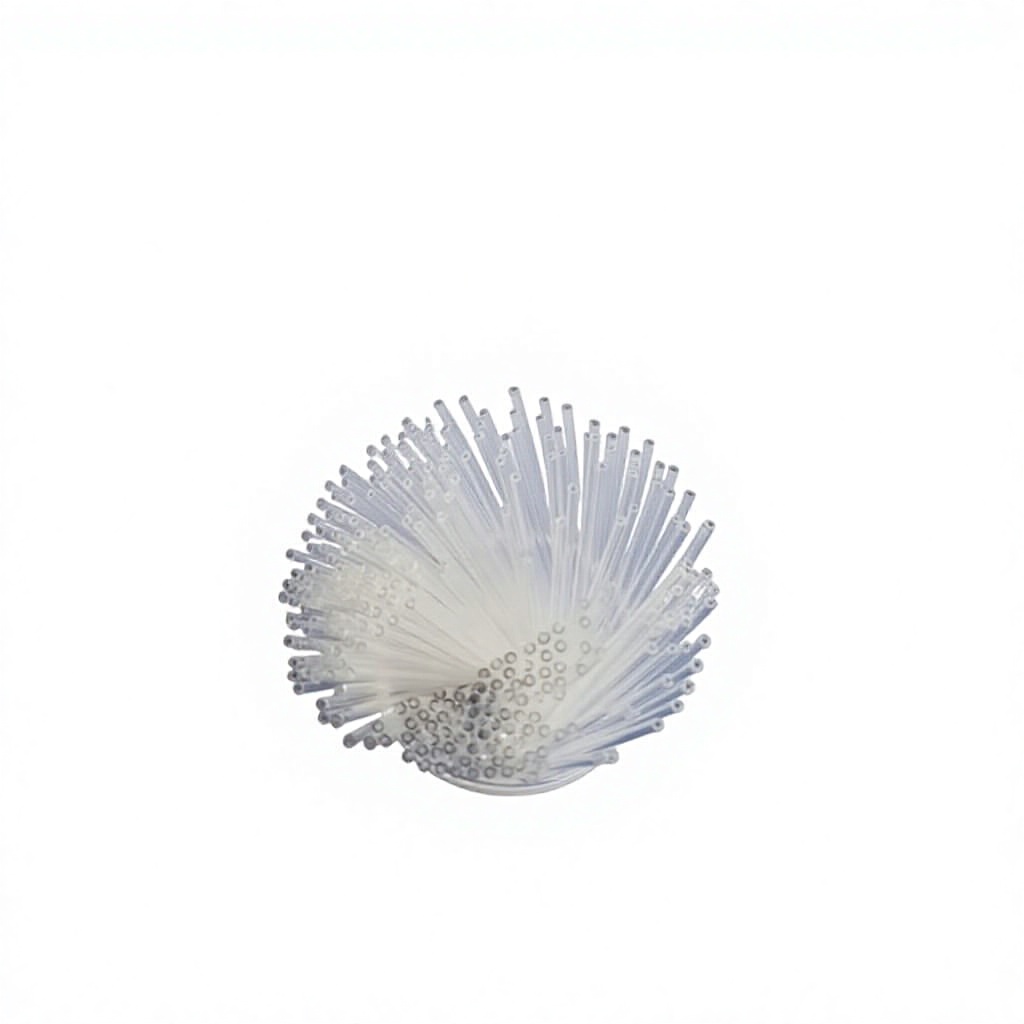
Custom Size Translucent Capillary Quartz Tube Polished Twin Pipe Ozone Free Chemical Industry
- High-durability capillary bore geometry
- Ozone-free high-temperature resistance
- Continuous operation up to 1150°C
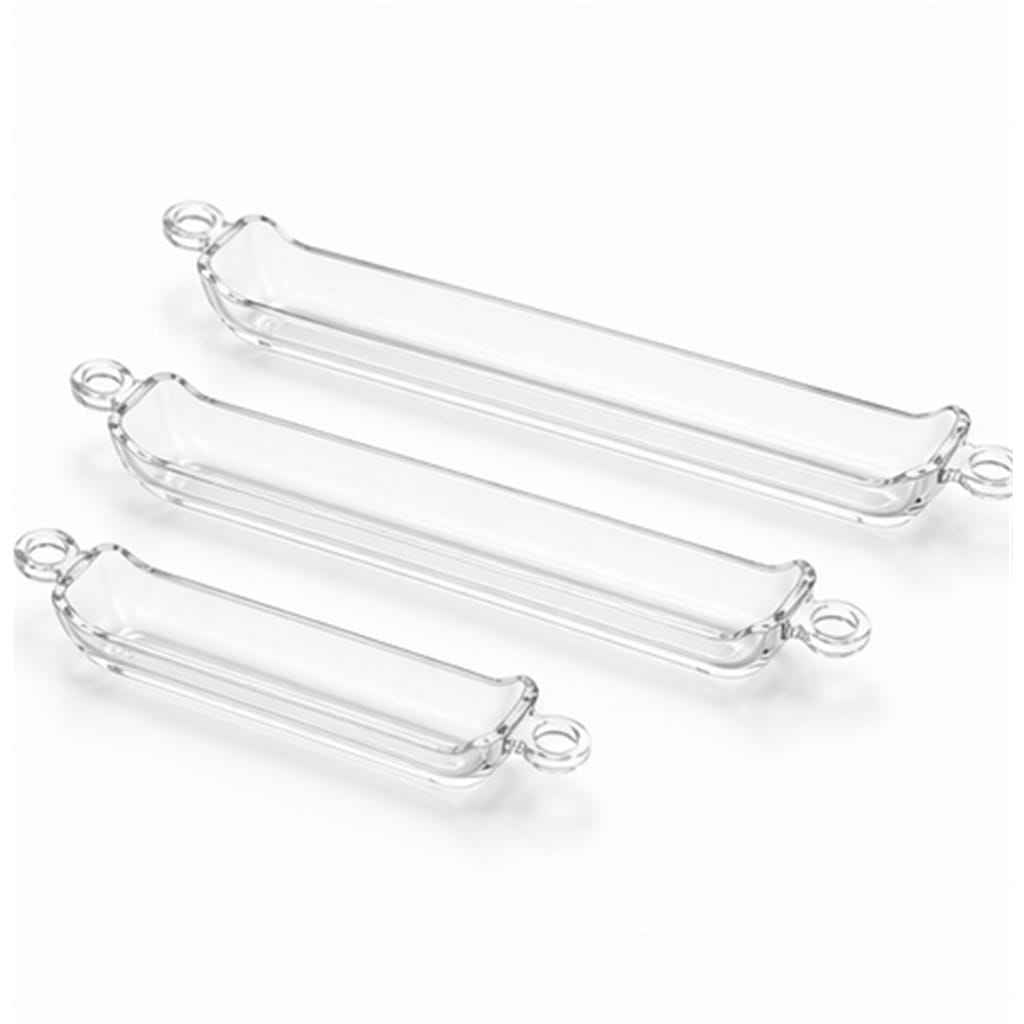
Clear Fused-Quartz Combustion Vessels with Fused Pull Rings for High-Temperature Analytical Tube Furnaces
- Integrated monolithic fused pull rings
- Softening point up to 1683°C
- Zero cross-contamination in assay furnaces
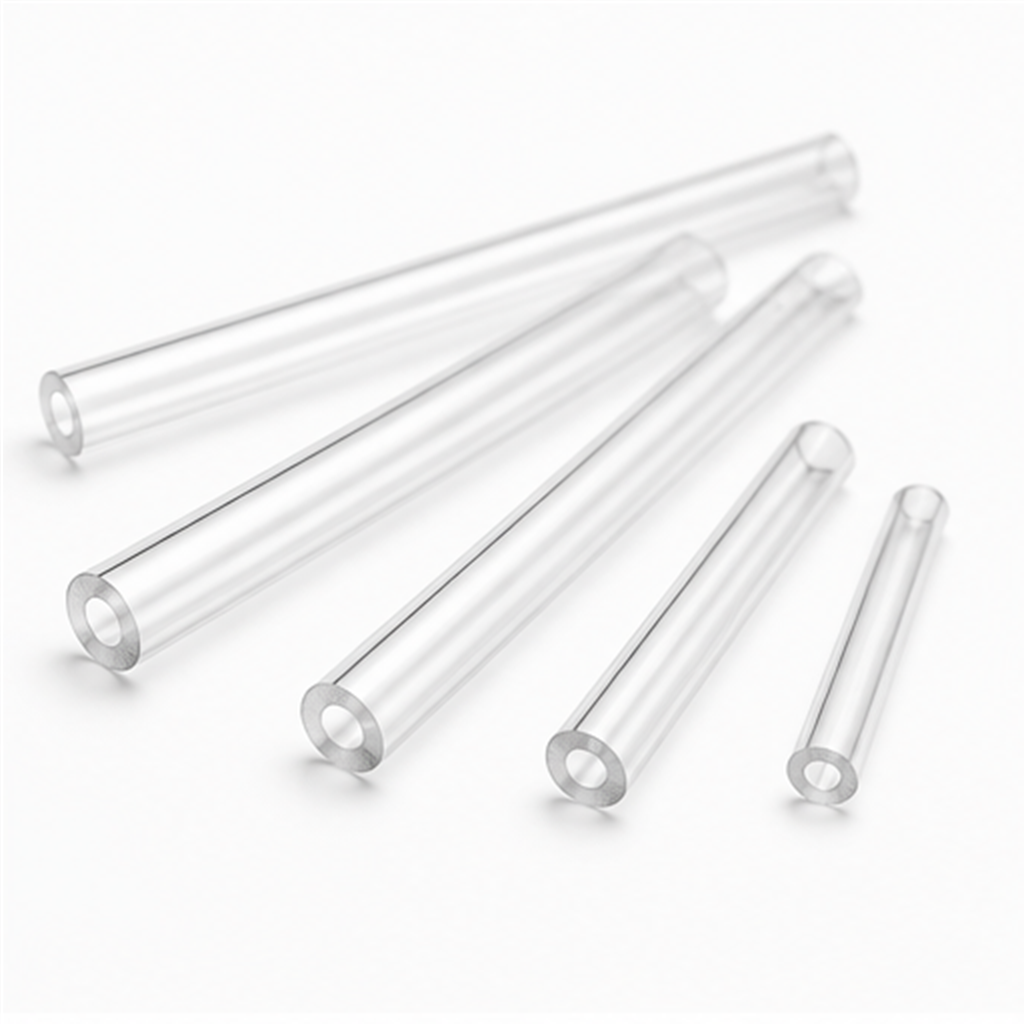
Small Bore Clear Fused Quartz Glass Tube with Flat Cut Unpolished Ends for Chromatography
- Uniform microscopic bore concentricity
- Ultra-low inner surface adsorption
- Precision flat cut to mechanical drawings
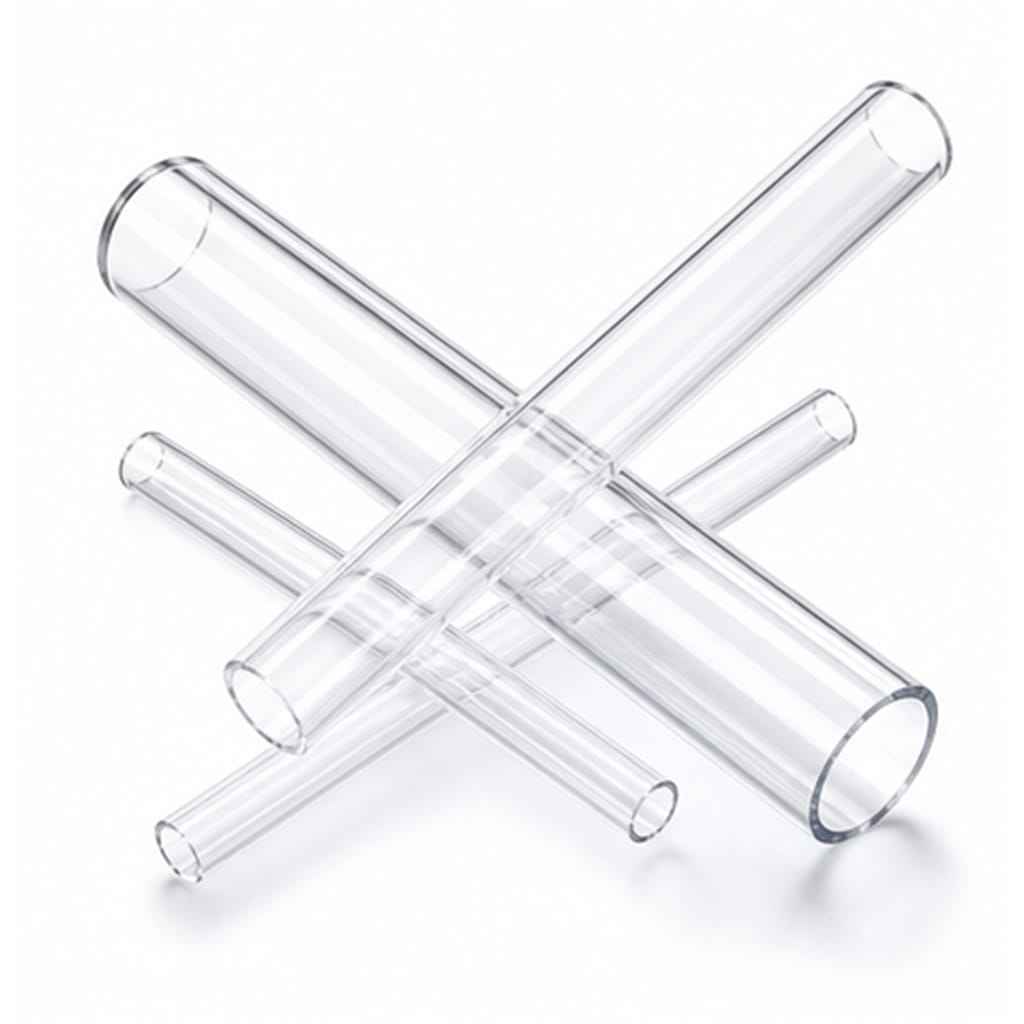
Precision Flat-Cut Fused-Quartz Straight Process Tubes with 90-Degree Squared Ends for Vacuum CVD Chambers
- True 90-degree orthogonal squared ends
- Hermetic flange seal compatibility
- Heavy vacuum wall-thickness stability
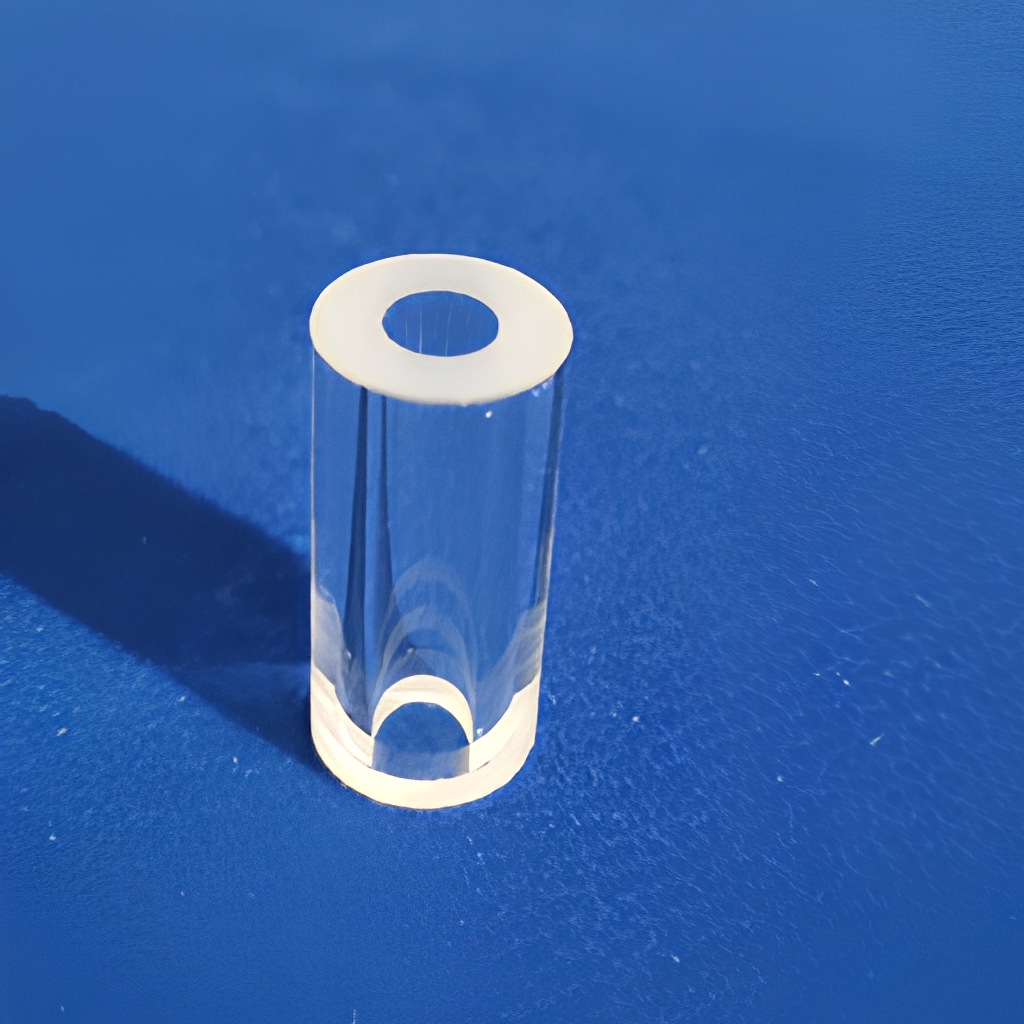
99.99% Pure Clear Quartz Twin Tube Polished Ozone Free Customized Bending Welding Cutting for Chemical Industry
- Precision robotic flame welding & bending
- Dual-chamber isolation architecture
- Chemical inertness to severe acids
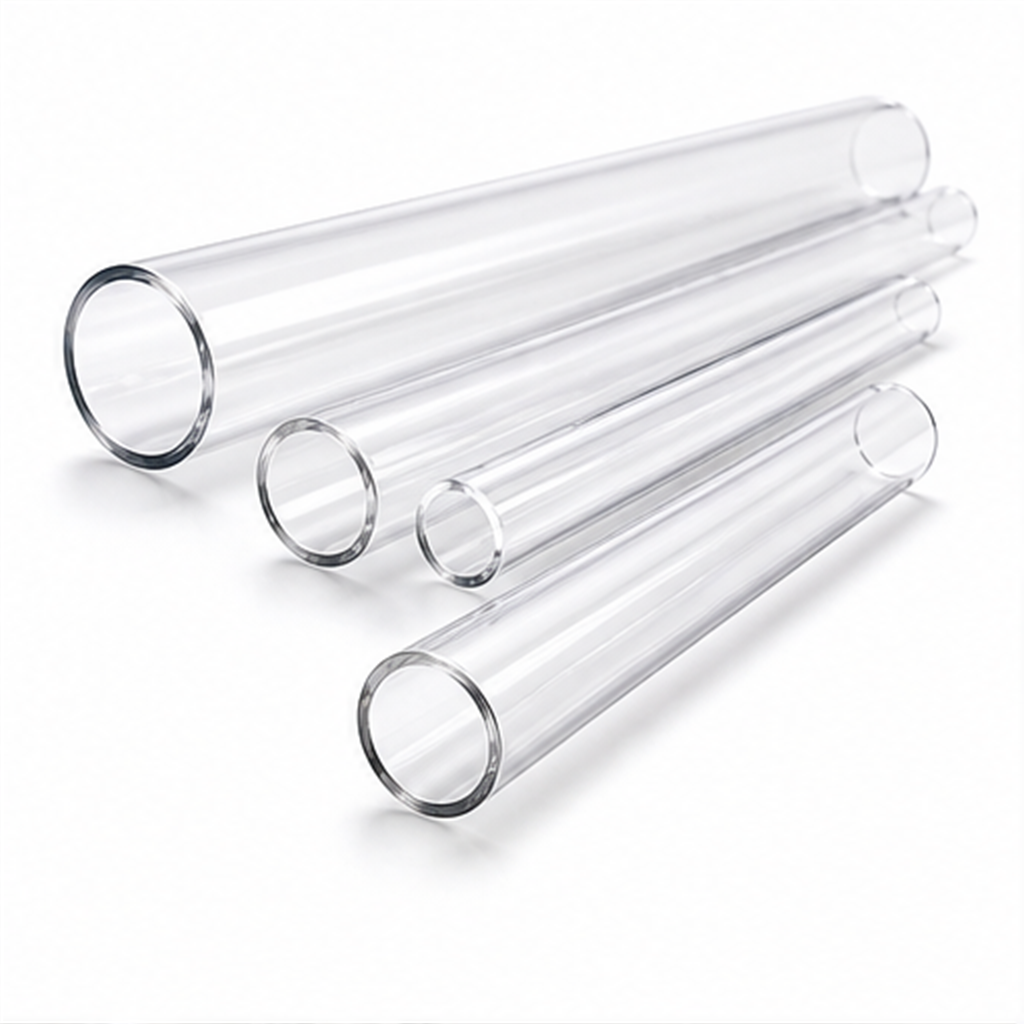
Thermal Shock Resistant Transparent Fused Quartz Furnace Tube for High Temperature Processing
- Low CTE: 5.5 × 10⁻⁷/°C thermal tolerance
- Withstands 1100°C water-quench cycling
- Diffusion, oxidation, and RTP furnace ready
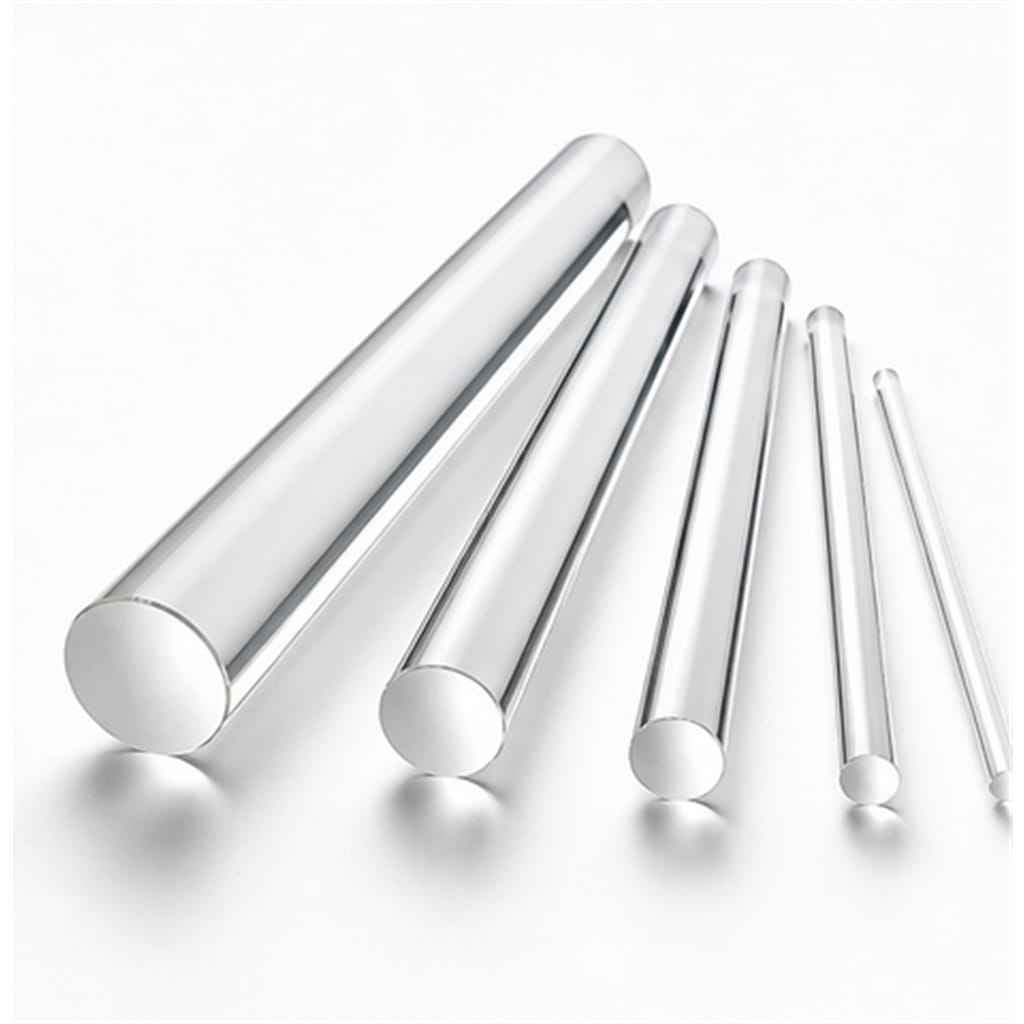
Solid Fused-Quartz Cylindrical Rods with Precision 90-Degree Flat-Cut Ends for Optical Laser Light Guides
- Double-end optical wave-front polish
- High deep-UV to NIR transmission
- Zero bubble inclusion grade standard
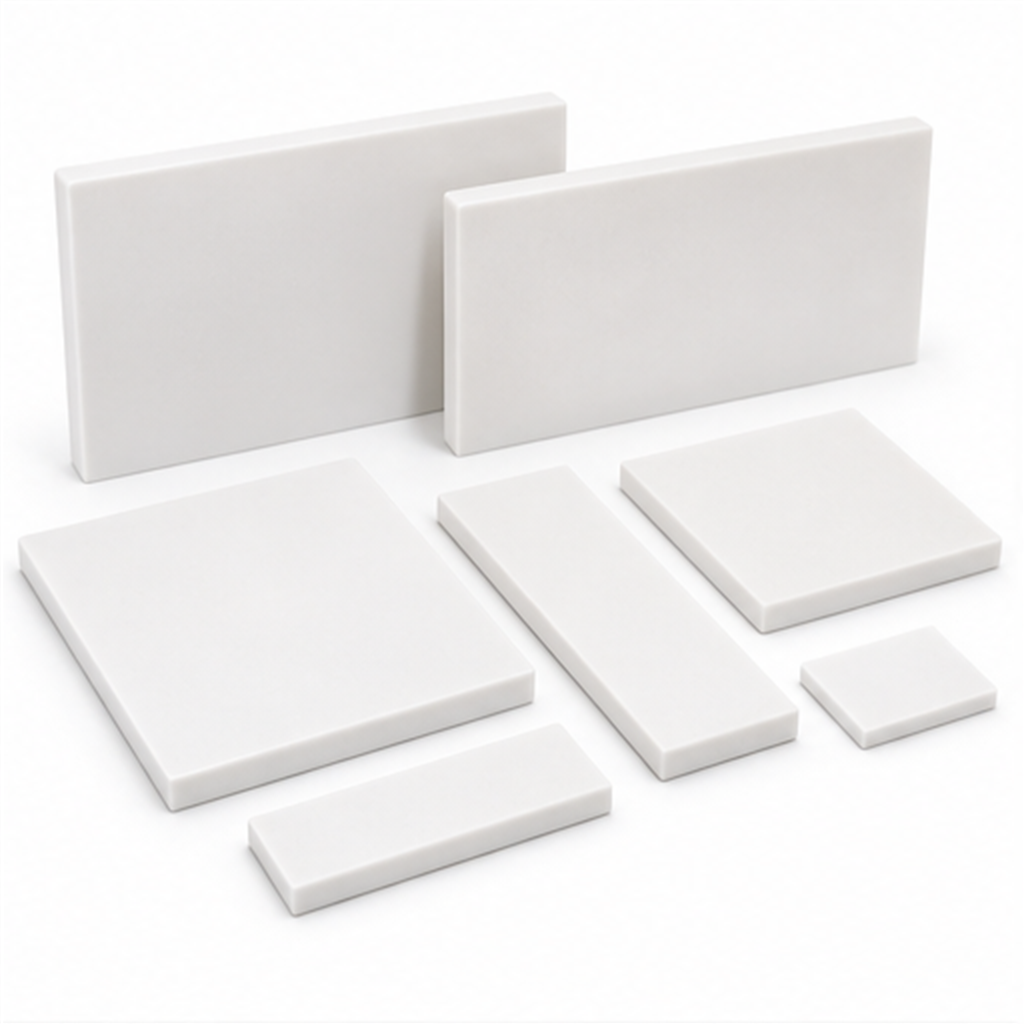
High Purity Opaque Milky White Fused Quartz Rectangular Plate Sheet Slab
- Micro-porous uniform heat dissipation
- Reflects infrared heat flux efficiently
- Available in thick-gauge cut-to-size slabs
Engineering Taxonomy: Fused Silica vs. Fused Quartz Crucibles
Understanding thermodynamic phase stability, cristobalite devitrification kinetics, and raw material purity thresholds in high-temperature silicon crystallization environments.
In the procurement lexicon of advanced metallurgy, semiconductor wafer manufacturing, and high-efficiency photovoltaic (PV) ingot growth, the terms "fused silica crucible" and "fused quartz crucible" are frequently conflated. However, precision process engineers make a rigorous distinction based on raw material synthesis, hydroxyl (OH⁻) concentration, bubble-layer gradient engineering, and thermodynamic performance under prolonged thermal stress exceeding 1400°C.
Natural Fused Quartz Crucibles are fabricated from ultra-high-purity natural quartz sand (typically sourced from crystallographically pure pegmatite deposits such as Donghai, China or Spruce Pine, North Carolina). This sand undergoes beneficiation, acid washing, and magnetic separation to reach 99.99% to 99.999% (4N to 5N) SiO₂ content. These crucibles exhibit high thermal viscosity, a softening point near 1683°C, and exceptional resistance to high-temperature deformation during long-duration Czochralski (CZ) pulling runs.
Conversely, Synthetic Fused Silica Crucibles are synthesized via the chemical vapor deposition (CVD) or flame hydrolysis of silicon tetrachloride (SiCl₄) or organic silicon precursors. This achieves hyper-purity levels exceeding 99.9999% (6N), virtually eliminating transition metal impurities like iron (Fe < 0.05 ppm), copper, and titanium. In modern CZ crystal pulling for N-type monocrystalline silicon (TOPCon and Heterojunction architectures), tier-1 manufacturers utilize a bimodal composite architecture: a micro-porous, bubble-rich natural fused quartz outer crucible body that optimizes infrared heat absorption, combined with a synthetic fused silica inner barrier layer that contacts the silicon melt without releasing oxygen defects or trace metallic contaminants.
Devitrification Kinetics & Cristobalite Phase Transformation
At operational temperatures between 1350°C and 1550°C, vitreous amorphous silica is thermodynamically metastable. The presence of alkali metal catalysts (Na, K, Li) accelerates surface nucleation into α-cristobalite. This devitrification creates a crystalline shell with a mismatched coefficient of thermal expansion, resulting in micro-cracking, flaking of quartz particles into the molten silicon, and the catastrophic loss of crystal dislocation structure (loss of single-crystal yield). China’s elite crucible manufacturers strictly govern total alkali contamination to below 0.3 ppm to suppress premature devitrification throughout multi-recharge CZ cycles.
| Performance Parameter | Natural Fused Quartz (Donghai Standard) | Synthetic Fused Silica (CVD Outer/Inner) | Solar PV Multi-Charge Grade | Critical Sourcing Implication |
|---|---|---|---|---|
| SiO₂ Purity Grade | 99.99% – 99.995% (4N – 4N5) | ≥ 99.9999% (6N) | 99.998% Inner Synthetic Layer | Directly dictates wafer minority carrier lifetime |
| Softening Point (°C) | 1683°C ± 15°C | 1585°C – 1650°C | 1680°C (High-viscosity arc fused) | Crucible bulging and wall collapse resistance |
| Hydroxyl (OH⁻) Level | < 30 ppm (Vacuum Baked) | < 1 ppm to 200 ppm (Controlled) | < 15 ppm Low-OH Spec | High OH significantly lowers high-temperature viscosity |
| Thermal Expansion (CTE) | 5.5 × 10⁻⁷ /°C (20–300°C) | 5.0 × 10⁻⁷ /°C | 5.4 × 10⁻⁷ /°C | Thermal shock survival under rapid cold feeds |
| Total Alkali Metals (Na+K+Li) | < 0.8 ppm | < 0.05 ppm | < 0.2 ppm (Inner Layer) | Suppresses destructive cristobalite flaking |
| Inner Surface Bubble Layer | Micro-bubble stabilized | Bubble-free zone (> 1.5 mm thick) | Dual-zone: Zero-bubble inner + opaque outer | Prevents micro-bubble bursting during RCz cycles |
Enterprise Sourcing Advantages: Donghai Quartz Cluster & Kemzo Infrastructure
Capitalizing on China's premier mineral cluster, advanced cleanroom processing, and vertically integrated quality management systems certified to ISO 9001:2015.
Source-Region Raw Material
SiO₂ 99.99% Secured PurityAnchored in Donghai County—internationally recognized as China’s Crystal Capital. Immediate local access to ultra-pure quartz sand deposits delivers unmatched raw-material pricing stability and consistent batch purity.
Jiangsu High-Tech Credentials
ISO 9001 Certified SystemOfficially recognized as a Jiangsu High Technology Enterprise. Full institutional deployment of trace-element mass spectrometry (ICP-MS) and polariscopic stress relief verification across 10+ operational lines.
11+ Years OEM / ODM Precision
Custom Drawings & ToolingFull internal capability for computer-controlled diamond grinding, fire-polishing, robotic welding, and custom vacuum chamber integration. Over a decade of turning complex client blueprints into reality.
Global Export Architecture
70%+ Export WorldwideServing Tier-1 semiconductor and furnace builders across North America, Europe, South Korea, and Japan. Cleanroom packaging, export-grade fumigated crates, and rapid 1-hour engineering response windows.
Future Sourcing Outlook: Strategic Crucible Procurement Trends (2025–2030)
Navigating the technological shift from P-type PERC to N-type TOPCon/HJT, crucible size expansion to 36–40 inches, and supply chain localization strategies.
1. N-Type TOPCon & HJT Crucible Transition
As PV solar manufacturing completes its migration to N-type wafers, molten silicon purity demands have surged exponentially. N-type silicon has zero tolerance for phosphorus (P) and boron (B) counter-doping. Procurement leads are requiring synthetic-lined crucibles that maintain wafer minority carrier lifetimes > 2000 μs across sustained 400-hour furnace cycles.
2. Crucible Upsizing to 36"–42" Diameters
Driven by the levelized cost of energy (LCOE) optimization in 210mm (G12) ingot crystal pulling, furnace hot zones have expanded rapidly. Standard 28-inch and 32-inch crucibles are being superseded by 36-inch and 40-inch configurations. This dimensional leap demands proprietary centrifugal rotational forming and hyper-precise thermal field balance to eliminate wall sagging.
3. Recharge Czochralski (RCz) Multi-Cycling
To maximize hot-zone uptime, crystal growers increasingly adopt RCz, feeding granular polysilicon or secondary rods up to 8–10 consecutive recharges without dropping furnace temperature. This exposes the silica crucible to extreme thermal shock and rapid dissolution wear, necessitating advanced barium (Ba) coating or synthetic crystallization barrier films.
4. Supply Chain De-risking & Dual Sourcing
Geopolitical concentration of natural quartz sand has triggered strategic supply audits worldwide. Tier-1 buyers in Japan, Europe, and the USA are bypassing intermediaries to partner directly with established Chinese manufacturers like Kemzo who maintain dual-channel feedstock pipelines (domestic premium Donghai sand paired with synthetic CVD options).
5. Semiconductor Ultra-Low Carbon Footprint
ESG mandates in microelectronics manufacturing now demand transparency regarding embodied carbon in silica consumables. Chinese manufacturers utilizing hydro and solar-powered electric arc fusion ovens are delivering up to 35% lower lifecycle carbon footprints compared to legacy gas-fired facilities in Western Europe.
6. Digital Certificate & Batch Traceability
Traceability to the specific melt furnace, lot-specific glow discharge mass spectrometry (GDMS) certifications, and 3D laser-scanned wall profile maps are now mandatory procurement attachments. Modern purchasers reject batch inspection in favor of serialized individual component QR verification.
Technological Innovations in Fused Silica Crucibles
Next-generation metallurgical synthesis: tri-layer density tuning, barium crystallization doping, and surface nano-texturing.
Tri-Layer Gradient Architecture
Transitioning from traditional dual-layer vessels to state-of-the-art Tri-Layer Fused Quartz Crucibles. An ultra-dense, bubble-free synthetic inner layer contact zone prevents erosion. A crystalline-doped intermediate layer halts structural creep, while a micro-porous outer wall maximizes thermal radiation distribution across furnace elements.
Barium (Ba) Induced Cristobalite Seeds
Uncontrolled devitrification results in jagged silica flakes entering the melt. Advanced chemical seeding impregnates the crucible surface with sub-micron barium salts, prompting uniform, smooth, and micro-crystalline cristobalite formation immediately upon heat-up. This smooth crystalline layer withstands molten silicon erosion for over 450 hours.
Sub-PPM Hydroxyl (OH) Vacuum Stripping
Hydroxyl groups act as network modifiers within the amorphous silica matrix, severing Si–O–Si bridging bonds and dropping thermal viscosity at 1450°C. By implementing ultra-high vacuum pre-baking furnaces and electro-magnetic plasma refining, OH content is lowered to < 5 ppm, dramatically boosting structural rigidity during CZ pulling.
Quality Control Protocol: Criteria for Global Procurement Officers
A comprehensive checklist for engineering incoming-inspection teams evaluating Chinese fused silica and quartz suppliers.
1. Geometric Metrology
Laser Profile ScanVerify outer diameter runout (OD tolerance ± 1.0mm for 36" crucibles), wall thickness uniformity (± 0.5mm), and bottom radius transition. Inconsistent bottom thickness causes localized thermal hotspots and premature ingot release.
2. Optical Bubble Analysis
Zero Inner Bubble >0.2mmInspect the inner synthetic layer under polarized high-intensity backlighting. Pores or bubbles within 1.5mm of the inner face will expand under high-vacuum furnace operation, rupturing and releasing silica grit into the silicon melt.
3. Residual Stress Check
Sénarmont PolarimetryFused silica parts cut, ground, or flame-worked must undergo uniform annealing. Residual internal mechanical stresses must not exceed 4 MPa (optical retardation < 30 nm/cm) to eliminate explosive thermal cracking during ramp-up.
4. Export Packing Integrity
Multi-Layer Vacuum SealedDemand double-layer anti-static heat-sealed polybags, custom-molded high-density expanded polyethylene (EPE) cushioning, and ISPM-15 certified fumigated plywood crates with tilt and impact recording sensors.
Procurement Frequently Asked Questions
Direct answers to the most common technical, logistics, and quality assurance questions raised by international sourcing teams.
What is the primary factor driving premature crucible failure in high-temperature silicon melting?
How does the presence of hydroxyl (OH⁻) ions affect crucible high-temperature mechanical performance?
Can Donghai Kemzo manufacture custom-engineered quartz components directly from technical drawings?
What thickness of the inner synthetic layer is optimal for N-type monocrystalline silicon ingots?
What packaging standards are implemented to eliminate transit breakage for international ocean and air freight?
Which commercial Incoterms and international payment settlement options are supported?
What is the difference between arc-fused silica crucibles and slip-cast sintered silica crucibles?
How do you verify purity and impurity concentrations prior to releasing export batches?
Request Technical Quotations & Custom Crucible Engineering
Direct factory pricing from China's premier Donghai quartz manufacturing cluster. Send your CAD blueprints, operational temperature profiles, and tolerance parameters to our engineering desk for immediate review.