Featured Fused Silica Discs & Precision Components
Explore our eight primary industrial fused silica product series, custom CNC-machined, optically polished, and fire-worked to meet the most exacting specifications of the semiconductor wafer fabrication, laser optics, and industrial thermal processing sectors.
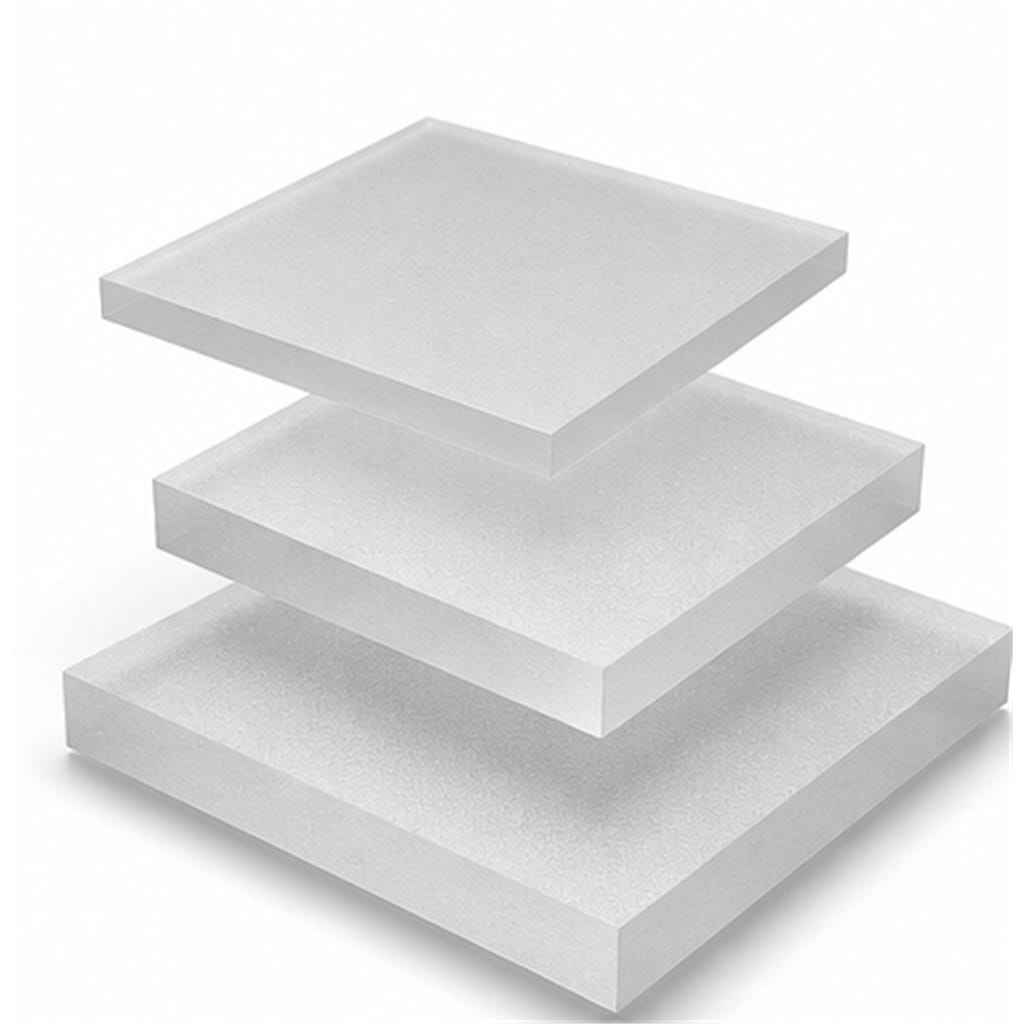
Raw Rough-Ground Fused-Quartz Blank Plates with Straight Edges for Semiconductor Wafer Substrate Lapping
- Substrate lapping & chemical mechanical planarization
- Precision straight ground edges with controlled chamfer
- Minimal subsurface micro-crack propagation
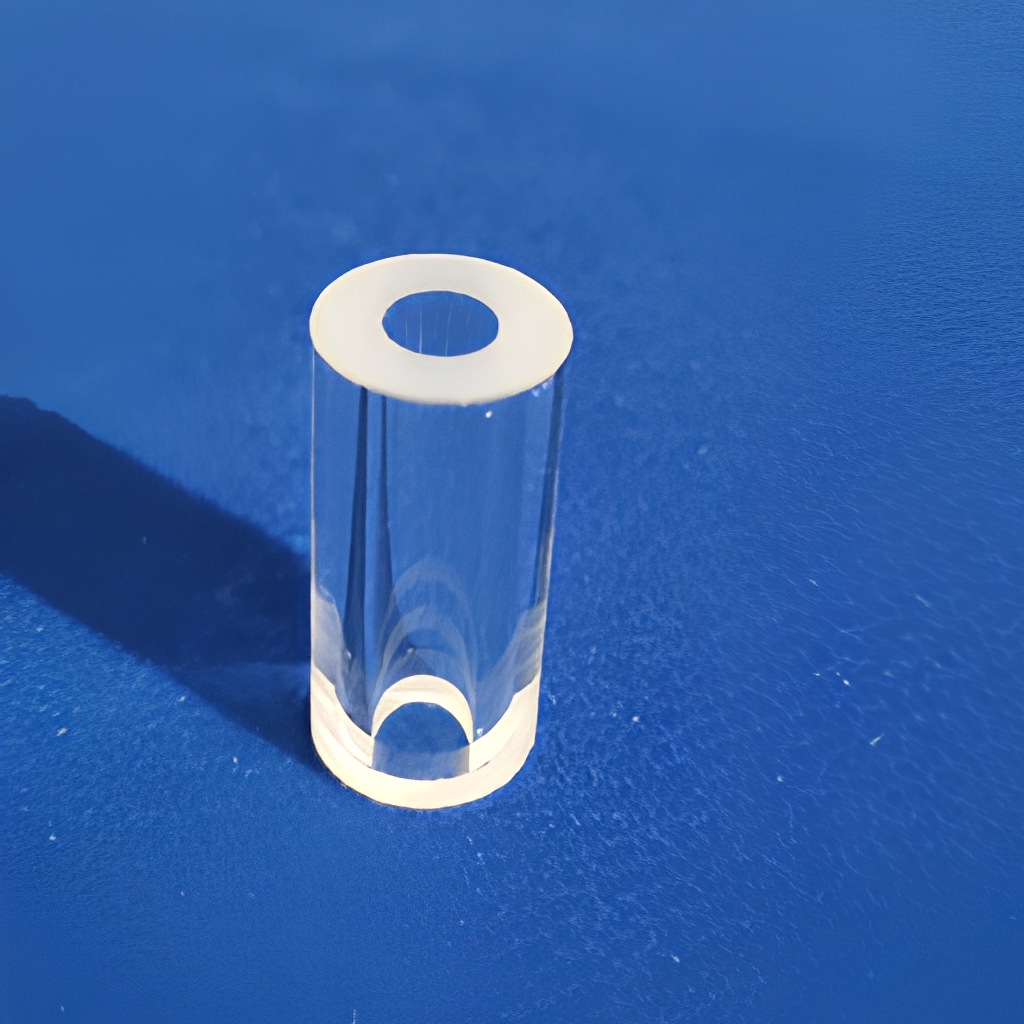
99.99% Pure Clear Quartz Twin Tube Polished Ozone Free Customized Bending Welding Cutting for Chemical Industry
- Ozone-free high hydroxyl/low hydroxyl options
- Flame-polished with precision bending & welding
- Resistant to thermal shock & corrosive media
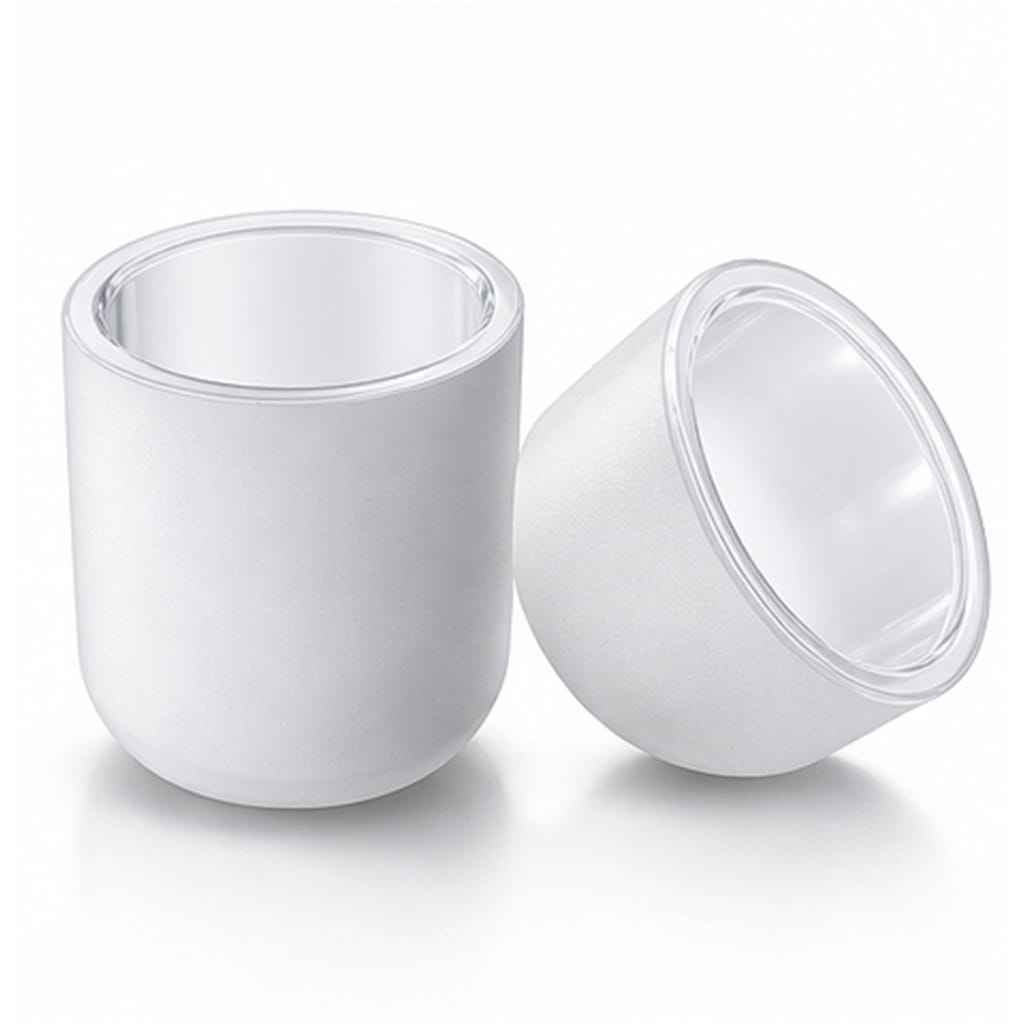
4-Inch US Sand Fused-Quartz Crucibles with Bubble-Free Inner Layer for Silicon Crystal Growth Melting
- Synthesized with premium US high-purity silica sand
- Patented micro-bubble-free transparent inner layer
- High-temperature CZ crystal pulling stability
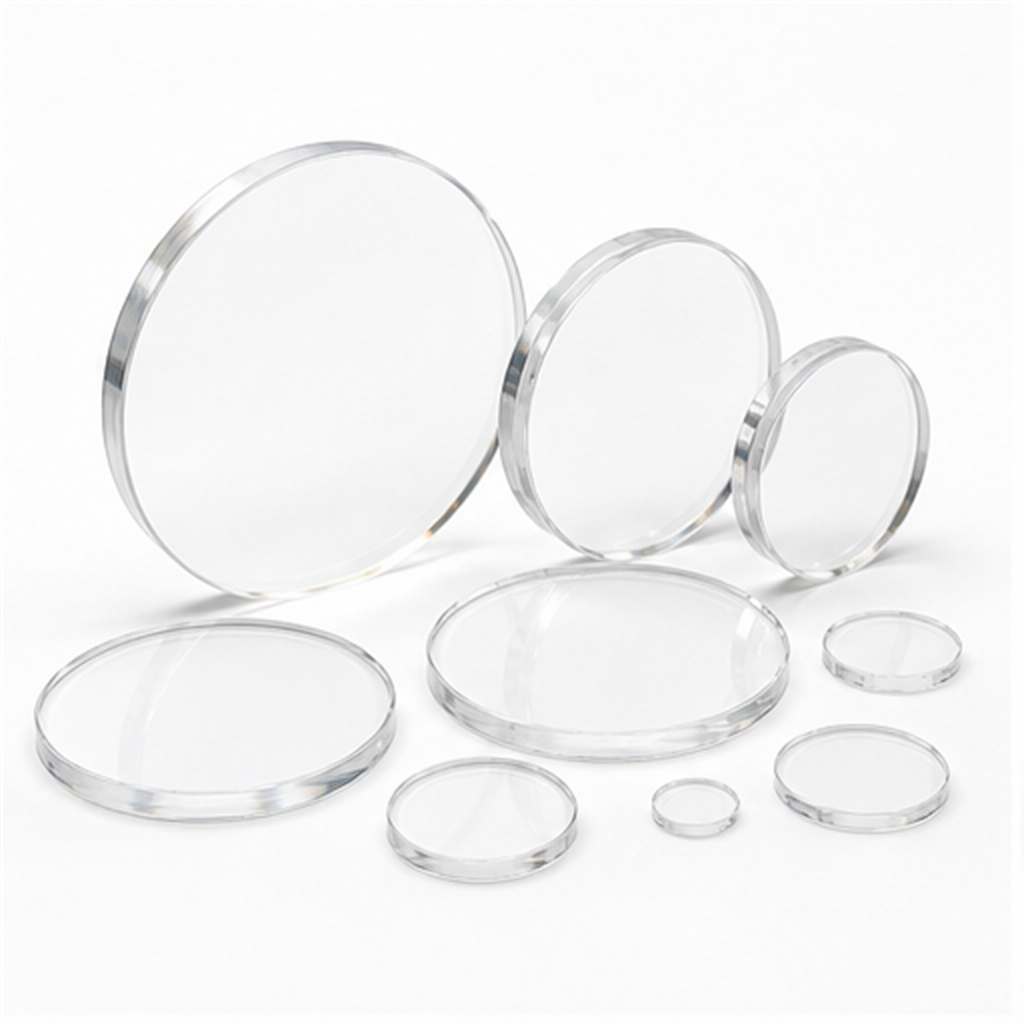
High Purity Optical Clear Fused Quartz Disc Circular Glass Window Substrate
- UV-VIS-NIR deep transmission (190 nm – 3500 nm)
- Double-sided precision polished to λ/10 flatness
- Scratch-Dig 20/10; Laser Damage Threshold certified
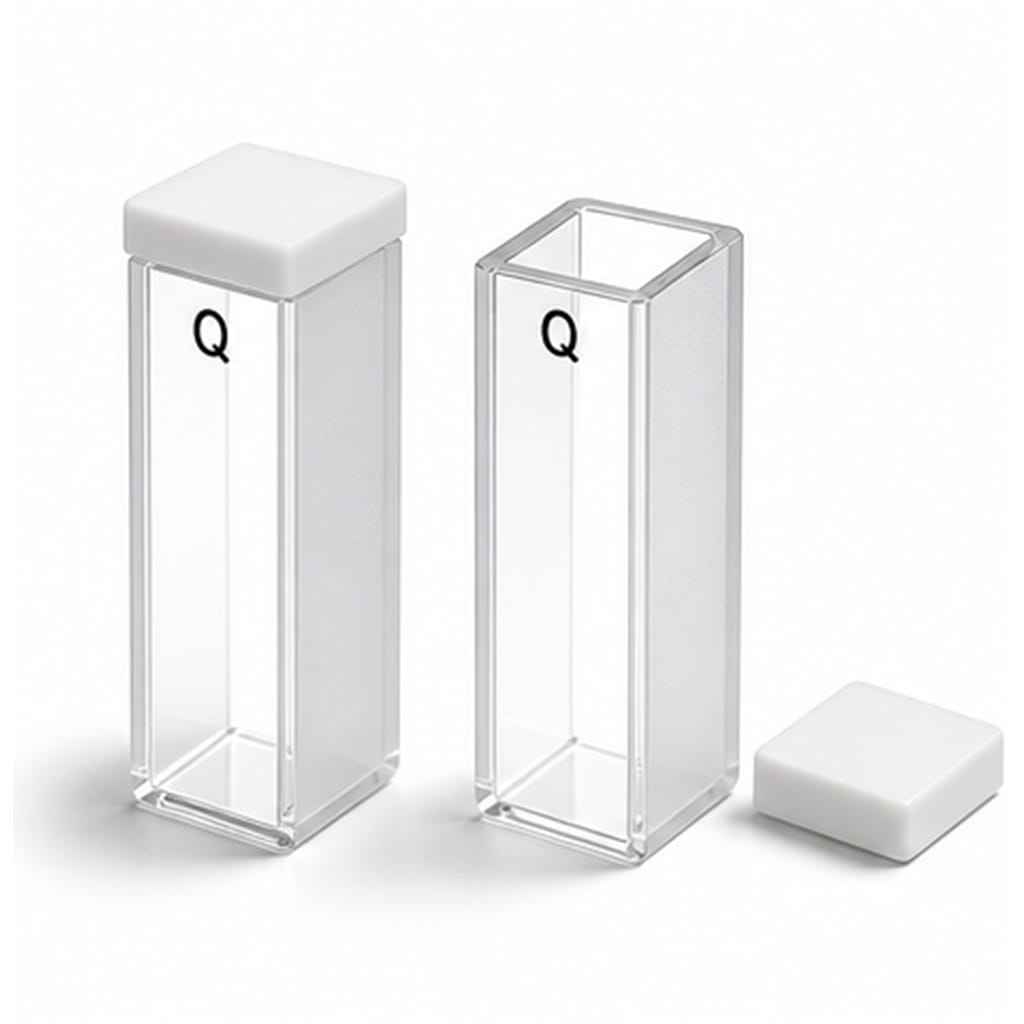
Optical Fused-Quartz Spectrophotometer Cuvettes with PTFE Lids for UV-Vis Precision Absorbance Analysis
- Molecular fusion bonding technology (zero adhesive)
- Matched cell pairs (±0.1% transmission match)
- Resistant to aggressive organic solvents & acids
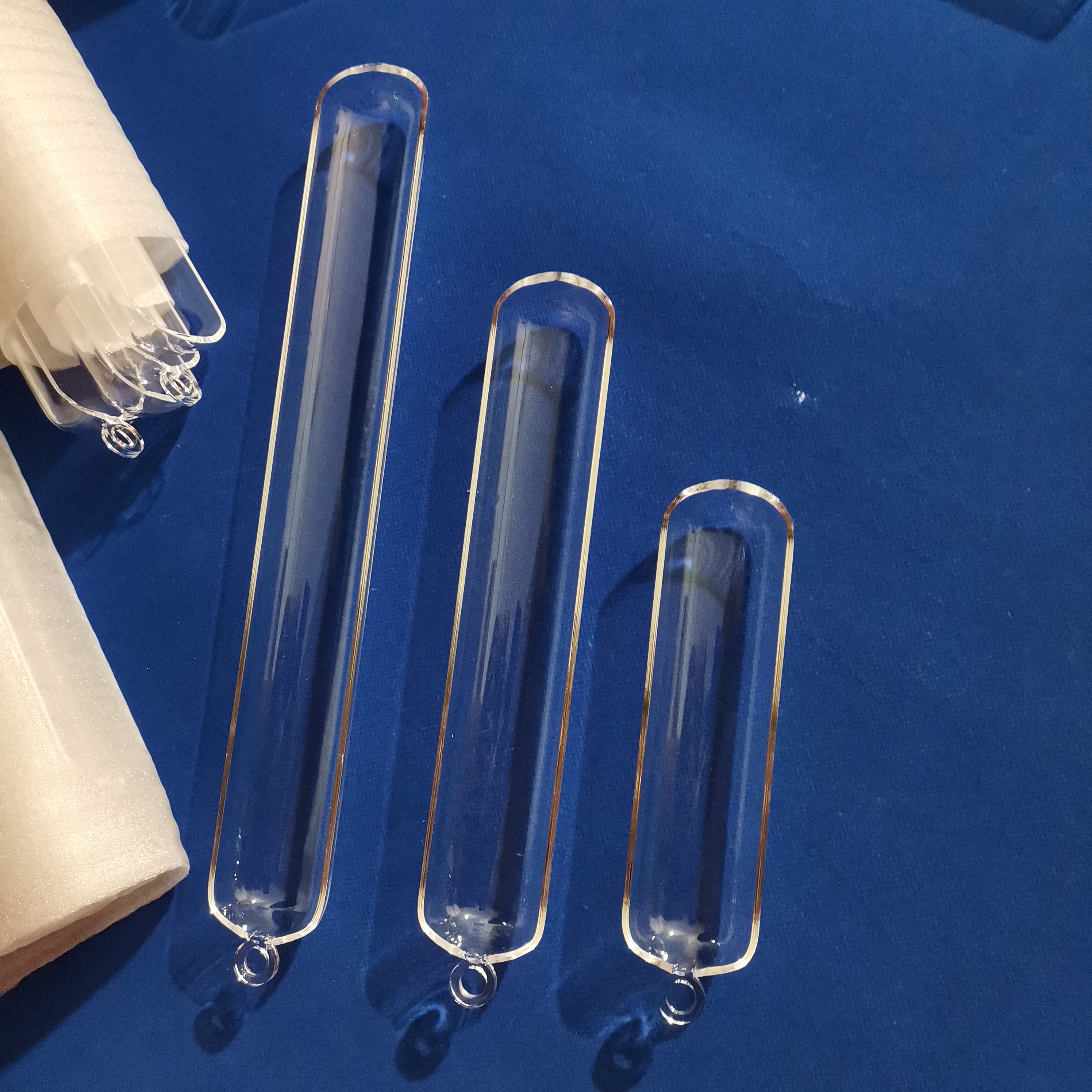
High Purity Quartz Glass Boat Transparent Bowl Shape 6-16 Chemical Industry Experimental Equipment
- Deep drawn bowl geometry for high-temp reactions
- Uniform wall thickness distribution (no thermal stress)
- Operates continuously up to 1100°C without warping
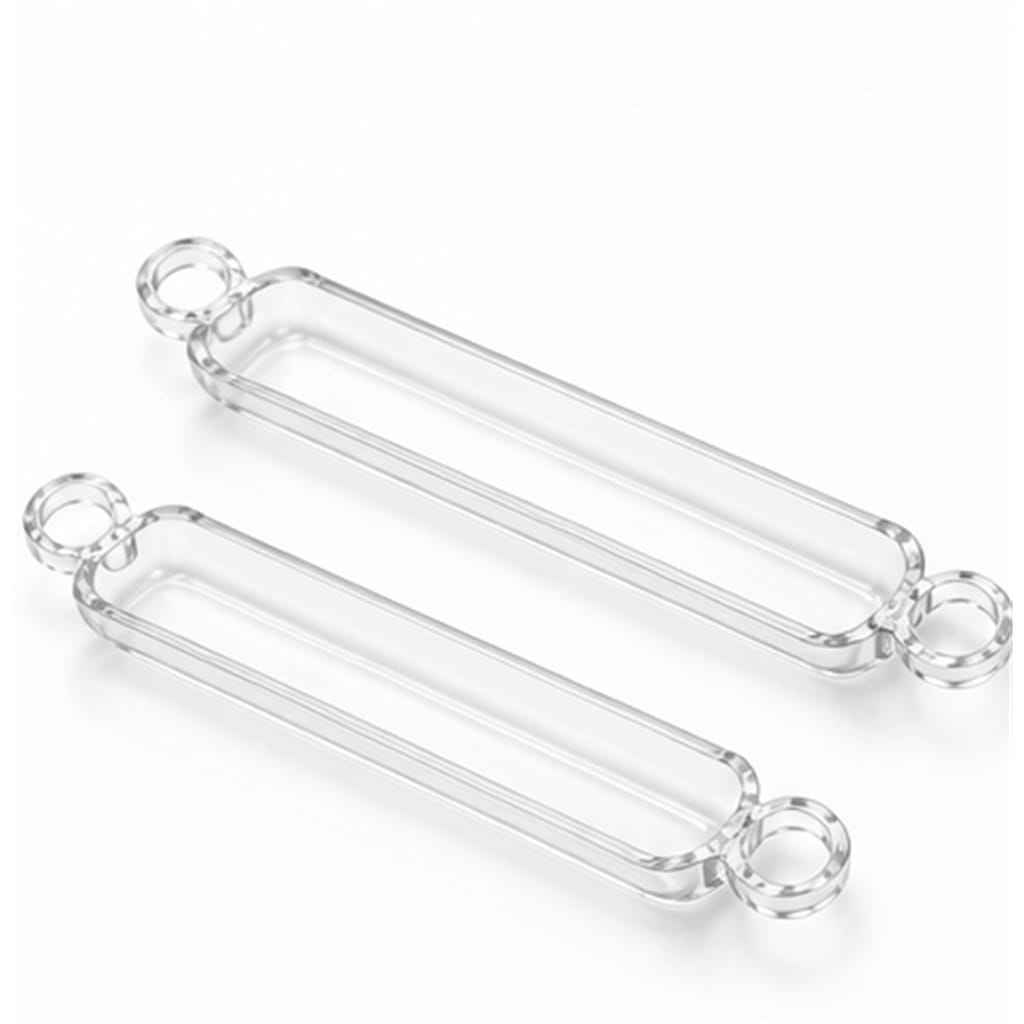
Fused-Quartz Combustion Sample Boats with Integrated Pull-Ring Handles for Laboratory Tube Furnace Heating
- Integrated ergonomic quartz pull-ring handle
- Annealed for tube furnace thermal cyclic loading
- Zero trace metal outgassing during calcination
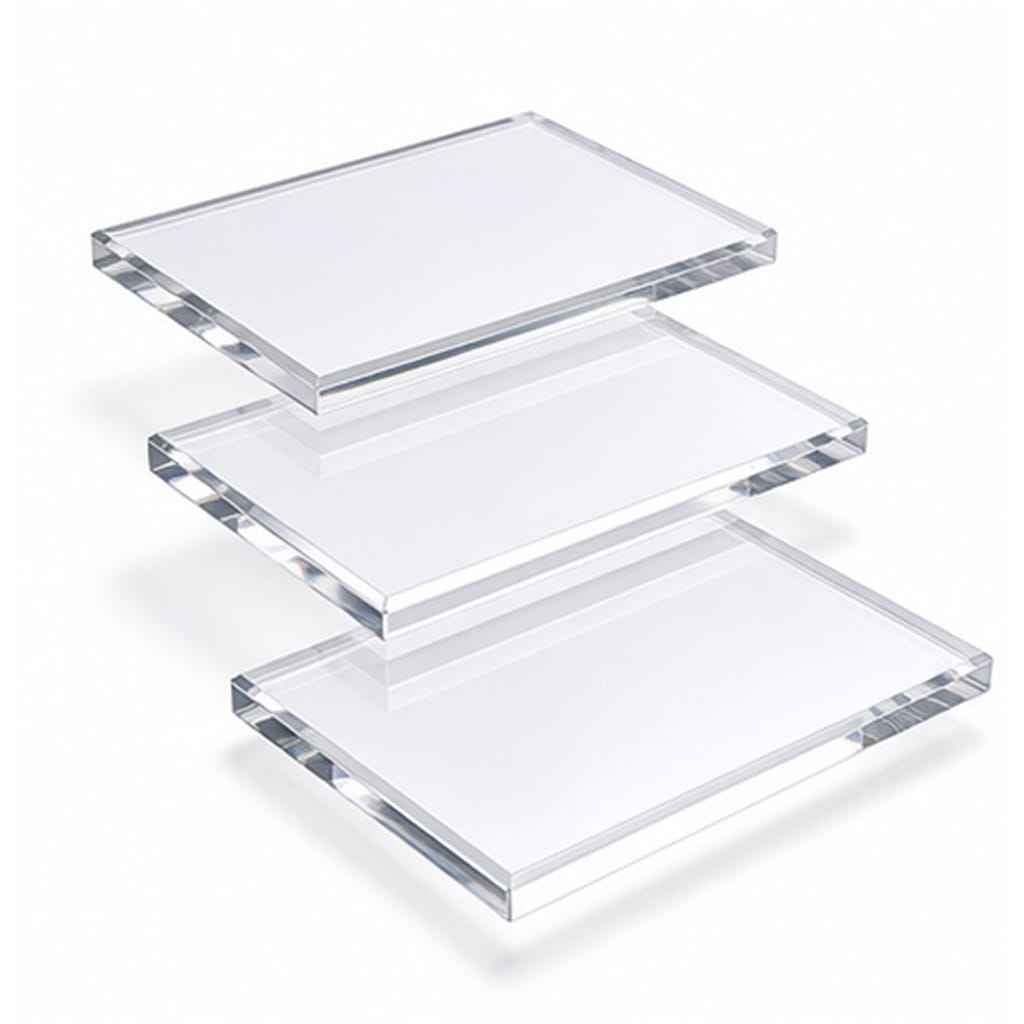
Precision Optical Fused-Quartz Square Plates with Chamfered Edges for Semiconductor Photomask Windows
- Semiconductor photomask blank & litho substrate
- Ultra-low thermal expansion gradient (α = 5.5×10⁻⁷/K)
- Defect-free optical aperture inspection standard
Synthetic Fused Silica vs. Fused Quartz: The Structural Paradigm
When technical buyers source fused silica discs from China, semantic clarity between Synthetic Fused Silica (SFS) and Natural Fused Quartz (NFQ) is the foundational determinant of performance success. While both share the empirical formula SiO₂, their manufacturing synthesis pathways produce starkly different optical absorption characteristics, trace metal concentrations, and structural homogeneity.
Electrically Fused Quartz (JGS2/JGS3 equivalent) is melted from high-purity natural silica sand sourced from the Donghai mineral belt and premium global quartz deposits. It possesses an exceptionally low hydroxyl (OH⁻) content (< 1 ppm to 30 ppm), rendering it completely free from the 2.73 μm water absorption band. This makes fused quartz discs the premier material of choice for high-temperature furnace sight glasses, infrared emitters, semiconductor diffusion chambers, and thermal viewports up to 1450°C.
Conversely, Synthetic Fused Silica (JGS1 equivalent) is synthesized through the vapor-phase hydrolysis of high-purity silicon tetrachloride (SiCl₄) in an oxy-hydrogen flame. This chemical vapor deposition process yields a synthetic material with total metallic impurities below 0.1 ppm. SFS exhibits near-theoretical transmission down to 190 nm in the deep ultraviolet (DUV) spectrum, zero visible fluorescence under 254 nm excitation, and practically no bubble inclusions (DIN 58927 Class 0).
| Physical / Optical Property | Fused Silica (Synthetic) | Fused Quartz (Electric Arc) |
|---|---|---|
| Primary Raw Material | SiCl₄ Precursor (Synthetic) | Purified Natural Donghai Quartz |
| SiO₂ Purity Concentration | > 99.9999% (≥ 6N) | 99.99% – 99.998% (≥ 4N) |
| Total Metallic Impurities | < 0.1 ppm – 0.5 ppm | < 8 ppm – 20 ppm |
| Hydroxyl (OH⁻) Content | 150 – 1200 ppm (High-OH) | < 1 ppm – 30 ppm (Water-Free) |
| Optical Transmission Range | 185 nm – 2500 nm (Deep UV) | 260 nm – 3500 nm (Infrared) |
| Refractive Index (nd @ 589.3 nm) | 1.4584 ± 0.0001 | 1.4585 ± 0.0002 |
| Thermal Expansion (20–320°C) | 5.4 × 10⁻⁷ / °C | 5.5 × 10⁻⁷ / °C |
| Softening Point (Viscosity 10⁷.⁶) | 1585 °C | 1683 °C |
| Continuous Service Temp | 1000 °C – 1050 °C | 1100 °C – 1150 °C |
| Laser Damage Threshold (LIDT) | > 18 J/cm² @ 1064nm, 10ns | > 8 J/cm² @ 1064nm, 10ns |
Future Procurement Trends in Fused Silica Discs (2025–2030)
As next-generation microelectronics, high-power industrial lasers, and green hydrogen synthesis mature, international procurement directors face fundamental shifts in material specifications and geographic supply chain dynamics.
1. Sub-Angstrom Surface Roughness (Ra < 0.15 nm)
With the rapid adoption of extreme high-power CW fiber lasers (20 kW – 60 kW) and DUV lithography systems, conventional mechanical polishing is obsolete. Procurement specifications increasingly mandate Magnetorheological Finishing (MRF) and super-polishing to suppress laser-induced damage thresholds (LIDT) and eliminate subsurface micro-cracks that cause catastrophic thermal breakdown under high optical fluence.
2. 300 mm & 450 mm Ultra-Thin Wafer Carriers
Semiconductor advanced packaging (CoWoS, 2.5D/3D chiplet stacking) requires fused silica temporary carrier discs engineered with total thickness variation (TTV) under 1.0 μm and warp under 15 μm. Fused silica discs match the low thermal expansion of silicon while offering complete optical transparency for laser-assisted debonding (308 nm / 355 nm laser liftoff) with zero trace metallic leaching.
3. Plasma Etch Chamber Window Inertness
Next-generation halogen-based plasma etching (using NF₃, CF₄, and Cl₂ chemistries) quickly causes solarization, micro-pitting, and devitrification on standard quartz sight glasses. High-purity synthetic fused silica discs with optimized molecular striae grades (DIN 58927 Class A) provide a 3.5× longer operational lifespan inside dielectric etch viewports, cutting fab downtime significantly.
4. Vertical Supply-Chain Decoupling to Donghai Source
Global purchasers are actively bypassing Western optical repackagers and middleman trading houses to partner directly with integrated Chinese quartz source manufacturers. Sourcing directly from Donghai Kemzo Quartz allows engineers to access factory-level pricing, customized multi-axis CNC machining, and comprehensive metrology certificates (Zygo interferometry) with rapid lead times.
Why Tier-1 Engineers Partner with Donghai Kemzo Quartz
Established in 2011 in Donghai County – recognized globally as China's crystal capital – Donghai Kemzo Quartz Products Co., Ltd. combines geological raw material access with cutting-edge optical fabrication to deliver uncompromised quality.
Source-Region Raw Materials
Situated in Donghai's world-class quartz processing belt, we control feedstock selection directly. From premium natural crystalline deposits to ultra-pure synthetic SiCl₄ precursors, our raw material inputs guarantee trace element stability batch after batch.
Rigorous Quality Assurance
Certified under ISO 9001 and honored as a Jiangsu High Technology Enterprise, our manufacturing facility utilizes Zygo VeriFire laser interferometers, PerkinElmer Lambda 1050+ spectrophotometers, and 3D CMM probing to guarantee certified tolerances.
Custom CNC & Fire-Working
We operate 10+ dedicated production lines spanning continuous tube drawing, double-side planetary lapping, multi-axis ultrasonic CNC milling, step-drilling, optical polishing, and stress-relieving annealing furnaces designed for rapid prototype-to-volume delivery.
Global Logistics & Packing
Exporting across North America, Europe, East Asia, and Oceania, our dedicated trade desk responds to engineering inquiries within 1 hour. All fragile quartz items are packed in shock-absorbing suspended foam and export-grade wooden cases for zero-breakage delivery.
Frequently Asked Questions by Procurement Engineers
Addressing the essential technical, operational, and commercial parameters encountered during fused silica disc evaluation, custom fabrication, and international delivery.
What is the fundamental difference between Fused Quartz and Synthetic Fused Silica discs?
The fundamental difference lies in their raw material synthesis and resulting spectral behavior. Fused Quartz is manufactured by melting high-purity natural quartz crystals under an electric arc or vacuum furnace (> 2000°C). It has low hydroxyl content (OH < 30 ppm), rendering it virtually free of the 2.73 μm absorption band, making it ideal for infrared windows and thermal furnace viewports up to 1150°C continuous (1450°C short-term).
Synthetic Fused Silica is synthetically produced by hydrolyzing volatile silicon tetrachloride (SiCl₄) gas in an oxy-hydrogen flame. This gas-phase synthesis delivers total metallic impurities under 0.1 ppm and extraordinary deep UV transmission down to 185 nm (ArF/KrF excimer laser wavelengths) with zero fluorescence and exceptional solarization resistance.
What surface optical specifications, flatness, and scratch-dig tolerances can you achieve?
For optical-grade circular fused silica discs and square windows, Kemzo Quartz provides precision double-side planetary polishing with the following achievable limits:
• Surface Flatness: λ/10 to λ/20 per inch @ 632.8 nm measured via Zygo interferometer.
• Surface Quality: MIL-PRF-13830B Scratch-Dig 10-5, 20-10, or 40-20 depending on optical application.
• Parallelism / Wedge: < 5 arcseconds for laser optics; < 30 arcseconds for standard viewports.
• Surface Roughness (Ra): ≤ 0.2 nm – 0.5 nm via Atomic Force Microscopy (AFM).
• Dimensional Tolerances: Diameter ± 0.02 mm, Thickness ± 0.01 mm, Chamfer 0.2 mm – 0.5 mm @ 45°.
Why is Hydroxyl (OH⁻) content critical, and how should buyers specify it?
Hydroxyl groups (OH bonded to the SiO₂ silica glass network) drastically impact both transmission and thermal viscosity. High-OH silica (typically 800 – 1200 ppm OH) eliminates UV absorption and suppresses defect centers formed under intense UV irradiation, making it ideal for 193 nm, 248 nm, and 266 nm lasers, as well as spectrophotometer cuvettes.
However, high OH causes strong absorption bands at 1380 nm, 2200 nm, and especially 2730 nm. For Near-Infrared (NIR) optics, telecom fiber pass-throughs, or Nd:YAG laser windows (1064 nm), buyers must specify Low-OH / Water-Free Fused Quartz (OH < 5 ppm) to prevent thermal lensing and laser beam distortion caused by OH vibrational resonance.
What are the maximum continuous thermal limits and thermal shock resilience parameters?
Transparent fused silica discs possess an extraordinarily low coefficient of thermal expansion (α ≈ 5.5 × 10⁻⁷ / °C from 20°C to 320°C), approximately 1/6th that of standard borosilicate glass (Pyrex). Consequently, a fused silica disc heated to 1100°C can be immediately plunged into ice water (0°C) without catastrophic fracturing.
The maximum continuous working temperature is 1100°C, with short-term spike capabilities up to 1450°C. The annealing point is ≈ 1215°C, and the softening point is ≈ 1683°C. For high-temperature vacuum furnaces, Kemzo performs stress-relieving thermal cycles to eliminate all residual drawing and cutting stresses prior to shipment.
Can you manufacture custom-drilled, stepped, beveled, or multi-axis CNC quartz parts to CAD drawing?
Yes. With more than 11 years of specialized OEM and ODM manufacturing experience in Donghai, our CNC processing center accommodates customer 2D and 3D CAD models (STEP, IGES, DWG, DXF, and PDF).
Our precision tooling includes multi-axis ultrasonic CNC milling centers, CNC waterjet cutting, core drills down to 0.5 mm diameter, precision stepped countersinking, custom edge profiles (pencil edge, full bullnose, optical bevels), and laser engraving for cleanroom serial tracking.
How do you guarantee that fragile quartz discs arrive undamaged in international shipments?
Kemzo Quartz has engineered specialized packaging protocols based on more than a decade of exporting fragile technical glass to over 40 countries:
1. Cleanroom Wrapping: Each precision optical disc is sealed in dust-free antistatic membrane sleeves or vacuum-sealed optical clamshells to eliminate surface particulate contamination.
2. Cushion Isolation: Products are nested in custom-cut high-density Pearl Cotton (EPE) or polyurethane foam trays ensuring zero glass-to-glass contact.
3. Heavy-Duty Outer Crating: Trays are packed into rigid inner cartons and secured inside custom ISPM-15 compliant heat-treated plywood crates with impact-absorbing corner bumpers and "Fragile / Tip-N-Tell" indicator labels.
What are your payment terms, trade incoterms, and average prototyping lead times?
We support flexible global commercial arrangements:
• Accepted Currencies: USD, EUR, AUD, HKD, and CNY.
• Payment Methods: T/T (Telegraphic Transfer), L/C at sight, PayPal for prototypes, and secure credit insurance.
• Delivery Incoterms: FOB (Shanghai / Qingdao / Lianyungang), CFR, CIF, EXW, DDU, DDP, and door-to-door express courier (DHL, FedEx, UPS).
• Lead Times: Stock blank discs ship within 48 hours; custom CNC polished prototypes take 7 – 12 business days; volume production batches typically take 2 – 3 weeks.
Need Custom Fused Silica Discs or Precision Optical Substrates?
Upload your CAD drawing, target dimensions, operating environment, and required optical grade. Our senior quartz engineering group reviews feasibility and delivers an official quotation with tolerance analysis within 1 hour.
- Prototype to Multi-Kilogram Volume Runs
- Zygo Metrology & Spectral Transmission Reports
- Cleanroom Vacuum Packaging Included