Precision Quartz & Optical Components
Directly manufactured to engineering drawings at our Donghai production facility. Featuring ultra-high SiO2 chemical purity (≥99.99%), extreme thermal shock resistance, and sub-nanometer optical surface finishing.
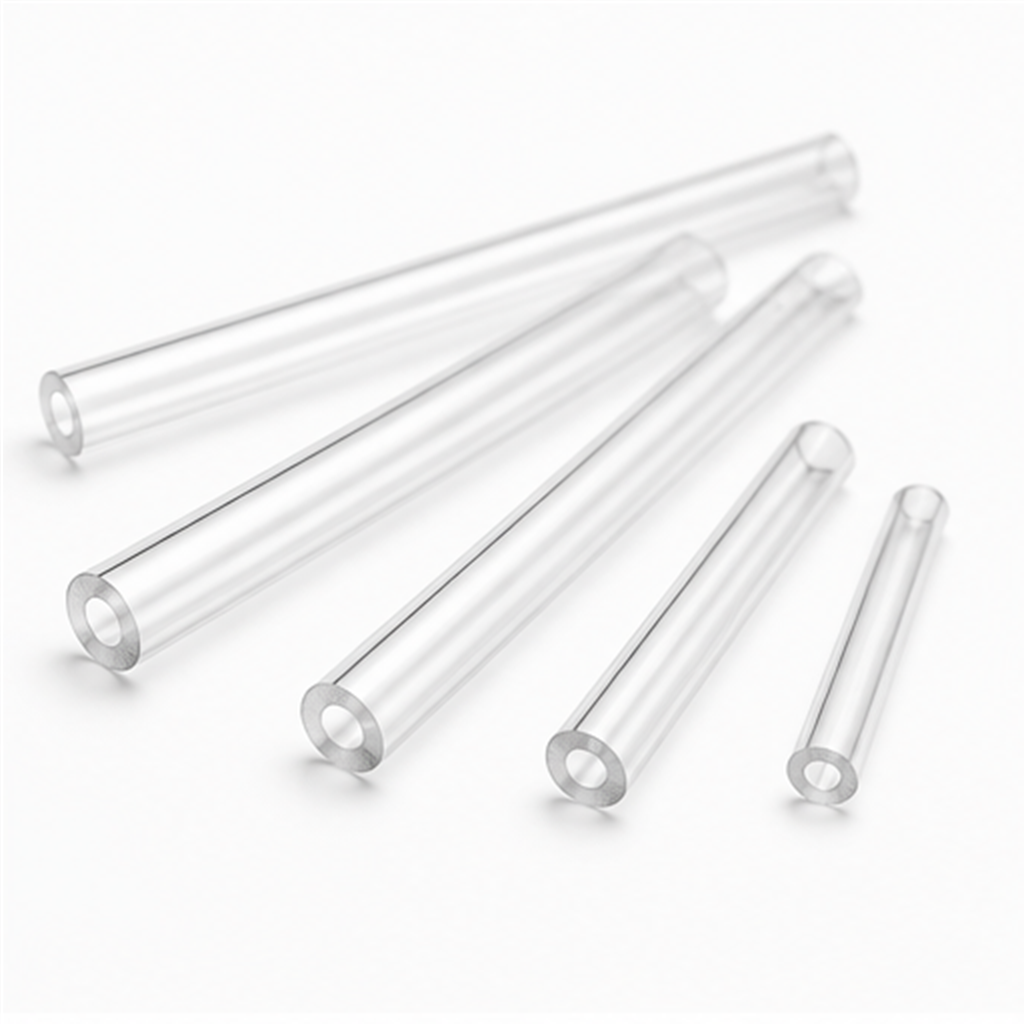
Small Bore Clear Fused Quartz Glass Tube with Flat Cut Ends
- High-purity capillary ID/OD tolerances down to ±0.02 mm
- Exceptional UV optical clarity for capillary detection
- Chemically inert to aggressive mobile phases & acids
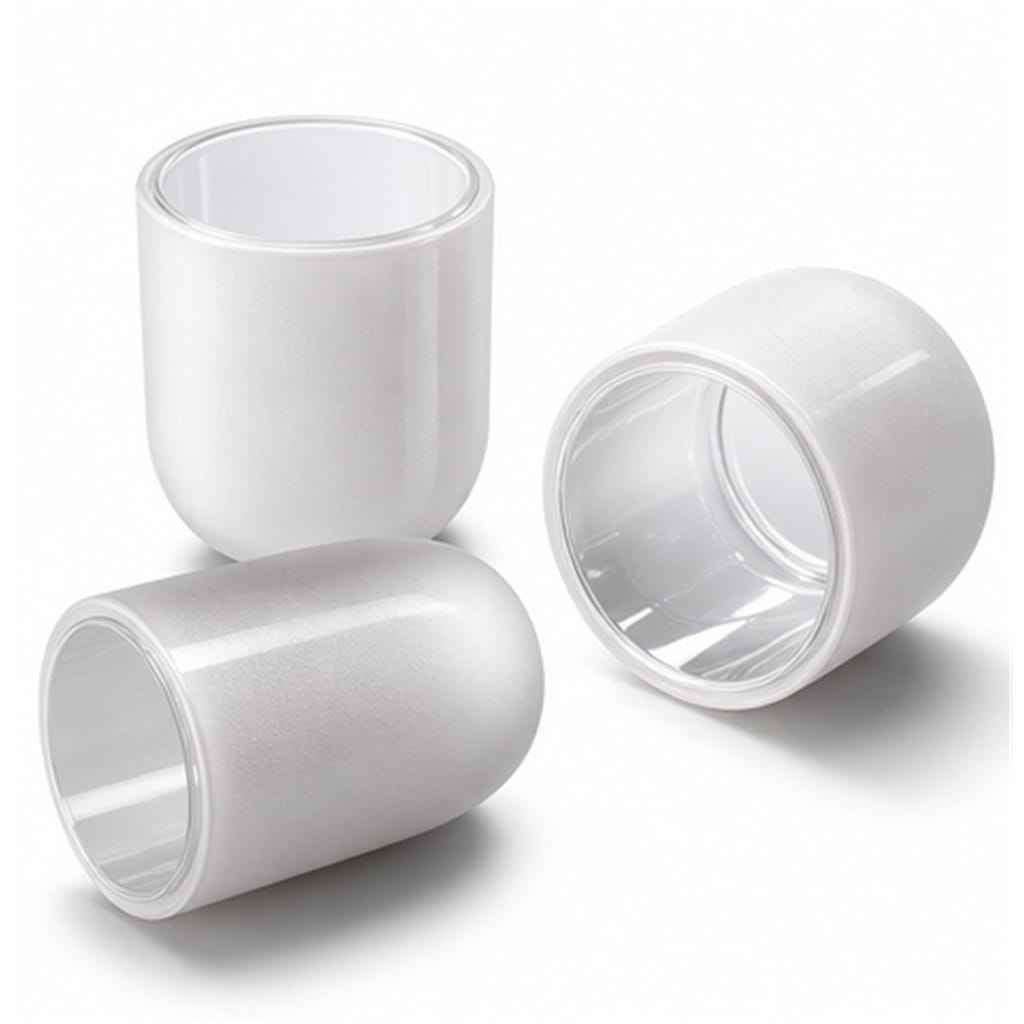
4-Inch Fused Crucibles with Fire-Polished Rim for Ingot Melting
- Melted with high-purity natural silica sand
- Continuous thermal operation up to 1100°C (Peak 1450°C)
- Zero metal ionic leaching for monocrystalline silicon
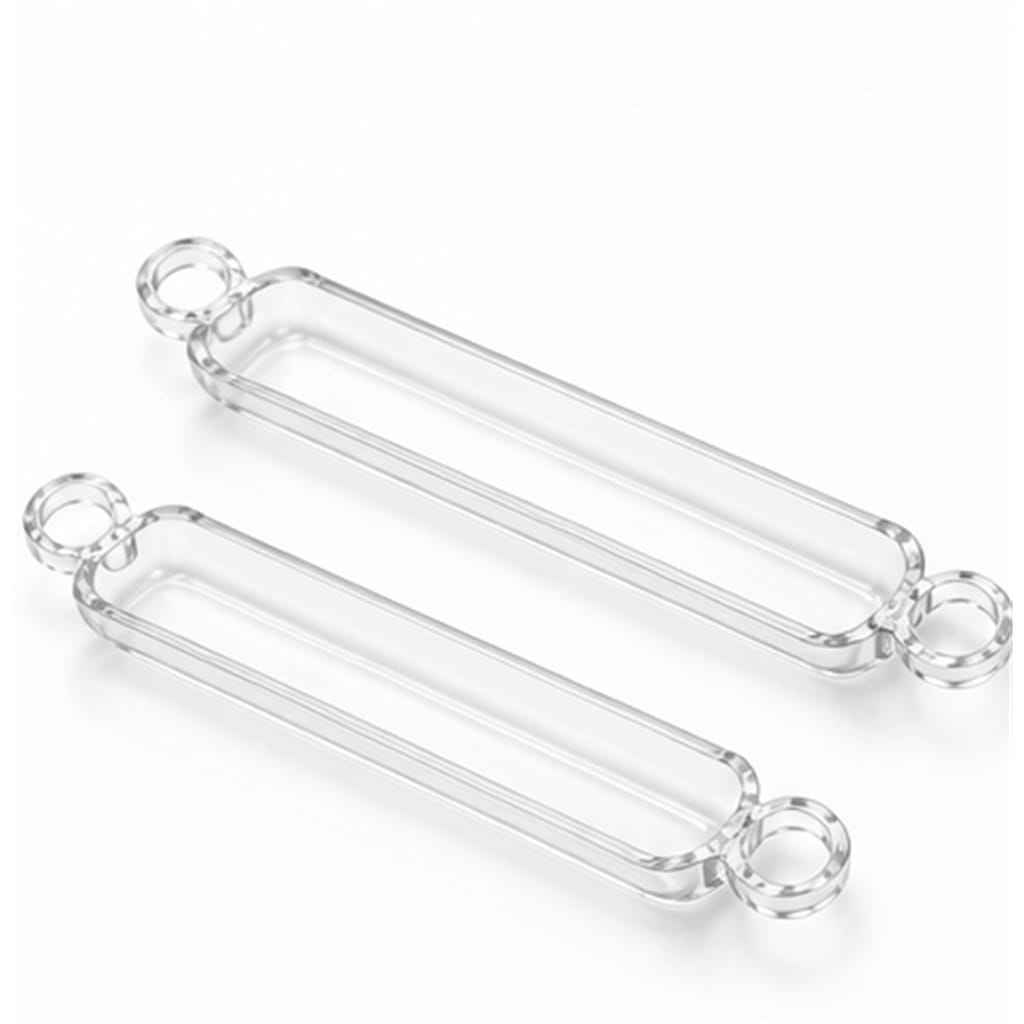
Fused-Quartz Combustion Sample Boats with Pull-Ring Handles
- Integrated structural pull rings for safe high-temp retrieval
- Thermal expansion coefficient: 5.5 × 10⁻⁷ / °C
- Acid resistance against standard calcination atmospheres
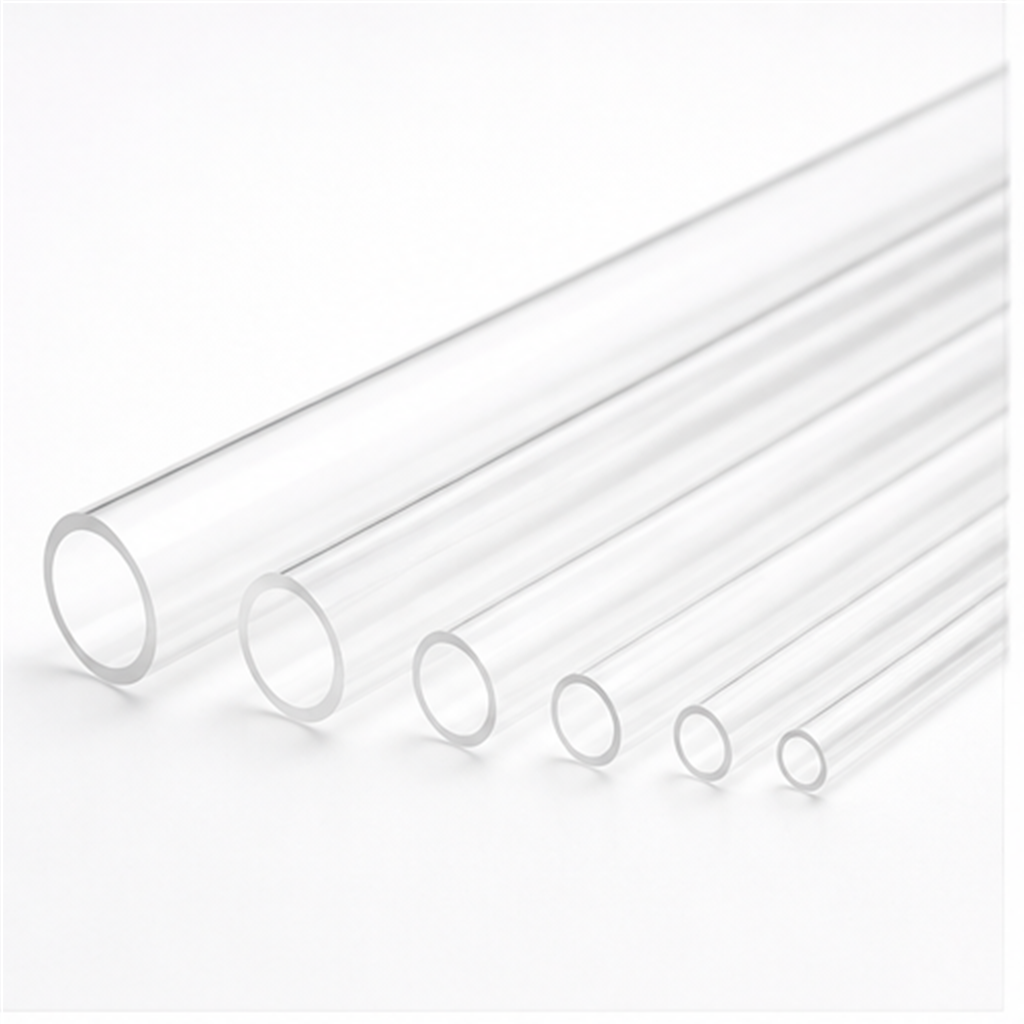
High Purity Clear Fused Quartz Glass Tube (Flat Cut Ends)
- Direct drawn from select high-purity natural silica feedstock
- Strict bubble-class inspection and airline elimination
- Available in OD ranging from 2 mm up to 450 mm
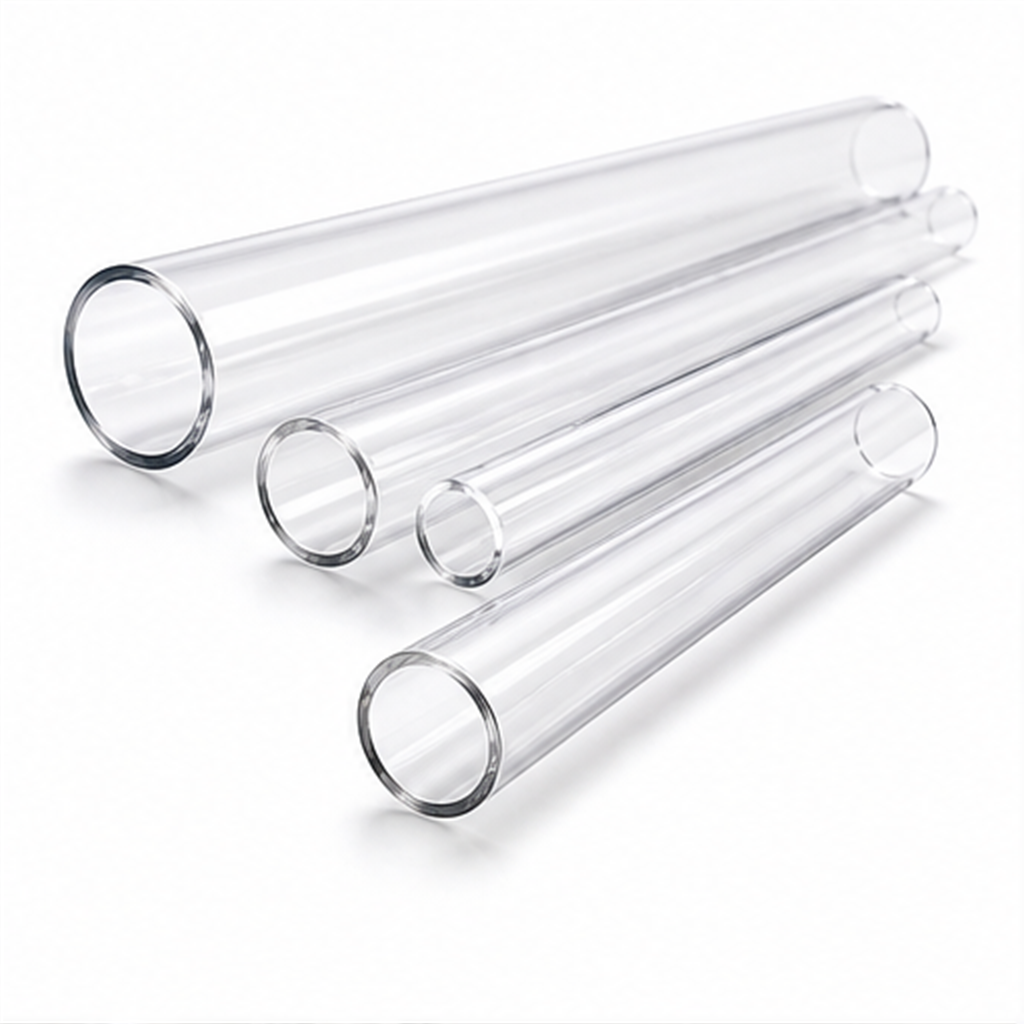
Thermal Shock Resistant Transparent Quartz Furnace Tube
- Resists direct quenching from 1100°C into cold water
- Flanged, ground-mouth, or beaded ends engineered to OEM order
- Ideal for CVD, RTP, and semiconductor oxidation processing
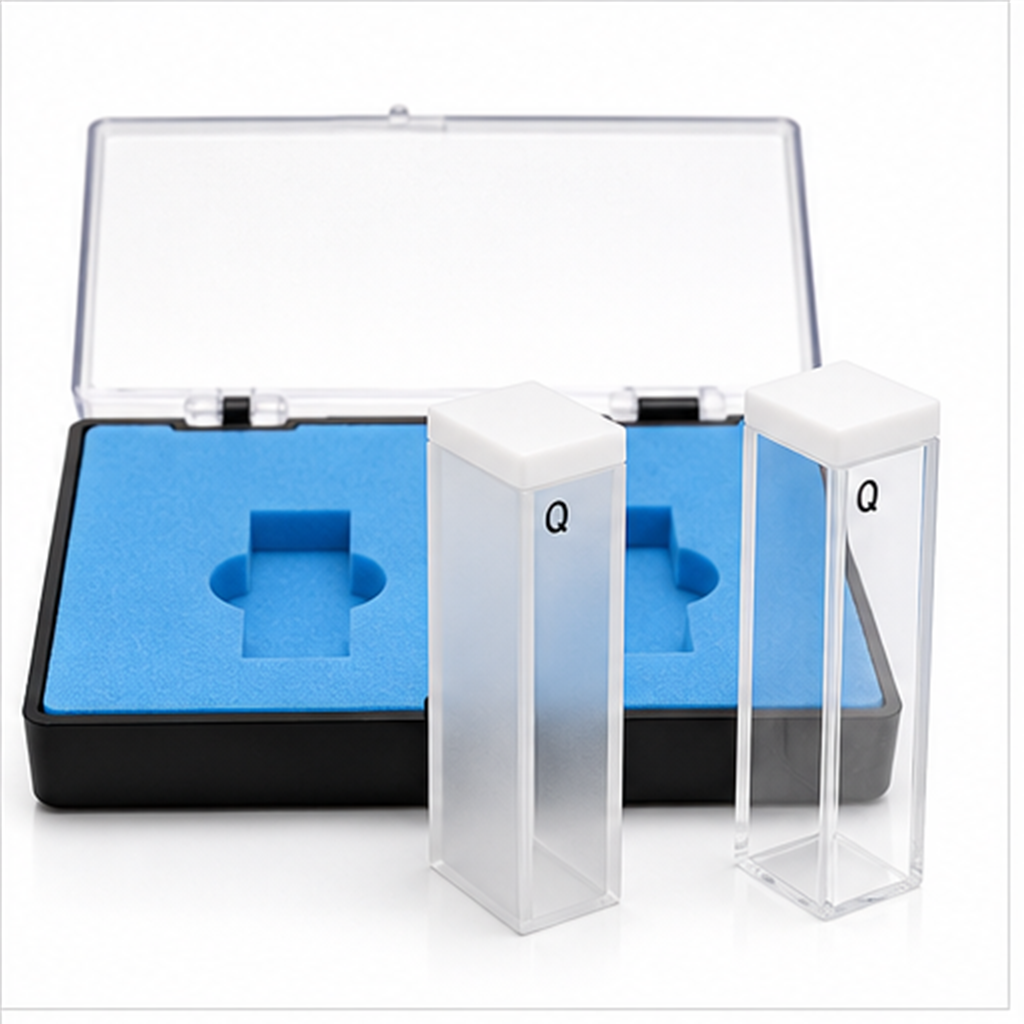
Standard 2 & 4-Window UV Quartz Cuvettes with Black Q Mark
- Broad optical transmission down to 190 nm (Deep-UV grade)
- Optical path length tolerance controlled within ±0.01 mm
- Molecular-level fused assembly without adhesive contamination
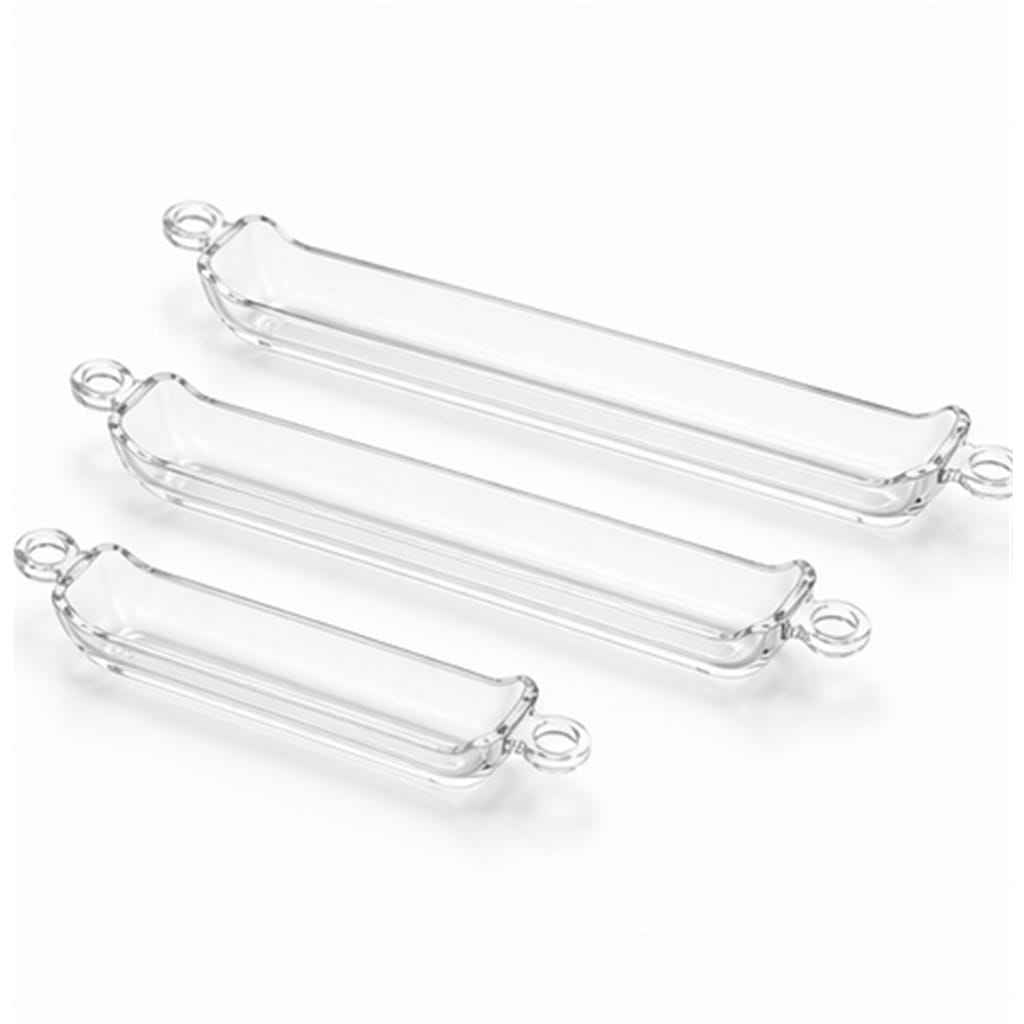
Clear Fused-Quartz Combustion Vessels with Fused Pull Rings
- Heavy-wall thermal construction for high furnace loads
- Smooth, flame-polished non-stick inner surface finish
- Zero cross-contamination for elemental carbon/sulfur analyzers
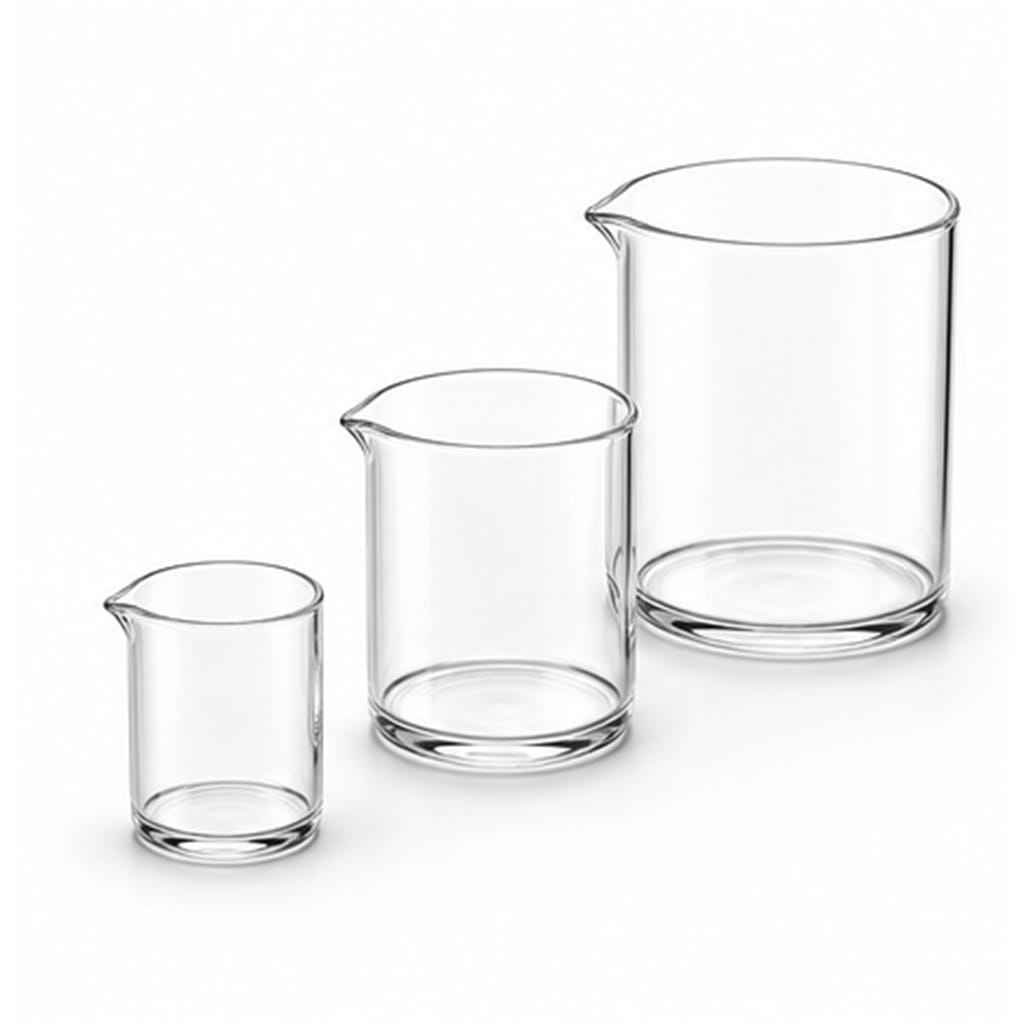
Clear Fused-Quartz Laboratory Beakers with Molded Spout
- Fully resistant to all acids except HF and hot phosphoric acid
- Can be placed directly on open flames or hot plates
- Uniform wall thickness distribution ensures structural safety
Material Science of Optical Quartz Windows: JGS1 vs. JGS2 vs. JGS3
In modern optoelectronics, high-energy laser systems, semiconductor lithography, and deep-space analytical instruments, optical windows must maintain high optical transmittance, zero mechanical deformation, and minimal optical wavefront distortion under intense thermal and radiative stresses. Standard borosilicate and crown optical glasses suffer from solarization, thermal lensing, and catastrophic mechanical failure when subjected to high-fluence ultraviolet (UV) or infrared (IR) beam paths. Optical fused quartz and synthetic fused silica represent the apex of amorphous vitreous silica technology.
Selecting the optimal optical quartz window requires a precise understanding of the synthetic synthesis methods, impurity thresholds (especially transition metal ions like Fe, Cr, and Ni), and hydroxyl group (-OH) radical concentration. Chinese industrial manufacturing standards categorize optical silica glass into three fundamental designations: JGS1, JGS2, and JGS3, which correspond directly to the international grades defined by Heraeus (Suprasil, Infrasil, Homosil) and Corning (Corning 7980, 7979).
Critical Engineering Principle: The spectral transmittance profile of an optical quartz window is fundamentally dictated by its raw material synthesis. Synthetic Fused Silica (JGS1) is synthesized via chemical vapor deposition (CVD) of high-purity silicon tetrachloride (SiCl4), resulting in near-zero metallic impurities and exceptional deep-UV transmission. In contrast, Natural Fused Quartz (JGS2) is melted from purified natural crystal quartz, offering robust continuous thermal endurance up to 1100°C at lower cost, while Anhydrous Fused Silica (JGS3) removes structural hydroxyl bonds to unlock the mid-infrared transmission spectrum up to 3500 nm.
1. JGS1: Synthetic Fused Silica (Deep Ultraviolet / Laser Grade)
JGS1 is synthesized using high-purity volatile silicon precursors oxidized in an oxy-hydrogen flame. This chemical synthetic process eliminates metallic impurities almost entirely (total heavy metal contaminants are kept below 1 ppm, with Fe ≤ 0.05 ppm). Consequently, JGS1 exhibits no fluorescence under UV excitation and demonstrates superior transmission across the 185 nm to 2500 nm band. It is universally specified for excimer laser optical viewports (ArF 193 nm, KrF 248 nm, XeCl 308 nm), deep-UV sterilization sensors, semiconductor photomask substrates, and medical laser flow cytometry. JGS1 features an OH content typically ranging between 800 ppm and 1200 ppm, which creates a pronounced vibrational absorption band at 2730 nm (2.73 μm).
2. JGS2: Optical-Grade Fused Quartz (Near-UV to Near-IR)
Manufactured by high-temperature fusion of ultra-pure natural crystal quartz powder in an electric vacuum or oxy-hydrogen furnace, JGS2 represents the most widely deployed optical quartz window material in global industry. Covering the spectral range of 220 nm to 2500 nm, JGS2 combines exceptional mechanical durability, high chemical inertness, and a low coefficient of thermal expansion (5.5 × 10⁻⁷ / °C). It provides superior cost-performance for industrial sight glasses, pyrometer furnace viewports, ultraviolet curing exposure windows, and plasma chamber observation ports.
3. JGS3: Water-Free Infrared Fused Silica (Infrared / Mid-IR Grade)
To eliminate the intense hydroxyl (-OH) fundamental vibrational absorption dip at 2.73 μm, JGS3 is produced using a specialized anhydrous vacuum melting or electric fusion process, driving OH concentrations down below 5 ppm (and frequently < 1 ppm). By stripping the vitreous network of water molecules, JGS3 extends the effective optical transmission window deep into the infrared spectrum, spanning 260 nm to 3500 nm. JGS3 is mandatory for mid-infrared laser systems, Nd:YAG protective windows, FTIR spectrometers, defense optronic sensors, and thermal imaging chambers operating at high internal pressures.
| Physical & Optical Properties | JGS1 (Synthetic UV) | JGS2 (Optical Fused Quartz) | JGS3 (Infrared Grade) | Technical Importance |
|---|---|---|---|---|
| Primary Transmission Band | 185 – 2500 nm | 220 – 2500 nm | 260 – 3500 nm | Determines wavelength transparency and operational laser suitability |
| Hydroxyl Content (OH Radical) | 800 – 1200 ppm | 100 – 200 ppm | < 1 – 5 ppm | Directly suppresses the 2.73 μm infrared vibrational absorption dip |
| Refractive Index (nd @ 587.6 nm) | 1.4585 | 1.4584 | 1.4585 | Ensures predictable lens dispersion, ray tracing, and focal precision |
| Thermal Expansion Coeff. (20–300°C) | 5.4 × 10⁻⁷ / °C | 5.5 × 10⁻⁷ / °C | 5.5 × 10⁻⁷ / °C | 1/6th of borosilicate glass; prevents thermal shock fracture |
| Annealing Point / Softening Point | 1140°C / 1730°C | 1120°C / 1683°C | 1120°C / 1680°C | Governs structural stability and allowable oven bake-out temperatures |
| Total Metallic Impurity Limit | < 1 ppm (Ultra-pure) | < 15 – 20 ppm | < 20 ppm | Prevents color centers, solarization, and internal scatter loss |
| Surface Roughness Capability (Ra) | < 0.2 nm (CMP Super-polish) | < 0.5 nm (Precision pitch) | < 0.5 nm (Precision pitch) | Eliminates diffuse scatter in high-power laser beam delivery |
| Laser-Induced Damage (LIDT @ 1064nm) | > 25 J/cm2 (10 ns pulse) | > 12 J/cm2 (10 ns pulse) | > 15 J/cm2 (10 ns pulse) | Critical for high-power fiber laser cutting and welding systems |
Optical Fabrications & Surface Quality Standards (MIL-PRF-13830B & ISO 10110)
For high-performance optical windows, the raw silica boule represents only the starting material. Final optical performance is determined by precision mechanical sub-aperture polishing, chemical mechanical planarization (CMP), and metrological surface qualification. Our Donghai fabrication facility processes flat, round, stepped, and square quartz windows strictly adhering to international optical standards:
Wavefront Distortion & Surface Flatness: Controlled to λ/4, λ/10, or up to λ/20 per inch tested at 632.8 nm using Zygo Verifire GPI phase-shifting laser interferometers. This level of planarity prevents phase distortion in coherent laser beams.
Surface Quality (Scratch-Dig): Precision finished from standard commercial 60-40, through scientific 40-20, up to ultra-clean laser grade 20-10 or 10-5 per US Military Specification MIL-PRF-13830B. Sub-surface damage (SSD) is completely etched out to withstand gigawatt-level laser pulses.
Parallelism & Wedge Angle: Maintained under 1 arc minute, down to ≤ 10 arc seconds for ultra-precise interferometer reference plates, preventing ghost beam reflections and beam deviation.
Anti-Reflective (AR) Coatings: Dielectric multi-layer AR thin films applied via Ion Beam Sputtering (IBS) or Plasma-Assisted Electron Beam Evaporation (IAD) yield surface reflectances below 0.1% (R < 0.1% @ 1064 nm or dual-wavelength 532/1064 nm).
Future Procurement & Sourcing Trends
Strategic supply chain analysis for procurement managers, optical systems engineers, and tier-1 industrial integrators navigating global quartz optics sourcing.
1. Ultra-High Power Laser Windows (12 kW to 40 kW)
The global manufacturing migration from 6 kW fiber lasers to 20 kW–40 kW ultra-high power cutting heads requires protective windows with bulk optical absorption under 1 ppm/cm. Buyers are phasing out standard fused quartz in favor of high-purity synthetic fused silica (JGS1) with ion-beam sputtered anti-reflective coatings to eliminate thermal lensing, focal drift, and substrate cracking.
2. Semiconductor Lithography & Wafer Handling
Advanced semiconductor nodes (≤ 7 nm and EUV/DUV auxiliary tools) demand quartz process windows with trace metallic contaminants strictly controlled below parts-per-billion (ppb) levels. Sourcing is shifting toward vertically integrated Chinese manufacturers capable of verifying purity via Inductively Coupled Plasma Mass Spectrometry (ICP-MS) and providing Class 1,000 cleanroom packaging.
3. Direct Cluster Sourcing from Donghai, China
Global procurement teams in North America, Germany, Japan, and South Korea are bypassing multi-layer Western distributors and establishing direct OEM relationships with primary factories in Donghai County. This strategic realignment reduces component acquisition costs by 35% to 55% while accelerating prototype-to-production lead times from months to mere weeks.
Technological Development Trends in Quartz Optics
How emerging nanofabrication methodologies, deterministic polishing, and hybrid materials are shaping the next generation of optical quartz windows.
Deterministic Magnetorheological Finishing (MRF)
Traditional planetary pitch polishing is increasingly supplemented by Magnetorheological Finishing (MRF) and Ion Beam Figuring (IBF). These computer-controlled deterministic sub-aperture processes polish out mid-spatial frequency errors, achieving exceptional transmitted wavefront distortions (≤ λ/20) and eliminating sub-surface micro-fractures in high-energy laser optics.
Ultra-Low Stress Birefringence for Quantum Optics
Quantum computing viewports, magneto-optical traps (MOT), and polarimetric sensors require optical quartz windows with virtually zero internal stress. Next-generation computer-controlled thermal annealing cycles (slow cooling rates < 0.5°C/hour) suppress residual stress birefringence below 2 nm/cm, preventing polarization degradation in laser beams.
Hermetic Metal-to-Quartz Active Brazing
For Ultra-High Vacuum (UHV) viewports, cryostats, and deep-well exploration tools, mechanical elastomeric O-ring seals fail under extreme pressures and temperatures. Direct active metal brazing of metallized quartz windows to Kovar, titanium, or stainless steel flanges allows helium leak rates below 1 × 10⁻¹⁰ mbar·L/s across -196°C to +450°C cycling.
Why Kemzo Quartz is China's Premier Factory
Rooted in Donghai County—the undisputed Crystal Capital of China. Combining regional raw material dominance with modern high-precision optical CNC machining and comprehensive ISO 9001 quality systems.
Donghai Epicenter Advantage
Direct Raw Material ControlSituated in the heart of China's natural silica deposits, we secure direct access to the purest crystalline quartz and domestic CVD silica precursors, eliminating supply volatility and delivering competitive factory pricing.
11+ Years OEM/ODM Precision
Certified Drawing ExecutionRecognized as a Jiangsu High Technology Enterprise, our engineering team executes intricate CAD/STEP drawings: ultrasonic CNC boring, double-sided planetary polishing, step beveling, and fire-polished edges.
Rigorous Metrology QA
Interferometer & SpectrophotometerEvery batch of optical windows undergoes strict non-destructive quality assurance: Zygo laser interferometry for surface flatness, PerkinElmer Lambda UV-Vis-NIR spectrophotometry, and backlight airline inspection.
Rapid Global Logistics
≤ 1-Hour Inquiry ResponseOur dedicated international trade division supports 7 Incoterms (FOB, CFR, CIF, EXW, DDU, DDP, Express) with export-grade shock-absorbent custom crating ensuring 100% breakage-free delivery worldwide.
Ready to Validate Your Custom Quartz Window Drawing?
Speak directly with our senior optical applications engineers. Provide your dimensional requirements, operating wavelength, thermal thresholds, and target quantities. We provide comprehensive DFM feedback, tolerance confirmation, and competitive quotation within one business hour.
Optical Quartz Window Procurement FAQ
Comprehensive engineering answers addressing material selection, dimensional tolerances, optical coatings, and export compliance.
What is the key functional difference between fused quartz and synthetic fused silica windows?
What is the maximum operating temperature and thermal shock resistance of your quartz windows?
Why does my quartz window have an absorption dip at 2.73 μm, and how can it be avoided?
What dimensional tolerances and surface flatness specifications can Kemzo Quartz hold?
Can you apply anti-reflective (AR) or high-reflection (HR) optical coatings to quartz windows?
How do you prevent breakage and surface scratching during international maritime or air transport?
What is the typical manufacturing lead time for custom OEM quartz window prototypes?
Which payment methods and international commercial terms (Incoterms) are supported?
Initiate Your Custom Quartz Window Inquiry Today
Partner with China's dedicated high-purity optical fused quartz manufacturer. Benefit from short supply chain lead times, certified ISO 9001 quality inspection, and direct factory pricing.
Get a Quote