High-Purity Quartz Viewports & Industrial Glass Components
Explore our flagship fused quartz and optical single-crystal product lines. Direct from Donghai's premier quartz manufacturing facilities with custom dimensions, optical finishes, and vacuum flange configurations.
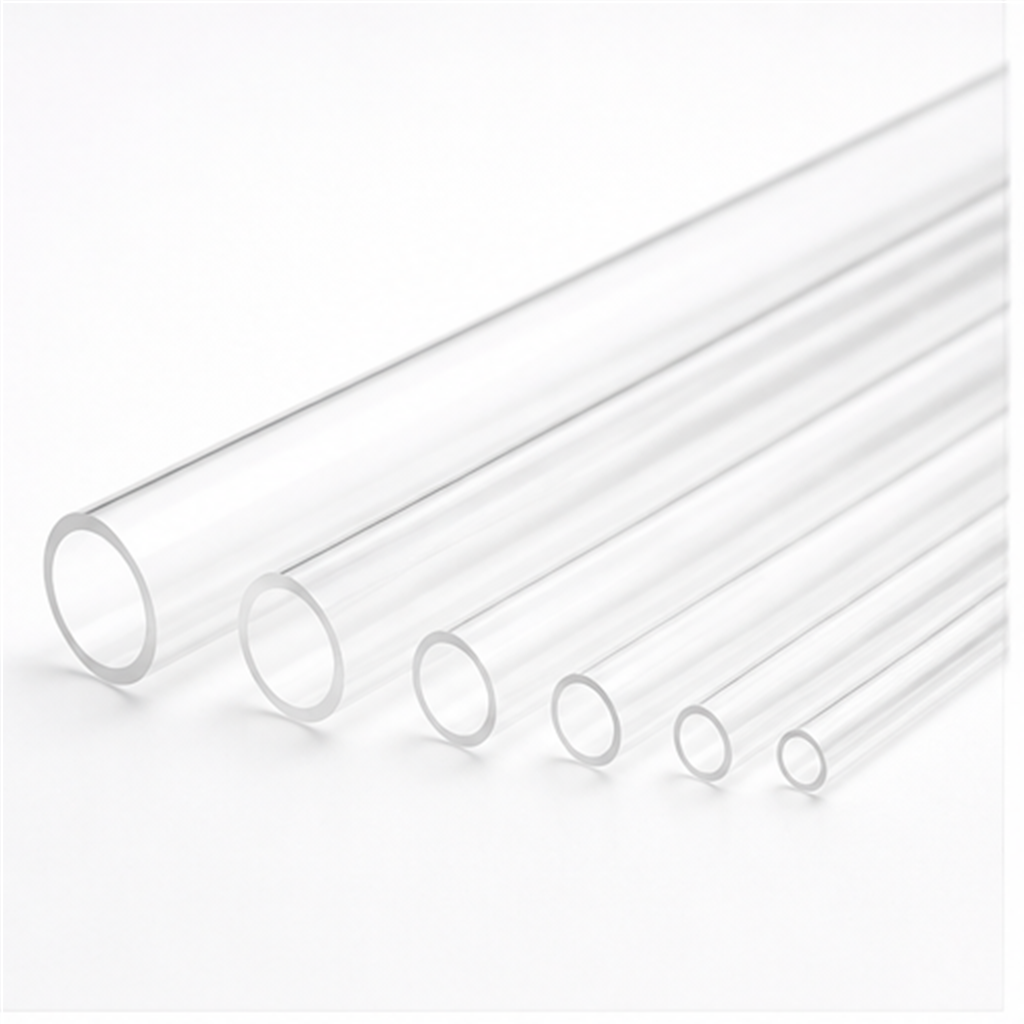
High Purity Clear Fused Quartz Glass Tube Flat Cut Unpolished Ends
- Purity: SiO₂ ≥ 99.99%
- Operating Temp: 1100 °C continuous
- Finish: Flat precision cold cut
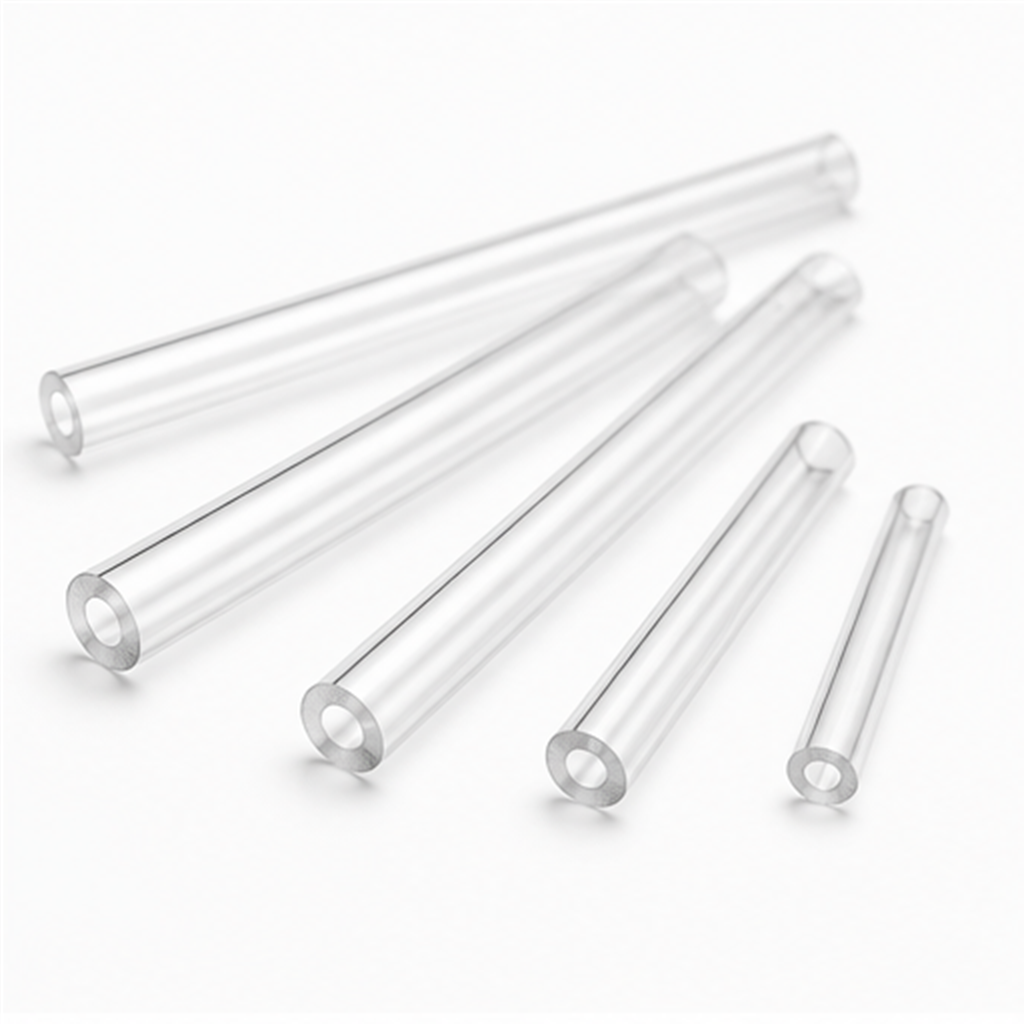
Small Bore Clear Fused Quartz Glass Tube with Flat Cut Unpolished Ends for Chromatography
- Capillary precision bore tolerances
- Minimal internal flow resistance
- Ultra-low metallic ion leaching
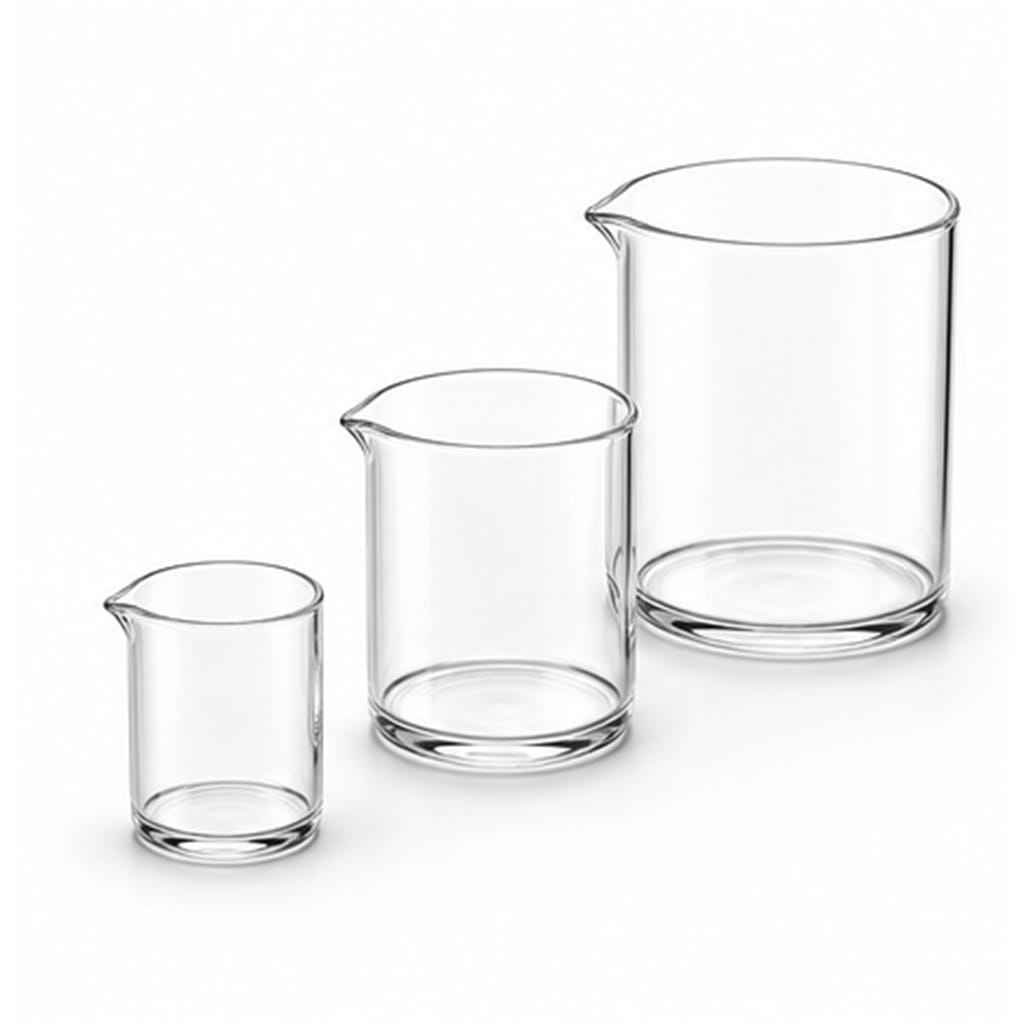
Clear Fused-Quartz Laboratory Beakers with Molded Pouring Spout for Acid-Resistant Chemical Heating
- Molded spill-proof pouring spout
- Inert to corrosive acids & halogens
- Thermal quench shock resilience
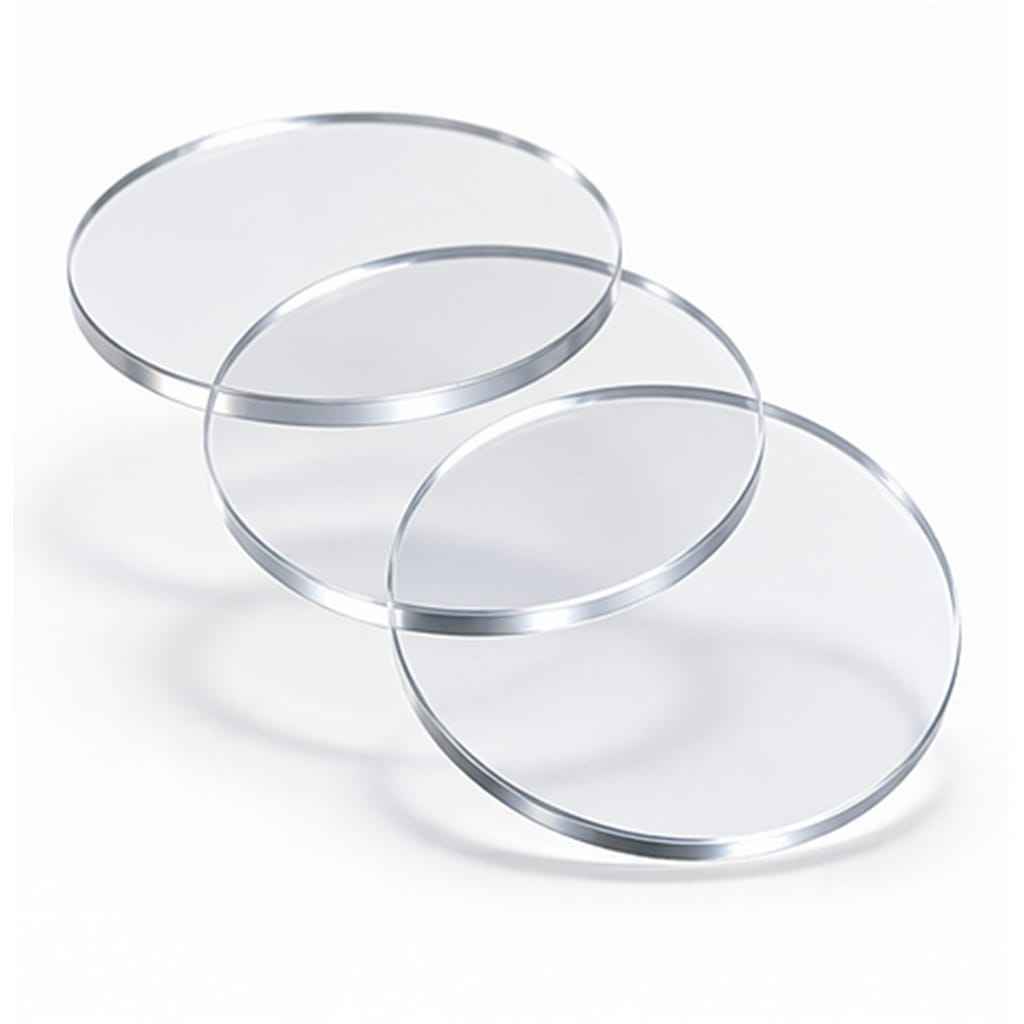
Optically Polished Single-Crystal Quartz Wafers with Chamfered Edges for Piezoelectric QCM Sensors
- Surface roughness Ra < 0.5 nm
- AT-cut crystal orientation
- Precision chamfered perimeter
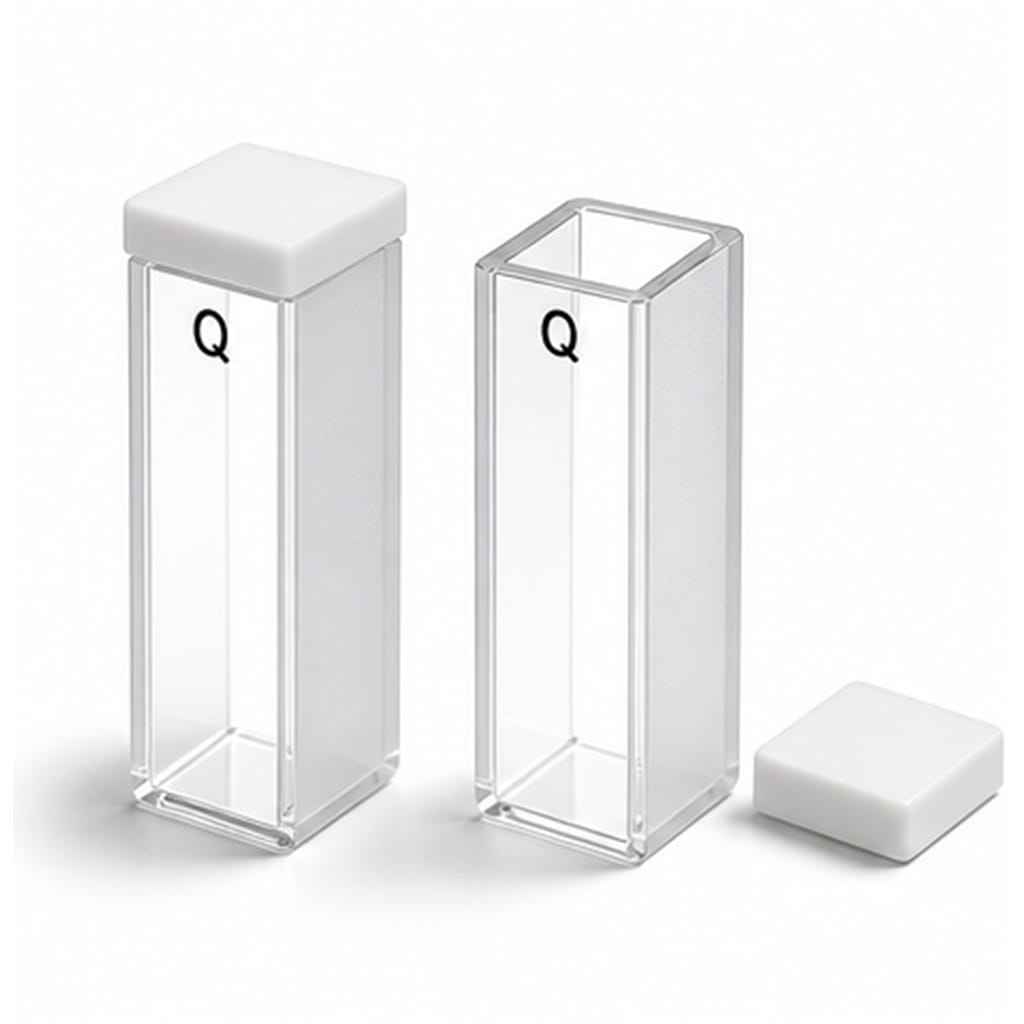
Optical Fused-Quartz Spectrophotometer Cuvettes with PTFE Lids for UV-Vis Precision Absorbance Analysis
- Spectral range: 190 nm – 2500 nm
- Optical path length: 10 mm ± 0.01 mm
- Chemically welded monolithic body
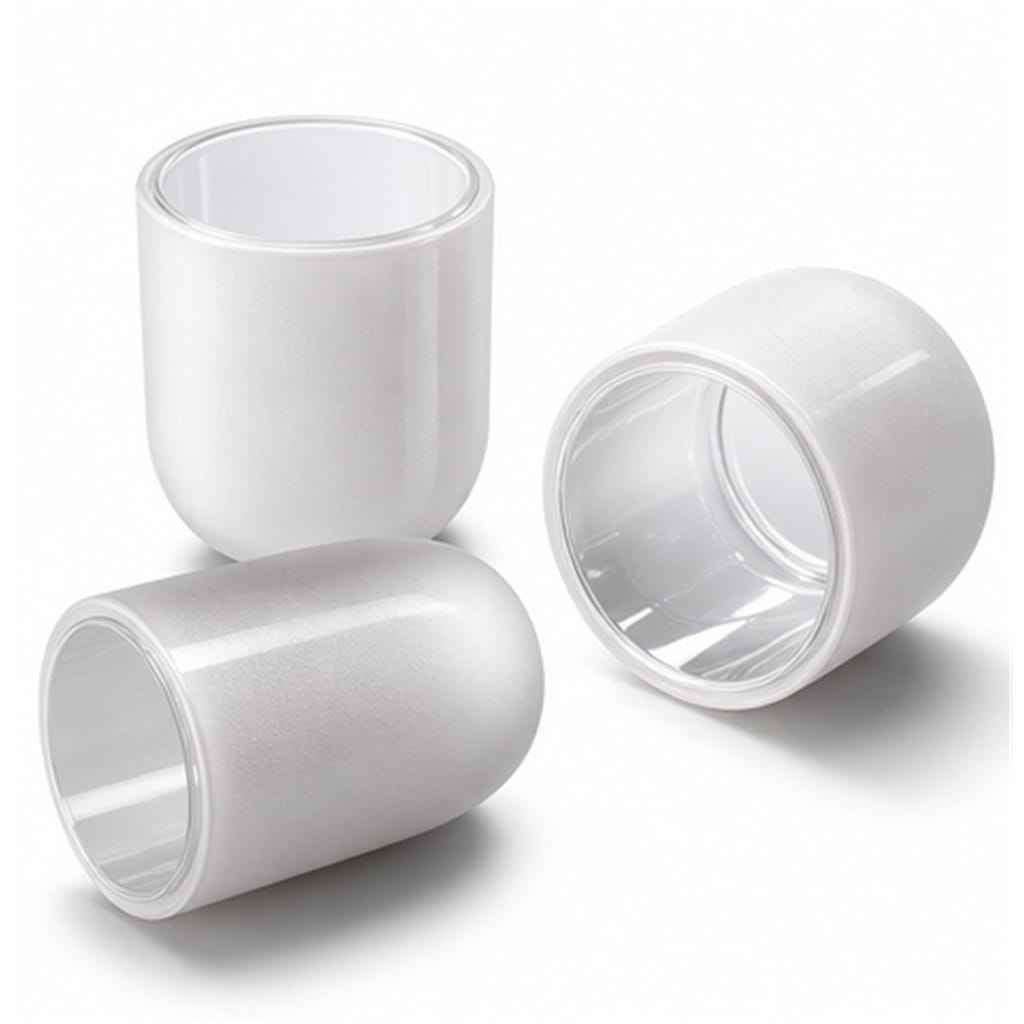
4-Inch US Quartz Sand Fused Crucibles with Fire-Polished Rim for High-Temperature Semiconductor Ingot Melting
- High-grade imported & Donghai sand
- Bubble-free inner fused layer
- Short-term melting up to 1450 °C
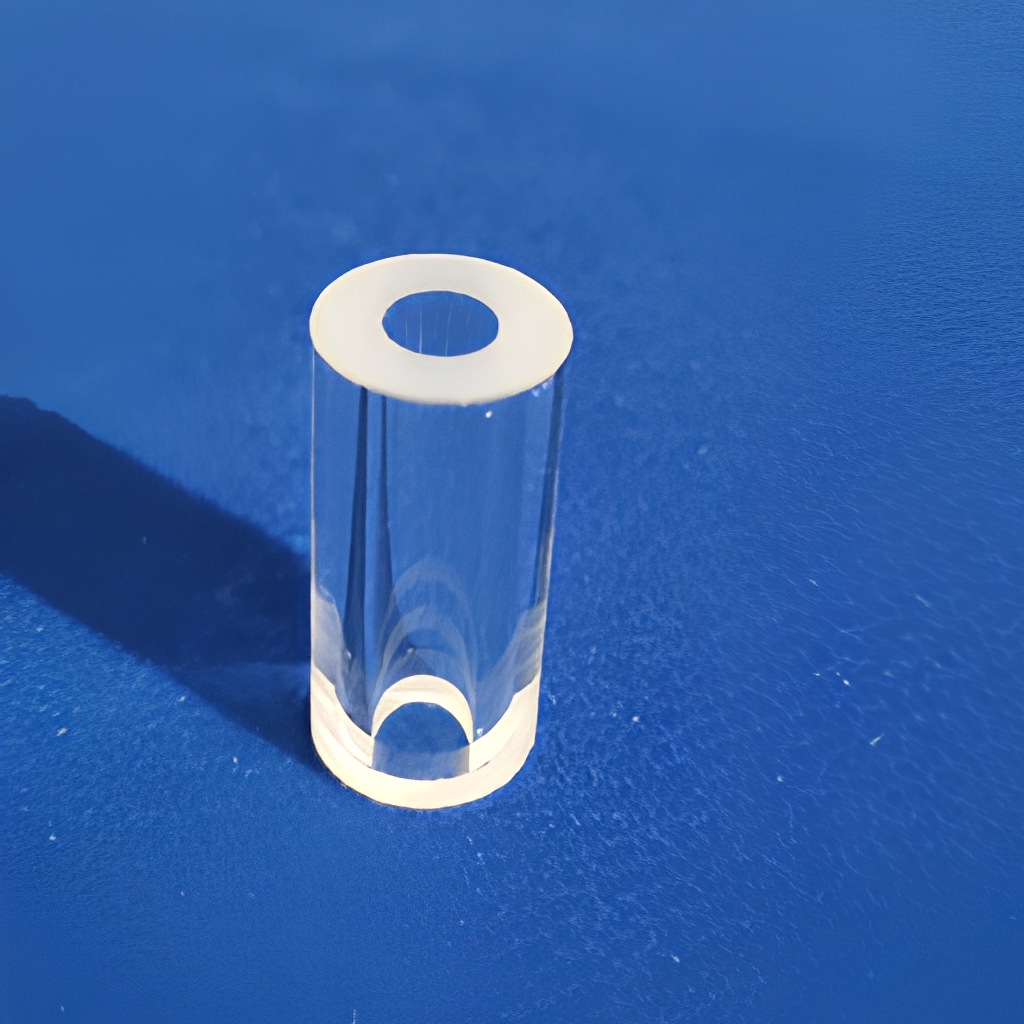
99.99% Pure Clear Quartz Twin Tube Polished Ozone Free Customized Bending Welding Cutting for Chemical Industry
- High-rigidity twin-bore cross section
- Custom CNC bending & manifold welding
- Infrared radiation efficiency > 92%
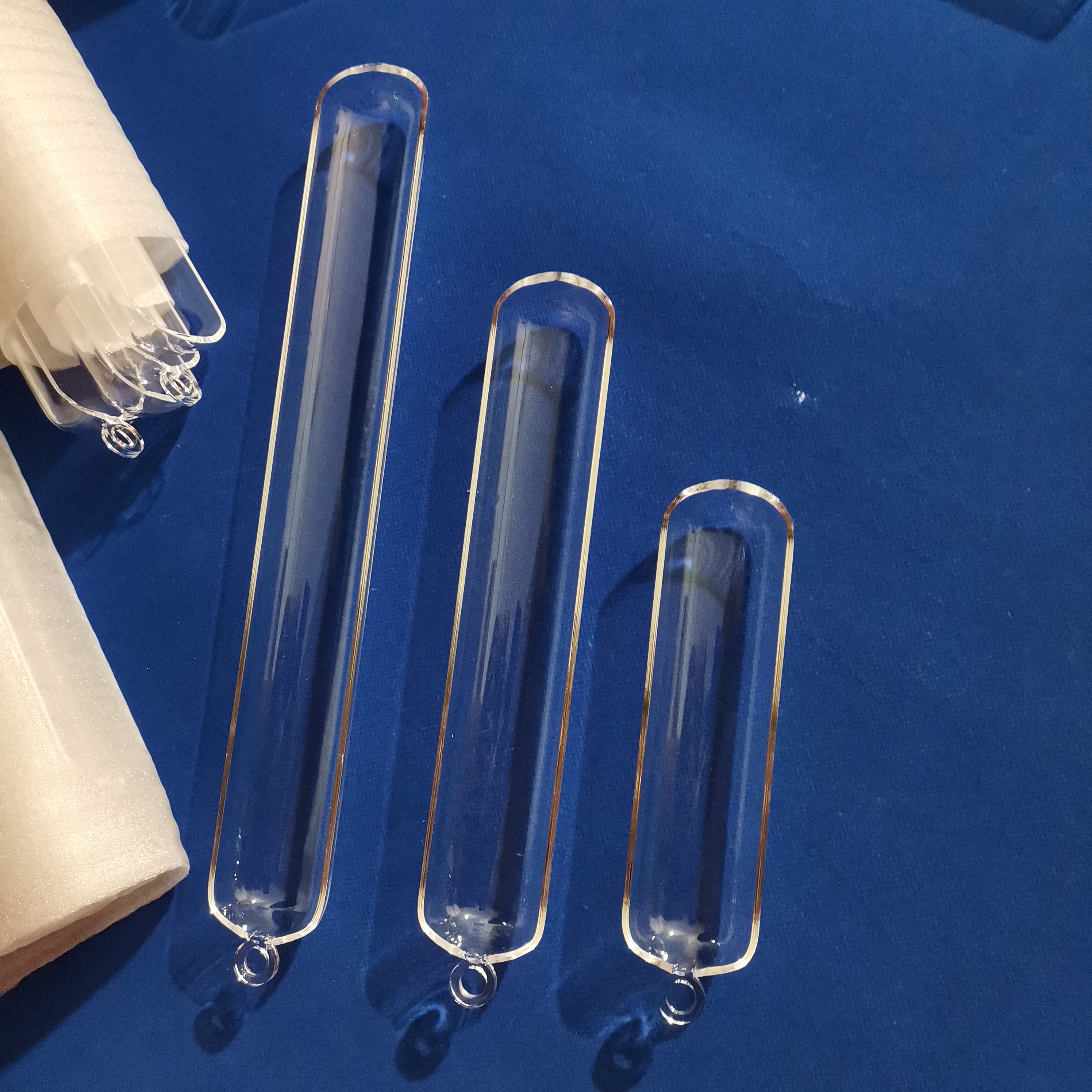
High Purity Quartz Glass Boat Transparent Bowl Shape 6-16 Chemical Industry Experimental Equipment
- Flawless fire-polished edges
- Uniform wall thickness ± 0.1 mm
- Diffusion furnace sample transport
Why Global Buyers Partner with Donghai Kemzo Quartz
Headquartered in Donghai County, China's world-renowned natural crystal capital, Donghai Kemzo Quartz Products Co., Ltd. combines raw mineral advantages with advanced optical-grade finishing technologies.
Source-Region Purity
Direct access to Donghai’s high-purity silica deposits guarantees raw material purity of SiO₂ ≥ 99.99%, minimizing trace transitional metals (Fe < 1 ppm, Al < 15 ppm) directly at the smelting furnace.
1100°C Thermal Stability
With an extremely low thermal expansion coefficient of 5.5 × 10⁻⁷/°C, our quartz viewports endure abrupt thermal quenching from 1100°C to 20°C water without micro-fracturing or structural failure.
Drawing-to-Part Accuracy
In-house CNC 5-axis ultrasonic contouring, double-sided optical polishing (CMP), and laser metrology ensure diameter tolerances within ±0.02 mm and surface flatness down to λ/10 (λ=632.8 nm).
Rapid Delivery & C rating
Exporting over 70% of output to North America, Europe, Japan, and South Korea. Certified ISO 9001 quality system, custom shockproof air/ocean crating, and direct engineering response within 1 hour.
Engineering Quartz Viewport Windows for Demanding Applications
A comprehensive metallurgical and optical analysis for procurement engineers, vacuum chamber designers, and semiconductor process integrators.
In high-vacuum (HV) and ultra-high vacuum (UHV) systems, as well as extreme industrial furnaces and plasma reactors, quartz viewport windows serve as the critical optical interface. These viewports must simultaneously maintain hermetic pressure integrity under differential mechanical loading while transmitting unattenuated electromagnetic radiation ranging from deep ultraviolet (DUV, 185 nm) through the visible spectrum into near-infrared (NIR, up to 3500 nm). For international B2B buyers evaluating Chinese manufacturers and factories, understanding the physical distinction between natural fused quartz and synthetic fused silica is paramount.
Natural fused quartz—predominantly produced in the Donghai industrial cluster—is synthesized by electrically melting or oxyhydrogen-flame fusing high-purity natural silica sand. This material exhibits exceptional mechanical stiffness, superior thermal deformation resistance (with a softening point hovering at 1683 °C), and minimal outgassing in vacuum states up to 10⁻¹⁰ Torr. When deeper ultraviolet optical transmission (such as excimer laser 193 nm or 248 nm photolithography) or zero-fluorescence optical clarity is mandated, synthetic fused silica (grown through chemical vapor deposition of SiCl₄) is selectively integrated.
| Physical / Optical Property | JGS1 (Synthetic Fused Silica) | JGS2 (Optical Fused Quartz) | JGS3 (Infrared Fused Quartz) | Standard Technical Borosilicate |
|---|---|---|---|---|
| Primary Transmission Band | 185 nm – 2500 nm (DUV / UV-Vis) | 220 nm – 2500 nm (Standard Optical) | 260 nm – 3500 nm (High IR Transmittance) | 350 nm – 2000 nm (Visible / NIR only) |
| Hydroxyl [OH⁻] Content | High (~1200 ppm) or Low (<10 ppm) | Standard (~150 – 200 ppm) | Ultra-Low (< 5 ppm, No IR Dip) | N/A (Complex alkali network) |
| Continuous Operating Temp | 1050 °C | 1100 °C | 1150 °C | 450 °C – 500 °C |
| Thermal Expansion (20–300°C) | 5.5 × 10⁻⁷ / K | 5.5 × 10⁻⁷ / K | 5.5 × 10⁻⁷ / K | 33 × 10⁻⁷ / K (6x higher) |
| Refractive Index (nd at 589.3 nm) | 1.4584 | 1.4585 | 1.4585 | 1.4730 |
| Surface Quality (Scratch-Dig) | 10-5 to 20-10 (Laser Grade) | 40-20 to 60-40 (Precision Viewport) | 40-20 (Infrared Sensor Grade) | 80-50 (Commercial Sight Glass) |
| Chemical Attack Resistance | Unaffected by Aqua Regia / HCl | Unaffected by Aqua Regia / HCl | Unaffected by Aqua Regia / HCl | Susceptible to hot alkaline etching |
Flange Integration: Elastomer Compression vs. Brazed Glass-to-Metal Seal (GTMS)
Viewport windows exported by Kemzo Quartz are configured for two principal mounting topologies: Elastomer O-Ring Compression (ISO-KF, ISO-K/F) for operating vacuums down to 10⁻⁷ mbar and maximum bakeout temperatures of 150 °C (Viton); and Kovar / Stainless Steel 316L Brazed ConFlat (CF) Assemblies for Ultra-High Vacuum (UHV < 10⁻¹¹ mbar) bakeable up to 400 °C. Our factory executes strict helium mass spectrometer leak inspection with leak rate thresholds strictly maintained at < 1 × 10⁻¹⁰ mbar·l/s.
Future Procurement Trends for Quartz Viewports & Industrial Optics
Key supply-chain shifts, purity specifications, and technical standards that international B2B buyers must navigate between 2025 and 2030.
DUV / EUV Semiconductor Acceleration
Transition toward sub-3nm semiconductor node manufacturing is driving high demand for zero-bubble (Class 0), ultra-low birefringence synthetic fused silica viewport blanks capable of surviving harsh NF₃ and CF₄ plasma etching environments.
Supply Chain Cluster Integration
Global procurement teams are shifting away from fragmented trading intermediaries toward integrated original factories located in source clusters like Donghai, China, eliminating 15–30% markups and cutting sample lead times from months to days.
Thin-Film AR & Conductive Coatings
Modern viewports increasingly require pre-applied vacuum-deposited thin films directly from the glass fabricator. Multi-layer broadband anti-reflective (BBAR) coatings and transparent ITO shielding layers reduce optical losses to less than 0.5% per surface.
Traceability & Cleanroom Packaging
Enterprise procurement now mandates lot-specific ICP-MS impurity verification and Class 100 cleanroom ultrasonic solvent cleaning, sealed in anti-static, nitrogen-purged double barrier vacuum packaging to eliminate airborne particulate contamination.
How Advanced Chinese Factories Pioneer Quartz Fabrication
From oxy-hydrogen continuous drawing to chemical-mechanical sub-nanometer planarization, China's quartz manufacturing technology has matured into a global industry benchmark.
CMP Double-Sided Optical Polishing
Utilizing high-precision planetary double-sided chemical-mechanical polishing (CMP) platforms, Chinese factories consistently achieve surface roughness values of Ra ≤ 0.3 nm, surface flatness of λ/10 per 25 mm diameter, and parallelism ≤ 10 arcseconds for critical laser interferometry applications.
Plasma-Assisted Electric Fusion
Replacing traditional rotary crucible furnaces, modern plasma heating achieves core temperatures exceeding 2200 °C under controlled inert shielding gases. This ensures complete degassing of entrapped microscopic air pockets, producing crystalline-grade homogeneous quartz ingots with zero refractive index striations.
Laser Interferometry Metrology
Every viewport manufactured at Kemzo Quartz undergoes non-destructive wavefront aberration testing on Zygo-calibrated laser interferometers. Digital transmission charts, 3D surface topography heatmaps, and spectral spectrophotometer scans are archived and supplied with each commercial shipment.
Frequently Asked Questions by Industrial Buyers
Key answers addressing technical specifications, dimensional tolerances, material certifications, and international logistics.
How do I select between JGS1, JGS2, and JGS3 quartz grades?
Selection depends entirely on your system's operational optical spectrum. Select JGS1 (Synthetic Fused Silica) for deep ultraviolet applications (185–400 nm) such as UV-C curing, photolithography, and UV spectrophotometry. Choose JGS2 (Fused Quartz) for general visual observation, high-temperature inspection ports, and furnace windows (220–2500 nm) where budget efficiency is vital. Choose JGS3 for infrared spectrometry, thermal imaging, and gas analysis systems requiring high transmission up to 3500 nm without the 2720 nm hydroxyl absorption band.
What is the mechanical pressure differential limit for quartz viewports?
Quartz windows can withstand significant compressive stresses but are susceptible to tensile loading. Maximum working pressure is calculated using the formula: t = (D / 2) × √(1.5 × ΔP × SF / σ), where t is thickness, D is unsupported diameter, ΔP is pressure differential, SF is safety factor (recommended ≥ 4 to 8 for vacuum/pressure cycles), and σ is the flexural design strength (~50 MPa for fused quartz). Our engineering department will calculate and validate the required glass thickness based on your chamber parameters.
Can you manufacture custom step-edge, beveled, or drilled windows?
Yes. Utilizing multi-axis CNC ultrasonic contouring machinery, high-speed diamond grinding discs, and laser cutting lines, Donghai Kemzo produces complex custom geometries. These include stepped viewport discs for counter-bored flanges, conical beveled perimeters for metal-c-ring compression, optical chamfers, and micro-drilled counterbore holes. Send your CAD (.DXF, .DWG, .STEP) drawings to our engineering team for immediate feasibility review.
How does Kemzo guarantee zero breakage during export shipping?
With over 70% of production exported overseas, our export packaging follows strict protocols. Each individual quartz window or sight glass is cleaned in an ultrasonic bath, sealed in an individual lint-free anti-static envelope, and encased in high-density customized EVA shock-absorbing foam. The foam modules are packed in double-walled corrugated boxes and sealed within custom export-grade fumigated plywood wooden crates with moisture-barrier desiccants.
What quality documentation and material test reports are included?
Every commercial delivery includes an official Certificate of Conformance (CoC), raw material spectral transmittance curves (190–3500 nm spectrophotometer trace), optical flat interferometry reports (measuring surface flatness λ/10 and parallelism ≤ 10 arcseconds), and dimensional CMM inspection sheets. For semiconductor-grade lots, trace elemental impurity reports (ICP-MS data confirming Al, Fe, Cu, Ti, B levels) are provided upon request.
What are your standard production lead times and commercial terms?
Standard quartz viewport discs, sight glasses, and stock fused quartz tubes ship within 3 to 7 working days. Custom CNC machining, step-edge grinding, optical AR thin-film coating, or metal-brazed flange assemblies typically require 2 to 3 weeks for prototype verification and 3 to 4 weeks for volume production. We support standard Incoterms (FOB Shanghai/Lianyungang, CIF, CFR, EXW, DDU, DDP door-to-door) and accept T/T, L/C, and PayPal.
Submit Your Viewport Engineering Drawing & Receive a Verified Quote
Whether you require standard CF / KF vacuum viewport sight glasses or custom double-sided polished JGS1/JGS2 quartz optical windows, our application engineering team will review your specifications, verify thermal and vacuum tolerances, and provide a competitive direct-from-factory quote within one business hour.