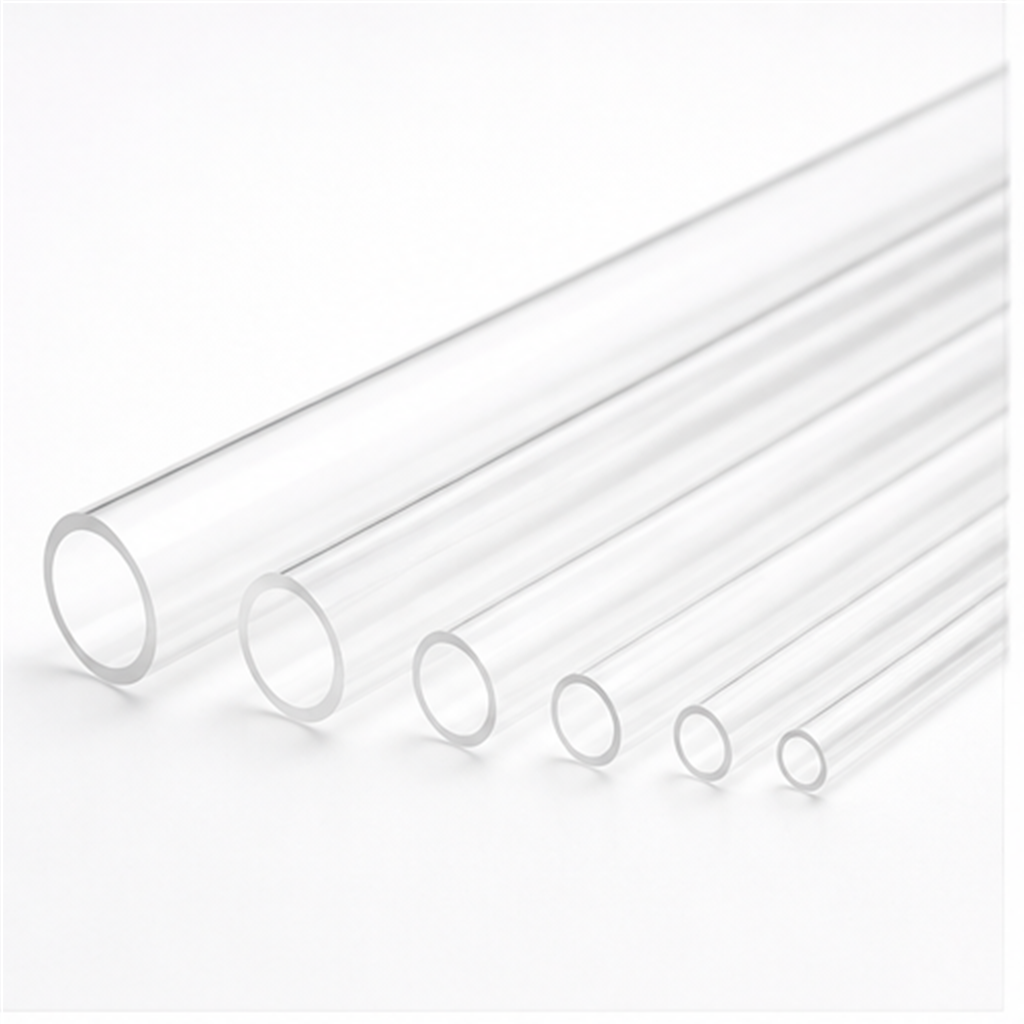
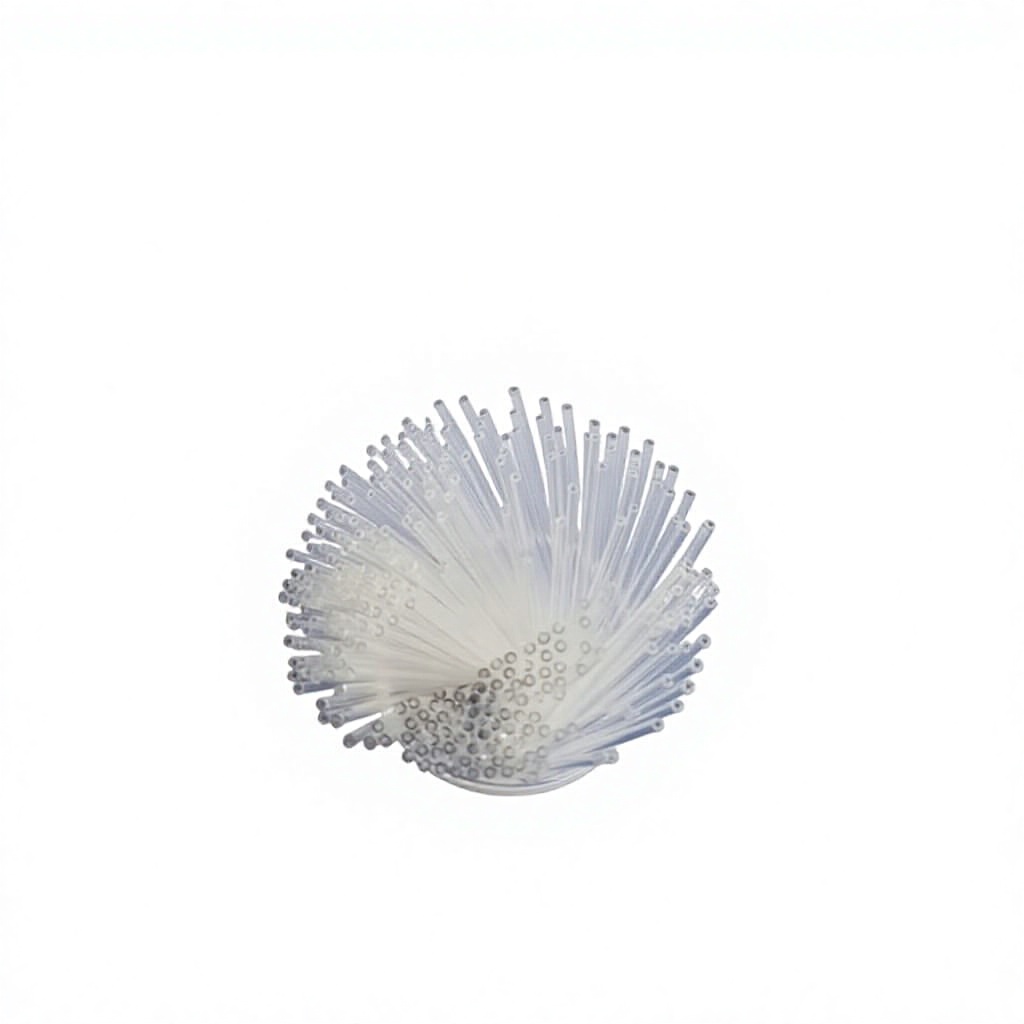
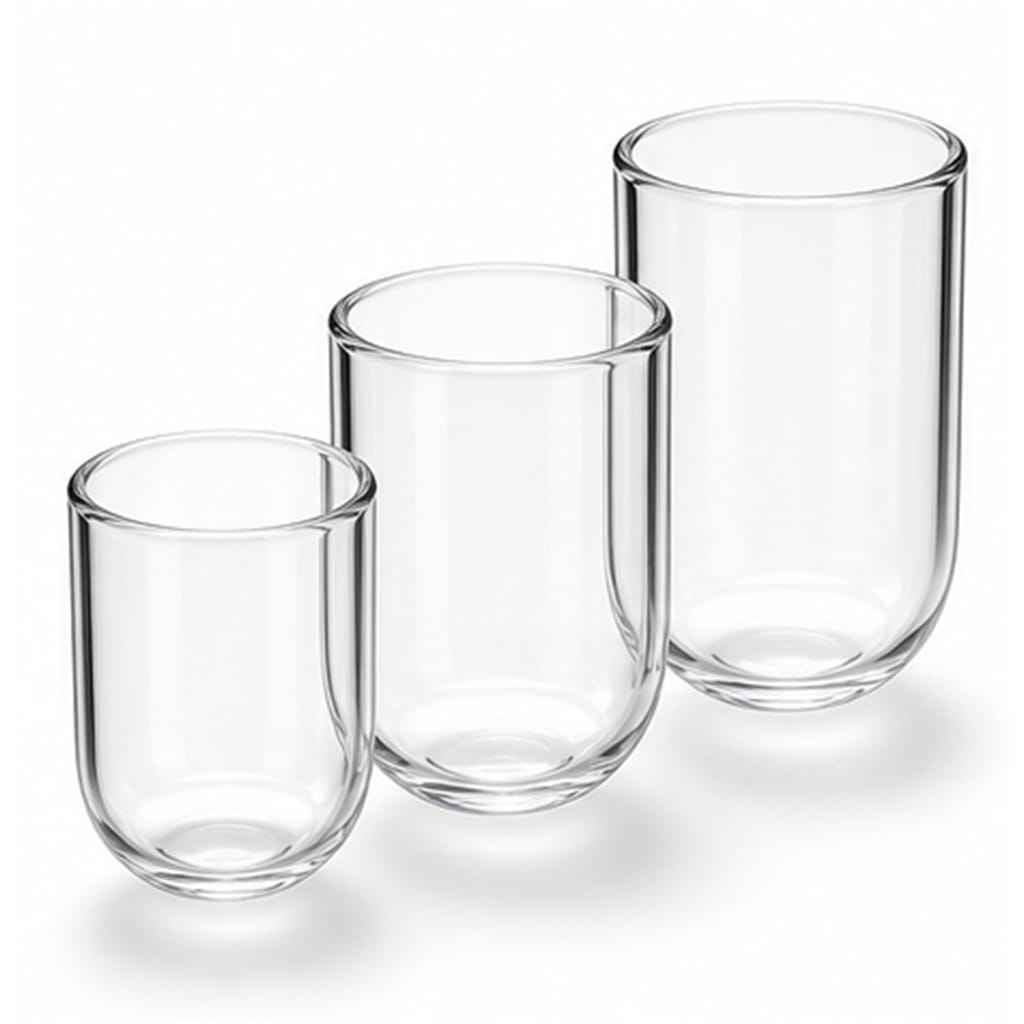
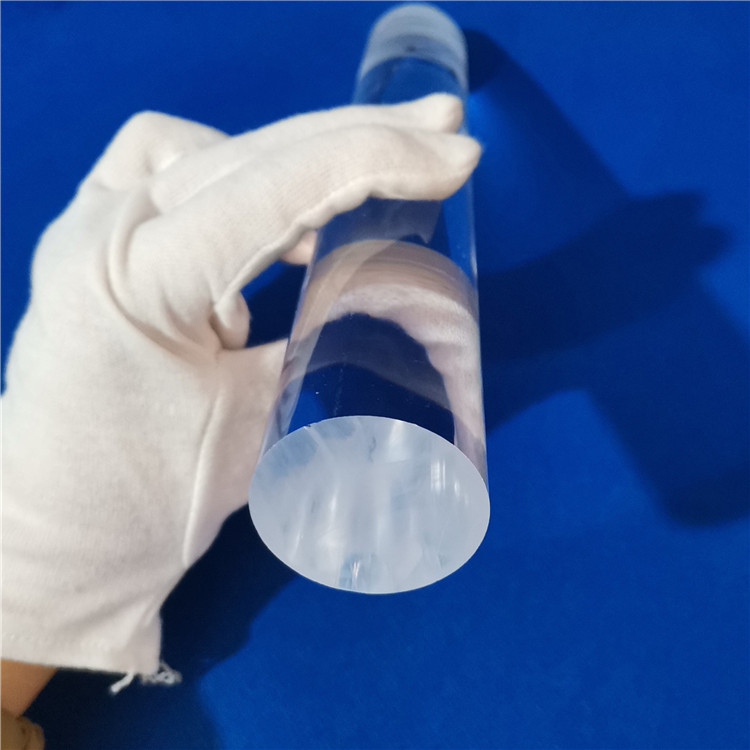
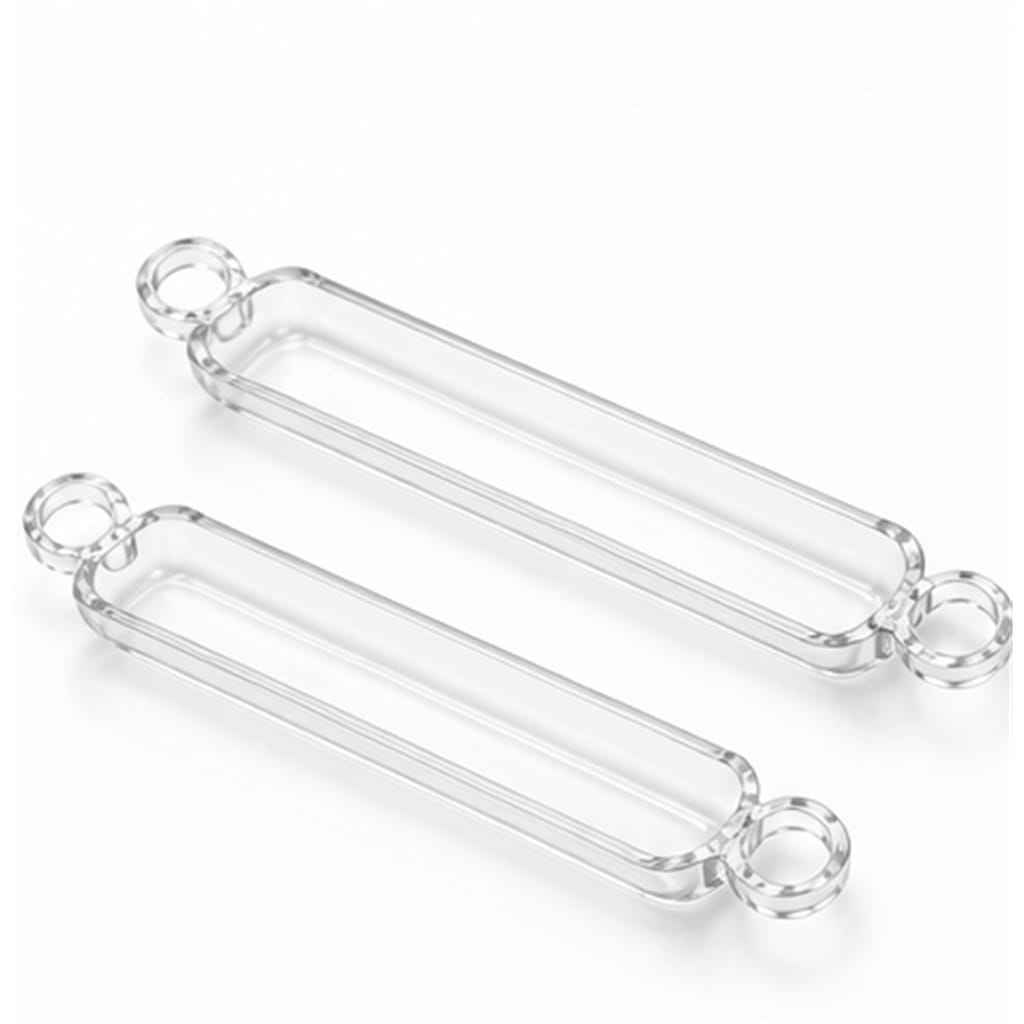
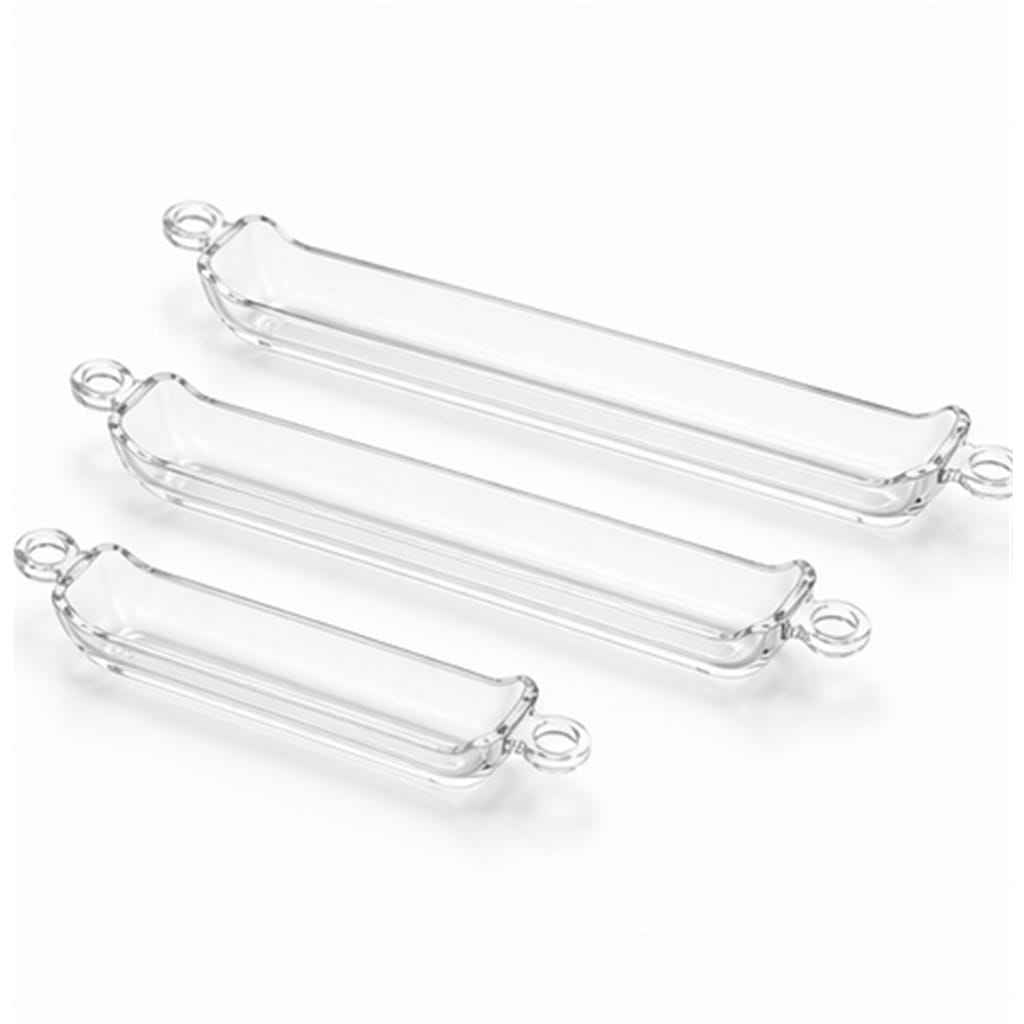
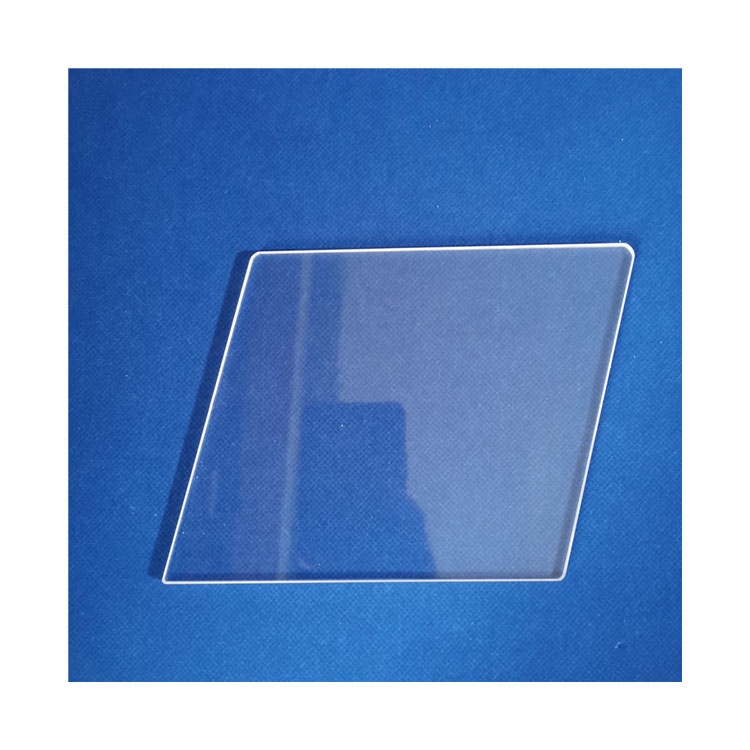
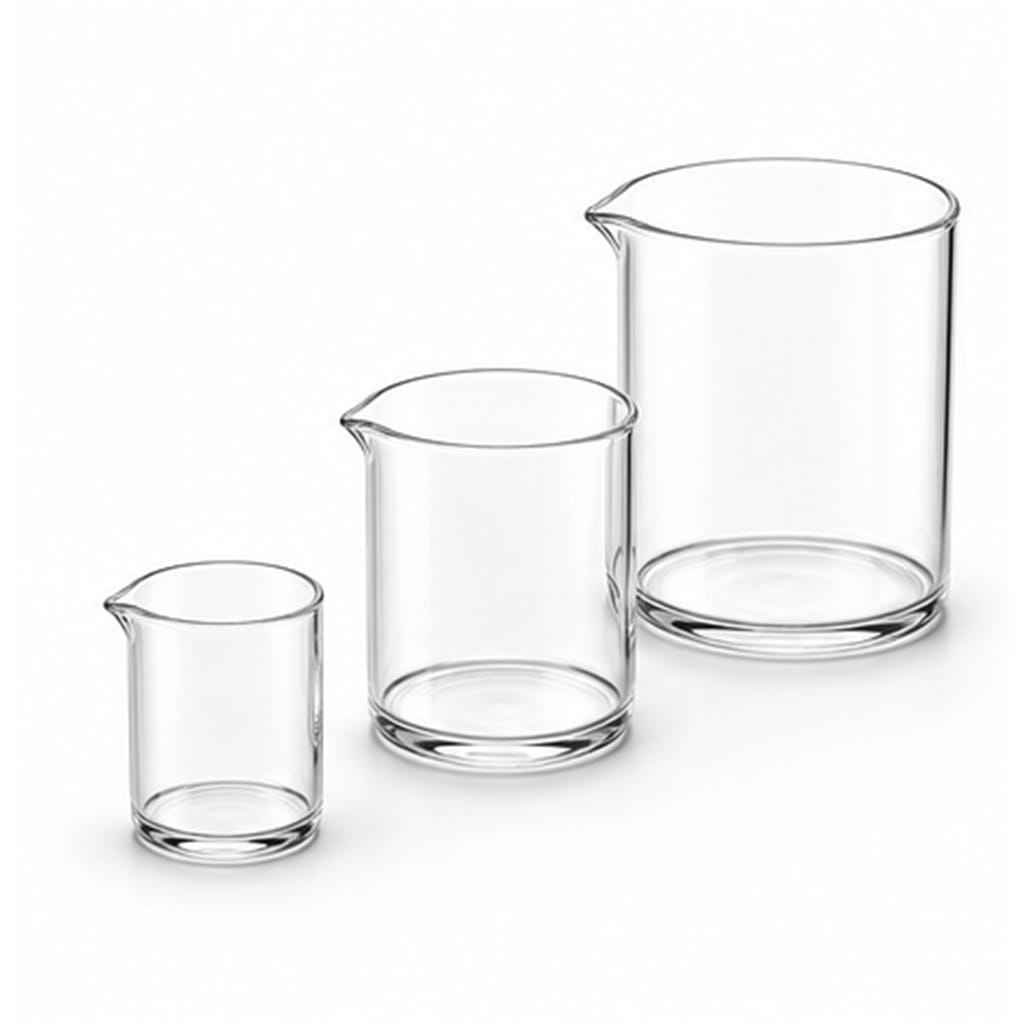
Manufactured according to DIN ISO 10110 optical standards and stringent semiconductor cleanroom protocols. Every component undergoes laser interferometric inspection, thermal stress relief annealing, and chemical surface de-alkalization.
6N Synthetic Fused Silica with trace alkali < 1 ppb for sub-2nm fabrication
10+ Lines
Continuous Production
Automated drawing, plasma cutting, electric fusion & CNC machining bays
≤ 1 Hour
Rapid Technical DFM
Engineering feasibility, tolerance validation, and quote response protocol
80%+
Global Export Volume
Serving semiconductor, laser optics, and industrial clients in 40+ countries
Synthetic Fused Silica vs. Natural Fused Quartz: A Metallurgical & Molecular Assessment
In precision optical design, photolithography, and wafer thermal processing, sourcing managers frequently encounter the technical distinction between Natural Fused Quartz and Synthetic Fused Silica (CVD Synthetic Quartz). While both materials exhibit a macroscopic vitreous state composed of silicon dioxide ($SiO_2$), their molecular formation pathways, trace impurity profiles, and optical behavior diverge significantly.
"While natural quartz, sourced from pegmatite veins in Donghai, provides the mechanical durability and thermal resistance necessary for high-temperature diffusion tubes up to 1200 °C at competitive commercial yields, Synthetic Fused Silica fabricated via chemical vapor deposition of silicon tetrachloride (SiCl₄) achieves the molecular homogeneity and ultra-low bubble classification (Class 0) mandatory for excimer laser systems and DUV projection optics."
Natural quartz is manufactured by melting beneficiated natural rock crystals in electric or gas-fired vacuum furnaces. Even after multiple acid-leaching and flotation cycles, natural quartz retains trace elements such as Aluminum (Al), Iron (Fe), Titanium (Ti), and alkali metals (Na, K, Li) in the parts-per-million (ppm) range. These impurities govern the crystallization kinetics (devitrification) and induce optical absorption bands in the Deep Ultraviolet (DUV) spectrum. Conversely, synthetic quartz glass is generated via the flame hydrolysis or vapor-phase axial deposition (VAD) of high-purity volatile silicon precursors, yielding bulk glass with transition metals and alkali impurities suppressed to sub-parts-per-billion (ppb) limits.
Critical Parameter
Natural Fused Quartz (Donghai Grade A)
Synthetic Fused Silica (CVD Grade)
Significance to Equipment Engineers
Precursor / Raw Material
Purified natural quartz crystal sand
Chemical precursors ($SiCl_4$, $SiHCl_3$, OMCTS)
Dictates raw material sustainability and impurity baseline
Metallic Impurities (Total)
< 15 – 30 ppm
< 0.1 ppm (Sub-ppb trace)
Crucial for avoiding metal-ion cross-contamination in wafer fabs
Hydroxyl (OH⁻) Content
< 5 ppm (Electric) / ≈ 150 ppm (Flame)
Low-OH (< 1 ppm) to High-OH (> 1200 ppm)
Determines IR transmission windows and laser-induced compaction
UV Cutoff Wavelength
≈ 220 nm – 260 nm
≈ 160 nm – 180 nm (DUV / VUV)
Permits 193 nm ArF and 248 nm KrF photolithography transmission
Thermal Expansion (0–300°C)
$5.5 \times 10^{-7}$ / °C
$5.2 - 5.7 \times 10^{-7}$ / °C
Near-zero thermal drift prevents micro-crack formation during cycling
Laser Damage Threshold (LIDT)
Moderate (suited for IR/VIS lasers)
High (> 40 J/cm² @ 1064nm, 20ns)
Defines component longevity in multi-kilowatt laser cutting & optics
Why Global Tier-1 Buyers Partner with Kemzo Quartz
Headquartered in Donghai County — the world-renowned crystal capital and quartz industrial cluster — Donghai Kemzo Quartz Products Co., Ltd. combines sovereign resource dominance with advanced ISO 9001 certified precision machining.
Source Resource Integration
Donghai Quartz Hub
Direct mine-to-furnace integration inside China's largest raw crystal synthesis zone guarantees consistent feedstock quality, mitigating supply disruptions and raw-material price volatility.
Sub-Micron Cold Fabrication
Tolerance ±0.005 mm
Equipped with 5-axis CNC ultrasonic machining centers, planar double-sided lap-polishing systems, and hydrogen-oxygen glassblowing lathes capable of forming complex quartz assemblies to custom prints.
ISO 9001:2015 & High-Tech Credential
Defect-Free Assurance
Certified as a Jiangsu High Technology Enterprise. Full traceability through laser polarization strain testing, spectrophotometer transmittance logging, and ICP-MS chemical purity verification.
Turnkey Global Export Logistics
7 Global Incoterms
Specialized shock-mitigating vacuum cushioning and multi-layer timber crating engineering. Supporting FOB, CIF, DDP, and door-to-door express delivery with under 1-hour engineering response time.
As semiconductor architectures contract toward the 2nm GAA (Gate-All-Around) node and green energy infrastructures expand, synthetic quartz manufacturing is undergoing a profound technological evolution.
The transition toward high-NA EUV lithography necessitates synthetic quartz substrates with thermal expansion coefficients approaching zero ($\alpha \le \pm 5 \times 10^{-9}$/K) across exposure ranges. Fabricators are integrating titania-doped ultra-low expansion (ULE) formulations to prevent phase distortion during extreme actinic radiation.
Laser Optics
Laser-Induced Compaction & High LIDT Coatings
In industrial fiber laser cutting and directed-energy scientific research, multi-kilowatt laser density triggers molecular densification (compaction) in conventional silica. Manufacturers are engineering "water-free" synthetic silica (OH < 0.1 ppm) with specialized deuterium loading to minimize color-center creation and extend component operational life.
Green Energy
Next-Gen N-Type Solar (TOPCon & Perovskite Tandem)
The photovoltaic transition from P-type PERC to N-type TOPCon and Silicon-Perovskite tandem cells demands oversized quartz diffusion tubes (OD > 350 mm) capable of resisting high-temperature boron diffusion. These vessels mandate enhanced sag resistance and lower thermal stress to maintain vacuum integrity across 1,000 thermal cycles.
Material Synthesis
Soot Deposition & Plasma-Activated Sintering
Traditional direct flame hydrolysis creates substantial greenhouse byproducts and chloride effluents. Chinese frontrunners are deploying plasma-activated Chemical Vapor Deposition (PACVD) and non-halide organic silicon precursors (such as D4 and OMCTS), cutting carbon footprints while yielding superior radial refractive index uniformity.
Bio-Nanotechnology
Microfluidic Lab-on-a-Chip Glass Assemblies
Synthetic silica is quickly replacing borosilicate and polydimethylsiloxane (PDMS) polymers in genetic sequencing flow cells. Ultra-flat synthetic quartz plates with laser-etched sub-micron fluid channels provide zero intrinsic autofluorescence, facilitating single-molecule DNA fluorescence imaging.
Metrology
In-Line Polarimetric Stress & Surface Metrology
The integration of machine-vision polarimetry and phase-shifting Fizeau interferometers directly onto CNC polishing lines allows real-time measurement of residual birefringence ($\le 2$ nm/cm) and surface microroughness (Ra $\le 0.2$ nm), slashing lead times on aerospace-grade optical window production.
Procurement Strategy Architecture
Modern Procurement Strategies for Synthetic Quartz Glass
How Chief Procurement Officers (CPOs) and technical sourcing teams manage total cost of ownership (TCO), supplier risk, and quality assurance when qualifying Chinese quartz manufacturing partners.
01
Rigorous Impurity Auditing
Procurement must demand lot-specific Glow Discharge Mass Spectrometry (GDMS) or ICP-MS certs verifying alkali (Li, Na, K) limits below 10 ppb to prevent thermal devitrification in wafer lines.
02
TCO Over Unit Price Focus
Precision flame-polished edges and controlled thermal annealing cycle records reduce micro-crack propagation, yielding a 300% operational lifespan gain over lower-grade cut-and-ground quartz parts.
03
Dual-Sourcing Decoupling
Global equipment OEMs mitigate geopolitical risk by approving tier-1 Chinese manufacturers from the Donghai industrial belt, combining regional raw material security with ISO 9001 certified precision.
04
DFM Co-Engineering
Direct CAD-to-fabrication validation prior to prototype melting prevents excessive tooling rework. Partnering with suppliers offering 1-hour engineering response significantly compresses NPI timelines.
Procurement Technical Knowledgebase
Frequently Asked Questions on Synthetic Quartz Procurement
Clear, engineering-level answers addressing metallurgical verification, dimensional tolerances, optical grades, and international transit protocols.
How does hydroxyl (OH⁻) concentration affect quartz glass selection?
Hydroxyl content strongly dictates the optical transmission and thermal viscosity of quartz. "High-OH" synthetic silica (>1000 ppm), common in flame hydrolysis, possesses exceptional deep-UV transmission (down to 185 nm) and resistance to optical solarization, making it optimal for UV-C germicidal and excimer laser systems. However, high OH lowers the annealing point. Conversely, "Low-OH" quartz (<5 ppm), achieved via vacuum electric melting or gas-phase dehydroxylation, prevents infrared absorption bands at 2.73 μm and withstands continuous furnace temperatures above 1100 °C without sagging.
What causes devitrification (recrystallization) in quartz tubes during furnace runs?
Devitrification is the phase transformation of metastable vitreous amorphous silica into crystalline cristobalite. This degradation typically begins above 1150 °C but is dramatically accelerated by surface contamination — particularly from alkali ions (sodium, potassium, lithium) and moisture. Once crystalline nucleation starts, thermal cycling induces catastrophic micro-cracking due to the volume expansion mismatch. To prevent devitrification, Kemzo Quartz subjects all furnace tubes to HF chemical etching and high-purity thermal annealing, and buyers should maintain cleanroom handling protocols.
What DIN ISO 10110 bubble classes are available for optical quartz plates?
For custom optical windows, sight glasses, and semiconductor viewports, we fabricate substrates conforming to DIN ISO 10110-3 standards. We supply Grade 0 (bubble-free synthetic fused silica containing zero inclusions or bubbles >0.06 mm in active aperture zones) for high-energy laser optics, down to Grade 1 or 2 for general sight windows. Every optical delivery includes certified bubble-class and inclusion density inspection mapping under crossed polarizers and high-intensity dark-field illumination.
Can Kemzo produce tight-tolerance components directly from CAD drawings?
Yes. Our in-house engineering facility provides complete OEM, ODM, and buyer-label manufacturing. We accept STEP, IGES, DXF, and PDF engineering drawings. Our capabilities span CNC precision core-drilling, double-sided chemical-mechanical polishing (CMP), multi-axis grinding, slot cutting for wafer boats, and custom fire-polishing. Our machining tolerances achieve ±0.01 mm on small machined parts and ±0.2 mm on meter-scale furnace diffusion tubes.
How are fragile and oversized quartz components packed to prevent freight breakage?
We deploy export-engineered, multi-tier protective packaging developed over 11 years of international distribution. Smaller components are sealed in cleanroom antistatic polyethylene pouches with custom-molded high-density EPE foam cradles. Heavy furnace tubes and large vessels are isolated inside floating suspension inner cartons, which are then bolted into heat-treated, fumigated plywood export crates equipped with ShockWatch tilt and impact sensor tags.
What are your accepted commercial terms, lead times, and sample protocols?
We offer flexible international payment instruments including T/T, irrevocable Letter of Credit (L/C at sight), and PayPal for prototype runs, transacting in USD, EUR, AUD, HKD, and CNY. Commercial logistics terms supported encompass FOB Lianyungang/Shanghai, CFR, CIF, EXW, DDU, and door-to-door express. Typical prototyping lead times range from 5 to 10 working days, while recurring batch production schedules deliver within 2 to 3 weeks.
Accelerate Your Engineering Spec with Certified Quartz Fabricators
Upload your drawing or material specification. Our senior glass engineers in Donghai review optical tolerances, thermal thresholds, and batch volume pricing — delivering formal technical proposals within 1 hour.