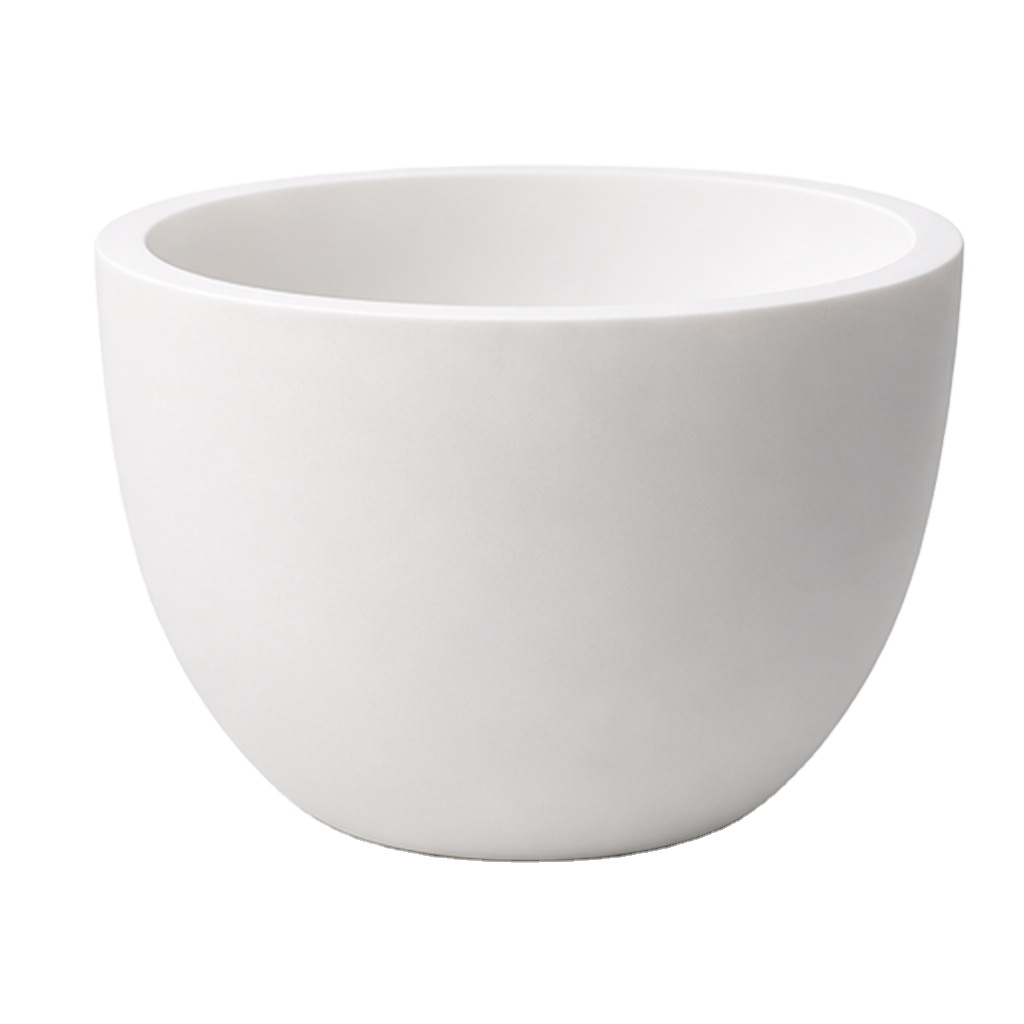
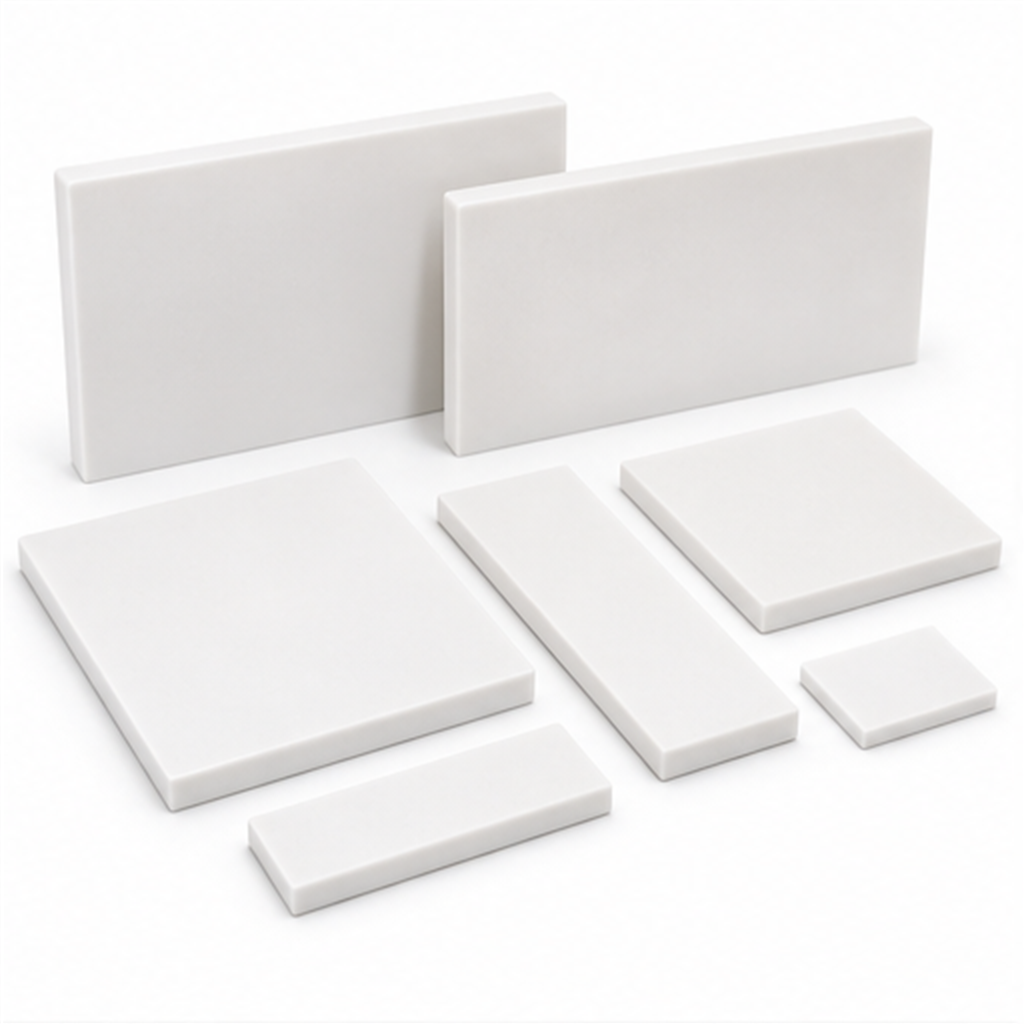
Featured UV & Fused Quartz Components
Engineered to withstand extreme thermal shock, plasma erosion, and harsh ultraviolet irradiation. Fully customizable to precision engineering drawings with comprehensive inspection logs and certificate of conformance.
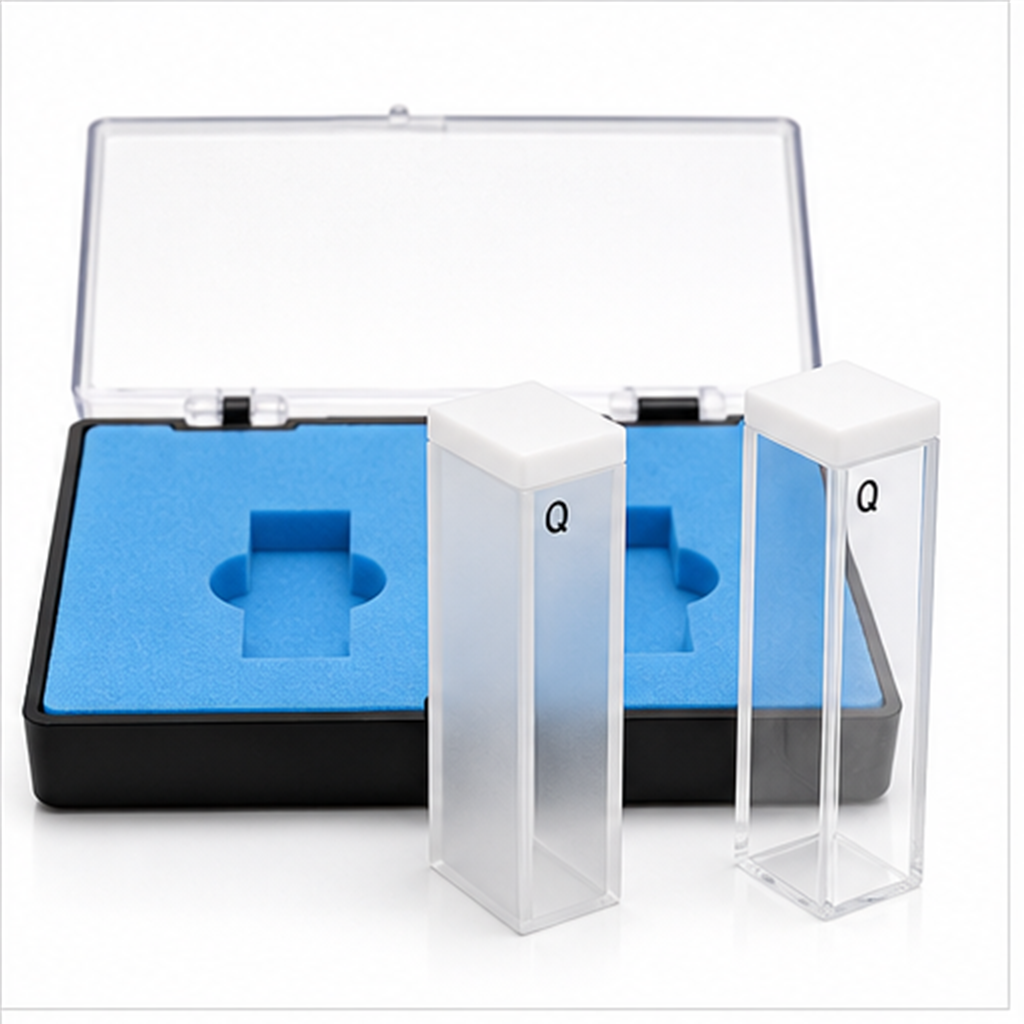
Standard 2-Window and 4-Window UV Quartz Cuvettes with Black Q Mark in Blue Foam Case
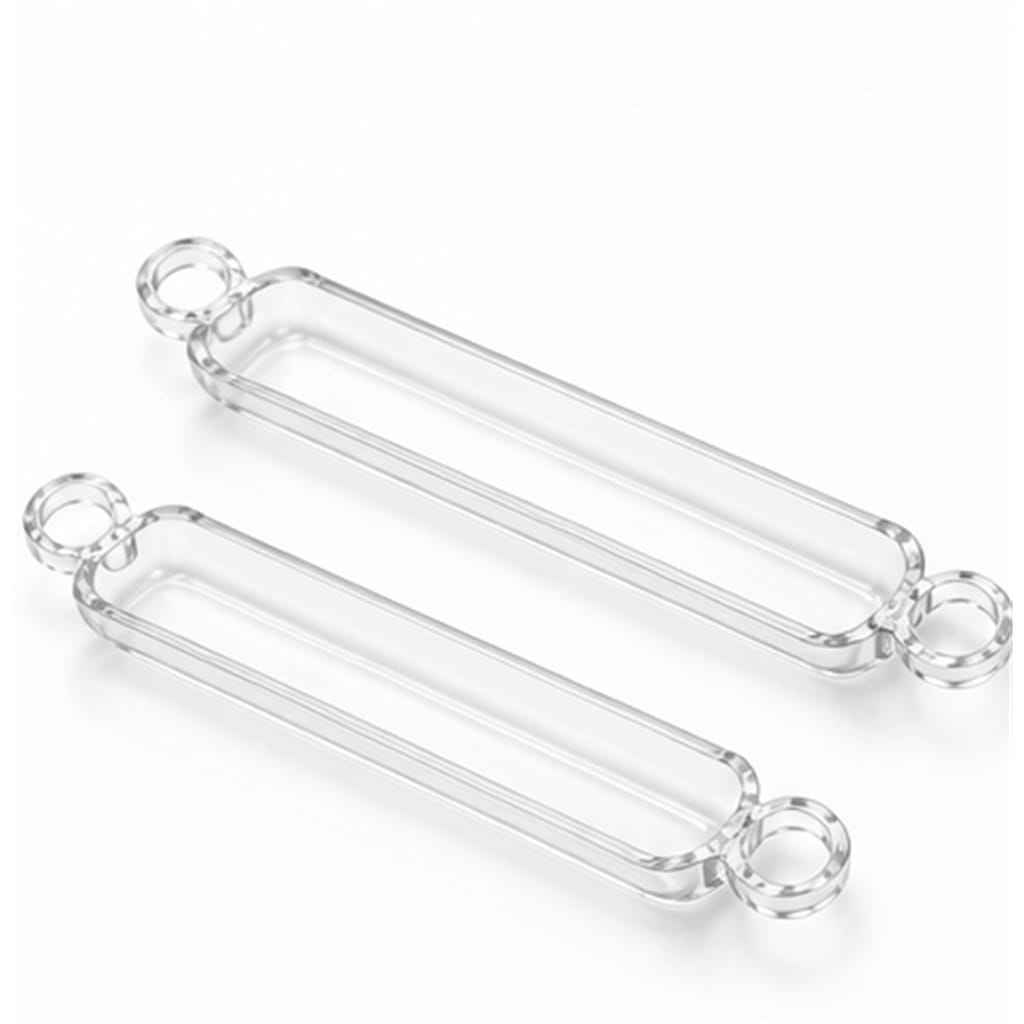
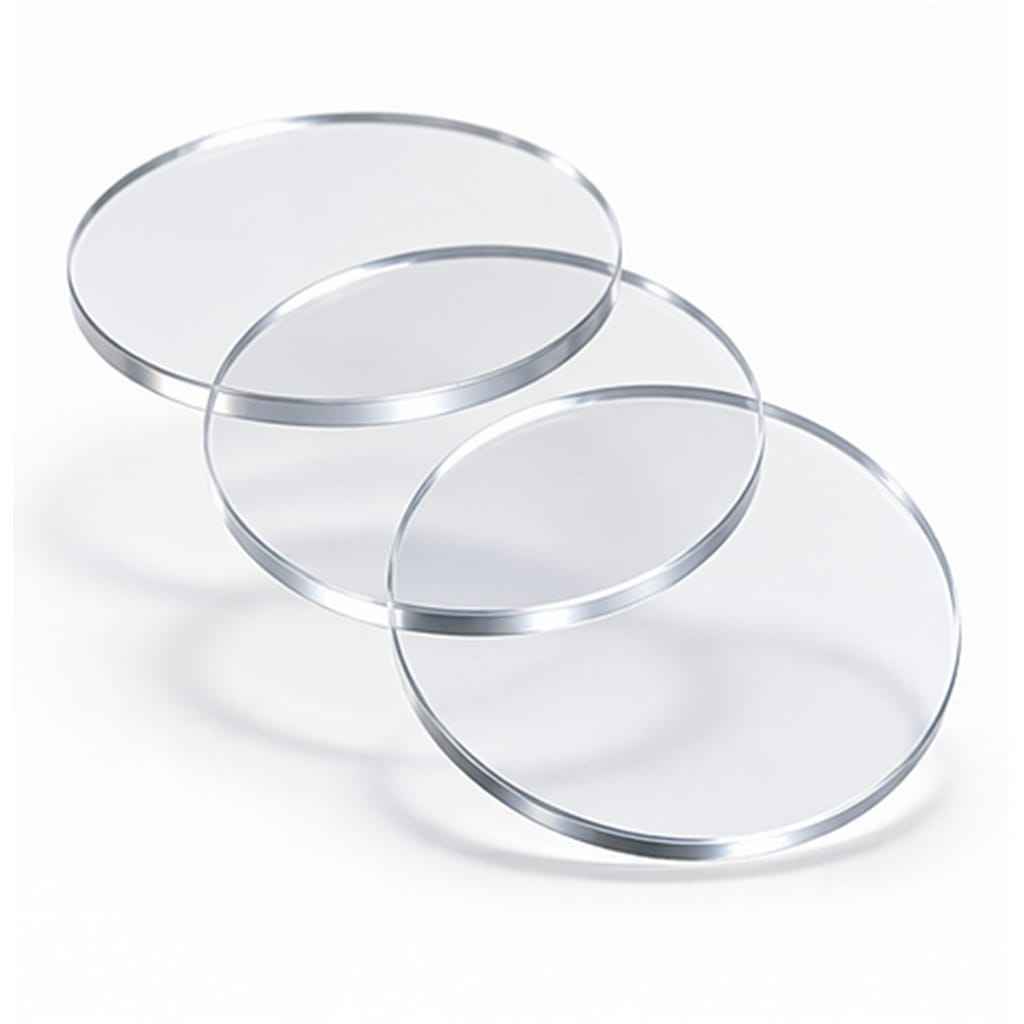
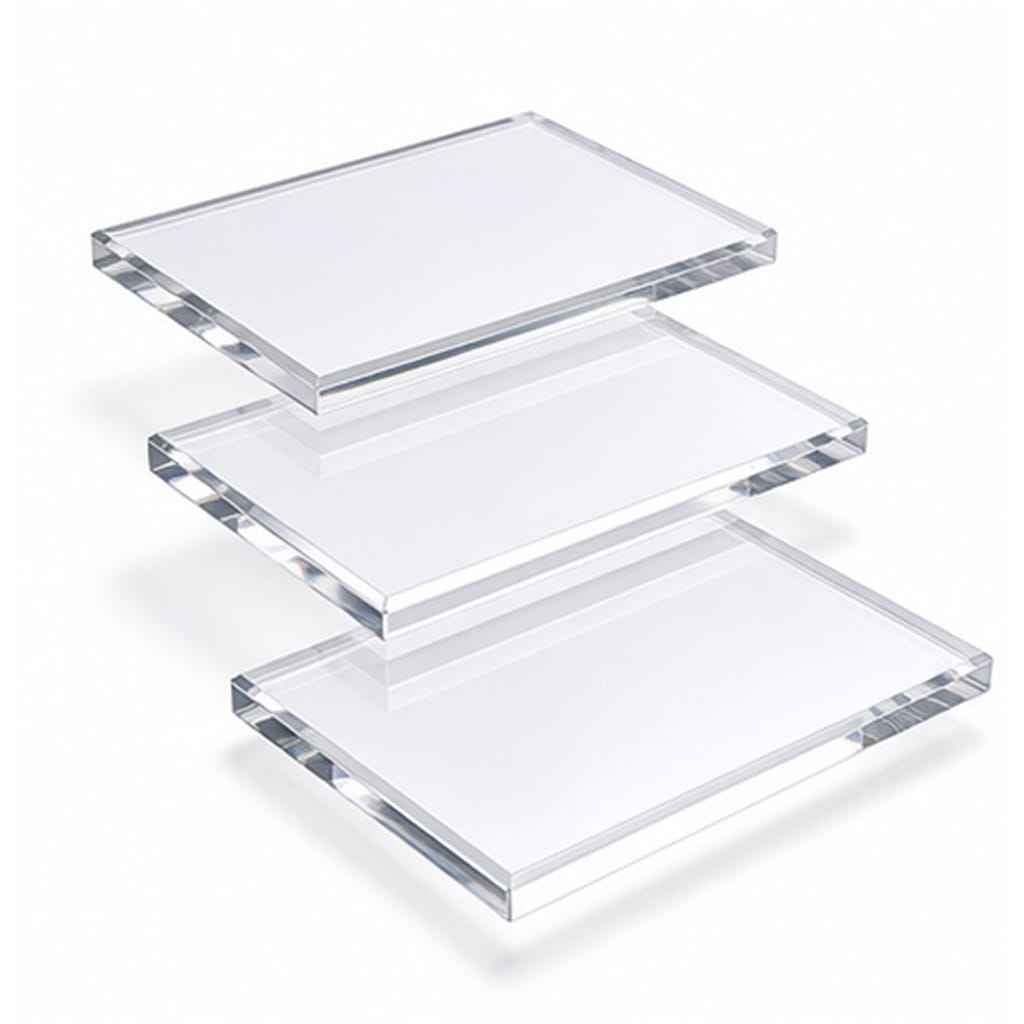
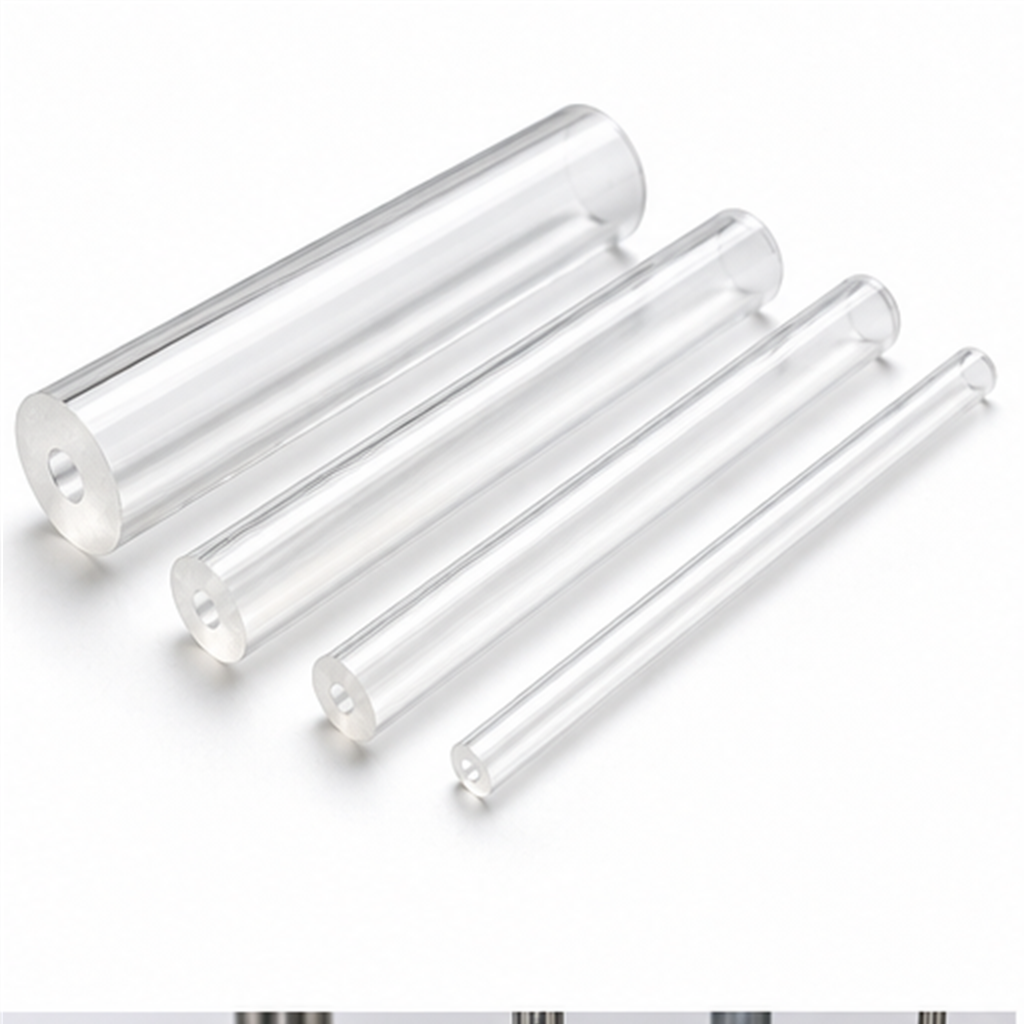
High Purity Heavy Wall Small Bore Quartz Glass Tube Flat Cut Unpolished
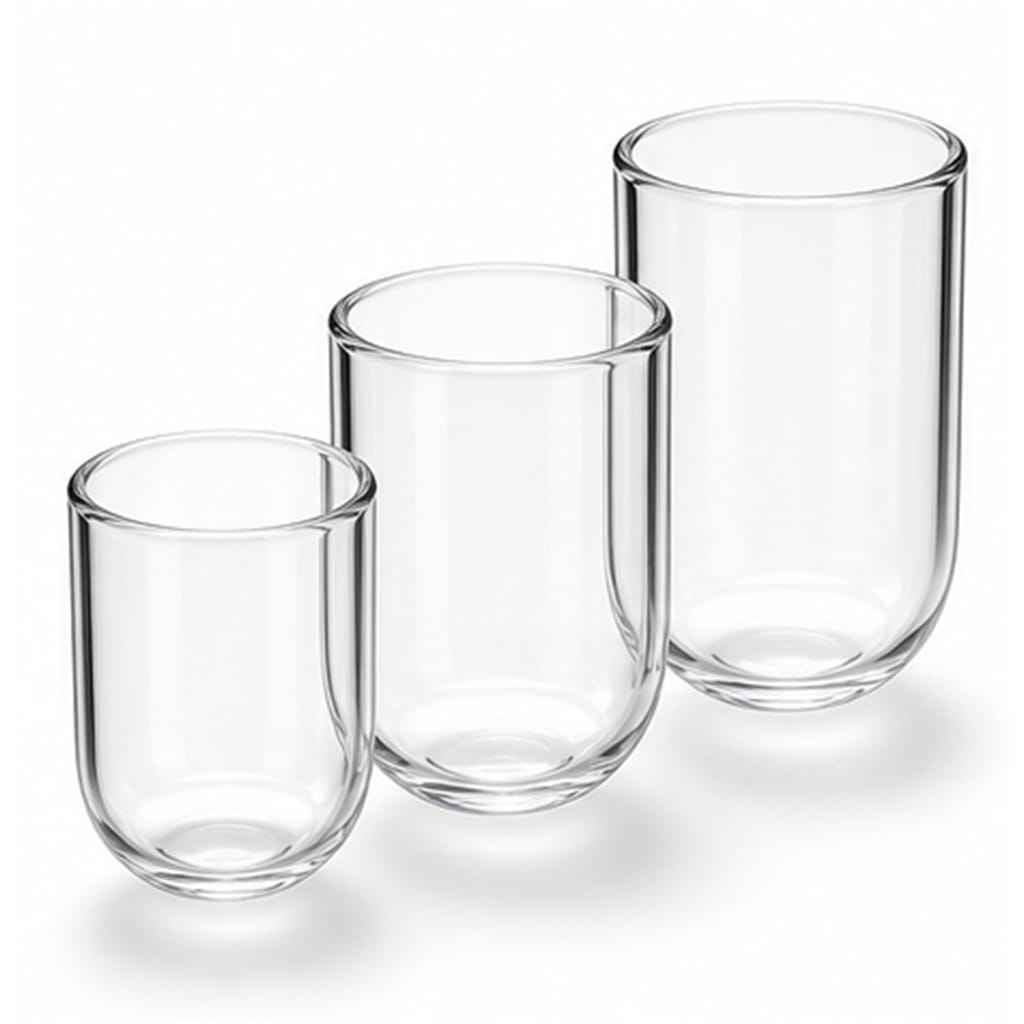
The Donghai Raw Material Advantage
Donghai County in Lianyungang, Jiangsu, is globally recognized as the "Crystal Capital of China," holding superior natural crystalline silica deposits. This geographic cluster establishes a complete upstream supply ecosystem, granting Kemzo Quartz uninterrupted access to ultra-low iron, high-transparency feedstock. Our vertical integration eliminates third-party mineral markups and guarantees trace-element consistency across multi-ton production campaigns.
ISO 9001 & High-Tech Accreditation
Operating under certified ISO 9001 quality systems and distinguished as a Jiangsu High Technology Enterprise, our facility enforces rigorous QA/QC checkpoints. Every production lot undergoes polariscope stress retardation analysis, spectrophotometric transmittance mapping, coordinate measuring machine (CMM) dimensional validation, and ultrasonic degreasing prior to Class 10,000 cleanroom packaging.
Global B2B Export Architecture
Over 75% of our annual production ships directly to Tier-1 semiconductor fabs, analytical device makers, and research labs throughout North America, the European Union, South Korea, Japan, and Oceania. We support comprehensive international trade frameworks, accommodating seven Incoterms (FOB, CFR, CIF, EXW, DDU, DAF, Express) alongside multi-currency clearing (USD, EUR, AUD, HKD, CNY).
Optical & Thermodynamic Fundamentals of UV Quartz
Precision procurement mandates a detailed understanding of synthetic versus naturally fused silica. Below is the empirical benchmark evaluating JGS1, JGS2, and JGS3 against commercial technical glass under extreme environments.
| Material Grade / Metric | Synthetic Fused Silica (JGS1) | Optical Fused Quartz (JGS2) | Infrared Fused Quartz (JGS3) | Borosilicate 3.3 Glass |
|---|---|---|---|---|
| Spectral Transmission Window | 185 nm – 2500 nm (Deep UV) | 220 nm – 2500 nm (Standard UV) | 260 nm – 3500 nm (IR Optimized) | 320 nm – 2000 nm (Near UV Blind) |
| Hydroxyl Radical (OH⁻) Content | ≤ 1200 ppm (Hydrated UV) | ≤ 30 ppm (Standard) | ≤ 5 ppm (Water-Free Vacuum Melt) | N/A (Complex alkali network) |
| Thermal Expansion Coeff. (20-300°C) | 5.5 × 10⁻⁷ / °C | 5.5 × 10⁻⁷ / °C | 5.5 × 10⁻⁷ / °C | 33 × 10⁻⁷ / °C |
| Thermal Shock Tolerance (ΔT) | > 1100°C direct water quench | > 1100°C direct water quench | > 1100°C direct water quench | ≈ 150°C water quench |
| Softening Point / Annealing Point | 1730°C / 1180°C | 1683°C / 1215°C | 1680°C / 1210°C | 820°C / 560°C |
| Refractive Index (n_d at 587.6 nm) | 1.4585 | 1.4584 | 1.4586 | 1.4730 |
| Optical Homogeneity & Inclusions | Bubble Free Class 0 / DIN 58927 | Class 1 Micro-Airlines Allowed | Class 1 / Low bubble count | Standard commercial grade |
Next-Generation Applications & Manufacturing Trends
As microelectronics scale down to sub-2nm nodes and photonics demand tighter wavefront distortion limits, the technical envelope of fused silica processing is rapidly evolving.
Extreme DUV & EUV Lithography Masks
The transition toward high-numerical-aperture EUV and 193nm immersion photolithography requires photomask blanks with sub-nanometer surface roughness (Ra < 0.15 nm) and zero thermal expansion drift. Kemzo Quartz continues developing ultra-low OH- synthetic substrates that resist long-term excimer laser darkening, color center formation, and photochemical solarization under intense gigawatt pulsed ultraviolet exposures.
Far-UVC (222 nm) KrCl Pathogen Inactivation
Traditional 254nm low-pressure mercury lamps are rapidly being displaced by 222nm Krypton-Chloride (KrCl) excimer emitters that sanitize airborne pathogens without harming human skin or eyes. Far-UVC transmission demands synthetic silica sleeves free from interstitial ozone-forming band absorbers, requiring advanced plasma torch synthesis and hydroxyl concentration tuning to ensure high transmission (> 90% at 222 nm) across 10,000+ operational hours.
Large-Scale TOPCon & HJT Solar Processing
In photovoltaic cell fabrication, the transition to N-type TOPCon and Heterojunction (HJT) architectures demands massive quartz diffusion tubes (exceeding 450 mm OD) capable of continuous operation at 1200°C without sagging or devitrifying. Our automated horizontal thermal drawing towers ensure uniform wall thickness tolerance (±0.15 mm) and residual stress elimination to prevent tube ovalization during high-throughput wafer loading.
Future B2B Procurement Dynamics in Quartz Sourcing
Global procurement teams are shifting away from reactive catalog purchasing toward collaborative, build-to-print manufacturing agreements designed to mitigate volatility, ensure traceability, and optimize Total Cost of Ownership (TCO).
Build-to-Print Engineering Integration
Enterprise buyers now require complete geometric dimensioning and tolerancing (GD&T) alignment before melting commences. Donghai Kemzo Quartz provides direct CAD/STEP file simulation, analyzing flame-working stress concentrations, fire-polish meniscus tolerances, and mechanical sealing surfaces to eliminate costly rework and shorten new product introduction (NPI) cycles.
Total Cost of Ownership vs. Unit Cost
Purchasing raw quartz based strictly on initial component cost frequently leads to catastrophic early failures during thermal ramp cycles or wafer cross-contamination. Forward-looking buyers prioritize devitrification resistance, annealing quality, and trace alkali metallic limits (Na < 0.5 ppm, Fe < 0.2 ppm) to extend component run life in furnaces and chemical wet benches.
Validated Shock-Proof Packaging Logistics
International export of fragile quartz glass requires multi-tier safety architecture. We utilize custom CNC-routed high-density EVA foam inserts, individual moisture-barrier bagging, vacuum sealing, and fumigated plywood crates compliant with ISPM 15 standards. This protocol achieves an intact overseas arrival rating exceeding 99.8% across air and ocean shipping routes.
Frequently Asked Questions for UV Quartz Sourcing
Direct technical answers addressing purity verifications, operating limits, and international shipping protocols.
What differentiates fused quartz from synthetic fused silica?
Fused quartz is produced by thermal melting of naturally occurring quartz crystal sand, offering exceptional mechanical, thermal, and chemical durability at an economical price point suitable for furnace tubes and crucibles. Synthetic fused silica is chemically synthesized through the flame vapor deposition of silicon tetrachloride (SiCl₄), yielding zero-bubble purity, freedom from metallic trace contaminants, and deep ultraviolet transparency down to 185 nm.
What is the maximum operating temperature before quartz deforms?
Our transparent fused quartz exhibits a transformation strain point around 1120°C, an annealing point at 1215°C, and a softening threshold near 1683°C. Continuous safe operation is rated up to 1100°C, while intermittent short-term thermal cycles can reach 1450°C without structural collapse, provided alkali contaminants are completely absent from the furnace environment.
How do you prevent quartz devitrification at high temperatures?
Devitrification (crystallization of amorphous SiO₂ into cristobalite) initiates when alkali surface contaminants (Na, K, Ca) act as nucleation sites above 1000°C. We recommend handling quartz components strictly with lint-free gloves, conducting routine deionized water rinses followed by high-purity ethanol drying, and executing periodic 5% hydrofluoric (HF) acid chemical stripping.
Can you fabricate non-standard parts directly from engineering drawings?
Yes. With over 11 years of dedicated OEM/ODM manufacturing expertise, our machine shop houses CNC 4-axis diamond milling centers, computerized glassblowing lathes, optical double-sided planetary polishers, and hydrogen-oxygen flame forming systems. We manufacture tight-tolerance custom quartz glass parts according to DXF, STEP, or PDF engineering prints.
What chemical reagents will attack fused quartz glass?
Fused silica is chemically inert to nearly all organic solvents, neutral solutions, and concentrated inorganic acids (including nitric, hydrochloric, and sulfuric acids) across wide temperature spans. The only commercial chemicals that aggressively attack and etch SiO₂ are Hydrofluoric Acid (HF) and hot Phosphoric Acid above 150°C, as well as strong alkaline hydroxides at elevated temperatures.
What packaging protocols ensure zero breakage during international transit?
Our engineered export packaging isolates components from mechanical impact and harmonic resonance. Cylindrical tubes are individually wrapped with shock-dampening bubble film, capped with soft rubber edge guards, suspended in custom high-density molded foam compartments, and sealed inside heavy-duty multi-wall corrugated cartons or reinforced timber crates designed to pass ISTA 3A drop testing.
Ready to Validate Your Quartz Component Specifications?
Submit your CAD drawings, required chemical purity grades, and dimensional tolerances. Our senior engineering team will evaluate thermal feasibility, provide material recommendations, and return an actionable manufacturing proposal within one hour.