Engineered Quartz Cuvettes & Precision Labware
Direct from Donghai Kemzo Quartz Products Co., Ltd.: Ultra-pure synthetic fused silica (JGS1) and high-temperature natural fused quartz manufactured to ISO 9001 quality specifications.
China's Precision Quartz Cuvette Manufacturing Landscape: The Engineering Benchmark
In analytical spectroscopy, photometers, fluorometers, and high-performance liquid chromatography (HPLC) detectors, the quartz cuvette represents the definitive optical transmission boundary between the incident photon beam and the analytical analyte. Optical measurement fidelity relies directly upon the physical properties of this fused silica interface. Inaccuracies within the optical path length, microscopic striae, surface wavefront distortion, or sub-ppm trace elemental impurities within the quartz matrix inevitably manifest as spectral baseline drift, excessive parasitic scattering, and erratic photometric absorbance values.
Over the past decade, China’s precision quartz manufacturing ecosystem has undergone an unprecedented qualitative transition. Centered geographically in Donghai County (Lianyungang, Jiangsu)—widely recognized as the Silicon and Crystal Capital of China—domestic manufacturers have unified indigenous high-purity natural silica mineral reserves with sophisticated CNC multi-axis ultrasonic diamond grinding, sub-nanometer chemical mechanical polishing (CMP), and advanced fluxless direct molecular fusion bonding. As international research facilities, medical diagnostic OEM brands, and analytical instrument designers reassess their procurement architectures, China's premier fused quartz factories offer an unrivaled nexus of tight dimensional tolerances, certified synthetic quartz purity, and streamlined economies of scale.
Technical Insight: Standard borosilicate glass exhibits a sharp optical cutoff beginning at 320 nm, rendering it useless for UV biological analysis (such as DNA/RNA quantification at 260 nm or protein assays at 280 nm). Precision quartz cuvettes fabricated from synthetic fused silica (JGS1) extend the deep ultraviolet (DUV) working window down to 190 nm with internal transmittance exceeding 82% at 200 nm.
Optical Raw Material Chemistry: Comparative Matrix
Selecting the appropriate quartz grade is the primary determinant of both spectral analytical reliability and component longevity. The three primary Chinese national standard grades of optical quartz glass (JGS1, JGS2, and JGS3) correlate directly to international trade classifications (such as Suprasil®, Infrasil®, and Corning 7980®):
| Optical Material Grade | Synthesis / Raw Source | Usable Transmission Spectrum | Trace Impurities (ppm) | Primary Application Fields |
|---|---|---|---|---|
| JGS1 (Far UV Grade) | Synthetic Chemical Vapor Deposition (SiCl₄) | 190 nm – 2500 nm | Total Metals < 1 ppm; High [OH] | UV-Vis Spectrophotometry, DNA/Protein Purity, HPLC Flow Cells |
| JGS2 (Optical Grade) | Electrically/Gas Fused Natural Quartz Crystal | 220 nm – 2500 nm | Al, Fe, Ti, Ca ≤ 15–25 ppm | Standard Laboratory Spectrophotometry, Viewports, Tubing |
| JGS3 (Infrared Grade) | Vacuum Fused Natural Quartz / Dry Synthetic | 260 nm – 3500 nm | Low Hydroxyl [OH] < 5 ppm | FTIR Spectroscopy, Laser Cavity Windows, IR Pyrometry |
| Milky / Opaque Quartz | Controlled Micro-Bubble Fused Quartz | Infrared Diffusion / Blocking | High-purity natural silica sand | Furnace Heat Shields, Thermal Crucibles, Flanges |
Advanced Joining Methodologies: Direct Molecular Sintering vs. Epoxy Adhesion
A critical technical criterion separating tier-one Chinese quartz cuvette manufacturers from budget suppliers is the assembly methodology of the cell walls. In standard spectrophotometer cuvettes, four rectangular plates (two transparent optical windows and two frosted or black opaque masking walls) must be bonded to form a leak-tight, geometrically flawless rectangular interior cavity.
Conventional lower-tier fabrication employs synthetic optical adhesives (such as UV-curable epoxies). While economically trivial to assemble, epoxy-glued cells represent an acute failure vector in chemical and pharmacological research: exposure to polar organic solvents such as dimethyl sulfoxide (DMSO), dimethylformamide (DMF), acetone, toluene, or aggressive cleaning agents (concentrated nitric or sulfuric acid) rapidly dissolves the adhesive matrix. This causes window detachment, baseline absorbance artifacts from dissolved polymer leachates, and permanent optical contamination.
Donghai Kemzo Quartz Products Co., Ltd. utilizes High-Temperature Direct Optical Contact Molecular Fusion (Diffusion Bonding). Under extreme cleanroom environments, optically polished window surfaces ($Ra < 0.5\text{ nm}$, flatness within $\lambda/4$) are brought into atomic contact, establishing instantaneous van der Waals molecular attraction. The assembly is then subjected to prolonged high-temperature sintering within programmable vacuum annealing furnaces at temperatures approaching the quartz strain point (1120°C – 1215°C). At these thermal plateaus, silicon dioxide tetrahedral networks cross-migrate across the interface, transforming the joint into a single monolithic, homogeneous quartz structure.
Atomic Fusion
Zero glue, zero flux, and zero polymer adhesive. Completely inert against aggressive organic solvents, boiling acids, and harsh ultrasound cavitation.
Direct Donghai Sourcing
Factory situated at the epicenter of China's silica raw material reserves. Direct provenance control over natural SiO₂ crystal ore quality and pricing.
ISO 9001 Metrology
Every production run undergoes strict spectrophotometric baseline scanning, optical parallelism checks, and laser interferometry verification.
Global Engineering RFQ
Rapid technical turnaround with quotes dispatched within 1 hour. Full support for custom CAD/STEP drawings, OEM private labeling, and drop shipping.
Future Procurement Trends in Precision Optical Quartz (2025–2030)
As analytical equipment moves toward microfluidic integration, point-of-care diagnostics, and automated high-throughput drug screening, procurement managers must adapt their technical specifications. Global demand is shifting rapidly away from macroscopic, manual-fill cuvettes toward specialized geometries engineered for automated robotic handling and sub-microliter analytical volumes.
1. Sub-Micro & Optofluidic Flow Cells
With expensive biochemical reagents, modern assays require micro-aperture quartz flow cells handling volumes under 10 μL. This requires precision laser micro-hole drilling and optical channel masking down to ±0.01 mm.
2. Black Self-Masking Quartz
To eliminate stray light reflections in highly sensitive fluorescence spectrophotometry, the industry is transitioning to cuvettes fabricated with solid opaque black fused quartz bodies, completely eliminating external scatter.
3. Cluster Disintermediation
Western laboratory brand-owners have historically sourced OEM quartz products from China while imposing markups exceeding 300%. Modern procurement protocols involve direct auditing and contracting with Donghai factories holding ISO 9001 certifications.
Technological Evolution in High-Precision Quartz Machining
Historically, quartz laboratory glassblowing depended upon artisanal torch manipulation and manual bench grinding. Today, the demands of optoelectronic and clinical diagnostics have transformed quartz processing into a rigorous CNC-driven engineering science:
- Multi-Axis Ultrasonic Machining: Fused quartz is brittle and prone to micro-fracturing under conventional shear tools. High-frequency ultrasonic oscillation (20–40 kHz) coupled with diamond micro-slurry enables stress-free milling of complex internal channels, flow apertures, and manifold ports without subsurface micro-cracks.
- Interferometric Optical Planarity Control: Double-sided planetary polishing produces window flatness within 1/4 wavelength ($\lambda/4$ at 632.8 nm) and optical surface scratch-dig specifications exceeding MIL-PRF-13830B standard 20/10, ensuring zero beam divergence.
- Spectrophotometric Matched Cell Pairing: Analytical accuracy in dual-beam spectrophotometers necessitates matched pairs of cuvettes. Modern automated testing lines scan cuvettes through a full spectral sweep (190 nm – 1100 nm), pairing cells whose transmission delta ($\Delta T$) is strictly within ≤ 0.5%.
Donghai Kemzo Quartz Products: Certified Factory Advantage
Operating since 2011 from Donghai County, Jiangsu, Kemzo Quartz combines deep regional raw material supply chains with advanced high-temperature glassforming technology. Operating under strict ISO 9001 Quality Management standards and recognized as a Jiangsu High Technology Enterprise, we deliver OEM/ODM components directly to buyers across North America, Europe, East Asia, and Oceania.
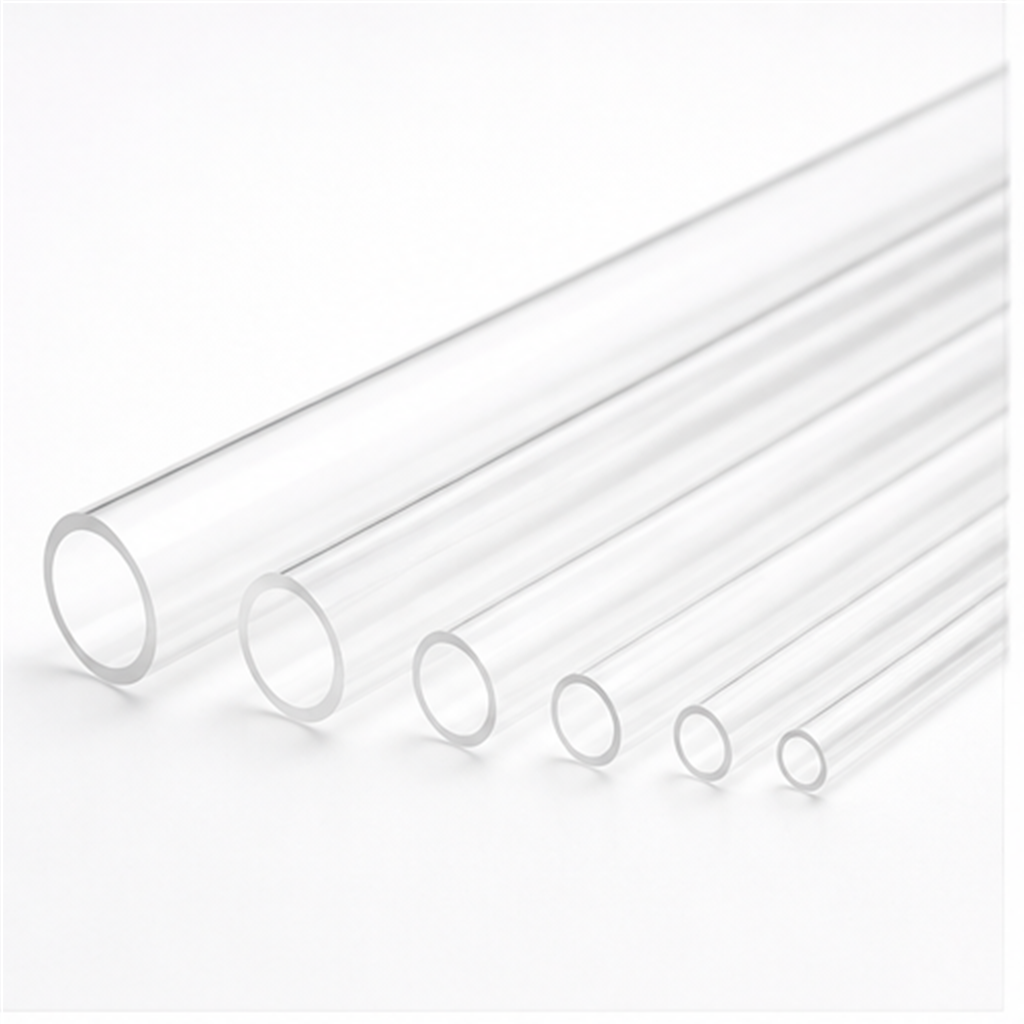
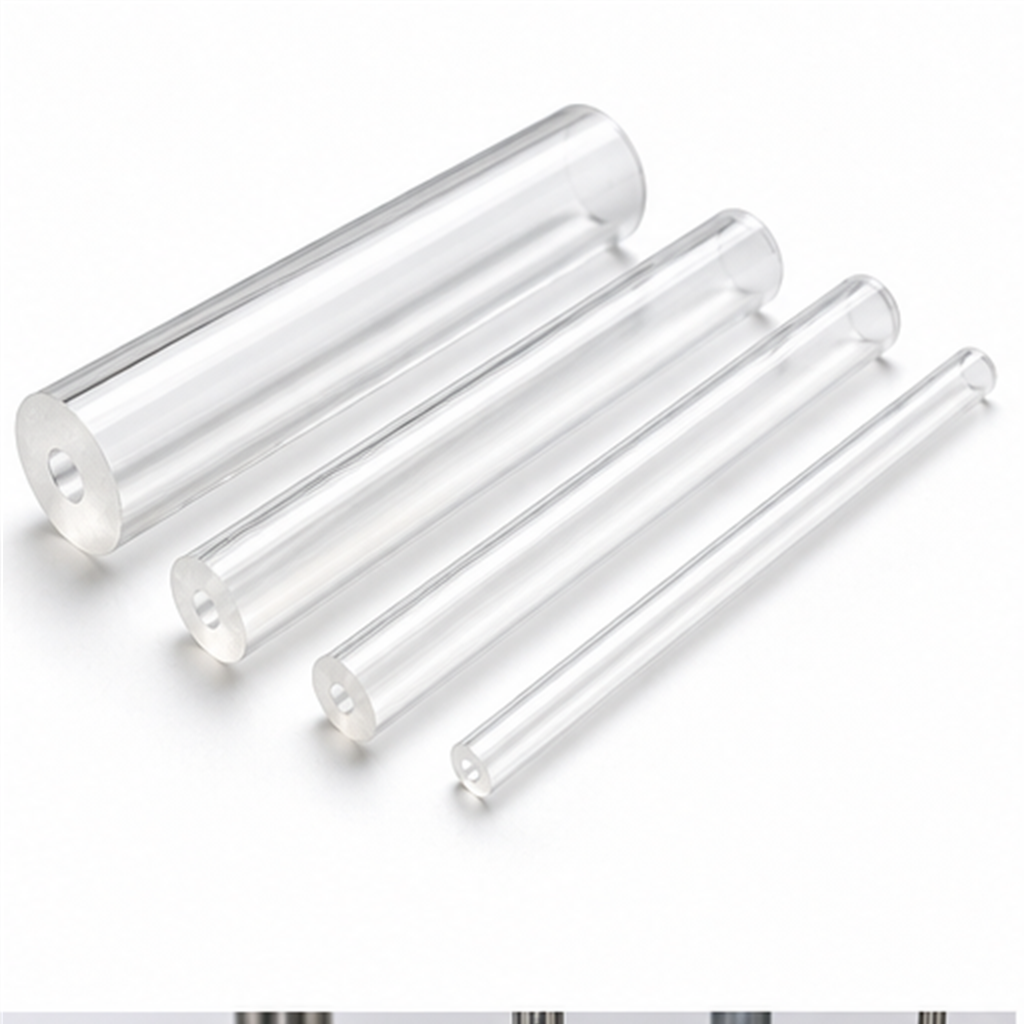
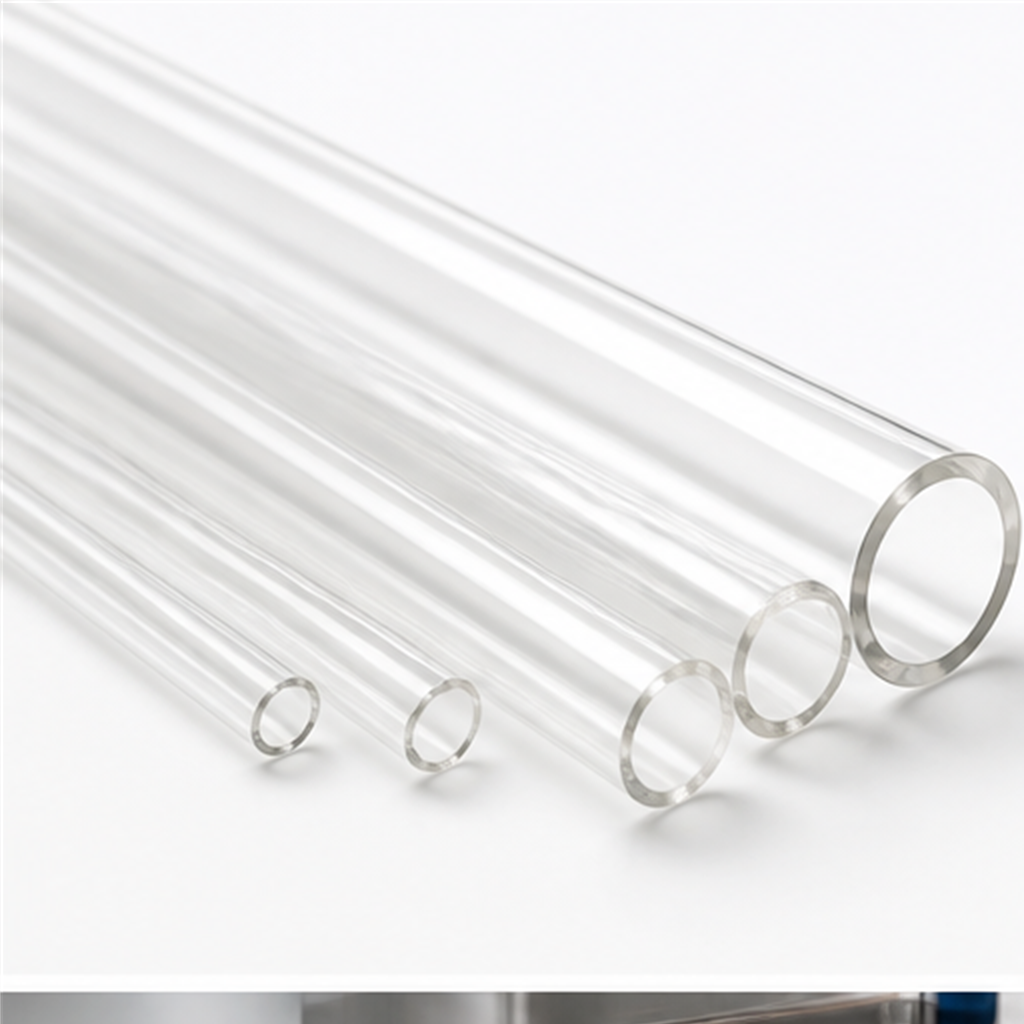
- Integrated Production Lines: Dedicated lines for optical cuvettes, transparent furnace tubing, large diffusion tubes, and crucibles.
- Certified Traceability: Raw materials analyzed by ICP-OES to guarantee transition metal contamination stays below critical limits.
- Export Packaging Architecture: Multi-layer shockproof suspension casing, vacuum sealed to protect optical surfaces in international air and sea freight.
Enterprise Operations Audit
Frequently Asked Questions by Laboratory Buyers
Engineered responses addressing tolerance limits, spectral degradation, cleaning chemistry, and international trade safety.
What is the standard optical path length tolerance for precision quartz cuvettes?
Standard analytical grade cuvettes carry a nominal path length of 10.00 mm with an allowable tolerance of ±0.05 mm. For high-accuracy metrological applications and dual-beam spectrophotometers, Kemzo fabricates optical cells down to a strict tolerance of ±0.005 mm, ensuring Beer-Lambert absorbance calculations remain impervious to path variations.
How can buyers verify whether a cuvette is direct-fused or adhesive-bonded?
Direct molecular fused cuvettes display a virtually invisible, monolithic boundary when viewed under cross-polarized light or high magnification. In contrast, adhesive-bonded cuvettes present a faint refractive line along the joint. A definitive chemical verification test involves submerging the cell into anhydrous acetone, DMSO, or concentrated nitric acid; adhesive-joined cuvettes will delaminate, whereas molecularly fused cells remain unaffected.
What chemical cleaning protocols preserve quartz optical transmission?
Never use hydrofluoric acid (HF) or strongly basic solutions (such as concentrated NaOH or KOH above pH 9), as free hydroxide ions dissolve the silica lattice, causing irreversible surface hazing. Recommended laboratory cleaning uses spectroscopic-grade solvents (ethanol/methanol), followed by dilute nitric acid (1–3M) or standard aqua regia for stubborn organic residues, followed by triple-rinsing in deionized 18.2 MΩ·cm water.
What is the functional difference between 2-window and 4-window cuvettes?
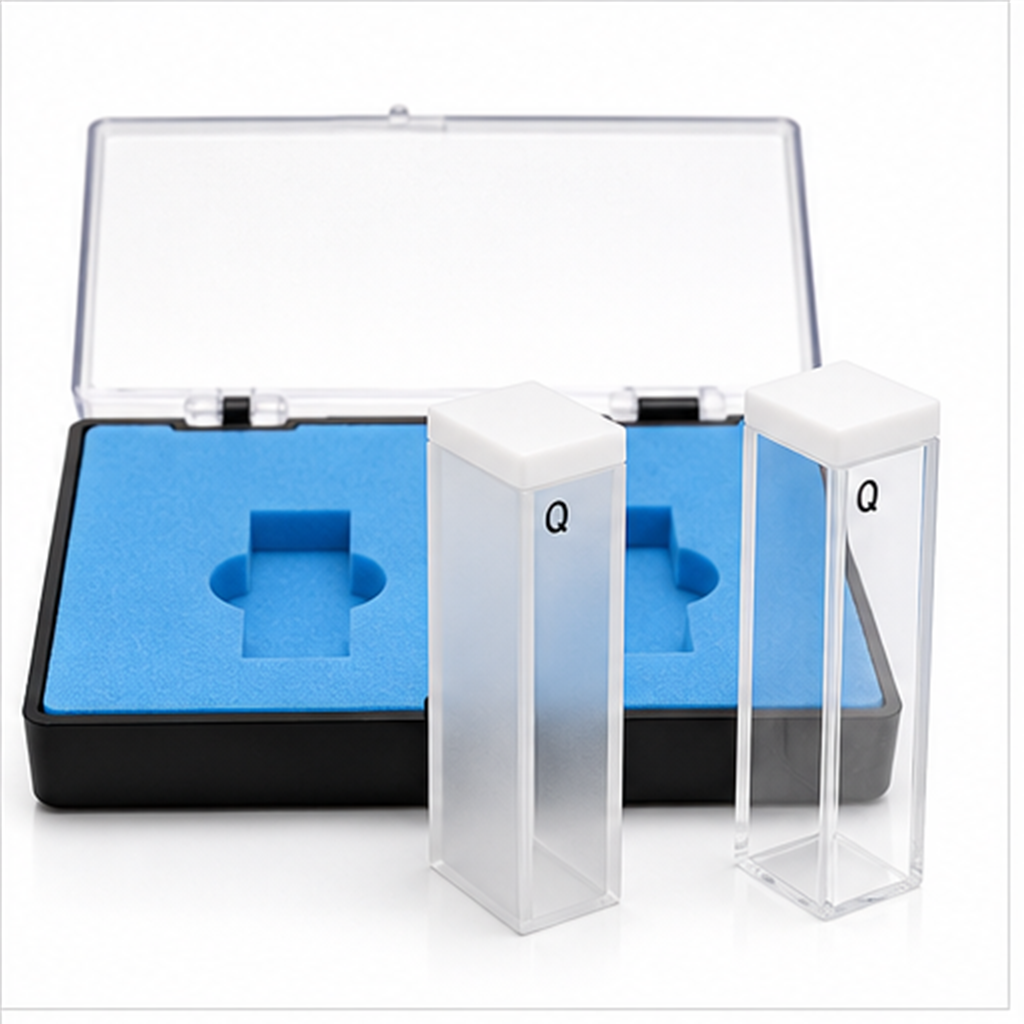
Standard 2-window cuvettes feature two opposing polished optical faces through which the spectrophotometric light passes, with the remaining two faces frosted to reduce stray handling reflections and assist technician grip. 4-window cuvettes feature all four interior walls polished to optical standards, a strict requirement for fluorescence spectroscopy, where emission signals must be read at a 90° angle to the incident excitation beam.
Why choose JGS1 synthetic silica over JGS2 natural quartz for UV measurements?
JGS1 synthetic silica is synthesized via chemical vapor hydrolysis of pure silicon tetrachloride, resulting in total metallic impurities below 1 ppm. Natural quartz (JGS2), while derived from high-purity crystalline rock, still retains minute trace metal oxides (Fe, Al, Ti) that cause absorption bands in the 190–220 nm range. For precise assays at 190–240 nm, JGS1 is the essential material.
How does Kemzo guarantee zero breakage during international courier export?
Precision optical cuvettes are individually housed within dust-free, anti-static EVA foam or high-density velvet-lined presentation boxes. These modular inner cases are sealed in shock-absorbing bubble envelopes, isolated within dual-wall corrugated export cartons, and reinforced with export-grade plywood crates for palletized sea or air freight, meeting strict drop-test parameters.
Request an Immediate Engineering Review & Quotation
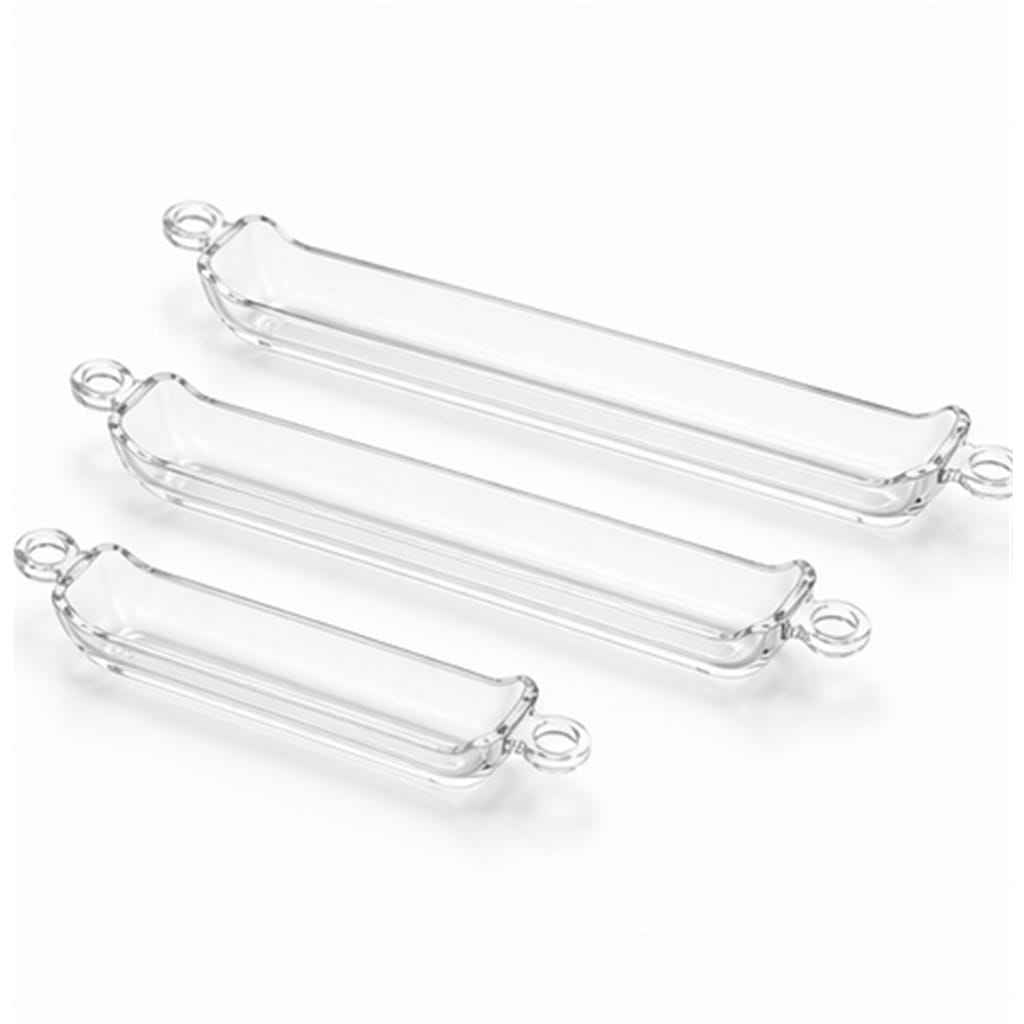
Whether you require standard 10mm UV-quartz cuvettes, specialized sub-micro flow cells, custom capillary quartz tubing, or high-temperature analytical combustion boats, our technical team in Donghai provides rapid engineering evaluations and quotations within 60 minutes.