Custom OEM Fused Quartz Crucible Factory & Suppliers
An authoritative technical whitepaper and B2B sourcing guide on high-purity arc-fused quartz crucibles, diffusion tubes, optical substrates, and high-temperature thermal glass assemblies manufactured in Donghai, China.
High-Purity Quartz Glass Product Portfolio
Explore our premier precision-engineered quartz products. From Czochralski monocrystalline silicon crystal pulling crucibles to piezoelectric sensor wafers, every component is manufactured under ISO 9001 certified quality standards.
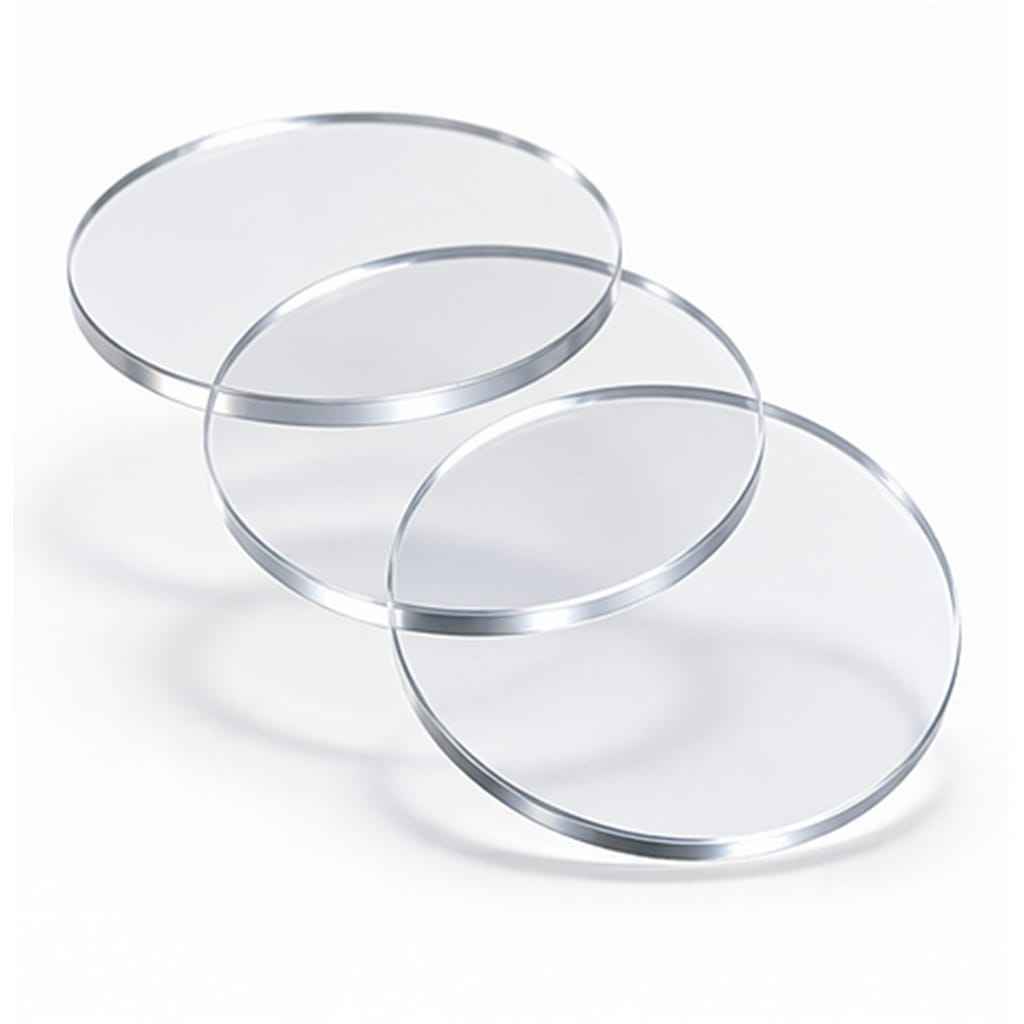
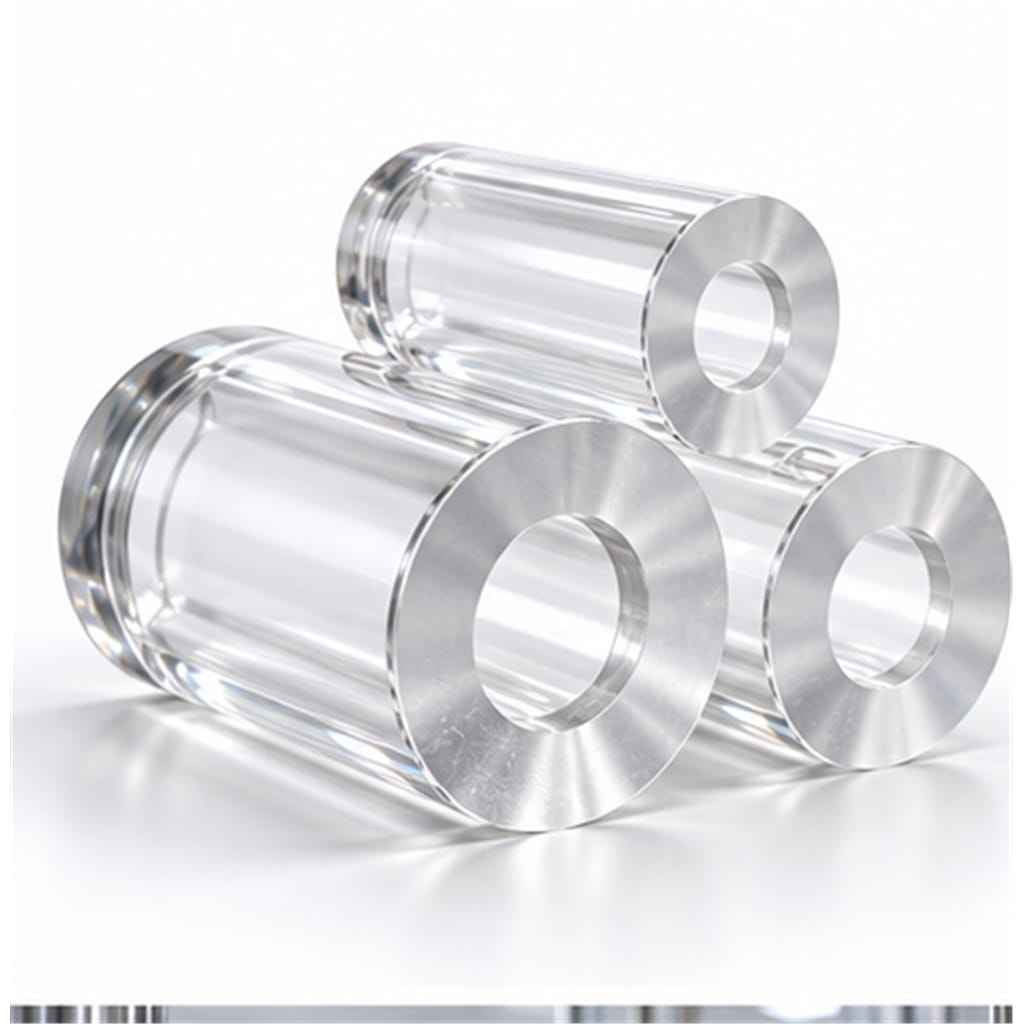
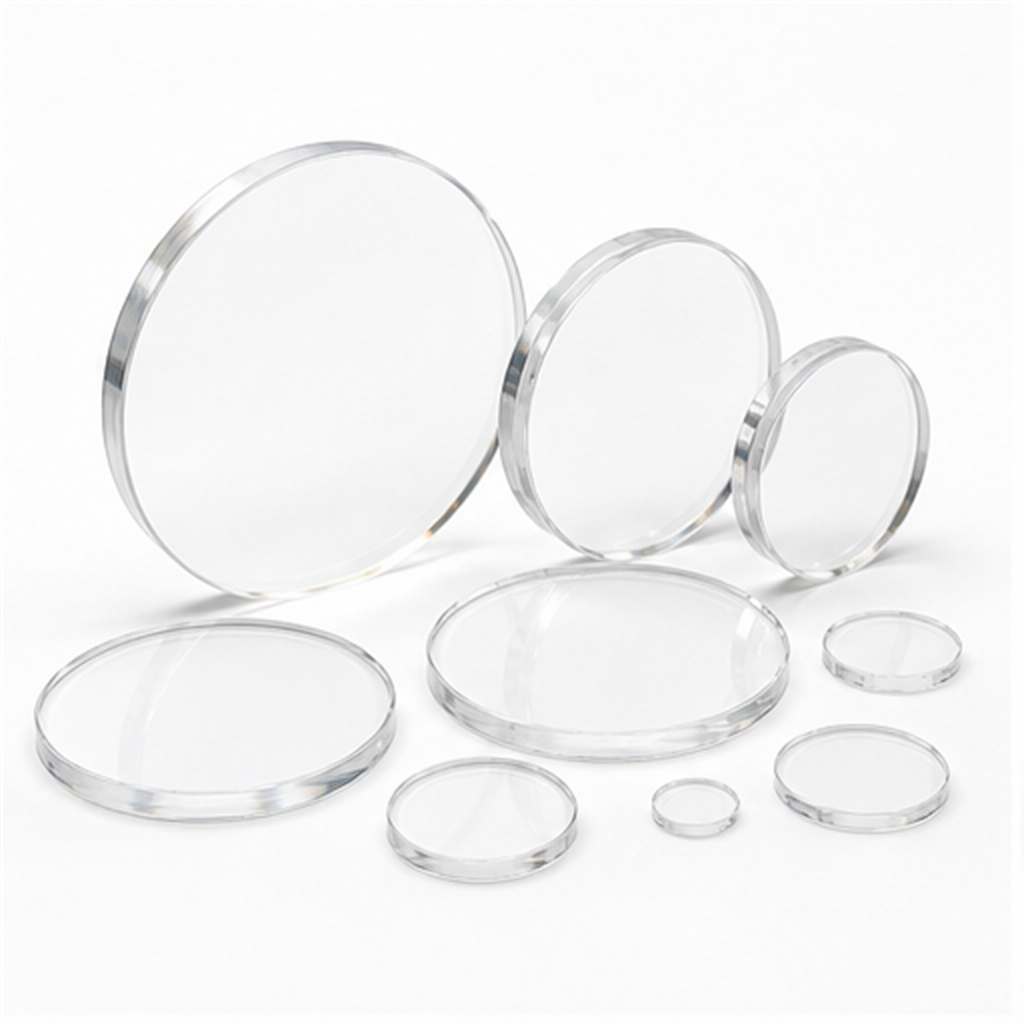
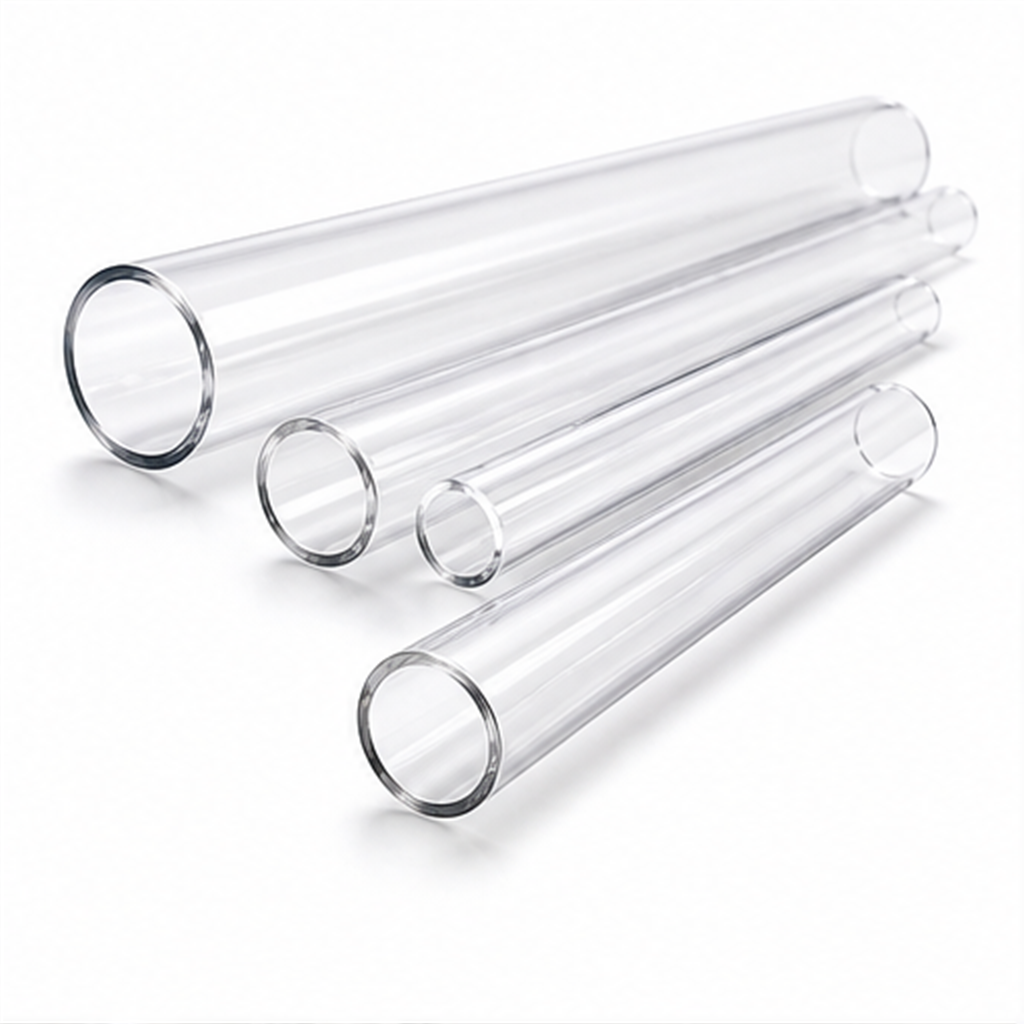
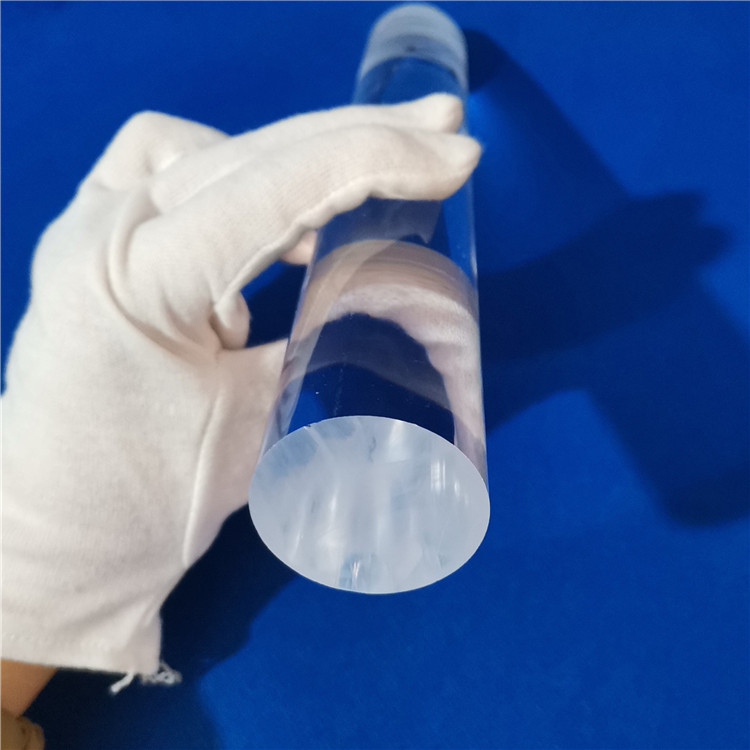
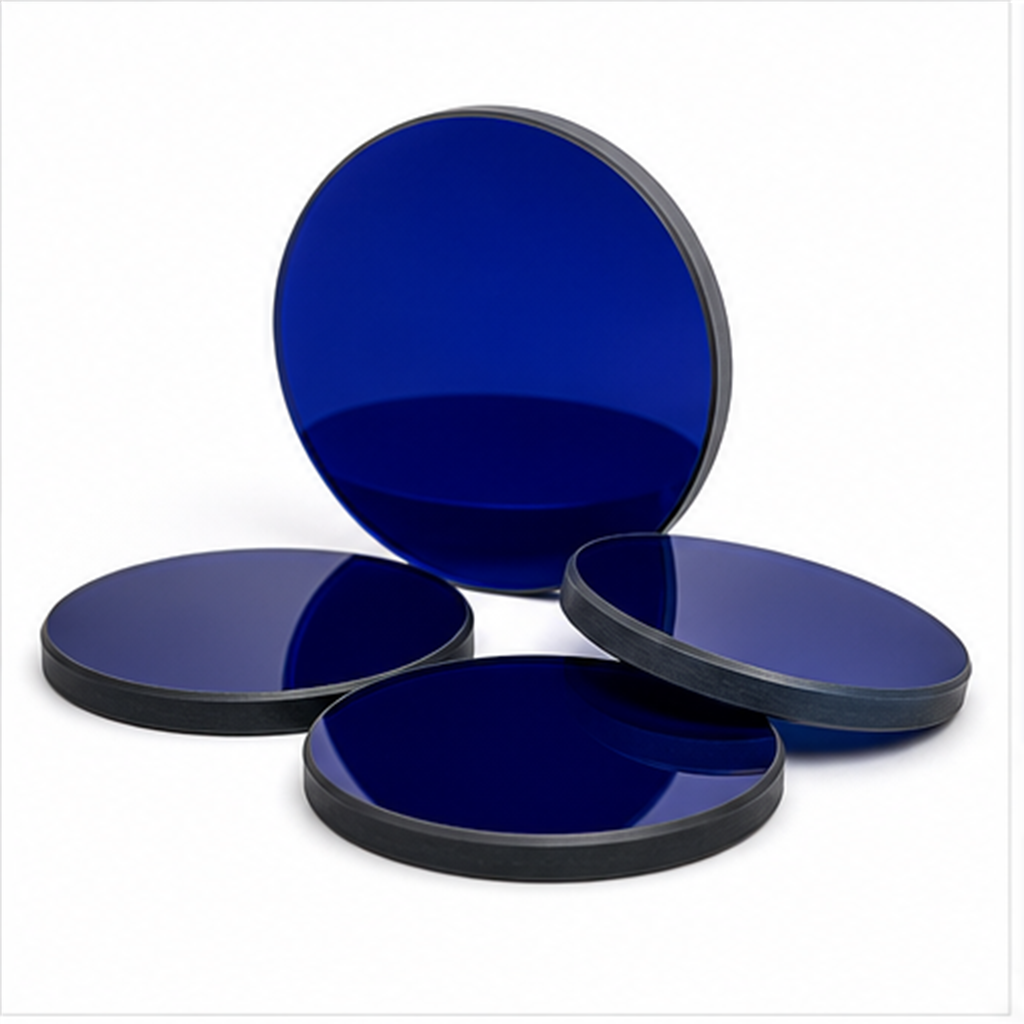
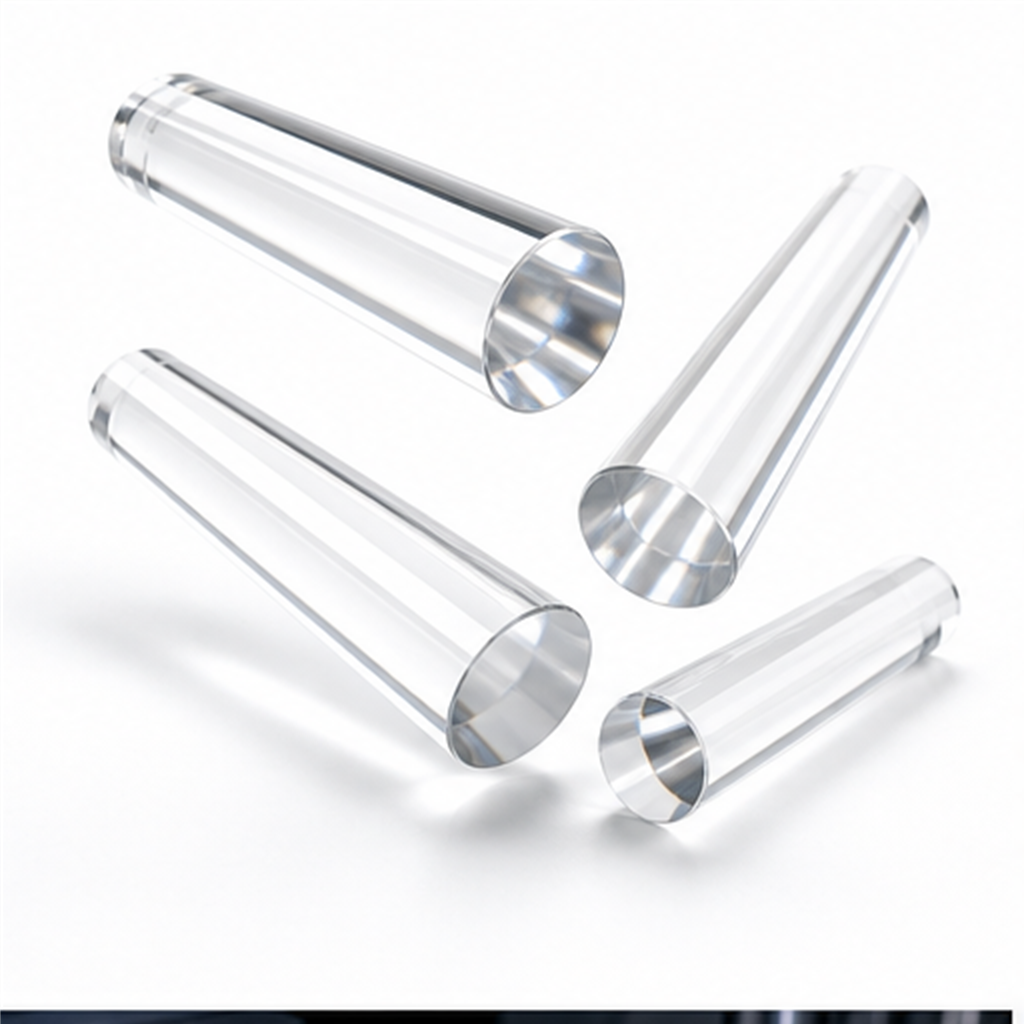
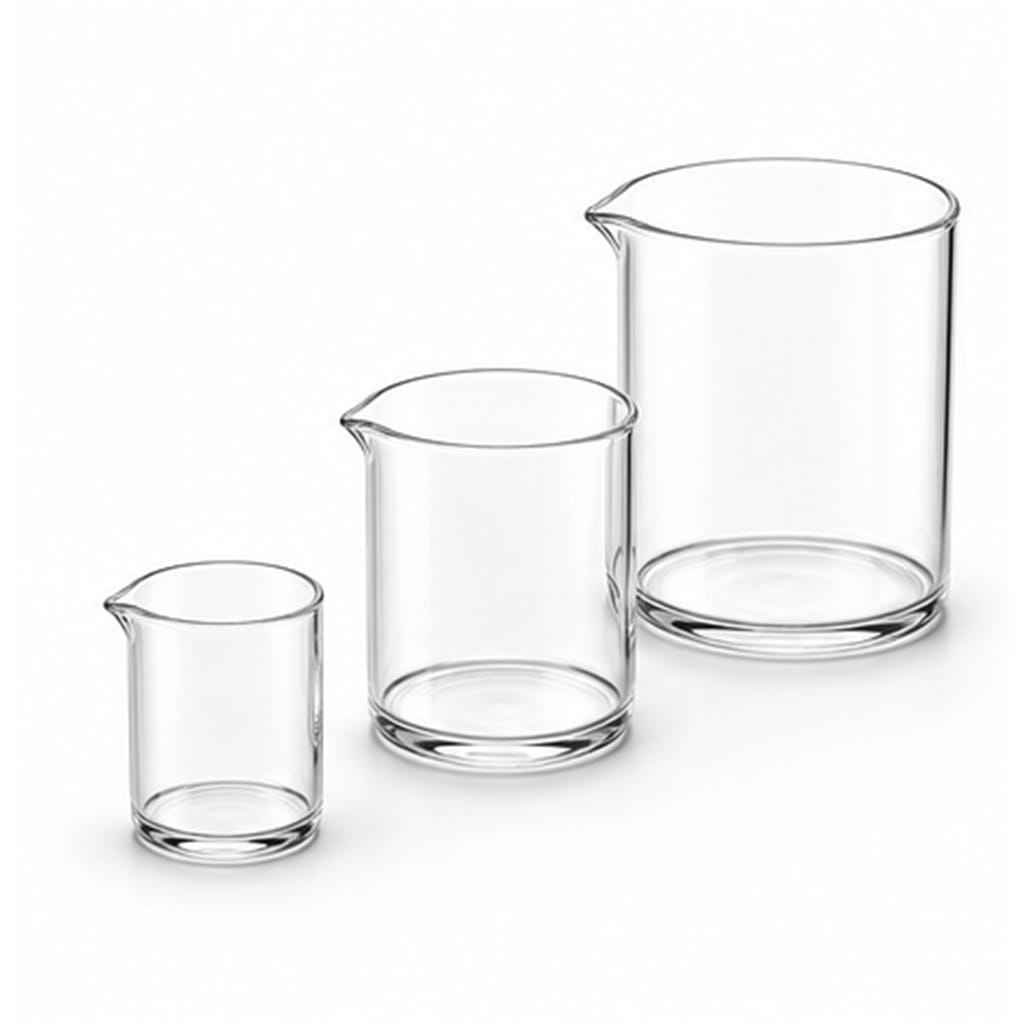
Donghai Kemzo Quartz: Enterprise Advantage & Proven Capability
Located in Donghai County, Lianyungang, Jiangsu Province—globally acknowledged as China's Crystal Capital—Donghai Kemzo Quartz Products Co., Ltd. has established itself since 2011 as a leading integrated manufacturer and global exporter of high-purity quartz products.
Raw Material Beneficiation & Cluster Synergies
Operating directly at the world's dense pegmatite quartz deposit center gives Kemzo Quartz unexcelled cost efficiencies and strategic supply chain stability. We run strict ICP-MS chemical purity verification on incoming silica grains to ensure alkali metals (Na, K, Li) remain well below 1.0 ppm.
Custom OEM/ODM Engineering to Drawing
With over 11 years of specialized contract manufacturing, our facility is equipped with CNC diamond milling tools, ultrasonic drilling, glass-blowing lathe centers, flame-polishing equipment, and optical polishing apparatus. We fabricate intricate quartz assemblies directly from customer DWG, STEP, or PDF schematics with strict tolerances down to ±0.05 mm.
Rigorous Quality Assurance & Export Protocol
Recognized as a Jiangsu High Technology Enterprise, every production run undergoes structural stress relief annealing to minimize residual thermal strain. Products are visually evaluated under polarized light inspection lamps, verified for wall thickness uniformity, and packed in reinforced shock-proof wood crates engineered for zero-breakage international transit.
Technological Development Trends in Fused Quartz Crucible Manufacturing
The rapid evolution of next-generation semiconductor fabrication (sub-3nm node synthesis) and high-efficiency photovoltaic cell technologies (such as N-type TOPCon and HJT solar cells) has placed unprecedented demands on fused quartz crucibles. As the critical containment vessel during the high-temperature Czochralski (CZ) monocrystalline silicon ingot pulling process, the thermal stability, impurity migration behavior, and structural integrity of fused quartz crucibles directly dictate crystal growth yields.
1. Dual-Layer & Synthetic Inner-Layer Co-Fusion Technology
Conventional fused quartz crucibles produced via natural quartz sand melting possess micro-level metallic impurities (such as iron, titanium, aluminum, and sodium). At silicon melting temperatures exceeding 1420°C, these trace elements slowly dissolve into the silicon melt, causing crystal lattice dislocations and severe lifetime degradation in solar and semiconductor wafers.
The state-of-the-art manufacturing standard involves arc-fusion co-melting with a synthetic silica inner layer. By depositing ultra-pure synthetic fused silica (SiO2 purity ≥ 99.9999%, with alkali metals < 0.1 ppm) on the inner wall, a barrier layer is created. This drastically mitigates impurity dissolution while maintaining the structural rigidity provided by the economical natural quartz outer body.
Need Custom Arc-Fused Quartz Crucibles?
Our engineering team can tailor wall thickness, inner synthetic ratio, and devitrification doping according to your puller specifications.
2. Micro-Doping Doped Anti-Devitrification Barriers
During extended crystal pulling cycles (exceeding 100 to 200 hours continuous operation), fused quartz crucibles tend to undergo devitrification—transitioning from an amorphous glass state into crystalline β-cristobalite. Uncontrolled devitrification leads to structural distortion, peeling of cristobalite particles into the silicon melt, and catastrophic crucible cracking.
Leading manufacturing technologies now utilize controlled micro-doping (such as trace barium or aluminum nucleation agents) on the outer wall. This induces a uniform, dense, microscopic cristobalite layer during initial heat-up. This controlled crystalline shell increases the high-temperature structural strength of the crucible wall, preventing sagging even when operating near the softening point (1683°C).
3. Scaling Up to Large-Diameter Crucible Dimensions (32” to 40”+)
Driven by solar wafer size transitions (from M2/M6 to M10 and G12 210mm formats), ingot manufacturers require larger silicon charges (weighing 400kg to 800kg+ per run). Consequently, crucible factories are scaling arc-melting molds from traditional 20-inch and 24-inch vessels up to 32-inch, 36-inch, and 40-inch extra-large-diameter fused quartz crucibles. Maintaining precise wall thickness uniformity, bubble-free inner layers, and thermal shock resistance at this scale requires automated multi-axis robotic arc-fusion controls and advanced infrared thermal imaging monitoring.
Future Procurement Trends in High-Purity Fused Quartz Sourcing
How strategic purchasing teams, global semiconductor fabs, and glass distributors are adapting their procurement models to secure high-gain competitive advantage.
1. Shift toward Total Cost of Ownership (TCO) Evaluation
Procurement executives are moving away from initial unit purchase price metrics. Evaluating fused quartz components now centers on Total Cost of Ownership (TCO), including crucible service life, thermal shock failure rates, batch purity consistency, and reduced downtime in furnace cleaning. Investing in high-grade crucibles and heavy-wall diffusion tubes directly minimizes million-dollar silicon melt losses.
2. Direct Source-Cluster Supplier Partnering
To hedge against regional geopolitical shifts and shipping volatility, enterprise buyers prefer establishing direct OEM partnerships with verified manufacturers based in primary mineral processing hubs like Donghai, China. Direct factory engagement streamlines drawing updates, reduces intermediary markup by 20–30%, and guarantees fast-track sample development.
3. Digital Drawing Integration & Rapid Prototyping
Modern procurement workflows require fast technical turnaround. Suppliers capable of ingesting native CAD models, completing thermal/structural feasibility evaluations within 1 hour, and shipping custom prototype quartz parts within 7–10 days gain immediate priority on vendor lists.
Fused Quartz Material Property Comparison Matrix
Comprehensive physical, thermal, and optical baseline parameters comparing natural transparent fused quartz, arc-fused crucible quartz, synthetic fused silica, and borosilicate 3.3 glass.
| Physical / Thermal Property | Transparent Fused Quartz | Arc-Fused Crucible Quartz | Synthetic Fused Silica | Borosilicate Glass 3.3 |
|---|---|---|---|---|
| SiO2 Chemical Purity | 99.99% (4N) | 99.99% – 99.999% | ≥ 99.9999% (6N) | ~ 81% SiO2 |
| Alkali Metal Content (Na, K, Li) | < 1.5 ppm | < 0.5 ppm (Inner Layer) | < 0.05 ppm | High (> 4% Na2O/K2O) |
| Max Working Temp (Continuous) | 1100 °C | 1150 °C – 1250 °C | 1150 °C | 500 °C |
| Max Temperature (Short Term) | 1450 °C | 1550 °C – 1650 °C | 1500 °C | 600 °C |
| Coefficient of Thermal Expansion (CTE) | 5.5 × 10⁻⁷ /°C | 5.4 × 10⁻⁷ /°C | 5.8 × 10⁻⁷ /°C | 32.5 × 10⁻⁷ /°C |
| Thermal Shock Resistance | Extremely High (Quench 1000°C) | Extremely High | Extremely High | Moderate (Quench 160°C) |
| UV Transmission (200nm - 400nm) | 85% – 90% | Opaque / Translucent | > 92% (Deep UV) | Negligible (< 10%) |
| Primary Industrial Applications | Furnace tubes, sight glasses, rods | Solar & Semi Ingot Pulling | Photolithography, UV optics | Standard Labware, domestic glass |
Frequently Asked Sourcing & Technical Questions (FAQ)
In-depth responses curated by our senior optical and quartz ceramic engineering team to resolve technical inquiries prior to purchasing.
What is the structural difference between natural fused quartz and synthetic fused silica?
Natural Fused Quartz is manufactured by electrically or gas-flame melting purified natural quartz crystals (silica pegmatite sand). It delivers excellent thermal expansion properties (5.5×10⁻⁷/°C), thermal shock resilience, and mechanical strength at a cost-effective price point suitable for furnace diffusion tubes, sight windows, laboratory beakers, and outer crucible structures.
Synthetic Fused Silica is produced chemical-synthetically via silicon tetrachloride (SiCl4) flame hydrolysis. It achieves absolute chemical purity (>99.9999% SiO2) with negligible trace metals (<0.05 ppm) and superior transmission in the deep ultraviolet spectrum (193nm–248nm). It is selected for lithography photomasks, precision laser optics, and inner-layer crucible coatings.
How does Kemzo Quartz ensure zero devitrification or structural deformation during continuous thermal exposure?
Devitrification is primarily accelerated by hydroxyl ions (-OH) and alkali metal contaminants (Na, K, Li). At Kemzo Quartz, we control OH content through specialized vacuum annealing and thermal degassing processes. Furthermore, raw materials undergo double-magnetic separation and acid washing to reduce total alkali metal concentration below 1.5 ppm, ensuring stable continuous operation at 1100°C and short-term thermal resilience up to 1450°C.
What dimensional tolerances can be achieved for custom OEM quartz components made to drawing?
For standard extruded quartz glass tubes and rods, outer diameter (OD) tolerance is maintained within ±0.15 mm to ±0.30 mm depending on diameter. For custom CNC-milled, ground, and optically polished quartz plates, discs, and crucibles, we routinely achieve:
- Linear Dimensions: ±0.05 mm
- Surface Flatness: Up to λ/4 per 25mm
- Surface Roughness (Ra): Sub-nanometer (Ra < 0.5 nm for optical optical polish)
- Parallelism: < 10 arcseconds
What protection measures are applied during packaging to eliminate breakage during sea and air shipping?
Exporting delicate quartz glass requires engineering-grade packing. Every single part is enclosed in custom polyethylene foam wrapping, vacuum-sealed in moisture-proof bags, and isolated with custom high-density EPE shock-absorption cutouts. Multi-item shipments are packed into IPPC-certified fumigated wooden cases featuring reinforced steel banding and vibration indicator labels. Our transit breakage rate remains below 0.1% globally.
What payment methods, currencies, and Incoterms does Kemzo Quartz support for overseas orders?
To simplify international trade, we support flexible payment options including Wire Transfer (T/T), Irrevocable Letter of Credit (L/C at sight), PayPal, and Western Union. We accept transactions in USD, EUR, AUD, HKD, and CNY. Supported delivery terms include FOB (Lianyungang/Shanghai), CFR, CIF, EXW, DDU, DDP, and Express Door-to-Door Courier (DHL/FedEx/UPS).
Can I request a sample batch or prototype before issuing a bulk production purchase order?
Yes. We welcome small prototype orders and sample evaluations. Send your engineered technical drawing or product specifications to our engineering team at [email protected]. We will provide a complete DFM (Design for Manufacturability) review and quotation within 1 hour.
Accelerate Your Quartz Sourcing with Certified Experts
Download our complete 2025 Fused Quartz Product Specification Catalog or request immediate technical pricing for custom OEM crucibles, tubes, plates, and rods.