Featured Vitreous Quartz & Silica Capillary Solutions
From microbore fused silica capillaries to high-temperature furnace tubes, optical grade rods, and semiconductor substrate carriers, our facilities in Donghai engineer mission-critical vitreous quartz components tailored to your exact drawings.
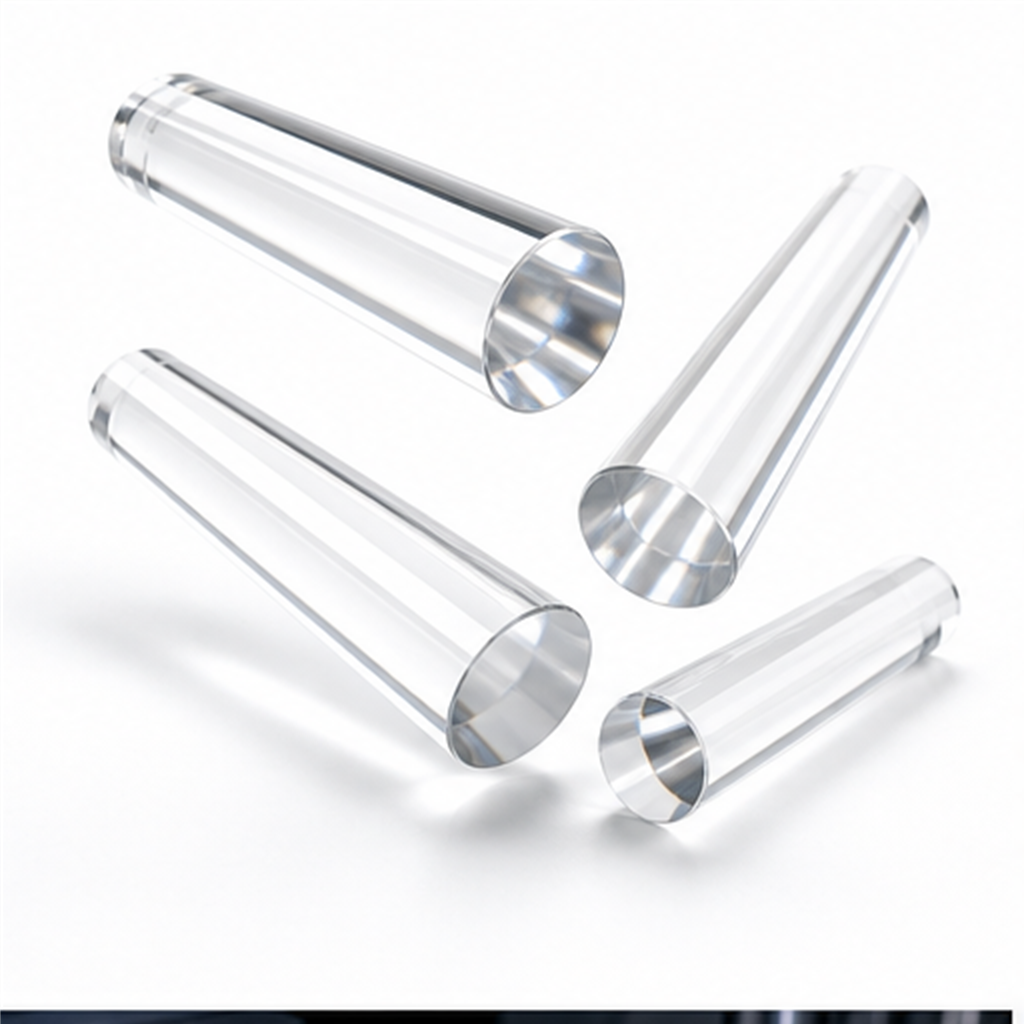
High Purity Solid Optical Clear Fused Quartz Glass Rod for Light Guide Semiconductor
- Refractive Index: 1.4585 with minimal bubble inclusion
- Applications: High-power laser guides & semiconductor plasma pins
- Custom ground, chamfered, or laser-polished ends
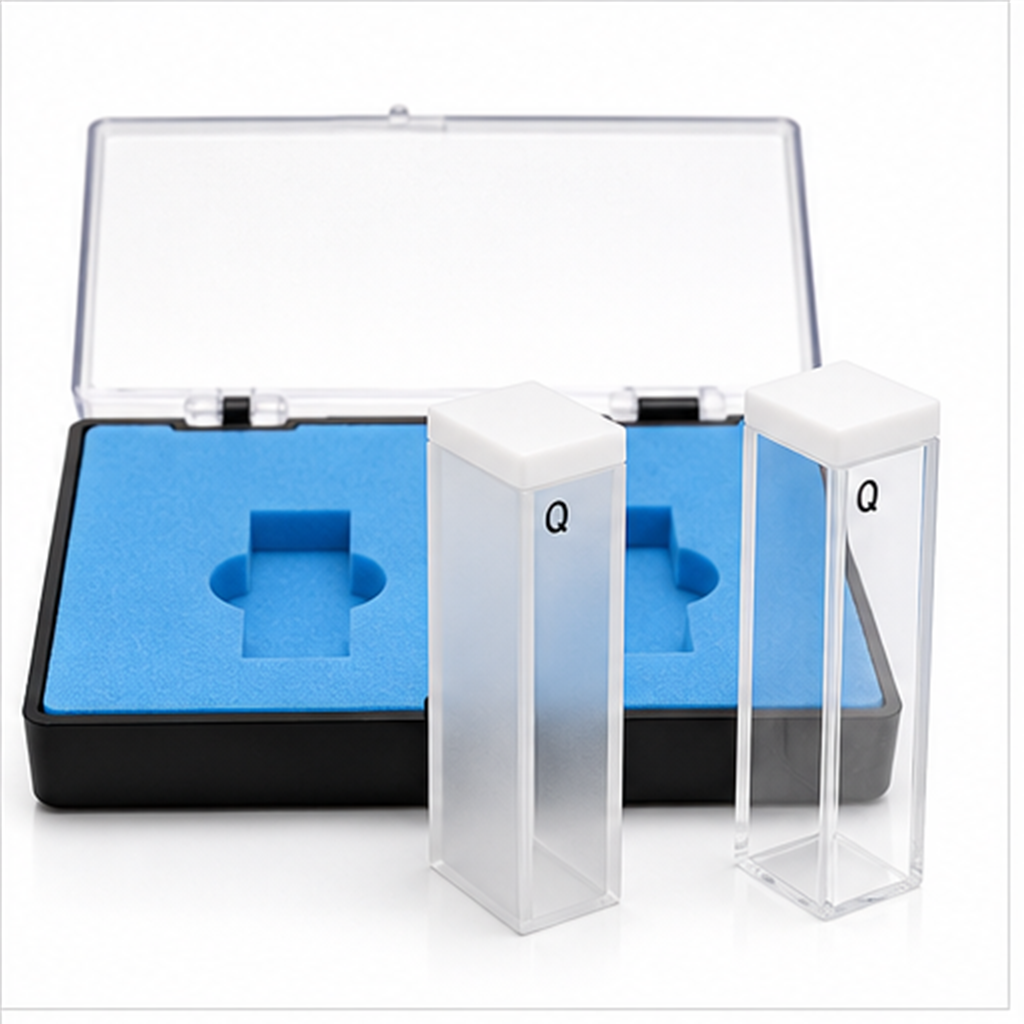
Standard 2-Window and 4-Window UV Quartz Cuvettes with Black Q Mark in Blue Foam Case
- Spectral Window: Deep UV 190nm - 2500nm
- Fused optical assembly, fully acid/solvent resistant
- Matched transmission pathlength: 10mm ±0.01mm
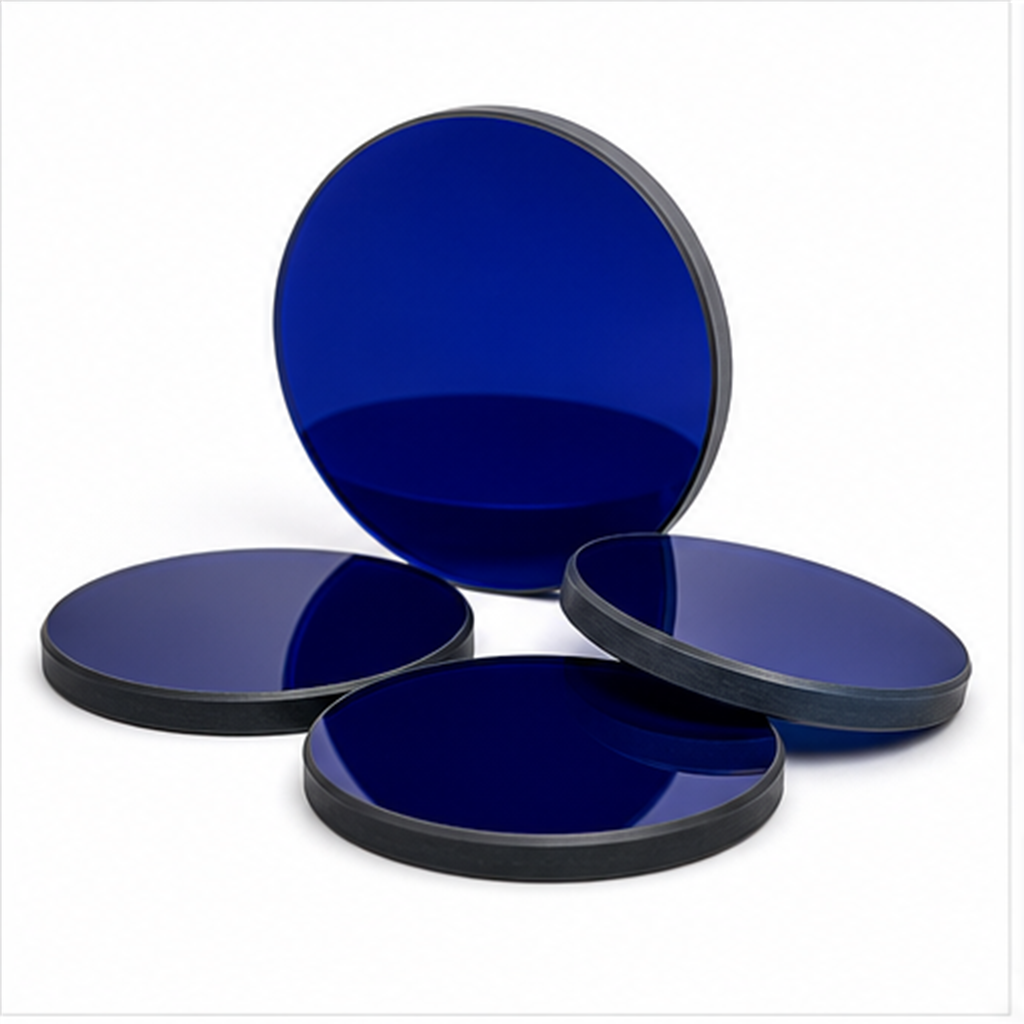
Optical Cobalt Blue Glass Disc Circular Filter Furnace Sight Glass Window
- Selective sodium D-line attenuation for safe inspection
- Extreme thermal shock resistance up to 1100°C
- Custom diameter, thickness, and bevel edge polishing
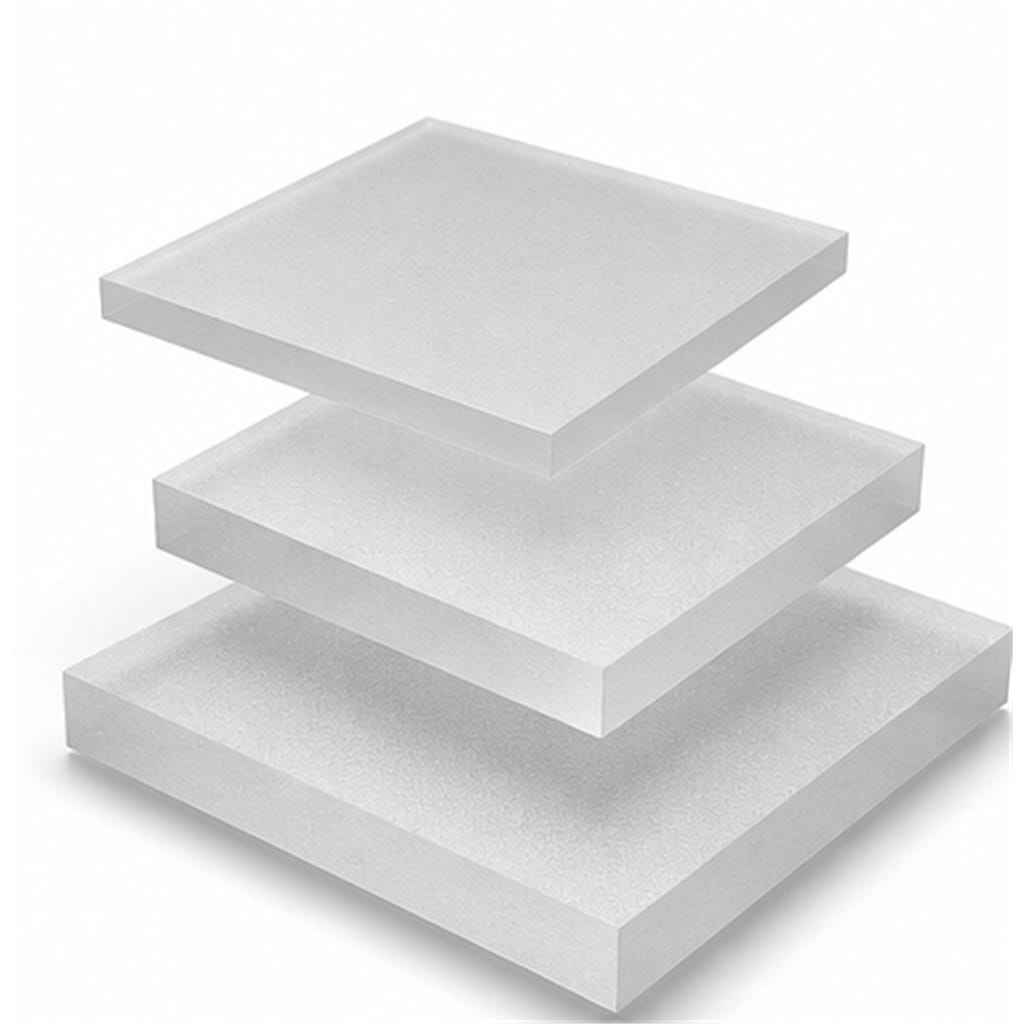
Raw Rough-Ground Fused-Quartz Blank Plates with Straight Edges for Semiconductor Wafer Substrate Lapping
- Strict parallel alignment: Total Thickness Variation < 2μm
- Chemical stability against aggressive CMP slurry
- Available in custom geometric profiles & CNC cutouts
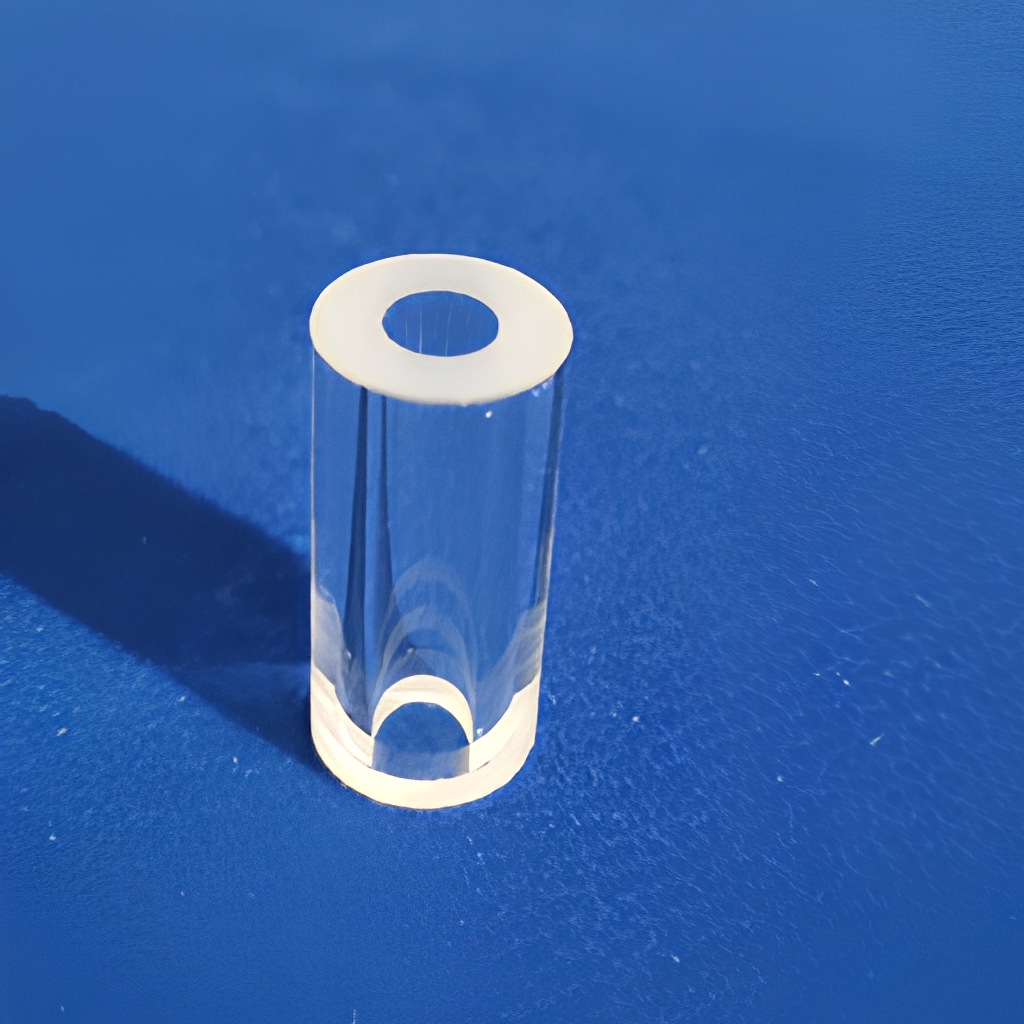
99.99% Pure Clear Quartz Twin Tube Polished Ozone Free Customized Bending Welding Cutting for Chemical Industry
- Double-bore parallel heating and fluidic routing
- Hydroxyl content controlled (< 20 ppm) for high thermal loads
- Precision hot-bending, flanging, and joint welding
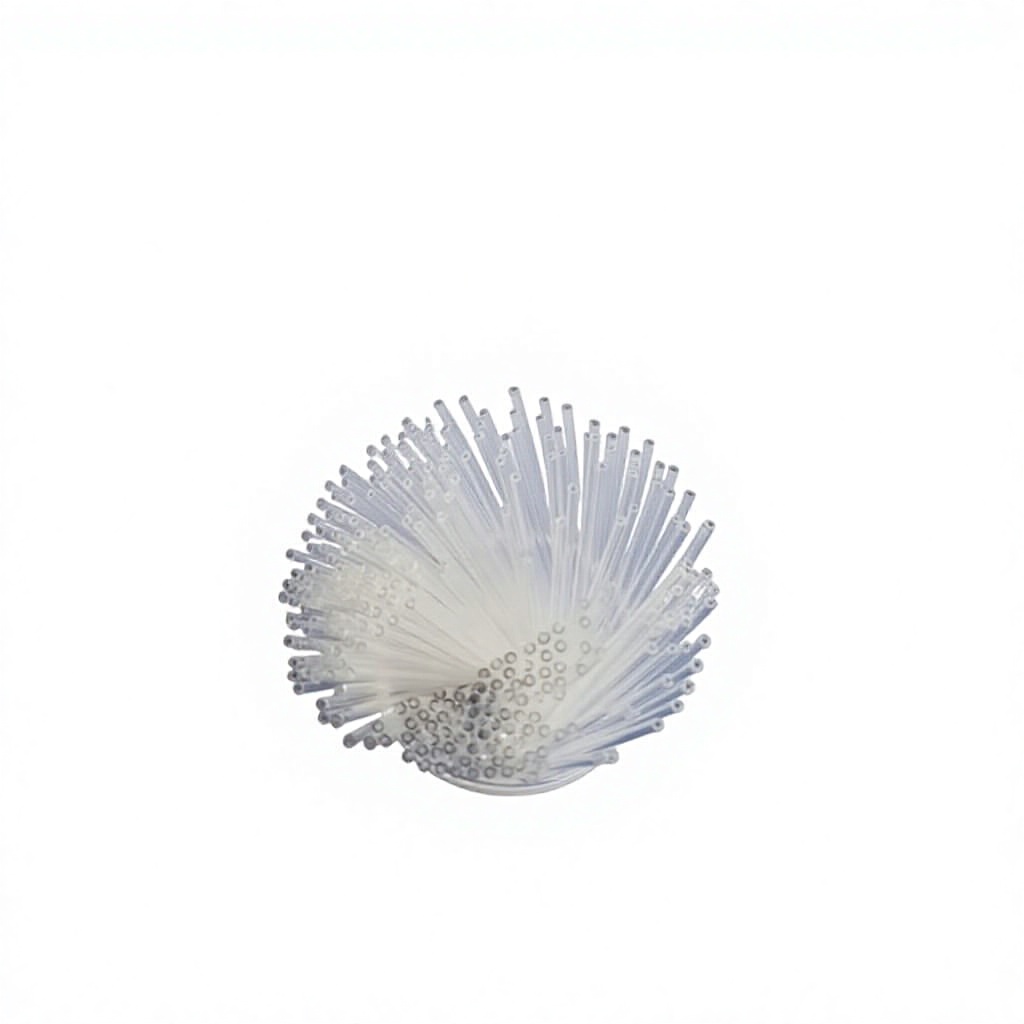
Custom Size Translucent Capillary Quartz Tube Polished Twin Pipe Ozone Free Chemical Industry
- ID/OD micro-tolerance down to ±0.005mm
- Inert microfluidic delivery in high-heat zones
- Translucent thermal-diffusing vitreous structure
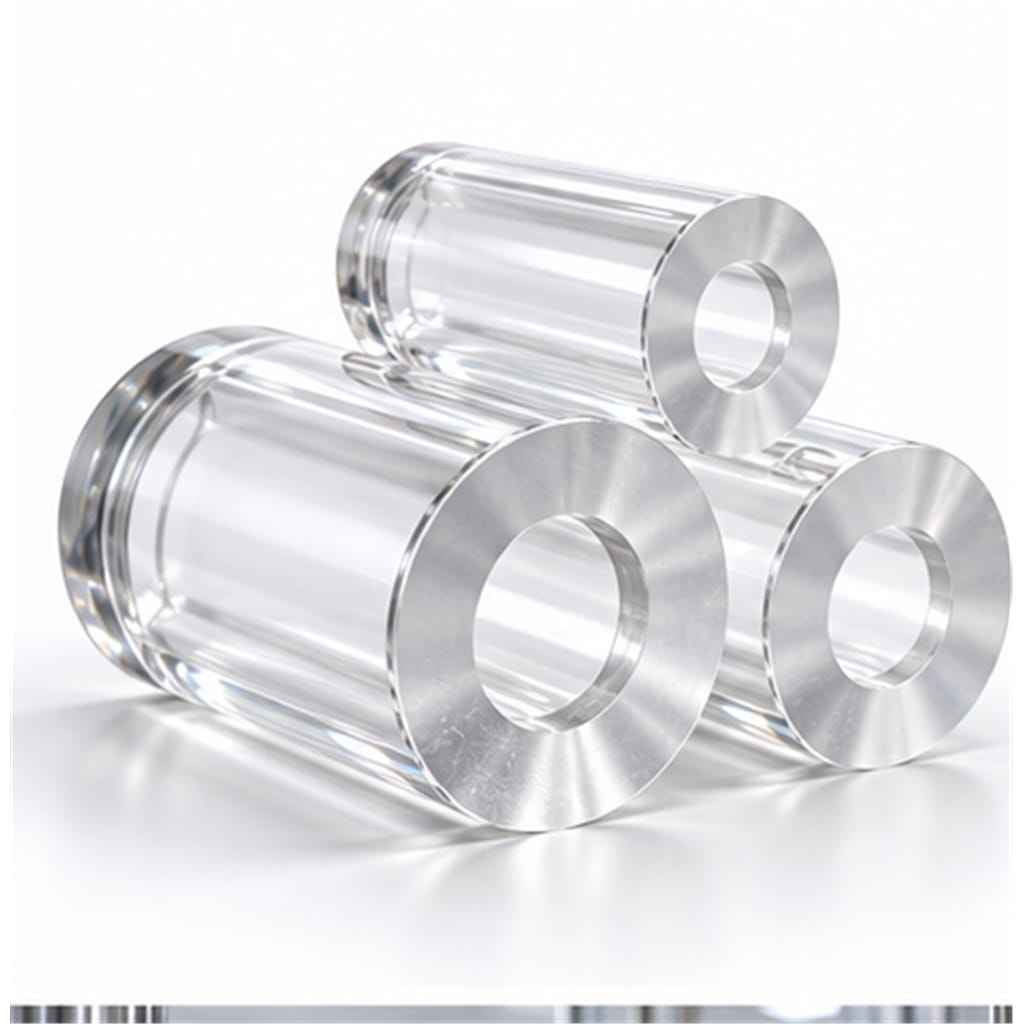
Heavy-Wall Fused-Quartz Cylindrical Pressure Tubes with Squared Ends for High-Pressure Autoclave Sight Glass
- Heavy-duty wall design rated for extreme hydrostatic heads
- Fully fire-annealed for micro-stress relief
- Precision squared, lapped, and optically ground ends
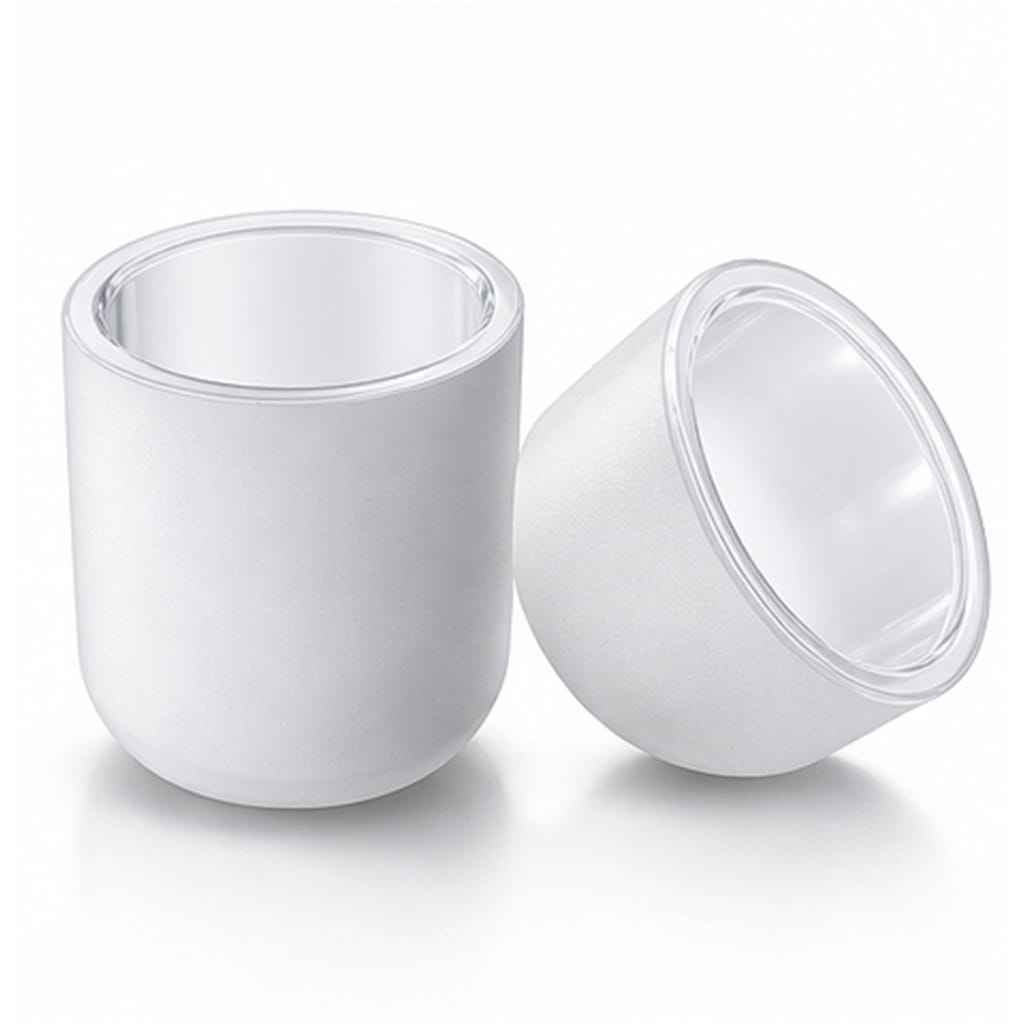
4-Inch US Sand Fused-Quartz Crucibles with Bubble-Free Inner Layer for Silicon Crystal Growth Melting
- Synthetic bubble-free inner wall for ingot homogeneity
- Exceptional sag resistance up to 1450°C
- Raw feedstock from high-purity natural silica deposits
Engineering Fundamentals: Micro-Bore Fused Silica Capillaries
In modern analytical separation, gas chromatography (GC), capillary zone electrophoresis (CZE), and semiconductor gas metering, custom fused silica capillary tubing represents the pinnacle of microfluidic engineering. Unlike generic laboratory glass composed of multi-element borosilicate networks, vitreous silica consists of a non-crystalline network of silicon dioxide (SiO₂ ≥ 99.99%). This eliminates network modifiers (such as sodium, calcium, or boron), ensuring an almost negligible coefficient of thermal expansion (5.5 × 10⁻⁷/°C) and unparalleled chemical inertness.
Donghai Kemzo Quartz Products Co., Ltd. executes ultra-precision draw-down procedures using vertical drawing towers fitted with dual-axis laser scanning micrometers. This closed-loop computerized feedback continuously governs drawing speed and preform feed rates, maintaining capillary inside diameters (ID) ranging from 5 μm up to 1200 μm with geometric tolerances down to ±1 μm. Internal bores undergo fire-polishing to achieve sub-nanometer surface roughness (Ra < 0.5 nm), completely mitigating fluid drag and turbulent disruption in high-pressure liquid chromatography (HPLC) and capillary gas analysis.
Depending on application criteria, our capillaries can be configured as bare fused quartz, or protected with an exterior thermally cured polyimide sheath that withstands continuous operating regimes up to 380°C while protecting the thin-walled silica structure from micro-abrasions and environmental atmospheric humidity.
Key Capillary Performance Indicators
Synthetic silica preforms synthesized via vapor-phase axial deposition (VAD) exhibit negligible heavy metallic impurity bands, ensuring optical clarity down to 190 nm in deep-UV detection windows.
Contact UsMaterial Property Matrix: Fused Silica vs. Quartz Grades
Examine the critical mechanical, thermal, optical, and dielectric properties governing our standard and high-purity synthetic capillary products to match your design constraints.
| Property Parameter | Synthetic Fused Silica (VAD/CVD) | Natural Fused Quartz (Donghai) | Technical Borosilicate Glass | Operational Impact for OEM Designers |
|---|---|---|---|---|
| SiO₂ Purity Level | ≥ 99.999% (< 1 ppm trace) | ≥ 99.99% | 80.5% (with B₂O₃, Na₂O, Al₂O₃) | Eliminates analyte adsorption & semiconductor cross-contamination. |
| Softening Point (°C) | ~1685 °C | ~1683 °C | ~820 °C | Permits sustained operation in high-heat reactors without thermal creep. |
| Continuous Working Temp | 1150 °C (Peak 1450 °C) | 1100 °C (Peak 1350 °C) | ≤ 500 °C | Critical for thermal desorption and high-temperature gas chromatography. |
| Thermal Expansion (20-300°C) | 5.5 × 10⁻⁷ / °C | 5.5 × 10⁻⁷ / °C | 33 × 10⁻⁷ / °C | Virtually immune to catastrophic thermal shock upon rapid quenching. |
| UV Cut-off Wavelength | 185 - 190 nm | 220 - 260 nm | 310 - 320 nm | Facilitates on-column UV absorbance detection down to deep UV bands. |
| Dielectric Strength (20°C, 1MHz) | 25 - 40 kV/mm | 20 - 30 kV/mm | ~10 kV/mm | High breakdown voltage essential for Capillary Electrophoresis (CE). |
| Tensile Strength (Proof Tested) | > 100 kpsi (Polyimide Coated) | ~70 kpsi | ~10 kpsi | Allows severe bending radii without micro-fissuring or mechanical failure. |
Future Procurement Trends in Fused Silica Capillaries
Global supply chain directors and instrumentation OEMs are reshaping their fused silica sourcing protocols. Discover the four technological shifts dominating future procurement cycles.
Sub-Micron Bore Tolerancing
Next-generation Capillary Electrophoresis Mass Spectrometry (CE-MS) and single-cell proteomics require capillary inner diameter tolerances reduced from ±3 μm down to ≤ ±0.5 μm to ensure identical electroosmotic flow across multi-capillary arrays.
Geochemical Traceability
Semiconductor fabs and pharmaceutical customers enforce stringent ESG and lot-level traceability on raw silica sand, verifying trace uranium and thorium content down to < 0.1 ppb to mitigate soft alpha radiation errors in wafer fab processes.
Direct Pre-Deactivated Modules
Procurement teams are shifting away from bulk spools toward pre-cut, windowed, and chemically silanized capillary assemblies. Purchasing factory-terminated lines lowers cleanroom assembly assembly costs and eliminates end-face chipping scrap.
Resilient Dual-Sourcing Strategies
To insulate against single-origin supply chain crunches, international buyers designate Donghai Kemzo Quartz as a certified primary or secondary OEM vendor, securing guaranteed delivery under favorable Incoterms (DDP, CIF, FOB).
Technological Advancements in Fused Silica Capillary Drawing
Our engineering division continuously invests in breakthrough thermal drawing and laser finishing technologies to fulfill advanced scientific and industrial demands.
Multi-Lumen Capillary Extrusions
Engineering multi-channel (twin-bore, 4-bore, and honeycomb) fused silica capillaries allows co-axial reagent delivery, sheath-flow electrospray ionization, and compact optofluidic mixing on micro-total analysis (μTAS) platforms.
Excimer Laser End-Cleaving
Moving beyond manual carbide scribe cleavage, automated 193 nm ArF excimer laser cutting yields mirror-flat capillary end-faces orthogonal to within 0.5°, substantially eliminating turbulent dispersion at chromatographic connection points.
Advanced High-Temp Outer Coatings
For operational scenarios exceeding standard polyimide limits, Kemzo utilizes sputtering and high-draw thermal application of pure aluminum and gold protective jackets, extending maximum continuous thermal performance up to 500°C.
Active Inner Surface Passivation
In-line vapor deposition silanization produces high-density hydrophobic, hydrophilic, or fluorinated inner wall monolayers, completely suppressing protein adsorption and tailing of basic compounds during electrokinetic migration.
Why Tier-1 Engineers & Global Buyers Partner with Kemzo
Established in 2011 in Donghai—the renowned crystal capital of China—Donghai Kemzo Quartz Products Co., Ltd. combines geological material superiority with certified precision manufacturing.
Direct Mine-to-Furnace Sourcing
Positioned within Donghai's vast high-purity natural silica mineral reserves, we directly control raw quartz crystal selection, refining, and melting—ensuring dependable chemical purity and consistent batch economics.
ISO 9001:2015 & High-Tech Entity
Officially recognized as a Jiangsu High Technology Enterprise and certified under ISO 9001 standards, our production lines follow rigorous incoming material, in-process dimensional, and optical attenuation testing.
11+ Years of OEM/ODM Capability
From micro-bore capillaries to 500 mm heavy-wall diffusion cylinders, our master glassblowers and precision CNC machine centers deliver specialized cut lengths, flared joints, optical windows, and custom bent twin tubes.
Frictionless Global Trade
Exporting over 70% of total factory output across North America, Europe, East Asia, and Oceania. We support 7 Incoterms (FOB, CFR, CIF, EXW, DDU, DAF, Express) and settle seamlessly in USD, EUR, AUD, HKD, and CNY.
Frequently Asked Technical & Sourcing Questions
Detailed engineering guidance addressing raw material purity, geometric tolerances, chemical compatibility, and export logistics.
What is the core distinction between synthetic fused silica and natural fused quartz capillaries?
The difference lies primarily in the raw precursor and trace elemental purity. Natural fused quartz is melted from refined natural crystalline silica deposits (such as those in Donghai). It delivers exceptional thermal stability up to 1100°C continuous service, low thermal expansion (5.5 × 10⁻⁷/°C), and exceptional cost-efficiency for industrial heating, viewport discs, and standard furnace tubes.
Synthetic fused silica is produced chemically by vapor-phase oxidation or hydrolysis of pure silicon compounds (e.g., SiCl₄). This synthetic route ensures virtually zero metallic impurities (< 0.1 ppm) and avoids bubble formations entirely. For microbore capillaries in capillary electrophoresis (CE) and deep-UV spectroscopy (190 nm transmission), synthetic fused silica is essential to avoid UV absorption bands and spurious baseline background noise.
What are your standard manufacturing tolerances for micro-bore capillary ID and OD?
Our precision vertical drawing towers with real-time laser feedback produce capillary inner diameters (ID) from 5 μm to over 1000 μm. Standard production tolerances are ±2 μm for micro-bores (≤ 100 μm ID) and ±3% to ±5% on outer diameters (OD).
For specialized analytical or OEM instrument orders, we provide custom select-grade sorting yielding sub-micron ID concentricity and dimensional tolerances down to ±0.5 μm, accompanied by multi-point optical laser inspection reports per production spool.
Can you furnish protective polyimide coatings and on-column optical detection windows?
Yes. We routinely coat our fused silica capillaries with an external layer of high-tensile, high-temperature polyimide (typically 12 μm to 24 μm wall build). This coating prevents surface micro-crack propagation and moisture embrittlement, allowing tight bend radii (down to 25 mm).
For spectrophotometric and fluorescence flow detectors, we provide thermal burn-off or excimer laser-cleared optical windows of precise widths (1 mm to 5 mm) without causing internal bore fouling or weakening the adjacent tubing.
How does Kemzo inspect and verify the inner wall surface roughness of capillaries?
Inner wall surface roughness is directly tied to peak broadening and pressure drop in chromatographic systems. Our capillaries feature fire-polished inner lumens produced naturally during high-temperature thermal drawing in ultra-clean argon purge environments.
We audit our lines using Atomic Force Microscopy (AFM) and field emission scanning electron microscopy (FE-SEM), routinely achieving surface roughness parameters of Ra < 0.5 nm. This pristine surface eliminates mechanical analyte entrapment and guarantees smooth laminar flow dynamics.
What pressure ratings do your thick-walled silica capillary tubes support?
Burst pressure in vitreous silica tubing follows the Barlow's formula modified for high-tensile glass structures. Because pristine fused silica possesses intrinsic tensile yield strengths exceeding 100 kpsi (approx. 700 MPa), a heavy-wall capillary with a small bore (e.g., 50 μm ID and 360 μm OD) can reliably operate in ultra-high pressure liquid chromatography (UHPLC) systems exceeding 15,000 psi (1000 bar) continuous hydraulic pressure without mechanical breakdown.
How does Kemzo guarantee zero breakage during long-haul international freight?
Exporting over 70% of our products worldwide requires battle-tested packaging protocols. Capillary tubing is wound onto customized rigid circular plastic reels within protective moisture-barrier poly bags. Straight tubes and optical quartz rods are individually sleeved in custom shock-absorbing foam jackets, separated into partition cells, and packed within multi-layered corrugated boxes.
For ocean freight and heavy air cargo shipments, cartons are secured inside heat-treated, fumigated export wooden crates with integrated drop-indicator and tip-and-tell sensors.
What are the typical lead times and Minimum Order Quantities (MOQ) for custom OEM orders?
We maintain broad stock inventories of standard fused quartz tubes, optical rods, cuvettes, and standard 360 μm OD capillaries, which can ship within 48 to 72 hours.
For custom OEM dimensions, pre-cut configurations, or tailored thermal modifications, prototype batches typically have a turnaround of 7 to 12 business days, with full-scale production runs completing in 2 to 3 weeks. To assist R&D engineering phases, we offer flexible prototype MOQs without imposing onerous volume commitments.
What quality assurance documentation accompanies export shipments?
Every export shipment is backed by comprehensive traceability documentation, including a Certificate of Conformance (CoC), material chemical purity composition breakdown, dimensional optical measurement logs, RoHS and REACH compliance statements, and packaging inspection checklists verified under our ISO 9001 quality framework.
Request Engineering Consultation & Custom OEM Quotation
Have an active engineering drawing, custom capillary specification, or scheduled quartz procurement cycle? Submit your technical requirements directly to our senior glass engineers in Donghai. We assess feasibility, confirm micro-tolerances, and deliver a detailed price matrix within 1 hour.