Featured High-Purity Fused Quartz & Silica Solutions
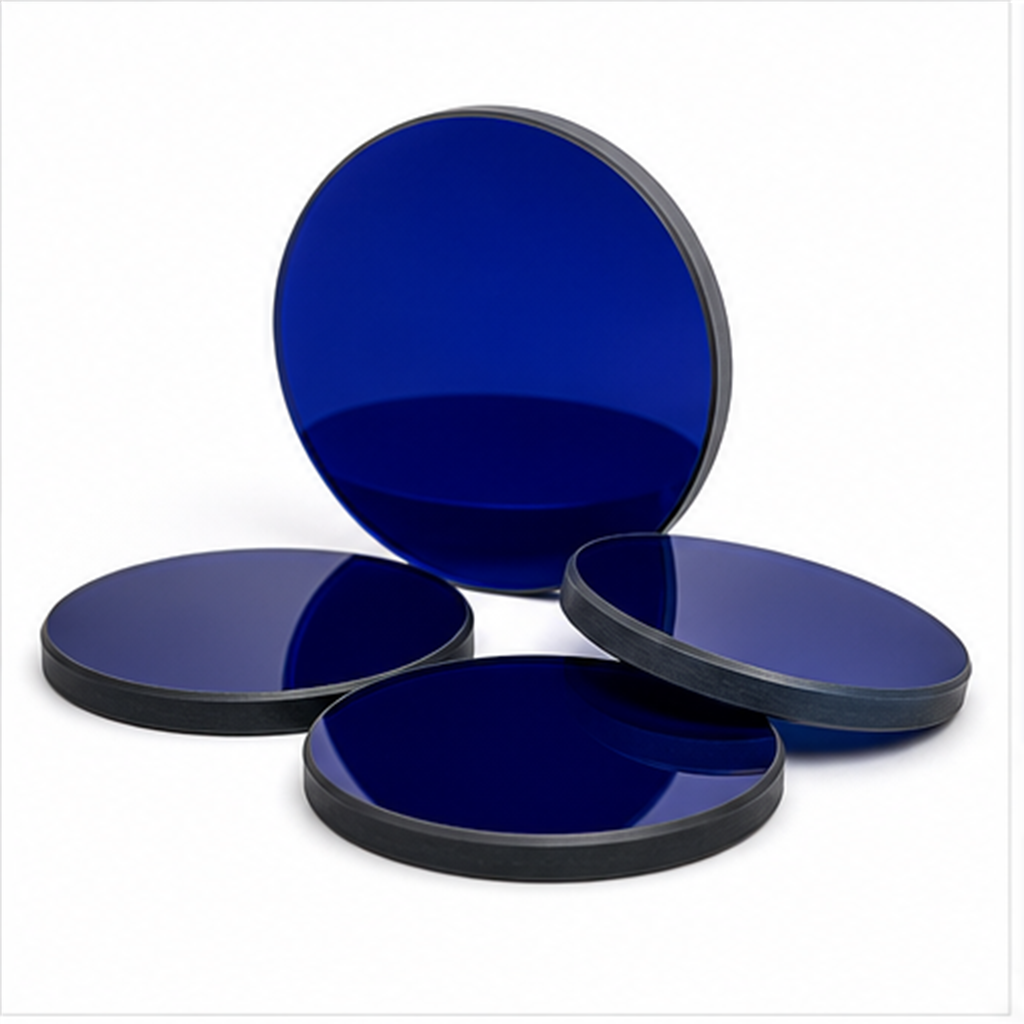
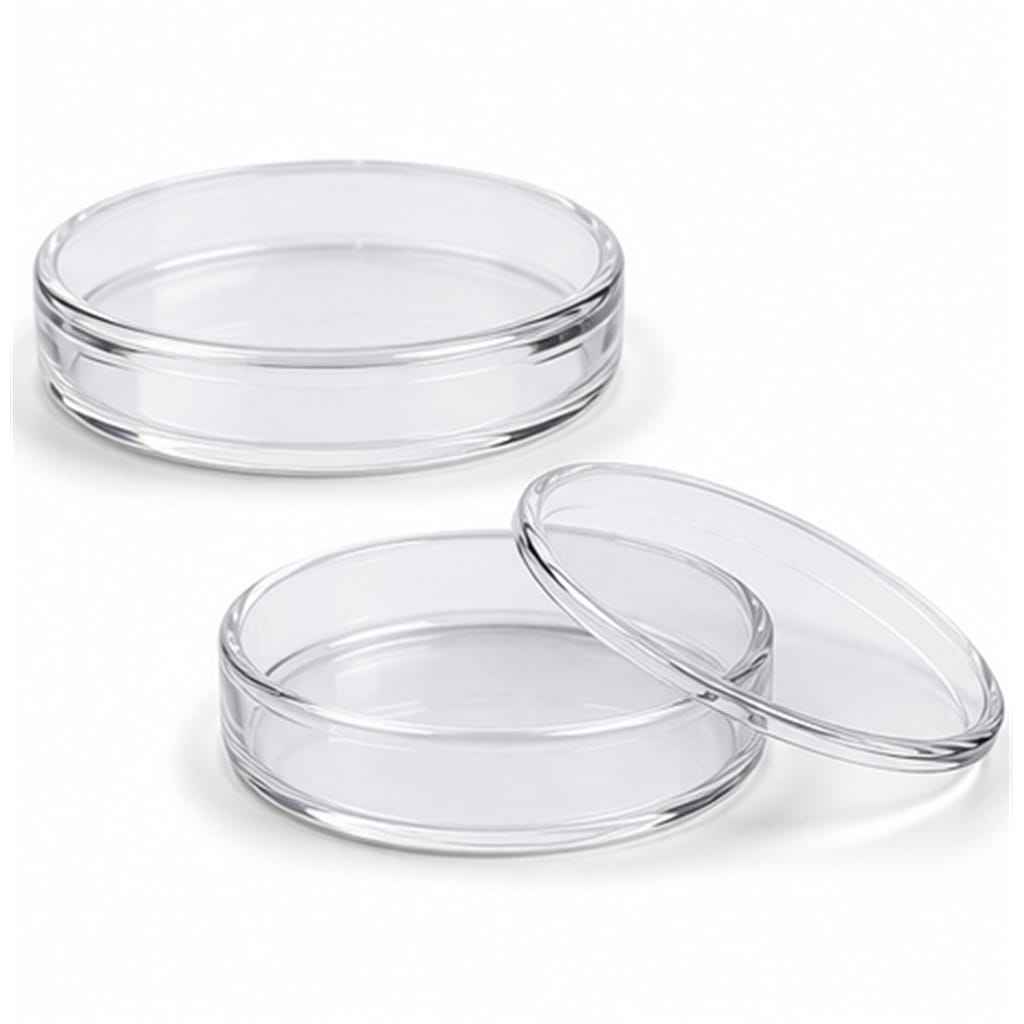
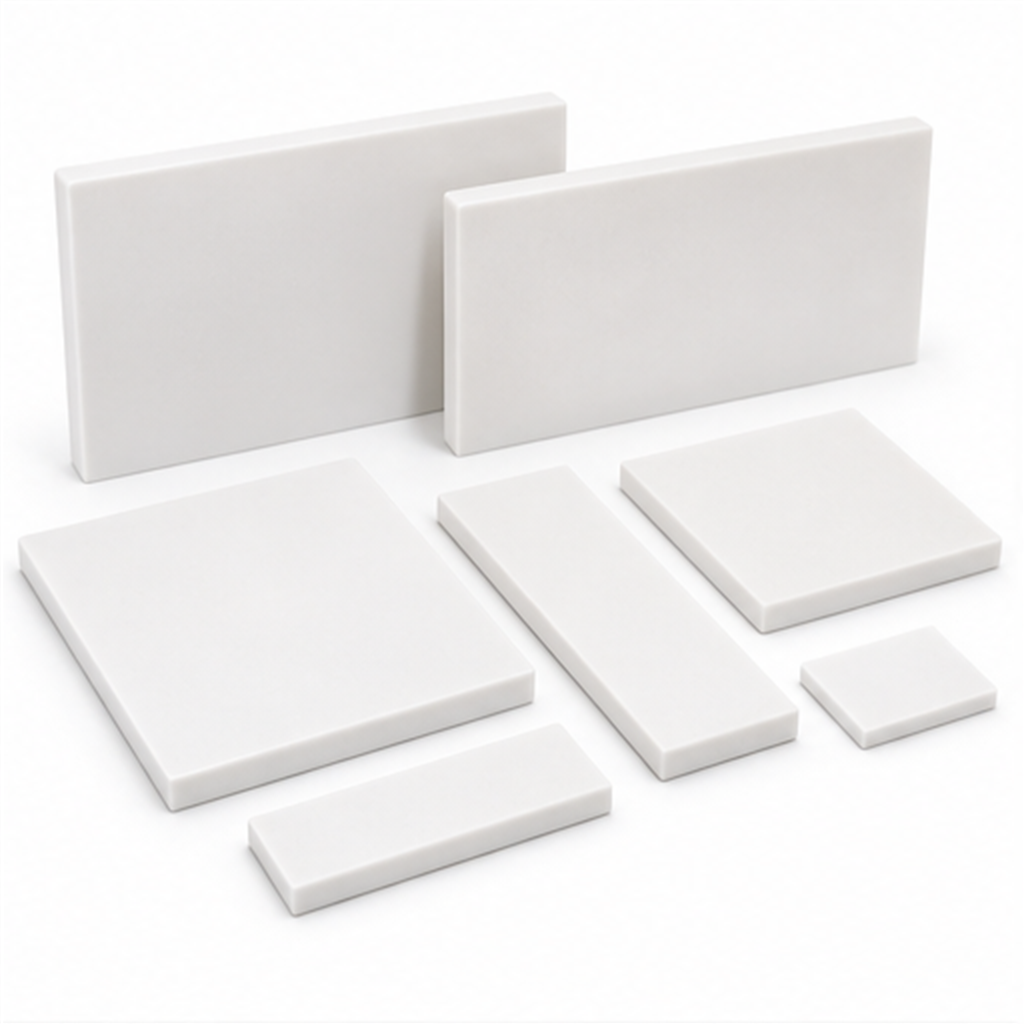
Direct from our Donghai ISO 9001 manufacturing center: industrial-grade crucibles, optical filters, precision photomask substrates, and continuous-service thermal glassware machined to micrometer tolerances.
The Physics of Opaque Fused Quartz Crucibles: Microstructure & Heat Transfer
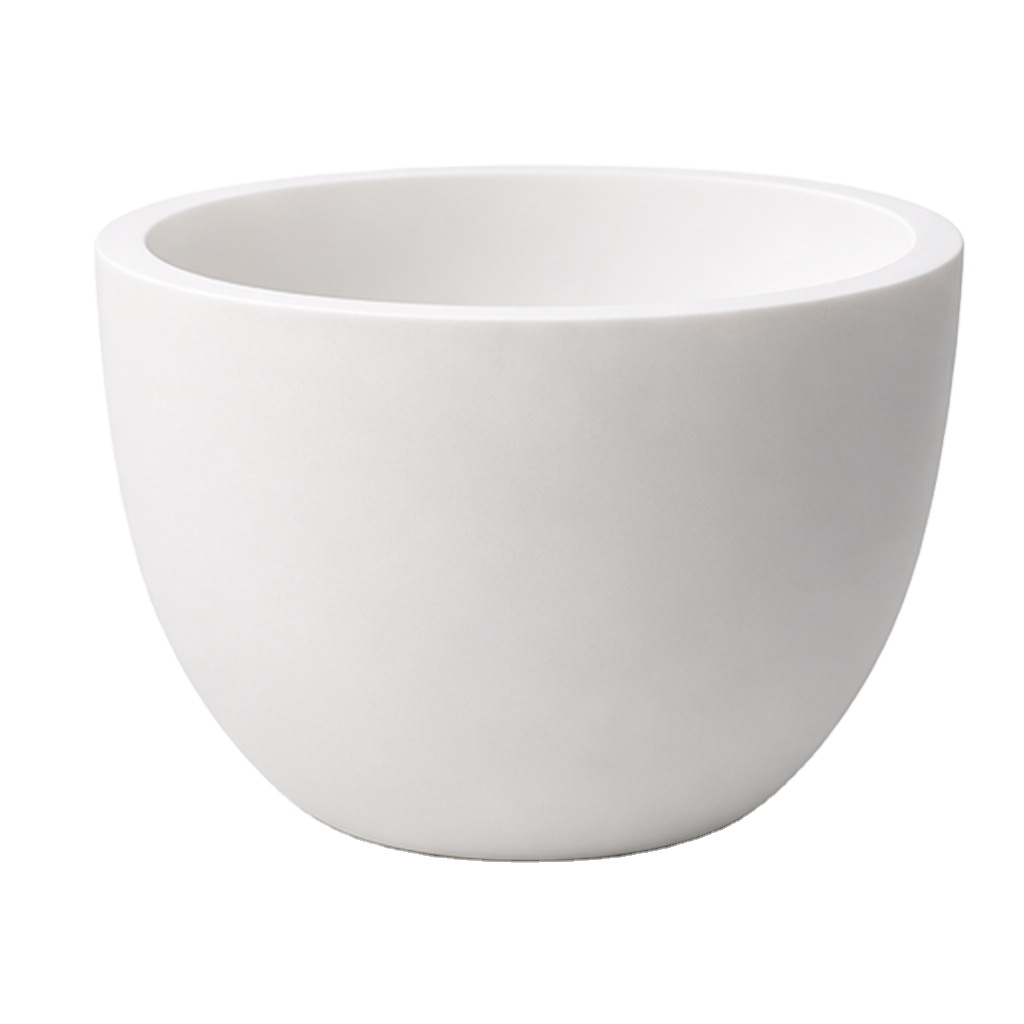
Opaque fused quartz (frequently designated as translucent or milky fused silica) is a highly specialized refractory material synthesized by the rotational arc melting of ultra-pure natural quartz sands (SiO₂ ≥ 99.99%). Unlike optical clear silica, opaque quartz is deliberately engineered to contain an evenly dispersed network of microscopic, closed spherical pores (pore diameters typically spanning 10 μm to 50 μm). This micro-bubble matrix does not compromise structural integrity; rather, it introduces exceptional radiation scattering mechanics crucial for extreme temperature containment.
At operating temperatures exceeding 1200°C, radiant heat transfer dominates conduction and convection. Clear quartz is transparent to near-infrared and mid-infrared wavelengths, permitting uninhibited radiation to pass directly through the vessel walls, resulting in massive furnace heat loss and severe thermal gradients within molten melts. The micro-bubble structure of our opaque crucibles acts as an internal diffuse scattering boundary, increasing apparent emissivity, diffusing localized hotspot irradiance, and ensuring homogenous thermal equilibrium across the melt volume.
Furthermore, opaque quartz crucibles demonstrate an exceptionally low coefficient of thermal expansion (α ≈ 5.5 × 10⁻⁷ K⁻¹ from 20°C to 1000°C). This characteristic delivers virtually unmatched thermal shock resistance: vessels can be repeatedly cycled from ambient room temperature into furnace chambers at 1350°C without catastrophic spalling, delamination, or micro-cracking.
Comprehensive Physical & Chemical Specification Matrix
Quantitative verification standards for our OEM opaque fused quartz crucibles compared with traditional industrial refractories.
| Analytical Parameter | High-Purity Opaque Quartz (Kemzo) | Synthetic Clear Fused Silica | Technical Alumina (99.5% Al₂O₃) | Engineering Impact on Metallurgy |
|---|---|---|---|---|
| Chemical Purity | 99.99% – 99.998% SiO₂ | > 99.9999% SiO₂ | 99.5% Al₂O₃ | Prevents donor/acceptor metallic migration into silicon melts |
| Apparent Bulk Density | 2.05 – 2.18 g/cm³ | 2.20 g/cm³ | 3.90 g/cm³ | Lightweight handling; reduced thermal mass during furnace ramps |
| Continuous Safe Working Temp | 1150 °C | 1100 °C | 1600 °C | Stable operation under sustained Czochralski crystal growth runs |
| Thermal Shock Tolerance | Excellent (1200°C to Water quench) | Outstanding | Poor (ΔT > 200°C risks fracture) | Permits emergency furnace shutdowns and rapid cycle recharging |
| Hydroxyl [OH⁻] Content | < 30 ppm (Dry Arc Process) | < 1 ppm (Plasma) or ~1000 ppm | N/A | Low OH prevents premature high-temp viscosity drop and sagging |
| Thermal Conductivity (at 1000°C) | 1.8 – 2.2 W/(m·K) | 2.6 – 3.1 W/(m·K) | 6.0 – 8.0 W/(m·K) | Internal micro-pores lower radial heat losses by up to 28% |
| Cristobalite Devitrification Onset | > 1180 °C (Alkali Dependent) | > 1250 °C | Phase Stable | Trace Li/Na/K controlled below 1.5 ppm to prolong wall integrity |
OEM Opaque Crucible Recommendations by Industry Application
Selecting the optimal crucible architecture requires balancing chemical compatibility, wall porosity profiles, and mechanical creep resistance under high vacuum or protective gas environments.
Photovoltaic Ingot Pulling (CZ & Casting)
For Monocrystalline (CZ) and Polycrystalline ingot furnaces. Designed with a synthetic bubble-free glazed inner layer (0.5–1.5mm) fused over an opaque bubble-rich thermal barrier outer shell. Inhibits oxygen release into silicon while resisting hours of 1420°C exposure without structural wall slump.
Precious & High-Purity Metal Foundry
Induction and resistance casting crucibles for Gold, Silver, Platinum, and Palladium refining. Non-wetting surface finish reduces molten metal adhesion, while negligible chemical reactivity eliminates melt contamination, ensuring maximum metallurgical assay recovery yields.
Compound Semiconductor & Phosphor Synthesis
Engineered for Gallium Arsenide (GaAs), Indium Phosphide (InP), and rare-earth optical phosphor calcination. Low-alkali formulation prevents trace ionic doping. Available in cylindrical, conical, flat-bottom, and custom flange-lipped geometries to match OEM handling equipment.
Macro Trends Shaping Global Quartz Crucible Procurement (2025–2030)
Global supply chain shifts, next-generation wafer architectures, and geopolitical raw material concentrations are fundamentally transforming procurement strategies for fused quartz crucibles.
1. Upsizing Crucible Diameters for N-Type Silicon (32" to 40"+)
As solar cell manufacturing migrates decisively to N-type TOPCon and Heterojunction (HJT) architectures, silicon ingot lengths have expanded, demanding massive increases in melt charge weights (> 500 kg to 800 kg per batch). Ingot pullers have shifted procurement orders from 28-inch to 32, 36, and even 40-inch diameter crucibles. Larger crucibles must maintain extreme wall thickness uniformity to prevent buckling under prolonged high-temperature hydraulic pressure from the molten silicon charge.
2. Zero-Defect Inner Liner Purity (Synthetic Quartz Co-Fusion)
N-type crystalline silicon is vastly more sensitive to interstitial oxygen and transition metal defects than legacy P-type substrates. Procurement directors are specifying composite crucibles featuring a synthetic inner wall layer produced from chemical precursor tetrachloride compounds (SiCl₄). This synthetic inner veneer maintains metallic impurities below 0.1 ppm, preventing crucible-induced carrier lifetime degradation and premature crystal dislocation during pulling.
3. Raw Sand Geographical Diversification & Donghai Cluster Resilience
With natural high-purity quartz reserves facing tighter ecological controls globally, Donghai County has solidified its standing as the epicenter of advanced beneficiation chemistry and fused quartz manufacturing. Overseas buyers are bypassing trading intermediaries to establish direct OEM master-supply agreements with certified Donghai manufacturers capable of guaranteeing multi-year raw material allocations and transparent lot traceability.
4. Circular Economy & Sustainable Refractory Life Cycles
Procurement teams increasingly assess suppliers based on sustainability metrics and Total Cost of Ownership (TCO). While quartz crucibles undergo irreversible cristobalite transformation in silicon melting, our engineering team assists clients with clean broken crucible recycling protocols, re-processing high-silica cullet into ceramic raw materials, refractory backing sands, and construction-grade composite fillers to reduce industrial waste.
The Technological Roadmap: Overcoming High-Temperature Viscosity & Devitrification
The primary failure mode of quartz crucibles during multi-day furnace runs is devitrification—the spontaneous phase transformation of metastable vitreous silica into crystalline α- and β-cristobalite at temperatures above 1150°C. Cristobalite possesses a distinct density (2.33 g/cm³) compared to fused quartz (2.20 g/cm³), resulting in volumetric shrinkage of approximately 5%. This phase boundary introduces localized mechanical stress, causing inner surface peeling, micro-spalling, and subsequent particulate contamination in the molten bath.
Our OEM manufacturing facility counteracts devitrification kinetics through three proprietary technological innovations:
- Precision Arc-Gas Atmosphere Control: Utilizing vacuum-assisted electric arc rotation melting to evacuate entrapped inter-granular gas, eliminating bubble coalescence on the inner operational wall.
- Doping Surface Inoculation: Controlled nano-doping of devitrification retardants (such as Barium-doped or rare-earth micro-barriers) that induce uniform, microscopic cristobalite growth rather than dendritic cracking, maintaining smooth contact boundaries.
- Ultra-Low Alkali Beneficiation: Reducing total alkali metal content (Na + K + Li) below 1.2 ppm. Because alkali ions act as network modifiers that drastically lower silica activation energy for crystallization, our chemical leaching process dramatically delays the onset of devitrification.
Micro-Bubble Scattering Mechanism
In standard clear quartz, radiant thermal energy travels along direct line-of-sight paths. In our engineered opaque milky quartz, radiant photons encounter tens of thousands of micro-bubble refractive index boundaries per millimeter:
                n(fused silica) ≈ 1.46

                n(bubble gas void) ≈ 1.00

                Reflectance R = [(n1 - n2)/(n1 + n2)]²

                Multiple scattering events → Near-100% diffuse infrared redistribution.
Result: Exceptional furnace insulation efficiency, suppressed convection currents in the melt, and uniform axial temperature profiles across thermal zones.
Why International Procurement Teams Select Kemzo Quartz
Headquartered in Donghai County—China's historic quartz capital—Donghai Kemzo Quartz Products Co., Ltd. has delivered ISO 9001 certified fused quartz precision manufacturing since 2011.
Donghai Epicenter Advantage
Our direct proximity to China's primary natural quartz purification reserves guarantees uninterrupted feedstock security, stable volume pricing, and localized access to three generations of master hot-working glass craftsmen.
ISO 9001 & High-Tech Certified
Operating under strict ISO 9001 quality management guidelines and recognized as a Jiangsu High Technology Enterprise. Every production lot undergoes ICP-MS elemental impurity testing, optical stress polarization, and dimensional CMM inspection.
OEM / ODM Precision to Print
Over 11 years of custom contract fabrication. We manufacture crucibles, flanges, diffusion tubes, and optical flats directly to CAD/SolidWorks blueprints with custom diameters, wall step-downs, bottom radii, and surface textures.
Global Export Infrastructure
Exporting over 70% of total production volume to tier-one industrial clients across North America, Europe, East Asia, and Oceania. We manage multi-currency accounts (USD, EUR, CNY) and full Incoterms flexibility (FOB, CFR, CIF, DDP, EXW).
1-Hour Engineering Turnaround
Our multilingual technical sales engineers typically respond to comprehensive RFQs and drawing feasibility inquiries within 60 minutes, delivering manufacturing design reviews (DFM) and verified pricing models.
Specialized Anti-Shock Packaging
Engineered multilayer crating utilizing high-density custom-molded polyethylene foam, anti-static moisture-barrier film, and reinforced fumigated timber cases engineered for zero breakage via air, ocean, and express intermodal transit.
Factory Quality Assurance Architecture
Our five-stage verification gateway ensures zero-defect delivery from sand calcination to sea-freight release.
01. Raw Material Assay
XRF and ICP-MS testing verifies that transition metals (Fe, Cu, Ni, Cr) remain under 0.05 ppm before entering the fusion furnace.
02. Dynamic Arc Forming
Centrifugal rotation and electric arc plasma parameters are computer-monitored to regulate bubble layer distribution and wall thickness.
03. Annealing & Stress Relief
Programmable thermal annealing ovens relieve internal residual strain, verifying zero birefringence under polarized optical stress scopes.
04. Precision Machining
CNC diamond edge trimming, lip grinding, laser engraving, and ultrasonic cleaning in an ISO Class 7 cleanroom environment.
Frequently Asked Questions on Custom Opaque Quartz Crucibles
Technical guidance direct from our engineering department addressing metallurgical risks, lifespan factors, tolerances, and export shipping protocols.