Precision OEM Assemblies
High-Purity Quartz Hardware & Custom Fabrications
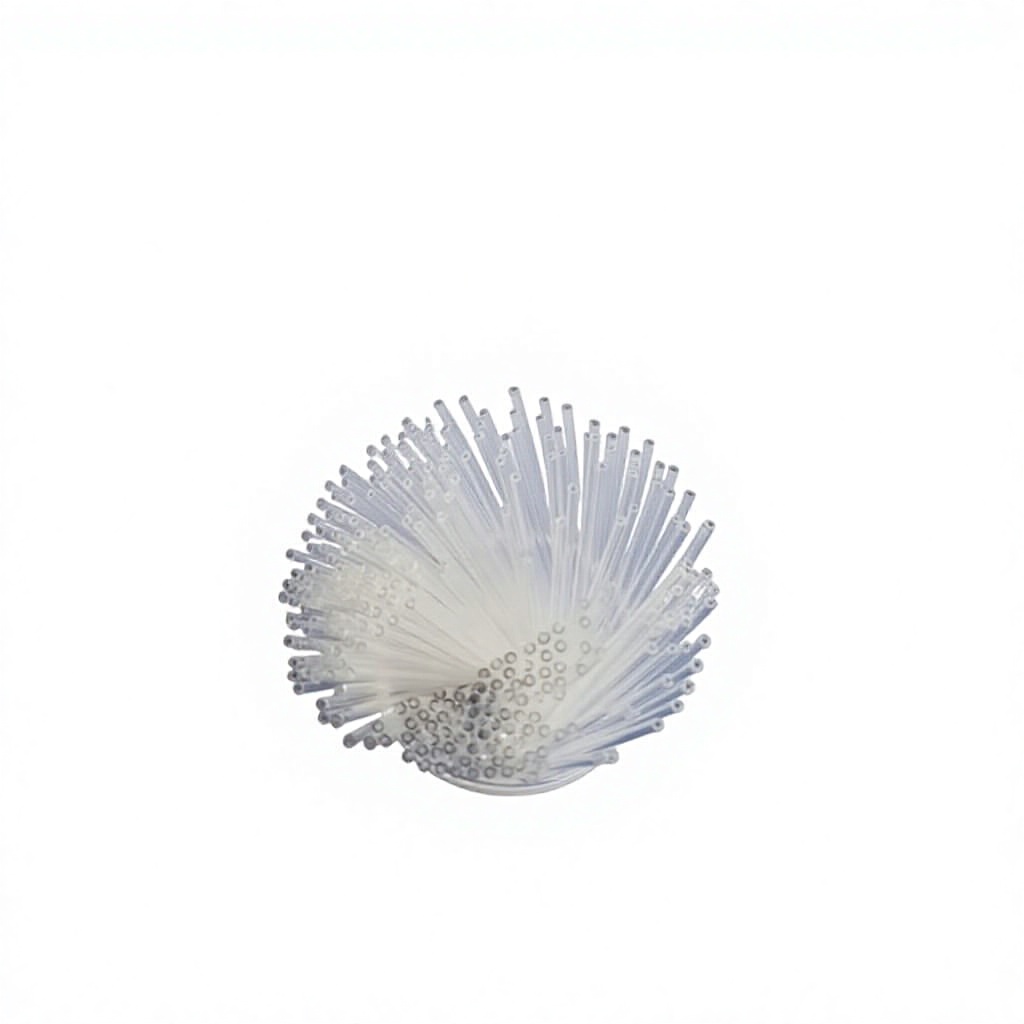
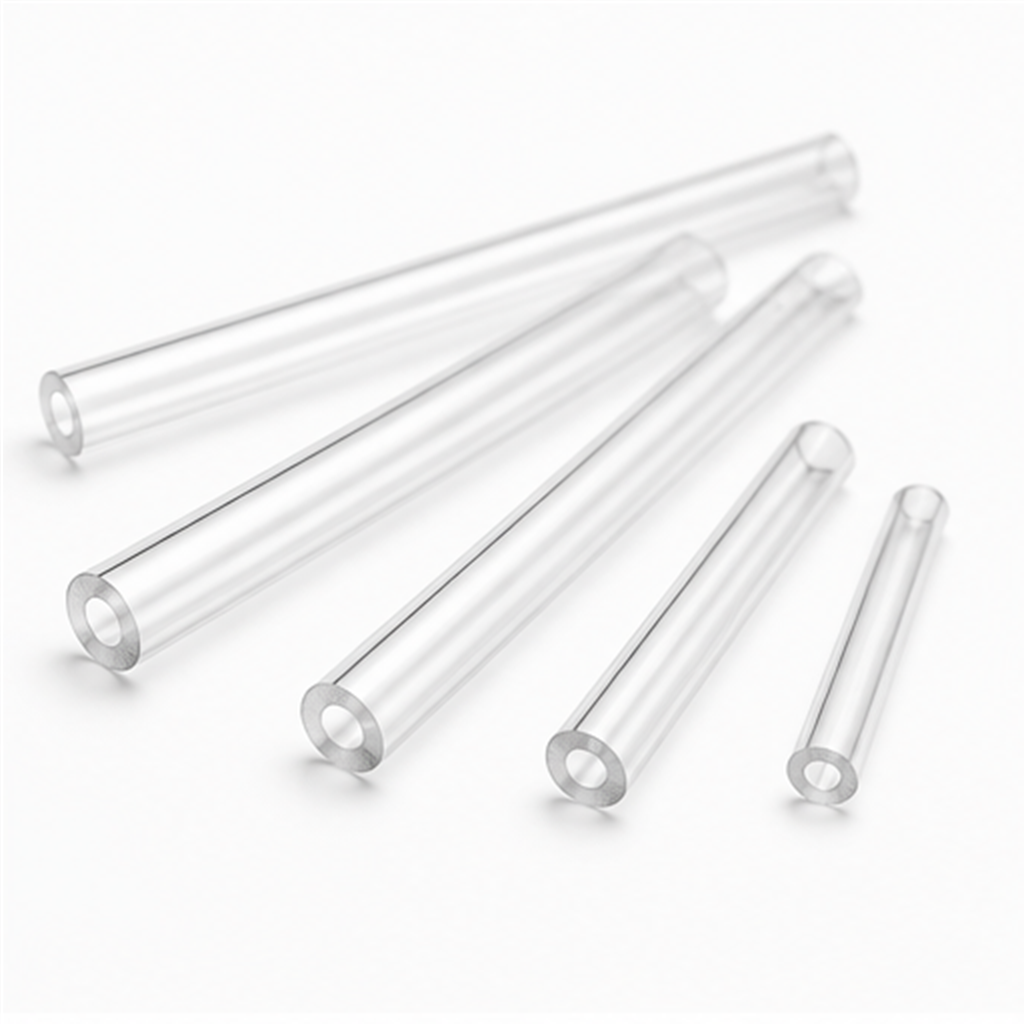
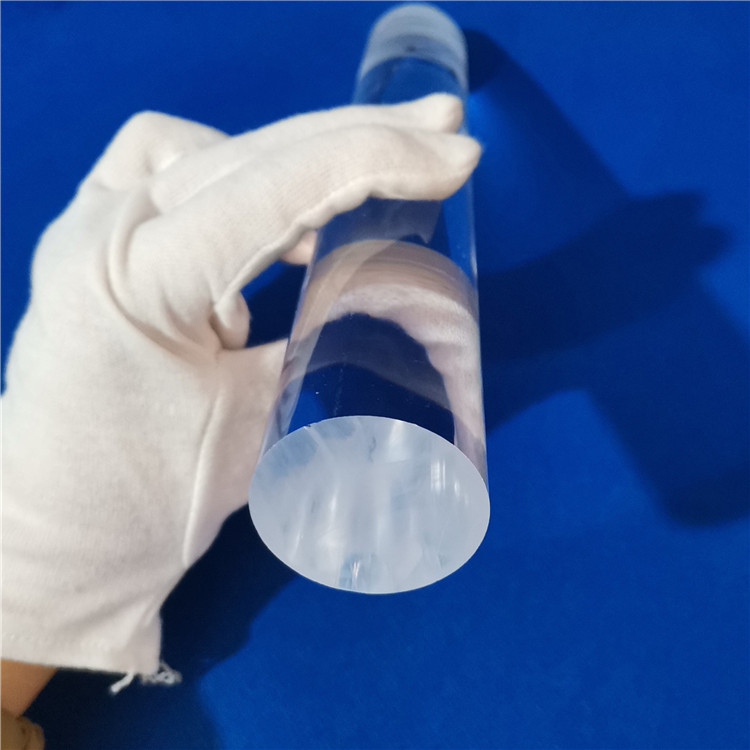
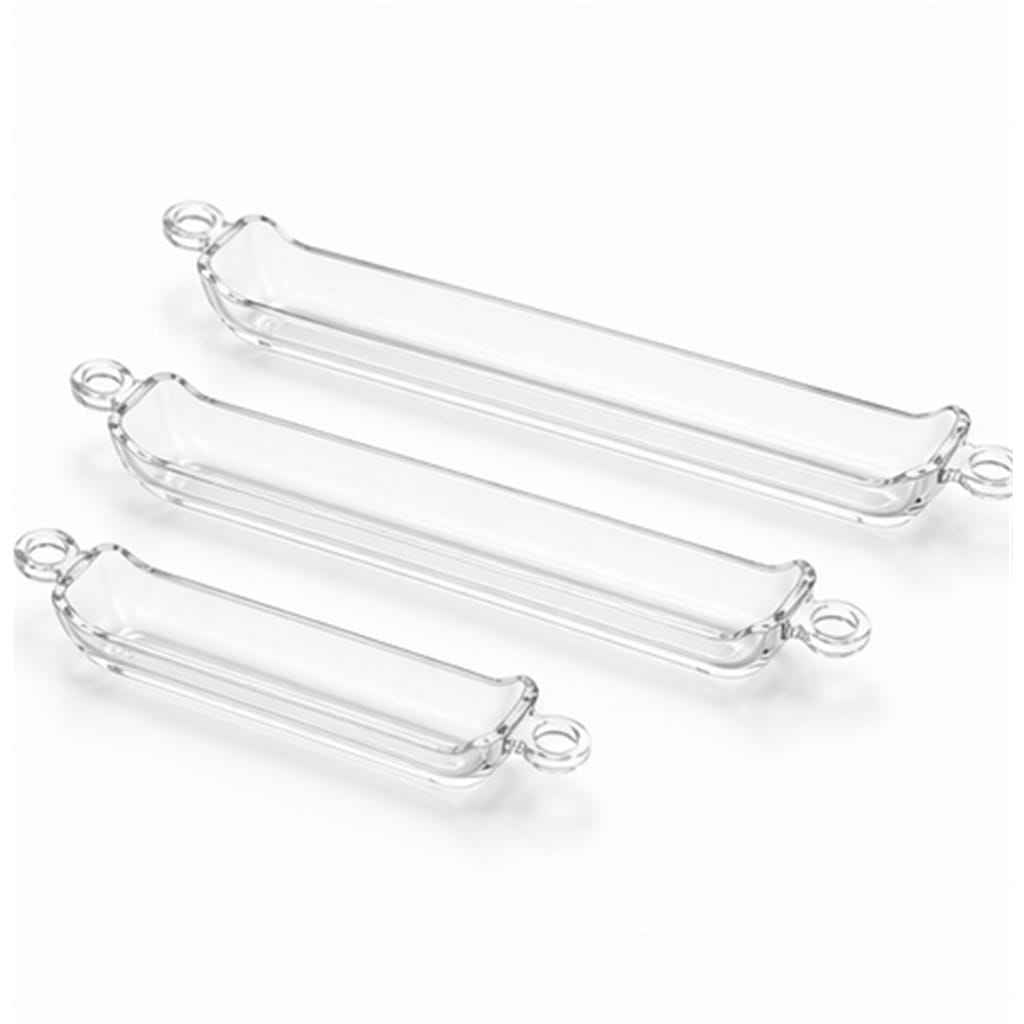
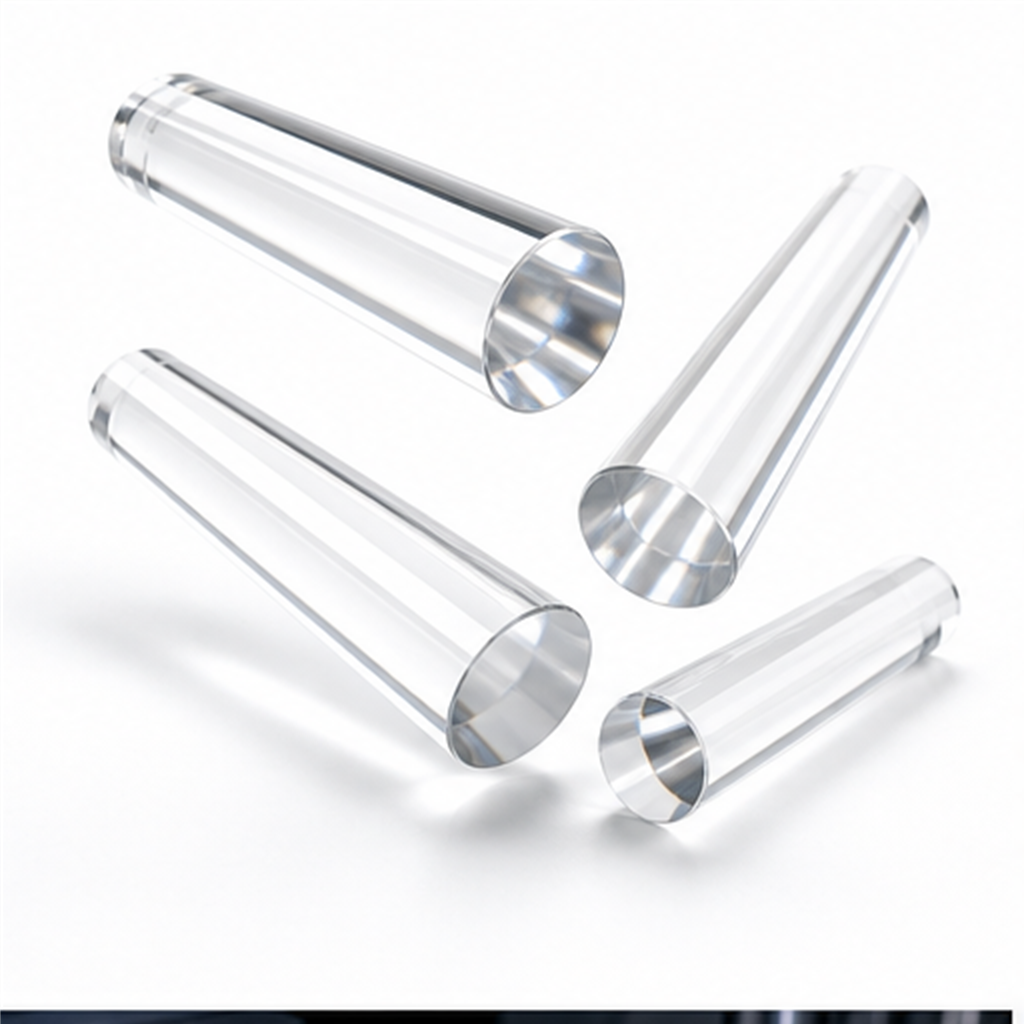
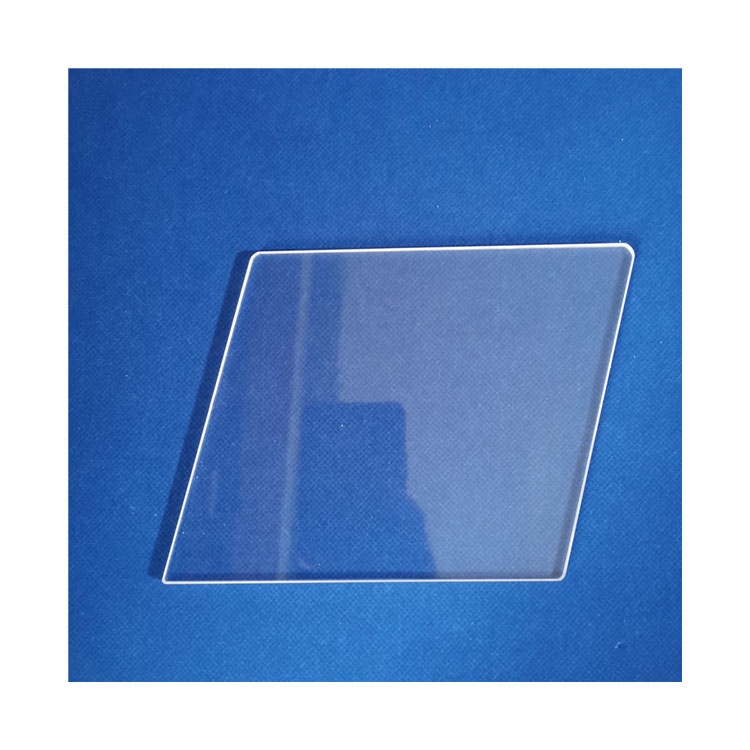
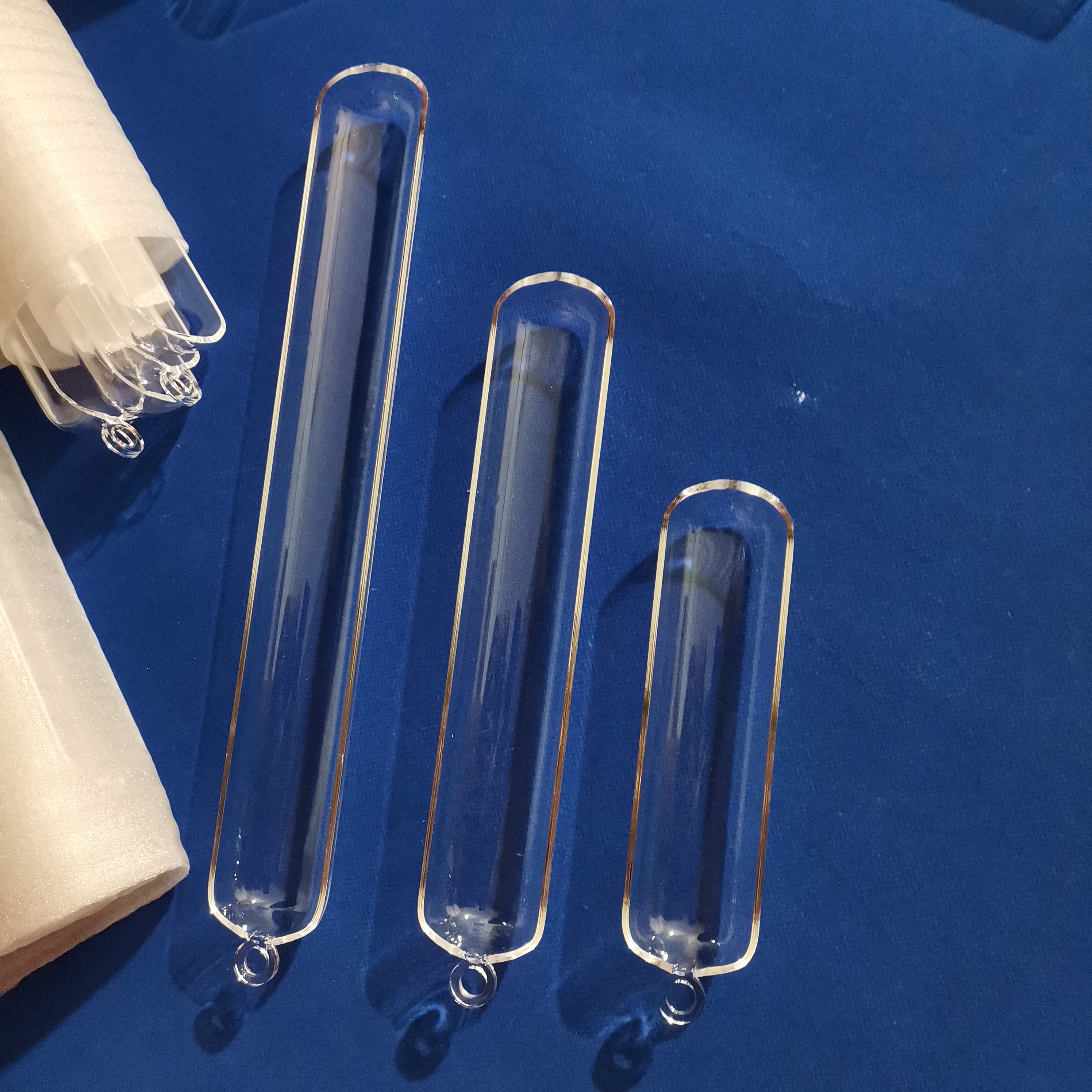
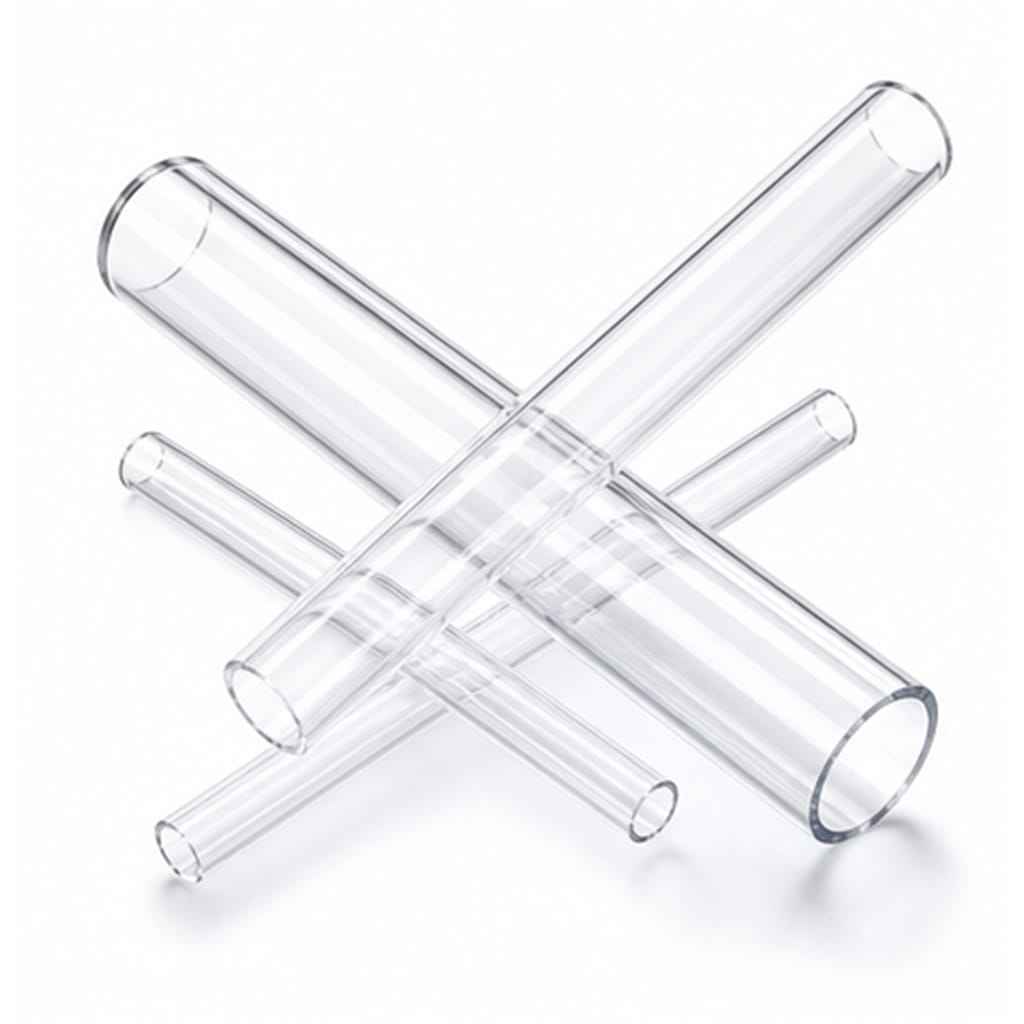
Engineered to drawing in Donghai, China. Explore our high-temperature fused silica solutions including polished capillary twin pipes, analytical combustion vessels, optical rods, square plates, and high-vacuum CVD process tubes.
Technical Whitepaper
Engineering Custom Quartz Flanges for Extreme Environments
In high-vacuum furnaces, semiconductor wafer processing chambers, and corrosive chemical reactors, standard metal or borosilicate connections fail under extreme thermal shock, plasma erosion, or alkali contamination. Fused quartz flanges provide an indispensable, chemically inert seal capable of withstanding operating conditions up to 1100°C continuously.
Hermetic Vacuum Profiles
We manufacture custom ISO-KF (NW16 to NW50), ConFlat (CF knife-edge configurations), and large-diameter bolt-circle flanges. Optical surface lapping provides sealing faces with flatness within 2 to 3 helium light bands (λ/4 per inch), achieving ultra-high vacuum integrity down to 1 × 10⁻¹⁰ mbar·l/s helium leak rates.
Thermal Shock & Devitrification Resistance
With an extremely low coefficient of thermal expansion (5.5 × 10⁻⁷ /°C), fused quartz flanges accommodate rapid thermal cycling between ambient and furnace temperatures without cracking. Controlled manufacturing keeps alkali metals (Na, K, Li) below 1 ppm, suppressing high-temperature cristobalite devitrification during prolonged heating.
Precision 5-Axis CNC Ultrasonic Milling
Brittle silica structures require specialized ultrasonic diamond core drilling and waterjet profiling to eliminate sub-surface micro-fractures. Our factory implements high-speed 5-axis ultrasonic CNC milling centers to maintain bolt-hole pitch true positioning within ±0.05 mm and seal groove parallelism within ±0.02 mm.
Market Intelligence
Future Procurement Trends for Quartz Glass Flanges
Global semiconductor fab expansions, high-purity solar wafer manufacturing, and advanced ALD/CVD technology are driving substantial shifts in technical procurement criteria for quartz glass flange components through 2030.
1. Transition to Sub-ppb Trace Metal Purity
As semiconductor process nodes shrink below 3nm, procurement engineers increasingly reject standard industrial quartz. Specifications now require electrically fused natural quartz or synthetic fused silica with total metallic impurities below 5 ppm, and key contaminants like Fe, Cu, and Ni strictly limited below 0.1 ppm to prevent wafer contamination in high-temperature drive-in processes.
2. Large-Diameter Monolithic Chamber Flanges
Next-generation 300mm and emerging wafer processing chambers demand single-piece quartz flanges exceeding 450 mm to 600 mm in outer diameter. Sourcing strategies are moving away from spliced or flame-joined flange plates toward monolithic forged ingots that maintain structural integrity without thermal joint failure risks.
3. Direct OEM Sourcing to Mitigate Tier-1 Markups
OEM instrument designers and vacuum system integrators are actively bypassing third-party trading intermediaries. By establishing direct contracts with certified quartz glass factories in source regions like Donghai, buyers achieve 25% to 40% cost reductions, lead-time compression from 14 weeks to 3 weeks, and direct engineering access for drawing modifications.
Technology Roadmap
Technological Evolution & Material Advancements
Advanced quartz processing techniques are extending component life cycles and mechanical reliability in corrosive fluorine/chlorine plasma etch conditions and extreme high-temperature atmospheres.
Controlled Hydroxyl (OH) Tuning
Hydroxyl content directly governs quartz viscosity and radiation transmission. New material grades offer hydroxyl-free fused silica (< 2 ppm OH) via vacuum electric melting to minimize infrared absorption and maximize softening points up to 1683°C. Conversely, high-OH synthetic silica (> 1000 ppm OH) is selected for deep ultraviolet (DUV) laser window flanges to inhibit solarization.
Dual Opaque-Clear Composite Flanges
Diffusion and furnace chambers produce massive parasitic thermal radiation that degrades silicone and Viton elastomer seals. Modern quartz flange design fuses an opaque (milky) micro-bubble quartz shield on the furnace side to reflect thermal infrared rays, seamlessly welded to an optically clear, ground-face mounting flange that maintains room-temperature seal integrity.
Laser Stress-Birefringence Annealing
Residual stresses induced during torch welding of quartz flanges to tubes create hidden mechanical failure zones. Modern fabrication utilizes computer-controlled electric lehrs with polarimetric stress inspection. Controlled cooling through the transformation range (1120°C strain point down to 1000°C) ensures residual optical retardation stays under 5 nm/cm, preventing catastrophic operational shattering.
Engineering Specifications
Fused Quartz vs. Alternative Technical Glasses
A comprehensive material property comparison demonstrating why fused silica and transparent quartz remain the primary substrate for high-temperature vacuum flange manufacturing.
| Material Property | High-Purity Fused Quartz | Synthetic Fused Silica (JGS1) | Borosilicate 3.3 Glass | Aluminosilicate Glass |
|---|---|---|---|---|
| Chemical Purity (SiO₂) | ≥ 99.99% | ≥ 99.999% | ≈ 81% | ≈ 60% |
| Continuous Working Temp (°C) | 1100 °C | 1150 °C | 450 °C | 650 °C |
| Maximum Short-Term Temp (°C) | 1450 °C | 1500 °C | 500 °C | 750 °C |
| Thermal Expansion (20–300°C) | 5.5 × 10⁻⁷ /°C | 5.2 × 10⁻⁷ /°C | 33 × 10⁻⁷ /°C | 42 × 10⁻⁷ /°C |
| Softening Point (°C) | 1683 °C | 1710 °C | 820 °C | 910 °C |
| Annealing Point (°C) | 1215 °C | 1240 °C | 560 °C | 710 °C |
| Acid Resistance (except HF & H₃PO₄) | Class 1 (Superior) | Class 1 (Superior) | Class 1 | Class 2 |
| Helium Permeability Rate | Extremely Low | Ultra-Low | Moderate | Moderate |
OEM & ODM Manufacturing
Donghai Kemzo Quartz Products Co., Ltd.
Founded in 2011 and based in Donghai County, Lianyungang – widely recognized as China's crystal and quartz capital – we leverage deep local natural quartz deposits and advanced processing infrastructure to supply high-performance fused quartz tubes, crucibles, plates, rods, and custom OEM flanges globally.
Operating under an ISO 9001 certified quality management system and recognized as a Jiangsu High Technology Enterprise, we provide end-to-end engineering support from CAD drawing review to precision diamond CNC machining, optical lapping, fire-polishing, and cleanroom vacuum packaging.
- 11+ Years of OEM/ODM Experience: Custom machining strictly according to customer mechanical blueprints and technical drawings.
- Fast Engineering Feasibility: 100% inquiry response rate, with quotation and DFM feedback provided within 1 hour.
- Complete In-House Testing: Optical coordinate measuring machines (CMM), surface profilometers, laser flatness interferometry, and leak verification.
- Global Export Logistics: Over 70% of output exported across North America, Europe, East Asia, and Oceania with custom export crating.
10+
Active Production Lines
70%+
Export Allocation
±0.02
Machining Tolerance (mm)
≤ 1h
Average Response Time
Buyer Knowledge Base
Frequently Asked Questions on Quartz Flange Procurement
Comprehensive technical guidance addressing dimensional tolerances, vacuum seal selection, bolt-tightening procedures, and international freight packaging for fragile precision quartzware.
How do you prevent brittle cracking when torquing bolts through quartz glass flanges?
Because fused quartz lacks the ductility of metals, localized stress concentrations around bolt holes will cause immediate brittle fracture. Best practices include using split-ring stainless steel or aluminum backing collars (flange retainers) that distribute clamping loads evenly. Additionally, high-temperature elastomeric or fluoropolymer cushioning washers (such as virgin PTFE, PEEK, or graphite-filled polyimide) must be placed between the bolt head/washer and the quartz glass face. Torque should be applied cross-wise in incremental 10% steps using a calibrated torque wrench, rarely exceeding 3 to 5 Nm depending on flange thickness and O-ring durometer.
What dimensional tolerances can your CNC quartz machining line maintain?
Using precision 5-axis ultrasonic CNC grinding centers and diamond tooling, we routinely achieve outer diameter (OD) and inner diameter (ID) tolerances of ±0.05 mm (±0.002 inches) on standard runs, and up to ±0.02 mm upon request for tight-tolerance semiconductor fixtures. For vacuum sealing surfaces, optical lapping achieves surface flatness within ≤ 2 to 3 helium light fringes (λ/4 per inch) and surface roughness of Ra ≤ 0.2 μm to ensure hermetic vacuum sealing against fluoroelastomer O-rings.
What is the functional difference between clear and opaque (milky) quartz flanges?
Clear transparent fused quartz is melted to eliminate micro-bubbles, providing maximum optical clarity, low trace metal content, and superior resistance to chemical attack, making it the choice for process viewports and semiconductor furnace tubes. Opaque (milky) quartz contains millions of microscopic, uniformly dispersed gas bubbles that scatter infrared radiation. Opaque quartz flanges serve primarily as thermal radiation shields and thermal insulators, reducing heat dissipation toward peripheral metal flanges and cooling water circuits.
How does Kemzo Quartz package large-diameter quartz flanges for secure air and ocean transit?
Fragile quartz components are packed using custom shock-absorbing engineering. Flange faces and ground sealing surfaces are wrapped with static-dissipative polyethylene film, placed inside custom-machined high-density EPE foam cavities, and sealed within inner corrugated boxes. For international ocean and air freight, these units are packed into heavy-duty fumigated wooden crates lined with moisture barriers and shock-absorbing isolation foam, supplemented with Tip-N-Tell and Drop-N-Tell indicator labels to ensure verifiable handling throughout transit.
Can you weld custom quartz flanges onto existing process tubes or customer-supplied designs?
Yes. We possess comprehensive hydrogen-oxygen glass lathe welding facilities. We routinely weld custom-ground KF, CF, or circular bolt-circle flanges directly onto process tubes, diffusion chambers, reaction vessels, or condenser bodies. Following all flame-welding procedures, assemblies undergo a complete annealing cycle at 1215°C in our computer-controlled lehrs to eliminate internal thermal stresses, verified via polarimetric birefringence inspection before shipment.
What information is required to receive an engineering quote and DFM review?
To provide a precise quotation within one hour, please provide: (1) A dimensional 2D engineering drawing (PDF/DWG/DXF) or 3D CAD model (STEP/IGES) specifying OD, ID, bolt-circle PCD, and hole diameters; (2) The required quartz grade (standard transparent fused quartz, synthetic fused silica JGS1, or opaque quartz); (3) Working temperature and pressure/vacuum level; and (4) Prototype or production order quantities.