Specialized Fused Quartz Series & Critical Components
Alongside custom OEM quartz wool matrices, our integrated Donghai manufacturing facility supplies certified high-purity quartz consumables engineered for semiconductor furnaces, UV analysis, and microfluidics.
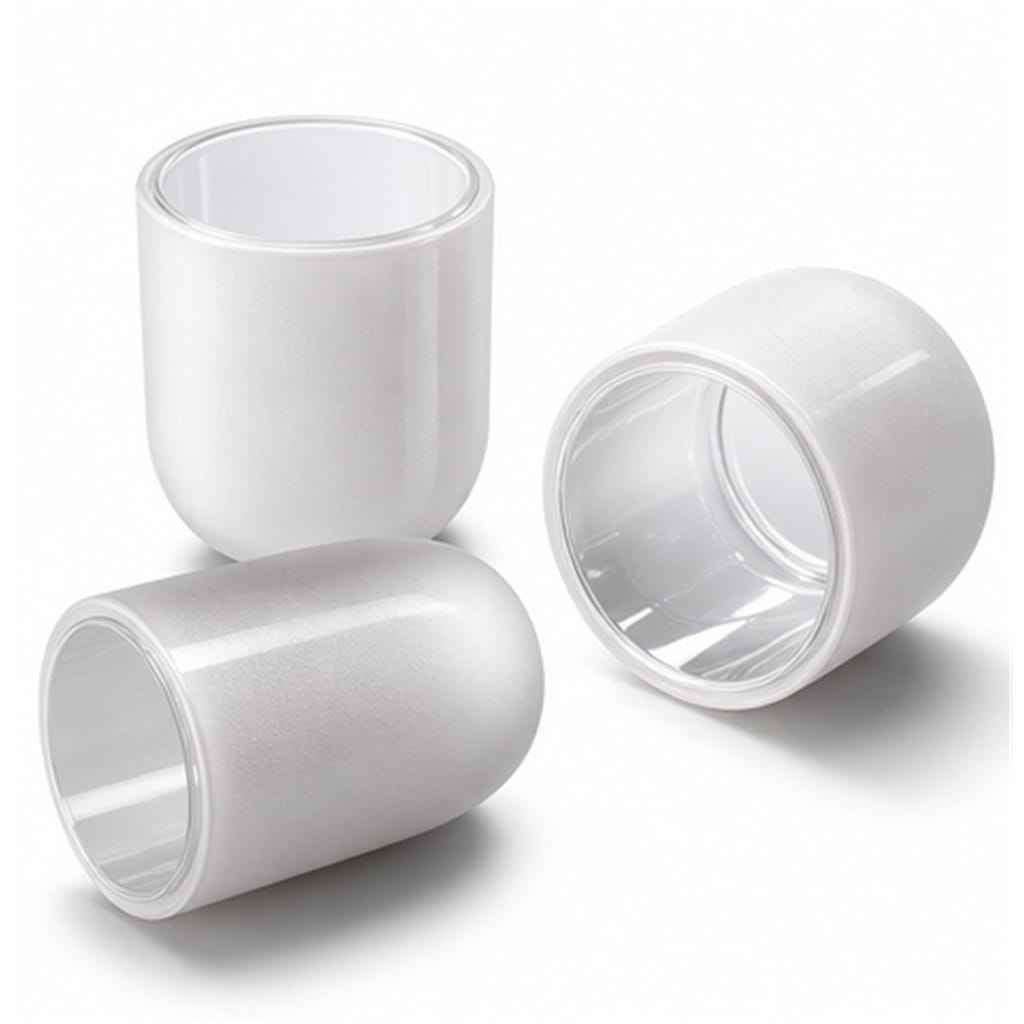
4-Inch US Quartz Sand Fused Crucibles with Fire-Polished Rim
- Raw Material: High-purity natural silica sand
- Operational Limit: Continuous 1100°C / Peak 1450°C
- Surface Finish: Fire-polished rim, zero micro-cracks
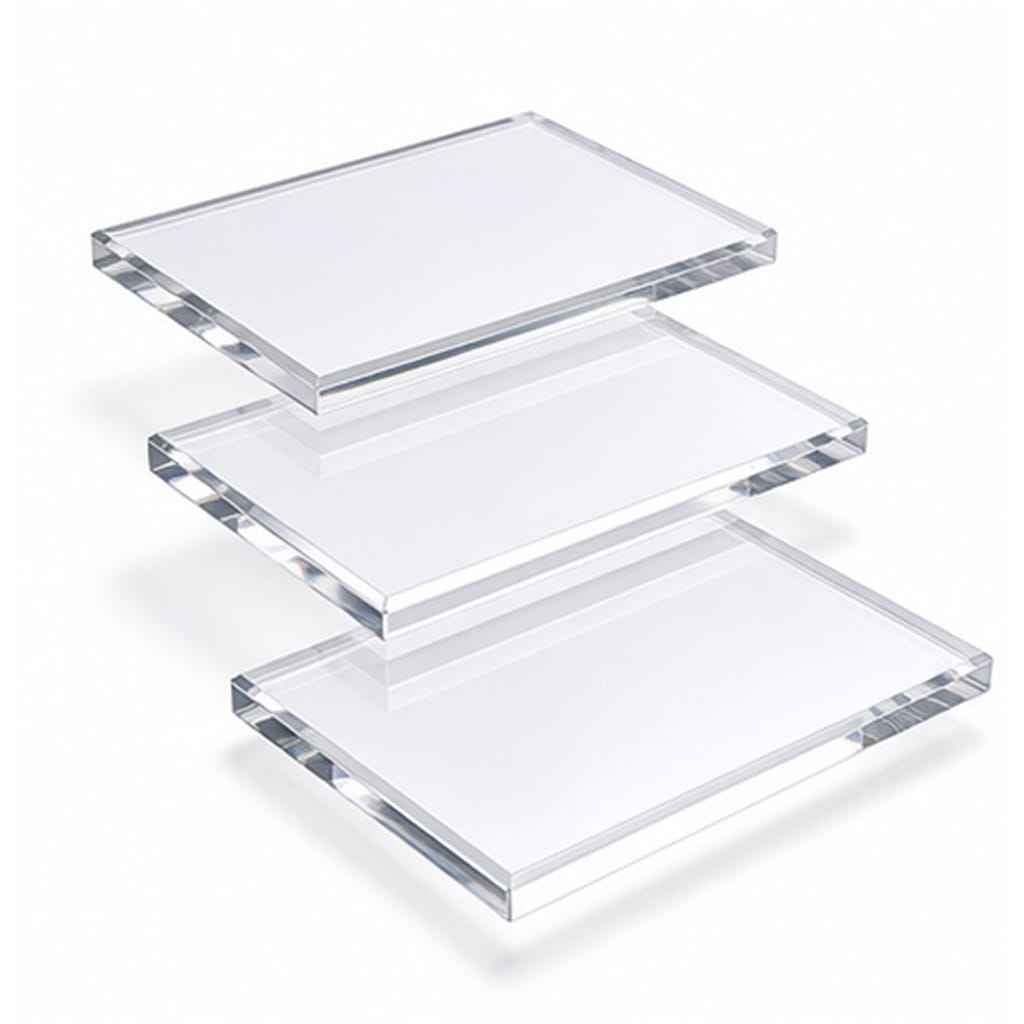
Precision Optical Fused-Quartz Square Plates Chamfered Edges
- Application: Semiconductor photomask substrates
- Surface Flatness: < λ/4 per 100mm² aperture
- Edge Finish: CNC 45-degree safety chamfering
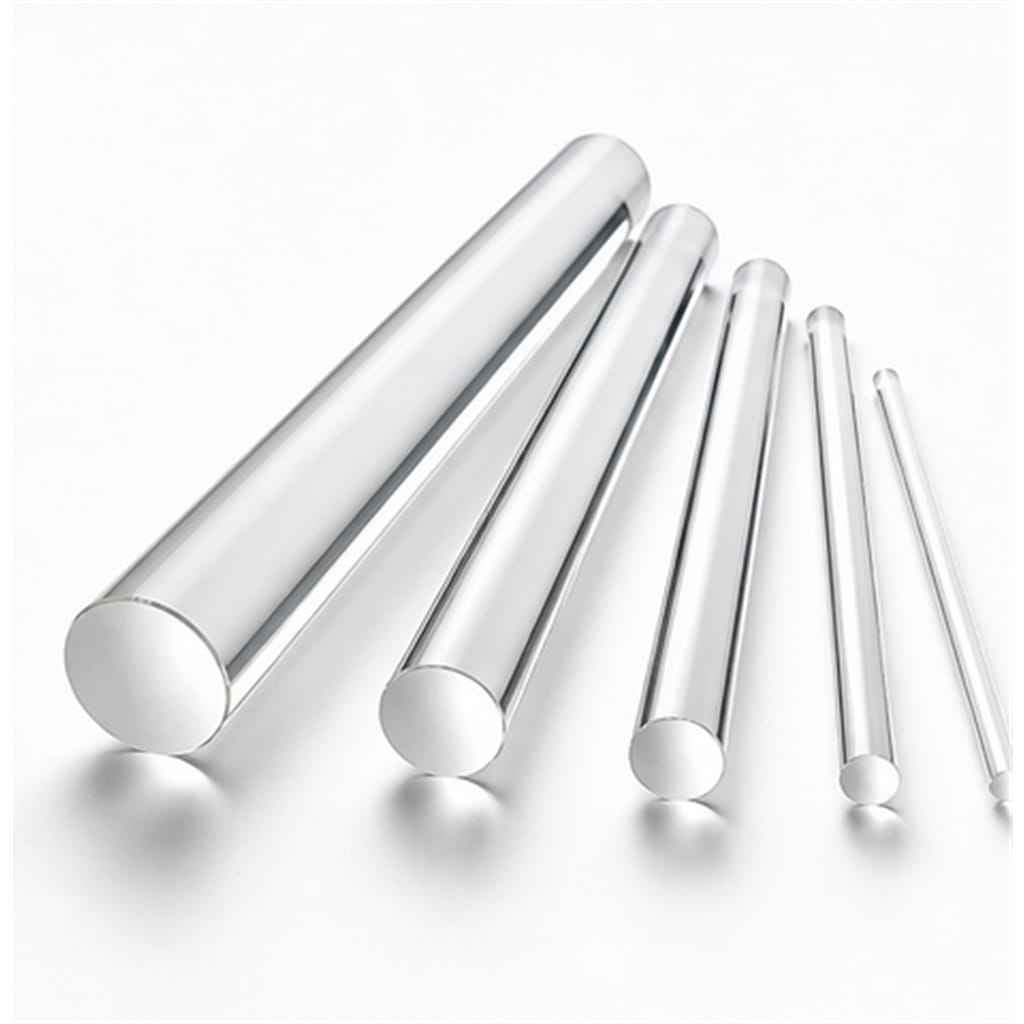
Solid Fused-Quartz Cylindrical Rods with 90° Flat-Cut Ends
- Function: High-efficiency optical laser wave-guiding
- End Face Tolerance: 90° ±0.05° orthogonal precision
- Internal Quality: Class A bubble-free core structure
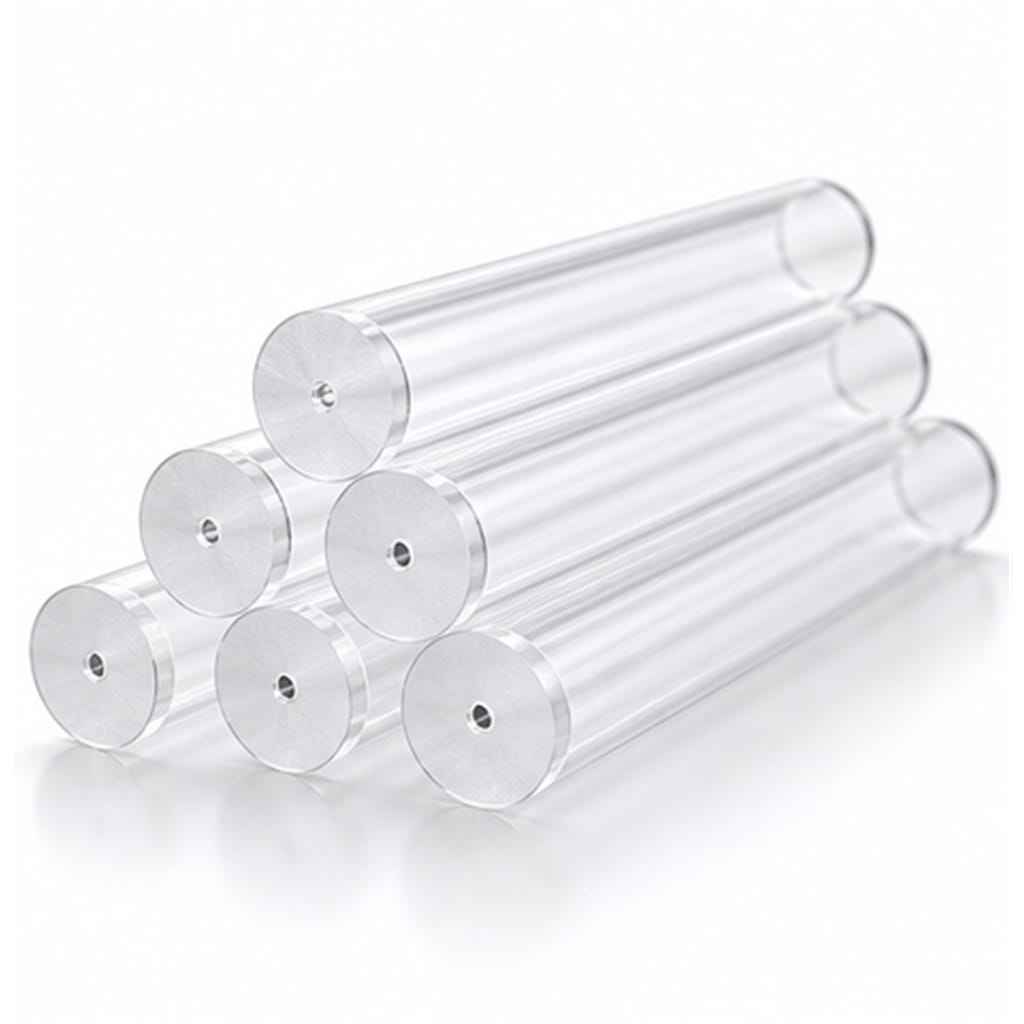
Capillary Micro-Bore Fused-Quartz Tubes for GC & Microfluidics
- Bore Precision: Tolerances held to ±0.005 mm
- Chemical Inertness: Hydrophobic inner bore passivation
- Usage: Gas chromatography analytical columns
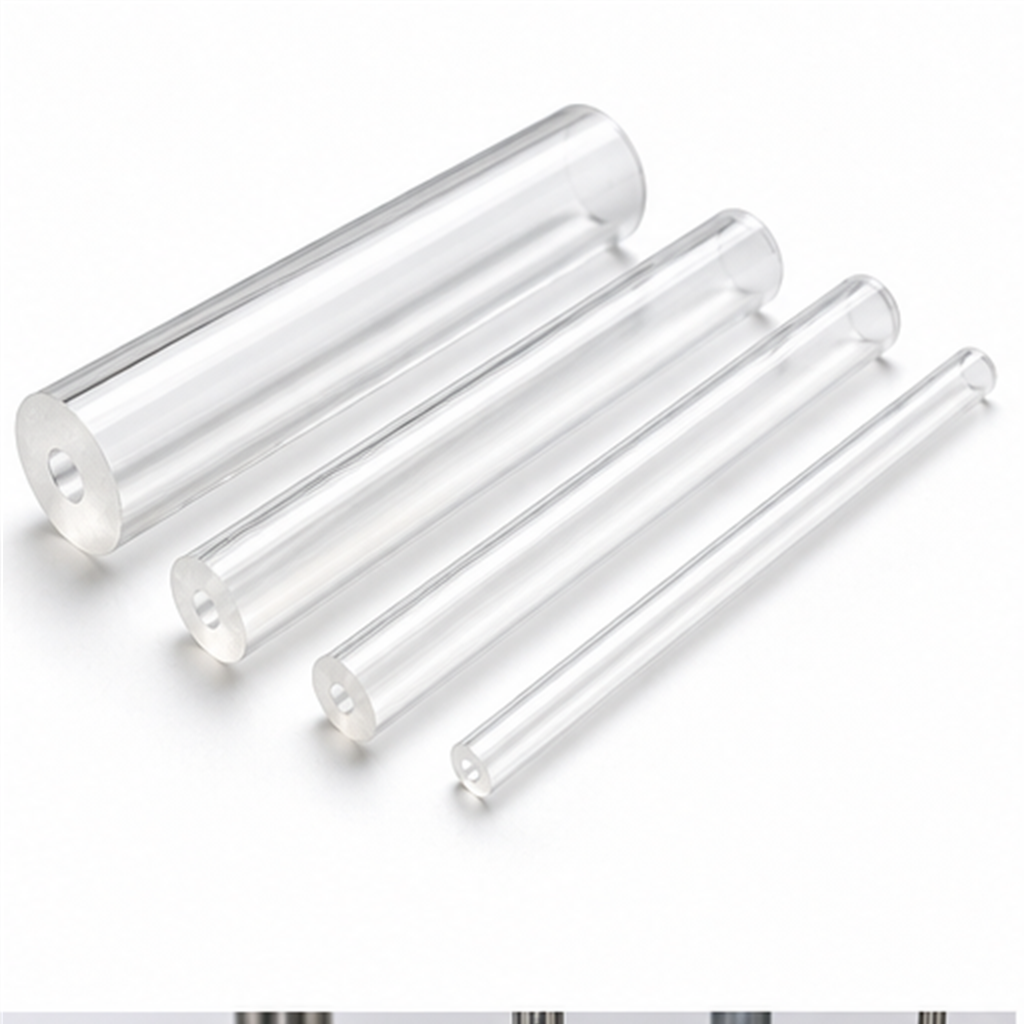
High Purity Heavy Wall Small Bore Quartz Glass Tube
- Design: Reinforced wall thickness for hydraulic stress
- Ends: Orthogonally flat-cut, unpolished/fire-glazed
- Pressure Threshold: Hydrostatic tested over 5.0 MPa
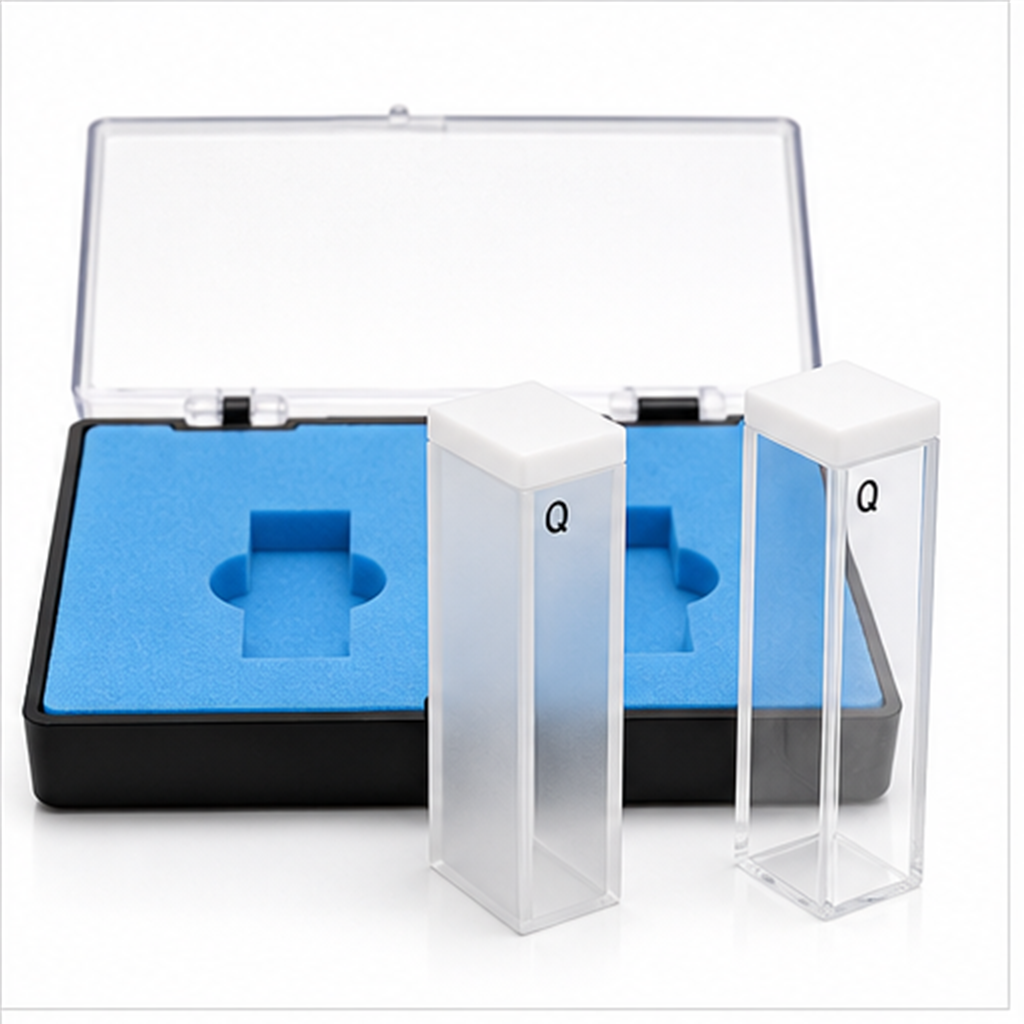
Standard 2 & 4-Window UV Quartz Cuvettes with Black Q Mark
- Spectral Range: 190 nm to 2500 nm UV-Vis-NIR
- Bonding Technology: Ultra-high temperature fused bond
- Packaging: Anti-shock customized blue casing
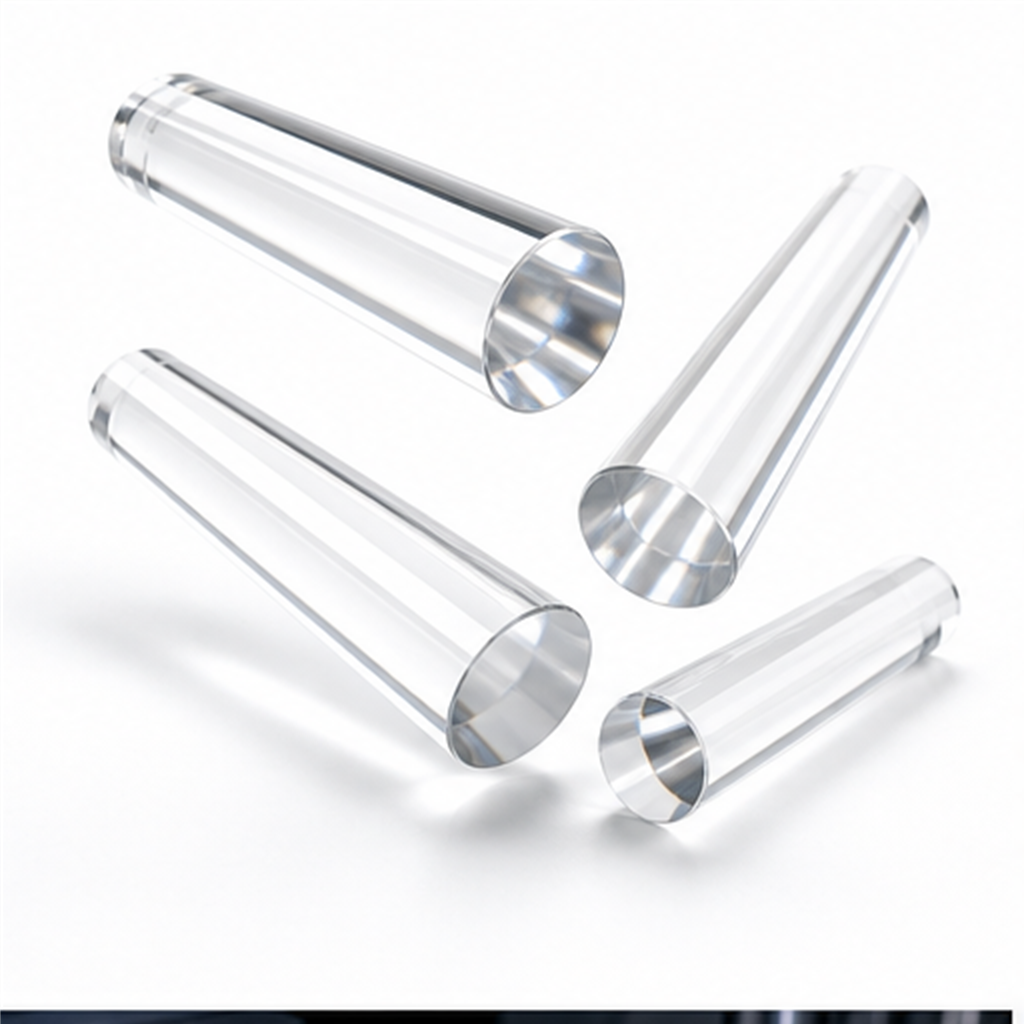
High Purity Solid Optical Clear Fused Quartz Glass Rod
- Material Grade: JGS1 / JGS2 optical fused silica
- OH Content: Controlled below 5 ppm (low-OH)
- Application: Semiconductor wafer carriers & optics

Optical Fused-Quartz Cuvettes with Sealing PTFE Lids
- Sealing: Acid/alkali proof chemically inert PTFE
- Path Length: Standard 10 mm ±0.01 mm precision
- Transmission: Surpassing 83% at 200 nm deep UV
High-Purity Quartz Glass Wool: Material Fundamentals and Industrial Synthesis
In ultra-high temperature, corrosive, and contamination-sensitive thermal processing, conventional ceramic blankets and standard borosilicate mineral wools present catastrophic failure modes. These include devitrification, alkali vapor leaching, and fiber embrittlement at temperatures exceeding 800°C. Custom OEM quartz glass wool (fused silica wool) addresses these challenges. Engineered with an amorphous silicon dioxide (SiO₂) content ranging from 99.9% to 99.99%, quartz wool consists of randomly oriented, continuous microscopic fibers (typically ranging from 1 to 9 microns in diameter) that create a flexible, low-density thermal and catalytic barrier.
At our Donghai Kemzo production facility, quartz glass wool is manufactured through direct thermal drawing and precision flame-attenuation processes utilizing select Donghai natural crystal sands or synthetic silica precursor feeds. Unlike common glass wool that incorporates fluxing agents like boron oxide, soda, or alumina to reduce melt temperatures, fused quartz wool contains virtually no fluxing oxides. This pure single-component oxide structure exhibits an exceptionally low coefficient of thermal expansion (5.5 × 10⁻⁷ /°C from 20°C to 300°C), making it virtually immune to thermal shock. It can transition instantaneously from an 1100°C furnace environment into ambient room conditions without mechanical fracturing or loss of tensile resiliency.
"The structural advantage of fused quartz wool lies in its lack of crystalline boundary slip. Because the glass phase is composed strictly of three-dimensional corner-sharing [SiO₄] tetrahedra, our wool maintains structural integrity and elasticity under vacuum, extreme reducing atmospheres, and exposure to concentrated boiling acids (with the exception of HF and hot concentrated phosphoric acid)."
Micro-Porosity, Gas Chromatography Filtration, and Catalyst Substrates
Beyond pure high-temperature insulation, OEM quartz wool functions as a mission-critical matrix across analytical instruments, petrochemical reform beds, and microfluidics. When tightly packed into quartz capillary injection ports or reactor tubes, the unoriented fiber mesh generates a torture-path filtration system that traps sub-micron particulate aerosols without inducing flow constriction or column pressure drop.
Crucially for gas chromatography (GC) and elemental spectrometry, our quartz glass wool is acid-washed in high-purity nitric acid and thermally de-hydroxylated at our factory. This process eliminates active silanol groups (Si-OH) on the fiber surface. In untreated fibers, active hydroxyl sites cause the catalytic decomposition of sensitive analytical compounds, resulting in tailing chromatographic peaks and skewed quantification. Kemzo’s deactivated quartz wool grades guarantee baseline baseline stability and near-zero analytical background noise.
Thermal Devitrification Mechanics at 1100°C and Phase Boundary Stability
A key metric when auditing custom OEM quartz wool factories is their capability to manage devitrification kinetics. Although quartz wool remains amorphous at ambient and intermediate temperatures, prolonged thermal exposure above 1150°C provides sufficient kinetic energy for amorphous silica to nucleate into crystalline cristobalite. Cristobalite undergoes a displacive α-to-β inversion during cooling cycles at approximately 220°C to 270°C, accompanied by a sudden volumetric shrinkage of nearly 2.8%. This volumetric shift can shatter fiber networks into brittle dust.
Donghai Kemzo limits this failure mechanism by strictly keeping trace alkali metals (such as Na, K, and Li) below 1.5 parts per million (ppm). Because alkali metal ions act as catalytic nucleating agents that trigger premature cristobalite crystallization, our ultra-purified quartz wool exhibits remarkable resistance to crystallization, maintaining fibrous flexibility over hundreds of thermal cycles in cleanroom furnace tubes.
High-Temperature Fiber Comparative Benchmark
Objective engineering evaluation comparing High-Purity Fused Quartz Wool against alternative industrial fiber insulation materials.
| Performance Parameter | Kemzo Fused Quartz Wool | Aluminosilicate Ceramic Fiber | High-Silica Leached Wool | Standard E-Glass Wool |
|---|---|---|---|---|
| Primary Composition | Amorphous Fused SiO₂ (>99.9%) | Al₂O₃ · SiO₂ (45%–55% Al₂O₃) | Leached SiO₂ (96%–98%) | Aluminoborosilicate Glass |
| Continuous Service Limit | 1100°C (Stable amorphous) | 1260°C (Crystallized mullite) | 900°C – 1000°C | 500°C – 550°C |
| Thermal Shock Resilience | Immune (ΔT > 1100°C drop) | Moderate to Fair | Good | Poor (Prone to cracking) |
| Alkali Contamination Leaching | Virtually Zero (<1.5 ppm) | High (Contains residual flux) | Moderate (Na/K trace >50 ppm) | Severe (High alkali emissions) |
| Thermal Conductivity (800°C) | 0.14 – 0.17 W/(m·K) | 0.18 – 0.22 W/(m·K) | 0.19 – 0.24 W/(m·K) | Decomposes / Melts |
| Health & Inhalation Safety | Bio-soluble or non-respirable grades | Refractory Ceramic Fiber (RCF) risks | Respirable dust generated | Standard glass wool handling |
| Acid & Moisture Corrosion | Chemically inert to boiling acids | Degraded by wet acid vapors | Moderate structural leaching | Damaged by acid environments |
Why Global Tier-1 Buyers Partner with Kemzo
Integrating raw material dominance, advanced mechanical annealing, and international trade infrastructure to deliver dependable fused quartz solutions.
Donghai Silicon Reserve
Located directly within Donghai County—known globally as the crystal capital—we have direct control over high-purity natural silica sand sourcing. This geographic proximity protects our supply chains and guarantees batch-to-batch chemical purity.
Continuous Annealing Tech
Equipped with 10+ active drawing and processing lines, our facilities utilize computer-controlled annealing lehrs to eliminate internal stresses. This reduces the risk of thermal fracturing in downstream semiconductor tube furnaces and light guides.
OEM to Exact Drawing
Over 11 years of OEM/ODM leadership serving precision-focused clients across North America, Europe, and Asia. Send us your CAD, STEP, or PDF drawing for rapid engineering validation and custom flame-worked prototypes.
Zero-Breakage Packaging
Exporting 70% to 80% of our production volume across 7 Incoterms (FOB, CFR, CIF, EXW, DDU, DAF, Express). Each component and fiber order is protected using vacuum seal packs and multi-layered impact-absorbing wooden export crates.
Future Procurement & Technological Trends
Navigating technological shifts and emerging procurement mandates shaping the high-purity quartz and silica fiber landscape through 2030.
Sub-PPM Trace Metallic Specifications for Semiconductor Nodes
As sub-3nm fabrication lines and advanced atomic layer deposition (ALD) systems expand worldwide, standard 99.9% quartz materials are no longer sufficient. Global semiconductor fabs require ultra-trace analysis testing via Inductively Coupled Plasma Mass Spectrometry (ICP-MS), driving demand toward synthetic silica wool and customized quartz vessels with total metallic impurities below 0.1 ppm.
Pre-Formed, Binderless Quartz Wool Insulation Blankets
The procurement market is shifting away from loose, bulk-packed quartz fiber wool toward pre-compressed, die-cut binderless quartz fleece pads. Conventional binders burn off at high temperatures, causing unwanted outgassing in vacuum furnaces. The market increasingly demands mechanically hydro-entangled quartz felt that eliminates organic binders entirely.
Aerospace Thermal Heat Shields and Hydrogen Catalyst Carriers
With the rapid growth of commercial space flight, hypersonics, and green hydrogen pyrolysis, high-purity quartz wool matrices are replacing ceramic refractory blankets. Fused silica’s thermal stability and electromagnetic transparency make it ideal for microwave plasma reactors and RF-transparent thermal protection systems.
Frequently Asked Questions for Sourcing & Procurement
Key insights addressing material verification, thermal thresholds, drawing tolerances, and global shipping logistics.
What distinguishes fused quartz glass wool from standard fiberglass or ceramic fiber?
▼
Can you produce custom quartz tubes, crucibles, and wool to custom drawings?
▼
What is the continuous operating and softening temperature of your quartz components?
▼
What fiber diameter variations and packing densities are available for quartz wool?
▼
How do you protect fragile quartz glassware and wool products during international export?
▼
What international trade terms and payment mechanisms do you accept?
▼
How does your quality management system ensure dimensional tolerances and low trace impurities?
▼
What is the typical inquiry response time and prototype production lead time?
▼
Accelerate Your Fused Quartz Procurement with Verified Factory Direct Support
Whether you require bulk quartz glass wool for high-temperature furnace packing, custom optical plates, or precision semiconductor quartz tubes, our Donghai engineering team provides immediate technical reviews, CAD validation, and quotes.