Core OEM Quartz Heating, Semiconductor & Process Solutions
Manufactured in our Donghai production base from high-purity natural silica sand, our fused quartz tubes, optical plates, process chambers, and crucibles are configured to exact customer drawings with micron-level tolerances.
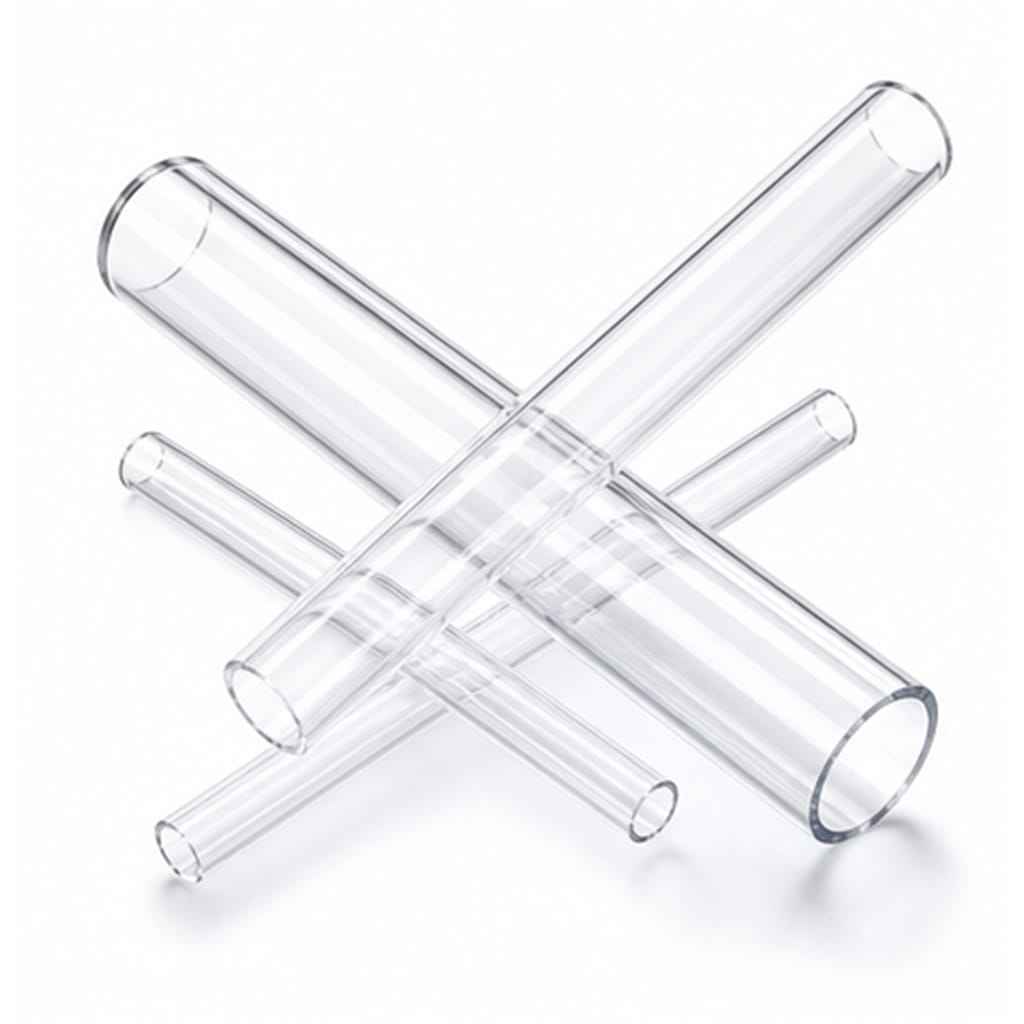 Vacuum CVD
Precision Flat-Cut Fused-Quartz Straight Process Tubes with 90-Degree Squared Ends for Vacuum CVD Chambers
Ultra-low thermal expansion quartz furnace tubes engineered for semiconductor diffusion, chemical vapor deposition, and high-temperature vacuum sintering environments up to 1450°C peak.
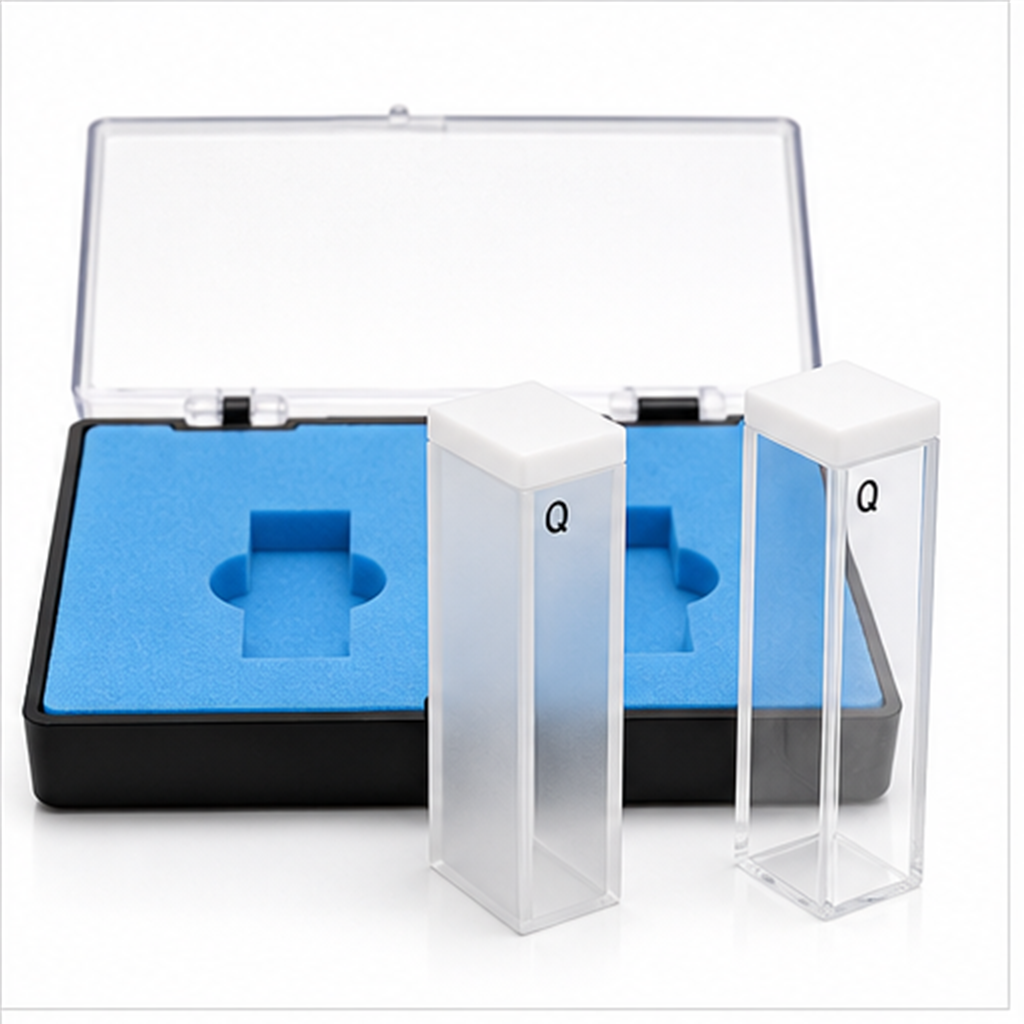 Spectrophotometry
Standard 2-Window and 4-Window UV Quartz Cuvettes with Black Q Mark in Blue Foam Case
Precision flame-fused optical cuvettes with transmission down to 190 nm, offering low autofluorescence and zero thermal strain for sensitive chemical and biochemical analytical systems.
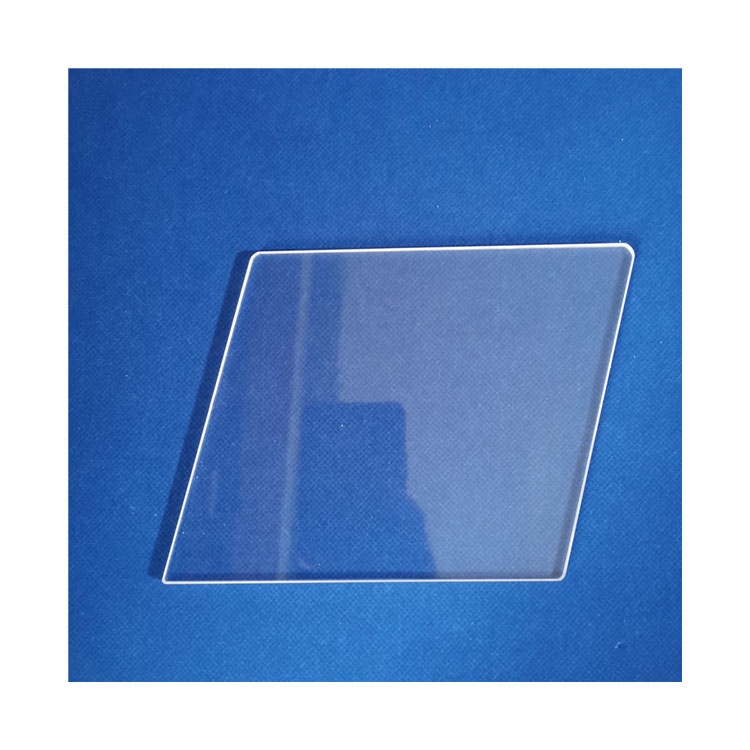 Optics & Semi
Clear Fused Silica Quartz Glass Plate Transparent Square 0.5-100mm for Optical Semiconductor Industry
Double-side polished high-purity silica plates delivering over 92% optical transmittance across UV-Vis-NIR spectra, serving as IR lamp viewing windows, substrate carriers, and laser optics.
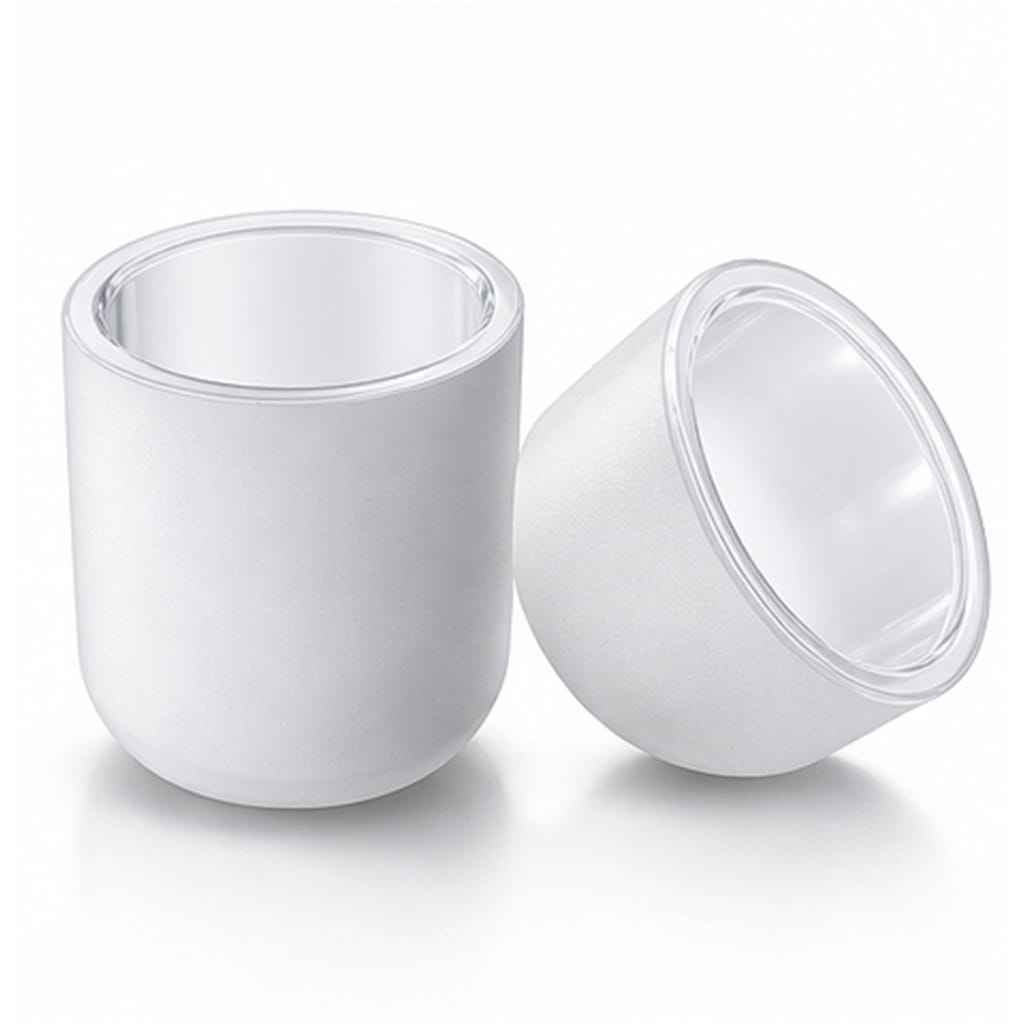 Crystal Pulling
4-Inch US Sand Fused-Quartz Crucibles with Bubble-Free Inner Layer for Silicon Crystal Growth Melting
Engineered for solar photovoltaic and semiconductor ingot pulling; features a synthetic inner lining free of micro-bubbles to prevent molten silicon contamination and premature crucible degradation.
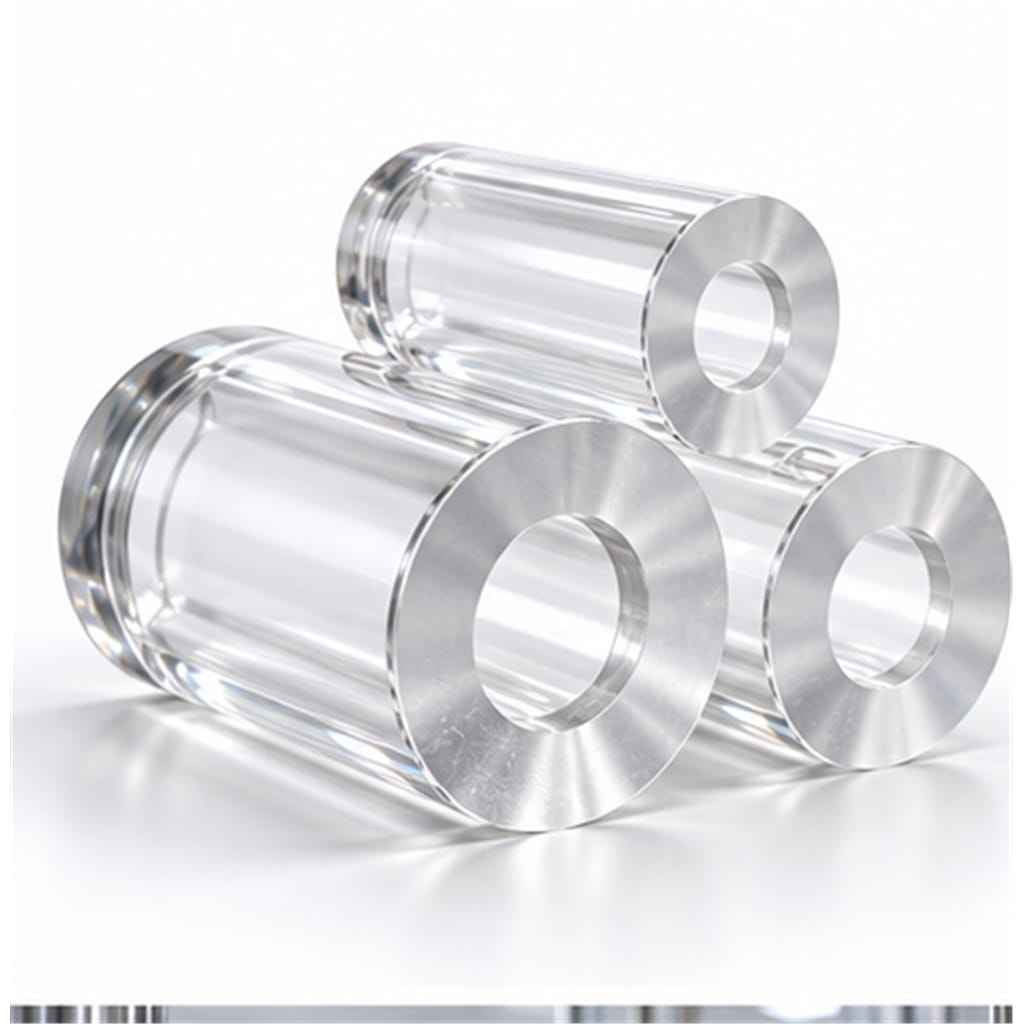 High Pressure
Heavy-Wall Fused-Quartz Cylindrical Pressure Tubes with Squared Ends for High-Pressure Autoclave Sight Glass
Precision-annealed heavy-wall quartz cylinders engineered to withstand elevated hydrostatic and pneumatics pressures, serving as industrial boiler gauges and autoclave observation ports.
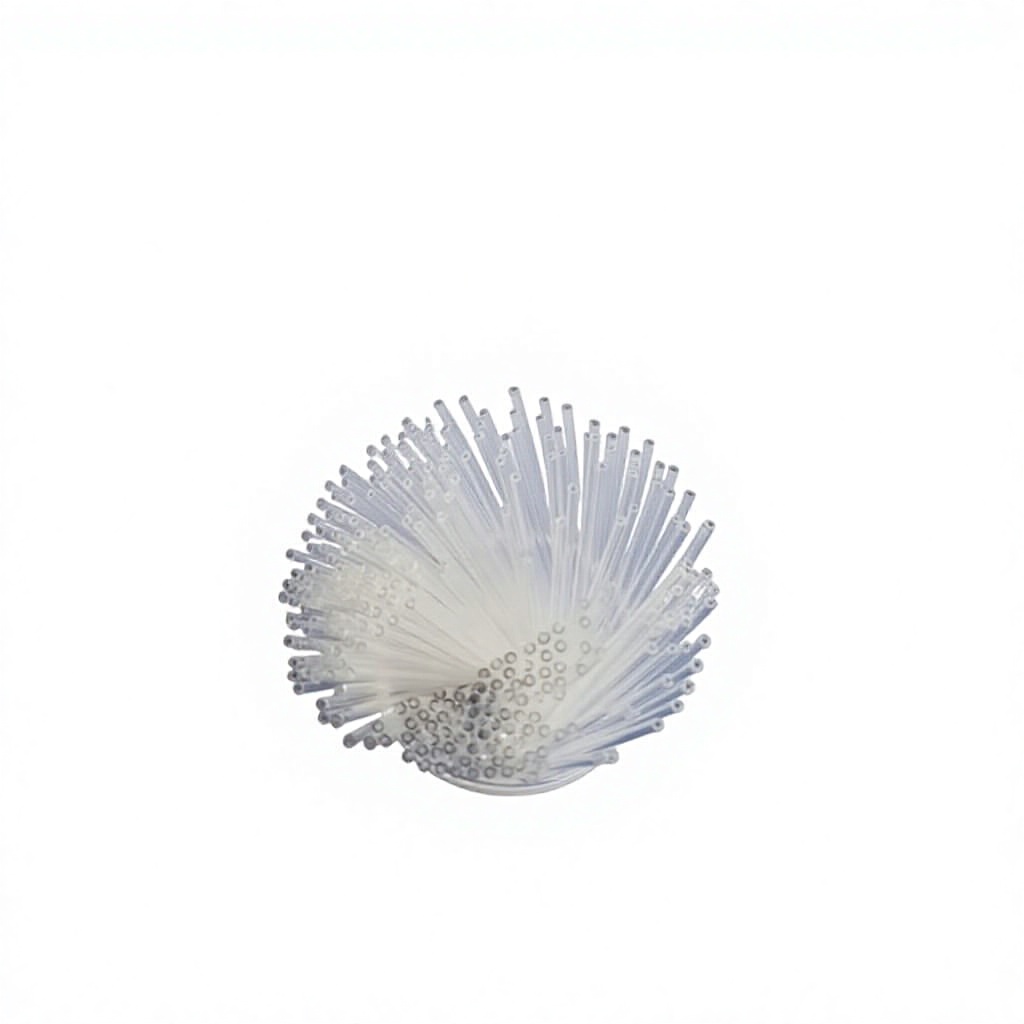 Twin-Tube IR
Custom Size Translucent Capillary Quartz Tube Polished Twin Pipe Ozone Free Chemical Industry
Specialized dual-bore (figure-8) quartz profile specifically manufactured for twin-tube infrared emitter lamps, ozone generators, and high-efficiency chemical fluid preheating systems.
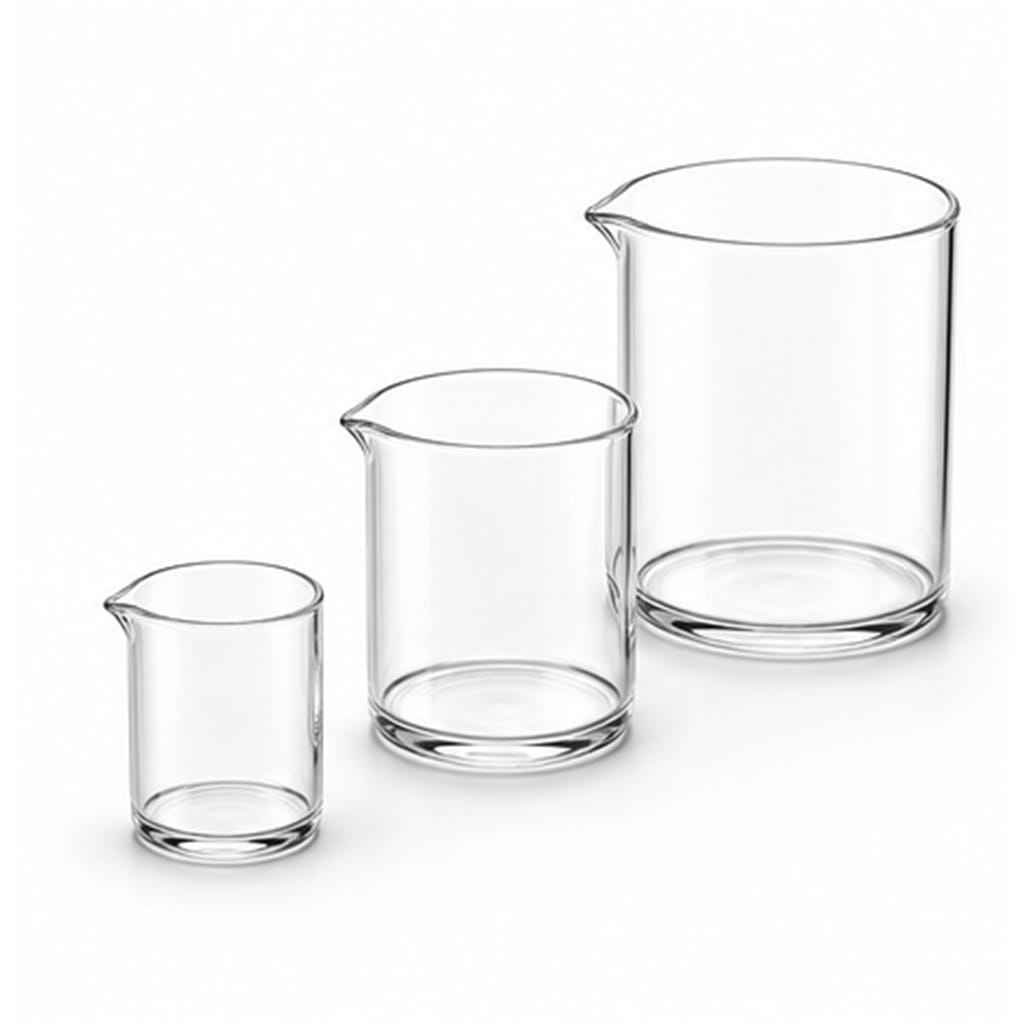 Chemical Vessel
Clear Fused-Quartz Laboratory Beakers with Molded Pouring Spout for Acid-Resistant Chemical Heating
Zero-leaching thermal quartz glassware inert to all aggressive mineral acids (except HF). Capable of direct burner heating and instant cold liquid replenishment without micro-fracturing.
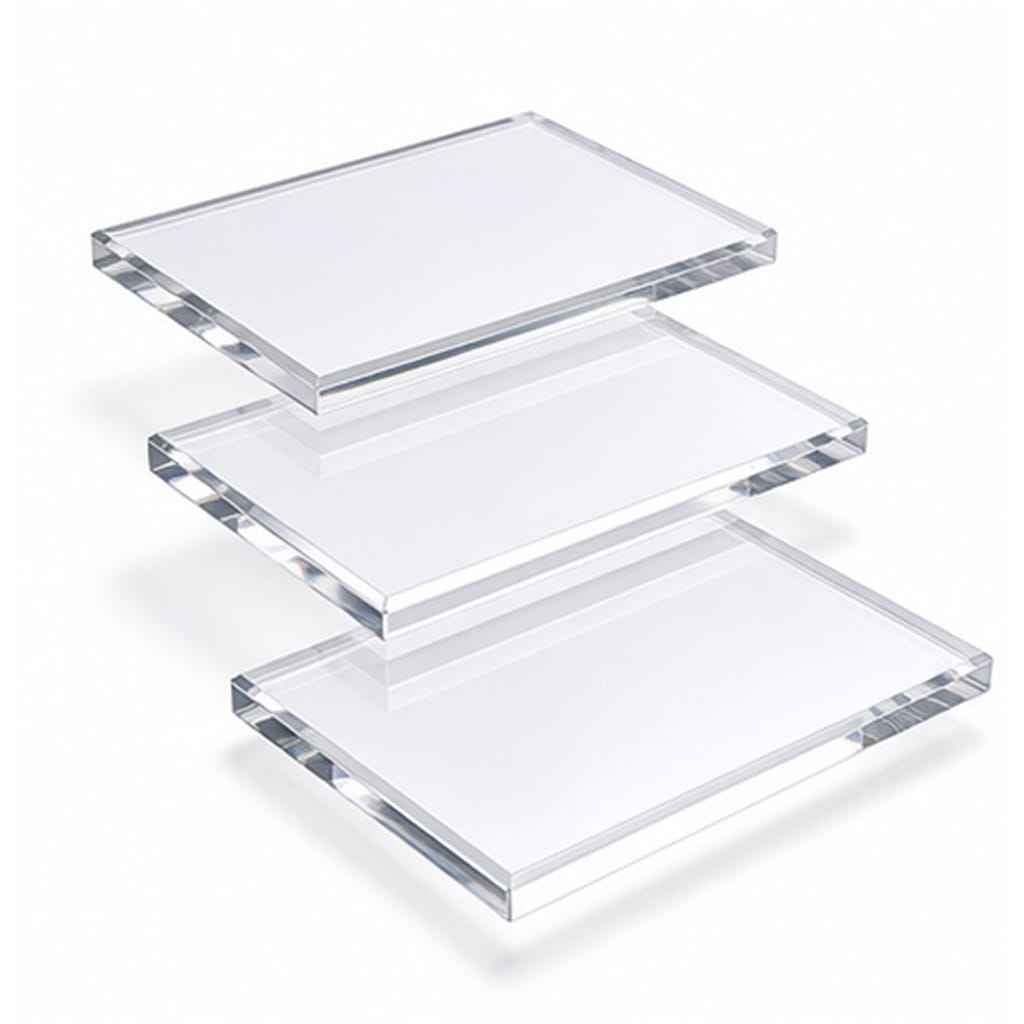 Photomasks
Precision Optical Fused-Quartz Square Plates with Chamfered Edges for Semiconductor Photomask Windows
Ultra-flat quartz glass substrate with edge chamfering, verified low wave-front distortion, and high surface parallelism for lithography exposure masks and thermal curing chambers.
Engineering Principles of Quartz Infrared Heating Lamps
A comprehensive examination of quartz glass thermodynamics, filament radiation mechanics, and spectral tailoring for industrial thermal processes.
Thermal Shock & Devitrification Kinetics
Fused quartz possesses an exceptionally low coefficient of linear thermal expansion (5.5 × 10⁻⁷/°C between 20°C and 320°C), roughly 1/6 that of borosilicate glass. This allows our OEM heating lamp tubes to endure rapid thermal cycles from 1100°C to ambient water quench without micro-fracturing. By eliminating alkali metal contaminants (Na, K, Li < 1 ppm), our quartz envelopes resist high-temperature devitrification into crystalline cristobalite, ensuring long optical transparency and structural resilience.
Infrared Wavelength Tuning & Filament Dynamics
Industrial radiant efficiency relies on matching emitter peak emission wavelength with substrate absorption bands. We manufacture short-wave (peak 1.0–1.4 µm, halogen gas filled), fast medium-wave (peak 1.4–2.0 µm, high-efficiency carbon filament), and medium-wave (peak 2.0–2.8 µm, Fe-Cr-Al alloy) lamps. Tungsten halogen lamps ramp up in under 1 second, while our woven carbon ribbon filaments deliver superior energy absorption in plastics, water-based coatings, and composite laminates.
Reflective Coatings & Directional Efficiency
Uncoated round quartz lamps radiate energy 360° symmetrically. To concentrate heat toward target surfaces and prevent thermal loss to oven framework, Kemzo applies direct-bonded 24-karat gold reflectors (reflecting up to 95% of infrared energy back to the product) or high-temperature white diffuse ceramic coatings (operating up to 1000°C). These coatings eliminate external, separate metal reflectors that oxidize, warp, or accumulate dust over time.
| Emitter Technology | Filament Material | Peak Spectral Range | Filament Temp. (°C) | Thermal Response Time | Primary Industrial Processing Applications |
|---|---|---|---|---|---|
| Short-Wave Quartz IR | Tungsten Wire (Halogen Gas Filled) | 0.8 – 1.4 µm (Near IR) | 1800°C – 2400°C | < 1 Second | PET blow molding, automotive paint drying, steel curing, high-speed offset printing presses. |
| Fast Medium-Wave IR | Woven Carbon Fiber Ribbon | 1.4 – 2.0 µm (Medium IR) | 1000°C – 1300°C | 1 – 2 Seconds | Plastic thermoforming, water-based lacquer drying, paper drying, powder coating pre-gelation. |
| Standard Medium-Wave | Nickel-Chromium / Fe-Cr-Al Coil | 2.0 – 2.8 µm (Medium IR) | 800°C – 950°C | 60 – 120 Seconds | Textile embossing, PVC curing, leather drying, continuous annealing, glass bending kilns. |
| Twin-Tube Engineered IR | Tungsten / Carbon Dual Channel | Custom Tailored Dual Spectrum | 900°C – 2200°C | < 2 Seconds | Semiconductor wafer heating, PV metallization, composite curing in aerospace autoclave lines. |
Future Sourcing Trends in Quartz Thermal Systems
Strategic analysis for procurement directors, equipment builders, and plant engineers managing global thermal processing assets.
1. The Shift from Gas Convection to Electrified Quartz Radiation
Driven by industrial decarbonization initiatives and rising natural gas volatility across European and North American manufacturing hubs, process heating is undergoing an accelerated transition toward clean electric infrared systems. Quartz heating lamps offer direct, non-contact radiant heat transfer that bypasses intermediary air volumes, achieving up to 65% energy savings compared to conventional hot-air convection tunnels.
Furthermore, because quartz lamps can be instantly modulated via solid-state relays (SSRs) and closed-loop optical pyrometers, production lines can eliminate standby idling energy consumption entirely. As factories adopt green power purchase agreements (PPAs), electric quartz infrared installations represent the most viable pathway to zero-carbon thermal curing lines.
2. Adoption of Low-Hydroxyl (OH) Quartz for Long-Wave IR Integrity
Conventional quartz glass contains residual hydroxyl (OH⁻) radicals that create significant absorption bands at 2.72 µm and 1.38 µm, attenuating infrared output precisely where water-based coatings and polymer functional groups absorb energy best. Modern procurement specifications increasingly require low-OH fused quartz envelopes (< 5 ppm OH) synthesized via vacuum electric melting. This technological shift ensures higher radiant penetration depth and eliminates quartz tube thermal ballooning under continuous ultra-high power densities.
Why Partner with Donghai Kemzo Quartz Products
Located at the epicentre of China's silica raw material reserves, we deliver vertically integrated quartz glass manufacturing with strict quality assurance.
Source-Region Raw Sand Access
Operating in Donghai County—globally recognized as China's quartz capital—we exercise direct metallurgical control over raw silica crystal extraction and chemical leaching, ensuring SiO₂ purity reaching 99.99% without supply interruptions.
Custom OEM/ODM Drawing Precision
Over 14 years of bespoke fabrication service. Whether you require customized twin-tube capillary dimensions, specialized R7s or ceramic screw-cap lead terminations, or optical-grade flatness polishing, our engineers execute directly to your CAD files.
Rigorous ISO 9001 Quality Control
Every production batch undergoes five stages of quality verification: raw mineral spectroscopy, wall-thickness laser micrometer logging, high-temperature thermal cycle stress annealing, optical polariscope inspection, and leak-tight helium mass testing.
Global Export & Custom Packaging
Exporting up to 80% of total volume across North America, Europe, East Asia, and Oceania. All fragile quartz items feature custom cellular foam encasement inside export-grade wooden cases, supporting FOB, CIF, DDP, and rapid air freight door-to-door.
Frequently Asked Questions on OEM Quartz Lamp Procurement
Authoritative technical solutions to common issues encountered during quartz heating lamp specification, selection, and field integration.
What is the difference between natural fused quartz and synthetic fused silica in heating lamps?
Natural fused quartz is manufactured by melting naturally occurring high-purity crystalline silica (SiO₂ > 99.99%). It features extraordinary thermal stability, exceptional mechanical rigidity, and high resistance to thermal sag up to 1100°C continuous, making it the industry standard and most cost-effective substrate for industrial infrared lamps. Synthetic fused silica, produced through the chemical vapor synthesis of silicon tetrachloride (SiCl₄), provides virtually zero metallic trace impurities and deep vacuum-ultraviolet (VUV) transmission below 190 nm. For standard and fast medium-wave thermal heating applications, high-purity natural fused quartz delivers identical thermal emission efficiency at significantly lower procurement costs.
How do gold reflectors compare with white ceramic diffuse reflectors on quartz IR lamps?
Both coatings eliminate external reflectors by directing infrared output toward the target material. 24K pure gold reflective coating delivers the highest radiant reflectivity (approximately 95% in the infrared spectrum) but is limited to maximum quartz surface temperatures of roughly 600°C before gold micro-particle volatilization or peeling can occur. White ceramic diffuse coating achieves approximately 88–90% reflectivity, but it is thermally stable up to 1000°C, making ceramic-coated lamps ideal for high-power, enclosed tunnel ovens or ultra-compact emitter arrays where tube skin temperatures remain persistently elevated.
What causes quartz infrared heating lamps to fail prematurely in automated production environments?
The three most prevalent root causes of premature failure are: 1) Overheating of the molybdenum foil pinch seal area (operating temperatures at the electrical connection base must be kept below 350°C to prevent seal oxidation and subsequent vacuum loss); 2) Surface fingerprint and organic oil contamination during handling without gloves, which induces localized devitrification into cristobalite and eventual tube blowout under thermal stress; and 3) Excessive mechanical vibration and line voltage surges that exceed filament coil tolerances. Kemzo addresses these through stress-annealed quartz pinch seals and heavy-duty filament support bridges.
Can you manufacture custom twin-tube lamps according to obsolete or competitor lamp part numbers?
Yes. Our engineering division regularly executes reverse engineering for OEM clients seeking dual-source independence or replacements for obsolete industrial heating lamps (e.g., Heraeus, Ushio, GE, or Sylvania configurations). By providing physical dimensions (cross-section 11x23 mm or 15x33 mm), total heated length, overall length, terminal connection style, voltage (e.g., 230V, 400V, 480V), and target wattage, our team can verify drawing compatibility and deliver initial prototype samples within 7–10 working days.
What packaging and drop-testing standards are implemented to protect fragile quartz shipments?
Every custom quartz lamp and process tube is individually packaged within form-fitting expandable polyethylene (EPE) foam sleeves or sealed air-cushion chambers, preventing any direct contact between components. These are nested within high-crush-resistance cardboard inner sleeves and secured into reinforced multi-layer wooden crates lined with waterproof vapor barriers. Our packaging designs comply with ISTA-1A drop-test criteria to guarantee shock absorption through international transshipment and customs handling.
What are your typical production lead times, and do you accept small batch OEM orders?
Standard prototype and evaluation samples are normally dispatched within 5 to 7 working days upon technical drawing sign-off. Full production batch runs (from 50 to 5,000 units) require approximately 15 to 20 business days depending on envelope customization and coating requirements. We support specialized engineering development by accommodating low Minimum Order Quantities (MOQs) for custom machine builders and research institutes.
Submit Your Custom Drawing or OEM Requirements
Connect directly with our senior quartz thermal engineering team in Donghai. We provide feasibility feedback, thermal efficiency optimization, and commercial quotes within 1 hour.