Engineered Quartz Components & Block Derivatives
From monocrystalline piezoelectric sensor substrates to heavy-wall semiconductor reaction chambers, our Donghai fabrication facilities synthesize natural and synthetic SiO₂ ingots into precision geometries.
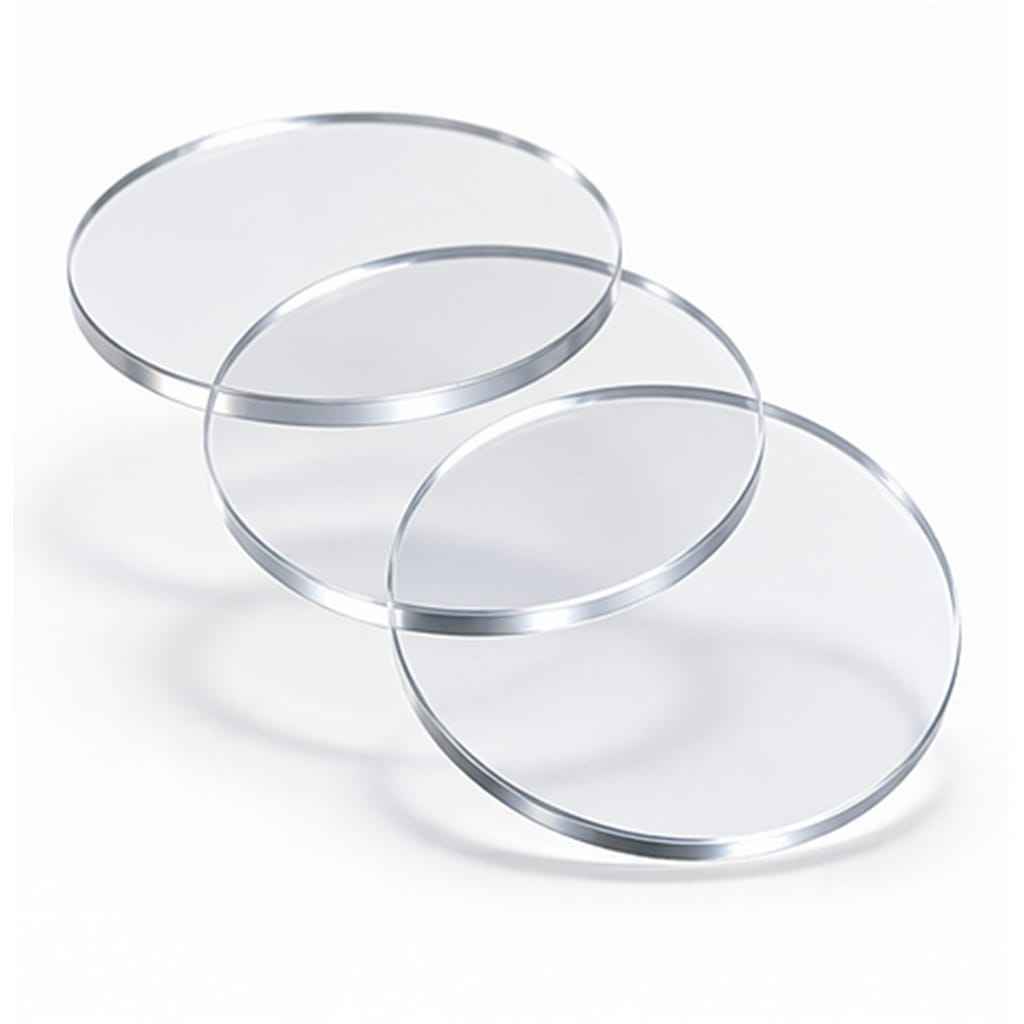
Optically Polished Single-Crystal Quartz Wafers
- AT-Cut & SC-Cut crystallographic orientations
- Chamfered edge profiles to eliminate edge-chipping microcracks
- Surface roughness Ra < 0.5 nm for QCM biosensing resonance
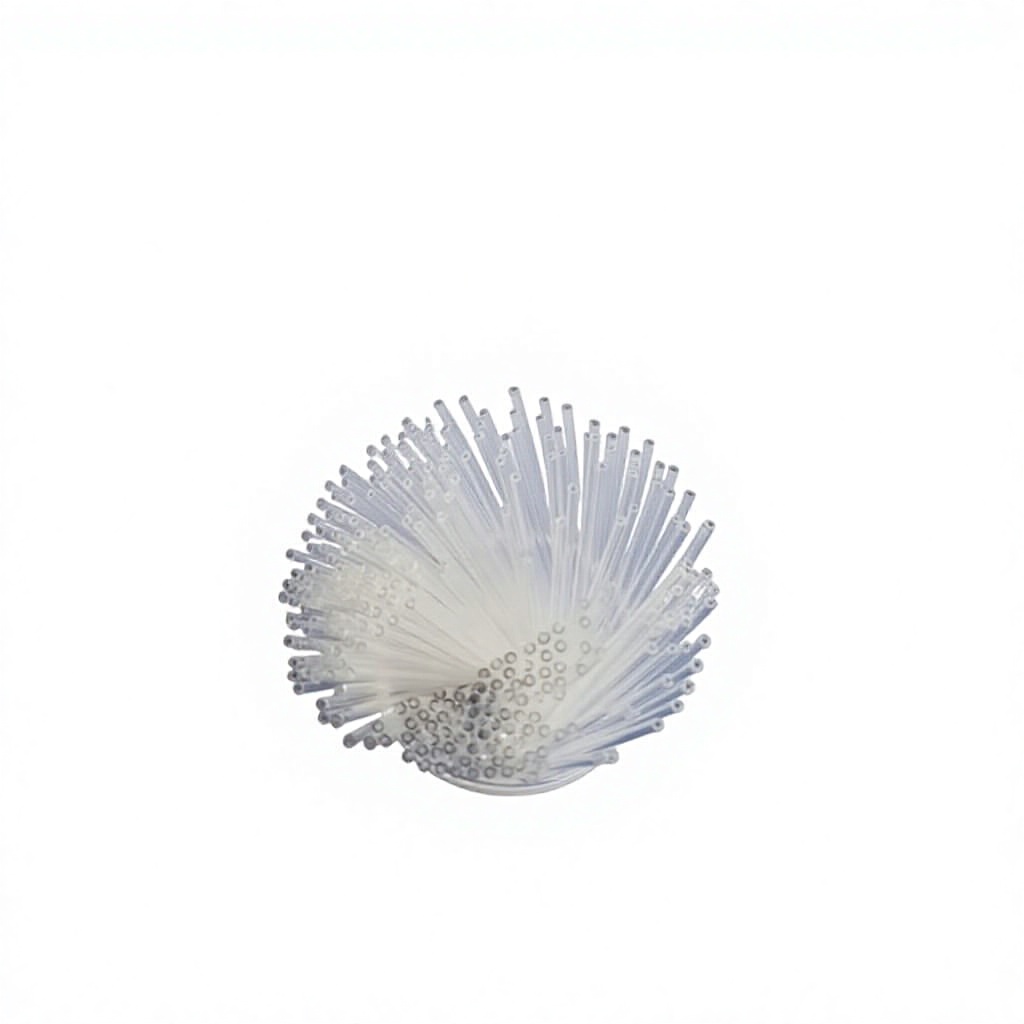
Custom Translucent Capillary Quartz Twin Pipe
- Dual-bore monolithic capillary extrusion profiles
- Ozone-free high hydroxyl attenuation stabilization
- Inert microfluidic flow paths for aggressive halogen reagents
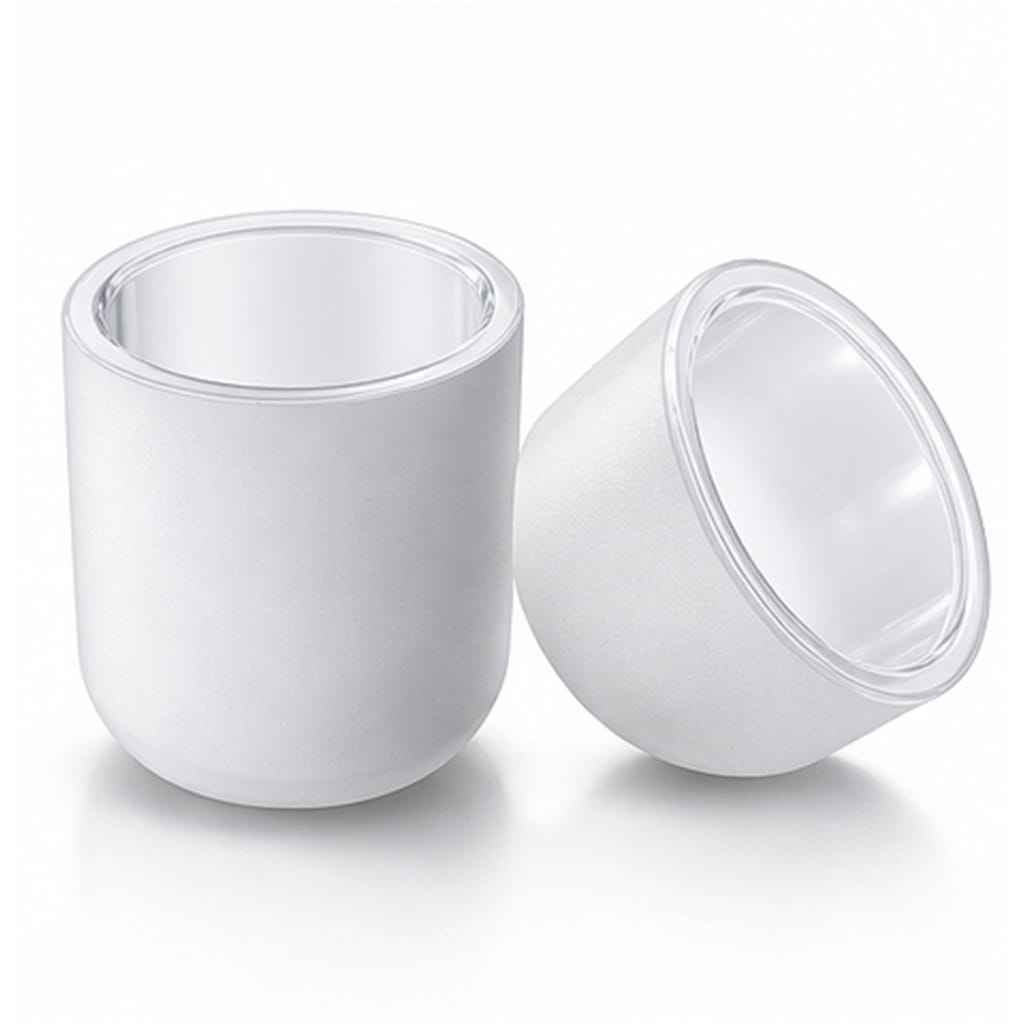
Bubble-Free Fused-Quartz Melting Crucibles
- Electrically fused high-purity imported pegmatite feedstock
- Microbubble-free inner boundary layer (< 0.05 mm voids)
- Withstands CZ continuous silicon ingot pulling at 1450°C
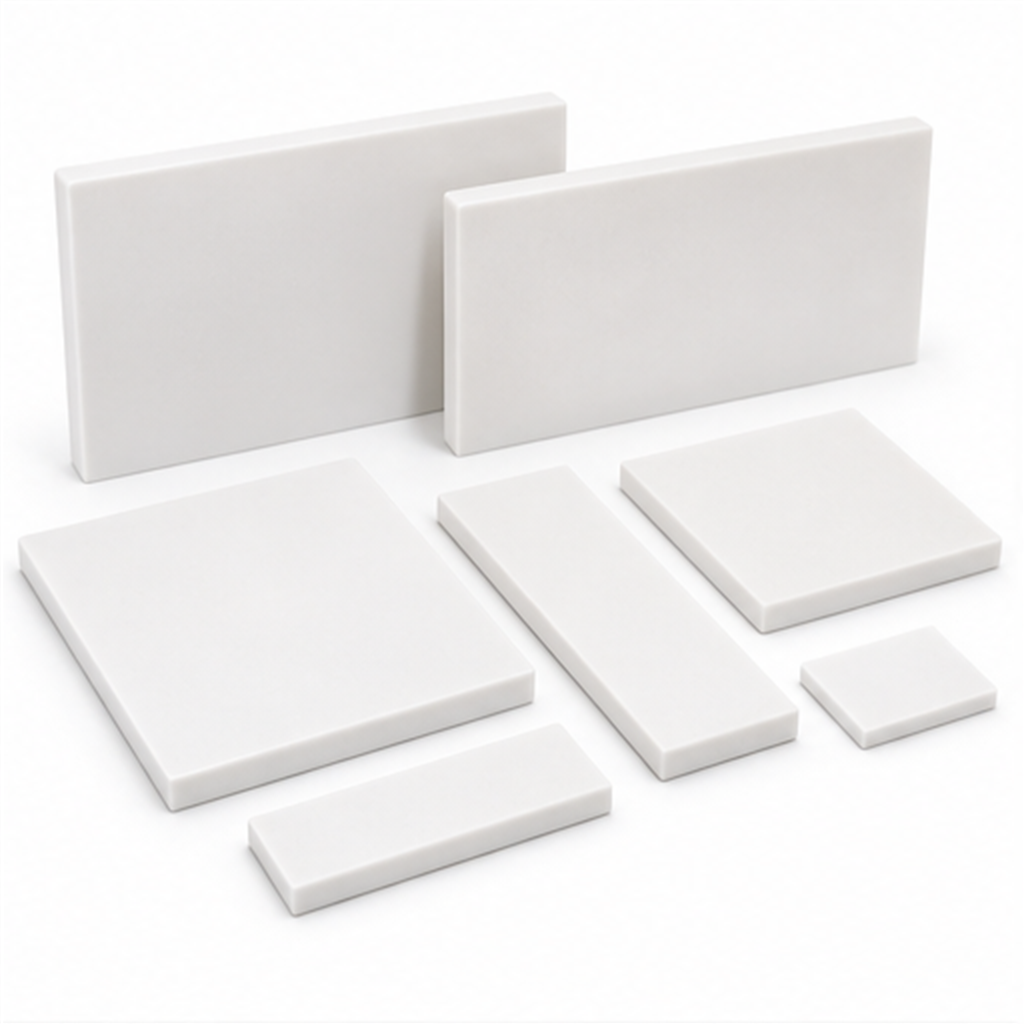
Opaque Milky White Quartz Plate & Slab
- Controlled uniform micro-porosity for infrared radiation scattering
- Thermal conductivity attenuation k < 1.1 W/(m·K) at elevated temps
- Custom planar CNC saw cutting, ground bevels, and blind tapping
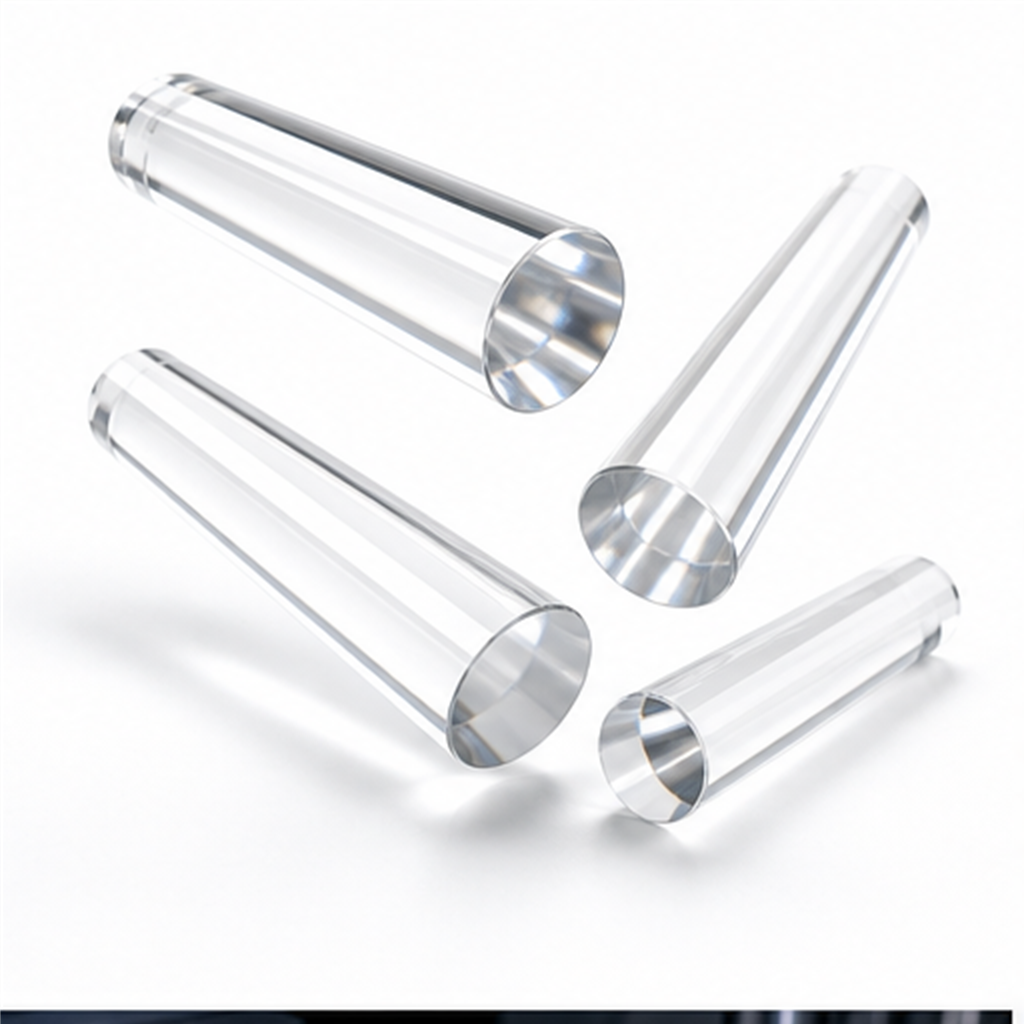
Optical Clear Fused Quartz Light Guide Rod
- Monolithic cylindrical light wave transmission core (200–2500 nm)
- Extreme straightness tolerance < 0.15 mm per linear meter
- Fire-polished or precision optical flat lapped end faces (λ/4)
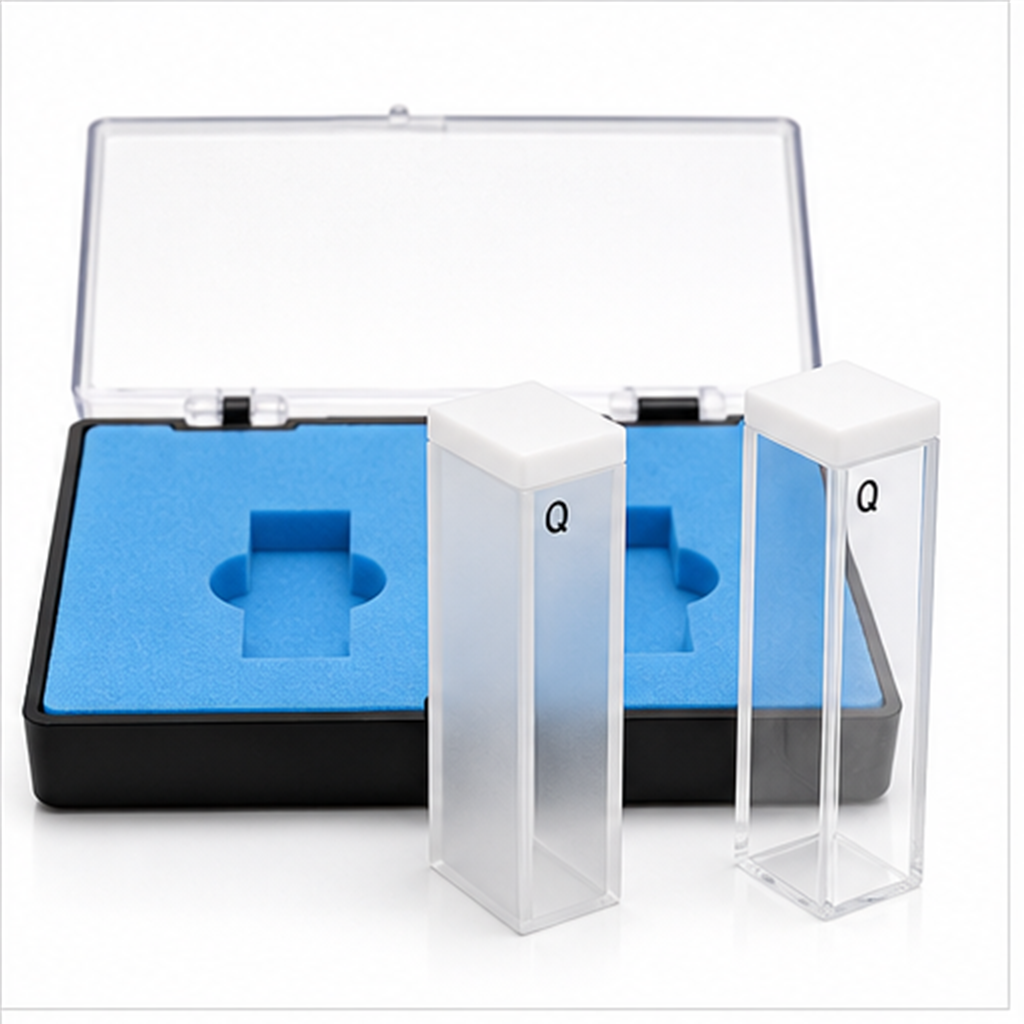
Standard UV Spectrophotometer Cuvettes
- High-temperature molecular fusion without organic adhesive bonding
- Transmission matching tolerance ΔT < 0.5% at 200 nm D2 spectrum
- Acid/alkali-proof window enclosures for chemical fluorometry
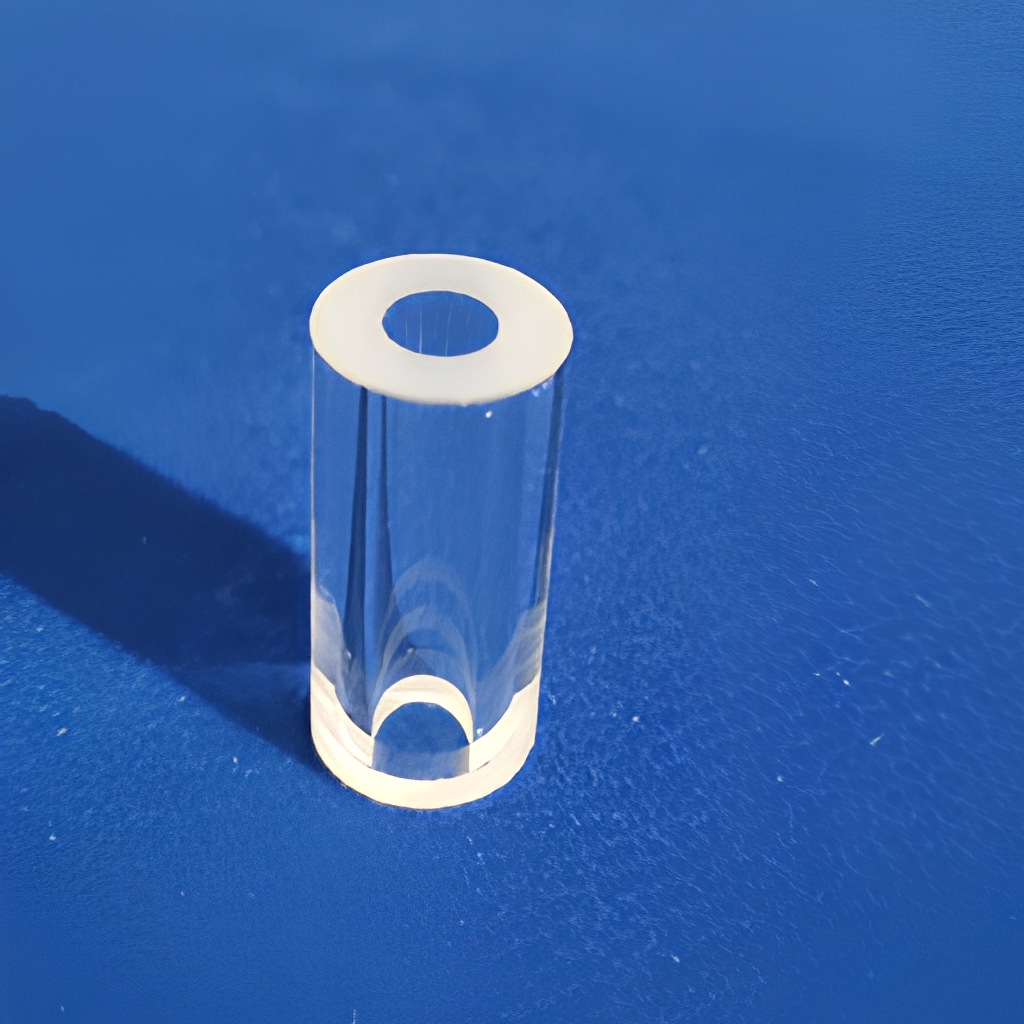
99.99% Clear Quartz Twin Tube Profiles
- Geometry engineered for medium/short-wave infrared emitter gold plating
- Annealed stress-free joints for vacuum furnace filament envelopes
- Automated bending, flanging, and precision hydrogen-oxygen sealing
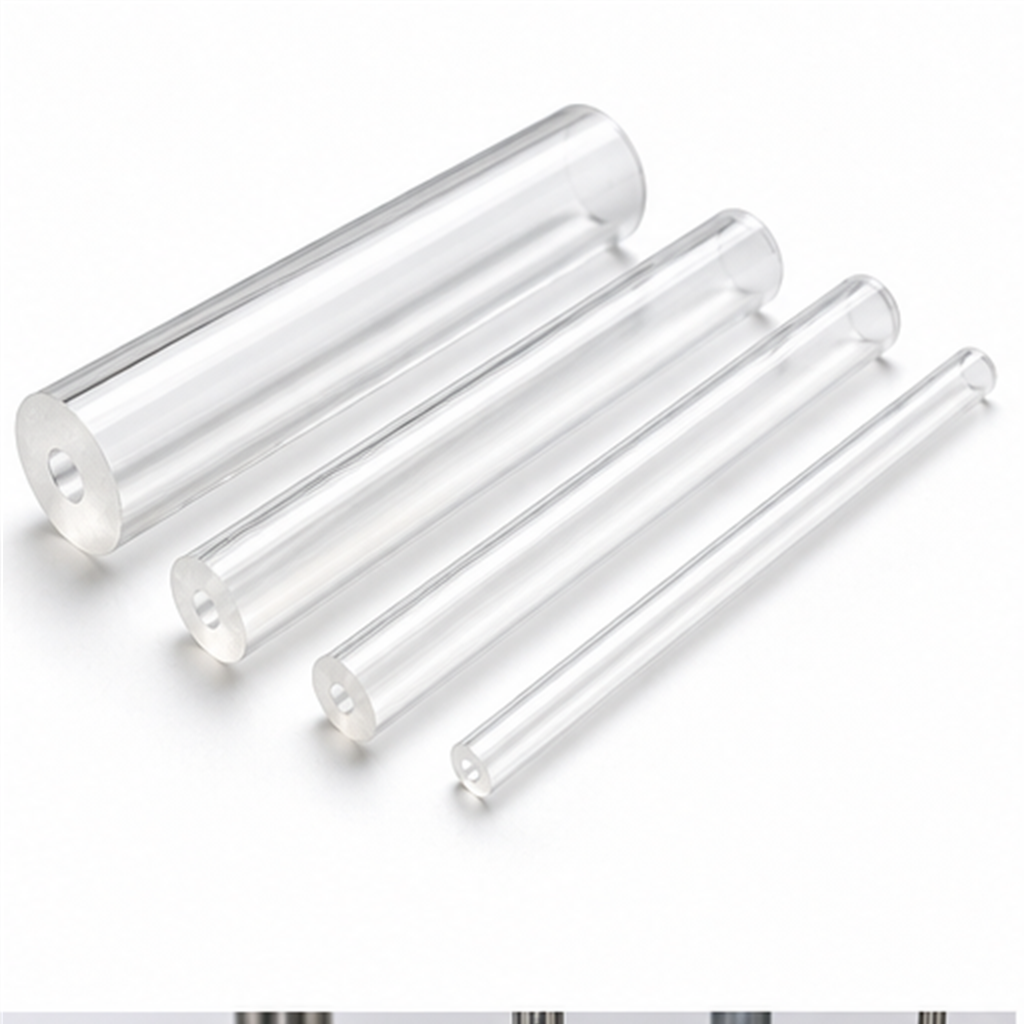
Heavy Wall Small Bore Quartz Glass Tube
- Wall thickness to inner bore ratio > 3:1 for explosive burst margins
- Diamond wheel flat cut ends with flame annealing relief treatment
- Hydrostatic pressure resistance certified up to 12.5 MPa working limits
Engineering Principles of Quartz Ingot Block Synthesis
A material science perspective on raw silica refinement, fusion thermodynamics, OH-radical absorption behavior, and structural grain boundaries.
1. Raw Material Metallurgy: Natural Granular vs. Synthetic Tetrachloride Synthesis
In precision industrial procurement, the designation of a "Quartz Ingot Block" hinges upon the starting silica feedstock and thermal fusion kinetics. Commercial quartz blocks diverge into two distinct chemical families: electrically fused natural quartz (from high-purity natural silica sand) and synthetic fused silica (derived from silicon tetrachloride [SiCl₄] vapor phase hydrolysis). Natural quartz ingots synthesized in Donghai benefit from naturally dense crystal structures, minimizing refractory deformation at temperatures exceeding 1150°C. Conversely, synthetic blocks achieve exceptional transmission into deep ultraviolet wavelengths (down to 185 nm) by completely eliminating transition metal species (Fe < 0.05 ppm, Cu < 0.01 ppm).
2. Thermal Hysteresis, Annealing Curves, and Stress Birefringence
The primary failure mode of large quartz ingot blocks during downstream machining (such as multi-wire wafer slicing or 5-axis CNC pocketing) is catastrophic fracture caused by residual internal thermal stress. During the bulk melting phase, liquid silica cools across its glass transition temperature range (1100°C to 1215°C). Without computer-controlled electric resistance annealing cycles spanning 72 to 120 hours, localized cooling gradients freeze severe stress vectors into the silica matrix.
At Kemzo Quartz, every forged quartz ingot block undergoes polariscope birefringence inspection in accordance with ISO 10110-10 standards. Optical retardation is guaranteed below ≤ 5 nm/cm for high-precision lithography blanks, and ≤ 18 nm/cm for semiconductor etch rings and furnace baffling slabs.
| Physical / Chemical Property | Natural Fused Quartz Block | Synthetic Fused Silica Block | Borosilicate Technical Glass | Single-Crystal Quartz Ingot |
|---|---|---|---|---|
| SiO₂ Purity Level | ≥ 99.995% (4N5) | ≥ 99.9999% (6N) | ≈ 81.0% | > 99.999% (Crystalline) |
| Thermal Expansion (20–300°C) | 5.5 × 10⁻⁷ K⁻¹ | 5.2 × 10⁻⁷ K⁻¹ | 32.5 × 10⁻⁷ K⁻¹ | 7.1 × 10⁻⁶ K⁻¹ (Perpendicular) |
| Continuous Max Operating Temp | 1150 °C | 1050 °C | 450 °C | 573 °C (α−β Phase Shift) |
| Dielectric Strength (20°C, 1MHz) | 25–40 kV/mm | 30–50 kV/mm | 10–15 kV/mm | 35 kV/mm |
| Optical Absorption Range | 260 nm – 2500 nm | 185 nm – 2500 nm | 350 nm – 2200 nm | 190 nm – 3500 nm |
| Hydroxyl [OH⁻] Content | < 5 ppm to 30 ppm | 800 ppm to 1200 ppm | N/A (Multi-component) | < 2 ppm |
Why Global OEMs Rely on Donghai Kemzo Quartz Sourcing
Established in 2011 inside the globally renowned mineral reserves of Donghai County, Kemzo Quartz combines deep geological supply chain integration with advanced German-spec diamond tooling and optical metrology.
Direct Mineral Hub Advantage
Our facility resides at the geographical epicenter of China's quartz deposits, eliminating multi-tier sand trading margins. Direct mineral sorting gives us absolute control over raw crystalline crystal grading, reducing cost structures by 18–30% relative to Western ingot fabricators.
ISO 9001:2015 Process Control
Recognized as a Jiangsu High Technology Enterprise, our process architecture maintains strict traceability across melting, annealing, grinding, and ultrasonic tank cleaning. Every batch includes full ICP-MS trace element spectroscopy certificates verifying ppm-level contamination.
Full Turnkey CNC Sub-Fabrication
We do not simply ship raw ingots; our machine shop executes diamond-wheel surface grinding, CNC wire contouring, cylindrical boring, and optical chemical-mechanical planarization (CMP). We supply ready-to-mount components with tolerances under ±0.01 mm.
Strategic Trends in Global Quartz Sourcing (2025–2030)
Procurement teams must adjust their inventory architectures to withstand geopolitical supply constraints, semiconductor node scaling, and next-generation green tech.
1. High-Density Plasma Etch Scaling
Sub-3nm microchip fabrication requires chlorine and fluorine etch atmospheres of extreme kinetic energy. Conventional quartz rings degrade rapidly. The market is shifting to ultra-high-density monolithic quartz blocks with zero airlines and micro-bubble densities rated DIN Class 0.
2. Geopolitical Nearshoring
Procurement leaders across North America and Europe are migrating away from single-source raw silica risks. By selecting audited Chinese partners with independent multi-source ore agreements and ISO 9001 QA frameworks, buyers de-risk supply bottlenecks while preserving 30%+ cost advantages.
3. TOPCon & Perovskite Solar Cells
The rapid transition to N-type TOPCon and Perovskite-silicon tandem solar architectures requires larger, high-volume rectangular quartz process boats and diffusion tubes. Large-dimension ingot blocks (up to 1200 mm length) are increasingly specified to machine unified multi-wafer carriers.
4. Green Hydrogen & Fusion Pyrolysis
Methane cracking and water electrolysis under supercritical pressures necessitate massive optical sight windows cut from heavy quartz blocks. These systems leverage quartz's unique ability to withstand 1000°C temperature jumps without cracking under sudden quenching.
Critical Technical Questions Answered
Direct answers to the most stringent material, tolerance, and logistics questions submitted by aerospace, semiconductor, and furnace equipment buyers.
How do you classify bubble inclusions according to DIN 58927 standards?
What is the maximum single-piece ingot block dimension your factory can forge?
Can you machine custom mounting threads and blind holes directly into the quartz?
How does hydroxyl [OH⁻] content influence high-temperature longevity?
What export packaging is used to prevent micro-fracturing in global transit?
What specific certificates of analysis (COA) accompany each shipment?
Submit Your Engineering Drawings for Rapid OEM Evaluation
Send your CAD (.step, .dwg, .pdf) files, material specifications, and quantity requirements to our Donghai engineering team. We deliver manufacturability feedback, optical grade selection, and factory direct quotes within 60 minutes.