Featured Industrial & Laboratory Quartz Solutions
Manufactured in Donghai County—China's premier quartz capital—our engineered components, combustion carriers, and optical assemblies endure continuous service temperatures up to 1100°C and peak surges exceeding 1450°C.
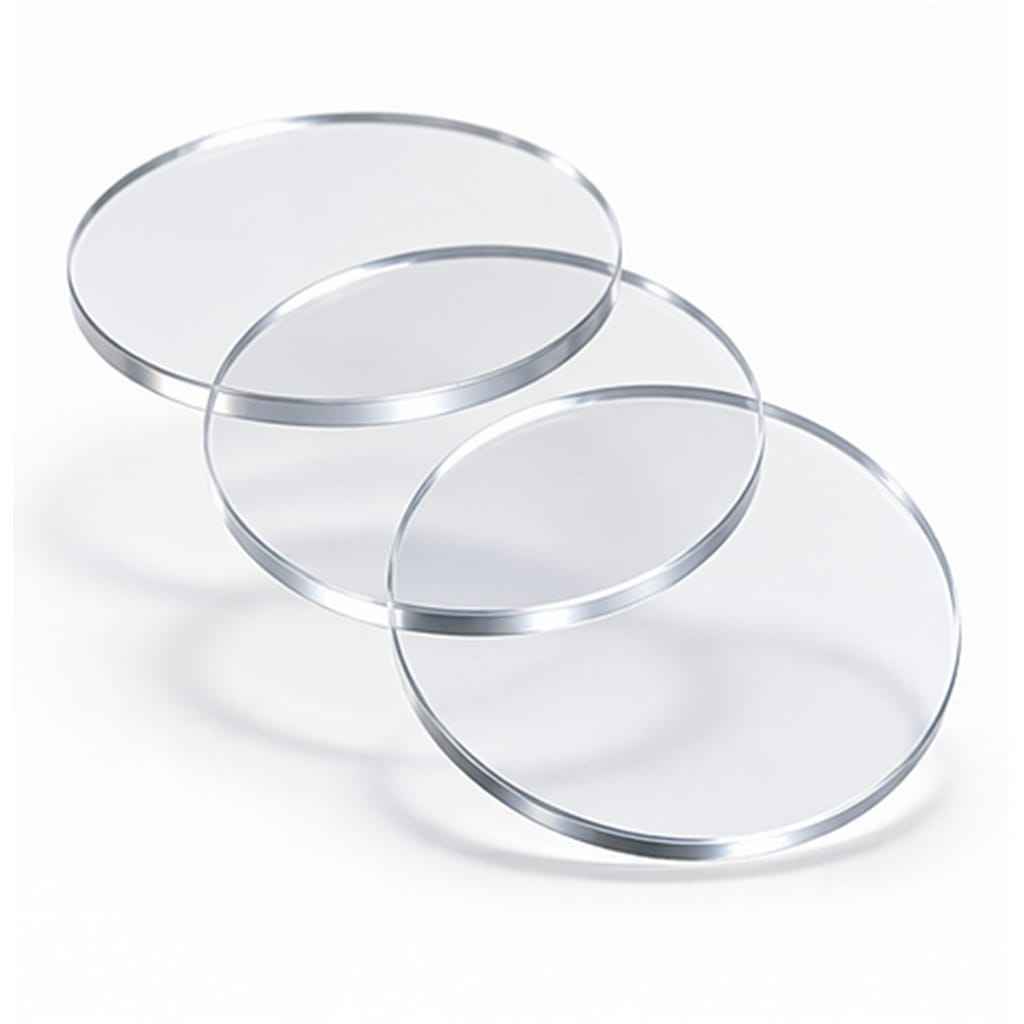
Optically Polished Single-Crystal Quartz Wafers for QCM Sensors
- Precision chamfered perimeter
- Sub-nanometer surface roughness
- Piezoelectric resonant frequency control
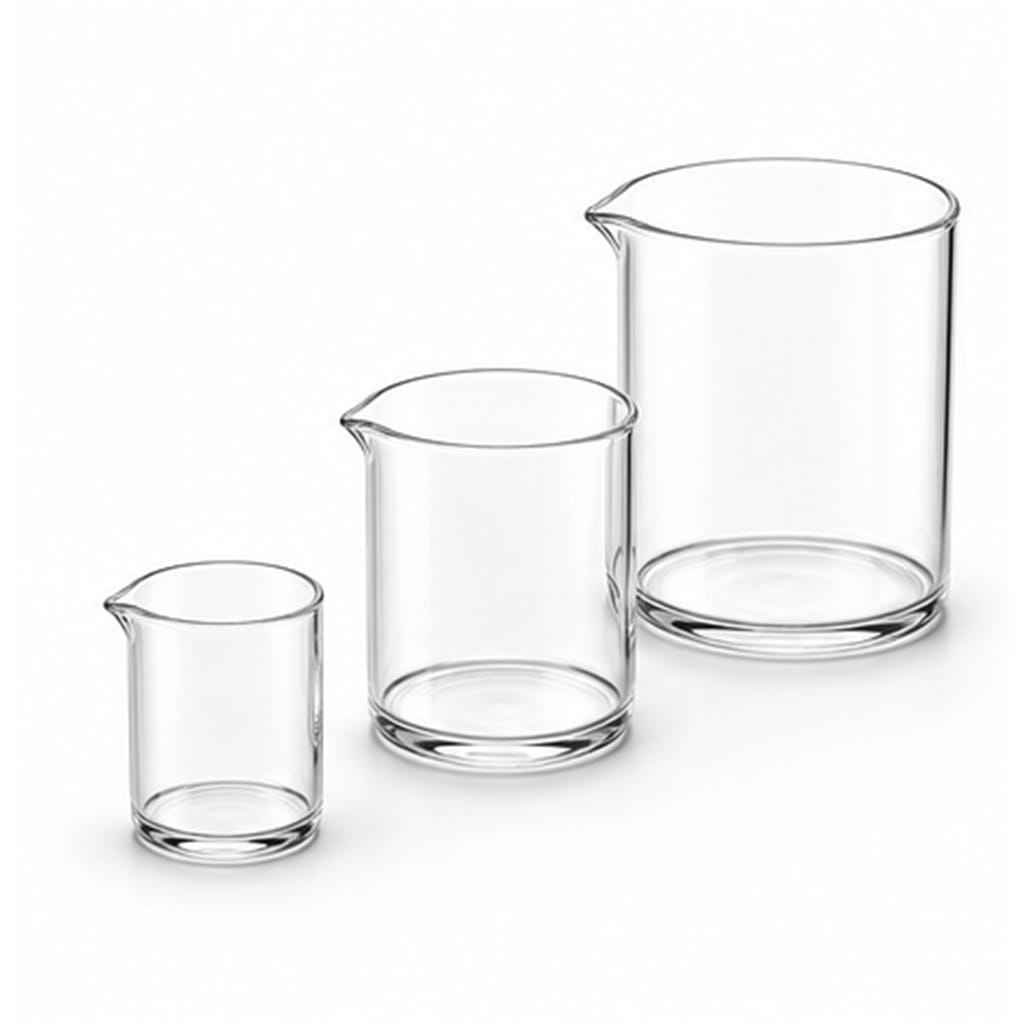
Clear Fused-Quartz Laboratory Beakers with Spout
- Molded pouring spout geometry
- Universal acid & aqua regia inertness
- Extreme thermal shock tolerance
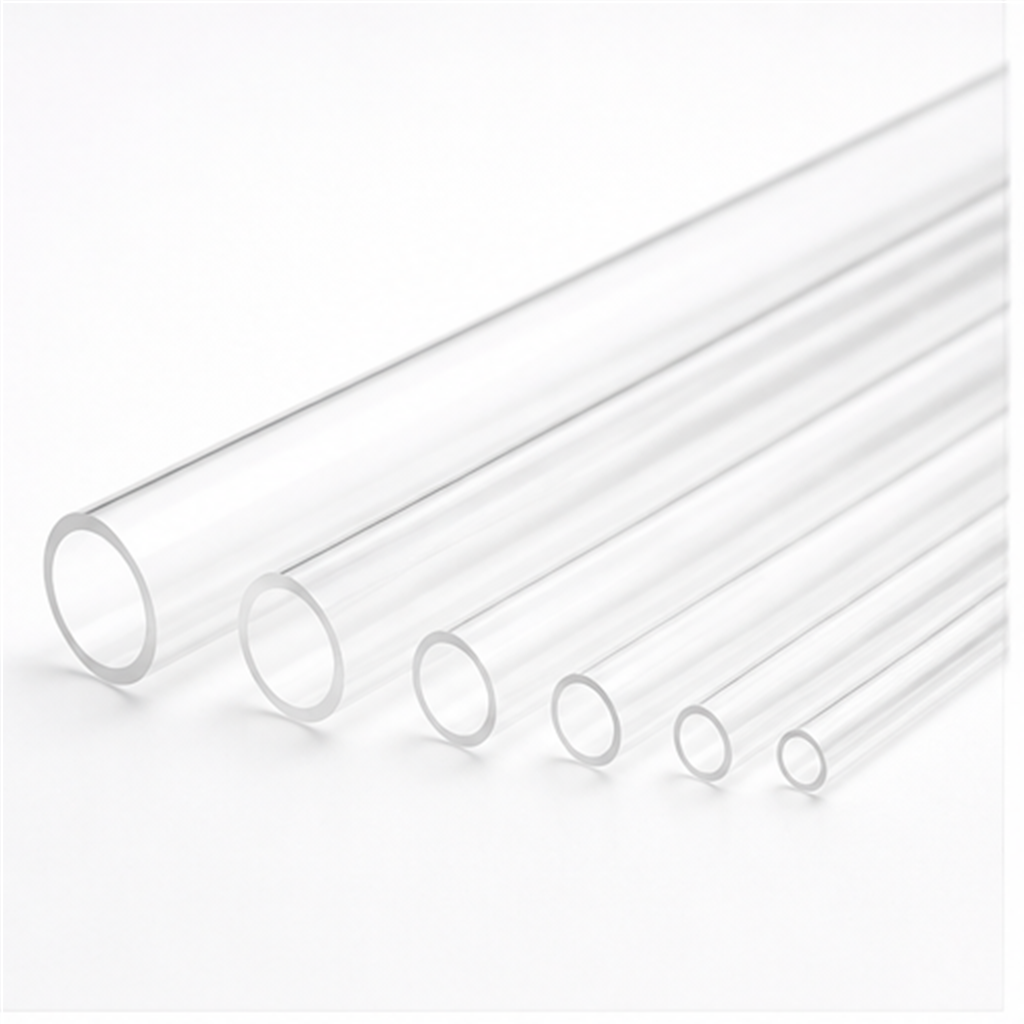
High Purity Clear Fused Quartz Glass Tube (Flat Cut)
- Flat-cut unpolished clean ends
- SiO₂ content ≥ 99.99%
- Capillary to custom bore diameters
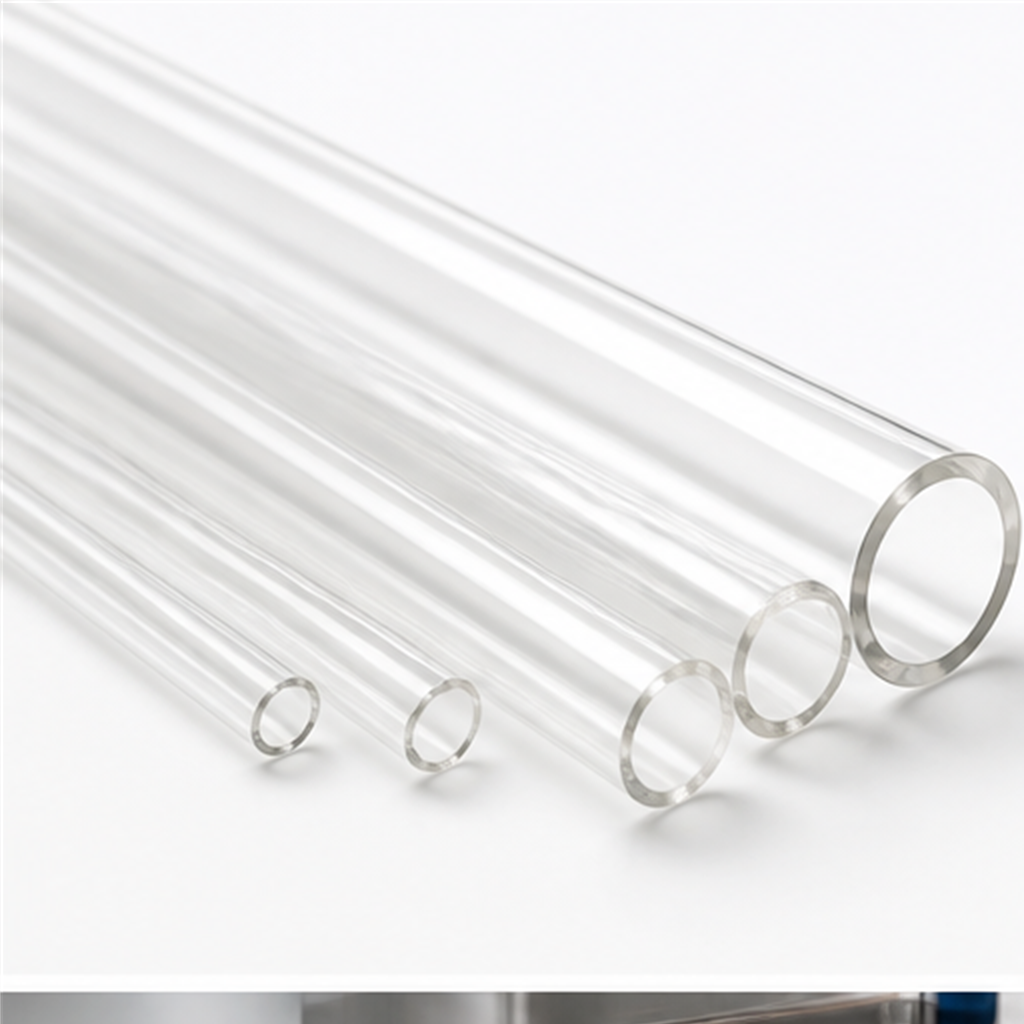
High Temperature Transparent Furnace Tubing
- Continuous 1100°C furnace envelope
- Excellent optical and IR transmission
- Annealed to neutralize internal stress
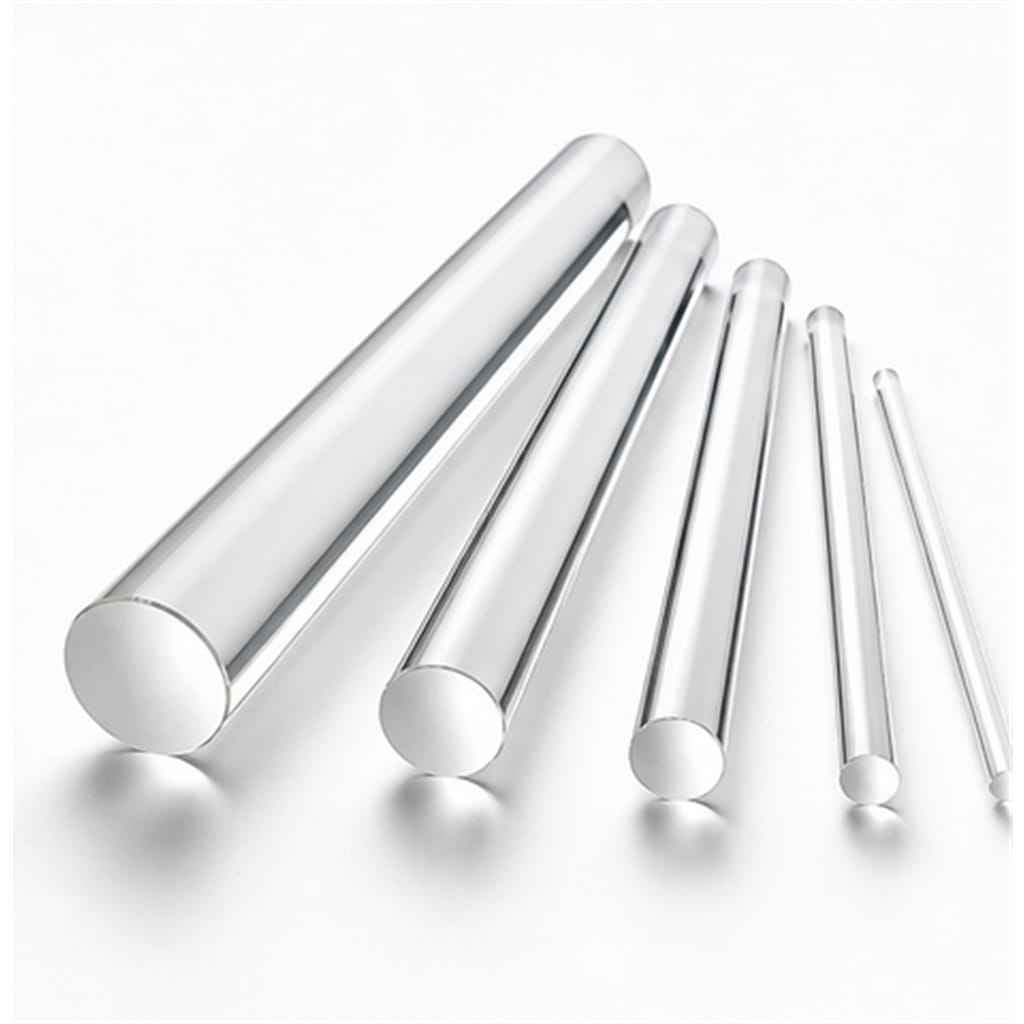
Solid Fused-Quartz Cylindrical Rods for Light Guides
- Precision 90° flat optical cut ends
- Superior total internal reflection
- High mechanical bending threshold
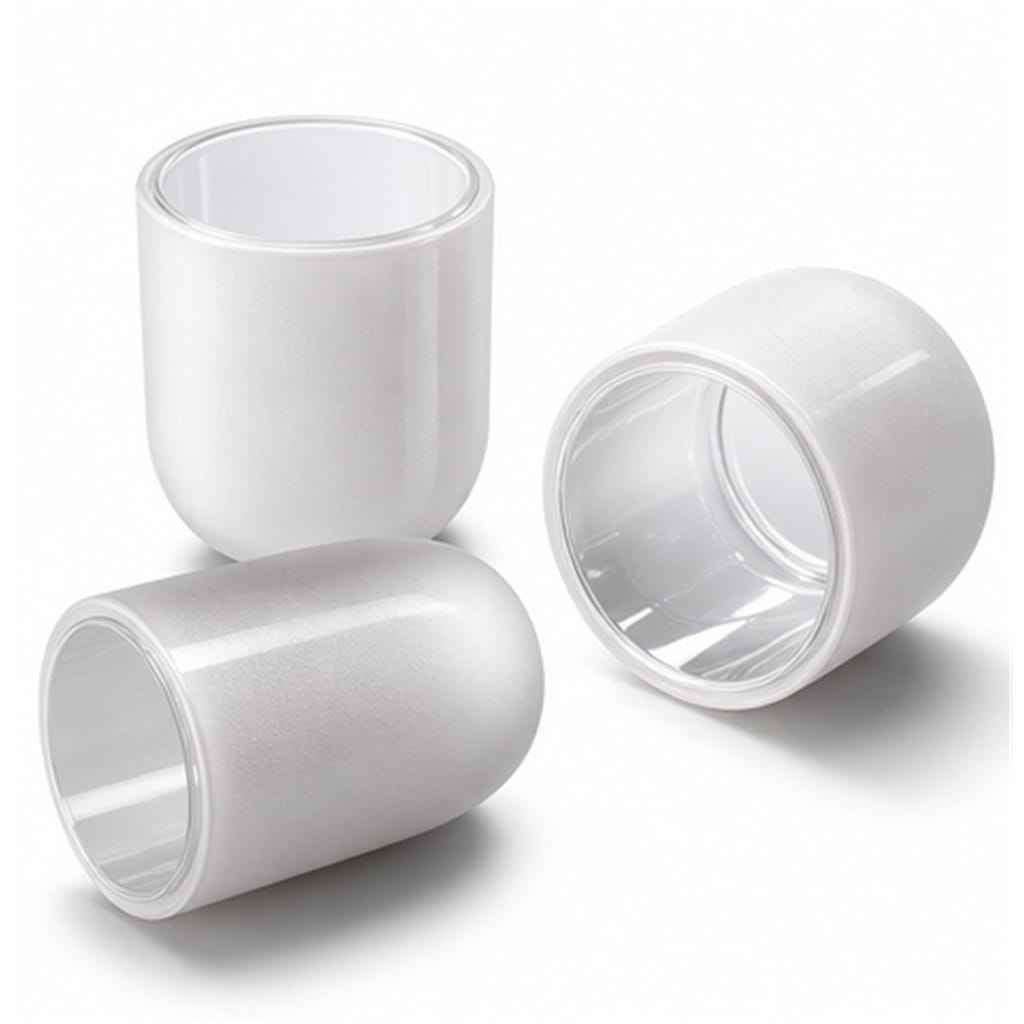
4-Inch Fused Crucibles with Fire-Polished Rim
- High-temperature semiconductor ingot melting
- Fire-polished chip-free safety rim
- Zero-bubble inner barrier layer
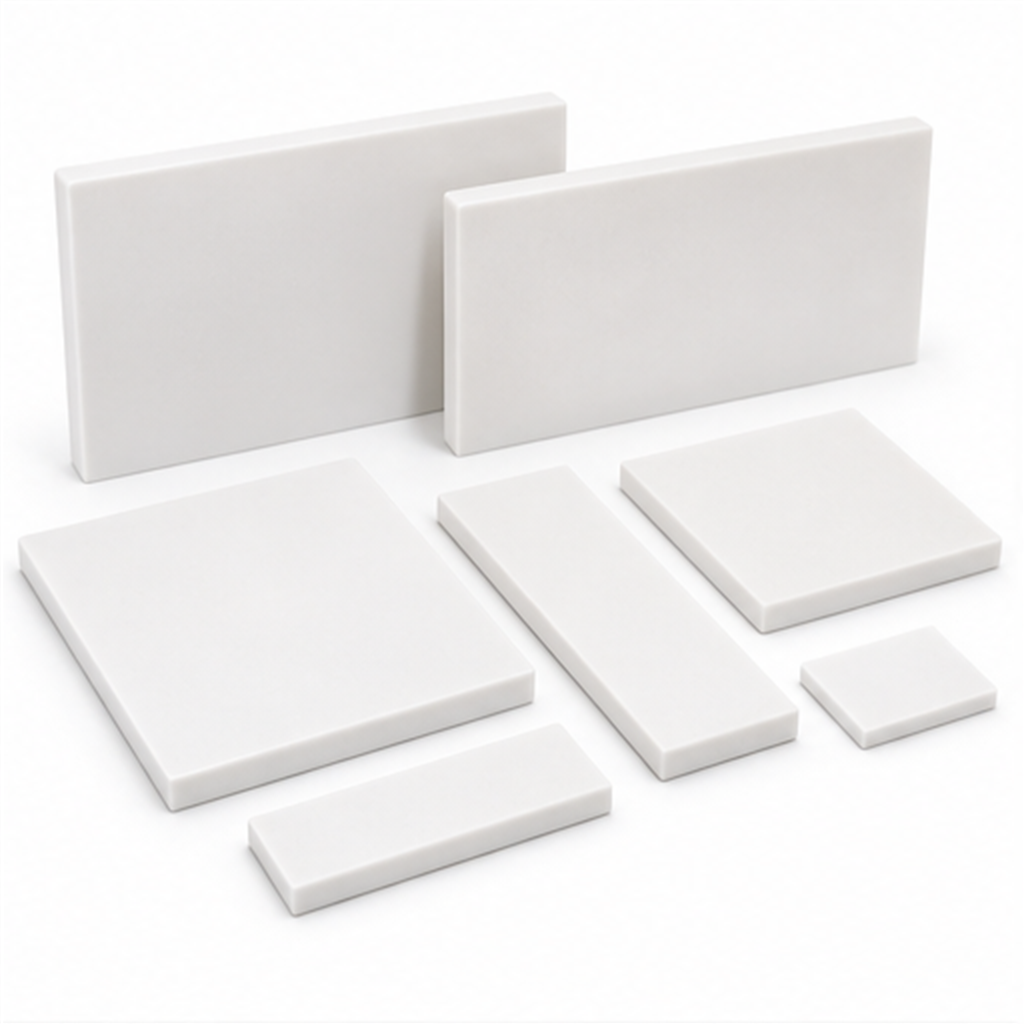
Opaque Milky White Quartz Rectangular Plate Slab
- Micro-porous heat-diffusing matrix
- High infrared reflective shielding
- Custom CNC chamfering and drilling
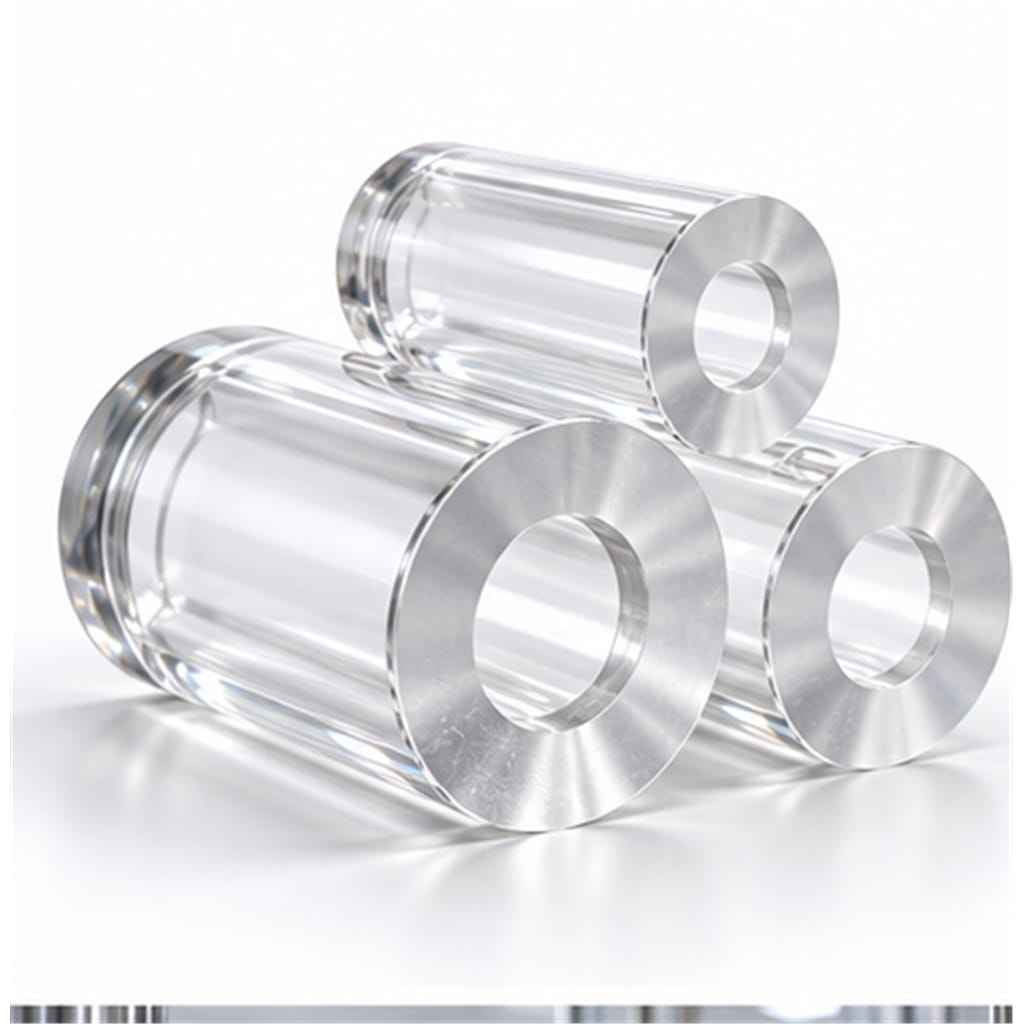
Heavy-Wall Pressure Tubes for Autoclave Sight Glass
- Precision squared & polished ends
- Reinforced heavy-wall burst resistance
- Petrochemical autoclave certified
Engineering Principles of High-Purity Quartz Combustion Boats
High-temperature analytical chemistry, metallurgical assaying, and semiconductor thermal processes place unprecedented demands on sample containment vessels. In carbon/sulfur combustion analysis, tube furnace elemental determinations (LECO, Horiba, and Eltra analyzers), and chemical vapor deposition (CVD), the combustion boat is not merely an inert tray—it is a critical thermodynamic interface. Donghai Kemzo Quartz Products Co., Ltd. leverages specialized vacuum thermal melting and fire-polishing techniques to deliver quartz combustion boats, crucibles, and reaction carriers that eliminate spectral interference, prevent micro-crack propagation, and withstand rapid thermal quenching.
1. Crystallographic Stability & Devitrification Kinetics
Transparent fused quartz (vitreous silica) is an amorphous state formed by the melting of natural high-purity crystalline silica (SiO₂). At elevated operational temperatures exceeding 1050°C, amorphous fused silica is thermodynamically metastable and exhibits an intrinsic tendency to transform into crystalline cristobalite—a degradation mechanism known across high-temperature industries as devitrification.
Devitrification initiates at high-energy surface sites, driven by trace surface contamination (principally alkali and alkaline earth cations such as Na⁺, K⁺, Li⁺, and Ca²⁺). When cooling through the 200°C to 275°C window, β-cristobalite undergoes a displacive crystallographic inversion to α-cristobalite, accompanied by a volumetric contraction of approximately 2.8% to 4.5%. This volumetric shock induces destructive micro-cracking, flaking, and catastrophic failure of the combustion boat. By utilizing Donghai’s refined raw materials with alkali metal levels constrained below 1.0 ppm total, Kemzo quartz combustion boats significantly retard cristobalite nucleation rates, thereby multiplying thermal service cycles within metallurgical induction furnaces.
2. Hydroxyl (OH⁻) Content Reduction & Viscosity Tuning
The high-temperature mechanical stiffness and softening point of a quartz combustion boat are intimately tied to its hydroxyl (bound OH⁻) radical concentration. Dissolved hydroxyl ions act as network terminators within the three-dimensional silicon-oxygen tetrahedron (Si-O-Si) matrix. High hydroxyl content disrupts the bridging bonds, lowering the strain point, annealing point, and viscosity of the quartz glass.
Through proprietary electric vacuum fusion and inert gas thermal dehydroxylation, Kemzo controls residual OH⁻ content below 20 ppm in our premium analytical grades. This elevated structural rigidity prevents sagging, longitudinal warping, and boat distortion during prolonged horizontal tube furnace residence at 1200°C to 1350°C, guaranteeing frictionless boat insertion and extraction using automated magnetic or mechanical push rods.
3. Purity Thresholds for Trace Carbon, Sulfur & Oxygen Analysis
In high-frequency induction furnaces utilized for steel, titanium, and advanced superalloy characterization, any baseline elemental impurity in the containment boat directly distorts infrared absorption and thermal conductivity cell detection. Ordinary ceramic boats frequently absorb ambient atmospheric moisture and atmospheric carbon dioxide, requiring tedious high-temperature pre-baking. In contrast, fused quartz boats boast an ultra-dense, non-porous vitreous surface that prevents atmospheric moisture sorption, yielding virtually non-existent blank values (C < 1 ppm, S < 0.5 ppm). This makes them the ultimate medium for trace and ultra-trace metallurgical certification.
Comparative Matrix: Fused Quartz Engineering Grades
Selecting the optimal quartz combustion vessel necessitates balancing thermal shock endurance, chemical inertness, trace elemental purity, and geometric tolerances. The matrix below contrasts Kemzo’s core material grades utilized for high-temperature boats, tubes, and crucibles.
| Physical / Chemical Property | High-Purity Clear Fused Quartz | Opaque / Milky Fused Quartz | Synthetic Fused Silica | Industry Standard Target |
|---|---|---|---|---|
| SiO₂ Purity Level | ≥ 99.99% | ≥ 99.95% | ≥ 99.9999% | Semi & Lab Standards |
| Continuous Service Temp | 1100 °C | 1050 °C | 1150 °C | Furnace Heating Limit |
| Short-Term Peak Temp | 1450 °C | 1350 °C | 1500 °C | Combustion Flash Threshold |
| Softening Point (Log η = 7.6) | ≈ 1683 °C | ≈ 1660 °C | ≈ 1710 °C | Viscous Deformation Limit |
| Annealing Point (Log η = 13.0) | ≈ 1215 °C | ≈ 1180 °C | ≈ 1240 °C | Stress Relaxation Window |
| Thermal Expansion (20-300°C) | 5.5 × 10⁻⁷ /°C | 5.4 × 10⁻⁷ /°C | 5.1 × 10⁻⁷ /°C | ASTM E228 / ISO 7991 |
| Alkali Elements (Na, K, Li) | ≤ 1.5 ppm total | ≤ 4.0 ppm total | ≤ 0.1 ppm total | Anti-Devitrification Criterion |
| Primary Application | Combustion Boats, Labware, Tubes | Heat Shields, Baffle Discs, Flanges | UV Optics, Deep UV Excimer Viewports | Fit-for-Purpose Optimization |
Note: Chemical values are derived from inductively coupled plasma mass spectrometry (ICP-MS) and glow discharge mass spectrometry (GDMS) batch testing. Exact customized trace-metal reports accompany all ISO 9001 certified export shipments.
Why Global Procurement Leaders Partner With Kemzo
Founded in 2011 and honored as a Jiangsu High Technology Enterprise, Donghai Kemzo Quartz Products Co., Ltd. combines regional quartz resource dominance with rigorous industrial craftsmanship.
Source-Cluster Raw Materials
Strategically situated in Donghai County—the crystal center of China—we possess integrated control over raw mineral selection, refining, and sand grading, ensuring price stability and superior SiO₂ purity.
Sub-Hour Engineering Quotes
Our multidisciplinary engineering desk responds to drawings, STEP files, or sketches typically within 1 hour. Feasibility feedback, CAD verification, and volume production quotes are delivered with rapid agility.
ISO 9001 Certified Quality
Every combustion boat, tube, and wafer carrier is strictly processed under ISO 9001 protocols, including polariscopic internal stress verification, coordinate measuring machine (CMM) inspection, and optical testing.
Turnkey OEM/ODM Customization
From micro-sample analytical boats with integral manipulation handles to multi-wafer slotted diffusion boats and heavy-wall reaction vessels, we manufacture exactly to customer drawings with buyer-label packaging.
Future Sourcing & Procurement Trends in High-Purity Quartz Vessels
As international regulatory standards tighten and advanced manufacturing pushes process temperatures to physical limits, procurement directors in North America, Europe, and East Asia are shifting procurement paradigms. Navigating the 2025–2030 supply horizon requires understanding these emergent procurement dynamics:
1. Automated Robotic Combustion Handling & Strict Dimensional Tolerances
Modern analytical laboratories and high-throughput semiconductor fabs are rapidly phasing out manual manipulation of quartz combustion boats. Robotic insertion arms, magnetic pusher rods, and pneumatic transfer carousels demand dimensional tolerances tighter than ±0.05 mm. Standard flame-worked variances of ±0.5 mm are no longer acceptable because automated docking stations jam or introduce edge stresses that break quartz ware. Enterprise buyers now specify multi-axis CNC surface ground profiles and calibrated wall thickness across both the floor and sidewalls of the boat.
2. Demand for Trace Metal Certifications Down to Sub-ppb Thresholds
Third-generation wide-bandgap semiconductor development (Silicon Carbide / Gallium Nitride) and high-nickel lithium battery cathode sintering cannot tolerate trace contamination from aluminum, iron, sodium, or boron. Sourcing teams are transitioning from standard material declarations to lot-specific GDMS (Glow Discharge Mass Spectrometry) verification sheets. Purchasing orders increasingly require suppliers to furnish complete ICP-OES validation to guarantee that high-temperature volatilization from the boat matrix does not cross-contaminate sensitive substrates.
3. Total Cost of Ownership (TCO) vs. Initial Unit Price
Historically, commercial labs prioritized lowest-unit-cost quartz boats, absorbing high breakage rates and rapid devitrification as unavoidable overhead. In contrast, progressive procurement strategies prioritize Total Cost of Ownership. A vacuum-melted, dehydroxylated quartz boat capable of 120 thermal shock cycles at 1200°C delivers a 40% lower operating cost per sample run compared to cheap electric-melt alternatives that succumb to cristobalite micro-cracking after 25 runs. Furthermore, reduced furnace downtime and fewer broken boats inside hot furnace tubes safeguard costly refractory heating elements.
Technological Horizons: Next-Gen High-Temperature Quartz
Material advancements continue to expand fused quartz performance envelopes across green metallurgy, hydrogen-fueled thermal processing, and advanced microelectronics.
Green Hydrogen Metallurgy
The transition toward zero-carbon steel making utilizes direct reduced iron (DRI) propelled by hydrogen. Fused quartz combustion boats must resist hydrogen embrittlement and high-temperature reductive corrosion without structural reduction of SiO₂ to gaseous SiO at temperatures above 1150°C.
Laser-Assisted Micro-Machining
Sub-millimeter sample combustion requires multi-compartment micro-boats, perforated gas purge walls, and integrated micro-slotting. Ultrashort pulsed femtosecond laser micromachining allows Kemzo to cut complex boat features without micro-fracturing or heat-affected stress zones.
Specialized Barrier Coatings
Applying ultra-thin chemical vapor deposited (CVD) polysilicon or yttria protective barriers to inner boat cavities protects the silica matrix against corrosive molten slags, volatile lead/bismuth fluxing agents, and fluoride attack during high-temperature combustion determinations.
Frequently Asked Questions by Procurement Teams
Authoritative technical answers to common questions regarding specifications, chemical handling, export logistics, and OEM drawing submissions.
Why choose fused quartz combustion boats over traditional ceramic or porcelain alternatives?
While ceramic (alumina, mullite, or porcelain) boats are widely utilized, fused quartz provides three distinct operational advantages. First, fused quartz is virtually impervious to thermal shock; its ultra-low coefficient of thermal expansion (5.5 × 10⁻⁷ /°C) permits instantaneous entry into 1200°C furnace hot zones without preheating cycles. Second, fused quartz features a non-porous vitreous structure that does not trap volatile residues, atmospheric water vapor, or ambient CO₂, ensuring zero blank carbon and sulfur contamination. Third, transparent quartz enables visual verification of sample melt, flux interaction, and complete combustion through furnace viewport glasses.
What cleaning protocols restore combustion boats without accelerating surface devitrification?
To maximize lifespan, never scrub quartz boats with abrasive mechanical media that creates surface micro-notches—notches act as nucleation centers for cristobalite devitrification. Chemical cleaning should involve soaking in a dilute 5% to 10% hydrofluoric (HF) acid bath for no longer than 3 to 5 minutes, or a mixture of nitric acid (HNO₃) to dissolve metallic combustion slag. Following acid exposure, parts must be flushed with ultra-pure deionized water (18.2 MΩ·cm) and thoroughly dried in a clean laminar flow environment. Direct contact with bare hands must be strictly avoided; fingerprints deposit sodium (Na⁺) salts that catalyze rapid devitrification during the next heating cycle.
Can Kemzo fabricate combustion boats directly from CAD drawings with custom handles or partitions?
Yes. With over 11 years of dedicated OEM/ODM manufacturing experience in Donghai, our processing plant utilizes 5-axis CNC ultrasonic milling, glass blowing lathe manipulation, and automated fire-polishing. We routinely engineer quartz boats featuring integral pulling eyes or handles for magnetic pushers, multi-cell compartmentalized partitions for simultaneous multi-sample firing, perforated bases for gas-permeable reactions, and matched quartz lid covers to prevent violent sample spitting. Provide your 2D PDF or 3D STEP files, and our engineering desk will confirm dimensional tolerances, feasibility, and cost within 1 hour.
What is the distinction between transparent and opaque milky quartz in combustion applications?
Transparent fused quartz is visually clear with exceptional optical transmission from the deep ultraviolet (DUV) through near-infrared wavelengths, offering the lowest trace metallic impurity levels. Opaque milky quartz is intentionally engineered with millions of microscopic, enclosed nitrogen gas bubbles during fusion. This bubble matrix efficiently diffuses infrared radiation, making opaque quartz an exceptional thermal barrier, heat shield, or furnace flange baffle. For sample combustion boats, transparent quartz is almost exclusively preferred due to its superior chemical cleanability and non-porous surface.
How does Kemzo guarantee zero breakage during international sea and air freight?
Quartz glass is structurally hard yet inherently brittle. Kemzo exports between 71% and 80% of annual production across North America, Europe, East Asia, and South America, allowing us to engineer a zero-transit-damage packaging protocol. Each individual combustion boat is vacuum-sealed in dust-free PE bags to eliminate contamination, wrapped in shock-absorbing EPE multi-layer foam cutouts, nested in partitioned inner cartons, and ultimately reinforced within ISPM-15 compliant, fumigation-free wooden export crates with internal dampening springs and exterior shock-tilt indicator labels.
What payment currencies and Incoterms are supported for bulk export contracts?
To facilitate effortless cross-border trade, Kemzo Quartz supports 7 primary delivery terms: FOB (Free on Board), CFR (Cost and Freight), CIF (Cost, Insurance and Freight), EXW (Ex Works), DDU (Delivered Duty Unpaid), DAF, and express door-to-door courier service via DHL/FedEx/UPS for urgent prototype batches. We transact in USD, EUR, AUD, HKD, and CNY, supporting flexible commercial payment structures including T/T (Telegraphic Transfer), L/C at sight, PayPal, and credit guarantees.
Accelerate Your High-Purity Quartz Procurement Today
Whether you need standardized LECO-compatible combustion boats, custom-machined diffusion vessels, or large-bore furnace tubing, Kemzo Quartz delivers source-cluster pricing, ISO 9001 certified batch repeatability, and 1-hour rapid engineering quotes.