Featured Quartz Glass Products & Components
Explore our custom-engineered high-purity quartz products. Manufactured from premium fused silica and natural quartz crystals, delivering superior thermal stability, optical transparency, and chemical resistance.
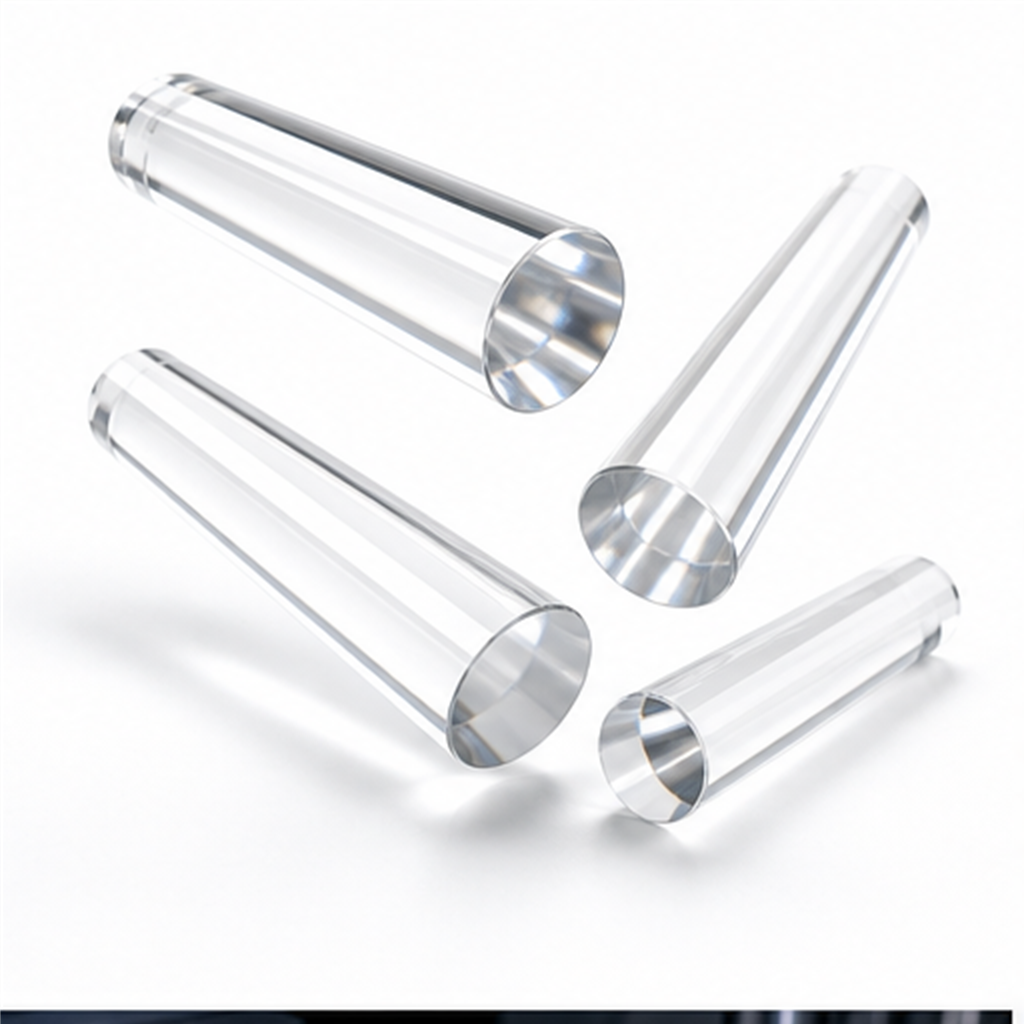
High Purity Solid Optical Clear Fused Quartz Glass Rod for Light Guide Semiconductor
- Purity: SiO2 > 99.99%
- Bubble-Free Class 0 / Optical Grade
- Applications: Semiconductor Light Guides, UV Lamps
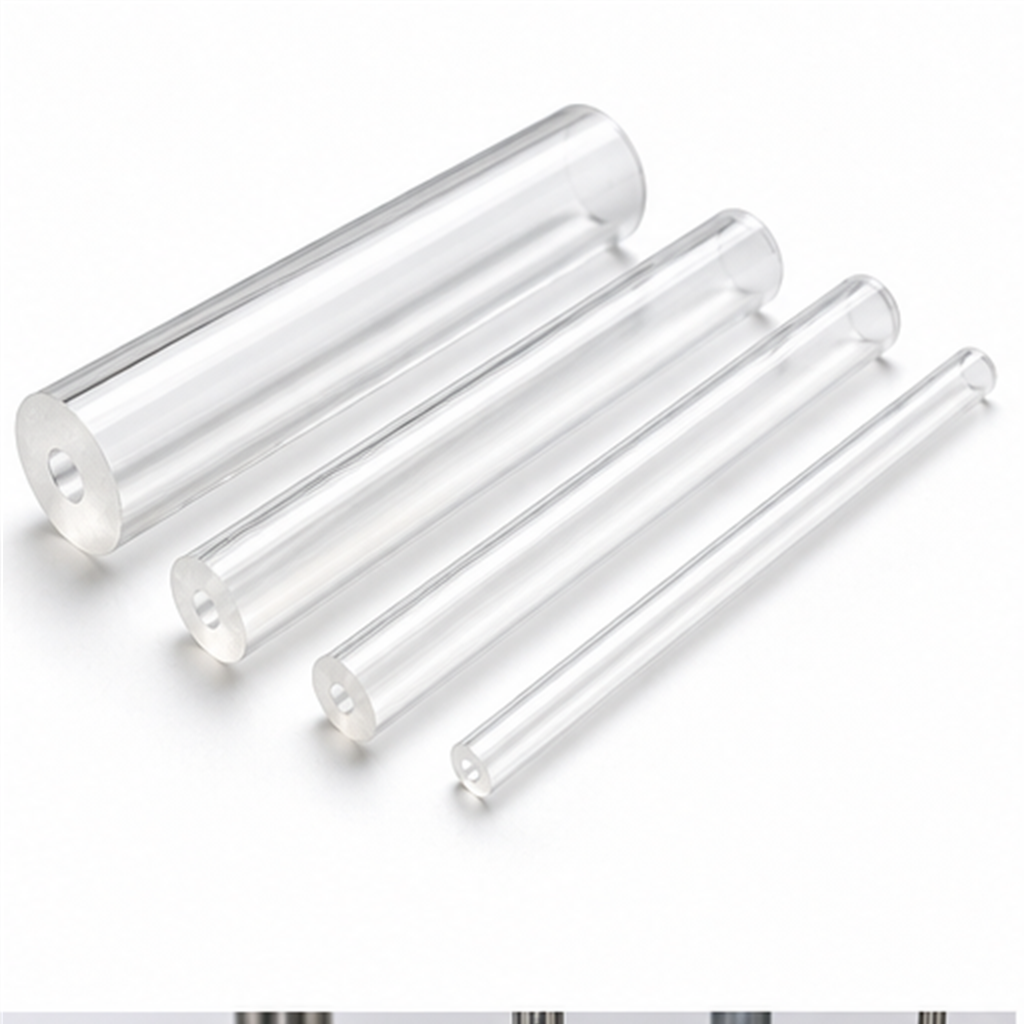
High Purity Heavy Wall Small Bore Quartz Glass Tube Flat Cut Unpolished
- Precision Bore Tolerances: ±0.02mm
- Thermal Resistance: Up to 1200°C Continuous
- Applications: Sight Glasses, High-Pressure Columns

Thermal Shock Resistant Transparent Fused Quartz Furnace Tube for High Temperature Processing
- Low CTE: 5.5 × 10⁻⁷ / °C
- Softening Point: 1683°C
- Applications: Diffusion Furnaces, CVD Processing
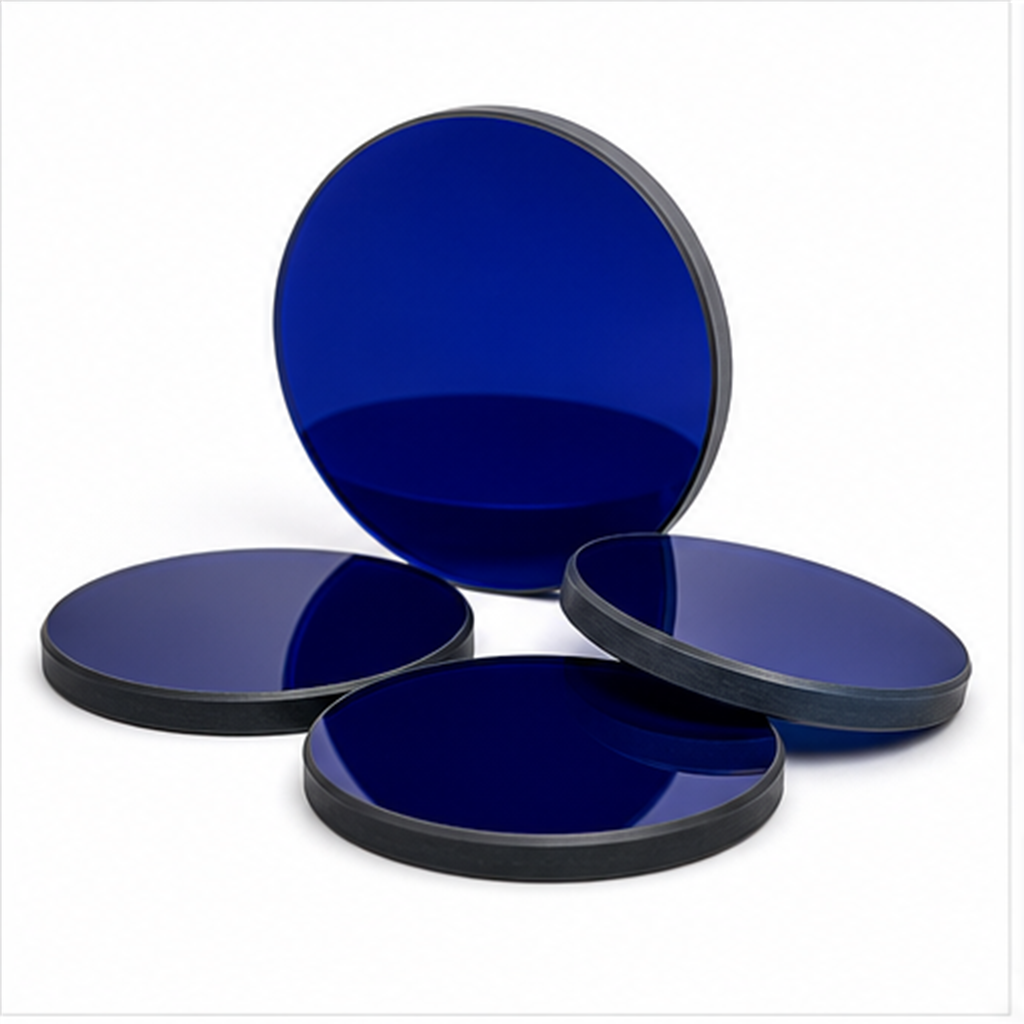
Optical Cobalt Blue Glass Disc Circular Filter Furnace Sight Glass Window
- Custom Flame/Furnace Viewing Filter
- Selective Wavelength Transmission
- Applications: High-Temp Industrial Furnace Sight Windows
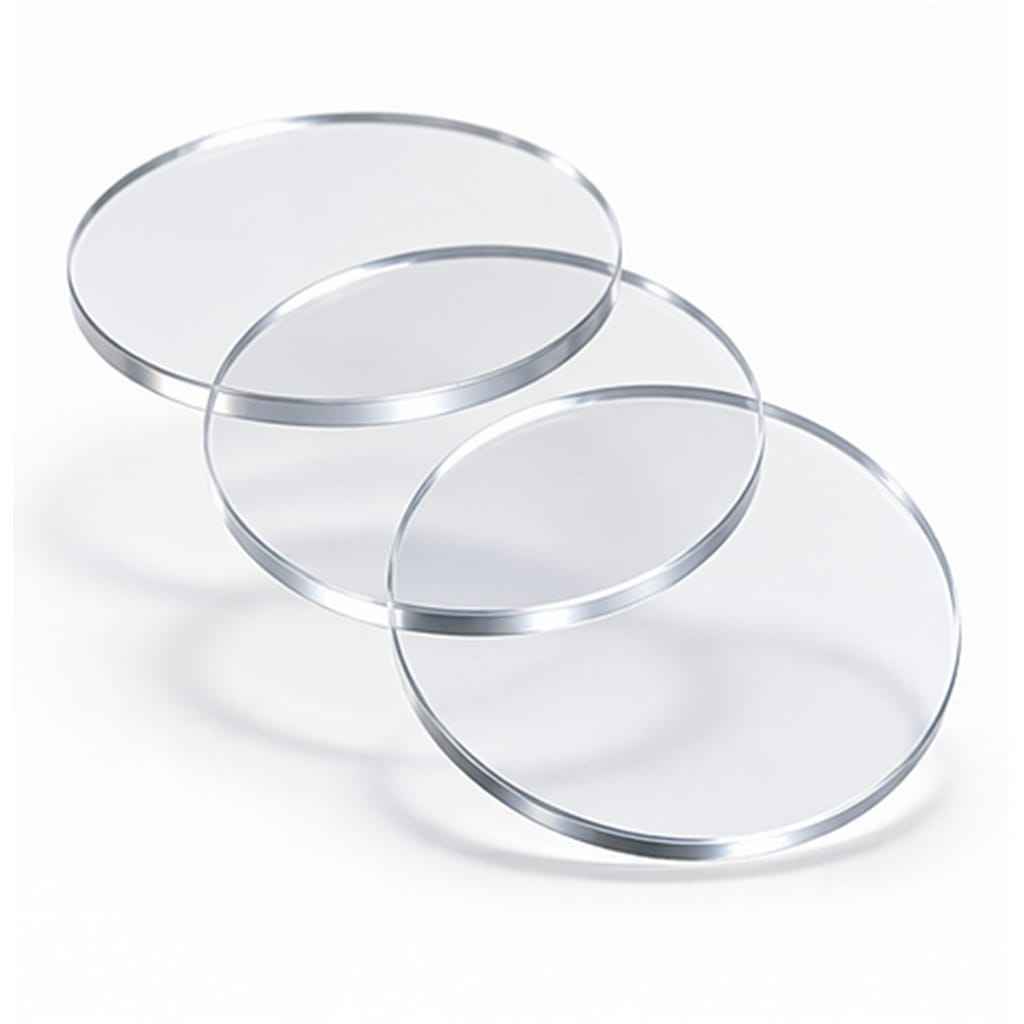
Optically Polished Single-Crystal Quartz Wafers with Chamfered Edges for Piezoelectric QCM Sensors
- Surface Roughness: Ra < 0.5 nm
- Edge Chamfering: Precision C-bevel
- Applications: QCM Sensors, Microfluidics, Piezo Devices
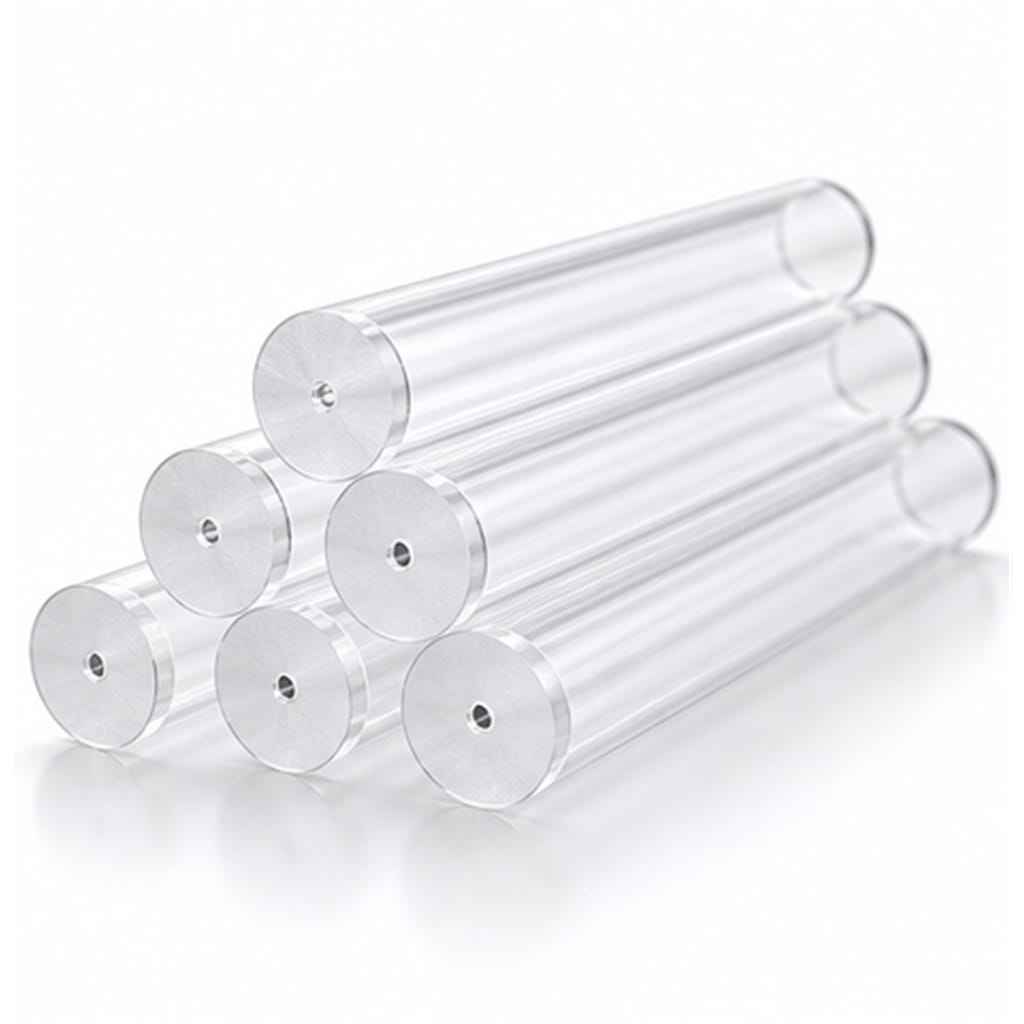
Capillary Micro-Bore Fused-Quartz Tubes with Precision Small Aperture for GC Chromatography and Microfluidics
- Ultra-Small Aperture Down to 10 µm
- Smooth Inner Wall & High Chemical Inertness
- Applications: GC Chromatography, Microfluidic Chips
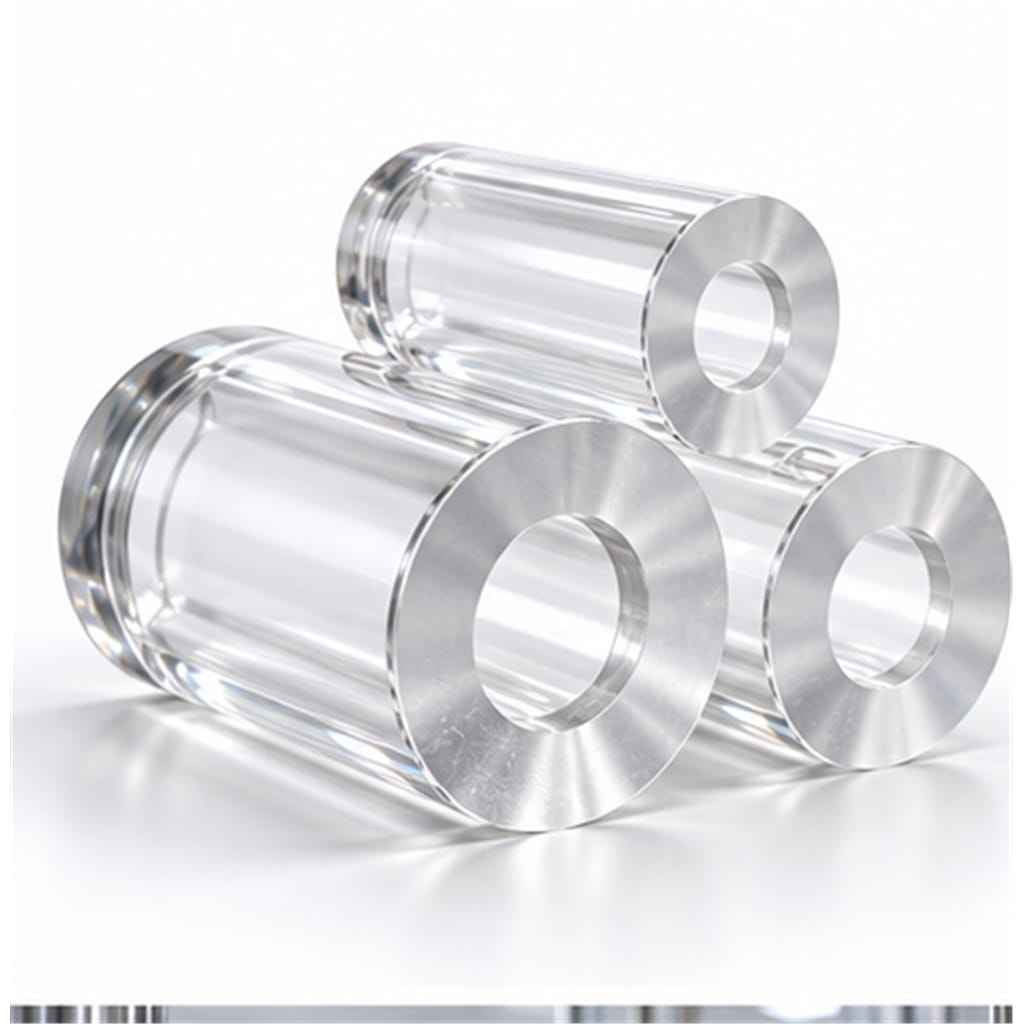
Heavy-Wall Fused-Quartz Cylindrical Pressure Tubes with Squared Ends for High-Pressure Autoclave Sight Glass
- High Bursting Pressure Rating
- Precision Squared & Polished Ends
- Applications: Autoclave Sight Windows, Reactor Tubes
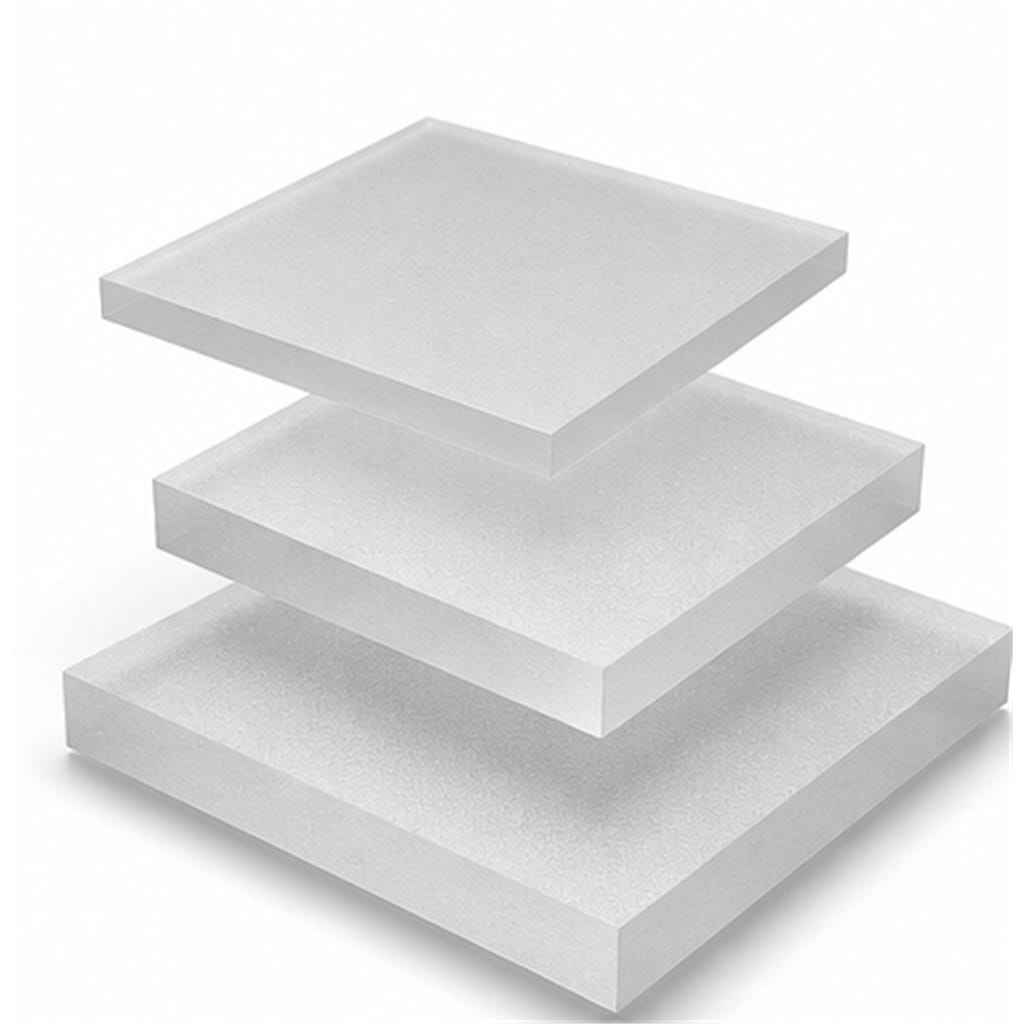
Raw Rough-Ground Fused-Quartz Blank Plates with Straight Edges for Semiconductor Wafer Substrate Lapping
- Custom Dimensions & Blank Thicknesses
- High Uniformity for Lapping & Polishing
- Applications: Semiconductor Carrier Substrates
Engineering Guide: OEM Quartz Glass Plate Fabrication & Material Selection
A comprehensive industrial whitepaper on physical properties, chemical purity grades, optical performance, and precise OEM machining parameters for optical-grade fused quartz and synthetic silica plates.
Material Classification: Fused Quartz vs. Synthetic Fused Silica
In high-precision optical and semiconductor engineering, selecting the appropriate quartz substrate is crucial for performance and cost-efficiency. **Natural Fused Quartz (JGS2/JGS3)** is manufactured by melting high-purity natural crystal quartz sand. It exhibits excellent thermal shock resistance, minimal thermal expansion (5.5 × 10⁻⁷ / °C), and high mechanical strength up to 1100°C continuous operation. On the other hand, **Synthetic Fused Silica (JGS1)** is synthesized via chemical vapor deposition (CVD) of silicon tetrachloride (SiCl4). It yields unmatched purity (>99.9999% SiO2), zero bubble class, and superior deep ultraviolet (DUV) transmission down to 193 nm, making it essential for lithography photolithography masks, UV lasers, and semiconductor wafer processing.
Optical Transmission Spectrum & OH- Content Control
Optical quartz plates are categorized by spectral transparency ranges:
• JGS1 (UV Grade Fused Silica): Transparent in DUV and visible ranges (193 nm – 2500 nm). Free of bubbles and inclusions, ideal for UV laser windows.
• JGS2 (Standard Optical Fused Quartz): Exceptional visible and near-IR transmission (220 nm – 2500 nm). Widely utilized for sight glass windows, substrate carriers, and furnace viewports.
• JGS3 (Infrared Grade Fused Quartz): Low hydroxyl content (OH- < 2 ppm), extending IR transparency up to 3.5 µm without water-absorption bands at 2.73 µm, critical for thermal imaging and gas analysis.
Technical Property Matrix: Fused Quartz Substrates
| Property Parameter | JGS1 (Synthetic UV Grade) | JGS2 (Optical Fused Quartz) | JGS3 (IR Grade Quartz) |
|---|---|---|---|
| SiO2 Purity Level | > 99.9999% | > 99.99% | > 99.99% |
| OH- Hydroxyl Content | 100 - 1000 ppm | 30 - 150 ppm | < 2 - 5 ppm |
| Wavelength Range | 185 nm - 2500 nm | 220 nm - 2500 nm | 260 nm - 3500 nm |
| Density (g/cm³) | 2.20 g/cm³ | 2.20 g/cm³ | 2.20 g/cm³ |
| Max Working Temp (Continuous) | 1100 °C | 1150 °C | 1200 °C |
| Coefficient of Thermal Expansion (CTE) | 5.5 × 10⁻⁷ / °C | 5.5 × 10⁻⁷ / °C | 5.5 × 10⁻⁷ / °C |
| Surface Quality (Scratch-Dig) | 10-5 / 20-10 | 40-20 / 60-40 | 40-20 |
Industry Trends & Procurement Trajectory
How emerging tech ecosystems are redefining technical quartz glass plate specifications, supplier evaluation metrics, and international sourcing strategies.
1. Semiconductor Wafer Size Scaling & Photomask Demand
As semiconductor nodes advance to 3nm and below, the demand for high-homogeneity synthetic quartz photomask substrates and carrier plates has surged. Buyers now require extreme flatness (< λ/10 @ 632.8 nm) and zero thermal distortion under high-energy DUV exposure. OEM suppliers must provide ultra-clean room packaging (Class 100) and certified stress birefringence index < 2 nm/cm.
2. Rise of Microfluidics & Piezoelectric QCM Sensors
The biomedical and microfluidics sectors are increasingly adopting precision-etched quartz glass plates and single-crystal quartz wafers. Due to quartz’s natural piezoelectric property, optical transparency, and biocompatibility, custom chamfered quartz wafers are replacing standard glass in Quartz Crystal Microbalance (QCM) biosensors and organ-on-a-chip liquid chromatography.
3. Supply Chain Traceability & Total Cost Ownership (TCO)
Global procurement directors are shifting away from fragmented trading intermediaries toward integrated OEM/ODM quartz glass factories in major quartz hubs like Donghai, China. Direct factory integration offers direct control over raw sand purity, CNC diamond-machining repeatability, and reduced lead times, optimizing Total Cost of Ownership (TCO) by 25-40%.
Donghai Kemzo Quartz: Enterprise Manufacturing Edge
Located in China’s quartz crystal capital, Donghai Kemzo Quartz Products Co., Ltd. combines regional raw material integration with advanced CNC machining and strict ISO 9001 quality controls.
Precision OEM/ODM Machining Capabilities
Our state-of-the-art facility is equipped with over 10 dedicated production lines capable of transforming raw quartz blanks into complex technical parts tailored to customer technical drawings:
- CNC Diamond Milling & Drilling: Precision hole drilling down to 0.5 mm, complex step cutting, blind grooves, and internal slotting with ±0.005 mm tolerances.
- Double-Side Optical Polishing: Achieving surface roughness Ra < 0.5 nm, scratch-dig optical quality up to 10-5 according to MIL-PRF-13830B standards.
- Precision Edge Machining: Chamfering (C-bevel, R-bevel), ground straight edges, and fire-polished safe corners to prevent chip propagation under thermal stress.
- Thermal Flame Working & Annealing: High-temperature hydrogen-oxygen flame welding, customized tube sealing, and stress-relieving annealing up to 1150°C to eliminate internal strain.
Quality Assurance & Global Supply Chain Integrity
As a certified Jiangsu High Technology Enterprise, we implement rigorous end-to-end quality control protocols:
- 100% Dimensional & Visual Inspection: Utilizing Zygo optical interferometers, polariscopes, and high-intensity backlight inspection tables to verify zero bubbles, scratches, or airlines.
- Chemical Trace Analysis: ICP-MS testing verifying metallic element impurities (Fe, Cu, Ti, Na, K, Li) remain below strict parts-per-million (PPM) thresholds.
- Export-Grade Protective Packaging: Vacuum-sealed anti-static cleanroom bags, multi-layer foam cushioning, and reinforced custom wooden crates ensuring 100% damage-free transit across North America, Europe, East Asia, and Oceania.
- Rapid Engineering Response: Dedicated technical sales team delivering CAD/3D drawing analysis and quotation feedback within 1 hour.
Procurement & Engineering Frequently Asked Questions
Direct answers to the most crucial technical, manufacturing, and logistical questions raised by global quartz glass buyers and engineering teams.