Featured Quartz Infrared & Process Assemblies
Directly manufactured from ultra-pure fused quartz crystals in Donghai. Certified dimensional integrity, high transmission kinetics, and extreme thermal resilience across severe thermal gradients.
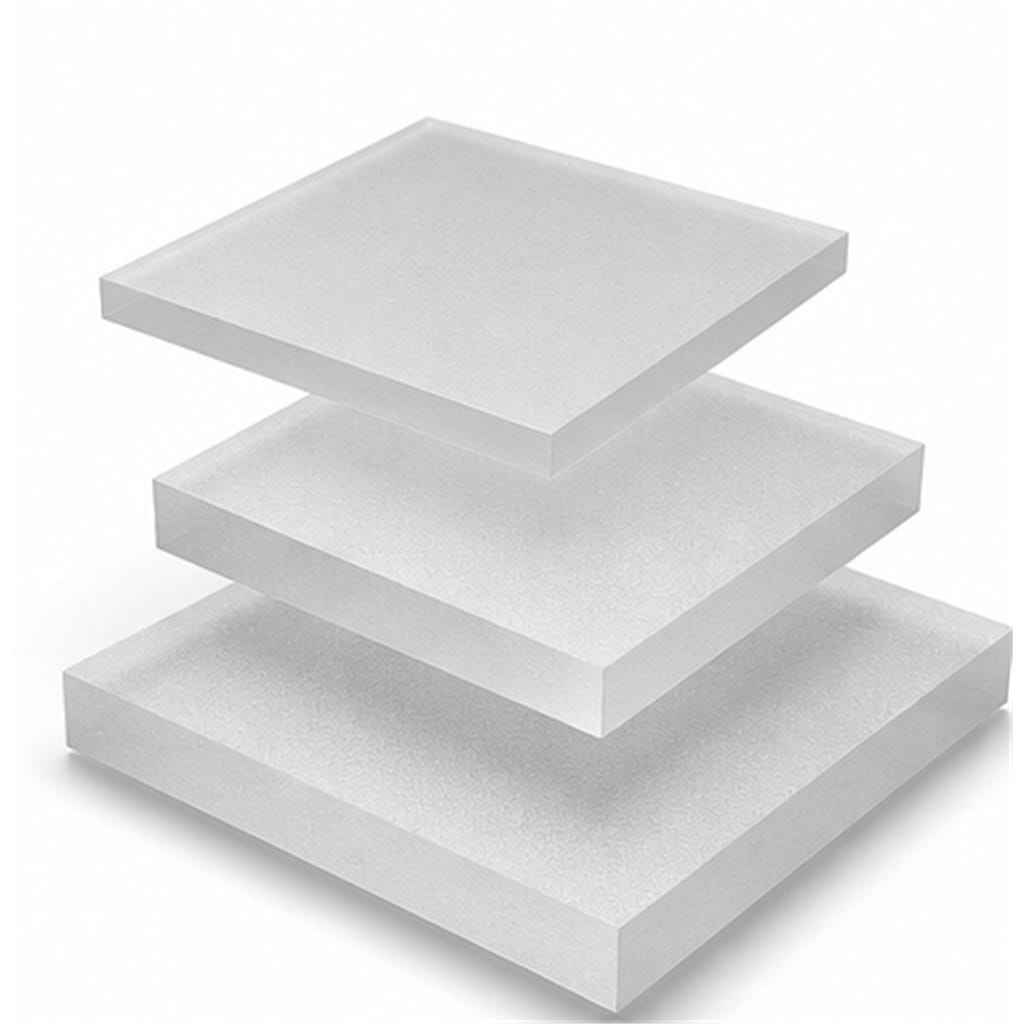
Raw Rough-Ground Fused-Quartz Blank Plates with Straight Edges for Semiconductor Wafer Substrate Lapping
- Purity:≥ 99.99% SiO²
- Parallelism:≤ 0.015 mm
- Working Temp:1100 °C Continuous
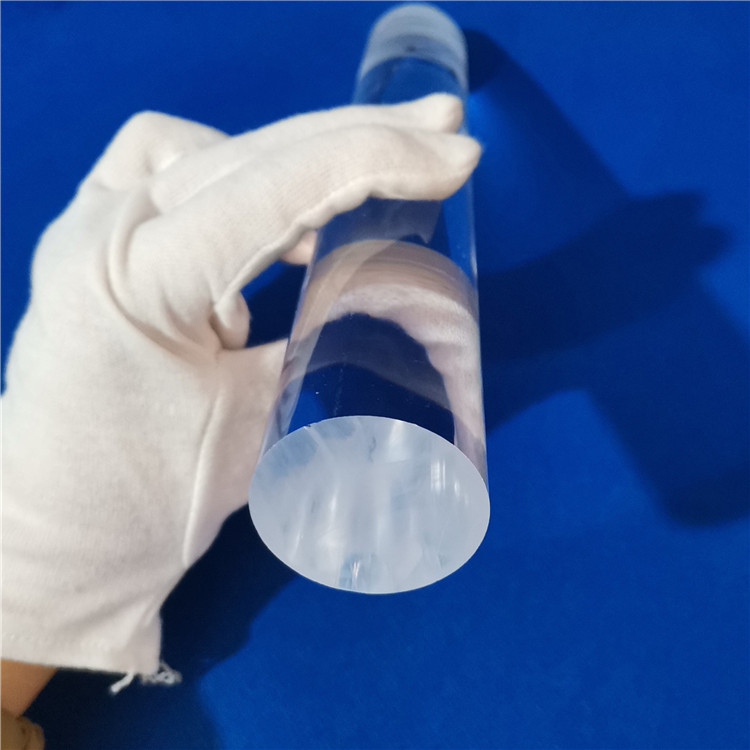
Clear Transparent Quartz Rod 4-42mm Diameter Polished Fused Silica Bar 1100 Degrees Centigrade Decoration Glass
- Diameter Range:4 mm – 42 mm
- Thermal Softening:1683 °C
- Finish:Fire / Optical Polish
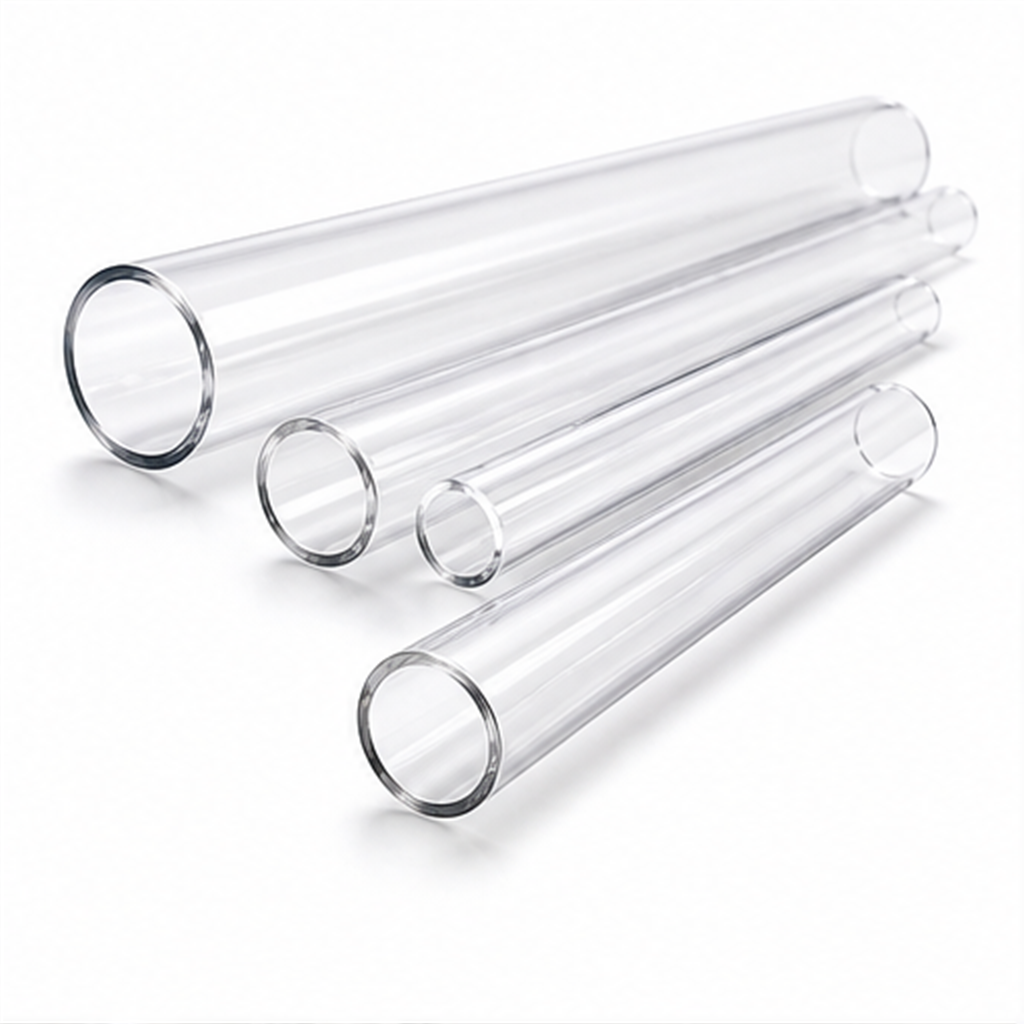
Thermal Shock Resistant Transparent Fused Quartz Furnace Tube for High Temperature Processing
- Expansion Coeff:5.5 × 10⁻⁷ / °C
- Peak Temp:1450 °C Transient
- Transmission:> 92% Infrared
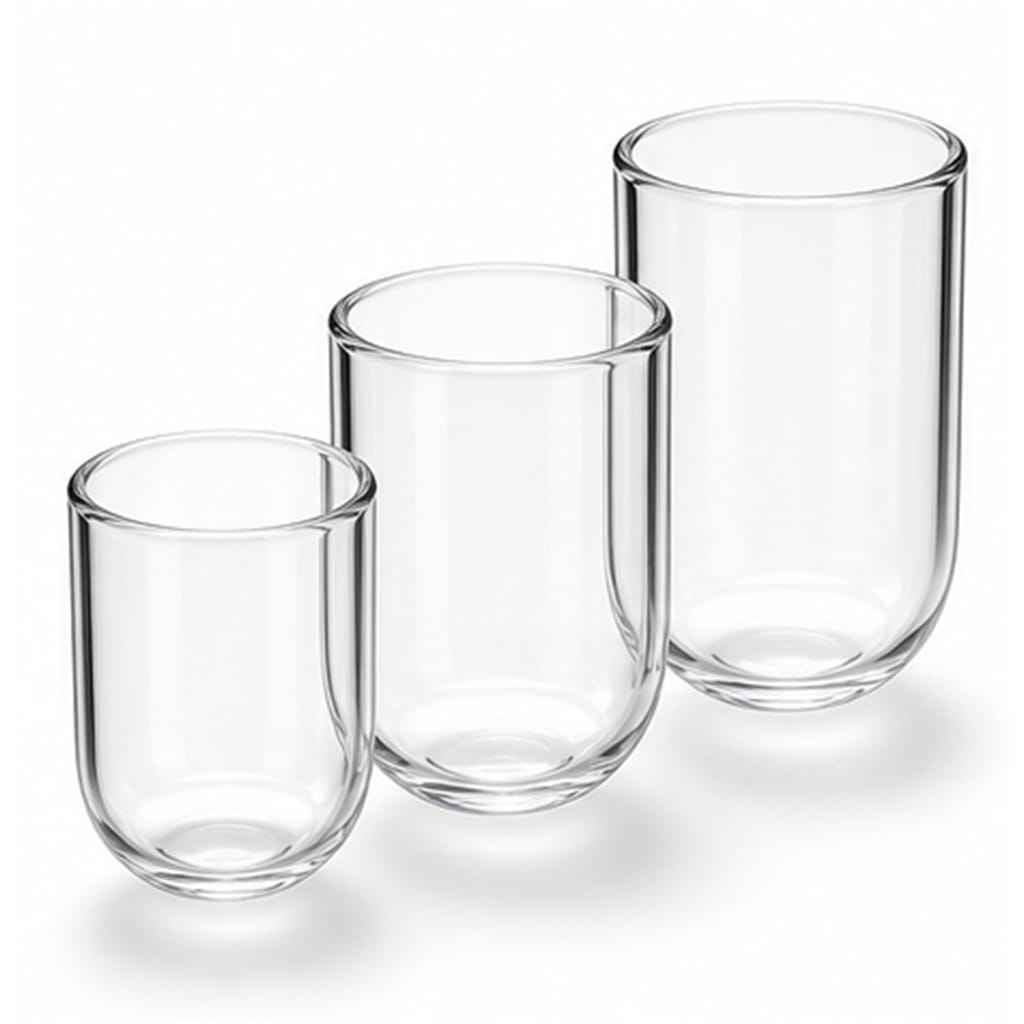
Clear Fused-Quartz Melting Crucibles with Fire-Polished Rims for High-Temperature Laboratory Muffle Furnaces
- Edge Treatment:Fire-Polished Flange
- Chemical Inertness:Acid Resistant
- Thermal Stability:Zero Micro-Fracture
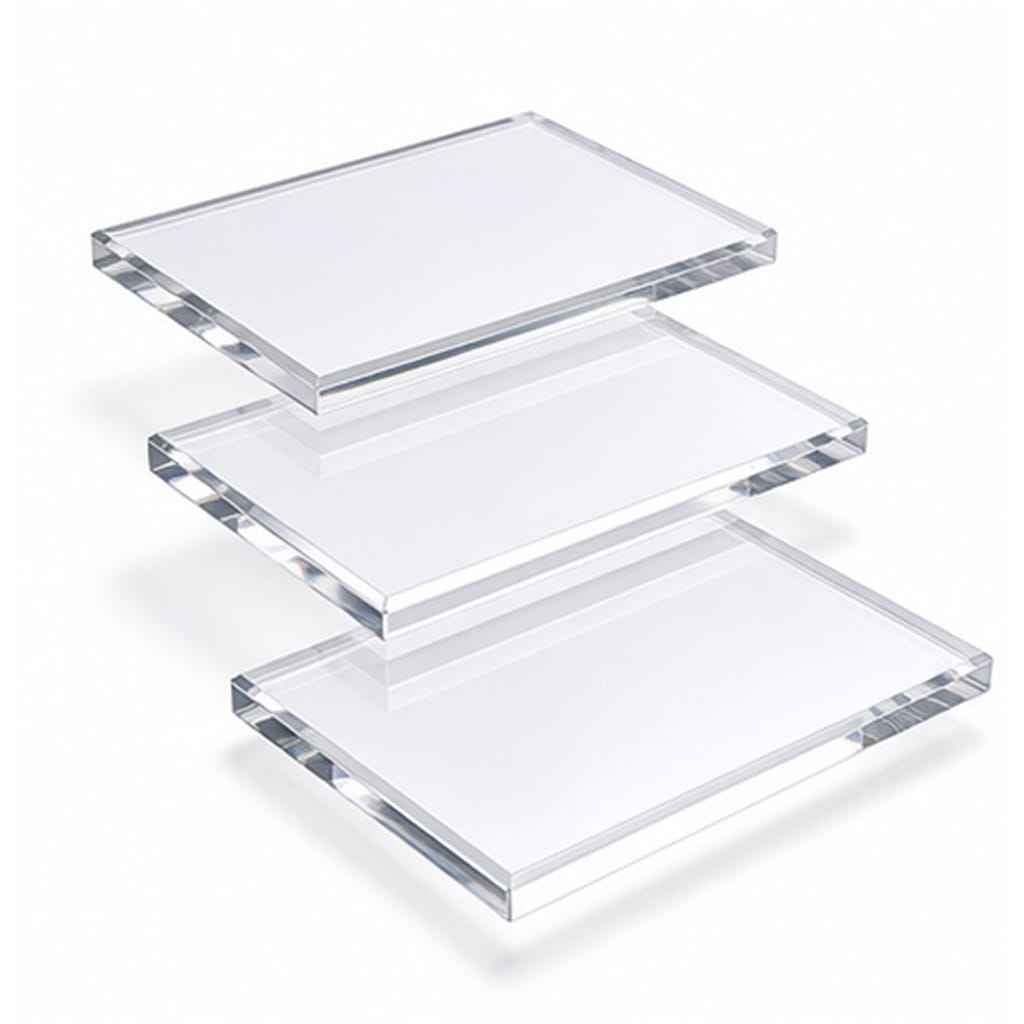
Precision Optical Fused-Quartz Square Plates with Chamfered Edges for Semiconductor Photomask Windows
- Surface Flatness:λ/4 or Customized
- Edge Profile:CNC C-Chamfer 45°
- UV-IR Range:190 nm – 3500 nm
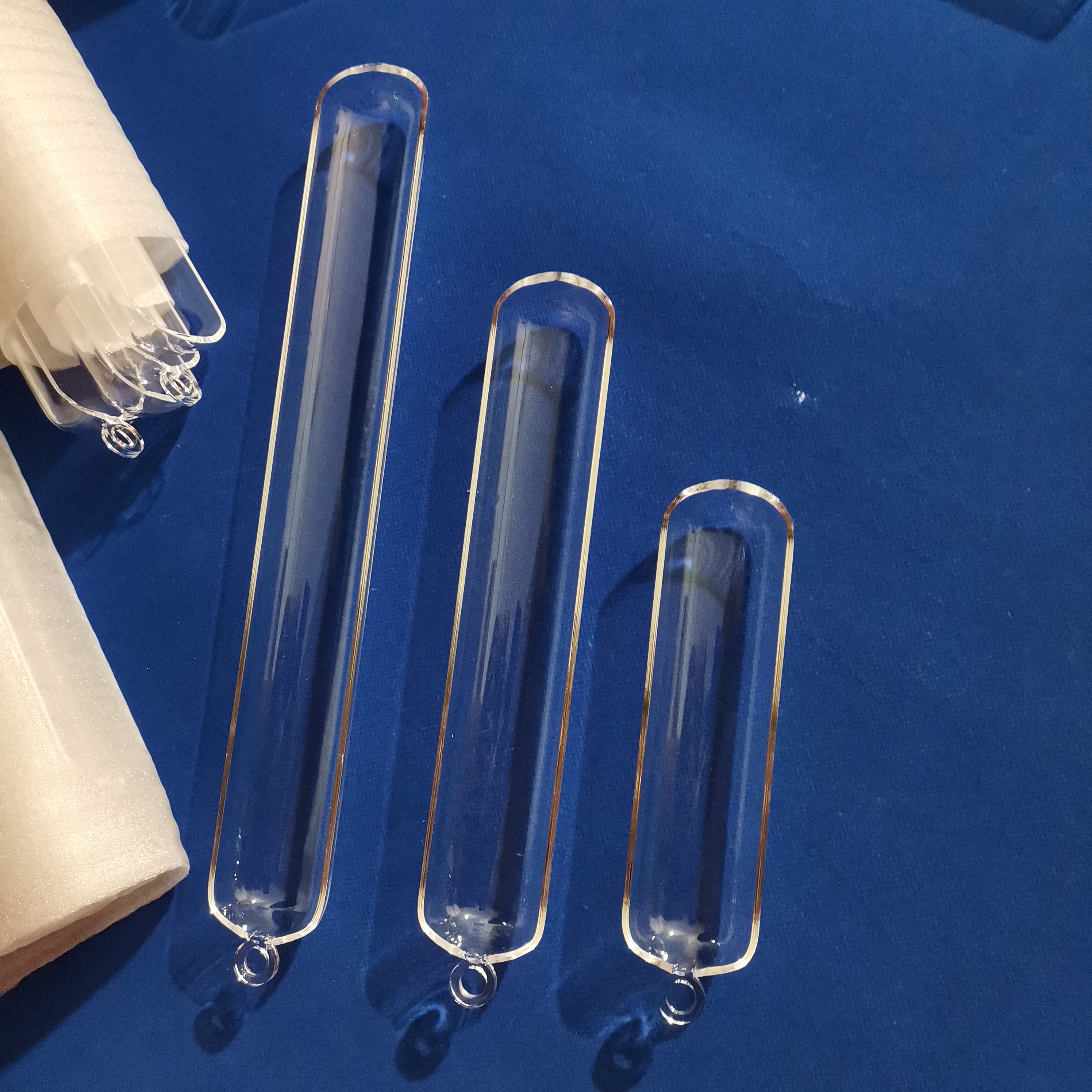
High Purity Quartz Glass Boat Transparent Bowl Shape 6-16 Chemical Industry Experimental Equipment
- Contaminants:Alkali Free
- Welding Method:Hydrogen-Oxygen Torch
- Geometry:Low-Warpage Frame
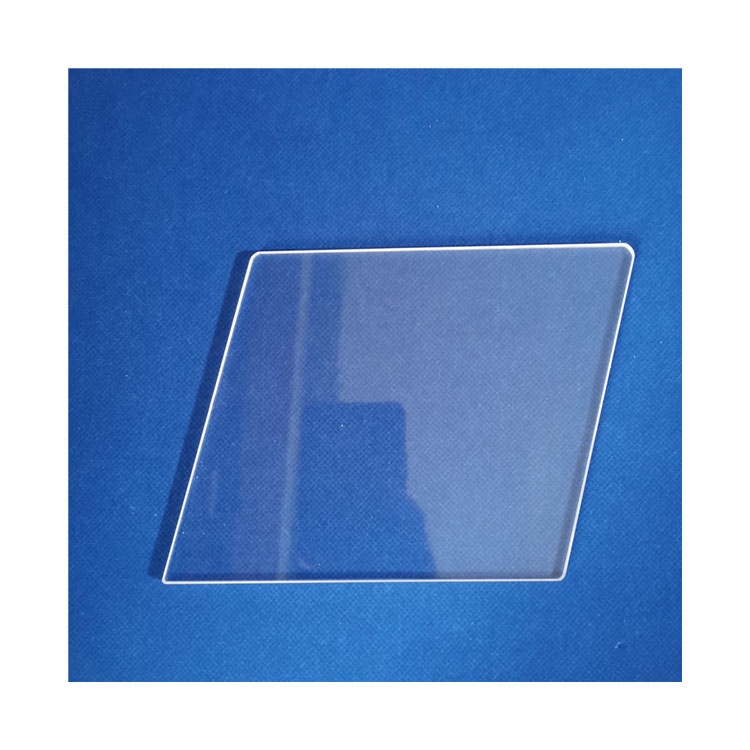
Clear Fused Silica Quartz Glass Plate Transparent Square 0.5-100mm for Optical Semiconductor Industry
- Thickness Range:0.5 mm – 100 mm
- Bubble Class:DIN 58927 Zero Defect
- Refractive Index:1.4585 at 589 nm
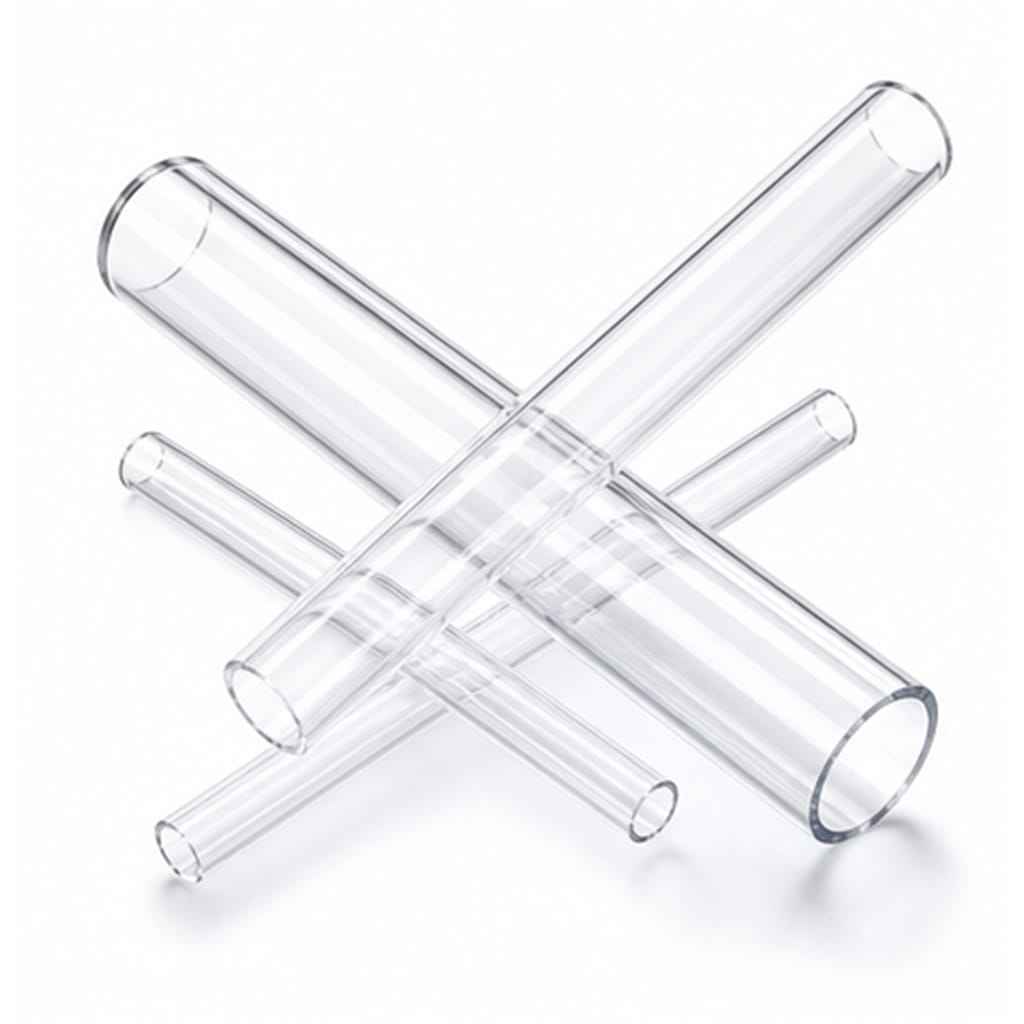
Precision Flat-Cut Fused-Quartz Straight Process Tubes with 90-Degree Squared Ends for Vacuum CVD Chambers
- End Perpendicular:≤ 0.1° Square Cut
- Wall Uniformity:± 0.05 mm
- Vacuum Rating:10⁻⁶ Torr Sealable
Industrial Thermodynamics of Quartz Infrared Heating: Envelope Physics and Spectral Mechanics
In high-throughput industrial thermal processing, infrared radiation represents the most thermodynamic-efficient mechanism for contactless heat transfer. Unlike convective systems that require ambient atmosphere heating or conductive systems that depend on physical contact, infrared heating obeys Planck’s Radiation Law and Stefan-Boltzmann’s Law ($E = \epsilon \sigma T^4$). Radiant heat energy propagates electromagnetically at the speed of light, yielding instant absorption within the target substrate's molecular matrix.
However, the efficacy of an industrial infrared lamp depends critically on its structural envelope: the fused quartz tube. Fused quartz ($SiO_2$) possesses unique dielectric, thermal, and optical properties that make it the solitary engineering substrate capable of handling intense filament temperatures (exceeding 2200 °C) while transmitting peak spectral energy without structural vitrification or spectral distortion.
1. Spectral Bandwidth Differentiation: Short-Wave, Fast Medium-Wave, and Medium-Wave
Industrial thermal engineers categorize quartz infrared emitters according to Wien's Displacement Law ($\lambda_{max} = b / T$), matching radiant peak wavelengths precisely to the absorption spectrum of processing materials:
| Emitter Category | Filament Temp | Peak Wavelength | Response Speed | Primary Industrial Applications |
|---|---|---|---|---|
| Short-Wave Infrared (SWIR) | 1800 – 2400 °C | 0.8 – 1.4 μm | < 1 Second | PET blow molding, silicon wafer RTP, powder coating sintering, metal heating |
| Fast-Response Medium-Wave (FMR) | 1400 – 1800 °C | 1.4 – 2.0 μm | 1 – 2 Seconds | Automotive paint drying, plastic thermoforming, textile drying, paper web curing |
| Standard Medium-Wave (MWIR) | 800 – 1000 °C | 2.0 – 2.8 μm | 1 – 4 Minutes | Plastics welding, continuous solvent flash-off, food baking, glass annealing |
| Carbon Fiber Medium-Wave (CIR) | 1000 – 1200 °C | 2.0 – 3.0 μm | < 2 Seconds | Water-based ink drying, composite layup curing, high-precision surface processing |
2. Fused Quartz Material Characteristics: The Hydroxyl (OH−) Threshold and Devitrification
Ordinary borosilicate or commercial soda-lime glass softens beneath 550 °C and displays profound infrared absorption bands that cause catastrophic thermal shock. In contrast, Donghai Kemzo Quartz synthesizes natural high-purity crystalline quartz into fused silica containing ≥ 99.99% SiO². This provides an extraordinarily low coefficient of thermal expansion ($\alpha = 5.5 \times 10^{-7} / ^\circ\text{C}$), allowing our quartz lamp envelopes to be repeatedly quenched in ice water from 1100 °C without structural cleavage.
Crucially for infrared emitter longevity, our proprietary electric fusion and vacuum refining processes control the internal hydroxyl radical content ($OH^-$) below 15 ppm. In conventional low-grade quartz glass, high $OH^-$ content initiates a deep water absorption dip at the 2.72 μm band. This absorption converts transmitted infrared energy into localized internal heat within the envelope wall, accelerating the fatal phase transformation from amorphous silica into crystalline cristobalite (devitrification) above 1000 °C. By preventing $OH^-$ entrapment, Kemzo quartz sleeves operate cleanly for more than 5,000 to 10,000 hours without clouding or lumen depreciation.
Custom OEM/ODM Engineering: Geometries, Coatings, and Metallurgical Terminations
Procuring industrial infrared emitters requires strict alignment with mechanical conveyor clearances, electrical distribution constraints, and atmospheric conditions. As an established OEM/ODM exporter based in the Donghai crystal manufacturing hub, Kemzo Quartz provides comprehensive configuration latitude across envelope architecture, directional optics, and hermetic sealing metallurgy.
Geometric Envelope Configurations: Single-Tube vs. Twin-Tube
While single cylindrical tubes (outer diameter 8 mm to 20 mm) remain ubiquitous for compact heating banks, high-intensity processing machines increasingly specify Twin-Tube (Figure-of-Eight) Quartz Emitters. Fused from high-clarity quartz tubing into seamless cross-sections (typically 18×8 mm, 23×11 mm, or 33×15 mm), the twin-tube profile provides distinct structural advantages:
- Mechanical Rigidity: Massive resistance to gravitational sagging across spans exceeding 2,500 mm, even under extreme radiant operation.
- Filament Isolation: Independent channels house separate heating coils, permitting single-ended electrical wiring (saving machinery installation space) or dual-circuit power stepping (half-power / full-power zone control).
- Directional Power Density: Houses twice the radiative emitter density within an ultra-compact spatial profile.
Directional Reflector Technology: Direct Gold Coating vs. Diffuse White Ceramic
Omnidirectional infrared radiation wastes up to 50% of radiant flux into machine framing and ambient surroundings. To maximize thermal transfer efficiency onto the substrate, Kemzo applies high-adhesion reflective backings directly onto the reverse 180° arc of the quartz tube:
24K Nano-Gold Reflector
Reflects up to 95% of short-wave infrared energy directly forward. Gold possesses superior reflectivity in the 0.8 – 2.0 μm band. Suitable for continuous lamp envelope temperatures up to 600 °C.
Diffuse White Ceramic
Thermally durable to over 1000 °C. Employs high-purity inorganic oxide coating with 90% diffuse reflectance. Ideal for high-ambient ovens, medium-wave emitters, and continuous furnace tunnels.
Ruby / Frosted / Milky
Frosted quartz diffuses glare; milky opaque quartz suppresses visible light while transmitting soft far-infrared; ruby red filters out high-intensity visible light for glare-sensitive curing zones.
Hermetic Pinch-Seal Metallurgy: Molybdenum Foil Integration
Because fused quartz has a negligible thermal expansion coefficient ($0.55 \times 10^{-6}/\text{K}$) while metallic electrical conductors like copper or tungsten expand dramatically ($4.5 - 16 \times 10^{-6}/\text{K}$), direct metal-to-glass seals crack instantly upon cooling. Our engineers execute precision hermetic pinch seals utilizing microscopically etched molybdenum foil ribbons (thickness 0.015 – 0.025 mm with feather-edged borders). The yield strength of the feather-edged molybdenum deforms elastically to absorb differential expansion under vacuum, maintaining an absolute vacuum-tight joint ($< 10^{-9}\text{ mbar}\cdot\text{l/s}$) that preserves internal halogen or inert gas environments across thousands of thermal cycles.
Future Procurement Trends in Industrial Quartz Infrared Systems
Strategic supply chain analysis for plant managers, OEM machinery builders, and procurement directors navigating technological transformations over the next decade.
Rapid Electrification & Gas Phase-Out
Global industrial decarbonization is accelerating the replacement of massive natural-gas convective curing tunnels with targeted electric quartz infrared arrays. Industrial procurement teams are prioritizing suppliers capable of engineering high-voltage, high-density modular cassettes that slash industrial carbon footprint while delivering up to 60% energy savings through instant on/off cycling.
Micro-Zoned Closed-Loop PID Heating
Procurement is pivoting from simple blanket lamps toward multi-zone addressable infrared emitter banks. Modern thermal systems incorporate integrated optical pyrometers and thyristor power controllers linked to individualized filament segments. Quartz lamp manufacturers are expected to supply custom-segmented lamps where discrete 100 mm sections can be throttled dynamically for precision temperature profiling.
Long-Life Hermetic Sealing Demands
Unplanned machine downtime in continuous coil coating or automotive paint lines costs thousands of dollars per hour. Sourcing criteria now strictly evaluate pinch-seal thermal limits. Buyers demand proprietary oxidation inhibitors on external lead wires and upgraded pinch-seal geometry capable of withstanding operating temperatures up to 450 °C without Molybdenum foil oxidation.
Product Development & Technological Trends
Breakthroughs in quartz envelope material science, composite emitter filaments, and nano-optical coatings transforming industrial thermal yield.
Carbon Fiber Nanotube Filaments
Transition from standard coiled tungsten to woven carbon fiber composite elements. Provides an ultra-pure medium-wave emission curve (peak 2.2 – 2.6 μm) matched to the hydroxyl absorption band of water and organic solvents, operating with instant ≤ 2s thermal response.
Doped Synthetic Quartz Envelopes
Application of cerium-doped or titanium-doped fused silica envelopes to completely suppress unwanted deep-ultraviolet ozone emission while maintaining uninhibited transmission across NIR and SWIR spectra, eliminating safety hazards in factory environments.
Inorganic High-Adhesion Nano Ceramics
Next-generation plasma-sprayed ceramic backings chemically bound to the quartz glass surface. These coatings resist acid vapor attacks, solvent fumes, and physical scratching in industrial drying environments, avoiding the flake and peel failures common to cheap reflective coatings.
Precision 3D Contoured Form Factors
Robotic flame-working breakthroughs allow twin-tube quartz emitters to be bent into complex circular, omega, or saddle-shaped geometries. This delivers uniform radial radiant heat flux over 3D automotive plastic parts, curved pipes, and aerospace composite structures.
Frequently Asked Questions by Global Procurement Engineers
Critical engineering insights addressing tolerances, failure modes, electrical matching, and logistics for industrial quartz infrared components.
How does the internal hydroxyl (OH-) concentration in fused quartz impact infrared emitter service life?
What is the fundamental failure mechanism of pinch seals, and how does your factory mitigate it?
How do cold inrush current characteristics affect electrical specification and power controller selection?
Between a 24K Gold Reflector and a White Ceramic Reflector, how do we determine the correct selection?
Choose 24K Gold Coating: When operating short-wave or fast medium-wave emitters where the peak radiant output falls between 0.8 μm and 2.0 μm, and maximum directional efficiency is required. Gold provides an unbeatable 95% directional reflectivity across this bandwidth. However, the outer surface of the quartz envelope in the reflector zone must not exceed 600 °C, as gold starts sublimating and diffusing into silica at higher temperatures.
Choose White Ceramic Coating: When operating high-power medium-wave emitters, long-wave emitters, or deploying lamps inside insulated industrial drying ovens where envelope surface temperatures exceed 700 – 1000 °C. Our inorganic ceramic coating is virtually indestructible at elevated temperatures, completely chemically inert, and reflects up to 90% of medium-to-far infrared radiation via diffuse scattering.
Can you customize physical lamp geometry, wattage distribution, and end fittings based on our OEM drawings?
How does Kemzo Quartz package fragile 2.5-meter+ quartz assemblies to ensure zero damage during air and ocean transit?
What trade terms, currency options, and international certifications govern export orders?
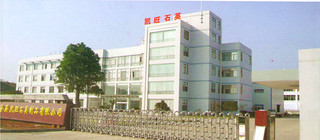
Donghai Kemzo Quartz Products Co., Ltd.
Founded in 2011 in Donghai County — internationally celebrated as China's "Crystal Capital" — Kemzo Quartz maintains end-to-end operational mastery over the fused silica value chain. By sitting directly at the world's most concentrated natural quartz deposit cluster, we secure premium raw crystalline pegmatites with baseline purities reaching 99.99% SiO².
Our specialized facility integrates more than 10 continuous drawing lines, computer-controlled precision cutting and grinding machinery, Class 10,000 cleanroom assembly bays for halogen emitter evacuation and pinch sealing, and full-spectrum spectrophotometric verification labs.
Exporting over 70% of our annual production across North America, Germany, Japan, South Korea, and emerging industrial markets, we combine the cost advantages of primary mineral access with the exacting tolerances required by global semiconductor, PV, and thermal equipment OEMs.
Request an Engineering Evaluation & Custom Quote
Submit your part drawings (DWG, DXF, PDF), envelope dimensions, or target heating parameters. Our technical thermal engineering group provides feasibility confirmation, tolerance verification, and competitive tiered OEM pricing within one business hour.