Factory-Direct Quartz Ware for Extreme Thermal & Optical Demands
Manufactured in China's natural crystal hub under strict ISO 9001 quality controls. Each product is synthesized or thermally reshaped from ultra-refined silica sand to satisfy microelectronics, photovoltaic, and laboratory tolerances.
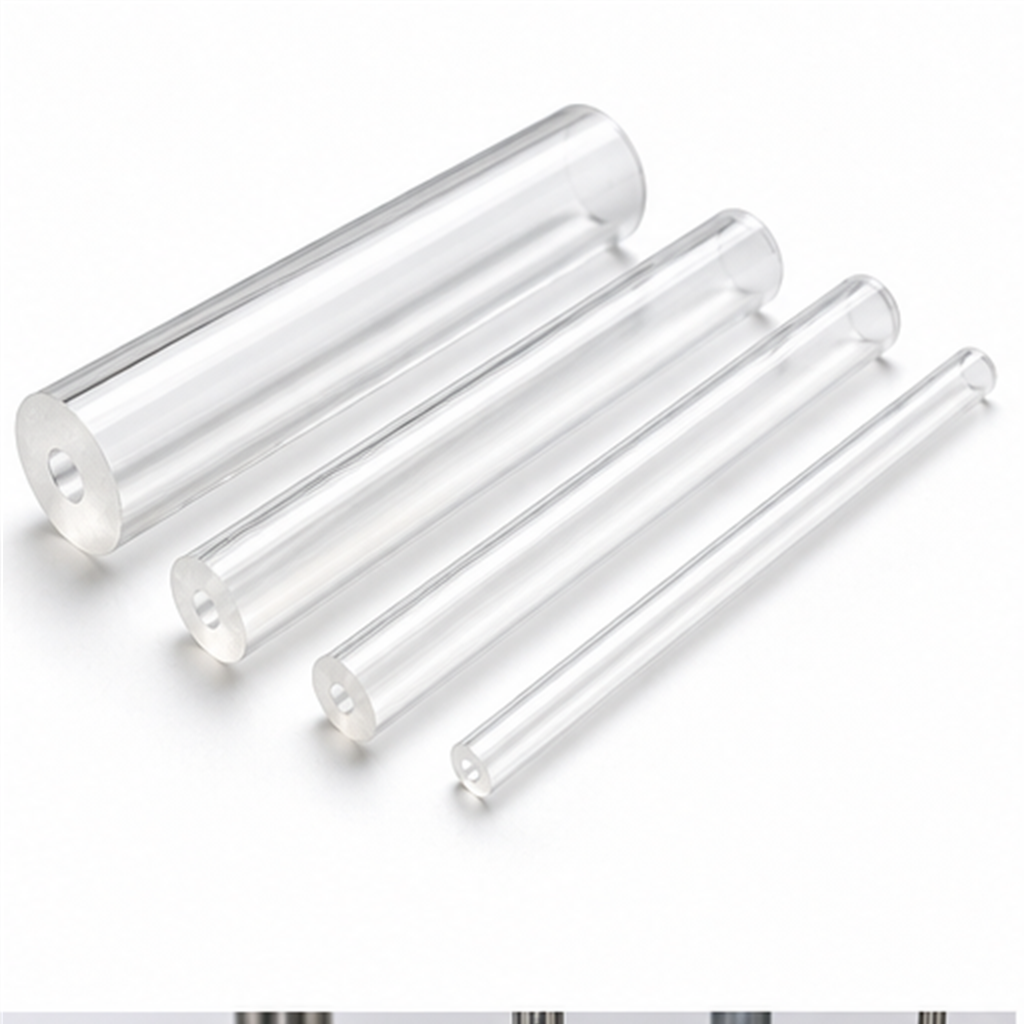
High Purity Heavy Wall Small Bore Quartz Glass Tube Flat Cut Unpolished
- High bursting pressure threshold
- Precision ID/OD bore concentricity
- Flame-annealed or diamond saw cuts
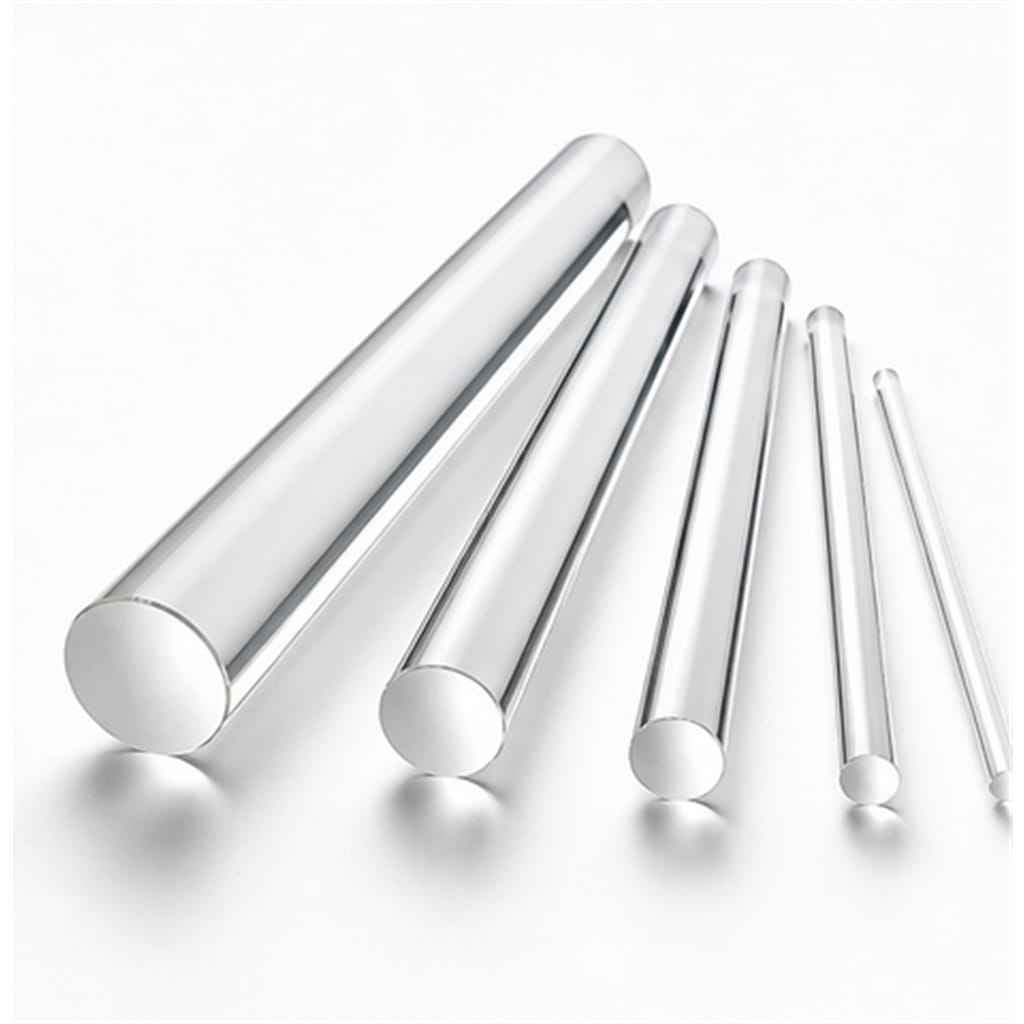
Solid Fused-Quartz Cylindrical Rods with Precision 90-Degree Flat-Cut Ends for Optical Laser Light Guides
- Superior total internal reflection (TIR)
- Bubble-free optical path grade (Class 0/1)
- Polished ends ≤ Ra 0.2 μm
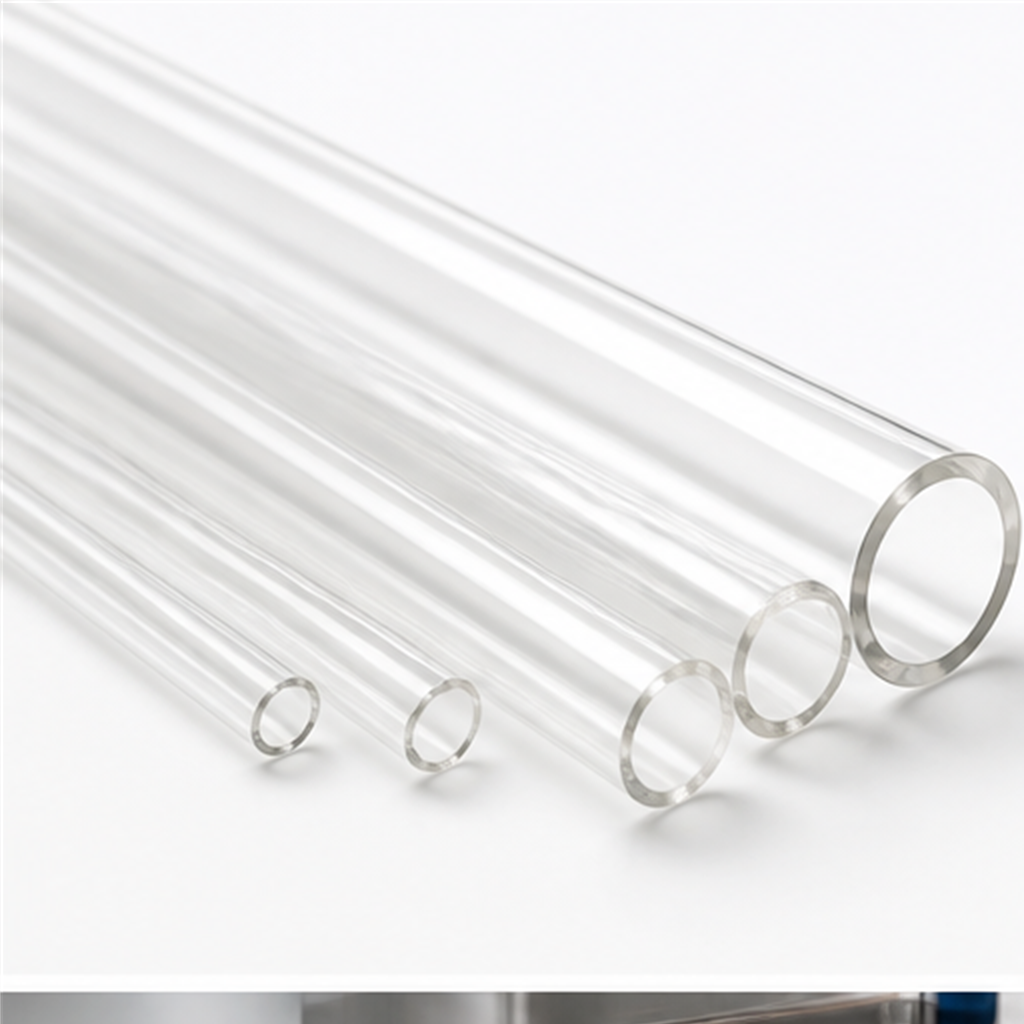
High Purity Clear Fused Quartz Glass Tube High Temperature Transparent Furnace Tubing
- Continuous operation at 1100 °C
- Low OH content (< 20 ppm or synthetic < 2 ppm)
- Extreme resistance to devitrification
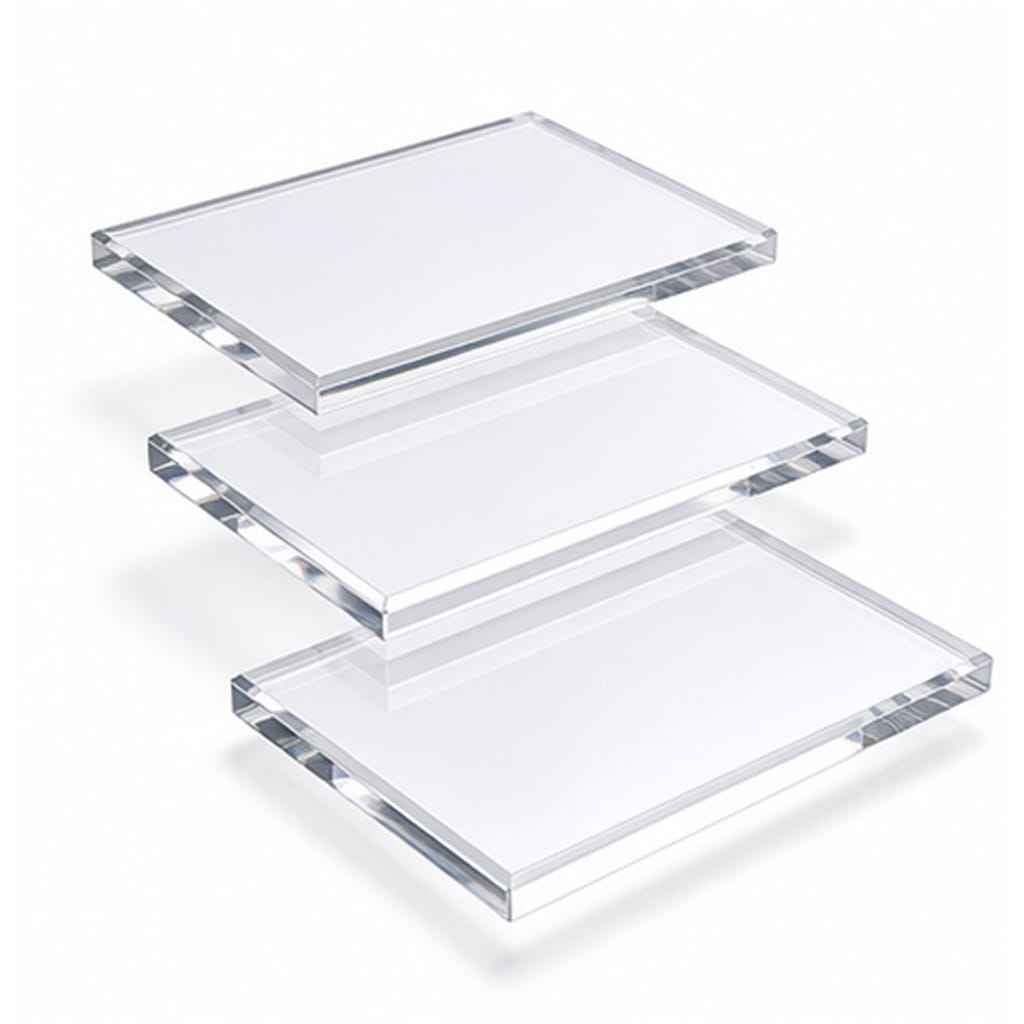
Precision Optical Fused-Quartz Square Plates with Chamfered Edges for Semiconductor Photomask Windows
- Wavefront distortion < λ/4 per inch
- Double-sided chemical-mechanical polish
- 45° precision protective chamfering
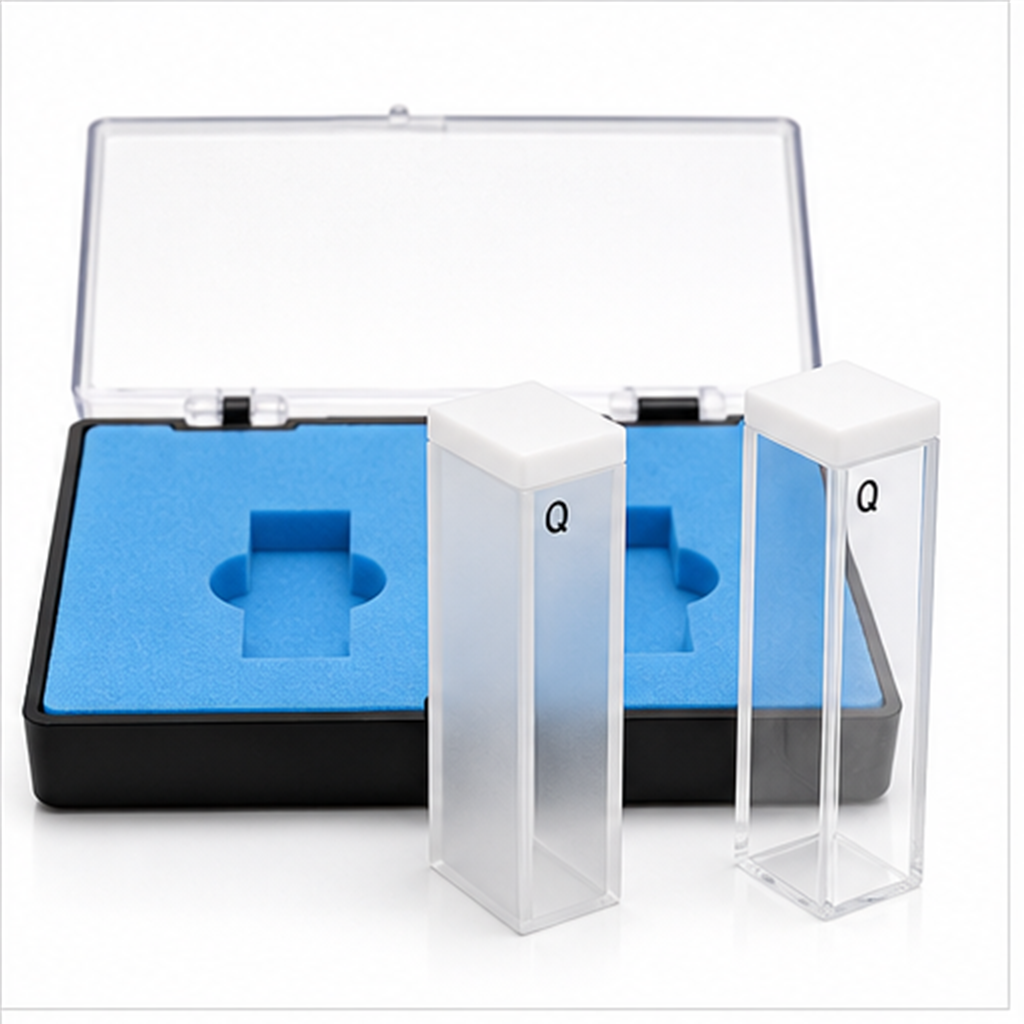
Standard 2-Window and 4-Window UV Quartz Cuvettes with Black Q Mark in Blue Foam Case
- 190 nm – 2500 nm transmission range
- Standard 10mm optical path ±0.01mm
- Acid, alkali & solvent fire-fused joints
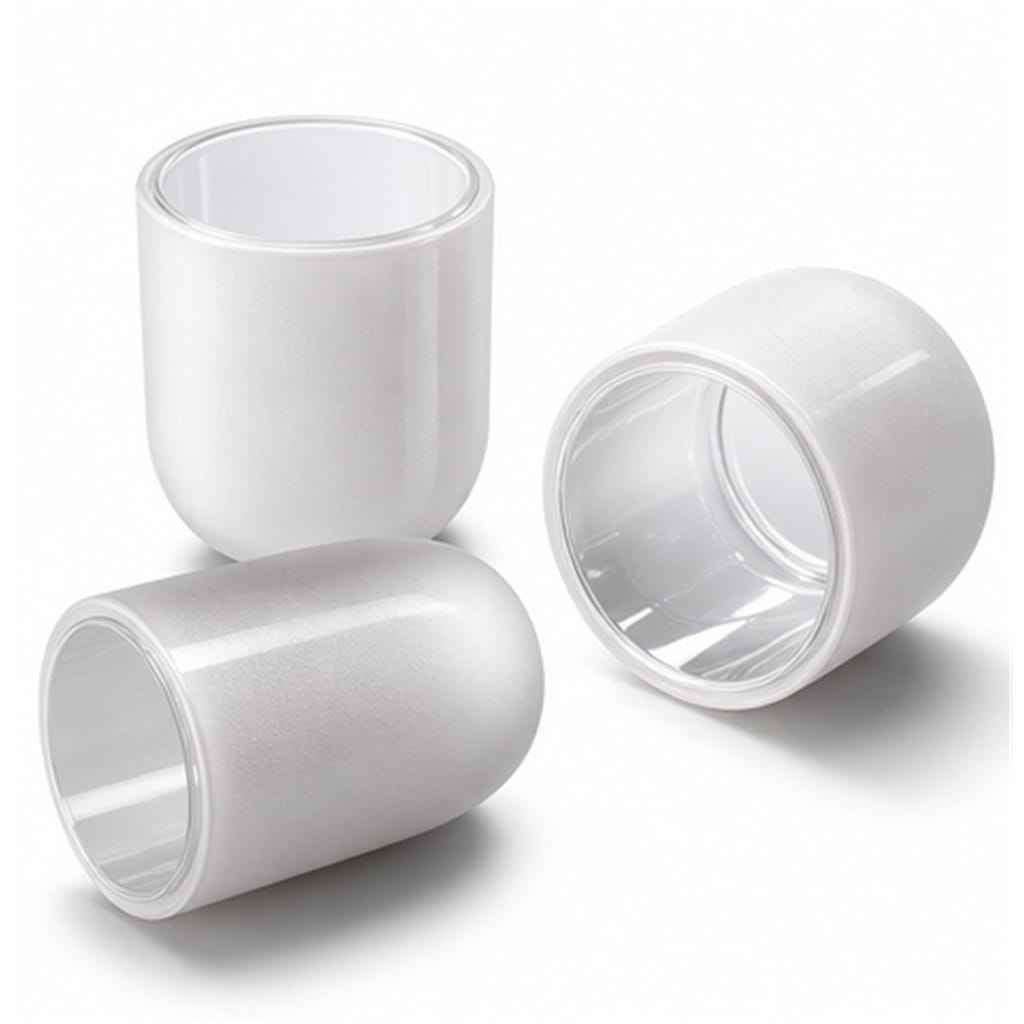
4-Inch US Quartz Sand Fused Crucibles with Fire-Polished Rim for High-Temperature Semiconductor Ingot Melting
- Ultra-dense bubble-free inner wall liner
- Low alkali metals (< 0.15 ppm total Li, Na, K)
- High-temperature thermal creep resistance
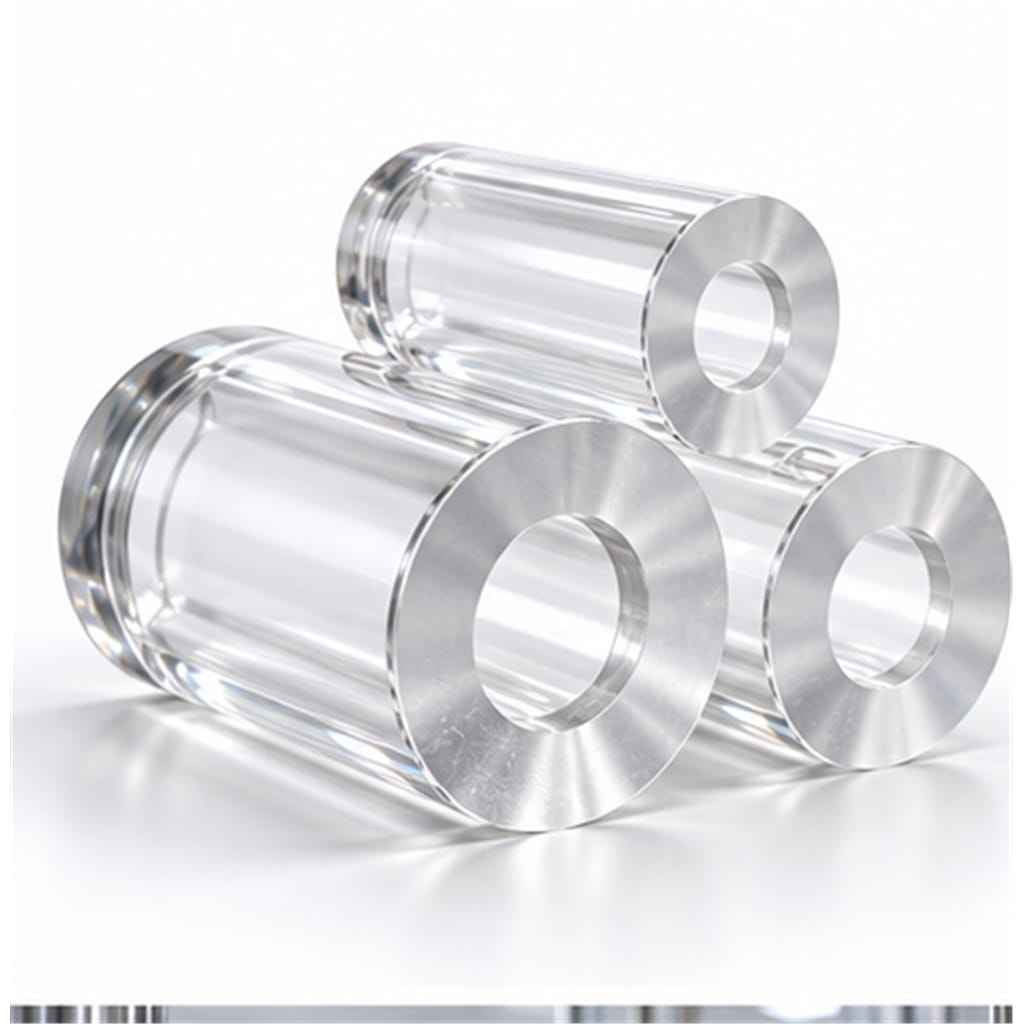
Heavy-Wall Fused-Quartz Cylindrical Pressure Tubes with Squared Ends for High-Pressure Autoclave Sight Glass
- Hydrostatic proof testing qualified
- Extreme thermal shock delta > 1000 °C
- Squared, ground and beveled edge finishes
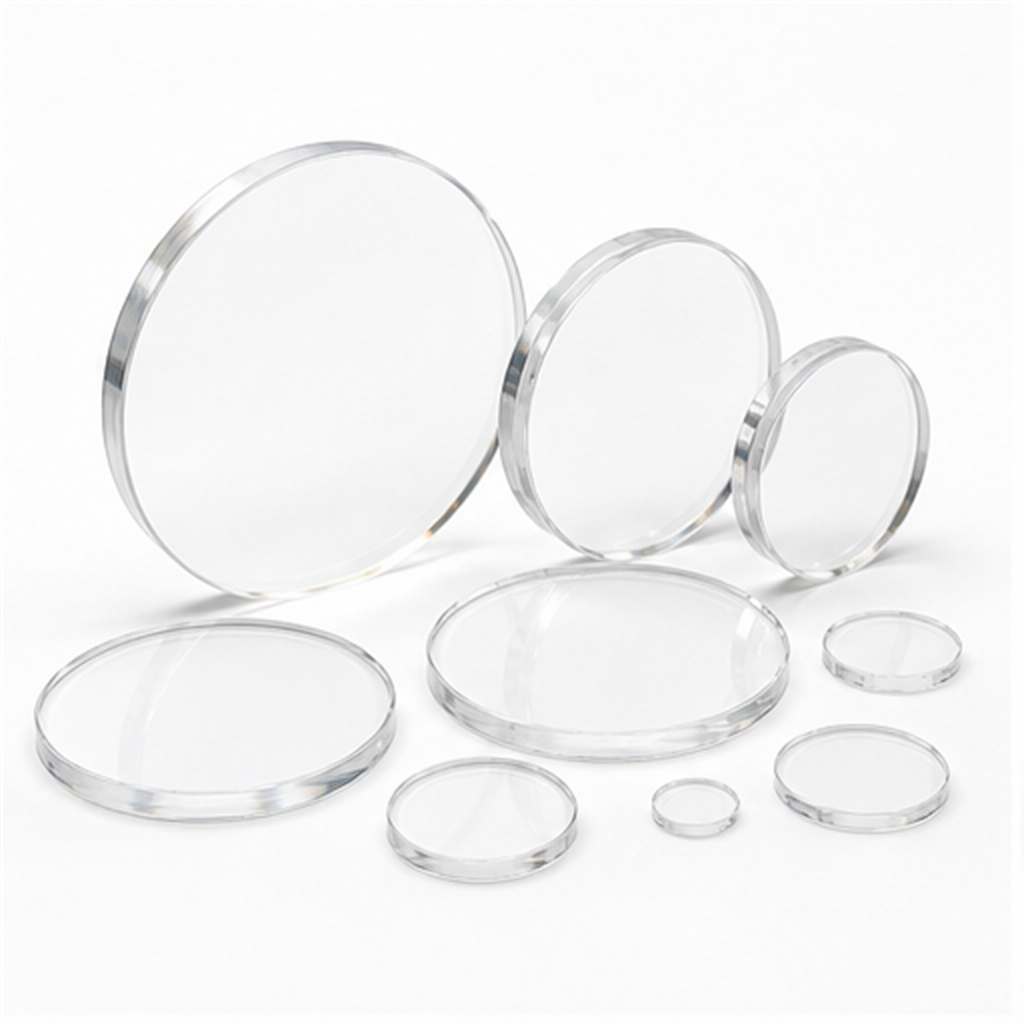
High Purity Optical Clear Fused Quartz Disc Circular Glass Window Substrate
- Scratch-dig specification 40-20 or 20-10
- Parallelism < 30 arc seconds
- Plasma, vacuum, and cryostat applications
Comprehensive Benchmark: Top 10 High Purity Quartz Suppliers & Exporters
Strategic supply chain assessment mapping the world's premier mineral purifiers, synthetic silica synthesizers, and precision quartz fabricators across the semiconductor and clean-energy sectors.
Established in 2011 within China's Silicon Valley of Quartz (Donghai County), Kemzo operates 10+ drawing and continuous thermal forming lines. Specialized in custom OEM quartz tube extrusion, Czochralski crucibles, micro-bore capillary tubing, and semiconductor photomask plates with rapid turnaround.
The undisputed standard-bearer for upstream high-purity quartz sand feedstock. Utilizing the rare ultra-pure pegmatites of Spruce Pine, North Carolina, Sibelco provides the IOTA® standard used worldwide as the benchmark for solar crucible liners and semiconductor quartz glass.
Operating purification facilities in Drag, Norway, with raw deposits in Spruce Pine, TQC is the primary global alternative to Sibelco for ultra-high purity quartz sand. Their products power semiconductor ingot crucible production, optics, and fiber optic preforms.
A world technology leader in fused silica and fused quartz for telecommunications, electronics, and semiconductor fabrication. Renowned for synthetic silica ingots (Suprasil®) that feature extreme deep-UV transmission down to 193 nm immersion lithography.
Formerly GE Quartz, Momentive possesses a massive portfolio of electrically fused and flame-fused quartz products. Their clear tubing, large-diameter diffusion tubes, and ceramic matrix composites serve semiconductor wafer etching and thermal CVD chambers.
A joint venture between Shin-Etsu Chemical and Heraeus, combining Japanese ultra-clean semiconductor processing know-how with German metallurgy. Leading producer of synthetic quartz for 300 mm wafer thermal handling and vacuum plasma etch rings.
A cornerstone subsidiary of the Tosoh Group. Operates dedicated fabrication cleanrooms producing ultra-high tolerance fabricated quartzware, CVD boats, bell jars, and precision-machined quartz showerheads used by global semiconductor tool makers.
A massive publicly listed industrial quartz supplier based in Jiangsu. Holds large scale continuous melting capacity for solar crucible sand, automotive lighting glass, fiber optic cladding tubes, and standard electric-grade quartz tubing.
World specialist in specialty fused quartz wool, felt, yarn, and ultra-thin drawn wool fibers for thermal barrier shields in aerospace, space exploration craft, catalytic converters, and high-temperature filtration membranes.
German specialty glass manufacturer with deep competencies in electric melting of hollow quartz glass cylinders, large-bore tubes up to 1000 mm diameter, and plasma torch fabrication for UV curing equipment and specialty metallurgy.
Understanding High Purity Quartz: Physics, Microstructure & Processing
Why silica purity at the parts-per-billion level dictates device yields, thermal longevity, and optical stability in advanced engineering systems.
In thermal and semiconductor processing, high purity quartz (HPQ) is categorized as amorphous silicon dioxide (SiO₂) characterized by aggregate metallic contamination levels under 20 parts per million (ppm), with ultra-pure semiconductor grades demanding cumulative interstitial metal loads (specifically Lithium, Sodium, Potassium, Iron, Chromium, and Copper) under 8 ppm or sub-ppb thresholds.
Unlike standard soda-lime or borosilicate glassware, which rely on fluxes such as boron trioxide (B₂O₃) and soda ash (Na₂O) to lower melting points to manageable ranges, fused quartz consists almost entirely of tetrahedral [SiO₄] units linked at their corners. This unique, single-phase, three-dimensional covalent lattice endows quartz with extraordinary thermodynamic properties: an astonishingly low coefficient of linear thermal expansion (5.5 × 10⁻⁷ /°C from 20 °C to 320 °C), an exceptional softening point exceeding 1680 °C, and near-zero optical attenuation across deep ultraviolet (DUV), visible, and near-infrared (NIR) spectra.
| Physical Property Parameter | Fused Natural Quartz (Kemzo Industrial) | Synthetic Fused Silica (Optical Grade) | Standard Borosilicate 3.3 Glass |
|---|---|---|---|
| Silicon Dioxide (SiO₂) Purity | 99.99% – 99.998% | > 99.9999% (6N) | approx. 81.0% |
| Hydroxyl (OH⁻) Ion Content | < 5 to 30 ppm (Flame/Elec. dependent) | < 1 ppm (Low OH) or 1200 ppm (High OH) | N/A (Complex multiphase) |
| Softening Point (Deformation limit) | 1683 °C | 1600 °C | 820 °C |
| Annealing Point (Stress relief) | 1215 °C | 1120 °C | 560 °C |
| Thermal Expansion (20 – 300 °C) | 5.5 × 10⁻⁷ /°C | 5.2 × 10⁻⁷ /°C | 33 × 10⁻⁷ /°C (6× higher) |
| Thermal Shock Resistance (ΔT) | > 1100 °C water quench safe | > 1100 °C water quench safe | approx. 150 °C shock fracture limit |
| Dielectric Constant (1 MHz at 25 °C) | 3.75 | 3.78 | 4.6 |
The Kinetics of High-Temperature Devitrification
The primary degradation mode of quartz tubes and crucibles operating at elevated temperatures (above 1150 °C) is devitrification—the spontaneous phase transition of metastable amorphous fused silica into crystalline β-cristobalite. Cristobalite has a different crystal volume and crystal density (2.32 g/cm³) compared to amorphous silica (2.20 g/cm³). Upon cooling through the 200 °C to 275 °C transition window, β-cristobalite undergoes a catastrophic displacive inversion into α-cristobalite, accompanied by a rapid volume contraction of approximately 5%. This localized shear stress produces severe micro-crazing, opaque frosting, structural embrittlement, and catastrophic component shattering.
Devitrification kinetics are directly accelerated by two variables: alkali ion contamination (primarily Na⁺ and K⁺ acting as network modifiers) and surface contamination during handling. By maintaining raw sand purities with cumulative alkali content < 1.0 ppm and applying precision high-temperature hydrofluoric acid etching and flame polishing in cleanroom environments, Kemzo ensures quartz parts exhibit minimal nucleation sites, allowing extended thermal cycles in oxidation and diffusion furnaces.
Key Procurement Trends Transforming High Purity Quartz (2025–2030)
Technological disruption across microchips, N-Type TOPCon solar cells, and global raw material geopolitics are rewriting buyer procurement playbooks.
Sub-3nm Lithography Purity Tightening
As semiconductor fabrication migrates to GAAFET (Gate-All-Around) architectures at 3nm and 2nm nodes, process tube metallic leaching thresholds have plunged to sub-ppb levels to eliminate wafer gate-oxide breakdown.
Supply Chain Geographic De-Risking
Over-reliance on North Carolina pegmatite reserves has driven tier-1 buyers to qualify advanced Donghai chemical-purification clusters and alternative European reserves, mitigating geopolitical and climate-related single-source choke points.
N-Type TOPCon & HJT Crucible Lifespans
The worldwide transition to N-type monocrystalline solar cells requires continuous CZ ingot pulling times exceeding 350–450 hours at 1450 °C. Crucibles now integrate synthetic inner coatings to avoid micro-bubble peeling.
Direct CAD-to-Part OEM Integration
Procurement teams are aggressively bypassing intermediary trading distributors in favor of direct-from-factory partnerships capable of CNC ultrasonic milling, glass blowing, laser cutting, and certified CMM coordinate inspection under one roof.
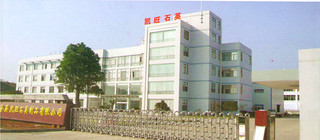
Why Global Tier-1 Buyers Partner with Donghai Kemzo Quartz
Combining natural resource proximity with decade-honed thermal processing craftsmanship, Kemzo Quartz bridges high-spec OEM engineering with sustainable pricing.
Direct Crystal-Capital Mineral Cluster Hub
Located directly in Donghai County, Lianyungang—China's crystal capital—we command complete local supply chain governance over raw crystal selection, beneficiation, washing, and continuous electrical fusion.
ISO 9001 Certified & On-Site Verified
Recognized as a Jiangsu High Technology Enterprise. Full quality control protocols from optical spectrographic GDMS purity verification to cross-polarized laser strain inspection on all finished goods.
11+ Years Tailored OEM / ODM Fabrication
Precision computerized diamond slicing, CNC water-jet contouring, core drilling, edge chamfering, standard and custom taper ground joints, and manual master flame working according to buyer CAD prints.
Export Engineered Packaging & Fast Response
Fragile quartz requires tailored protection: multi-layered polyethylene foam isolation, individual air-suspension bubble wraps, and reinforced export-grade plywood crates. Average inquiry response time ≤ 1 hour.
Frequently Asked Questions by Technical Buyers & Importers
Direct answers to the most common metallurgical, commercial, and freight logistics inquiries handled by our engineering department.
What is the core technical difference between fused quartz and synthetic fused silica?
Fused Quartz is manufactured by melting naturally occurring high-purity crystalline quartz sand in high-temperature electric arc or gas furnaces. It offers exceptional thermal stability (continuous 1100 °C, short peak 1450 °C), minimal thermal expansion, and cost-effective scalability for furnace tubes, crucibles, and general laboratory sight glasses.
Fused Silica is synthesized chemically from gaseous silicon precursors such as silicon tetrachloride (SiCl₄) via chemical vapor deposition (CVD). This yields virtually zero metallic impurities (under parts-per-billion levels) and zero bubble content, delivering outstanding transmission down into deep ultraviolet wavelengths (193 nm and 248 nm) for laser optics and lithography masks, albeit at a significantly higher price point.
What are the maximum operating temperatures and thermal shock thresholds for your quartz tubes?
Our clear transparent fused quartz tubing operates continuously at temperatures up to 1100 °C and can withstand short-duration thermal excursions up to 1450 °C. The physical softening point is approximately 1683 °C, while the annealing point is 1215 °C.
Because of an exceptionally low thermal expansion coefficient (5.5 × 10⁻⁷ /°C), Kemzo quartz components possess peerless thermal shock endurance. A tube heated red-hot to 1100 °C can be dropped immediately into cold room-temperature water without fracturing, a scenario that would instantly shatter standard borosilicate glass.
Can Kemzo manufacture custom quartz parts directly from customer CAD drawings or samples?
Yes. With over 11 years of dedicated OEM and ODM manufacturing experience, custom fabrication is our core business. We accept engineering files in PDF, DWG, DXF, STP, or IGES formats. Our in-house machining operations include:
- High-speed diamond saw cutting and squaring
- Precision inner/outer diameter grinding to tight tolerances (±0.05 mm)
- Single-side and double-side optical pitch and chemical mechanical polishing (CMP)
- Flame glassblowing, sealing, flange fusing, and ground joint welding (standard 14/23, 24/29, 29/32 joints)
- Ultrasonic drilling of high-aspect ratio micro-holes and custom slots
How do you guarantee quality and verify purity levels prior to export shipment?
Quality governance follows our certified ISO 9001 quality management framework. Incoming quartz sand undergoes elemental screening via Inductively Coupled Plasma Mass Spectrometry (ICP-MS) and Glow Discharge Mass Spectrometry (GDMS). During and post-production, optical components are inspected with laser polarimeters to ensure complete internal stress relief (annealing), while mechanical dimensions are verified on digital video measuring systems and micrometers. Material test certificates (MTC), dimensional reports, and purity analyses are supplied with orders upon request.
What packing protocols are used to ensure fragile quartz products survive international freight?
Over a decade of exporting across Europe, North America, East Asia, and Oceania has led us to develop our zero-shock crating system. Each quartz item is individually sealed in dust-free PE bags, cushioned within dense custom-molded high-density polyethylene (EPE) foam, and secured inside compartmentalized corrugated boxes. These are subsequently packed inside heavy-duty, fumigation-free wooden cases fitted with internal vibration dampers and exterior tip-and-shock indicator labels.
What commercial payment currencies and international Incoterms do you support?
To facilitate effortless global procurement, we accept multiple payment options including Telegraphic Transfer (T/T), Letter of Credit (L/C at sight), PayPal, and Cash. Accepted transactional currencies include USD, EUR, AUD, HKD, and CNY. Supported Incoterms cover FOB (Shanghai/Qingdao/Lianyungang), CFR, CIF, EXW, DDU, DAF, and door-to-door express courier deliveries (DHL/FedEx/UPS/TNT).
Need Immediate Technical Advice or a Custom Quartz Part Quote?
Send our senior engineering team your CAD drawings, required operating temperatures, dimensional tolerances, and planned batch volumes. We provide structural feasibility feedback, recommended quartz grades, and formal price quotations within one hour.
- Rapid Evaluation Prototype Runs
- OEM, ODM & Buyer-Label Capable
- Average Response Time ≤ 1 Hour