Engineering Procurement Whitepaper

Top 10 Quartz Glass Dome Factories & Suppliers

A technical sourcing matrix, metallurgical breakdown, and deep global evaluation of high-purity fused silica dome manufacturers for semiconductor, aerospace, and extreme thermal applications.

Precision Quartz Ware

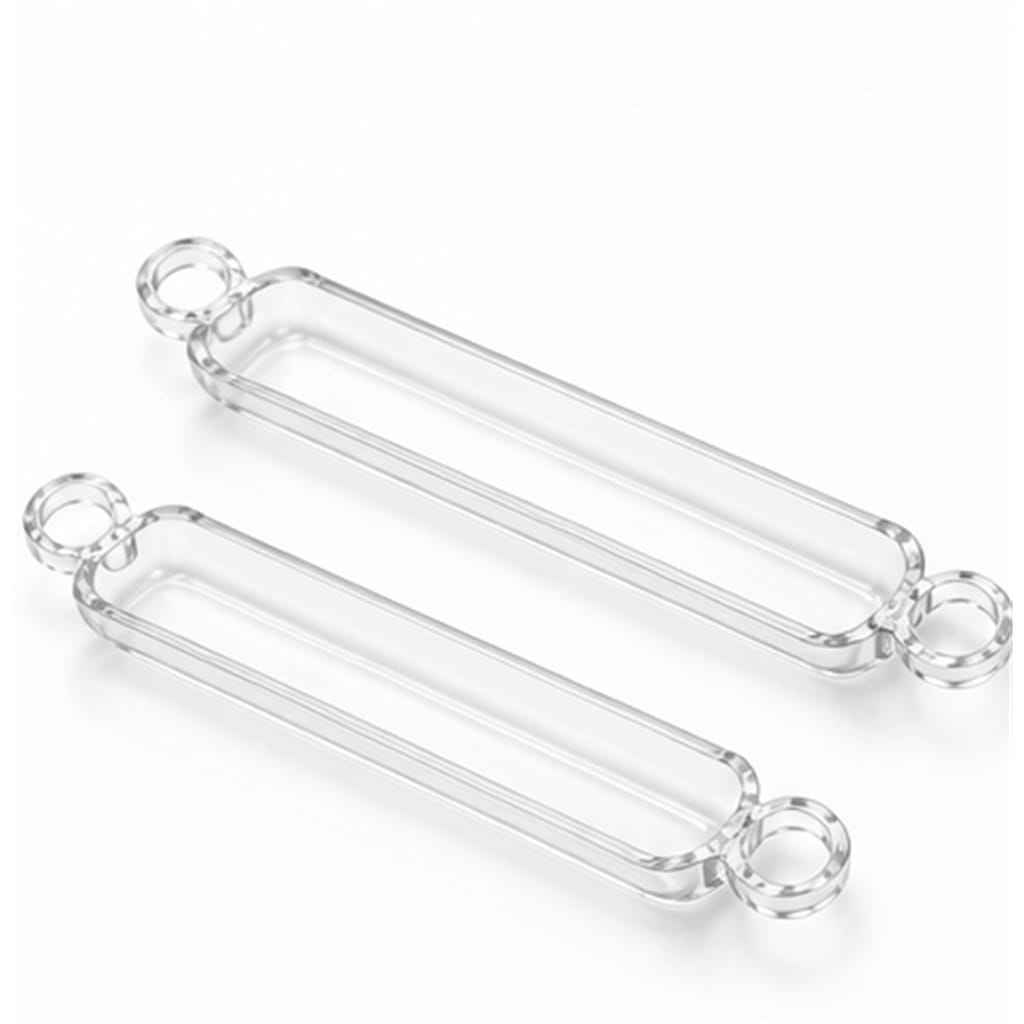
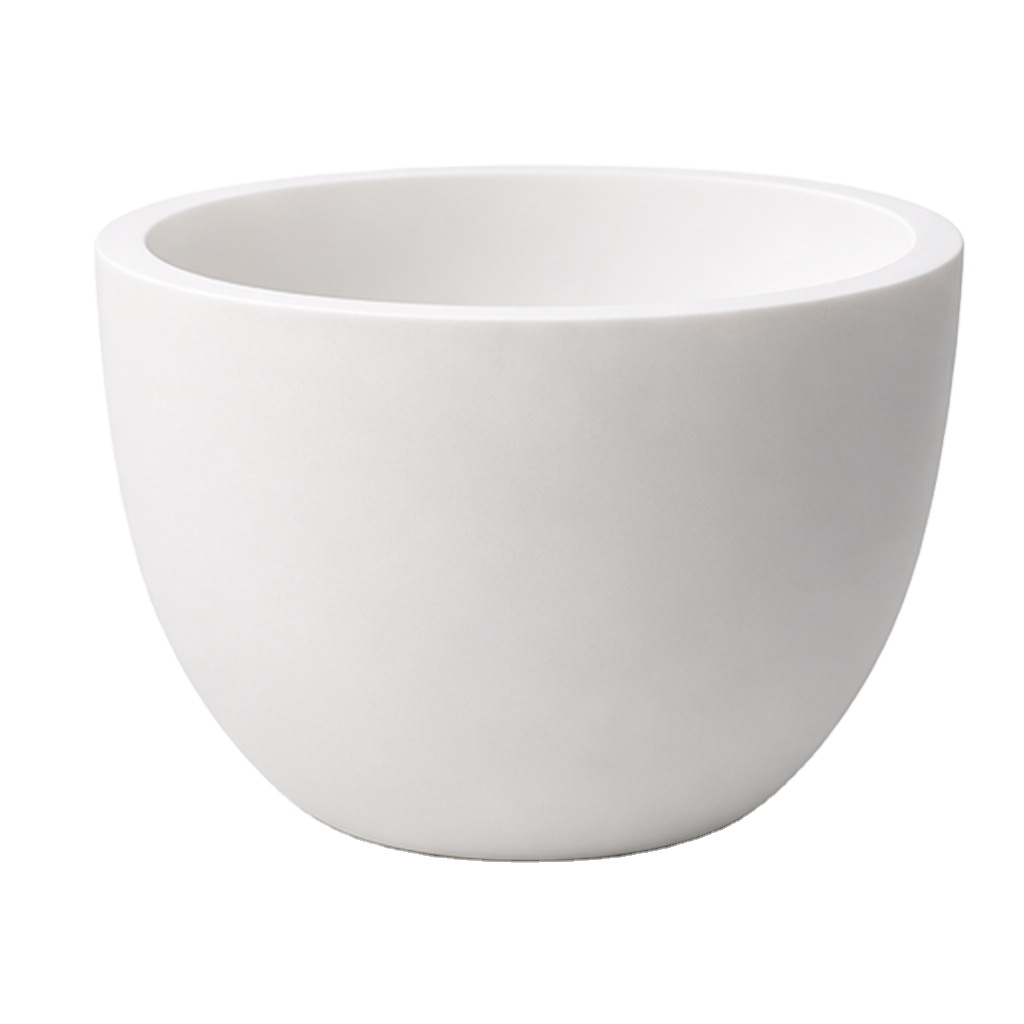
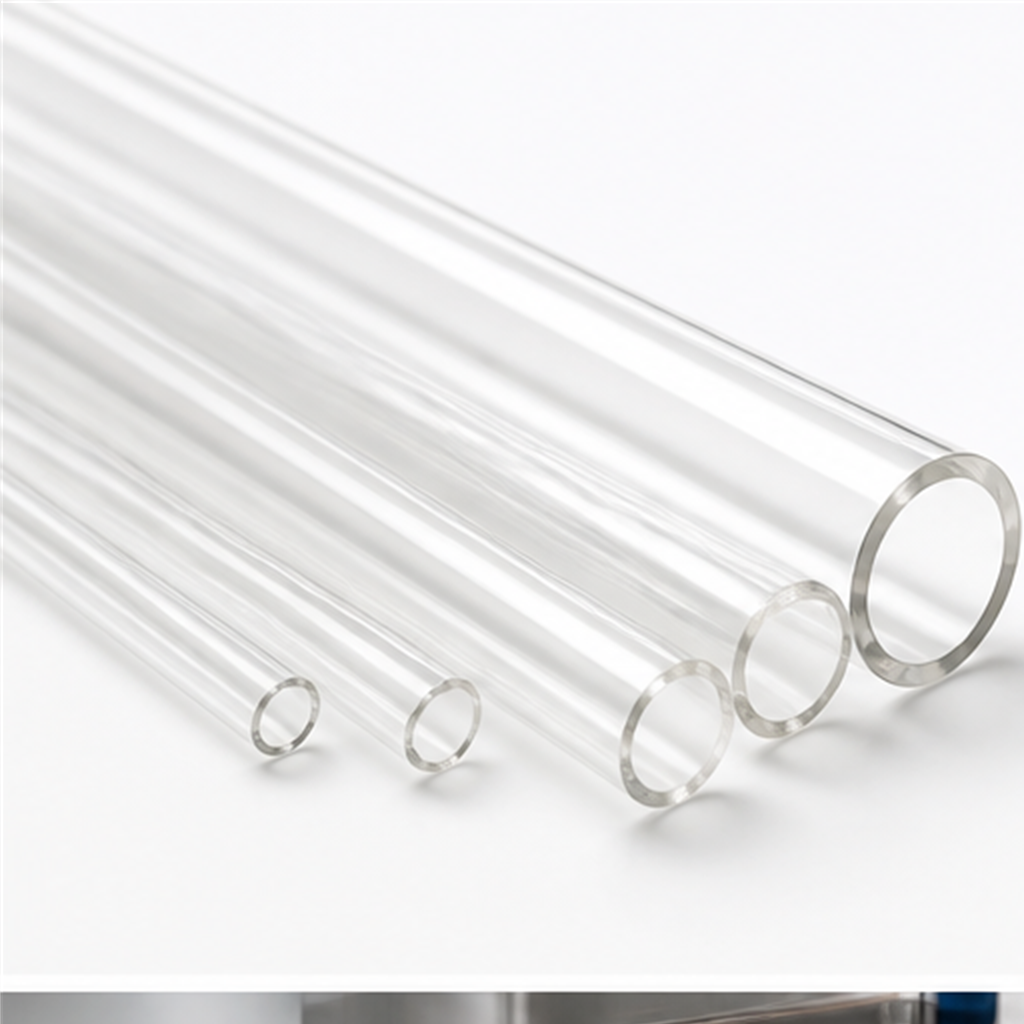
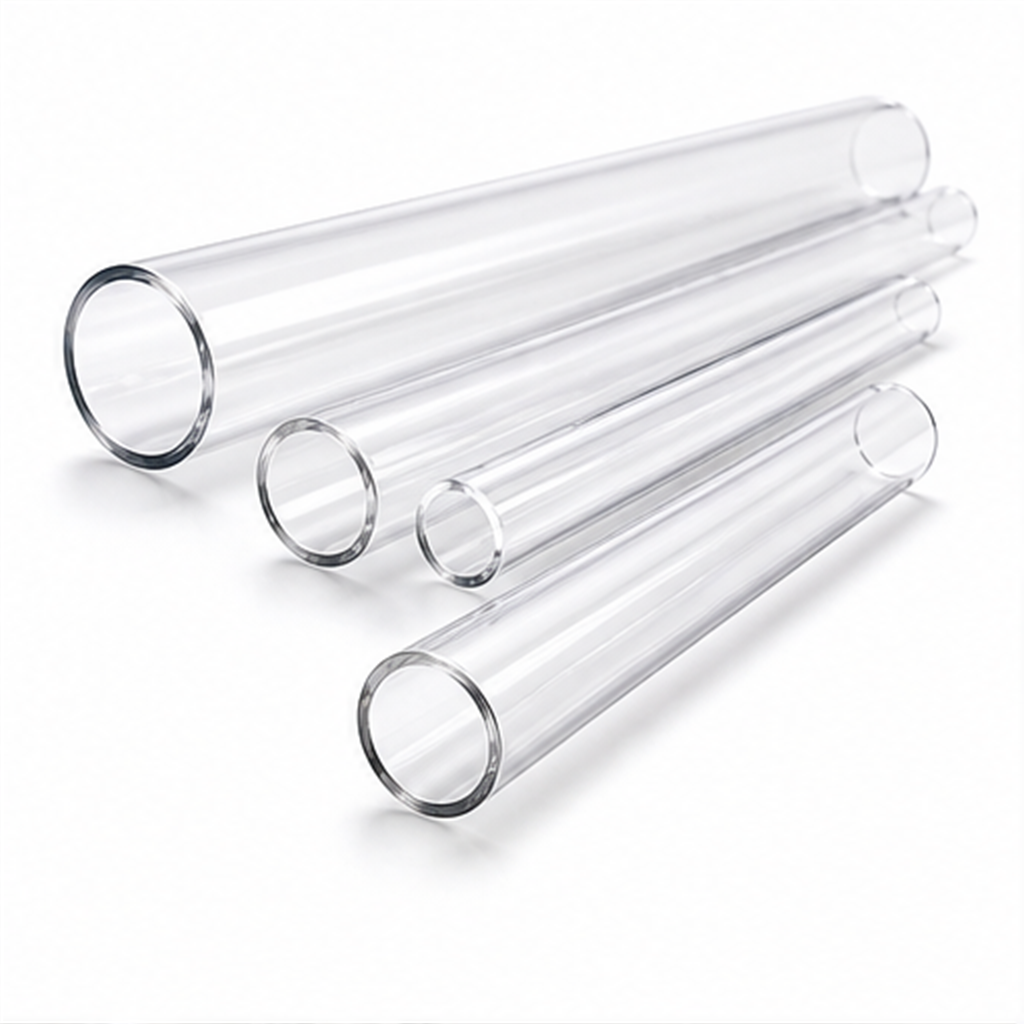
Featured High-Purity Fused Quartz Equipment

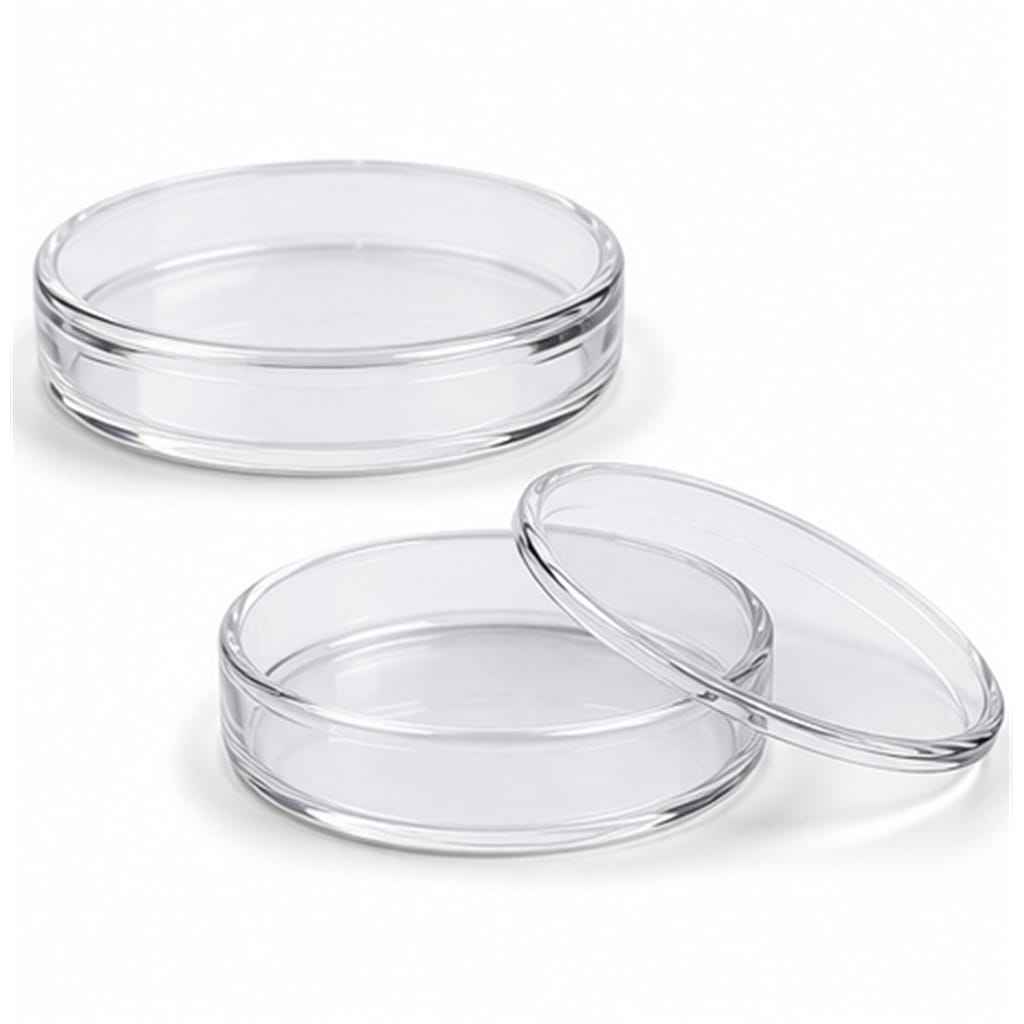
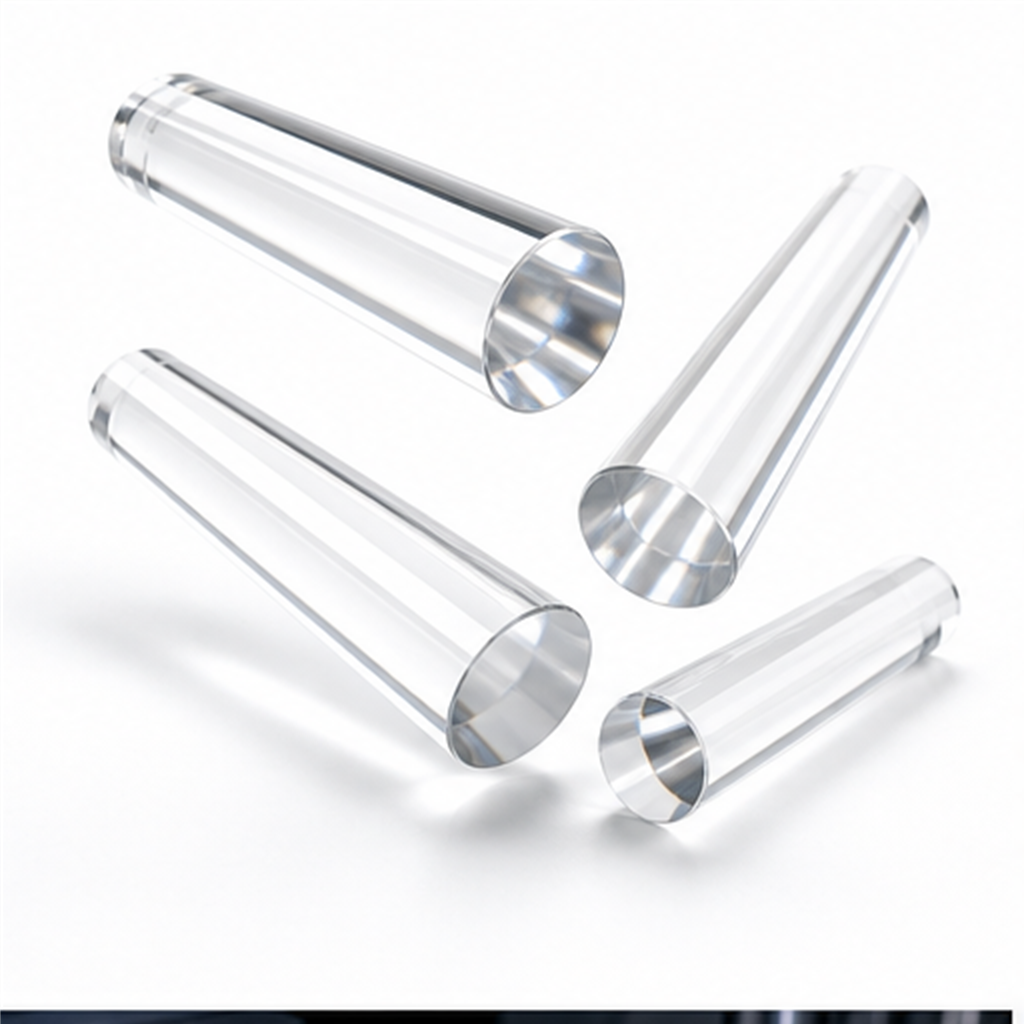
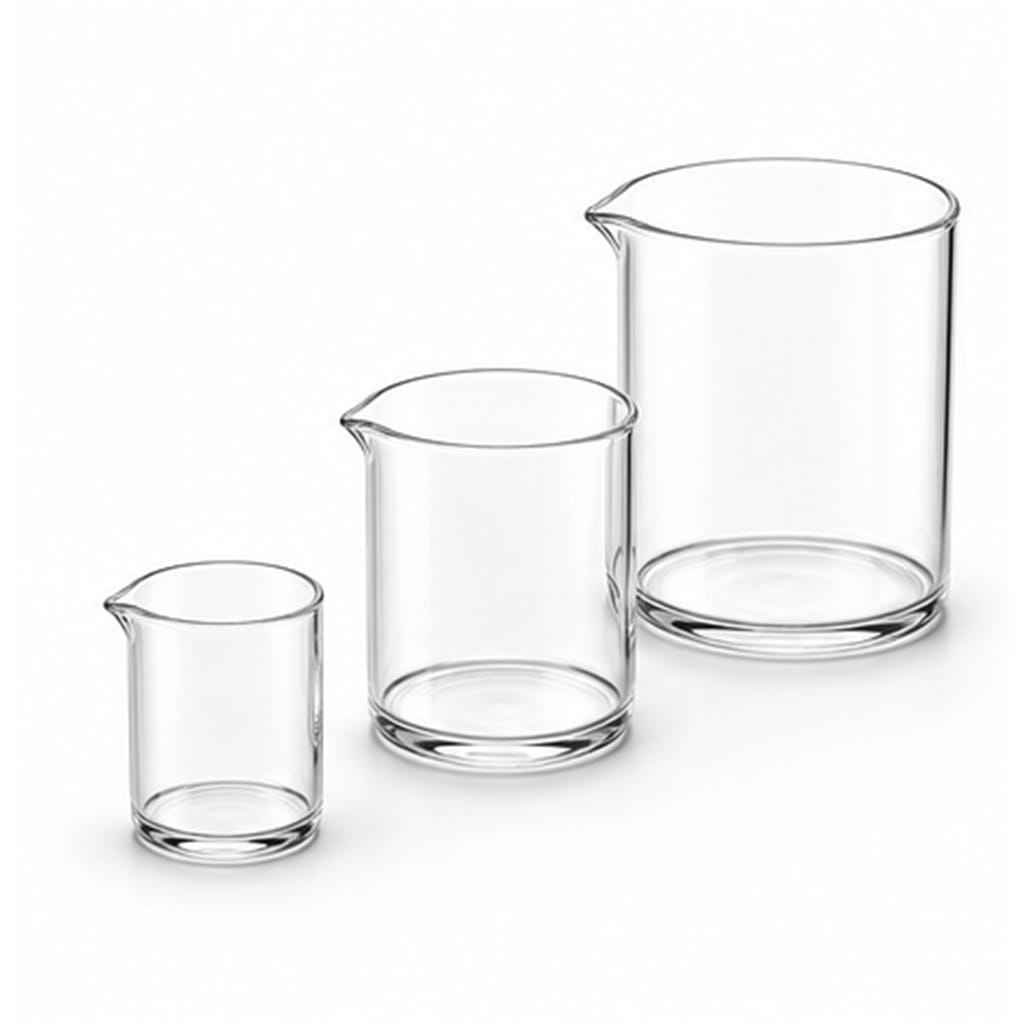
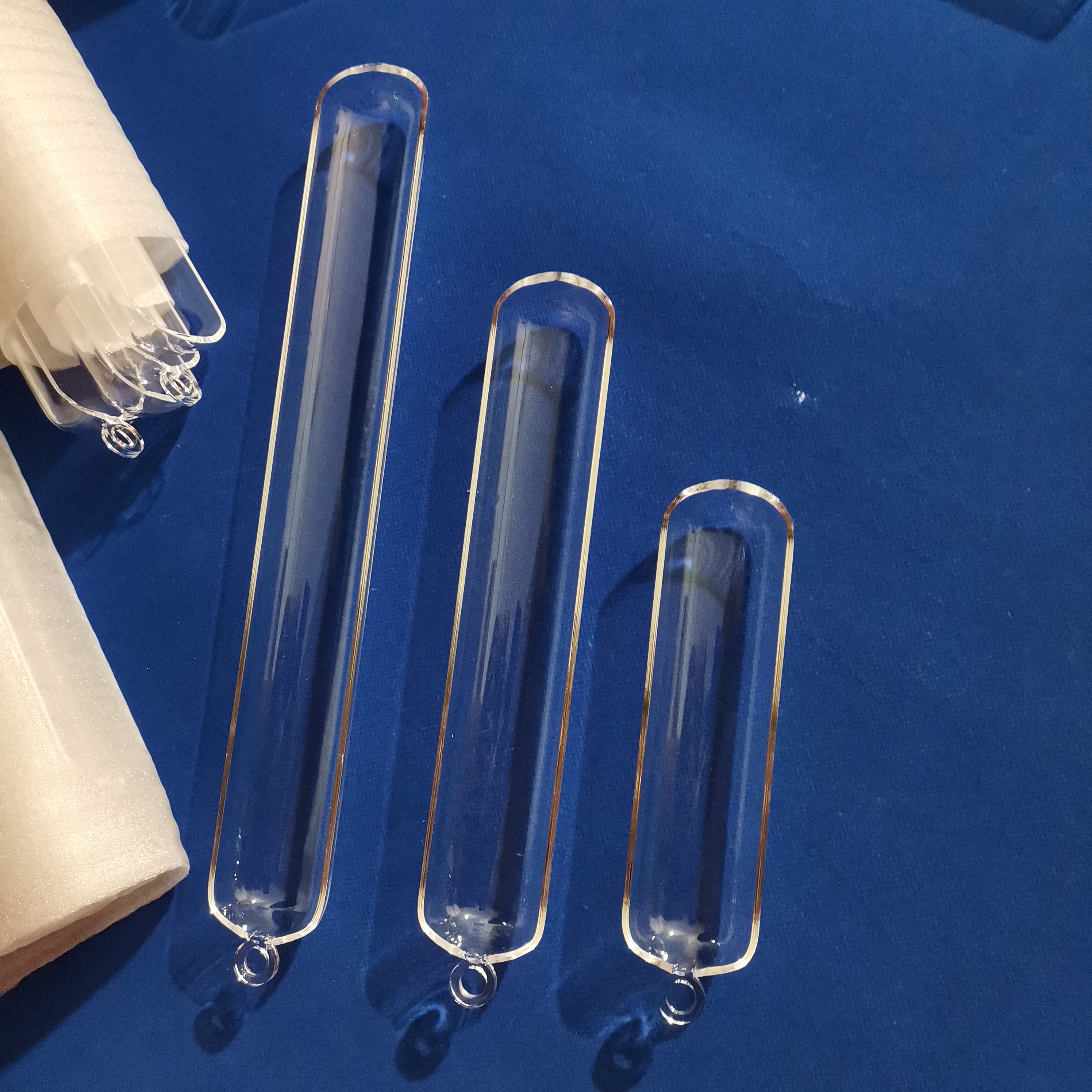
Engineered in China's quartz capital from SiO₂ purities up to 99.99%. Every optical dome, thermal tube, crucible, and reaction vessel is manufactured to strict geometric tolerances under ISO 9001 quality supervision.

Technical Metallurgy & Optics

The Mechanics of High-Performance Quartz Glass Domes

Hemispherical and hyper-hemispherical quartz glass domes represent the pinnacle of glass cold-machining and hot-forming technology. From plasma semiconductor etching chambers to deep-sea optical imaging and aerospace guidance systems, these components require zero optical distortion, severe thermal threshold survival, and ultra-high chemical inertia.

Extreme Operating Parameters: Why Fused Silica Outperforms Conventional Glass

Unlike borosilicate, sapphire, or specialty optical glasses, fused quartz domes (fabricated from natural high-purity crystalline quartz) and synthetic fused silica domes (synthesized from silicon tetrachloride, SiCl₄) exhibit an exceptionally low linear coefficient of thermal expansion (α ≈ 5.5 × 10⁻⁷ / °C from 20°C to 320°C). This structural stability prevents stress fractures when exposed to radical thermal gradients, such as exposure to 1100°C plasma plumes followed by ambient inert gas purge.

In semiconductor Inductively Coupled Plasma (ICP) etching, Plasma-Enhanced Chemical Vapor Deposition (PECVD), and rapid thermal processing (RTP), a quartz bell dome serves a dual role: it functions as a primary vacuum-tight dielectric barrier transparent to RF fields while isolating aggressive fluorinated (CF₄, SF₆) and chlorinated process chemistries from the environment.

Critical Physics Properties Comparison

  • Purity Range (SiO₂): 99.99% (Natural) to 99.9999% (Synthetic)
  • Thermal Expansion (20-300°C): 5.5 × 10⁻⁷ / °C (1/6th of Borosilicate)
  • Continuous Operating Temp: 1100 °C (Short Term up to 1450 °C)
  • Softening Point: ≈ 1683 °C
  • Optical Transmission Range: 185 nm (Deep UV) to 2500 nm (Near IR)
  • Refractive Index (nd @ 589nm): 1.4585
Supplier Intelligence

Top 10 Global Quartz Glass Dome Factories & Suppliers

An authoritative evaluation of leading global manufacturers specializing in optical-grade quartz domes, semiconductor bell jars, and hyper-hemispherical pressure housings based on metrology capabilities, material purities, and production volume.

01

Donghai Kemzo Quartz Products Co., Ltd.

Donghai, Jiangsu, China (Crystal Capital Cluster)

Primary Competence: Leveraging geographic access to Donghai's world-renowned natural high-purity quartz reserves, Kemzo Quartz has established end-to-end manufacturing mastery since 2011. The company specializes in precision quartz domes, reaction bell jars, diffusion tubes, and crucibles. Operating under strict ISO 9001 quality supervision and recognized as a Jiangsu High Technology Enterprise, Kemzo excels in bespoke OEM/ODM drawings, achieving complex geometric curvatures, customized mounting flanges, and fine surface polishing with lead times significantly shorter than Western legacy mills.

  • Purity Range: 99.9% - 99.995% SiO₂
  • Max Outer Diameter: Up to 650 mm
  • Tolerances: ± 0.05 mm on CNC parts
  • Inquiry Response: ≤ 1 Hour Average
02

Heraeus Conamic

Kleinostheim, Germany

Primary Competence: The international gold standard for synthetic fused silica material development. Heraeus provides proprietary Suprasil® and Spectrosil® grades for deep ultraviolet photolithography domes, space-borne optics, and advanced semiconductor chamber envelopes. Their material is renowned for virtually non-detectable metallic contamination (< 0.1 ppb) and ultra-homogenous refractive index fields across extreme radial apertures.

  • Purity Range: Up to 99.9999% SiO₂
  • Optical Homogeneity: H4 / H5 grade
  • UV Transmission: > 90% @ 193 nm
  • Applications: DUV Optics, Space Domes
03

Tosoh Quartz, Inc.

Tokyo, Japan / Portland, Oregon, USA

Primary Competence: A critical supply-chain partner for tier-1 semiconductor fabrication tool OEMs. Tosoh Quartz engineers ultra-large hemispherical reaction domes, microwave generator bell jars, and torch assemblies. They utilize multi-axis ultrasonic CNC milling coupled with robotic flame-welding to fabricate complex multi-port domes that survive fluorine-rich plasma chamber environments.

  • Semiconductor Match: 300mm / 450mm Wafers
  • Cleanroom Standard: Class 100/1000 Pack
  • Surface Finish: Ra < 0.2 nm Optical
  • Specialty: Plasma Etch Bells
04

Momentive Technologies

Strongsville, Ohio, USA

Primary Competence: Born out of the former GE Quartz industrial pedigree, Momentive Technologies is a primary global supplier of fused quartz tubing and large-diameter molded quartzware. Their Type 214 and specialized low-hydroxyl quartz materials are widely recognized in semiconductor epitaxial furnaces and extreme-environment observation viewports where high sag resistance is mandatory.

  • Core Grade: Type 214 Electrically Fused
  • Sag Temp Threshold: 1300 °C Resistant
  • Material Form: Molded Hemispheres
  • Target Sector: Epi Furnaces, Solar MOCVD
05

Shin-Etsu Quartz Products Co., Ltd.

Tokyo, Japan

Primary Competence: A joint enterprise uniting Shin-Etsu Chemical and Heraeus. Shin-Etsu Quartz delivers hyper-precision synthetic quartz glass products to microelectronics fabs throughout the Asia-Pacific region. Their domes feature mathematically simulated thickness uniformity to eliminate wavefront aberration in photolithographic exposures and UV disinfection chambers.

  • Wavefront Distortion: λ / 10 @ 632.8 nm
  • Trace Metals: Total < 5 ppm (Natural)
  • Laser Damage: Exceptional High Fluence
  • Target: Photomask & Litho Chambers
06

Saint-Gobain Quartz

Courbevoie, France

Primary Competence: Renowned for extreme-thermal and defense solutions, Saint-Gobain specializes in continuous fused quartz fibers and monolithic radome-shaped fused quartz structures. In aerospace radomes and missile seeker domes, their quartz structures provide superior microwave dielectric transparency and minimal loss tangents across high GHz frequency bands.

  • Dielectric Constant (ε): ≈ 3.8 @ 10 GHz
  • Loss Tangent: < 0.0001
  • Aero-Thermal: Hypersonic Heat Shields
  • Forming: Precision Slurry Slip-Casting
07

CoorsTek Engineered Solutions

Golden, Colorado, USA

Primary Competence: CoorsTek combines advanced technical ceramics with state-of-the-art quartz glass forming. Their specialized fabrication units produce hybrid quartz-ceramic assemblies and heavy-wall hemispherical quartz domes for subsea pressure housings, high-temperature viewport installations, and chemical processing sight glasses.

  • Hydrostatic Rating: Depth > 6,000 meters
  • Joint Technology: Glass-to-Metal Bonding
  • Testing: 100% Helium Mass Spec Proof
  • Sectors: Oceanography, Subsea Imaging
08

Technical Glass Products, Inc. (TGP)

Painesville, Ohio, USA

Primary Competence: A preeminent American custom fabricator of fused quartz apparatus. TGP operates an extensive array of precision CNC profiling lathes, flat lapping, and flame-working facilities. They specialize in low-volume, high-mix custom research domes, flanged bell jars, and specialized spherical distillation equipment for universities and private research institutes.

  • Customization: 1-off prototypes to scale
  • Flame Polishing: Internal & External
  • Flange Options: ISO-KF, ConFlat, Custom
  • Turnaround: Rapid Drawing Prototyping
09

QSIL SE (High Purity Silica)

Ilmenau, Germany

Primary Competence: QSIL represents European manufacturing excellence in continuous melting and cylindrical/spherical hollow quartz forming. Their proprietary electric arc plasma melting furnaces deliver fused silica shapes with exceptional resistance against solarization, micro-bubble development, and infrared absorption, making them a favored supplier for industrial IR lamps and furnace sight domes.

  • Bubble Class: DIN ISO 10110 Class 0
  • Melting Technique: Plasma Arc / One-Step
  • Optical Stability: Non-Darkening under UV
  • Focus: Analytical & Heating Domes
10

Almath Crucibles Ltd

Newmarket, Suffolk, United Kingdom

Primary Competence: A prominent specialist in refractory laboratory ware and customized quartz thermal domes. Almath focuses on precision refractory crucibles, inverted thermal domes for sintering furnaces, and combustion vessels. They provide specialized ceramic-to-quartz custom solutions across European metallurgical assayers and analytical chemistry laboratories.

  • Refractory Line: Thermal Sintering Domes
  • Thermal Cycling: 1200 °C Resistant
  • Compliance: UKAS & CE Quality Certified
  • Target: Metallurgical Assay & R&D

Technical Benchmark Matrix: Top Manufacturers Compared

Manufacturer Material Origin Purity Grade Max Diameter Surface Metrology Core Application
Donghai Kemzo Quartz Donghai Natural Crystal 99.99% SiO₂ Ø 650 mm Ra < 0.5 nm / 40-20 Scratch-Dig Semiconductor, Furnace Chambers & Custom OEM
Heraeus Conamic Synthetic SiCl₄ / Purified 99.9999% SiO₂ Ø 1000 mm Ra < 0.15 nm / 10-5 Scratch-Dig DUV Photolithography & Space Missions
Tosoh Quartz Synthesized & Natural 99.999% SiO₂ Ø 700 mm Ra < 0.2 nm / 20-10 Scratch-Dig Semiconductor ICP Plasma Chambers
Momentive Tech Fused Crystalline Sand 99.995% SiO₂ Ø 500 mm Ra < 0.8 nm / Industrial Polish High-Temperature Epitaxial Bell Jars
Shin-Etsu Quartz Synthetic Fused Silica 99.9999% SiO₂ Ø 600 mm λ / 10 Surface Accuracy Semiconductor Optical Masks & Windows
Saint-Gobain Quartz High Purity Natural/Fiber 99.99% SiO₂ Ø 800 mm Precision RF Radome Profiling Aerospace Radomes & High-Frequency Shields
CoorsTek Engineered Silica Block 99.99% SiO₂ Ø 450 mm Hydrostatic Proofed (60 MPa) Deep-Sea Hyperbaric & Sight Windows
Technical Glass Products GE/Momentive Stock 99.99% SiO₂ Ø 400 mm Precision Scientific Polished Custom R&D Bell Jars & Prototype Glassware
QSIL SE Arc-Melted Fused Quartz 99.995% SiO₂ Ø 550 mm DIN ISO 10110 Class 0 Bubbles UV/IR Reaction Vessels & Pyrometry Domes
Almath Crucibles Sintered Fused Silica 99.95% SiO₂ Ø 350 mm Smooth Sintered / Fire Polish Thermal Heat Shields & Sintering Covers
Enterprise Sourcing Value

Why Engineering Buyers Partner With Kemzo Quartz

Combining natural resource superiority in China's crystal hub with modern CNC multi-axis grinding, computerized annealing kilns, and ISO 9001 certified global logistics.

Direct Source Purity

SiO₂ ≥ 99.99%

Located inside Donghai County, we directly control raw silica sand selection, acid washing, and refining to eliminate iron, titanium, and alkali metals at the source.

Extreme Thermal Limit

1100 °C Working Temp

Our quartz parts undergo full vacuum stress annealing at 1215°C, offering near-zero thermal expansion and safe short-term operation up to 1450°C without deformation.

Precision OEM to Drawing

11+ Years Experience

Equipped with 5-axis CNC ultrasonic milling, planetary double-side polishing, and lathe flame hot-forming to execute customer drawings within ±0.05mm tolerances.

Rapid Global Export

≤ 1 Hour Response

Serving buyers across North America, Europe, East Asia, and Oceania with dedicated engineering support, 7 Incoterms, and reinforced shock-isolated export packaging.

Certified Manufacturing Integrity & Strict In-House Metrology

Every quartz glass dome, reaction tube, and boat machined at Donghai Kemzo Quartz Products Co., Ltd. follows an audited 5-tier quality control protocol: Raw Grain Chemical Assay → Arc/Oxyhydrogen Hot Forming → Dual-Cycle Stress Relieving Anneal → Multi-Point Laser Interferometry → Cleanroom Ultrasonic Decontamination.

We verify geometric wall concentricity, spherical radius deviations (ΔR), and surface roughness using coordinate measuring machines (CMM) and laser phase-shifting interferometers, guaranteeing that every dome functions seamlessly as a true vacuum boundary or optical window.

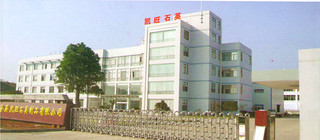
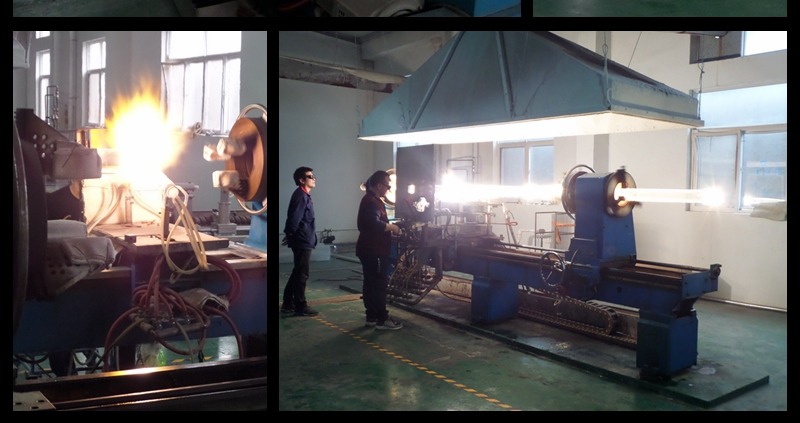
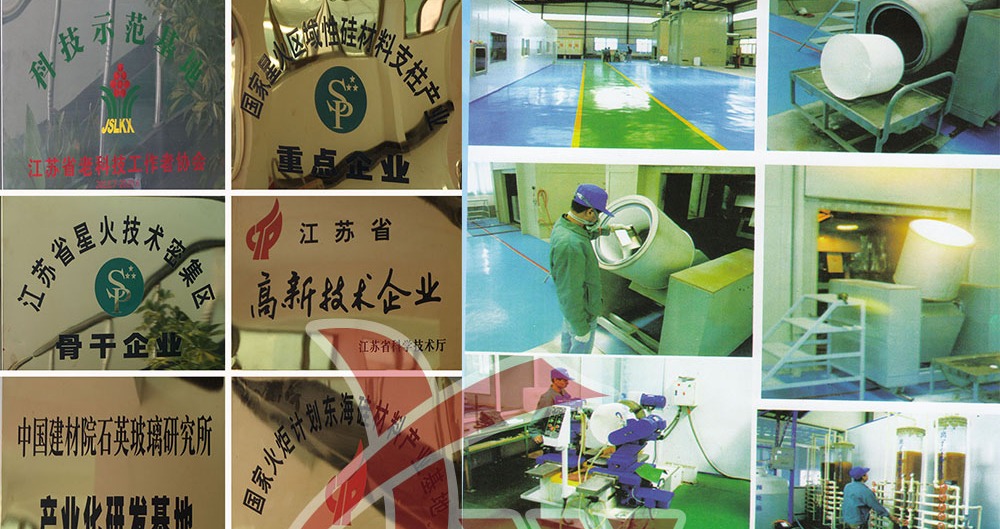
Kemzo Quartz Manufacturing Plant Quartz Processing Lathe Line High Temperature Quartz Kiln Precision Quartz Tube Inspection
10+
Continuous Drawing & Processing Lines
70%+
Export Ratio (North America, Europe, Asia)
11+
Years Proven OEM / ODM Export Service
≤ 1h
Average Engineering Proposal Response
Industry Roadmap

Future Procurement & Technology Trends

As semiconductor fabrication nodes shrink past 3nm and extreme-pressure oceanographic explorations expand, quartz glass dome specifications are undergoing fundamental technical shifts.

Technical Knowledge Base

Quartz Glass Dome Procurement FAQ

Engineering answers to the most frequent technical, manufacturing, and international trade inquiries raised by semiconductor tool designers, optical engineers, and procurement directors.

What is the functional difference between natural fused quartz domes and synthetic fused silica domes?

Natural Fused Quartz: Melted from naturally occurring high-purity crystalline quartz sand (SiO₂ ≥ 99.99%). It features high mechanical stability, low thermal expansion (5.5 × 10⁻⁷/°C), an exceptional continuous thermal threshold up to 1100°C, and superior resistance to high-temperature devitrification. It is the cost-effective industry standard for furnace bell jars, CVD chambers, pyrometry observation domes, and general chemical equipment.

Synthetic Fused Silica: Synthesized by chemical vapor synthesis of silicon precursors (e.g., SiCl₄ + 2H₂O → SiO₂ + 4HCl). It provides virtually absolute chemical purity (SiO₂ ≥ 99.9999%) and near-zero metallic trace impurities (< 0.1 ppb). Synthetic silica is chosen when transmission into the deep ultraviolet spectrum (185nm – 260nm) is required, or for high-fluence laser windows where any micro-impurity would trigger thermal lensing or laser-induced damage.

How do engineers calculate burst and collapse pressure ratings for quartz hemispherical domes?

For an externally pressurized hemispherical dome (e.g., deep-sea camera enclosures or external pressure chambers), buckling and compressive hoop stress govern design calculations. The elastic buckling pressure (P_cr) is commonly estimated via Zoelly's classical spherical shell equation:

P_cr = [2 × E / √(3(1 - ν²))] × (t / R)²

Where E is Young's Modulus (≈ 72 GPa for fused quartz), ν is Poisson's ratio (≈ 0.17), t is the wall thickness, and R is the outer radius. Because brittle materials are sensitive to micro-cracks and geometric out-of-roundness, a safety factor between 4.0 and 6.0 is typically applied. For internal vacuum applications (e.g., bell jars under 10⁻&sup6; Torr), mechanical tensile stresses at the flange transitions must be evaluated via FEA to ensure tensile limits do not exceed 48 MPa.

Why does hydroxyl concentration ([OH⁻]) dictate quartz dome performance at elevated temperatures?

Hydroxyl groups ([OH⁻]) terminate the three-dimensional silicon-oxygen tetrahedral network (Si-O-Si bonds are cleaved into Si-OH groups). A higher [OH⁻] content lowers the glass viscosity, lowering the softening point and accelerating devitrification into cristobalite when operated above 1000°C.

For high-temperature furnaces, vacuum epitaxial reactors, and infrared pyrometry, engineers specify low-OH electrically fused quartz ([OH⁻] < 5 ppm – 20 ppm). Conversely, for excimer laser systems and UV disinfection chambers, high-OH synthetic quartz ([OH⁻] > 800 ppm – 1200 ppm) is preferred because terminal hydroxyl bonds act as defect-healing centers that suppress UV color center formation (E' centers).

What manufacturing tolerances and surface finishes are achievable for custom quartz domes?

At Donghai Kemzo Quartz, precision CNC 5-axis grinding and diamond turning maintain outer diameter (OD) and height tolerances within ± 0.05 mm on parts up to Ø300 mm, and ± 0.15 mm on large-format domes up to Ø650 mm. Spherical radius tolerance (ΔR) can be controlled to ± 0.02 mm.

Surface quality depends on the designated function:

  • Optical Quality: Planetary pitch polished to 40-20 or 20-10 Scratch-Dig (MIL-PRF-13830B), with surface roughness Ra < 0.5 nm and transmitted wavefront error ≤ λ/4.
  • Semiconductor Plasma Quality: Controlled satin, opaque bead-blasted, or fire-polished finish designed to promote adhesion of process by-product films and prevent chamber flaking.
How do you prevent devitrification of quartz domes when operating continuously above 1000°C?

Devitrification is the phase transformation of metastable amorphous fused silica into crystalline cristobalite. It typically initiates at the surface and propagates inward, creating white haze, micro-fracturing, and structural failure. To maximize dome longevity:

  1. Eliminate Alkali Contamination: Even trace sodium (Na), potassium (K), or calcium (Ca) fingerprints act as powerful fluxing catalysts. Quartz domes must never be touched with bare hands and should be cleaned with semiconductor-grade 5% HF / 10% HNO₃ acid mixtures followed by 18.2 MΩ·cm DI water rinsing.
  2. Minimize Thermal Cycling Through Transition Zones: Cristobalite undergoes a rapid 5% volumetric inversion between 200°C and 275°C (β-cristobalite to α-cristobalite). If surface devitrification has begun, keeping the furnace idling above 300°C prevents destructive acoustic shock cracking.
How is fragile, high-value quartz glassware protected during international transit?

With over 70% of production exported across North America, Europe, and Asia, Kemzo Quartz utilizes an engineered shock-isolation packaging method. Each dome is sealed within an anti-static cleanroom pouch, encased in custom-molded high-density polyethylene (EPE) foam cushioning, placed into a double-wall inner corrugated carton, and subsequently suspended inside an ISPM-15 compliant export plywood crate.

For sensitive optical-grade domes, external crates are equipped with Drop-N-Tell and Tip-N-Tell acceleration indicators to track carrier handling throughout multimodal air and ocean routes.

What documents and quality inspection reports are provided before order dispatch?

Every commercial production batch is accompanied by comprehensive documentation: (1) Certified Material Test Report (CMTR) detailing inductively coupled plasma mass spectrometry (ICP-MS) trace elemental purity; (2) CMM Dimensional Metrology Inspection Certificate; (3) Polariscopic residual stress birefringence verification report (≤ 10 nm/cm); and (4) Certificate of Origin (CO) supporting global customs clearance under standard Incoterms (FOB, CFR, CIF, DDP, EXW).

Request an Engineering Review & Official Quotation

Whether you require a one-off prototype hemispherical viewport, custom-flanged CVD process bell, or volume delivery of transparent furnace tubes, our technical team provides feasibility feedback, material grade recommendations, and quote proposals within 1 hour.

  • OEM/ODM to Customer Drawings
  • ISO 9001 Certified Quality
  • Purity Certified ≥ 99.99% SiO₂
Get Catalog
Instant access to comprehensive product dimensions, technical tolerances, and live engineering support.