B2B Technical Sourcing Guide & Industry Benchmark

Top 10 Quartz Glass Pipe Factory & Supplier

Global Engineering Evaluation, Material Science Benchmarks, and Direct-from-Source Procurement Architecture for Semiconductor, Solar & Industrial Systems

Factory Catalog Selection

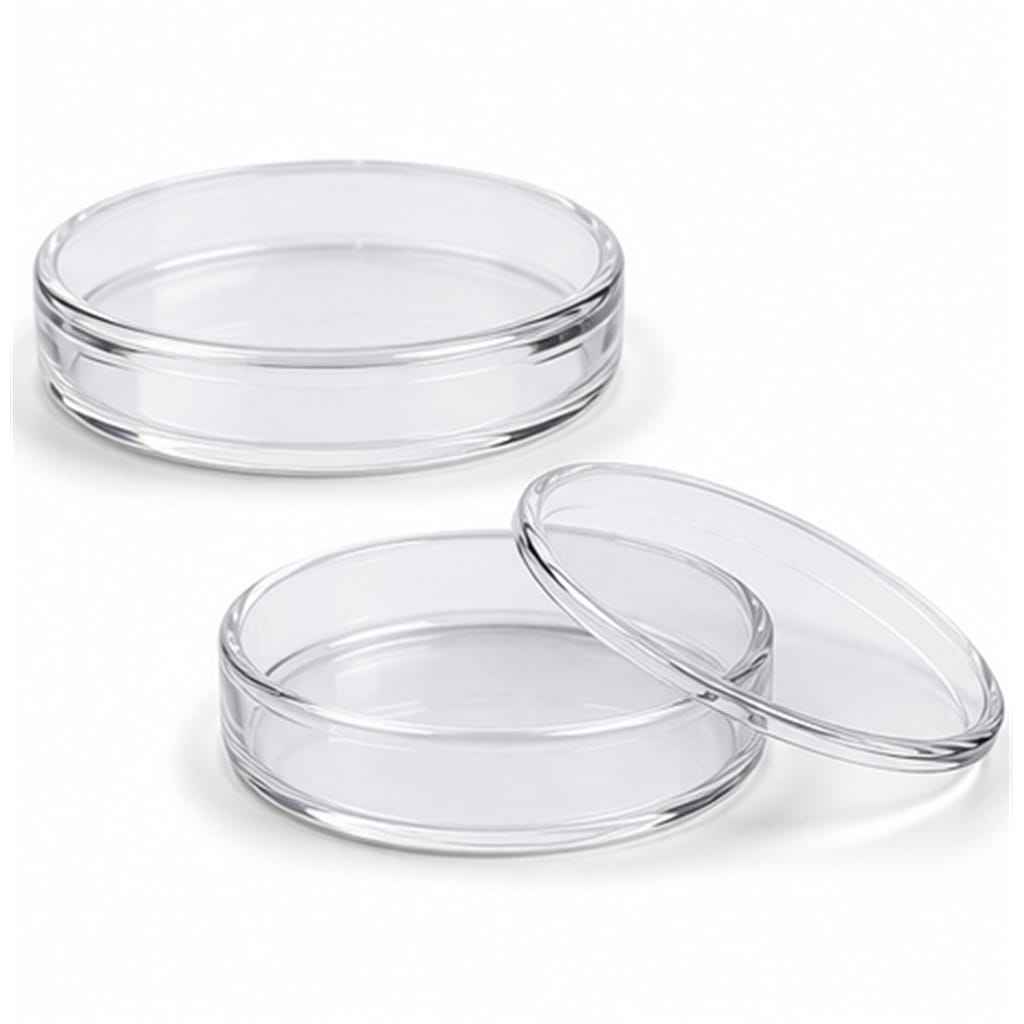
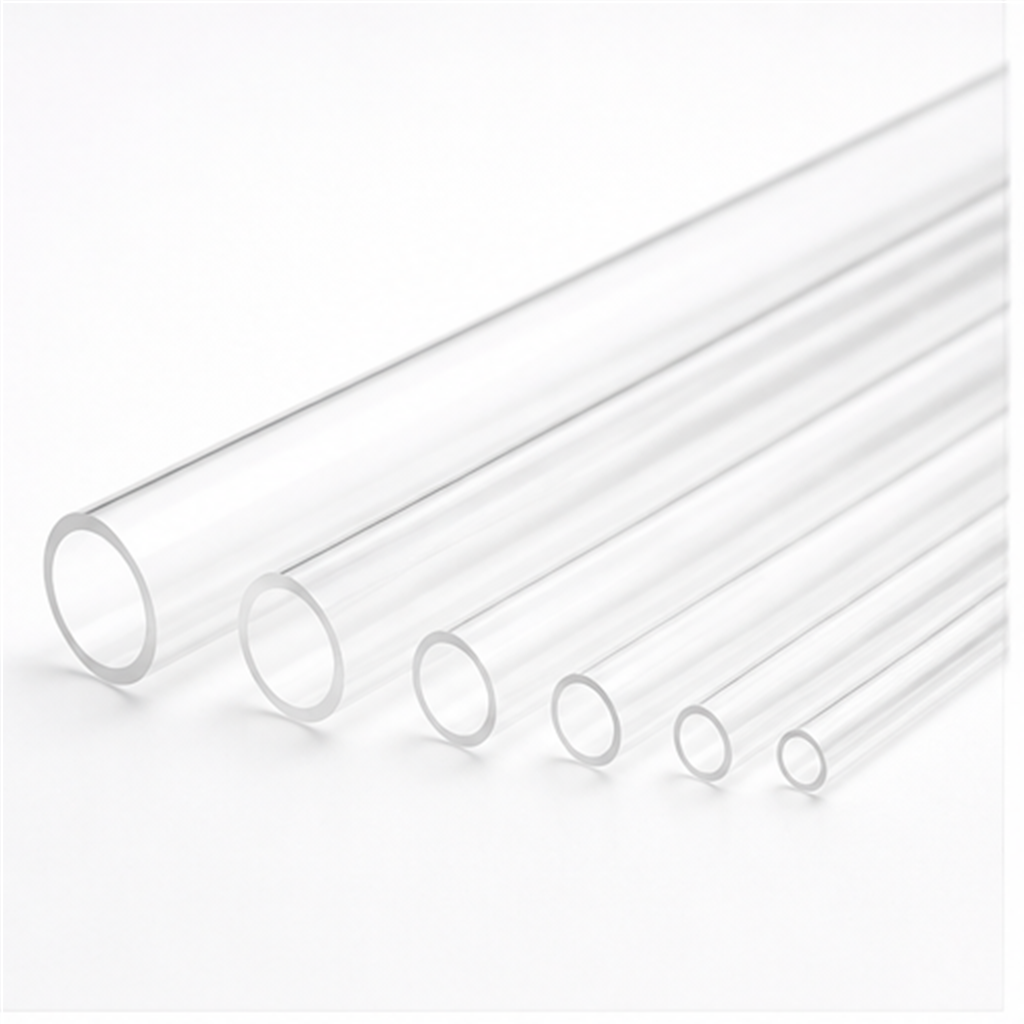
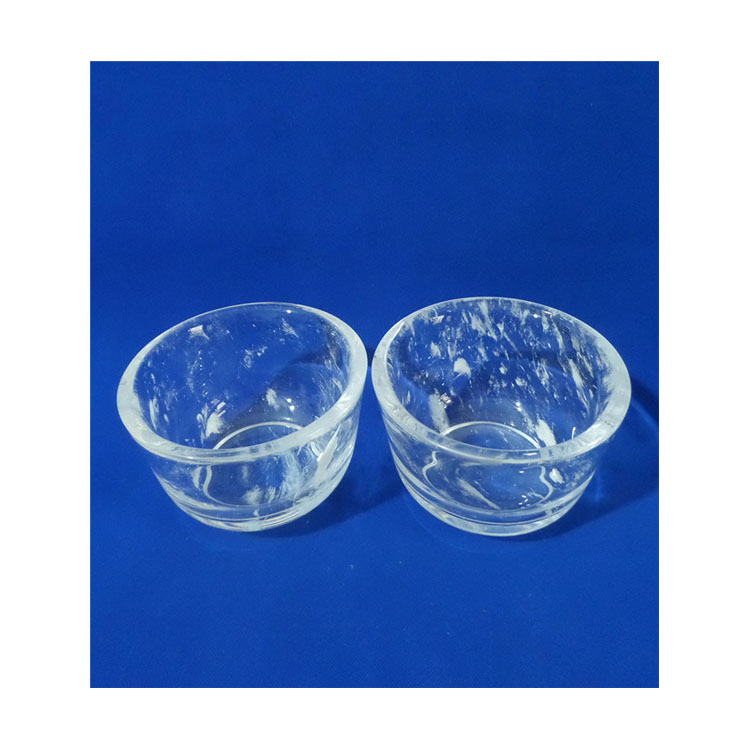
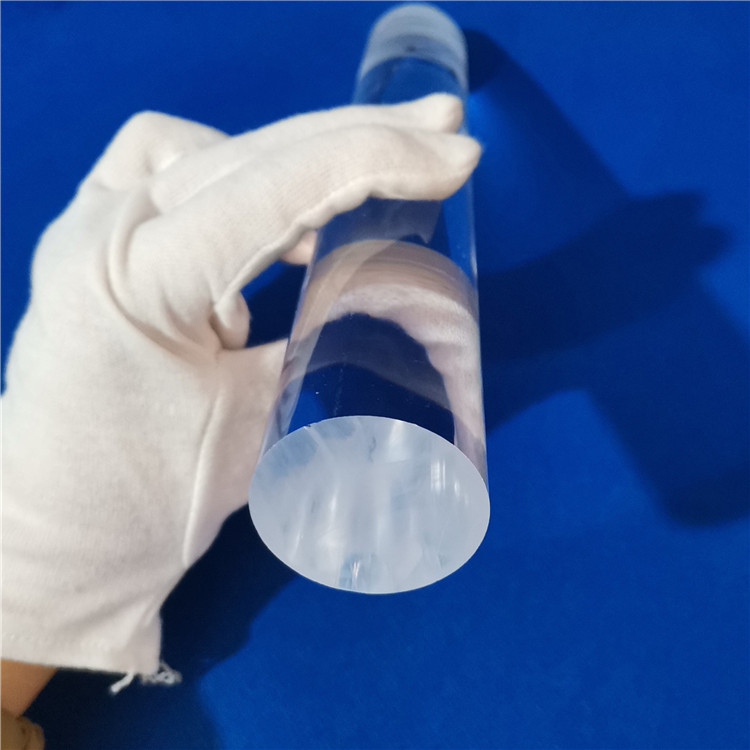
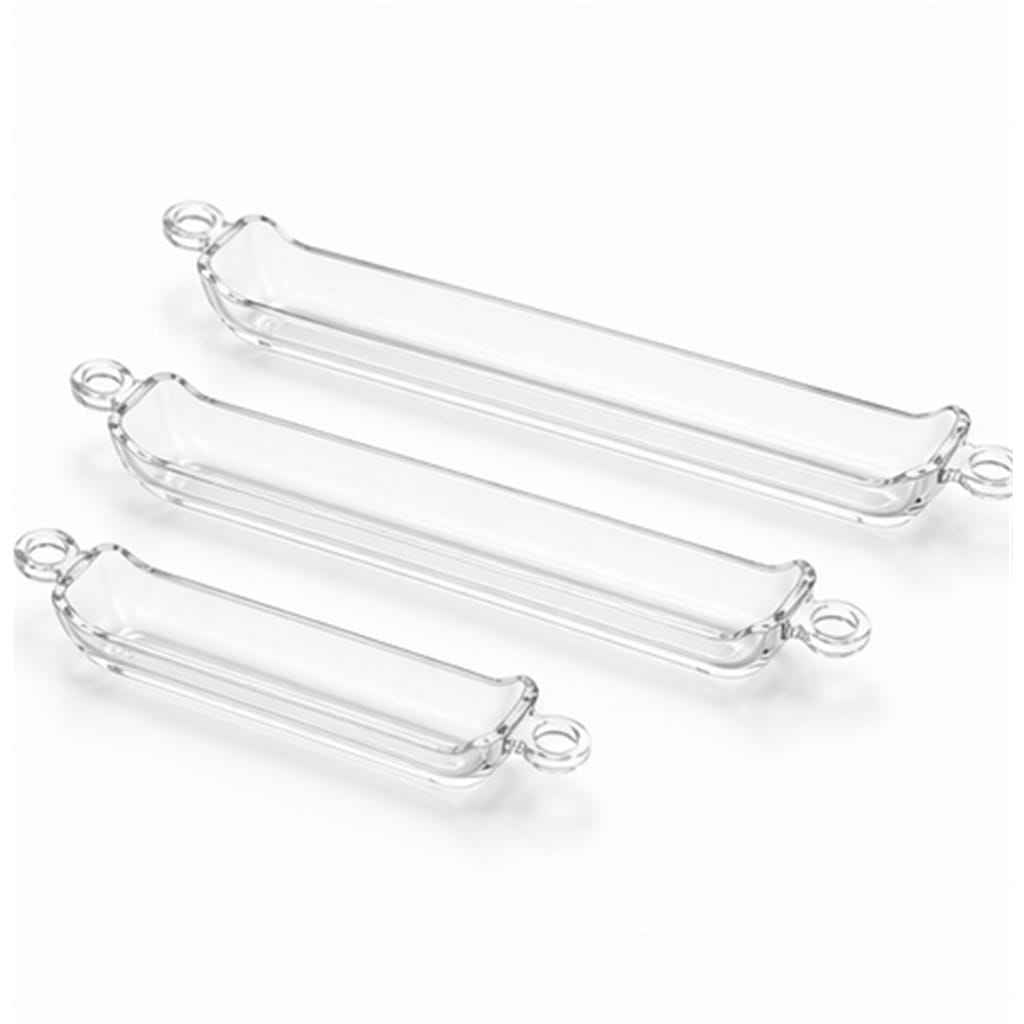
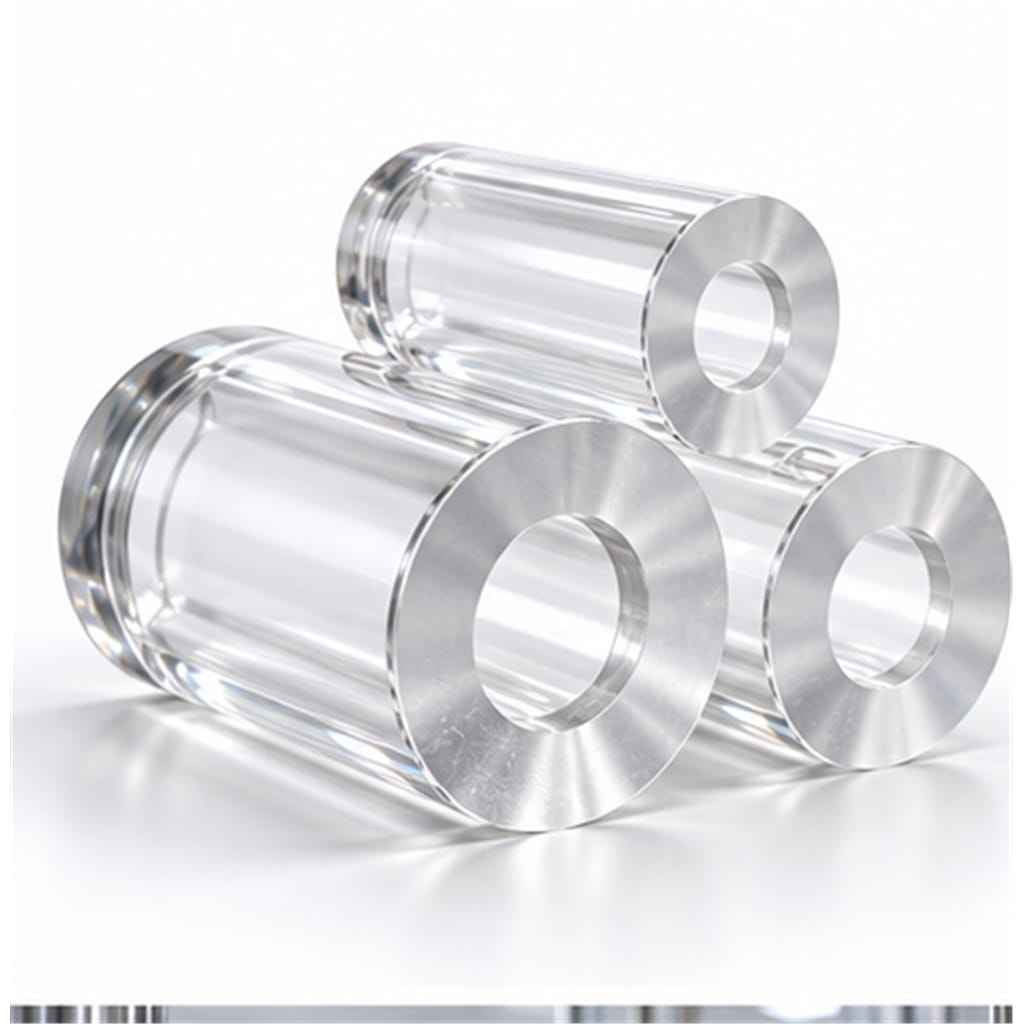
Precision Fused Quartz Glass Pipes & Labware

Direct factory supply with continuous thermal tolerance up to 1100°C, peak 1450°C, ultra-low hydroxyl (OH) values, and standard-compliant dimensional accuracy.

Executive Industry White Paper

Top 10 Quartz Glass Pipe Manufacturers: Global Sourcing Analysis

A rigorous empirical evaluation of global fused silica and quartz tube manufacturing hubs, comparing thermal envelopes, hydroxyl radical concentrations, raw crystal feedstocks, and industrial delivery cycles.

Procuring industrial quartz glass pipes is no longer a localized transactional purchase; it is a critical-path strategic engineering decision. Modern semiconductor diffusion furnaces (operating at 1200°C for boron or phosphorus deposition), photovoltaic crystalline wafer texturing lines, and high-pressure chemical reactors require fused silica products that exhibit near-zero coefficient of thermal expansion (α ≈ 5.5 × 10⁻⁷ /°C) and absolute chemical inertness against harsh halogenated gases.

The global quartz pipe supply ecosystem is divided into three tiers: high-overhead synthetic fused silica specialists serving deep UV lithography, specialized capital equipment fabricators, and integrated high-purity natural quartz melting factories that deliver massive price-to-performance advantages. Below is the multi-point comparative engineering benchmark representing the premier 10 global quartz glass pipe manufacturing leaders in 2025.

Rank & Factory HQ / Primary Hub SiO2 Purity Rating OH- Content (ppm) Core Product Strengths Procurement Lead Time
01 Kemzo Quartz Donghai, China 99.99% – 99.999% < 5 – 20 ppm Direct melt tubes, autoclave sight pipes, custom OEM CNC 1 – 2 Weeks (Agile OEM)
02 Heraeus Conamic Kleinostheim, Germany 99.999% (Synthetic) < 1 ppm (Suprasil) Extreme UV optics, semiconductor diffusion tubes 12 – 24 Weeks
03 Momentive Technologies Strongsville, OH, USA 99.995% < 5 ppm Type 214 high-temp tubing, micro-wafer carrier carriers 8 – 16 Weeks
04 Tosoh Quartz Tokyo, Japan 99.998% < 10 ppm Ultra-clean semiconductor batch furnace process tubes 10 – 20 Weeks
05 Saint-Gobain Quartz Courbevoie, France 99.99% < 15 ppm Quartzel wool, aerospace sight pipes, chemical tubes 8 – 14 Weeks
06 QSIL Group Ilmenau, Germany 99.995% < 20 ppm Plasma torches, thermal reactor tubes, optical quartz 6 – 12 Weeks
07 Pacific Quartz (Feilihua) Hubei, China 99.99% < 30 ppm Large diameter ingot tubes, photovoltaic diffusion tubes 3 – 6 Weeks
08 Shin-Etsu Quartz Tokyo, Japan 99.999% < 5 ppm Single-crystal silicon pulling crucibles, CVD tubes 12 – 18 Weeks
09 CoorsTek Quartz Golden, CO, USA 99.99% < 25 ppm Industrial thermocouple protection tubes, sight glass 6 – 10 Weeks
10 Technical Glass Products Painesville, OH, USA 99.99% < 20 ppm Specialty laboratory apparatus, customized manifolds 4 – 8 Weeks

TCO & Price Optimization

Procuring directly from regional source factories in Donghai gives buyers a 35% to 55% Total Cost of Ownership reduction versus European or Japanese converters, without sacrificing purity or strict dimensional tolerances.

Supply Chain Elasticity

Tier-1 conglomerates carry minimum 8 to 20-week backlogs. Agile certified manufacturers like Kemzo maintain in-stock mother-tubes (OD 2mm to 450mm), shipping finished, drawing-matched custom orders within 10 business days.

Direct Engineering Review

Direct communication with workshop tooling masters minimizes drawing revision cycles. In-house ultrasonic CNC drilling, flame-welding, and vacuum annealing ensure zero secondary outsourcing markups or delays.

Manufacturer Provenance & Authority

The Kemzo Quartz Advantage: Donghai's Primary Source

Combining primary geological quartz purity, 11+ years of OEM/ODM precision manufacturing, and ISO 9001 certified global logistics across 70+ countries.

99.99%
Natural SiO2 Purity Floor
10+
Automated Drawing Lines
75%+
Annual Global Export Share
≤ 1h
Engineering Inquiry Response

Donghai Crystal Capital Provenance

Situated in Donghai County, Jiangsu, Kemzo taps directly into China's historical high-grade quartz epicenter. Local raw mineral sorting and hydrometallurgical leaching guarantee consistent ingot purity with negligible transition-metal dopants (Fe < 0.8 ppm, Al < 14 ppm).

In-House Full Cycle Fabrication

From continuous rotary vacuum melting furnaces to double-spindle glass lathes and diamond-tooled CNC grinding centers, we handle every stage—flange welding, spiral bending, laser slotting, and flame polishing—entirely under one roof.

Multi-Incoterm Logistics & Packing

Zero breakage transit is engineered through tailored shock-absorbing high-density polyethylene nesting, secondary vapor-barrier foiling, and fumigated timber crating. Fully compliant with FOB, CFR, CIF, EXW, DDU, and express air freight worldwide.

Material Science White Paper

Fused Quartz vs. Synthetic Silica: Technical Selection Matrix

A rigorous examination of amorphous silicon dioxide rheology, devitrification kinetics, and optical band transmission parameters essential for design engineers.

Natural Fused Quartz (Melting Route)

Source Material: Purified natural crystalline quartz vein sand (α-quartz).

Fusion Technology: Continuous electric fusion or two-step vacuum thermal arc processing at > 2000°C.

Thermal Characteristics: Strain point 1120°C, annealing point 1215°C, softening point 1683°C. Superior high-temperature viscosity and creep resistance under extended furnace thermal cycling.

Primary Applications: Semiconductor diffusion and oxidation tubes, high-pressure autoclave sight glasses, photovoltaic tube furnaces, halogen lamp jackets, and standard analytical labware.

Synthetic Fused Silica (CVD / Gas Phase)

Source Material: Chemical silicon precursors, primarily Silicon Tetrachloride (SiCl4) or siloxane liquids.

Fusion Technology: Vapor-phase axial deposition (VAD) or flame hydrolysis forming high-purity soot boules.

Optical Characteristics: Extreme optical transmission deep into the vacuum ultraviolet spectrum (193nm), virtually free of metallic impurities (Fe, Cu < 0.1 ppb), but displays higher OH- radical counts unless chemically dehydrated.

Primary Applications: DUV photomask blanks, excimer laser viewports, high-energy laser optical components, and precision fiber optic preforms.

Physical / Chemical Property Transparent Fused Quartz (Kemzo Industrial) Synthetic Fused Silica Borosilicate Glass 3.3 (Benchmark)
Density (ρ) 2.20 × 10³ kg/m³ 2.20 × 10³ kg/m³ 2.23 × 10³ kg/m³
Coefficient of Thermal Expansion (20–300°C) 5.5 × 10⁻⁷ /°C 5.2 × 10⁻⁷ /°C 33.0 × 10⁻⁷ /°C
Continuous Max Operating Temperature 1100 °C 1050 °C 450 °C
Short-Term Peak Thermal Envelope 1450 °C 1300 °C 500 °C
Thermal Shock Parameter (ΔT Quench in Water) > 1000 °C without fracture > 1000 °C without fracture 150 °C max
Refractive Index (Sodium D-Line 589.3 nm) 1.4585 1.4584 1.4730
Dielectric Strength (20°C, 1MHz) 25 – 40 kV/mm 25 – 40 kV/mm 10 – 15 kV/mm
Future Procurement Horizon

2025–2030 Quartz Glass Pipe Market Trends

Strategic technology developments and global supply chain imperatives shaping the next generation of industrial quartz procurement.

Trend 01 // Sub-2nm Semiconductor Demands

Ultra-Low Trace Metal & Zero-Bubble Homogeneity

As semiconductor wafer fabrication advances toward 2nm Gate-All-Around (GAA) architectures, allowable trace elemental migration from furnace quartz tubes to silicon wafers is dropping below sub-part-per-billion levels. Suppliers are transitioning to automated vacuum degassing and robotic hot-wall flame annealing to eradicate microscopic airline bubbles and internal micro-striae that cause plasma etch pitting.

Trend 02 // Photovoltaic TOPCon & Perovskite Scale

Massive Bore Tubes Exceeding 450mm OD

The photovoltaic industry's rapid adoption of N-Type TOPCon and Perovskite tandem cell production has rendered legacy 250mm quartz diffusion tubes obsolete. Modern solar cell fabs are actively procuring massive diameter (OD 450mm to 600mm) heavy-wall quartz pipes. These gigantic chambers require exceptional sag resistance at 1250°C and ultra-tight wall-thickness concentricity to ensure uniform temperature fields across hundreds of large-format wafers.

Trend 03 // Green Hydrogen & High-Pressure Autoclaves

Heavy-Wall Sight Glasses with Squared Stress-Relieved Ends

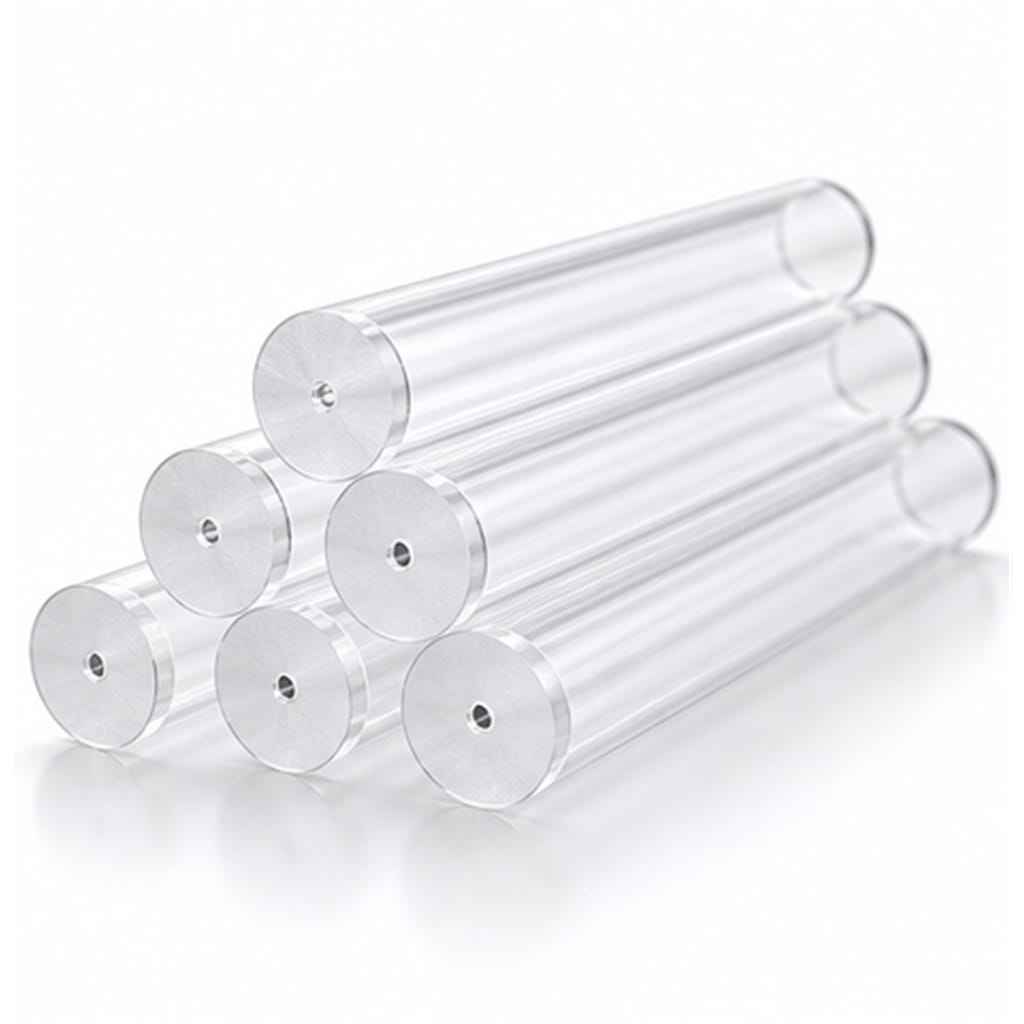
Decarbonization, electrolysis systems, and supercritical chemical extraction require quartz tubes capable of resisting internal pressures exceeding 15 MPa while providing continuous visual diagnostic transparency. The market is shifting from conventional clamping glass to custom precision-ground and fire-polished cylindrical quartz tubes designed with engineered anti-spall squared edges.

Trend 04 // Direct-to-Factory Consignment Sourcing

Near-Source Supply Chain Consolidation

Global supply chain volatility has compelled leading equipment integrators in North America and Western Europe to bypass intermediate third-party brokers. Strategic procurement directors are establishing direct, long-term consignment contracts with integrated manufacturing hubs in Donghai, securing dedicated furnace capacities and customized drawing catalogs with guaranteed delivery lead times.

Factory Operations & QA

End-to-End Quality Engineering: From Sand to Crate

How Donghai Kemzo Quartz enforces rigorous process controls to satisfy international ISO 9001 and high-technology enterprise standards.

1. Feedstock Refining

High-grade crystal lumps undergo mechanical crushing, acid bath leaching (HF and HCl mixture) to extract trace transition metal ions, followed by flotation washing and optical sorting to yield 99.99% pure silica feedstock sand.

2. Controlled Continuous Drawing

Feedstock is melted in high-frequency induction furnaces utilizing tungsten-molybdenum crucibles under inert protective atmosphere. Computer-monitored drawing towers maintain continuous outer-diameter and wall-thickness regulation within ±0.1mm.

3. Annealing & Stress Relief

Every cold-cut or flame-worked component undergoes controlled heating to its annealing point (1215°C) inside dedicated programmable electric ovens, followed by gradual cooling. This eradicates permanent stress and guarantees crack-free operation under thermal cycling.

Procurement Knowledge Base

Frequently Asked Questions: Technical & Sourcing Matrix

In-depth engineering answers addressing thermal, chemical, mechanical, and logistical queries encountered by global procurement managers.

What causes devitrification (cloudiness) in quartz glass pipes, and how can it be prevented?
Devitrification is the phase transformation of metastable amorphous fused silica into crystalline cristobalite. It primarily occurs when quartz is heated above 1150°C in the presence of surface contaminants—specifically alkali ions (Na+, K+, Li+) or alkaline earth metals (Ca2+, Mg2+). Even a single human fingerprint leaves sufficient sodium chloride to trigger rapid localized cristobalite nucleation, which manifests as milky white patches and causes structural embrittlement due to volumetric expansion during subsequent cooling.

Prevention Protocol:
  1. Always handle quartz components using lint-free, powder-free gloves.
  2. Clean components prior to high-temperature cycling using a 5% to 10% hydrofluoric (HF) acid immersion for 3 minutes, followed by an immediate rinse in 18 MΩ·cm deionized water and oven drying.
  3. Maintain clean, particulate-filtered furnace atmospheres.
What are the practical engineering differences between fused quartz and borosilicate 3.3 glass?
While borosilicate 3.3 glass is a versatile laboratory material, fused quartz operates in an entirely different physical performance envelope:
  • Thermal Tolerance: Borosilicate softens at ~820°C and has a continuous operating ceiling of 450°C. Fused quartz continuously operates at 1100°C and tolerates short-term spikes up to 1450°C.
  • Thermal Shock Resistance: Borosilicate's thermal expansion is 33 × 10-7 /°C, whereas fused quartz is 5.5 × 10⁻⁷ /°C (six times lower). A fused quartz tube can be heated red-hot to 1100°C and immediately quenched into ice-cold water without micro-fracturing.
  • Optical Bandwidth: Fused quartz transmits light from deep ultraviolet (200nm) across visible light to near-infrared (2500nm). Borosilicate blocks substantially all radiation below 320nm.
How does hydroxyl (OH-) radical concentration affect quartz tube performance?
Hydroxyl radicals chemically bond into the glass matrix as Si-OH silanol groups. High OH- concentrations (> 100 ppm) reduce the viscosity of the quartz, lowering the annealing and softening points and making furnace tubes susceptible to high-temperature gravitational sag under heavy thermal loads.

Furthermore, OH- produces prominent absorption bands in the infrared spectrum (most notably at 2.73 μm). For infrared heating applications or optical fibers, low-OH quartz (< 5 to 20 ppm) is critical. Kemzo Quartz utilizes vacuum electric fusion and thermal vacuum baking to systematically control OH- to ultra-low thresholds for heavy-duty furnace tubing.
Can Kemzo manufacture custom quartz tubes according to proprietary engineering drawings (OEM/ODM)?
Yes. Over 70% of Kemzo's production output is manufactured directly to client CAD/CAM drawings, STEP files, or physical engineering prototypes. Our in-house technical capabilities include:
  • OD / ID precision sizing, ground and polished taper joints (standard 14/23, 19/26, 24/29, 29/32, or custom non-standard).
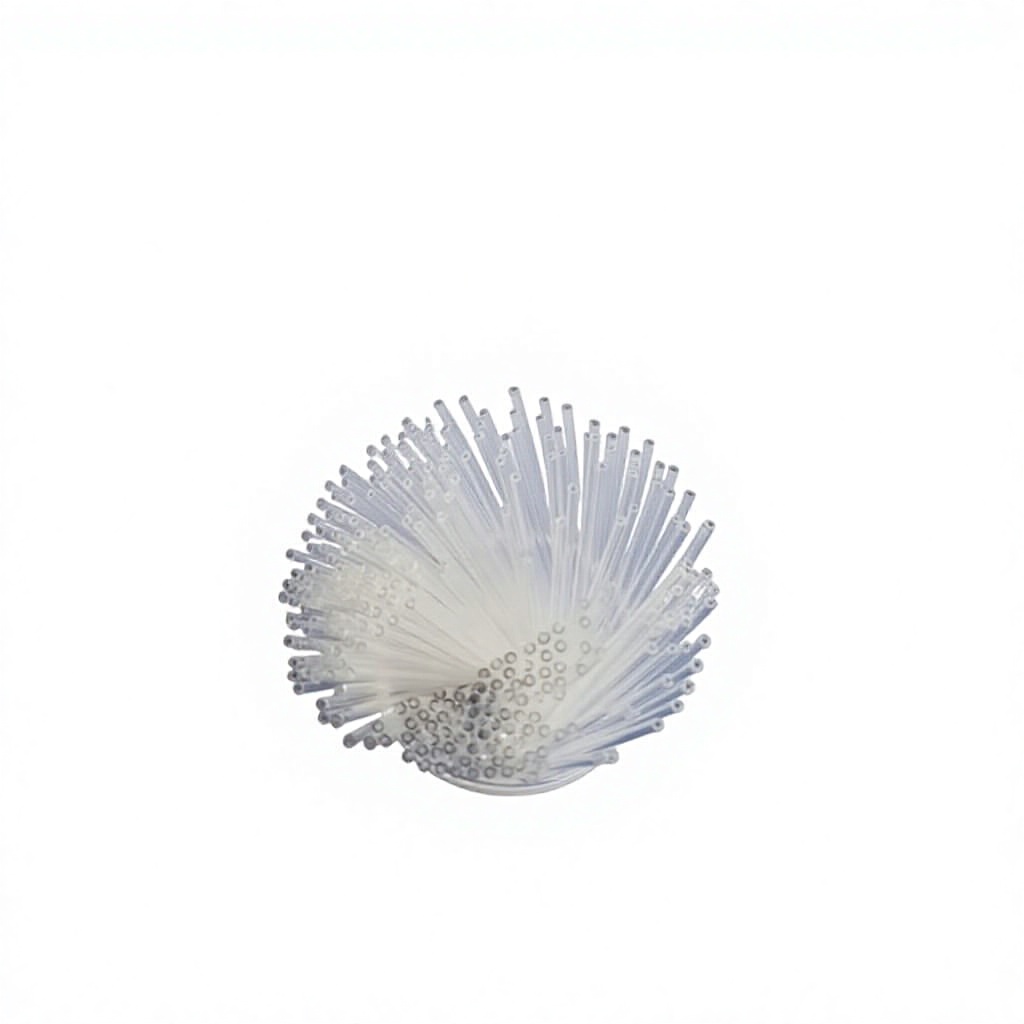
  • Flange fabrication, quartz o-ring grooving, vacuum welded spherical ball joints, and capillary branch tee-manifolds.
  • Ultrasonic CNC drilling, precision laser slotting, and flame mirror fire-polishing.
Clients simply submit their 2D/3D drawings to our engineering desk for rapid feasibility validation, tolerance assignment (±0.05mm achievable), and pricing quotation.
How is brittle quartz glass packaged to completely eliminate export transit breakage?
Over 11 years of international export to Europe, North America, Japan, and Oceania has enabled us to refine a triple-tier packaging architecture that reduces shipping transit claims to < 0.1%:
  1. Primary Layer: Individual tube wrapping with electrostatic protective cling film and multi-layer shock-damping PE bubble cushioning.
  2. Secondary Layer: Custom-cut high-density EPE foam nests that structurally separate every individual tube, preventing glass-to-glass contact during lateral acceleration.
  3. Tertiary Layer: Heavy-duty, ISPM-15 fumigation-free engineered plywood export crates reinforced with steel corner brackets, waterproof poly-lining, and impact shock-watch indicator labels.
What international trade Incoterms and settlement currencies are supported?
We provide seamless commercial integration for global corporate buyers. Accepted Incoterms include FOB (Lianyungang / Qingdao / Shanghai), CFR, CIF, EXW, DDU, DAF, as well as door-to-door express courier deliveries (DHL / FedEx / UPS / TNT) for rapid prototype batches.

Supported transaction currencies include USD, EUR, AUD, HKD, and CNY via international wire transfer (T/T), irrevocable documentary Letters of Credit (L/C) at sight, and verified PayPal for sample orders.

Request the 2025 Comprehensive Quartz Pipe Catalog

Access our complete product matrix covering heavy-wall pressure tubes, capillary micro-bore pipes, optical plates, and customized semiconductor furnace components. Submit your engineering drawing for rapid review and quotation within 1 hour.