Engineered Quartz Glass & Precision Process Components
Manufactured from high-purity natural silica sand (≥99.99% SiO₂) and synthetic feedstock. Each precision-machined component is annealed for zero internal stress and tailored to extreme thermal and chemical environments.
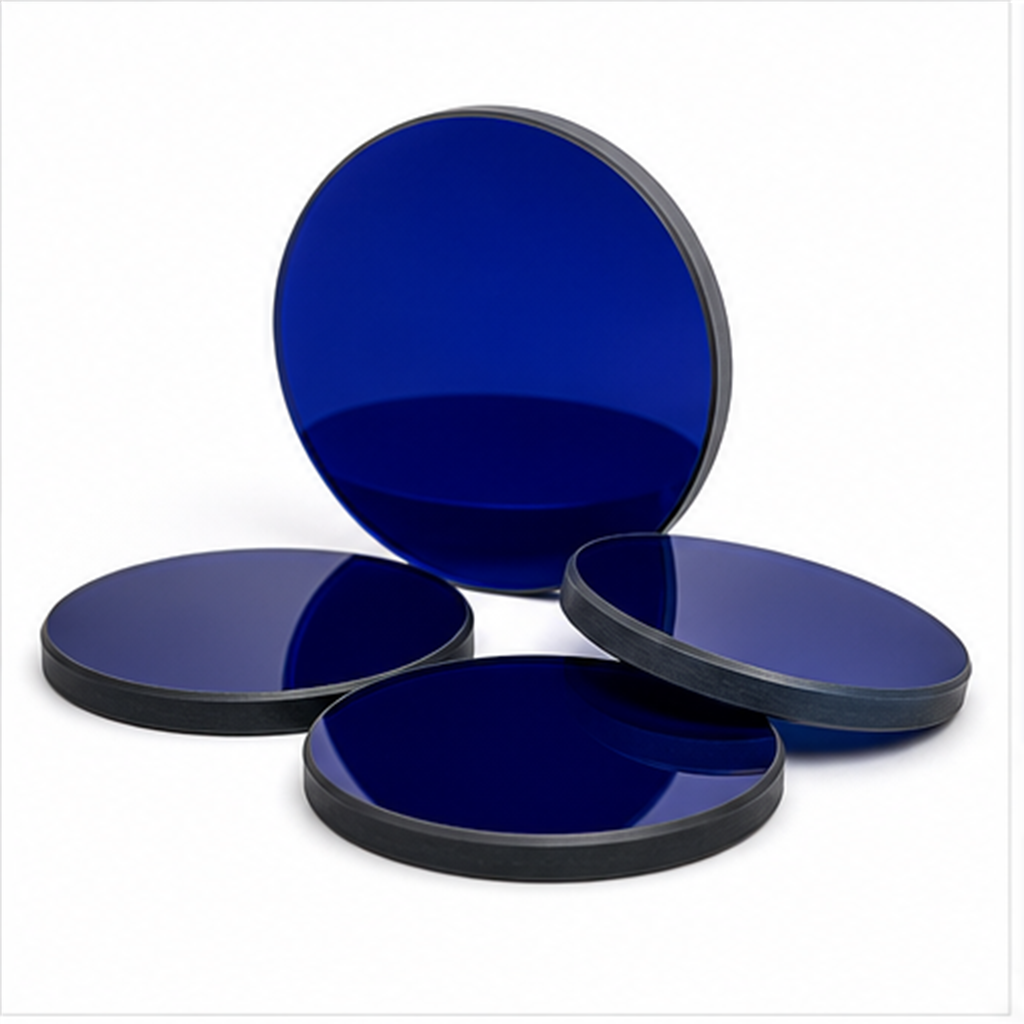
Optical Cobalt Blue Glass Disc Circular Filter Furnace Sight Glass Window
Engineered for industrial high-temperature kiln viewing, molten glass furnace monitoring, and flame spectroscopy. Absorbs high-energy yellow sodium lines while providing high optical clarity under severe thermal gradients.
- Operating Temp: Up to 1100 °C
- Surface Polish: 60/40 or 40/20 Scratch-Dig
- Standard Diameter: Ø25mm – Ø200mm Custom
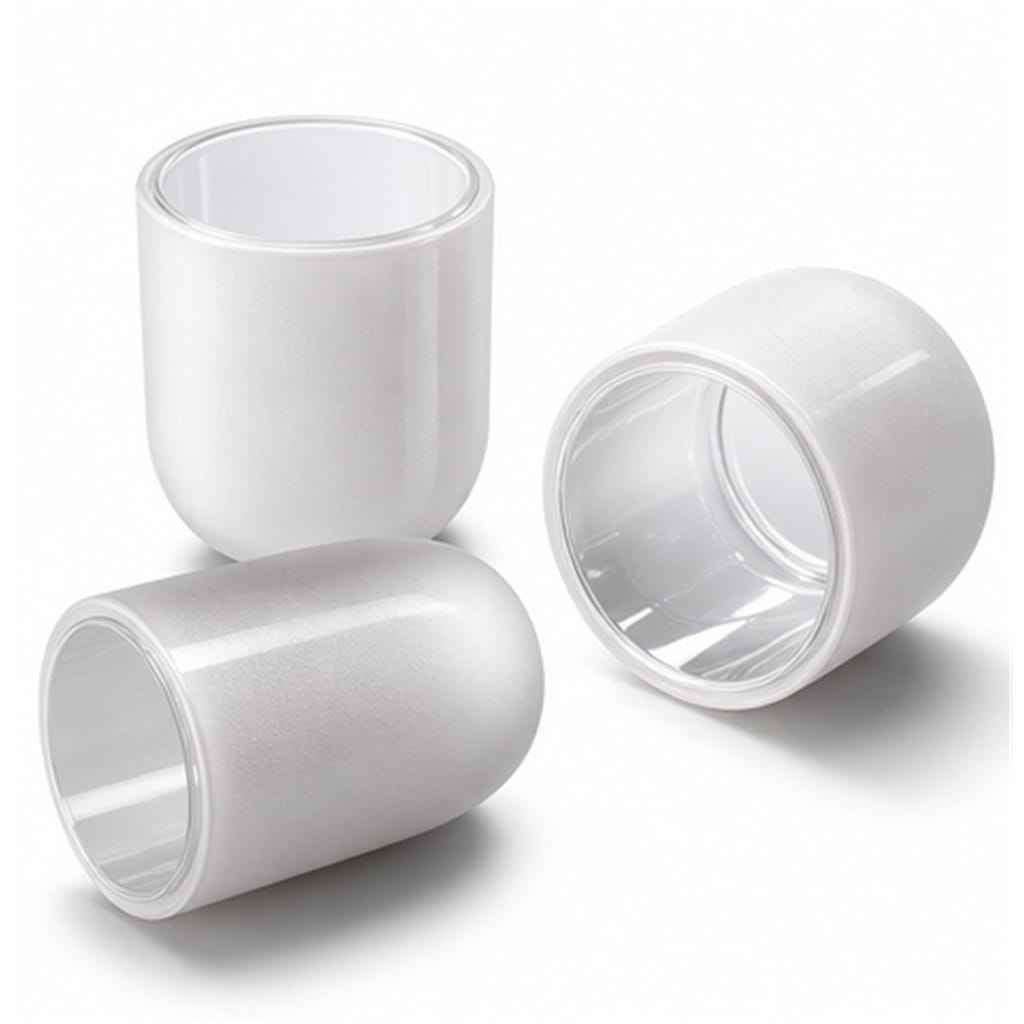
4-Inch US Quartz Sand Fused Crucibles with Fire-Polished Rim for High-Temperature Semiconductor Ingot Melting
Formed via precision electric arc fusion using refined ultra-pure quartz sand. Demonstrates zero bubbling in the inner melt boundary layer, ultra-low aluminum/alkali content, and resistance to molten polysilicon corrosion.
- Purity: SiO₂ ≥ 99.995%
- Rim Geometry: Fire-Polished / Squared
- Thermal Threshold: 1450 °C Peak
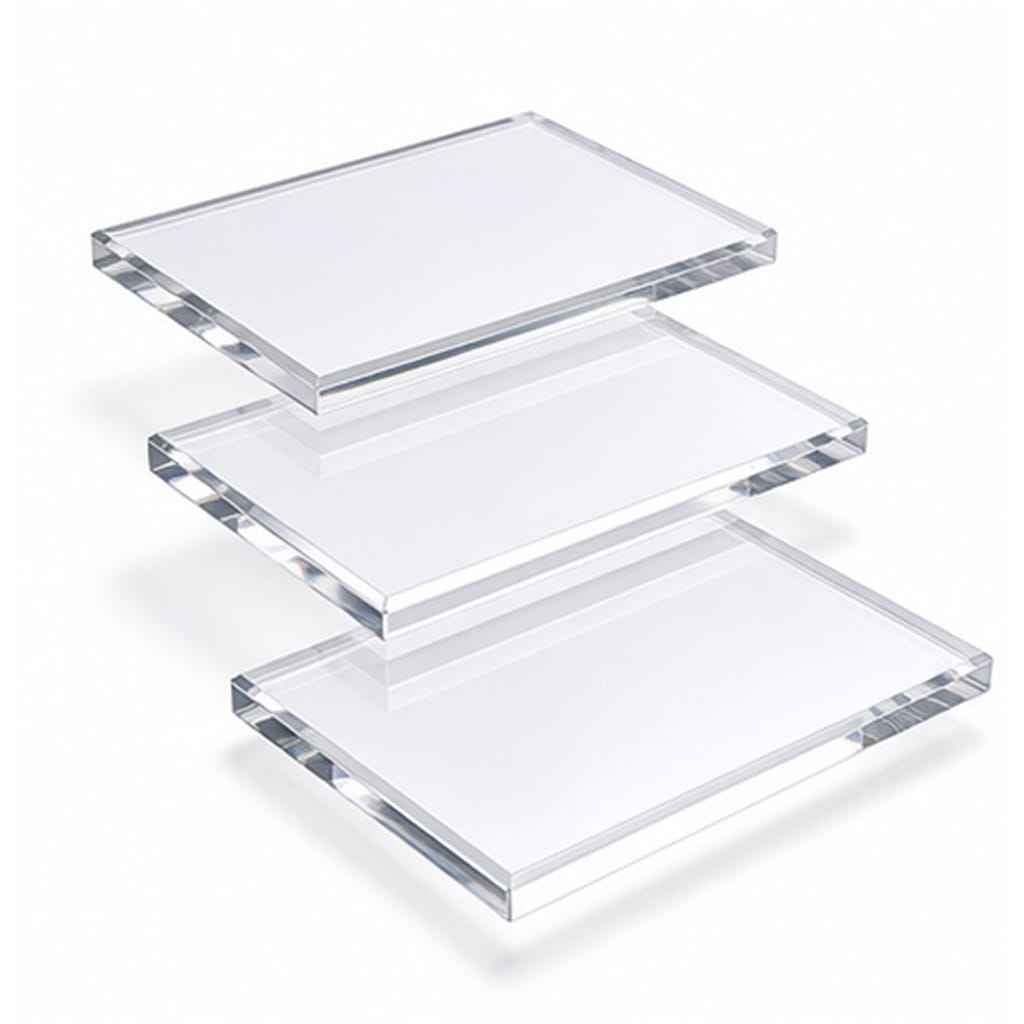
Precision Optical Fused-Quartz Square Plates with Chamfered Edges for Semiconductor Photomask Windows
Double-side polished substrate plates engineered for UV lithography steppers, vacuum viewports, and optical mask reticles. Guarantees sub-nanometer surface roughness (Ra < 0.5 nm) and minimal bubble inclusions.
- Parallelism: < 5 arcsec
- Surface Flatness: λ/4 to λ/10 @ 632.8nm
- Edge Treatment: 0.5mm C-Chamfer CNC Ground
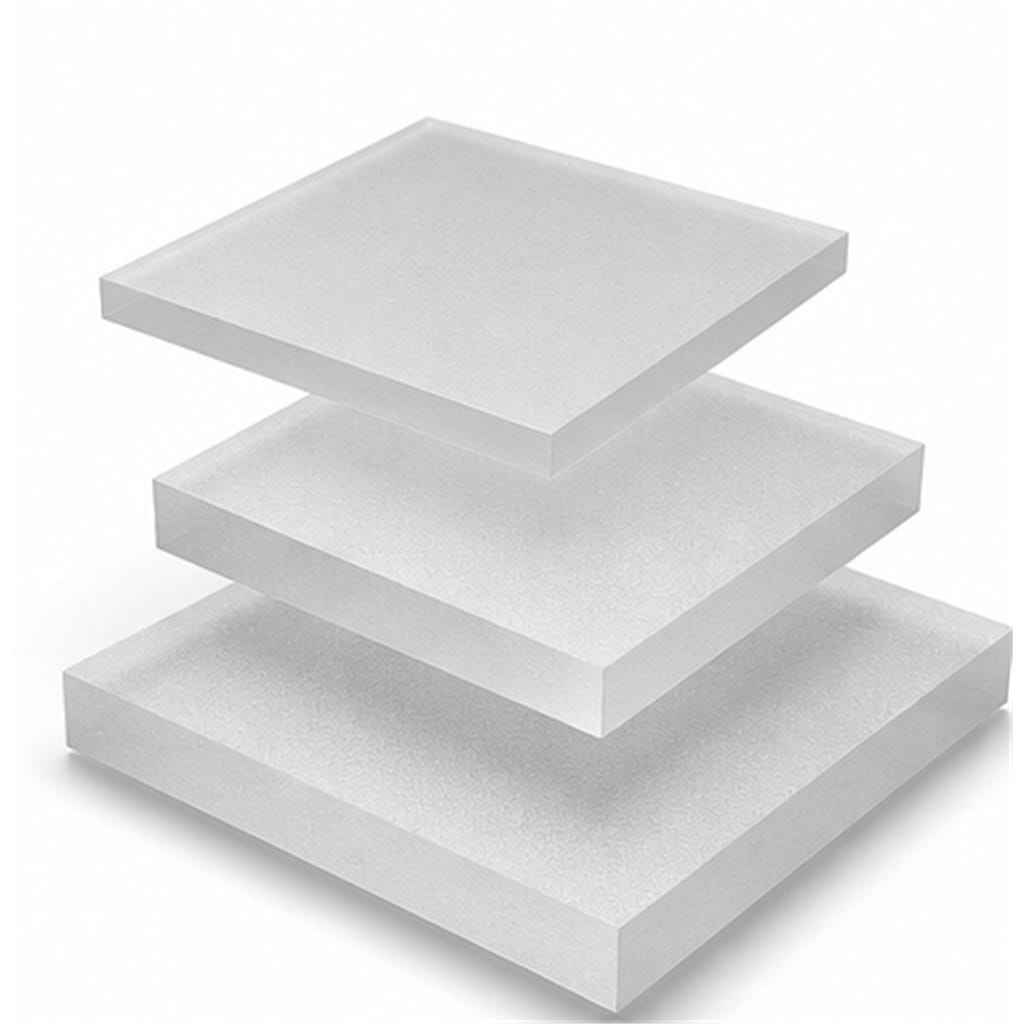
Raw Rough-Ground Fused-Quartz Blank Plates with Straight Edges for Semiconductor Wafer Substrate Lapping
Dimensionally stabilized rough-ground blank blanks designed as sacrificial lapping carriers and vacuum chuck mounting fixtures in wafer thinning. Excellent mechanical rigidity with zero internal micro-fissuring.
- Roughness (Ra): 1.2 – 2.5 µm Uniform
- Thickness Tol: ±0.05 mm Precise
- Custom Sizes: 100mm – 450mm Form Factors
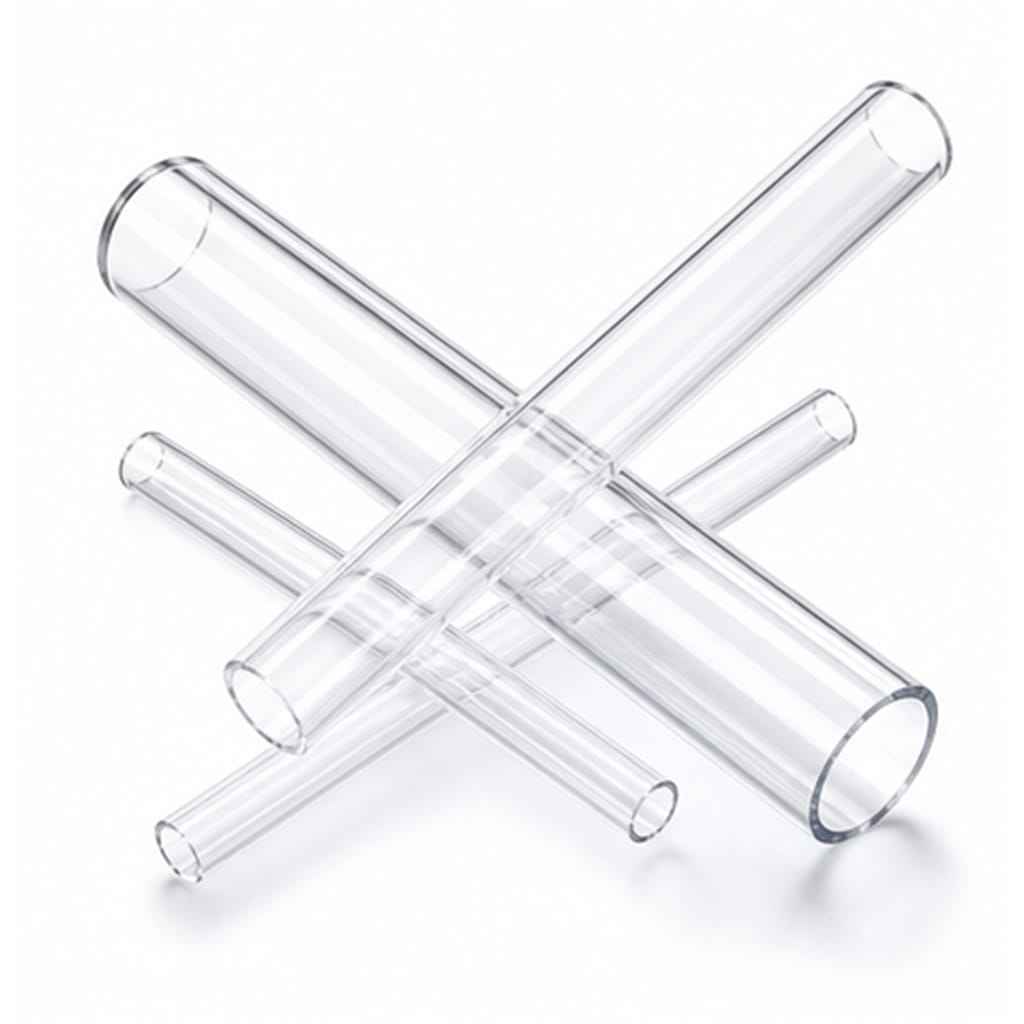
Precision Flat-Cut Fused-Quartz Straight Process Tubes with 90-Degree Squared Ends for Vacuum CVD Chambers
Heavy-duty furnace tubes and sleeve liners for Low-Pressure Chemical Vapor Deposition (LPCVD) and wafer diffusion. Features ultra-low eccentricity, precise wall thickness uniformity, and clean cut square ends for O-ring vacuum seals.
- OD Range: Ø50mm to Ø450mm
- End Perpendicularity: ≤ 0.2 mm Runout
- Continuous Temp: 1150 °C Furnace Run
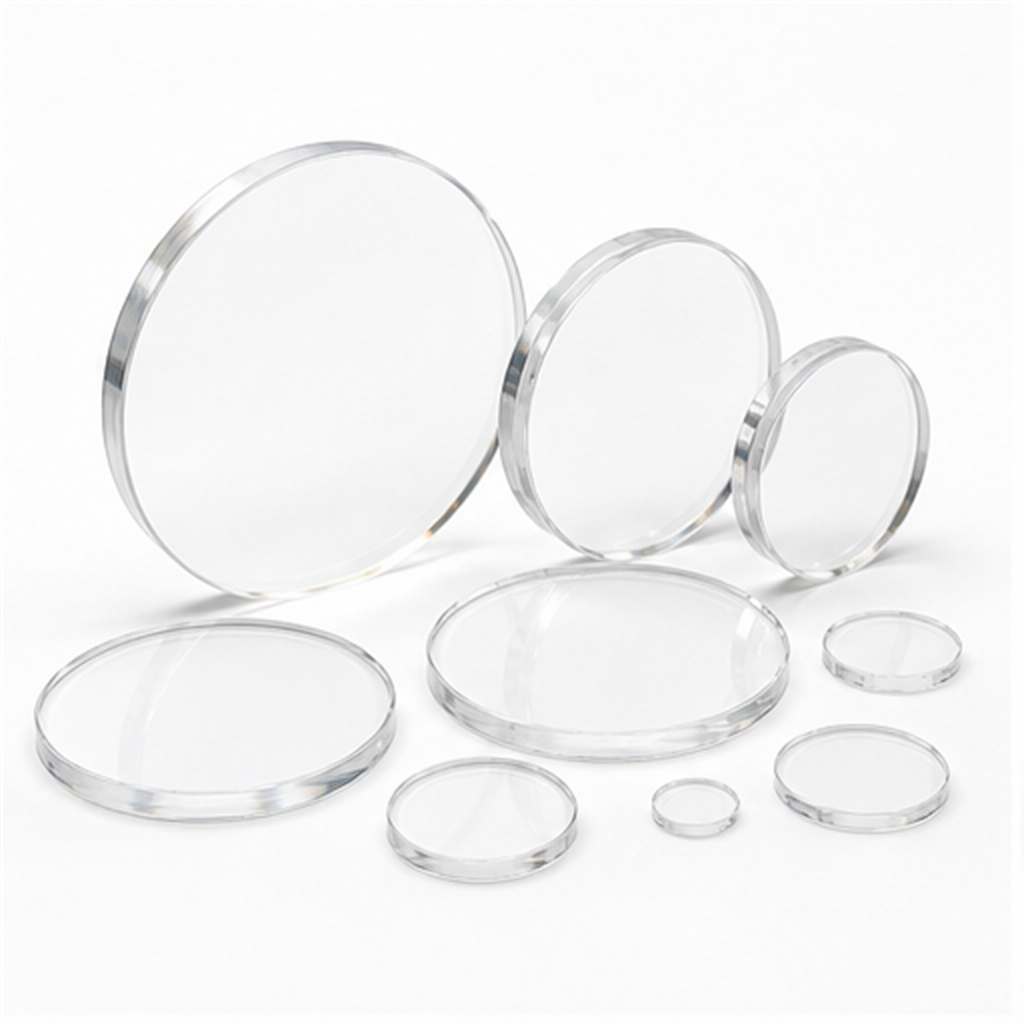
High Purity Optical Clear Fused Quartz Disc Circular Glass Window Substrate
Broadband optical discs featuring exceptional transmission from deep ultraviolet (UV 260nm) to near infrared (NIR 2100nm). Fire-polished or precision optical beveling prevents mechanical chipping during autoclave and chamber assembly.
- UV Transmittance: > 90% @ 254nm Band
- Surface Quality: 20/10 Scratch-Dig
- Chemical Inertness: Unaffected by concentrated acids
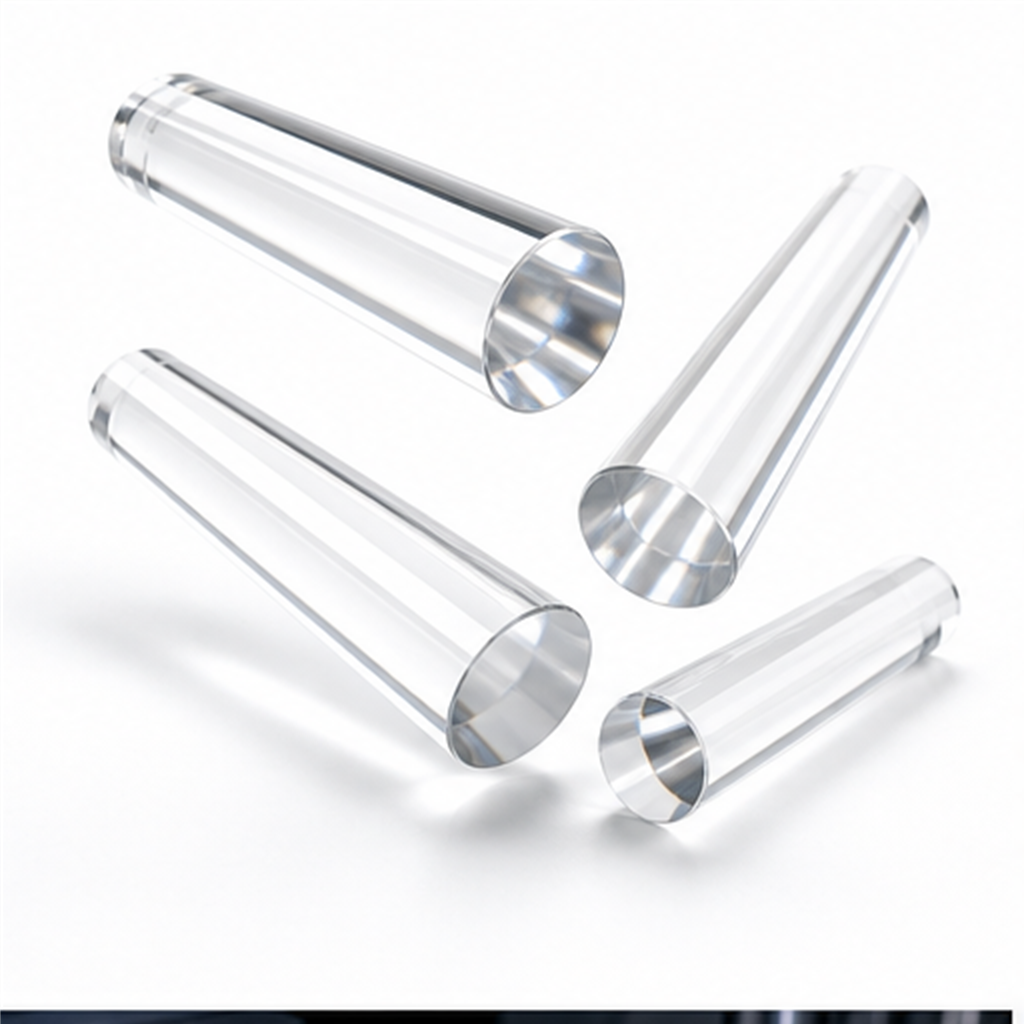
High Purity Solid Optical Clear Fused Quartz Glass Rod for Light Guide Semiconductor
Solid cylindrical quartz rods designed for laser transmission, optical homogenization, thermocouple protection conduits, and semiconductor furnace cantilever supports. Excellent total internal reflection efficiency.
- Diameter Range: Ø1.0mm to Ø80mm
- Refractive Index: 1.4585 @ 589 nm
- Internal Striae: Grade A Homogeneity
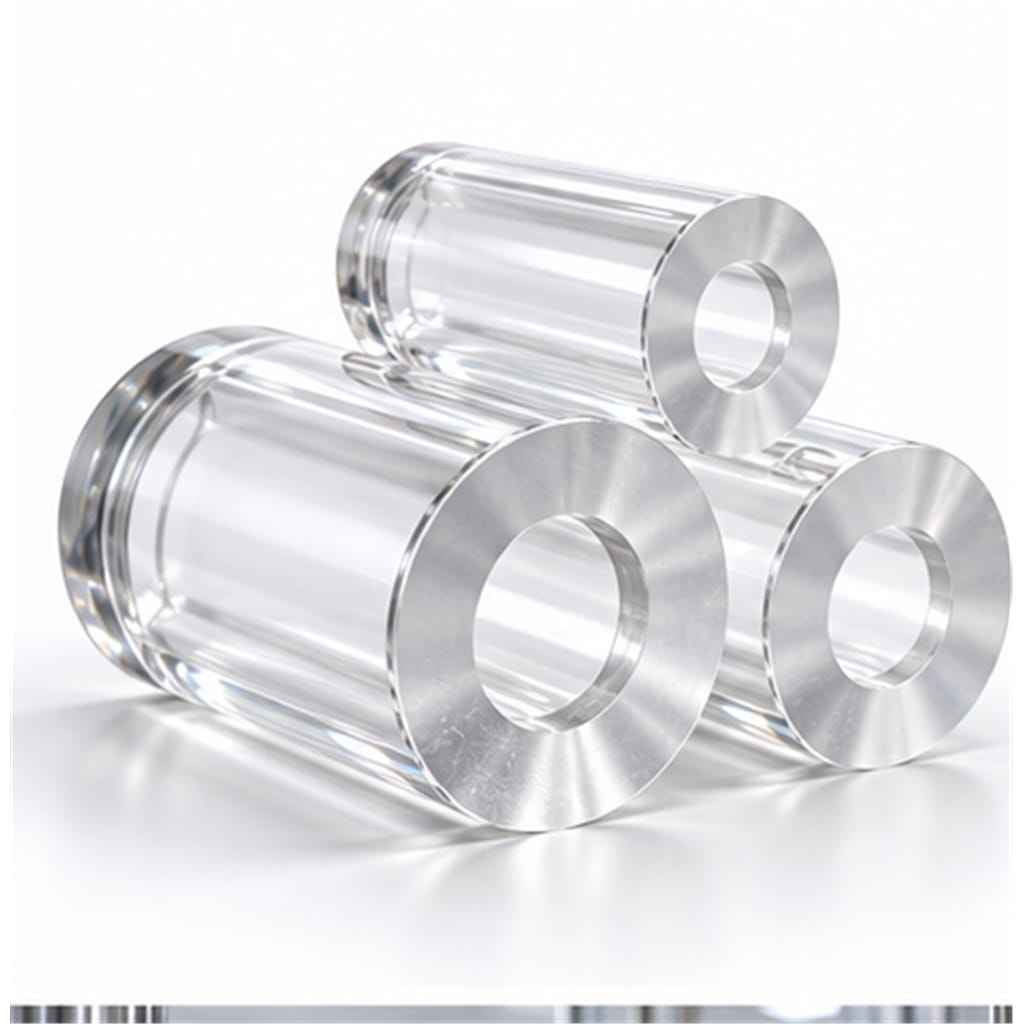
Heavy-Wall Fused-Quartz Cylindrical Pressure Tubes with Squared Ends for High-Pressure Autoclave Sight Glass
Heavy-wall fused quartz sleeves engineered to withstand extreme hydrostatic and hydraulic burst pressures. Widely deployed in oil refineries, petrochemical test loops, and high-pressure steam boiler sight columns.
- Wall Thickness: 3.0mm – 15.0mm Heavy Duty
- Tensile Strength: ≥ 48 MPa
- Compressive Strength: > 1100 MPa
Industrial Landscape: The Critical Role of Quartz Glass Sleeves
Fused quartz glass sleeves (also categorized industrially as quartz thimbles, process reactor jackets, protective burner tubes, and UV-C lamp barrier envelopes) serve as irreplaceable baseline components across advanced global industries. Their significance stems from an extraordinary trifecta of physical characteristics: near-zero coefficient of thermal expansion (CTE of 5.5 × 10⁻⁷/K between 20°C and 320°C), extreme chemical resilience against aggressive mineral acids and halogen gases, and an expansive optical transmission window bridging deep UV-C (down to 185 nm with synthetic silica) through the near-infrared spectrum.
In semiconductor wafer manufacturing (such as diffusion, LPCVD, and atomic layer deposition chambers), quartz sleeves house heating elements and isolate hazardous precursor chemistries under vacuum pressures. In water sterilization installations, municipal UV-C disinfection arrays depend completely on high-transmission quartz sleeves to shield mercury and amalgam ultraviolet lamps from direct immersion and hydrostatic water pressures without attenuating germicidal irradiance (253.7 nm).
Technical Note on Information Gain: Procuring quartz sleeves requires an engineering balance between Hydroxyl (-OH) radical content and trace metallic impurity levels. Low-OH synthetic silica prevents broadband 2.73 µm infrared absorption in high-power heating elements, whereas electrically melted natural quartz retains superior viscosity at temperatures exceeding 1150°C, offering superior sag resistance during continuous furnace heating.
Global Manufacturer Benchmark: Top 10 Quartz Glass Sleeve Factories
An exhaustive objective evaluation of market leaders, raw material tiering, fabrication capabilities, and strategic specialization across North America, Europe, and Asia.
| Evaluation Parameter | Natural Fused Quartz Sleeves | Synthetic Fused Silica Sleeves | Doped / Titanium UV-Block Sleeves |
|---|---|---|---|
| Raw Material Base | Purified Pegmatite Quartz Sand (≥99.99%) | Chemical Vapor Silane / SiCl№ | High Purity Silica + Ti / Ce Dopant |
| OH- (Hydroxyl) Content | < 5 ppm to 30 ppm (Flame/Electric) | < 1 ppm (Dry) or > 1000 ppm (Wet) | 10 – 40 ppm Controlled |
| UV Transmission (254 nm) | 88% – 91% (1mm Wall) | > 92.5% (High Transmission) | 0% (Cuts off 185-260nm UV) |
| Continuous Max Temperature | 1100 °C – 1150 °C | 1000 °C – 1050 °C | 1100 °C |
| Sag Resistance @ 1250°C | Superior (Higher Viscosity) | Moderate (Subject to plastic flow) | Superior |
| Typical B2B Applications | UV Water Disinfection, Furnaces | Sub-14nm Photolithography, Lasers | Ozone-Free Germicidal Lamps, Heating |
Procurement Evolution: Future Trends in Quartz Sleeve Sourcing
Strategic analysis for procurement directors, procurement engineers, and supply chain architects tracking market evolution across microelectronics, solar, and industrial cleantech.
1. Sub-2nm Semiconductor Thermal Control
As advanced fabs transition to Gate-All-Around (GAA) and backside power delivery, ALD and LPCVD thermal margins narrow down to ±0.5°C. Quartz process sleeves must feature strictly controlled wall thickness concentricity (TIR < 0.08mm) to eliminate thermal hot spots and non-uniform film deposition.
2. High-Pressure Mega-Sleeve Water Disinfection
Global municipal water recycling and ballast water treatment plants are migrating to high-density medium-pressure amalgam arrays. This shifts demand toward heavy-wall (≥4mm) synthetic and doped quartz thimbles capable of enduring continuous 16-bar water hammer cycles without catastrophic micro-fracture.
3. Near-Zero Hydroxyl (Low-OH) Longevity
Infrared radiation emitters and high-output industrial heating modules require sleeves with OH content under 1 ppm. Trace moisture inside the quartz matrix triggers structural devitrification (nucleation into cristobalite) at 1000°C+, prompting buyers to specify electric vacuum-remelted grades for 3x service life.
4. Supply Security & Geological Clustering
Geopolitical volatility surrounding critical minerals has heightened scrutiny over high-purity quartz reserves. Tier-1 buyers increasingly establish direct sourcing agreements with established factories in core geological basins (such as Donghai, China) to shield against upstream supply disruption.
5. Complete CNC Cold-Finishing Customization
Modern equipment integration demands ready-to-assemble subcomponents. Standard raw-cut sleeves are giving way to fully finished units featuring customized precision ground ends, laser-etched scale calibration marks, pre-drilled evacuation ports, and fused sanitary Tri-Clamp or KF flanges.
6. Closed-Loop Cleanroom Reclamation & Washing
Environmental ESG compliance and spiraling raw material costs are driving demand for factory-level quartz sleeve re-conditioning. Leading facilities now integrate chemical etch rejuvenation and Class 10,000 cleanroom final packaging to guarantee zero particulate fallout.
Factory Strengths: Why Engineers Partner with Kemzo Quartz
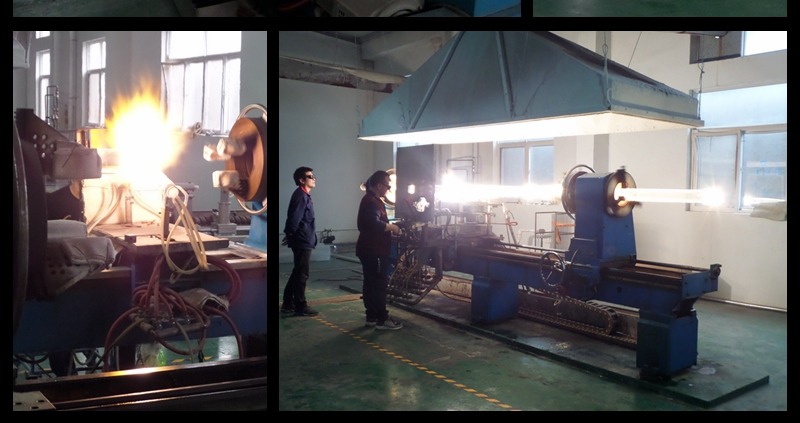
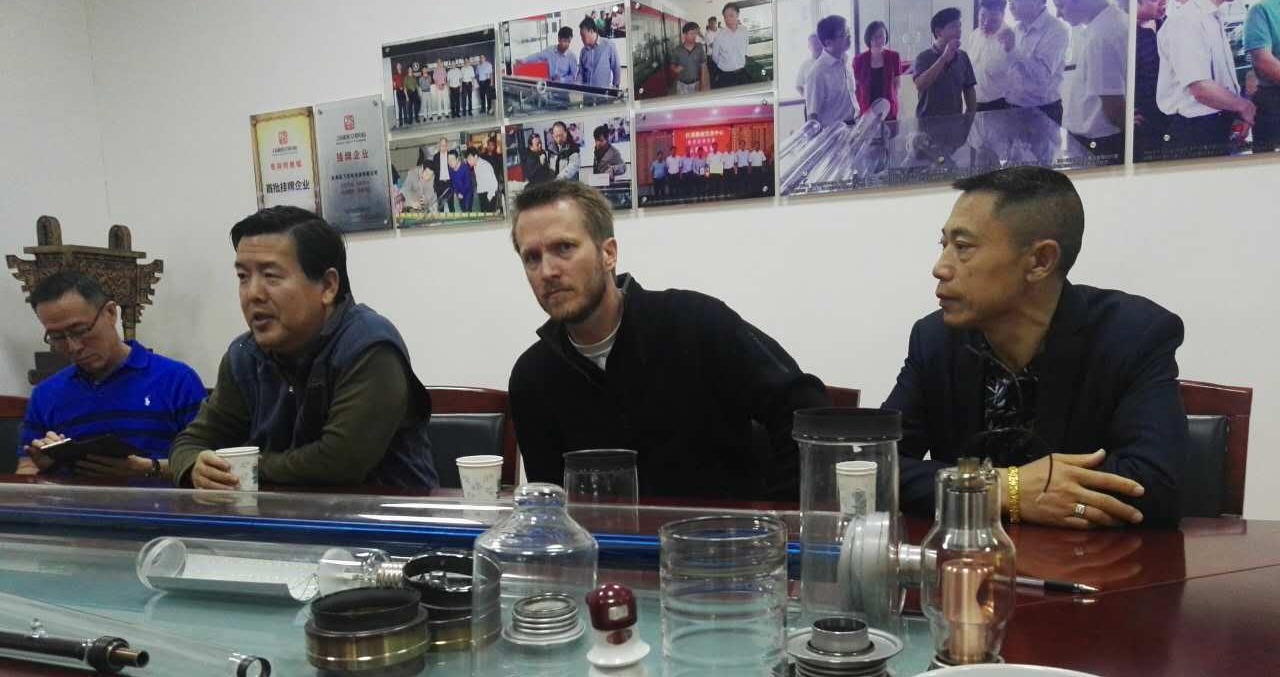
Operating directly out of Donghai County, China's celebrated crystal and quartz epicenter, Donghai Kemzo Quartz Products Co., Ltd. merges abundant local raw silica reserves with over a decade of disciplined OEM/ODM quartz craftsmanship.
-
✓Natural Purity & Direct Source Supply: Direct access to Donghai pegmatite sands yielding baseline SiO₂ ≥ 99.99%, minimizing metal contaminants (Fe, Al, Ti < 15 ppm).
-
✓Dedicated OEM/ODM Custom Machining: 11+ years executing custom orders to technical drawings. In-house fire-polishing, CNC optical grinding, ultrasonic drilling, and flange glass-welding.
-
✓ISO 9001 Certified Quality Inspection: Full optical transmission mapping, polariscope strain birefringence checks, and dimensional coordinate measurement prior to dispatch.
-
✓Worldwide Zero-Breakage Packaging Protocols: Tailored export wooden crates with multi-layer high-density EVA shock cushioning. Over 70% of output exported reliably across 30+ countries.

Average Technical Engineering Inquiry Response Time
Procurement & Technical FAQ Guide
Expert answers addressing the mechanical, optical, chemical, and logistical considerations involved in procuring quartz glass sleeves from global factories.