1. Introduction to High-Purity Quartz Glassware in Modern Science & Industry
In modern analytical chemistry, semiconductor wafer processing, optical spectroscopy, and high-temperature materials synthesis, standard borosilicate glass frequently encounters fundamental physical limitations. When operating temperatures surpass 500°C, when aggressive reagents such as concentrated hot nitric acid or hydrofluoric vapors are present, or when optical clarity in the deep ultraviolet spectrum (down to 190 nm) is mandatory, Fused Quartz Laboratory Glassware serves as the indispensable material benchmark.
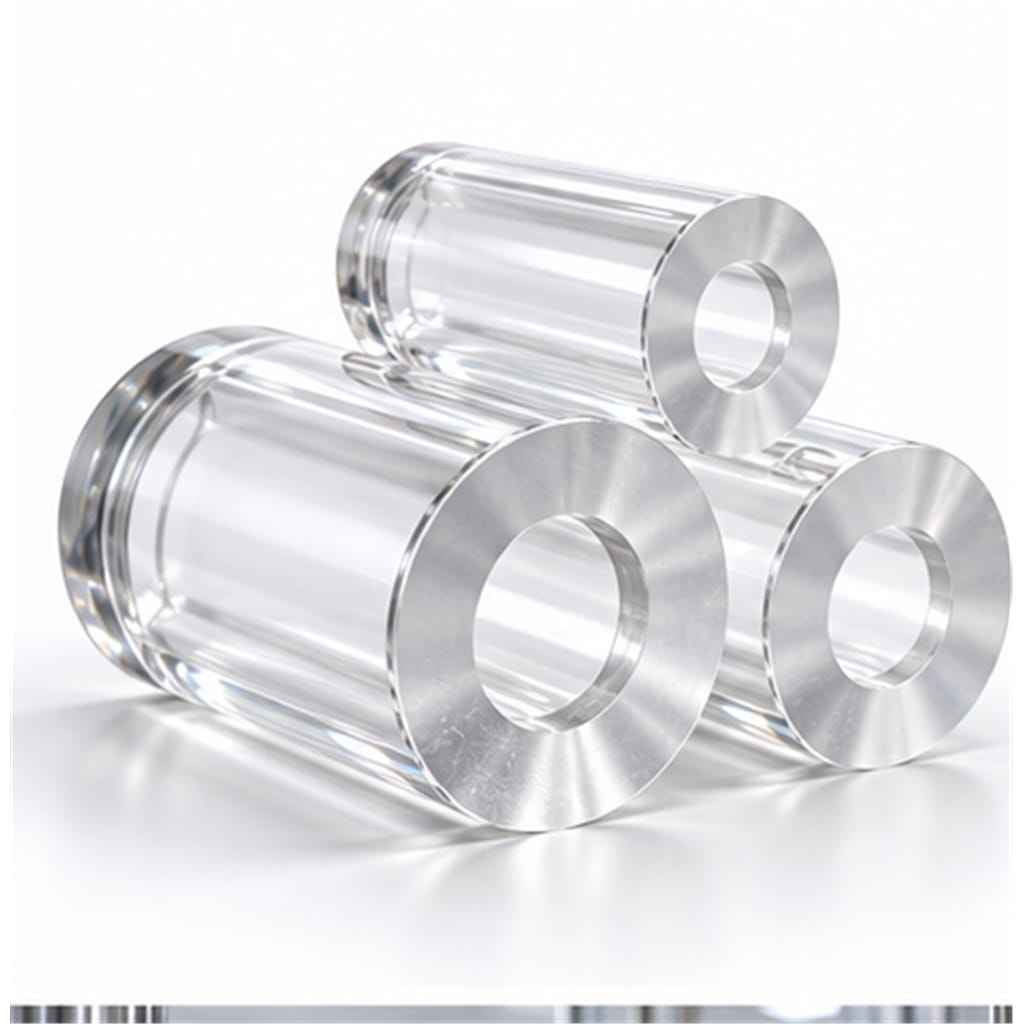
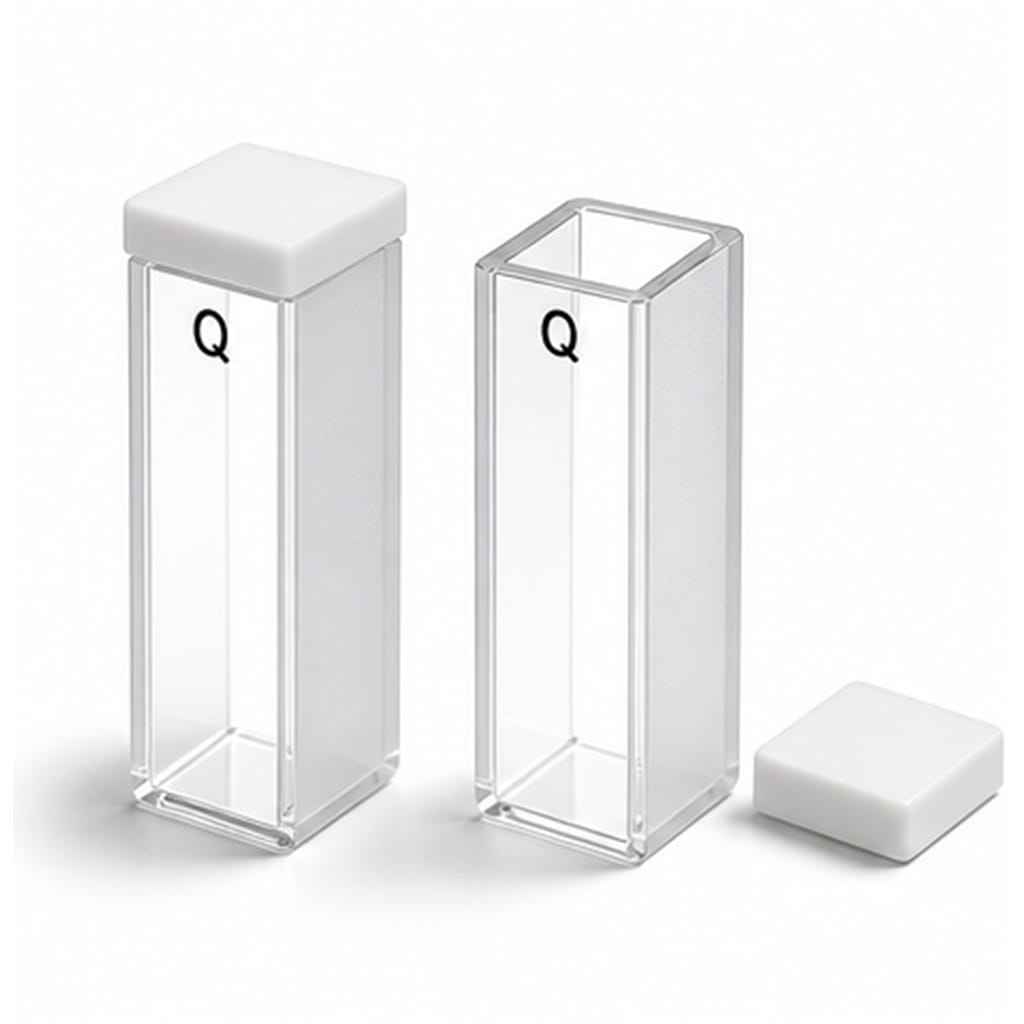
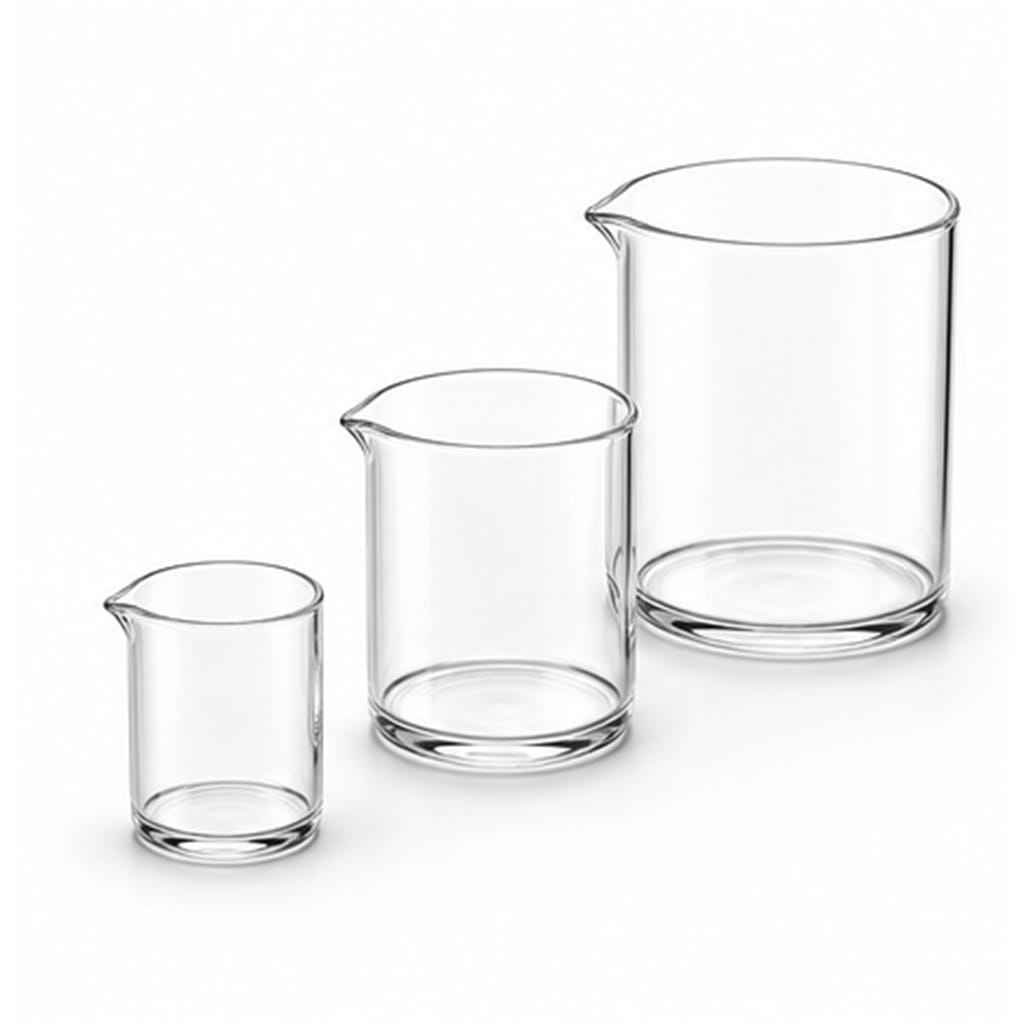
Unlike conventional laboratory glass which incorporates alkali fluxing agents (such as sodium, calcium, or boron oxides) to lower melting points, high-purity fused quartz is manufactured exclusively from silicon dioxide (SiO₂) with purity levels reaching 99.99% (4N) to 99.999% (5N). This ultra-pure chemical matrix yields an exceptionally low coefficient of thermal expansion (typically 5.5 × 10⁻⁷ /°C), allowing fused quartz vessel structures—such as heavy-wall autoclave sight glasses, optical cuvettes, and chemical heating beakers—to withstand violent thermal shocks without structural failure.
SEO & Procurement Direct Insights: Modern intent mining across industrial laboratory buyers reveals a strategic shift from standard commercial off-the-shelf glassware toward custom OEM-fabricated quartz items tailored to complex mechanical drawings. Key selection criteria focus on trace element impurity profiles (specifically alkali metals like Na, K, Li under 1 ppm total) and precise hydroxyl (OH⁻) content management.
2. Evaluation Benchmarks for Tier-1 Quartz Glassware Manufacturers
Identifying an optimal global supplier or OEM partner requires evaluating technical capabilities across four critical dimensions: raw material purification, thermal processing infrastructure, optical cold machining tolerance, and quality assurance system certifications.
Chemical Purity & Trace Impurities
Leading manufacturers strictly control trace iron (Fe), copper (Cu), and alkali metals to prevent cross-contamination during ultra-trace elemental chemical assays or semiconductor annealing runs.
Thermal Shock Resistance
Superb mechanical stability enables fused quartz vessels to be rapidly heated up to 1100°C continuously (or 1450°C short-term) and immediately quenched in ambient water without cracking.
Optical Polish & Transmittance
Precision cuvettes and sight plates undergo double-sided optical polishing to reach bubble class 0/10 and transmittance exceeding 90% in the deep UV (190 nm to 2500 nm spectrum).
3. Top 10 Quartz Laboratory Glassware Manufacturers & Suppliers
Based on global manufacturing capacity, material purity control, technological innovation, ISO certification, and global export infrastructure, the following ten companies represent the worldwide leaders in fused quartz and fused silica labware fabrication:
Heraeus Quartz Glass (Germany)
Heraeus is a world leader in raw quartz material processing and high-end synthetic silica optics. Renowned for Suprasil® and Spectrosil® grades, their products set the worldwide benchmark for ultraviolet spectrophotometry cuvettes and microelectronics fabrication components.
Donghai Kemzo Quartz Products Co., Ltd. (China)
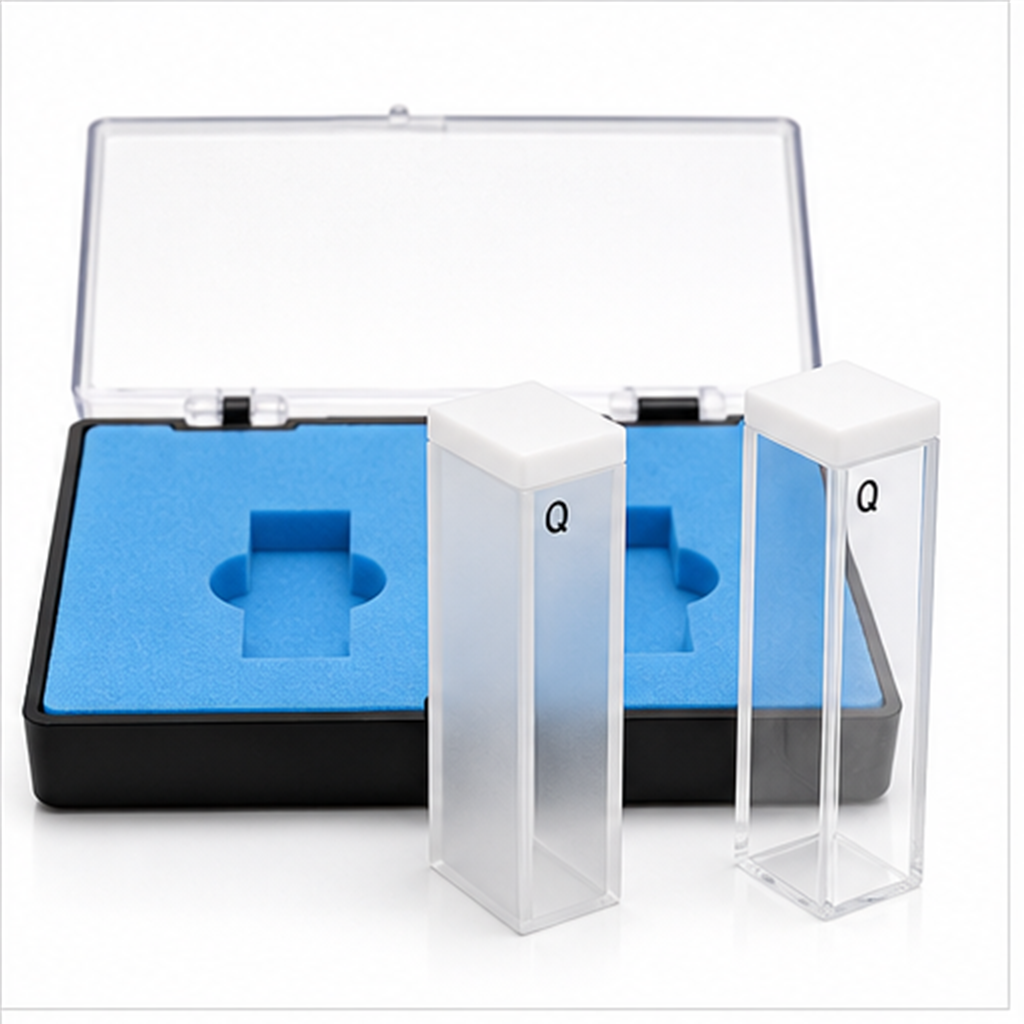
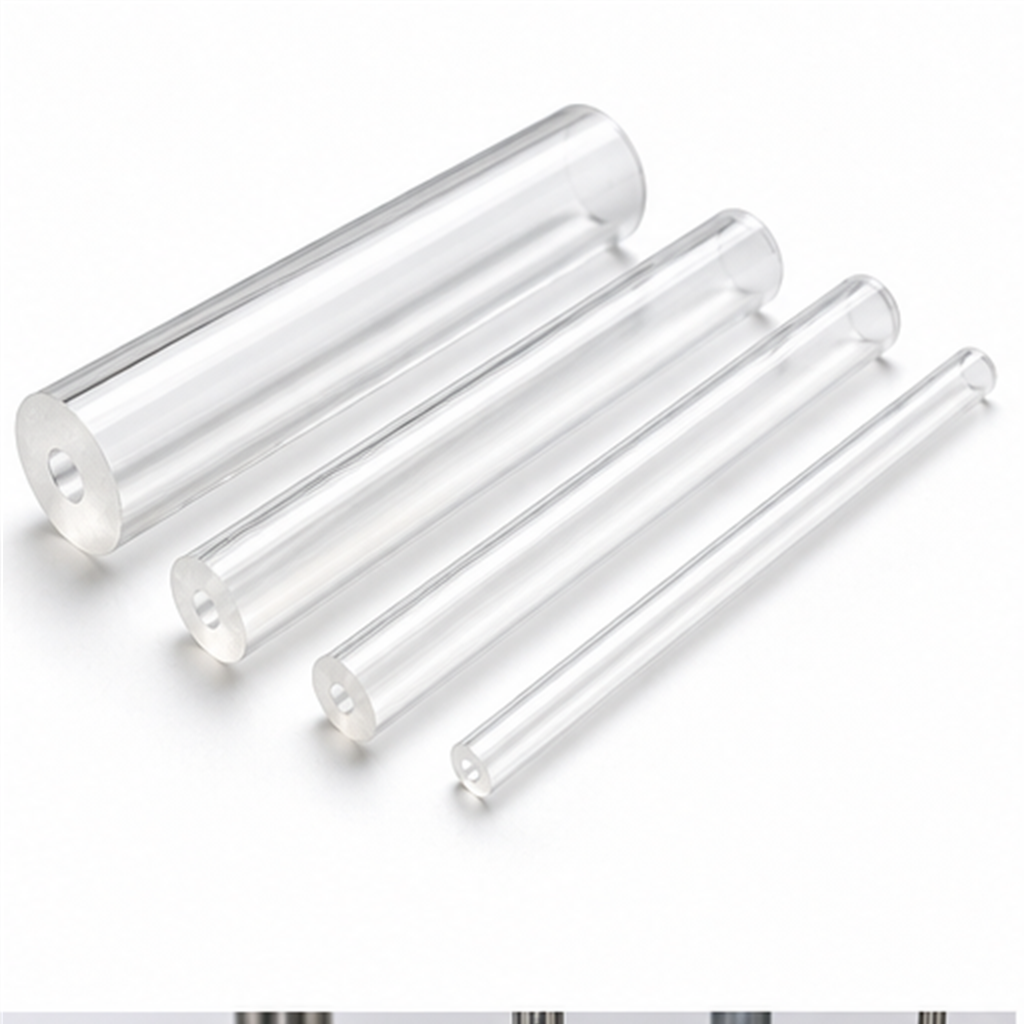
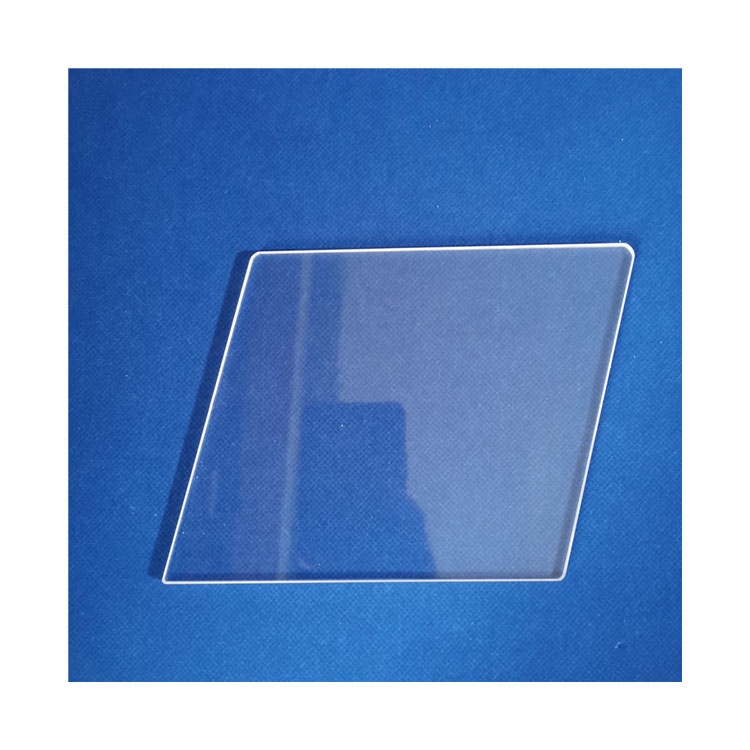
Situated in Donghai County—China's famed "Crystal Capital"—Kemzo Quartz combines regional high-purity natural silica reserves with ISO 9001 certified manufacturing. Producing precision heavy-wall pressure tubes, spectrophotometer cuvettes, milky melting crucibles, and optical plates, Kemzo exports over 75% of its production worldwide with drawing-to-part custom turning speed.
Momentive Performance Materials (USA)
Formed from the legacy General Electric quartz division, Momentive excels in high-purity fused quartz tubing, crucibles, and large-diameter furnace diffusion tubes used across silicon wafer manufacturing and high-temperature academic laboratories.
Tosoh Quartz Corporation (Japan)
Tosoh Quartz produces ultra-high purity quartz glass items for semiconductor etching, diffusion, and lithography processes. Their cleanroom fabrication standards ensure zero particle shedding for trace chemical container systems.
Saint-Gobain Quartz (France)
A flagship division of Saint-Gobain, offering specialized quartz wool, transparent furnace tubes, and heavy-duty chemical containment vessels designed for severe thermal and chemical environment endurance.
Corning Incorporated (USA)
Corning HPFS® high purity fused silica is world-renowned for ultra-low optical fluorescence and near-zero thermal expansion variance, widely used in photomask substrates, analytical lenses, and precision optical flats.
Pacific Quartz Co., Ltd. (China)
One of the global dominant suppliers of purified raw quartz sand, ingot blanks, and standard clear quartz tubing serving solar photovoltaic and general industrial laboratory glassmakers.
Techno Quartz Inc. (Japan)
Techno Quartz focuses on precision CNC diamond grinding, ultrasonic drilling, and complex assembly of multi-port quartz reactor bodies, sight windows, and analytical flow cells.
Hellma Analytics (Germany)
The gold standard for analytical spectroscopy consumable hardware. Hellma specializes in ultra-precision fused quartz optical cuvettes, micro-flow cells, and calibration standards for pharmaceutical research.
Technical Glass Products - TGP (USA)
TGP offers an extensive inventory of clear fused quartz rod, tubing, flat plate, and standard ground joint laboratory glassware with rapid turnaround for North American research facilities.
4. Material Science Deep Dive: Technical Material Comparison
Understanding the exact physical properties of laboratory materials is critical when selecting vessels for demanding physical chemical procedures. The data table below contrasts high-purity clear fused quartz against synthetic fused silica and standard borosilicate 3.3 laboratory glass.
| Physical / Chemical Property | Clear Fused Quartz (Natural) | Synthetic Fused Silica | Borosilicate Glass 3.3 |
|---|---|---|---|
| SiO₂ Purity Level | > 99.99% | > 99.9999% | ~ 81% |
| Continuous Max Temp | 1100°C | 1150°C | 500°C |
| Short-Term Max Temp | 1450°C | 1500°C | 550°C |
| Coeff. Thermal Expansion | 5.5 × 10⁻⁷ /°C | 5.2 × 10⁻⁷ /°C | 33 × 10⁻⁷ /°C |
| UV Transmittance (220nm) | 85% - 90% | > 92% | < 10% (Opaque) |
| Hydrofluoric Acid Resistance | Attacked (Etches) | Attacked (Etches) | Attacked (Etches) |
| Thermal Shock Tolerance | Extreme (1000°C to water) | Extreme (1000°C to water) | Moderate (100°C delta) |
5. Future Procurement Trends in Quartz Laboratory Glassware (2025–2030)
As academic research and industrial engineering accelerate toward sub-nanometer semiconductor nodes, automated high-throughput drug screening, and green energy technology synthesis, procurement priorities for quartz laboratory equipment are undergoing several major shifts:
A. Microfluidics and Deep-UV Analytical Integration
Modern analytical chemistry increasingly demands micro-scale quartz flow cells and custom spectrophotometer cuvettes capable of handling sub-microliter volume samples. These micro-structured quartz components must maintain ultra-flat optical surfaces (lambda/4 flat) to support laser-induced fluorescence detection and UV-Vis absorbance monitoring without introducing parasitic scattering.
B. Synthetic vs. Purified Natural Quartz Strategic Sourcing
While synthetic fused silica offers unmatched deep UV transmittance (down to 190 nm) and negligible OH content, its production cost remains 3x to 5x higher than high-purity natural fused quartz. Buyers are strategically adopting a hybrid procurement approach: specifying natural quartz (SiO₂ > 99.99%) for heavy-duty thermal vessels, beakers, and autoclave sight tubes, while reserving synthetic silica strictly for optical window transmission paths.
C. Precision Machining & Flame-Polishing Quality Standards
Traditional manual glassblowing techniques are increasingly supplemented by multi-axis diamond CNC machining, laser cutting, and robotic flame-polishing. This automation eliminates dimensional variance, ensures uniform wall thickness in heavy-wall cylindrical pressure tubes, and prevents micro-fractures along cut edges that could otherwise lead to explosive failure under autoclave high-pressure cycles.
6. Competitive Advantages of Donghai Kemzo Quartz Products Co., Ltd.
As a specialized manufacturer based in Donghai, China, Donghai Kemzo Quartz Products Co., Ltd. offers global buyers a unique blend of geographic raw material advantages, advanced technical processing capabilities, and customer-centric OEM service:
- Raw Material Clustering: Located at the center of China’s crystal capital, Kemzo direct-sources premium high-purity quartz rock and processed sand, ensuring strictly controlled trace element levels (Fe < 0.8 ppm, Al < 12 ppm).
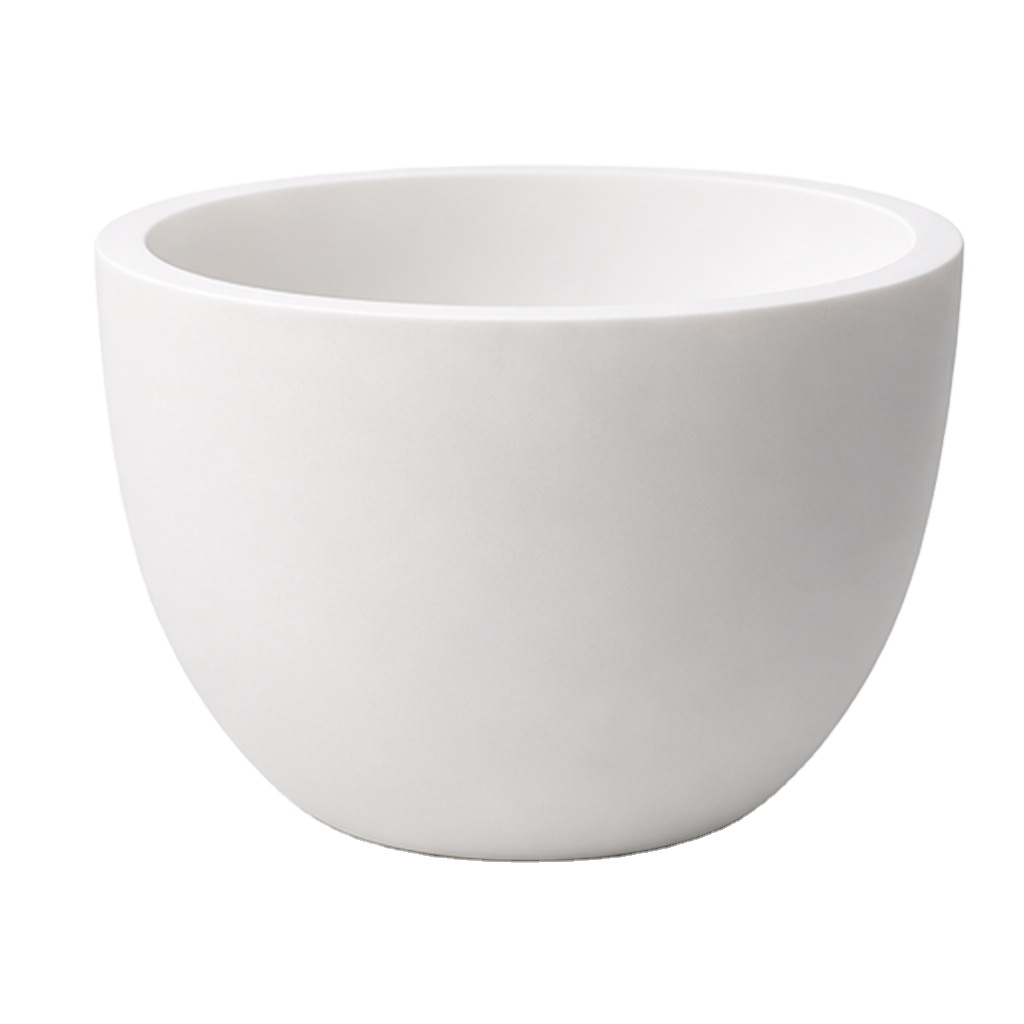
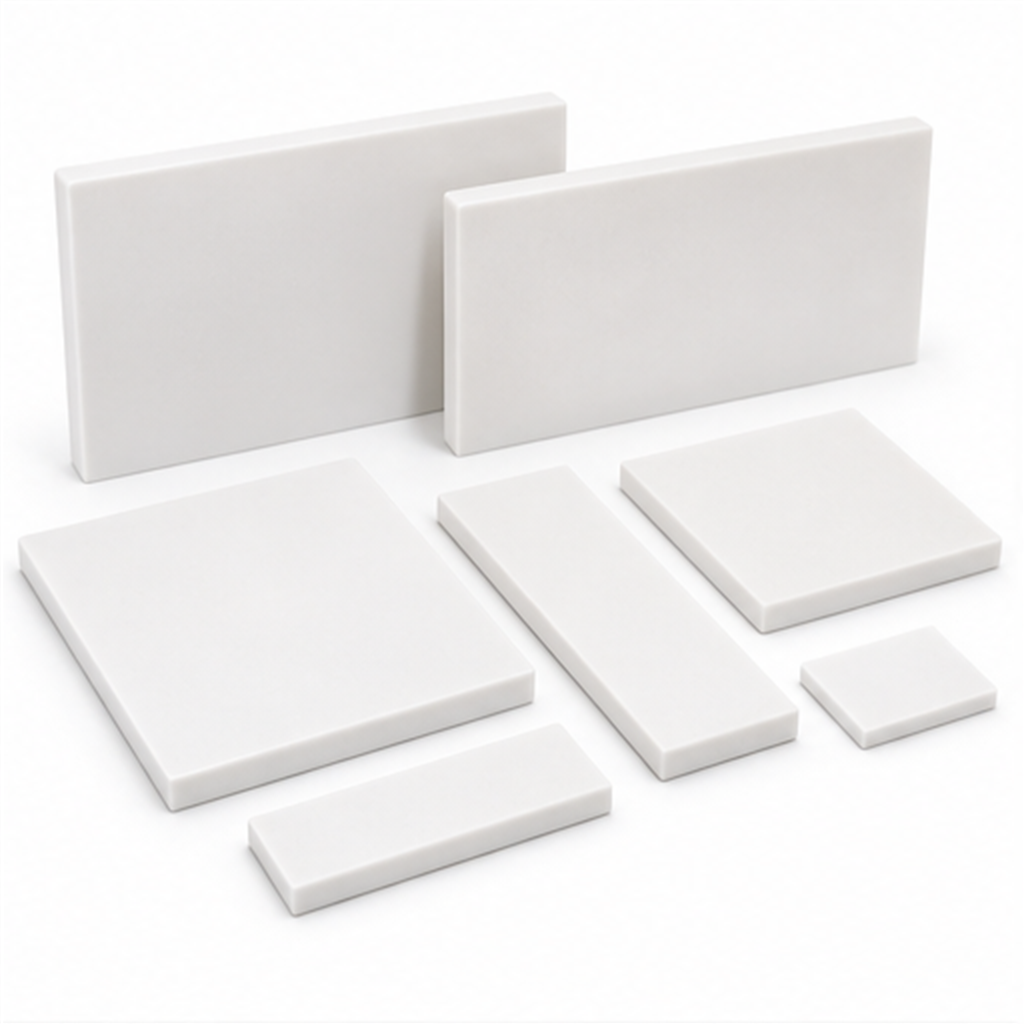
- Comprehensive Fabrication Portfolio: From heavy-wall autoclave sight tubes to PTFE-capped precision spectrophotometer cuvettes, opaque milky crucibles for metal casting, and optically polished rectangular slabs.
- Direct Drawing OEM/ODM Feasibility: 11+ years of OEM engineering experience. Send CAD drawings (.step, .dwg, or .pdf) to receive rapid manufacturing feasibility reviews within 1 hour.
- ISO 9001 Quality & Export Packaging: Operates under audited ISO 9001 quality management system guidelines. Every fragile shipment is protected using custom foam linings, vacuum-sealed bubble wrap, and reinforced export-grade wooden cases to guarantee safe worldwide transit.
Require Custom Quartz Components to Drawing?
Get direct engineering consultation, instant material purity specification sheets, and competitive wholesale quote feedback within 1 hour from Kemzo Quartz.
7. Frequently Asked Questions (Procurement & Technical FAQ)
Below are essential answers to technical and supply chain questions commonly raised by global purchasing managers and laboratory research directors:
What is the key difference between fused quartz and fused silica?
Fused quartz is produced by melting purified natural quartz crystal sand (SiO₂ > 99.99%), providing outstanding thermal and mechanical properties at a cost-effective price point for most laboratory, furnace, and sight glass uses. Fused silica is synthesized chemically from silicon tetrachloride (SiCl₄), offering higher optical transmission in the deep UV spectrum (below 200 nm) and near-zero trace metal impurities, albeit at a significantly higher material cost.
What maximum operating temperatures can Kemzo quartz tubes withstand?
Our clear transparent fused quartz products are rated for continuous operational use up to 1100°C, and short-term thermal exposure up to 1450°C. The softening point of our fused quartz matrix occurs at approximately 1683°C. Due to an ultra-low coefficient of thermal expansion (5.5 × 10⁻⁷ /°C), our heavy-wall tubes easily tolerate violent thermal shocks.
Can Kemzo fabricate custom quartz laboratory glass directly from technical drawings?
Yes. OEM and ODM custom fabrication represents over 80% of our production volume. Our technical workshop handles custom cutting, edge grinding, optical surface polishing, precision CNC drilling, ground-glass joint taper fitting, and specialized flame sealing based on your submitted CAD drawings or physical reference samples.
How does chemical exposure affect fused quartz vessels?
Fused quartz exhibits nearly universal chemical inertness to most acids (hydrochloric, nitric, sulfuric, and aqua regia) even at elevated temperatures. However, it is rapidly etched by Hydrofluoric Acid (HF) and concentrated Phosphoric Acid above 150°C. Strong alkaline solutions will slowly attack the quartz surface at elevated temperatures.
How are fragile quartz tubes and cuvettes packaged for overseas transit?
We utilize multi-layer export protection protocols. Small precision items (such as spectrophotometer cuvettes) are placed in foam-molded protective cases. Heavy-wall tubes and large crucibles are individually wrapped in polyethylene shock-absorbing foam, isolated inside inner cartons, and boxed in ISPM-15 compliant export wooden crates to eliminate transit damage.
What commercial payment and international delivery terms are supported?
We accept flexible global trade terms including T/T, L/C, PayPal, and Cash in major currencies (USD, EUR, AUD, HKD, CNY). Delivery conditions include FOB, CFR, CIF, EXW, DDU, DAF, and express door-to-door courier options (DHL/FedEx/UPS).