Featured Precision Quartz Products
Direct factory offerings engineered for high-temperature stability, optical clarity, and zero-impurity metal melting environments.
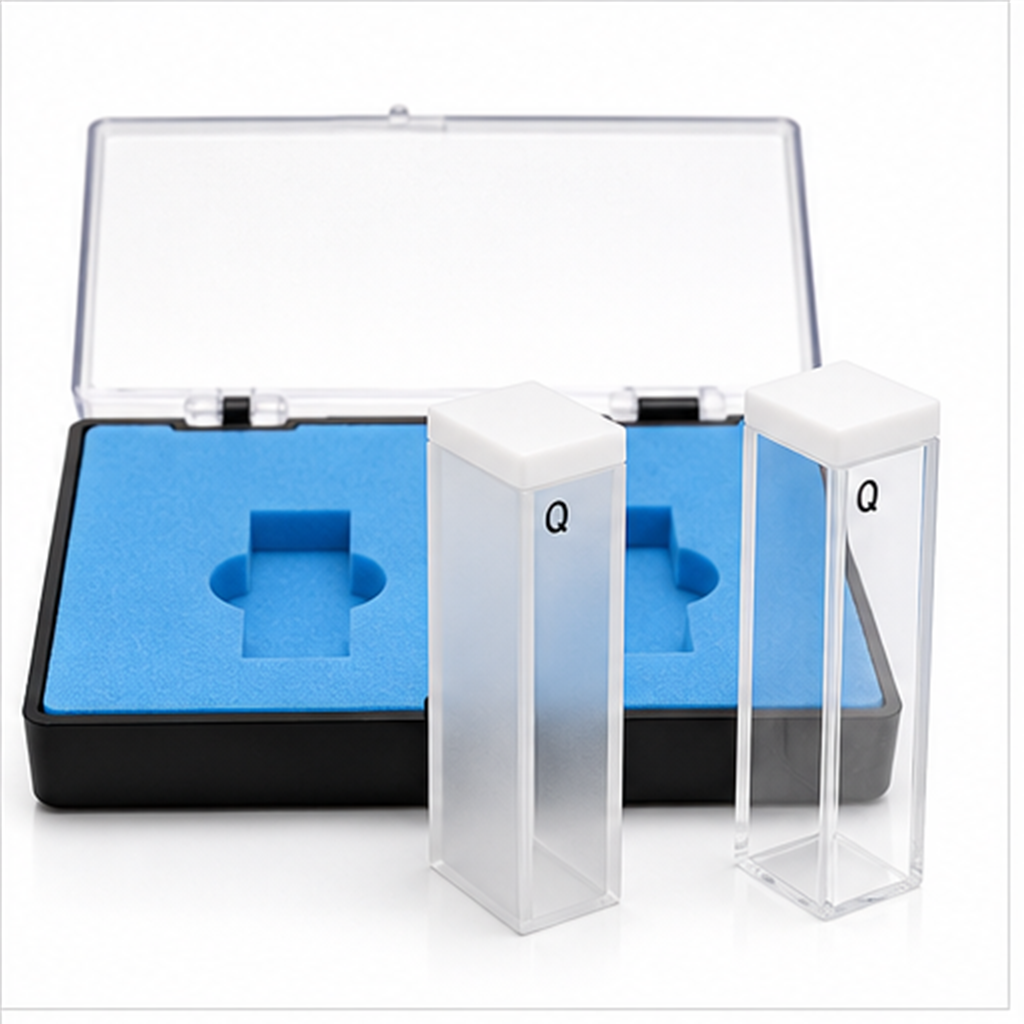
Standard 2-Window and 4-Window UV Quartz Cuvettes with Black Q Mark in Blue Foam Case
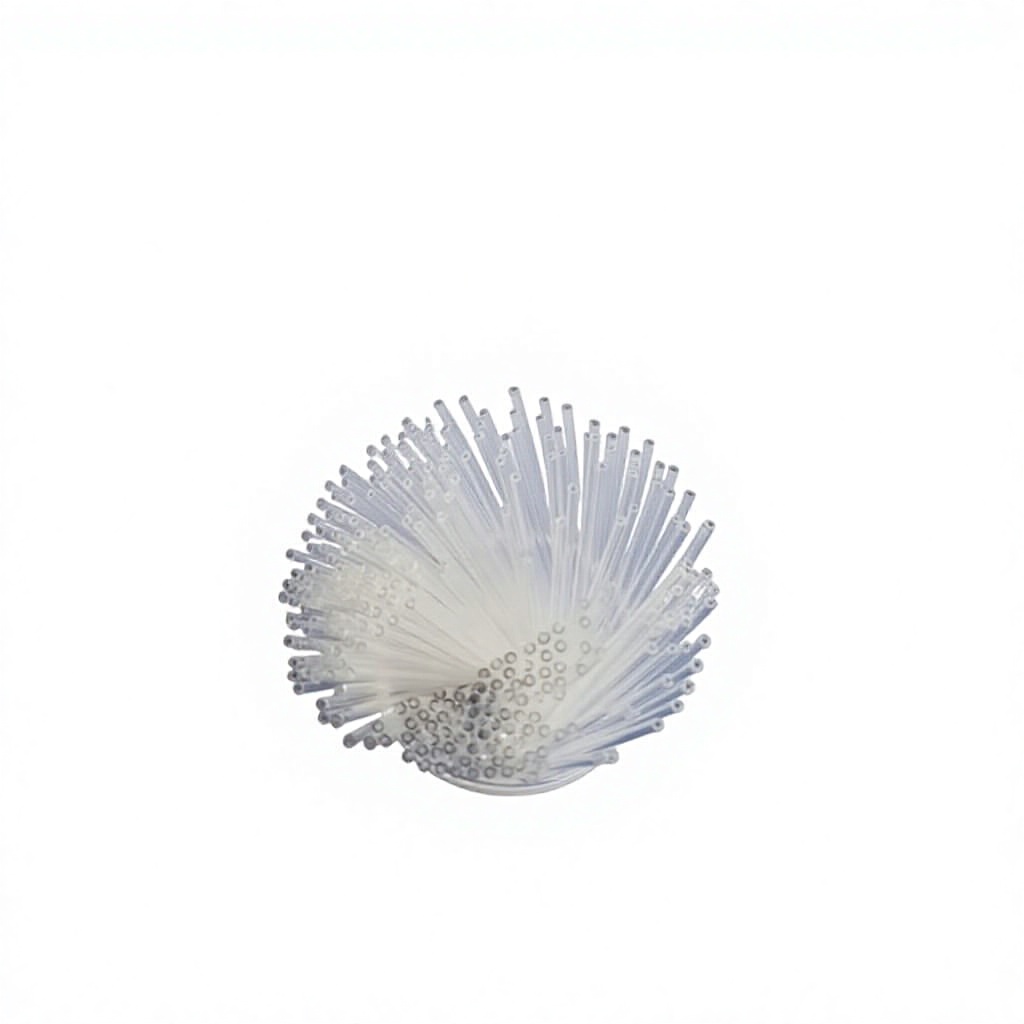
Custom Size Translucent Capillary Quartz Tube Polished Twin Pipe Ozone Free Chemical Industry
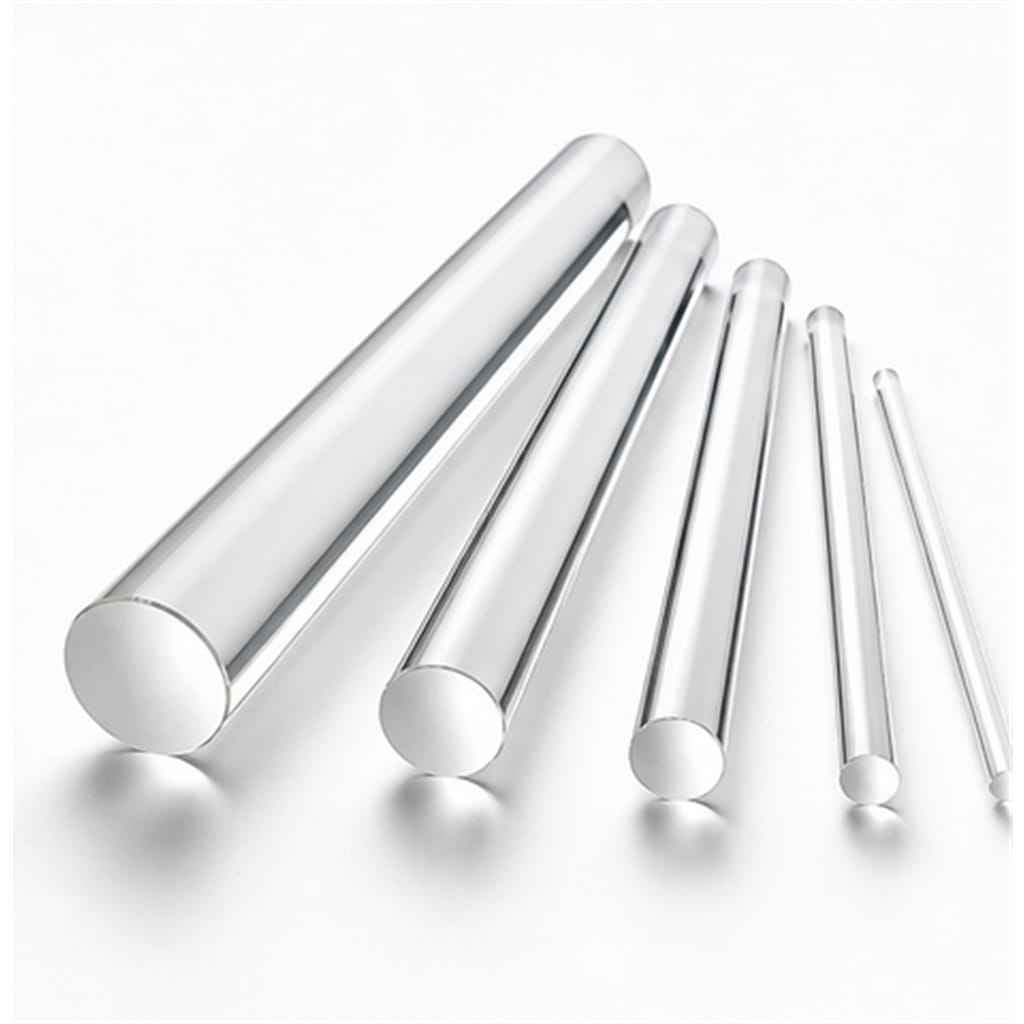
Solid Fused-Quartz Cylindrical Rods with Precision 90-Degree Flat-Cut Ends for Optical Laser Light Guides
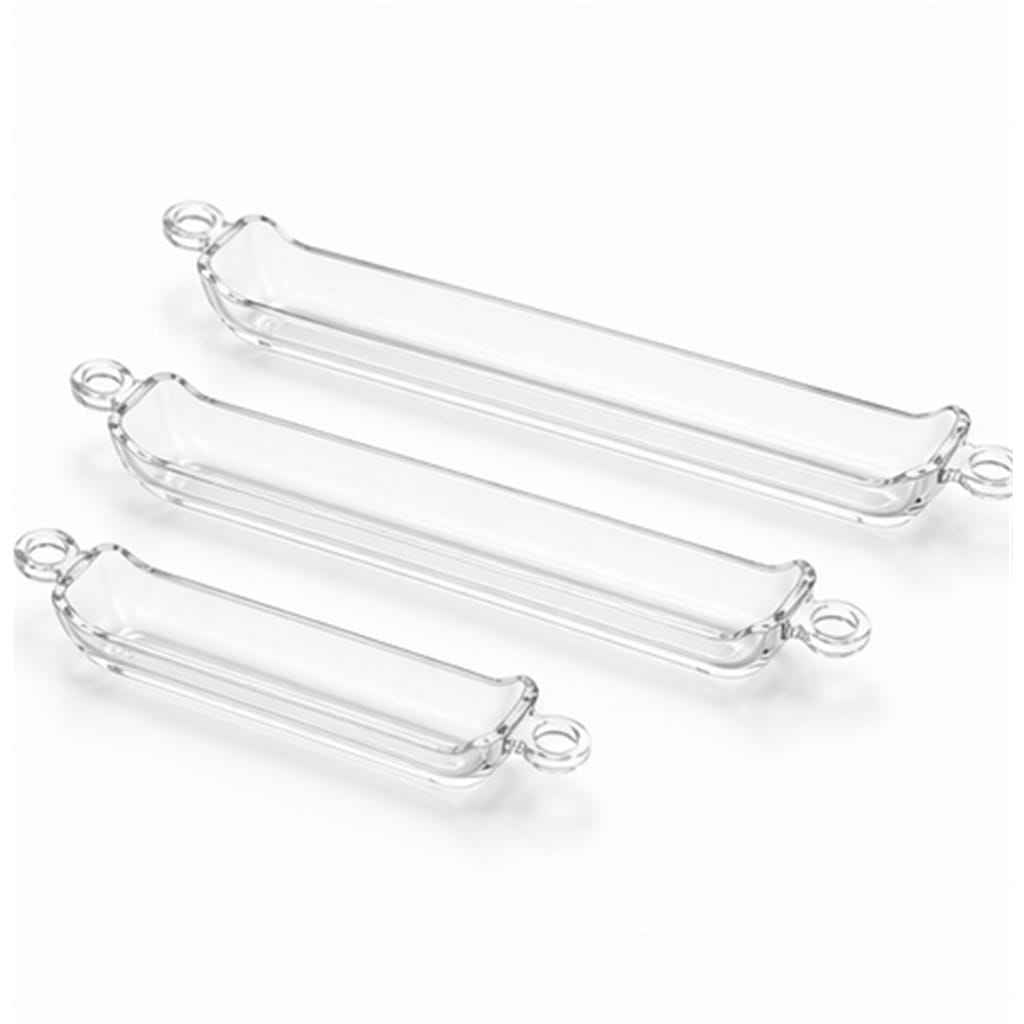
Clear Fused-Quartz Combustion Vessels with Fused Pull Rings for High-Temperature Analytical Tube Furnaces
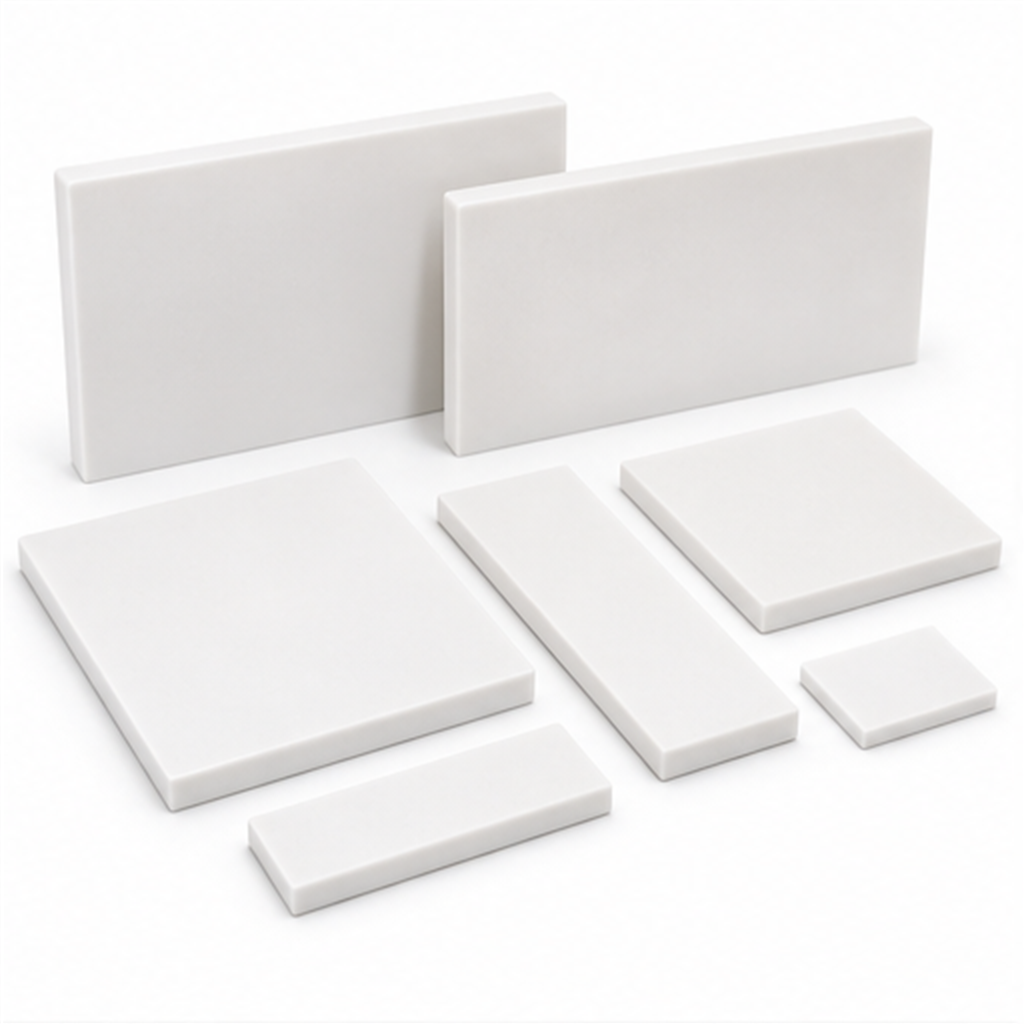
High Purity Opaque Milky White Fused Quartz Rectangular Plate Sheet Slab
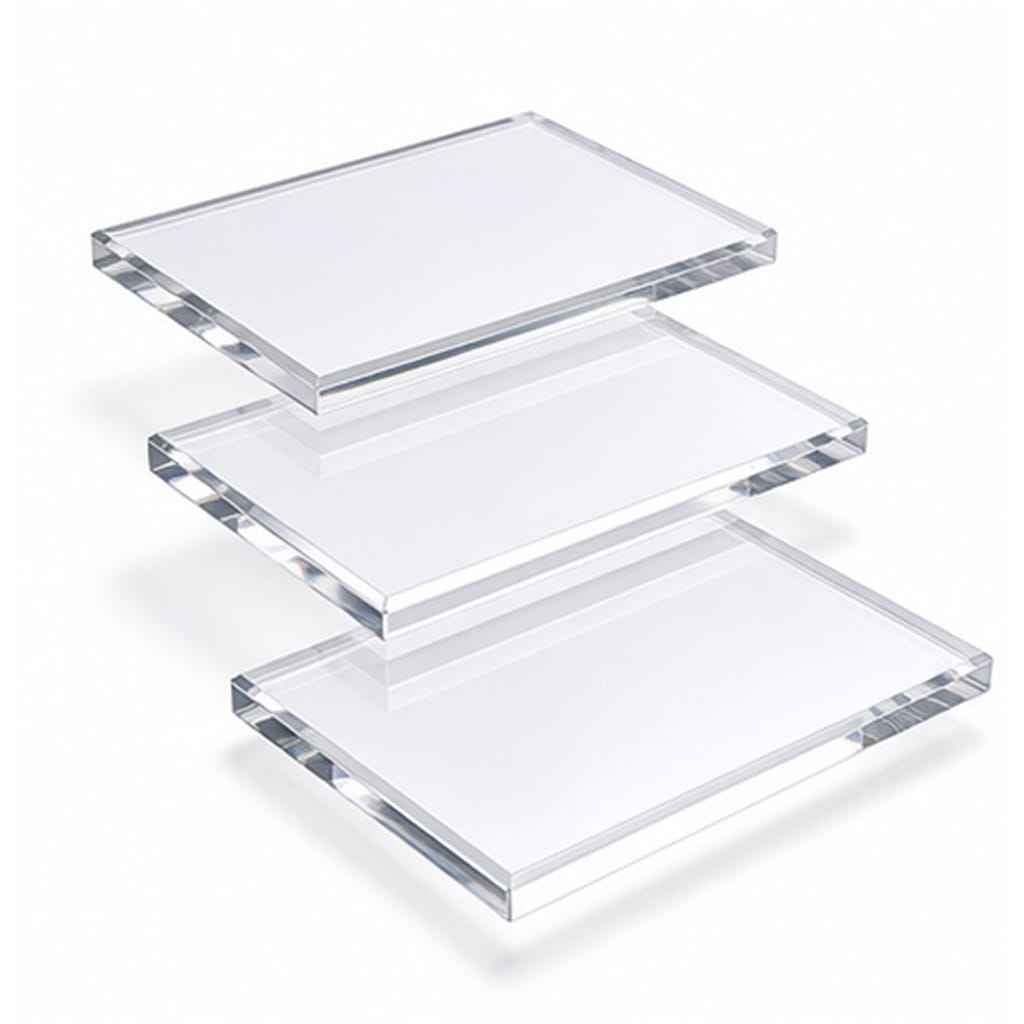
Precision Optical Fused-Quartz Square Plates with Chamfered Edges for Semiconductor Photomask Windows
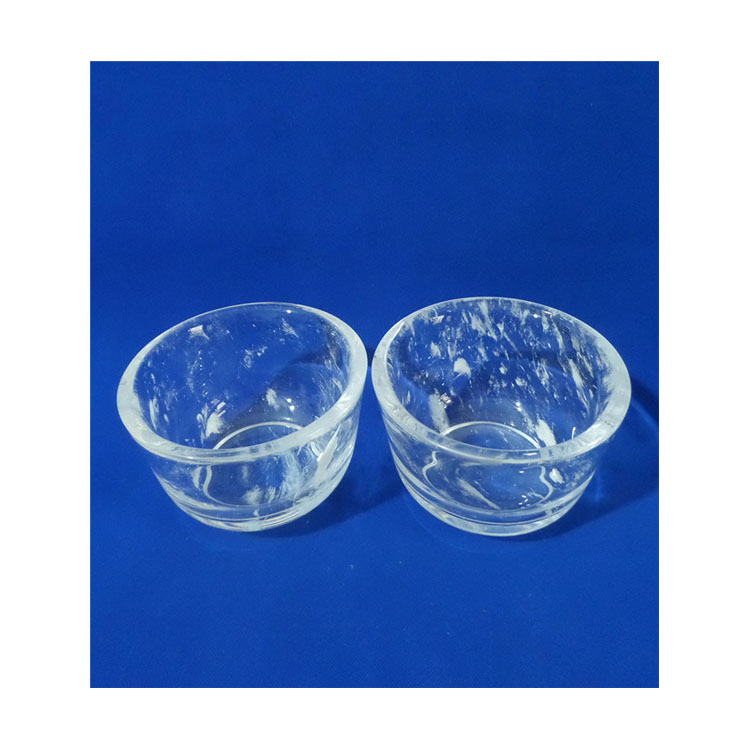
High Temperature Resistant Quartz Glass Circular Silica Custom Size Cutlery Use
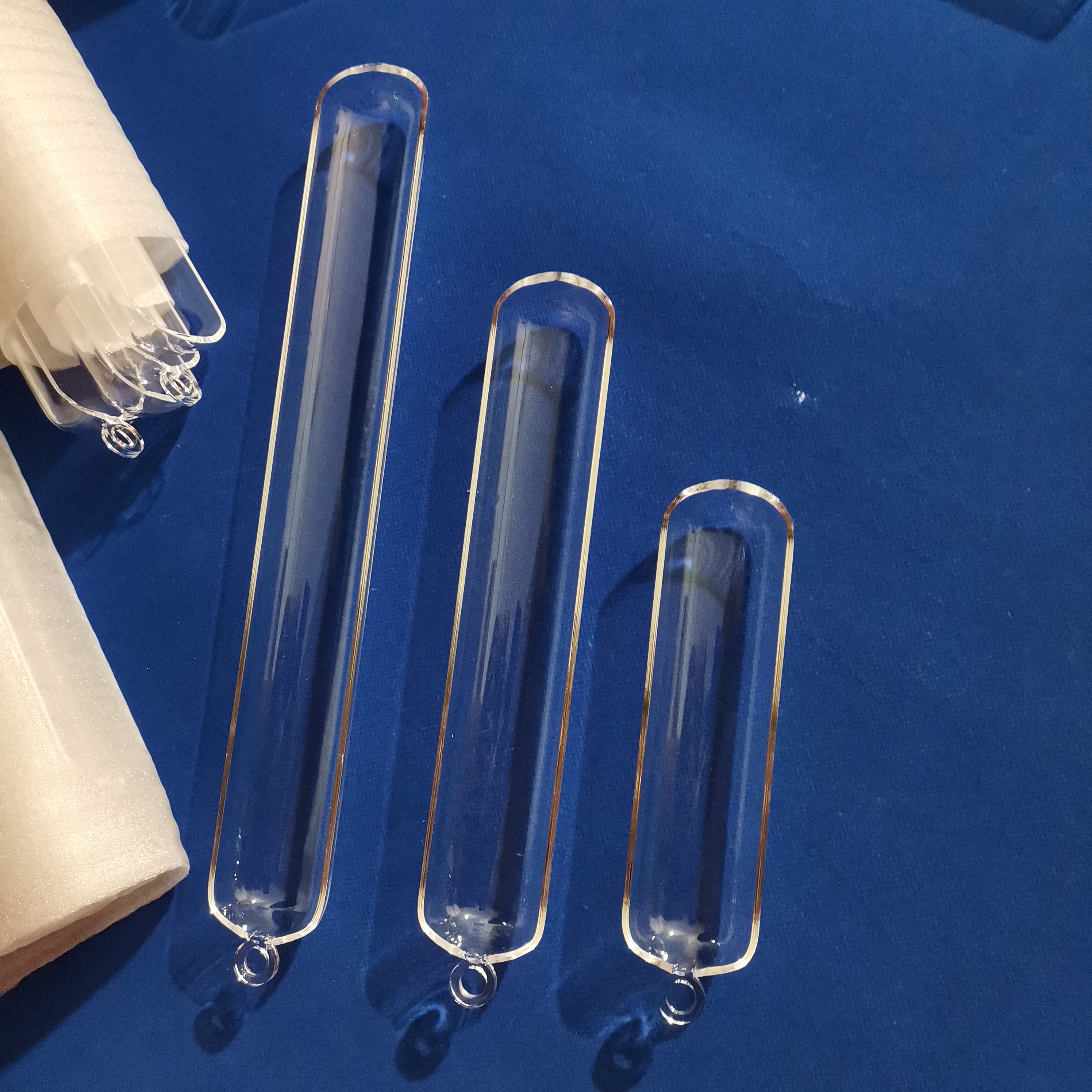
High Purity Quartz Glass Boat Transparent Bowl Shape 6-16 Chemical Industry Experimental Equipment
Executive Summary: The Critical Role of High-Purity Fused Quartz Melting Crucibles in Modern Industry
In the advanced thermal manufacturing matrix of 2025, high-purity fused quartz melting crucibles represent the fundamental technological cornerstone for silicon ingot growth, precious metal refining, semiconductor substrate synthesis, and optic glass casting. Operating at thermal thresholds where standard technical glass fails, high-purity fused quartz (comprising over 99.99% SiO₂) exhibits an exceptionally low thermal expansion coefficient (5.5 × 10⁻⁷/°C), remarkable thermal shock resistance, and inert chemical stability against aggressive acids.
As semiconductor wafer fabrication transitions into sub-2nm nodes and the photovoltaic sector scales N-type TOPCon and Heterojunction (HJT) solar cell architectures, the stringent purity demands on quartz melting crucibles have amplified exponentially. Minute trace contaminants—specifically alkali metals such as Sodium (Na), Potassium (K), and Lithium (Li), alongside transition metals like Iron (Fe) and Copper (Cu)—can cause devastating devitrification at high continuous temperatures (1100°C–1450°C), leading to structural collapse or catastrophic melt contamination. Consequently, selecting an elite quartz melting crucible factory is no longer merely a procurement task; it is a critical engineering safeguard for supply chain resilience.
Global Manufacturing Cluster Distribution: Why Donghai, China Dominates
The global production landscape for high-purity quartz crucibles is concentrated within specialized geographical clusters. While legacy manufacturers exist in Europe and Japan, Donghai County in Lianyungang, Jiangsu Province, China, has earned global recognition as the world's premier quartz processing hub—often referred to as China's "Crystal Capital."
Donghai's geographical advantage stems from its rich natural quartz deposits combined with an unparalleled ecosystem of specialized machinery manufacturers, raw sand purification facilities, and high-temperature electric arc melting infrastructure. Factories located within the Donghai industrial zone, such as Donghai Kemzo Quartz Products Co., Ltd., benefit from integrated supply chains that significantly reduce raw material lead times and production overhead while maintaining uncompromising adherence to international quality standards such as ISO 9001.
Top 10 Quartz Melting Crucible Factories Evaluation Matrix
A comparative technical assessment based on thermal resistance, purity levels, customized OEM capability, and international export infrastructure.
| Factory / Sourcing Tier | Primary Production Focus | Purity Grade (SiO₂) | Max Temp Tolerance | OEM & Customization | Global Export Capability |
|---|---|---|---|---|---|
| Donghai Kemzo Quartz Products Co., Ltd. | Custom Crucibles, Tubes, Plates & Boats | 99.99% - 99.999% | 1450°C (Short-term) | Full OEM / ODM to Drawing | 71% - 80% Export (Global) |
| Tier 1 Semiconductor Specialist (US/EU Hubs) | 300mm CZ Wafer Crucibles | 99.999% Synthetic Inner | 1500°C | Standardized Wafer Sizes | Global Supply Agreements |
| Tier 1 Solar Ingot Casting Producer (China Hub) | Square PV Ingot Crucibles | 99.95% - 99.99% | 1350°C | Mass Production PV Shapes | Domestic & SEA Regional |
| Specialty Optical Glass Crucible Works (Japan) | Heavy-Flint & Laser Glass Melting | 99.999% Optical Grade | 1400°C | Precision Custom Tooling | Direct Enterprise Contracts |
| Precious Metal Assay & Foundry Works (Europe) | Gold/Platinum Melting Vessels | 99.9% - 99.99% | 1300°C | Standard Foundry Sizes | EU Regional & NA |
| Custom Scientific Labware Specialist (UK) | Micro-Crucibles & Cuvettes | 99.99% Transparent | 1200°C | Precision Lab Prototypes | Worldwide Express Delivery |
Technical Criteria for Selecting a Top-Tier Crucible Manufacturer
When evaluating supply partners from the top tier of international factories, technical procurement directors must audit six key material and operational vectors:
- Purity Profiling & Trace Elements: Total metallic impurities must remain below 20 ppm for standard industrial crucibles, and below 5 ppm for semiconductor grades. Alkali content (Na, K, Li) must be meticulously limited to prevent premature devitrification into cristobalite at temperatures above 1150°C.
- Microstructural Density & Bubble Dynamics: For CZ silicon drawing, crucibles feature a double-layer structure: an opaque, micro-bubble-infused outer body for thermal diffusion, and a smooth, transparent, bubble-free inner wall that resists molten silicon erosion.
- Dimensional Tolerances & Geometry: Precise wall-thickness uniformity is essential. Variations in wall thickness create localized thermal gradients during furnace heating cycles, inducing micro-fractures or uneven melt heat distribution.
- Thermal Shock & Devitrification Resistance: Superior crucibles withstand rapid temperature cycling between ambient and 1100°C without mechanical failure, thanks to a low coefficient of thermal expansion (5.5 × 10⁻⁷/°C).
- Custom Fabrication Versatility: The ability to flame-polish, grind, chamfer, drill, and weld accessory components (such as pour spouts, handles, or thermocouples) directly according to engineering drawings.
- Export Packaging Standards: Fragile fused quartz components require specialized multi-layer cushioning, foam isolation, and vacuum-sealed wooden crates to prevent micro-fractures during ocean or air transit.
Why Partner with Donghai Kemzo Quartz Products Co., Ltd.
Combining regional raw material superiority with modern ISO 9001 quality management to deliver high-performance quartz solutions worldwide.
Direct Source Raw Material
Located at the core of Donghai's quartz cluster, Kemzo selects ultra-pure natural quartz crystal sand directly, guaranteeing continuous batch purity up to 99.999% SiO₂.
11+ Years OEM/ODM Precision
Recognized as a Jiangsu High Technology Enterprise with over a decade of custom fabrication experience. We melt, draw, flame-polish, and CNC-machine directly to client CAD/STEP drawings.
ISO 9001 Certified QA
Operating under rigorous ISO 9001 protocols. Every crucible undergoes automated dimensional profiling, stress-relief annealing, and ultrasonic flaw detection prior to delivery.
Global Export & Fast Response
Exporting over 70% of total factory production to North America, Europe, East Asia, and Oceania. English-fluent sales engineers ensure technical quotes within 1 hour.
Future Procurement & Technology Trends (2025–2030)
Navigating technological shifts in high-purity quartz manufacturing to keep your supply chain competitive.
1. Adoption of Synthetic Silica Inner Coatings
As silicon crystal growth extends beyond 300mm diameters with continuous charging Czochralski (CCZ) methodologies, standard natural fused quartz crucibles face corrosion limits. Future procurement strategies favor crucibles produced via hybrid technologies: a durable natural quartz outer shell for structural integrity, lined with a synthetic silica inner skin (synthesized from SiCl₄) that features zero bubbles and sub-ppm metallic purity levels.
2. Transition to Large-Diameter N-Type TOPCon & HJT Solar Ingot Casting
The photovoltaic industry's migration from P-type PERC to N-type TOPCon and Heterojunction cell chemistry requires crucible materials with zero boron and phosphorus cross-contamination. Crucible factories are investing in dedicated cleanroom furnace lines and ultra-refined washing processes to meet these stringent non-doping mandates.
3. Circular Quartz Recycling & Sustainable Sourcing
With high-purity quartz sand experiencing supply bottlenecks globally, leading manufacturers are pioneering closed-loop quartz reclamation protocols. Used quartz crucibles and process tubes are crushed, chemically etched, and re-melted into industrial-grade opaque quartz sheets, flanges, and thermal insulation plates, minimizing carbon footprints and securing raw material stability.
Frequently Asked Questions (FAQ)
Expert technical answers addressing common buyer concerns regarding quartz material selection, custom production, and international logistics.
What is the exact distinction between fused quartz and fused silica?
Fused quartz is produced by melting naturally occurring high-purity quartz crystals at extremely high temperatures (around 2000°C). It offers exceptional thermal stability, superior mechanical strength, and excellent chemical resistance at a highly competitive cost, making it ideal for high-temperature crucibles, furnace tubes, and heavy industrial applications. Fused silica, conversely, is synthesized chemically from silicon tetrachloride (SiCl₄). While synthetic fused silica offers superior deep-UV transmission and virtually zero metallic impurities, it carries a significantly higher cost burden. Fused quartz satisfies over 90% of industrial melting and thermal containment requirements perfectly.
What continuous thermal working limits apply to quartz melting crucibles?
Our clear and opaque fused quartz crucibles operate continuously at temperatures up to approximately 1100°C. For short-duration thermal cycles or single-use melting operations (such as high-temperature sample fusion), they can safely withstand temperatures up to 1450°C. The material's softening point occurs at approximately 1683°C. Due to an exceptionally low thermal expansion coefficient of 5.5 × 10⁻⁷/°C, quartz crucibles can endure extreme heating and rapid quenching cycles that would instantly shatter standard borosilicate glass vessels.
Can Kemzo manufacture custom quartz crucibles and boats directly from technical drawings?
Yes. Donghai Kemzo Quartz Products Co., Ltd. brings over 11 years of dedicated OEM and ODM engineering experience to the global market. We regularly fabricate custom quartz crucibles, wafer boats, combustion vessels, and sight plates based on client-provided CAD, STEP, or PDF drawings. Our engineering team conducts thorough feasibility and tolerance reviews within 1 hour of receiving an inquiry to confirm wall thickness limits, flame-polishing parameters, and delivery lead times.
How does Kemzo protect fragile quartz items against damage during international ocean and air transport?
Fragile quartz glass packaging requires engineered structural protection. Each item is individually wrapped in high-density polyethylene foam or multi-layer anti-static bubble cushioning. Component sets are physically separated to eliminate surface contact. Cartons are then anchored inside custom-built, export-grade wooden crates reinforced with steel banding and dampening corner blocks. We maintain a near-zero damage rate across ocean container, air freight, and door-to-door express shipments globally.
Which payment structures, trade currencies, and Incoterms are accepted?
We support a broad range of flexible commercial conditions to streamline international procurement. Accepted payment methods include T/T (Telegraphic Transfer), L/C (Letter of Credit), PayPal, and Cash. Settlement currencies include USD, EUR, AUD, HKD, and CNY. Supported Incoterms encompass FOB, CFR, CIF, EXW, DDU, DAF, and Express Door-to-Door Delivery (DDP available upon request).
Which geographic regions represent Kemzo’s main export markets?
Between 71% and 80% of Kemzo’s total factory output is exported internationally. Our primary buyer markets include North America (United States, Canada), Eastern Asia (South Korea, Japan), Southeast Asia, Western & Eastern Europe, South America, and Oceania. We maintain full export documentation compliance for effortless customs clearance in all destination countries.
Request an Instant Engineering & Factory Quote
Need high-purity quartz crucibles, custom furnace tubes, optical plates, or specialized labware manufactured to exact drawings? Our technical team is ready to assist you.