Engineered Fused Quartz & Silica Product Series
Direct procurement from Donghai crystal hub: High-temperature resistance, optimal optical transparency from 190nm to 3500nm, and high chemical inertness.
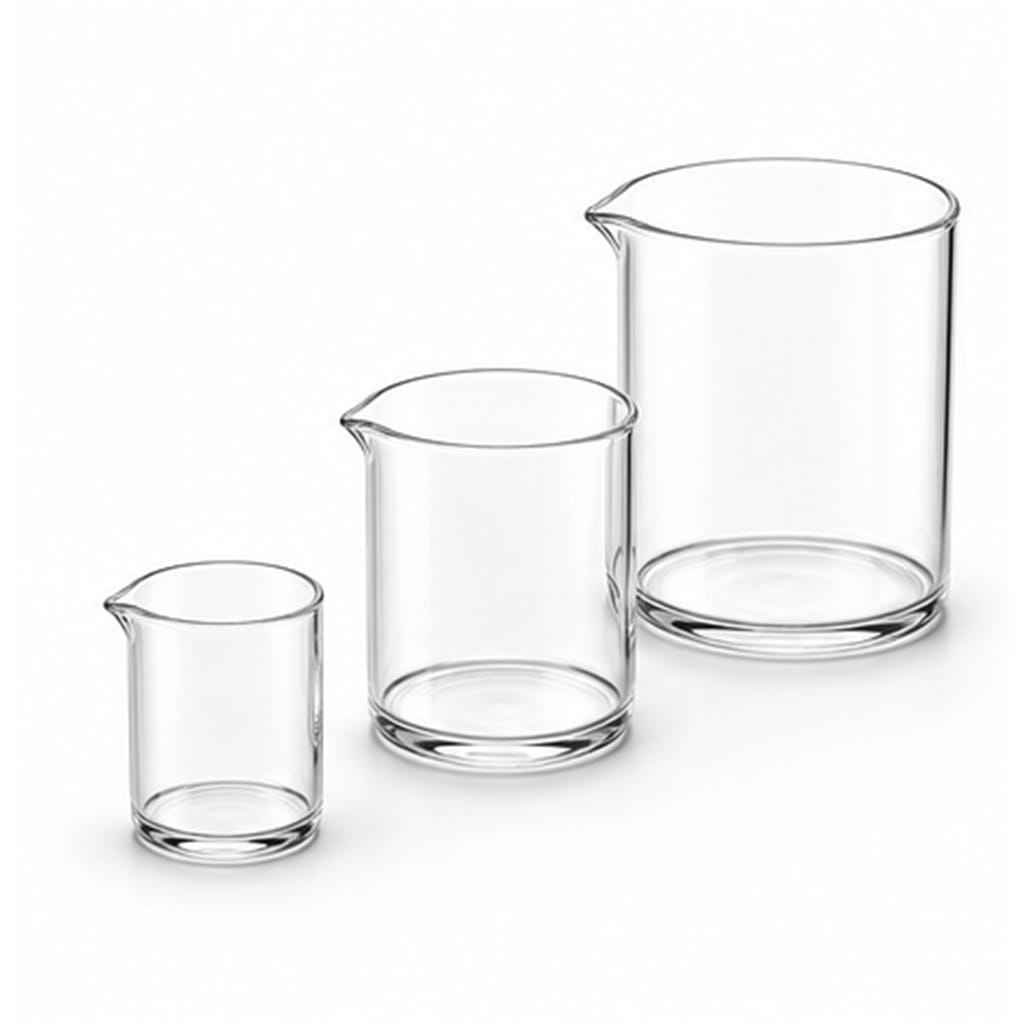
- Max Operating Temp: 1200 °C
- Acid Resistance: Classes 1 (DIN 12116)
- Wall Uniformity: ±0.15 mm
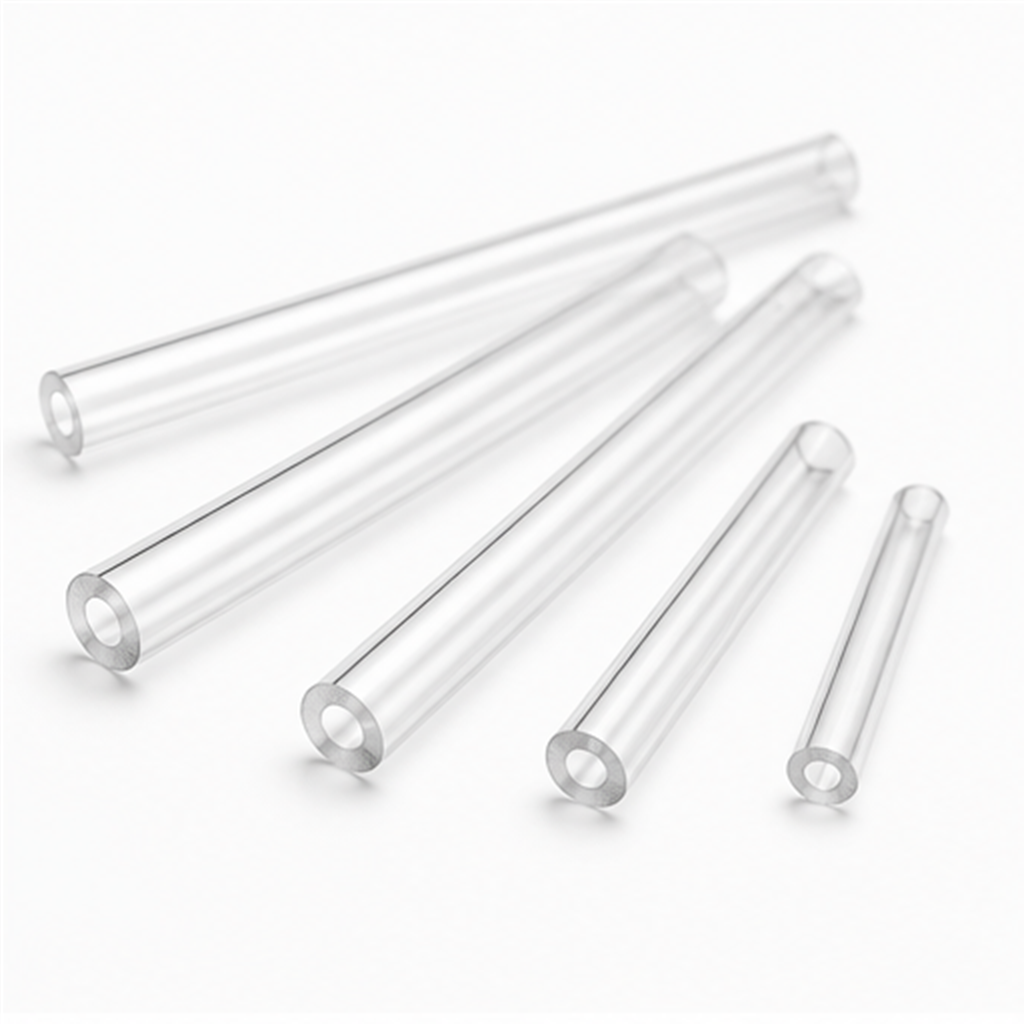
- Inner Diameter Bore: 0.3 mm – 3.0 mm
- Bore Tolerance: ±0.02 mm
- End Finish: Flat Cut Unpolished
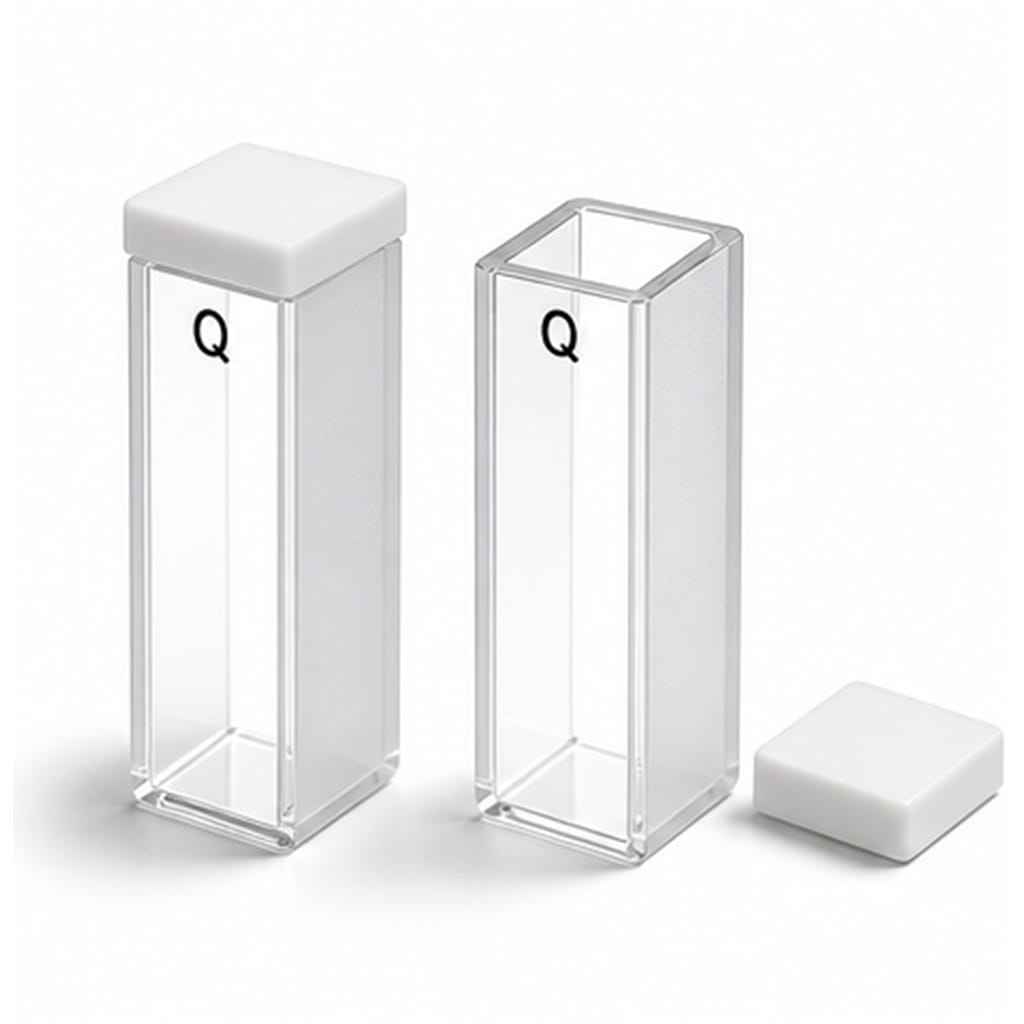
- Spectral Range: 190 nm – 2500 nm
- Optical Path Length: 10 mm ±0.05 mm
- Transmission: >82% at 200 nm
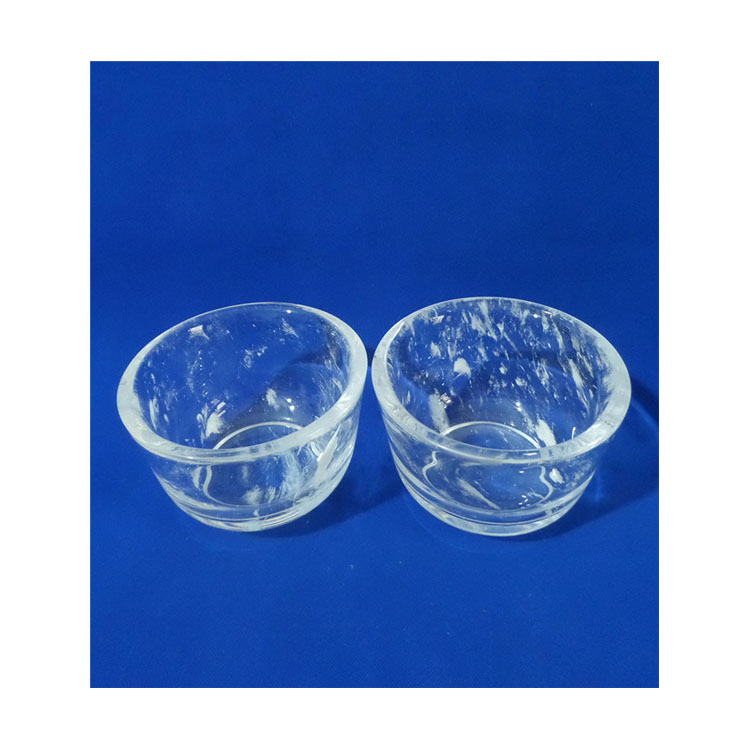
- Thermal Shock ΔT: 1100 °C to Water
- Surface Flatness: 1–3 Waves/Inch
- Thickness Range: 1.0 mm – 30.0 mm
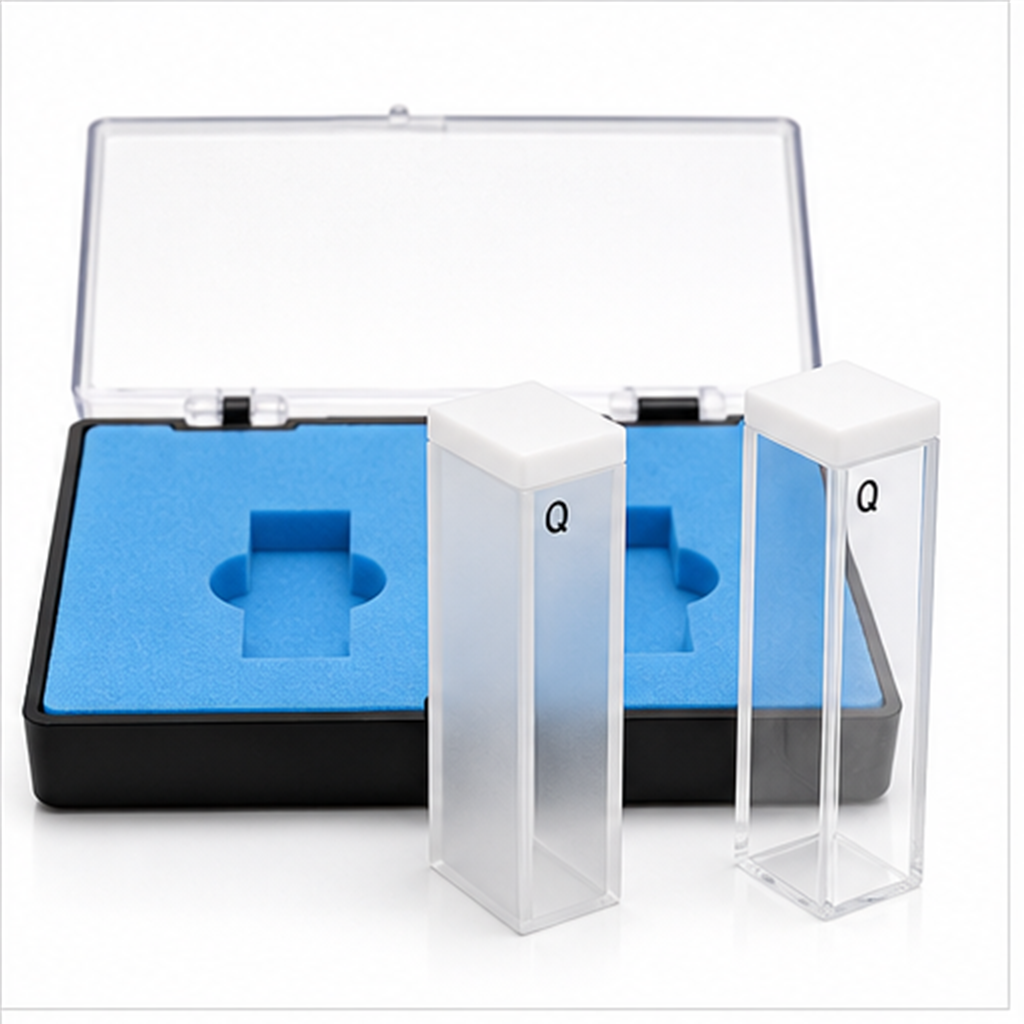
- Window Polish: Dual/Quad Optical Fine
- Wavelength Cutoff: 190 nm High DUV
- Standard Volume: 3.5 mL Standard Macro
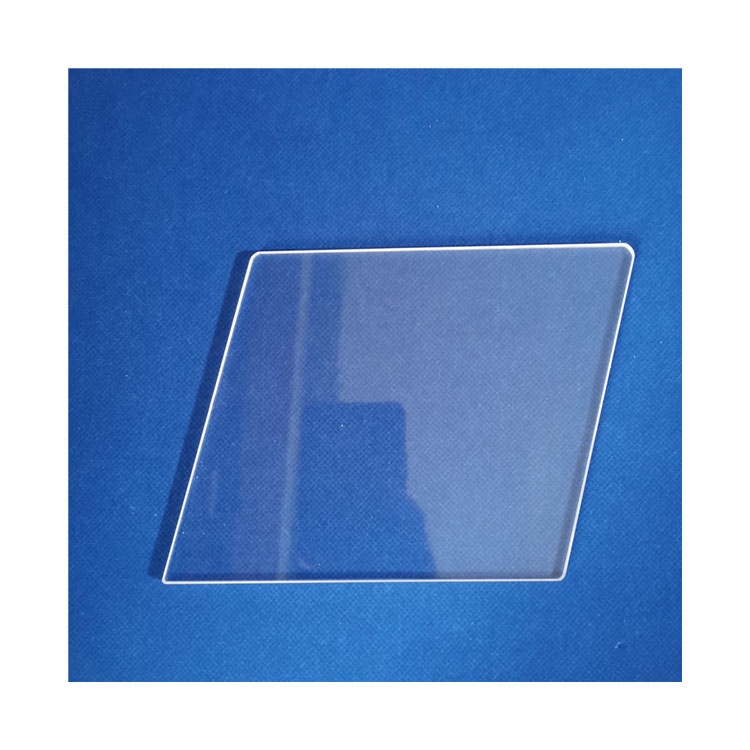
- Dimensional Range: 0.5 mm to 100 mm
- Parallelism: < 30 Arc Seconds
- Total Impurities: < 15 ppm Ultra-Clean
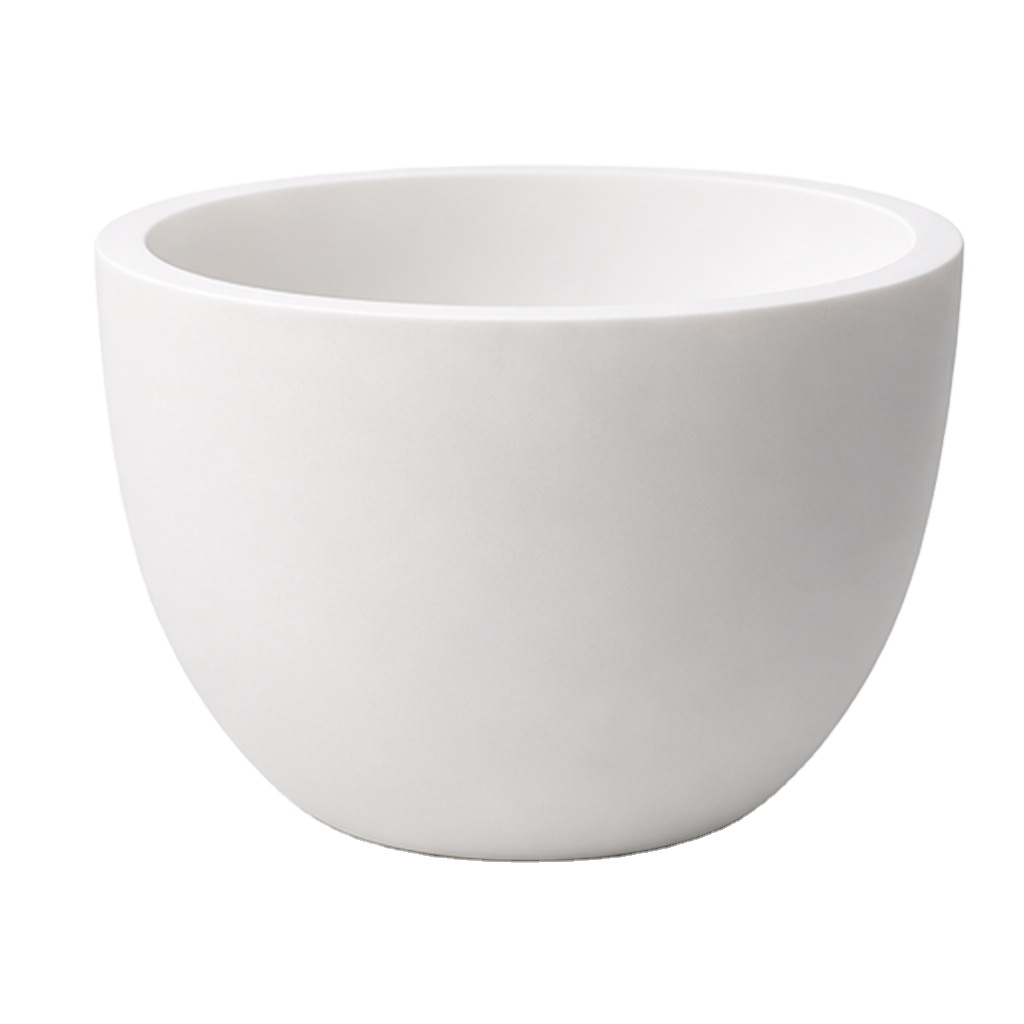
- Diameter: 10 Inch (254 mm OD)
- Structure: Micro-Bubble Trapped Opaque
- Melting Limit: 1450 °C Peak Shock
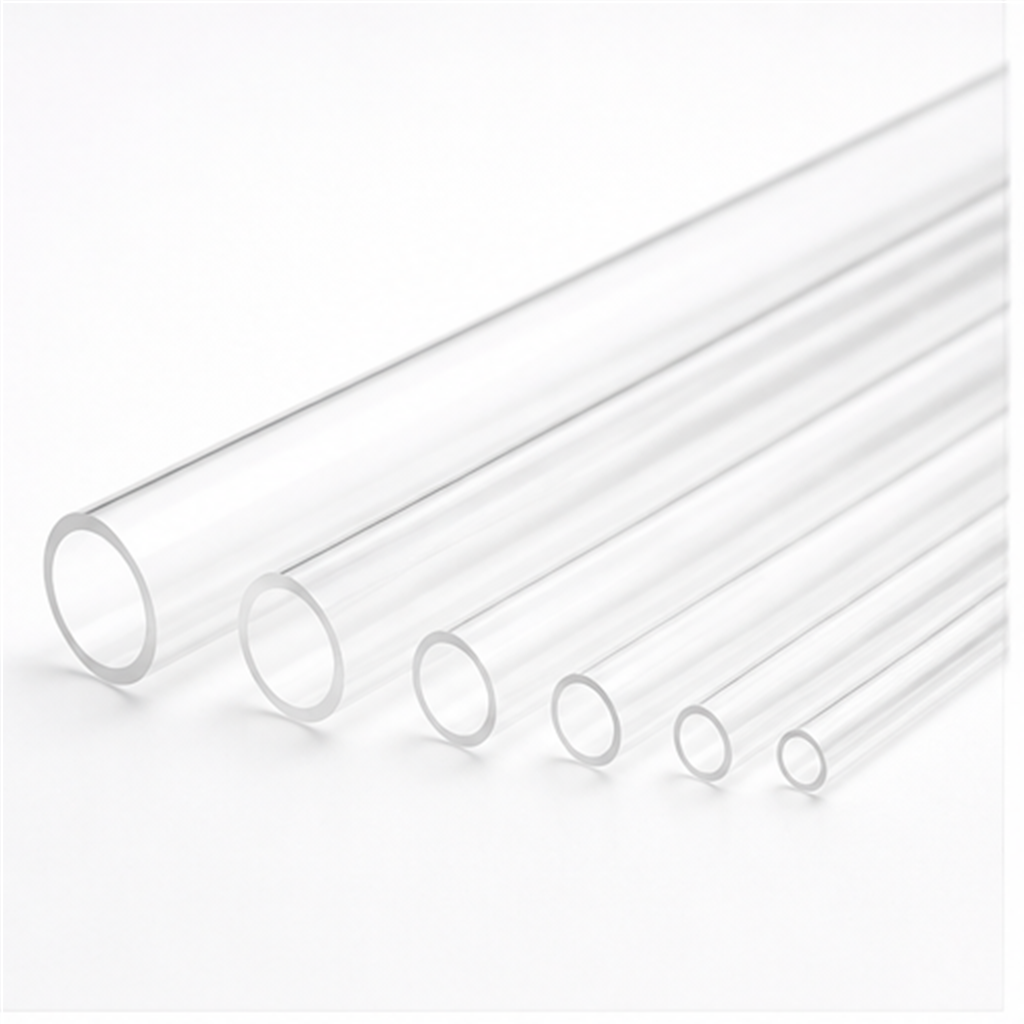
- Outer Diameters: 2 mm – 450 mm OD
- Siding Ratio: < 0.12 Eccentricity
- Ends: Cut Square / Fire Glazed
Technical White Paper: Material Properties of Fused Silica Glass
In modern high-temperature, semiconductor, and optical process engineering, transparent fused quartz (SiO₂ ≥ 99.99%) represents an essential engineering material. Unlike standard borosilicate or soda-lime glass formulations, fused quartz is manufactured through the continuous electric fusion or flame synthesis of natural crystalline quartz rock. The virtually complete absence of network-modifying flux agents (such as Na₂O, CaO, or B₂O₃) yields an amorphous three-dimensional silicon-oxygen tetrahedral matrix characterized by exceptional mechanical stability, ultra-low dielectric dissipation, and an exceptionally small coefficient of thermal expansion.
Engineers procuring clear quartz tubes require precise knowledge of viscous transition points. The strain point (1120 °C) represents the boundary below which internal structural stresses cannot be permanently introduced. The annealing point (1215 °C) is the critical thermal treatment temperature at which atomic relaxation occurs within minutes. When operating process furnaces in photovoltaic diffusion or epitaxial semiconductor growth, fused quartz tubes preserve rigid dimensional geometry up to 1100 °C continuously, and withstand peak intermittent exposure reaching 1450 °C prior to entering the softening state (1683 °C).
| Physical / Chemical Property | SI Metric Value | ASTM / DIN Standard | Engineering Significance for B2B Procurement |
|---|---|---|---|
| Chemical Purity (Silicon Dioxide) | ≥ 99.99 % (4N Grade) | ICP-OES Spectrometry | Eliminates transition-metal contamination in semiconductor wafer diffusion. |
| Density (ρ at 20 °C) | 2.20 ± 0.01 g/cm³ | ASTM C693 | Provides structural lightweighting over alumina ceramics in furnace muffle tubes. |
| Coefficient of Thermal Expansion (CTE) | 5.5 × 10⁻⁷ / °C (20–300 °C) | ASTM E228 | Nearly 1/6 that of Borosilicate 3.3; prevents thermal shock fracture during water quenching. |
| Softening Point (Viscosity 10^7.6 dPa·s) | 1683 °C | ASTM C338 | Defines ultimate thermal sag limit under vacuum pressure conditions. |
| Annealing Point (Viscosity 10^13 dPa·s) | 1215 °C | ASTM C336 | Target temperature for stress birefringence elimination during flame fabrication. |
| Dielectric Strength (20 °C, 1 MHz) | 25 – 40 kV/mm | IEC 60243-1 | Exceptional high-voltage electrical insulation for RF plasma reactor tubes. |
| Refractive Index (Sodium D-line 589.3 nm) | 1.4585 | ASTM C1648 | Predictable light guidance with low dispersion in spectroscopy and UV windows. |
| Hydroxyl Radical ([OH⁻] Content) | < 5 ppm to < 30 ppm | FTIR Spectrometry | Determines vacuum bubble stability and infrared transmission absorption bands (2.73 μm). |
The table above documents the baseline values verified in our factory testing facilities in Donghai. Each batch produced undergoes optical interferometric stress inspection and chemical ICP analysis to ensure trace alkali metals (such as Lithium, Sodium, and Potassium) do not exceed 2.5 ppm combined. This level of purity prevents premature devitrification—the destructive transformation of vitreous silica into crystalline cristobalite—when tubes operate above 1150 °C in atmospheric air.
Global Fused Quartz Procurement Trends (2025–2030)
In-depth analysis of supply chain integration, wafer expansion, and green technology demands shaping commercial quartz sourcing.
1. Shift to Ultra-Large Diameters (>300 mm to 520 mm OD)
As semiconductor foundries expand 300 mm wafer processing lines and solar cell manufacturers scale large-format M10/G12 TOPCon silicon wafers, procurement is shifting rapidly from standard tubes to extra-large diameter diffusion chambers. Supplying fabricators must demonstrate advanced continuous vertical electric-drawing towers capable of maintaining strict outer diameter tolerances (±1.0%) on tubes exceeding 450 mm OD without wall collapse.
2. Ultra-Low Hydroxyl (< 2 ppm) Thermal Stability
Next-generation photovoltaic cell manufacturing demands prolonged thermal soaking cycles above 1200 °C. Standard flame-fused quartz tubes retain hydroxyl concentrations ([OH]) between 100 and 200 ppm, accelerating high-temperature structural sagging. Sourcing protocols now mandate vacuum-melted, electrically-fused tubes with dehydroxylated cores below 5 ppm, maximizing service life from 3 months to over 12 months in corrosive POCl₃ doping environments.
3. Direct Supply-Cluster Vertical Integration
Geopolitical shifts and freight inflation are driving industrial purchasers toward direct manufacturing clusters. Sourcing from Donghai County, China—which commands access to raw quartz refining, automated melting, precision cold-machining, and certified testing centers within a 20-kilometer radius—reduces delivery lead times by 40% and mitigates third-party trading markup.
4. Automated Clean-Torch Fire Polishing & Annealing
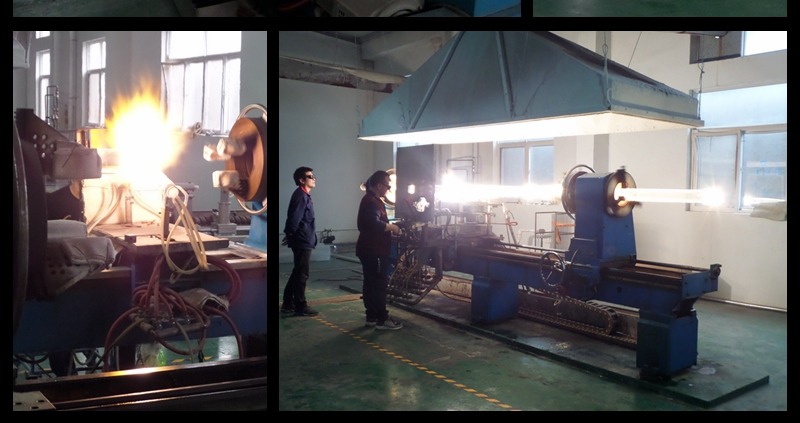
Manual glass lathe operation is being replaced by robotic CNC oxy-hydrogen thermal processing. Automated tracking eliminates localized hot spots, achieving stress birefringence values below 10 nm/cm. This manufacturing transition guarantees that tubes delivered for vacuum chambers resist cracking under rapid pressure cycles and cyclic thermal loading.
5. Precision CNC Cold Processing Tolerancing
Advanced analytical equipment and laser modules require tighter mechanical tolerances. Standard diamond-wheel cutting is giving way to 5-axis ultrasonic CNC grinding, laser tube cutting, and optical chemo-mechanical polishing (CMP), permitting tolerances as fine as ±0.01 mm on small capillary diameters, flanged sight glasses, and micro-grooved quartz plates.
6. Green Smelting & Energy-Optimized Furnaces
With strict international carbon emission audits and ESG procurement standards taking effect across the EU and North America, Chinese tier-1 quartz mills are upgrading to closed-loop induction furnaces powered by renewable energy. This reduction in the carbon footprint per ton of drawn quartz is becoming a decisive supplier selection criterion in multinational RFQ evaluations.
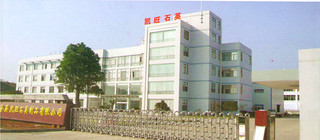
Donghai Kemzo Quartz Products Co., Ltd.
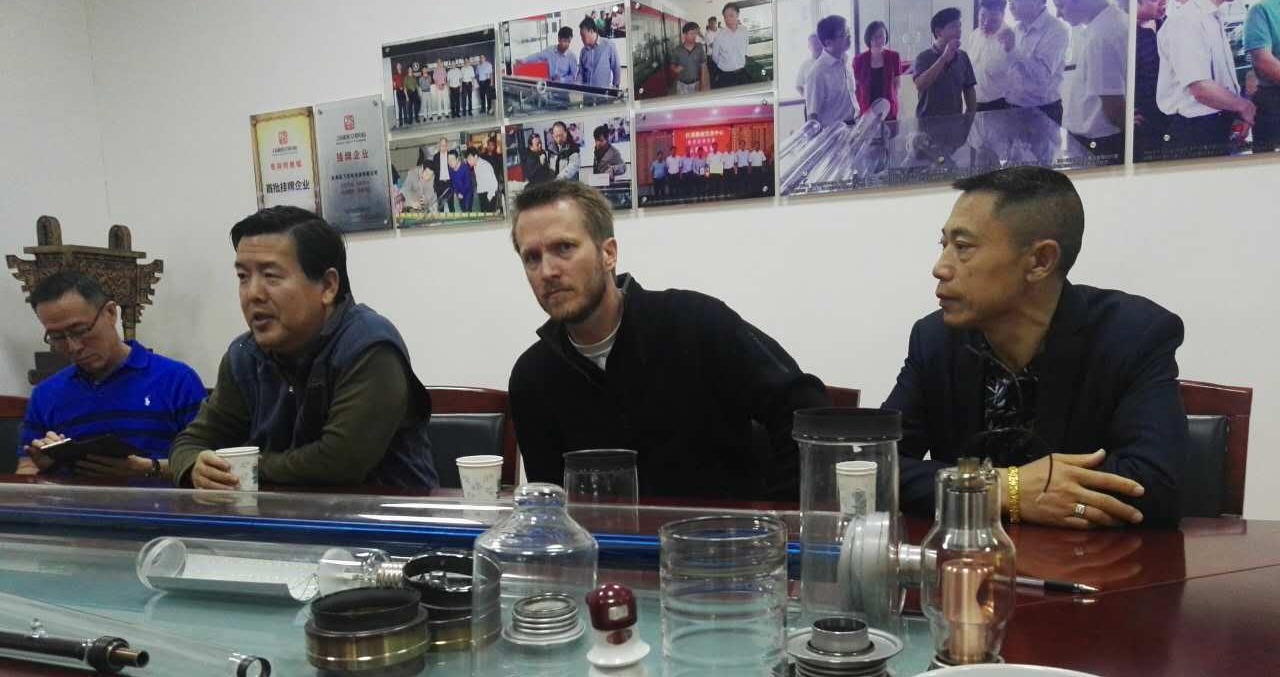
Located in Lianyungang, Jiangsu Province—recognized globally as China's crystal and quartz manufacturing capital—Donghai Kemzo Quartz Products Co., Ltd. operates as an integrated manufacturer and exporter. With an annual output reaching US$10M to US$50M and over a decade of verified OEM/ODM production, our facility supplies custom quartz solutions across 20+ domestic provinces and to industrial buyers across North America, Europe, East Asia, and Oceania.
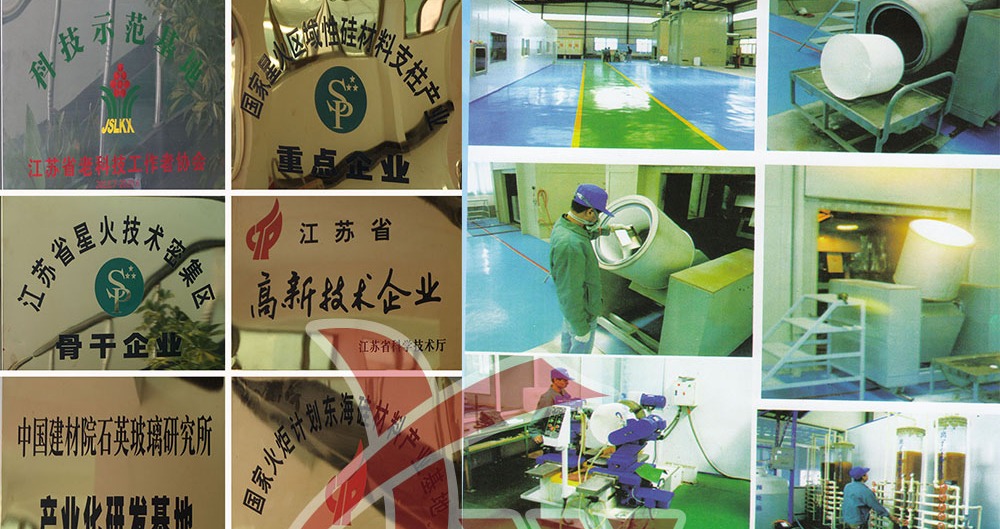
- ISO 9001:2015 Certified: Full batch traceability from raw silica sand to final crating.
- Jiangsu High-Tech Enterprise: Proprietary thermal stress annealing and drawing techniques.
- 10+ Continuous Lines: Dedicated to clear tubing, heavy crucibles, rods, and plates.
- Comprehensive Export Logistics: FOB, CFR, CIF, EXW, DDU, DAF terms with <1h response.
5-Stage Quality Assurance Architecture: Zero-Defect Delivery
Industrial quartz tube failures—whether caused by micro-bubble air lines bursting under furnace vacuum or residual thermal stress shattering upon heating—result in costly equipment downtime. Kemzo Quartz implements a 5-stage quality management protocol across every production run:
Optical Ore Refining
Every lot of natural silica crystal undergoes acid washing, magnetic extraction, and flotation separation to keep Fe₂O₃ < 1.5 ppm, Al₂O₃ < 15 ppm, and total alkali elements < 2.5 ppm.
Continuous Online Gauging
Laser micrometers monitor outer diameter, ovality, and wall thickness uniformity in real time at the drawing tower, maintaining tolerances within ±0.1 mm on precision runs.
Polariscope Annealing Verification
All cut and flame-worked products are treated in electric annealing furnaces at 1215 °C and checked with dual-field polariscopes to eliminate internal strain concentrations.
Spectrophotometer Confirmation
Tubes, plates, and cuvettes undergo spectrophotometric transmission tests across 190 nm–2500 nm, combined with high-intensity dark-field lighting to ensure zero surface stone defects.
Engineered Anti-Vibration Crating
Each quartz item is wrapped in custom-cut, high-density polyethylene foam sleeves and secured within fumigated plywood cases designed to pass ISTA-3A transit drop testing.
Frequently Asked Questions by Procurement Teams
Direct technical and commercial answers addressing dimensional limits, devitrification, tolerances, and international export logistics.
What is the technical difference between fused quartz and fused silica?
What dimensional tolerances can Kemzo Quartz maintain on custom tube drawings?
Why do clear quartz tubes devitrify (turn cloudy/white), and how can this be prevented?
Can fused quartz tubes be directly exposed to flame or quenched in cold water?
What custom secondary processing and flame-working operations can you perform in-house?
How does Kemzo guarantee zero breakage during sea, air, and express international freight?
What payment currencies and commercial Incoterms do you accept?
What is your typical production lead time for prototype samples versus container volume runs?
Need a Customized Quartz Quote or Engineering Feasibility Check?
Send us your dimensions, CAD drawings, operating temperature requirements, and target volumes. Our technical quartz glass engineering staff will provide formal pricing and material specifications within 1 hour.