Engineered Fused Quartz & Silica Labware Solutions
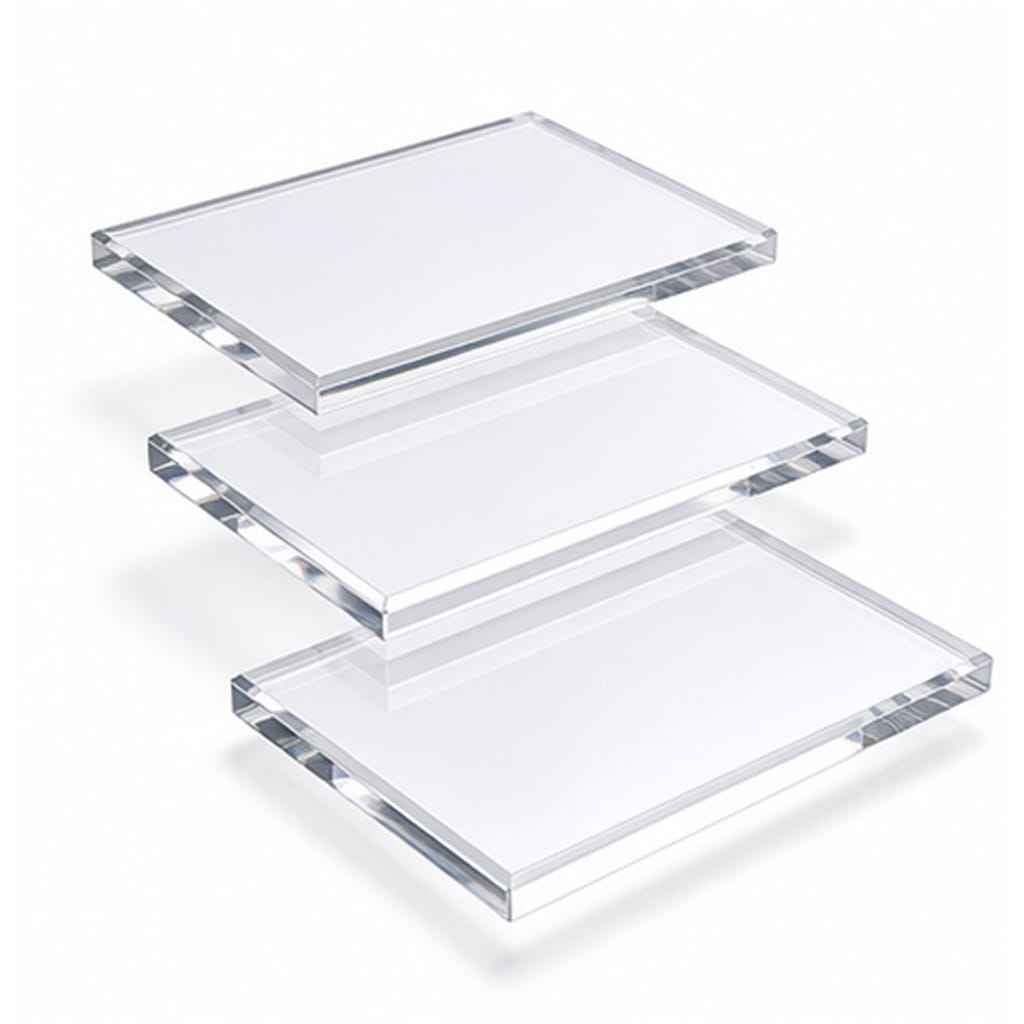
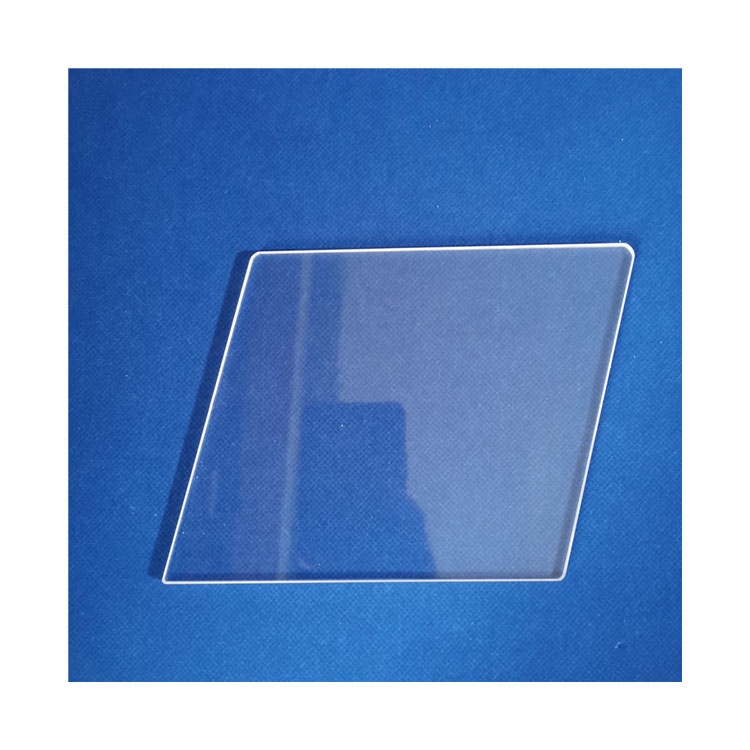
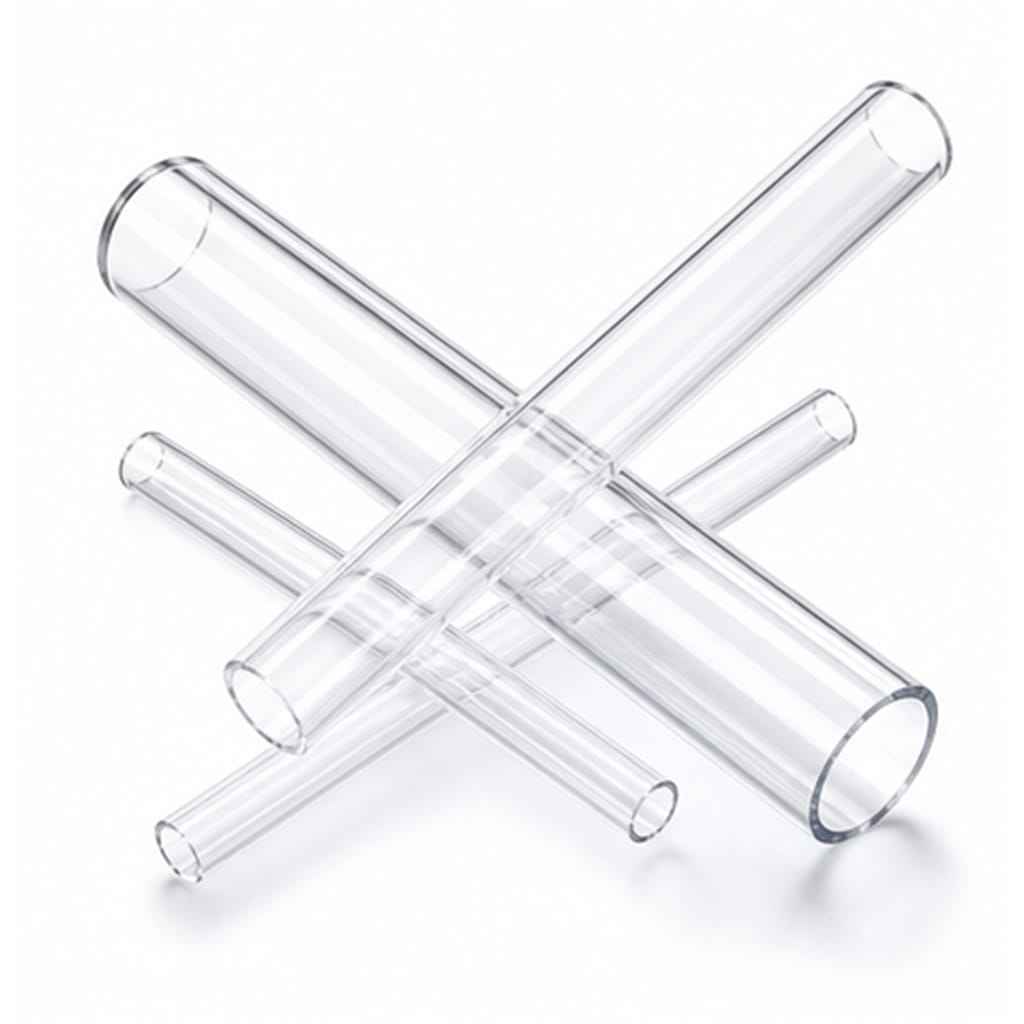
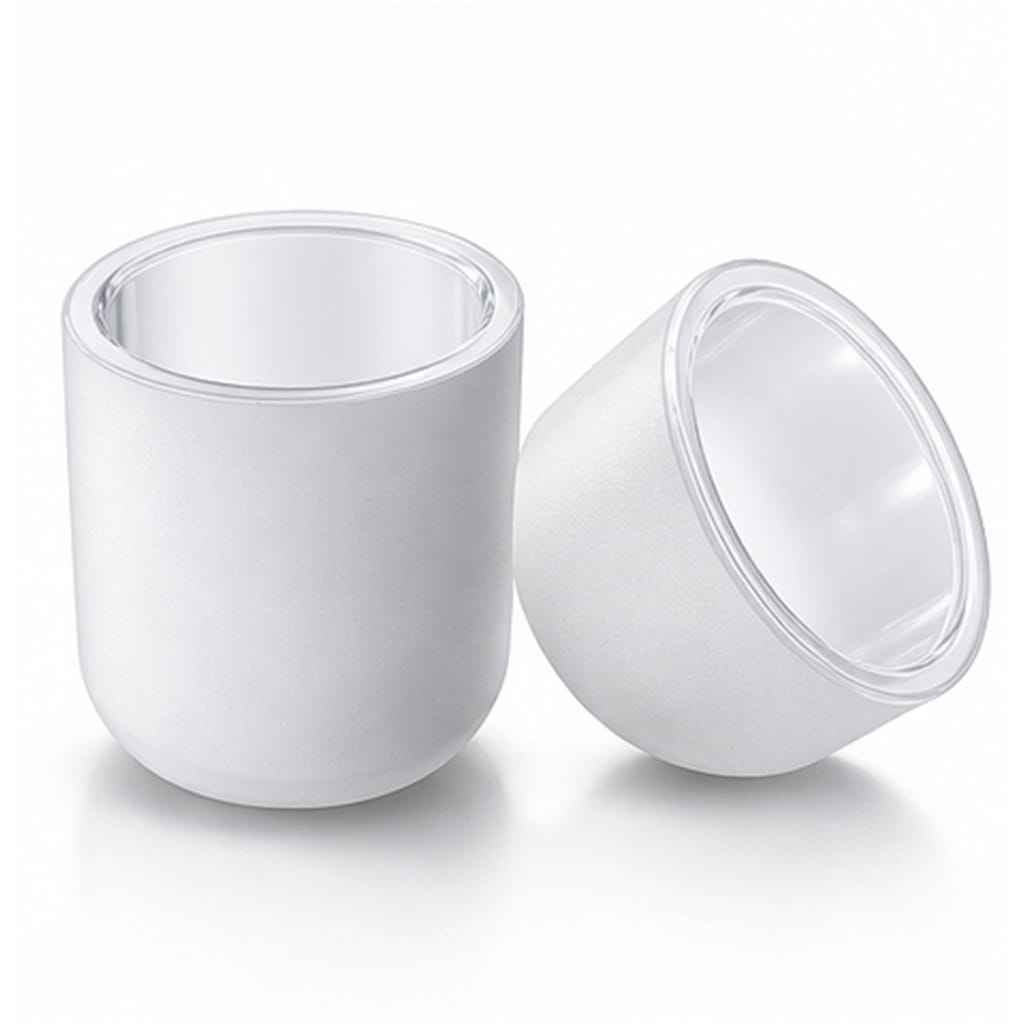
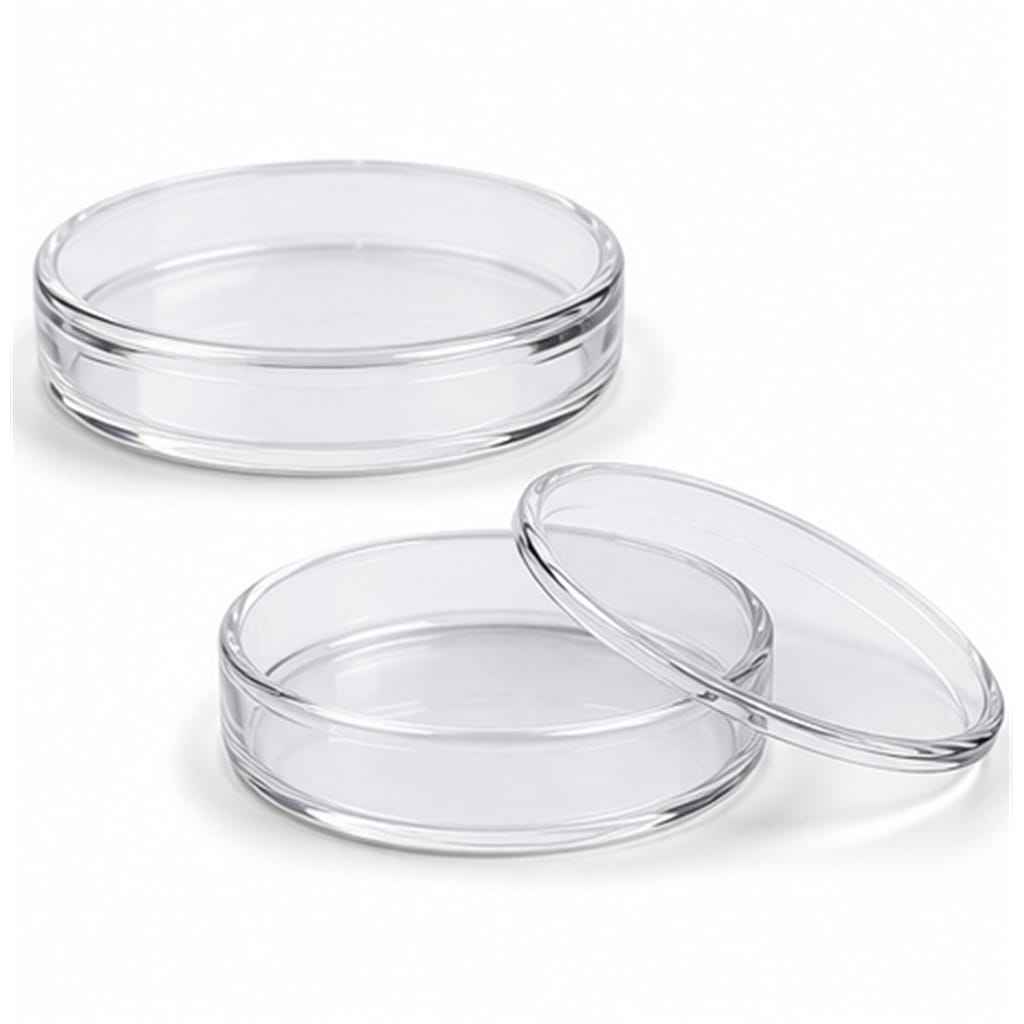
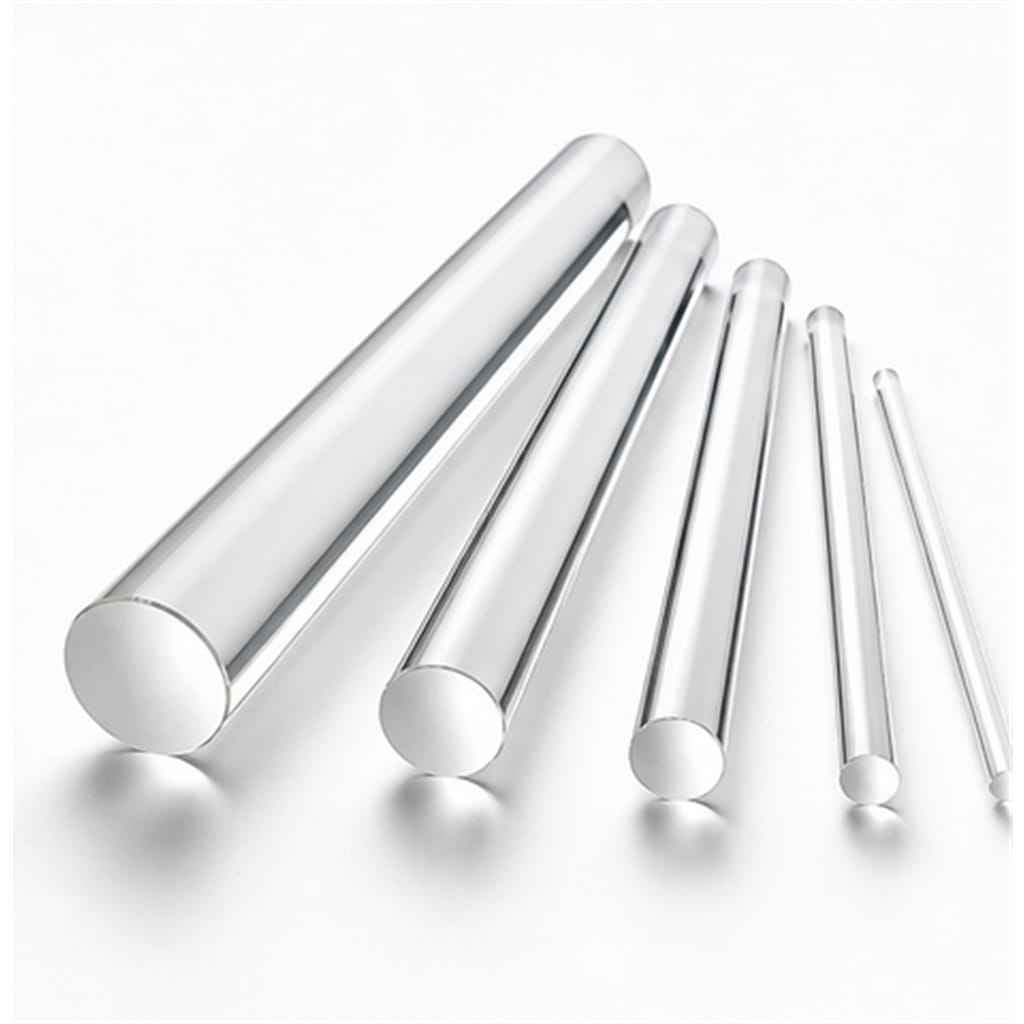
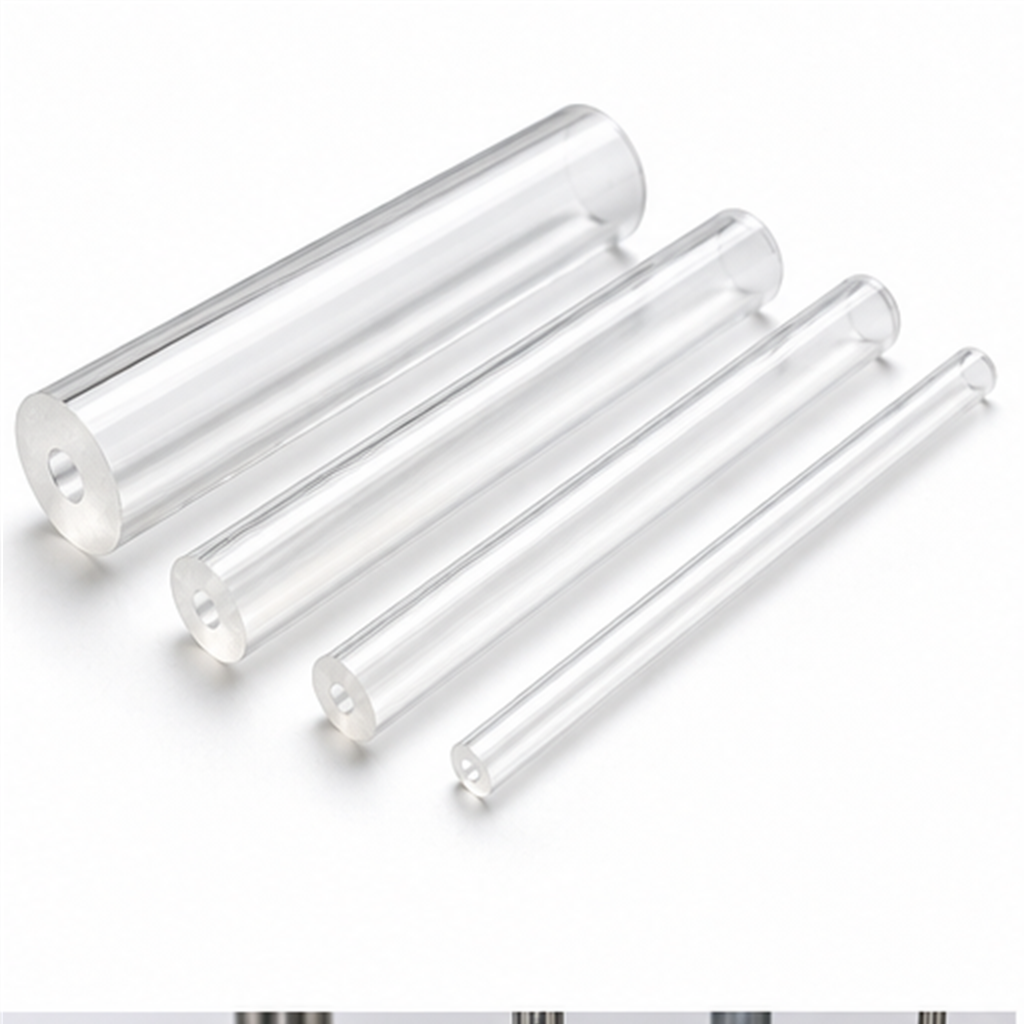
Direct from our Donghai manufacturing hub: explore optical-grade fused quartz plates, heavy-wall capillary tubes, semiconductor diffusion chambers, and thermal distillation vessels custom-machined to drawing.

Material Science Whitepaper: Why Fused Quartz Outperforms Borosilicate 3.3 in Boiling & Distillation
In high-purity organic synthesis, semiconductor precursor evaporation, and severe acid digester systems, standard technical glass encounters severe operational constraints. Borosilicate 3.3 glass experiences strain point degradation at 510°C and undergoes alkali leaching when exposed to aggressive mineral acids under elevated boiling temperatures. In contrast, fused quartz boiling flasks manufactured by Donghai Kemzo Quartz Products Co., Ltd. are composed of non-crystalline silicon dioxide (>99.99% SiO2), delivering performance across the three critical failure modes of laboratory glassware: thermal collapse, thermal shock rupture, and elemental contamination.
Unlike borosilicate which leaches boron, sodium, and aluminum ions into chemical reagents, high-purity fused quartz maintains near-absolute chemical inertness across the entire pH spectrum (with the exception of hydrofluoric and boiling phosphoric acid). When conducting fractional distillation of organometallic precursors for CVD/ALD processes or synthesizing battery electrolyte additives, our custom quartz boiling flasks ensure zero ionic leaching and complete batch integrity.
| Physical / Thermal Property | Fused Quartz (Kemzo Labware) | Standard Borosilicate 3.3 | Procurement Engineering Significance |
|---|---|---|---|
| Silica Purity (SiO2 Content) | ≥ 99.99% (Type II Electric Arc) | ≈ 80.5% (High B2O3 / Na2O) | Prevents trace elemental contamination in semiconductor chemistry |
| Thermal Expansion (20–300°C) | 5.5 × 10⁻⁷ / °C | 33 × 10-7 / °C | Fused quartz has 6x lower expansion; immune to severe thermal gradients |
| Maximum Continuous Service Temp | 1100 °C | 450 – 500 °C | Enables high-boiling vacuum distillation and molten salt reactions |
| Short-Term Annealing Temperature | 1215 °C (Softening @ 1683°C) | 560 °C (Softening @ 820°C) | Prevents vessel sagging, bulging, or vacuum implosion at high heat |
| Hydroxyl ([OH-]) Concentration | ≤ 15 ppm – 30 ppm | Not applicable (High bound H2O) | Controls infrared energy absorption during mantle heating cycles |
| Acid Resistance (DIN 12116) | Class S1 (Superior / Nil Loss) | Class S1 | Complete surface passivation against fuming HNO3, H2SO4, Aqua Regia |
Next-Generation Procurement Trends & Technological Evolution
Global laboratory and industrial chemical procurement is shifting toward higher-performance materials. Discover the key trends transforming fused quartz boiling apparatus demand through 2030.
Semiconductor Precursor Purity (PPB/PPT)
Advanced node semiconductor fabs (3nm/2nm) require precursor chemicals with total metallic impurities below parts-per-billion levels. Traditional glass flasks cause leaching under reflux. Procurement teams are systematically replacing borosilicate distillation trains with high-purity fused quartz boiling vessels to guarantee precursor stoichiometry and eliminate trace sodium contamination.
Continuous Flow Synthesis & Microwave Quartz
Batch boiling is rapidly evolving toward continuous automated flow chemistry. Fused quartz flasks are now customized with multi-port ground joints (ST 24/40, ST 29/32, GL-threaded nozzles) and integrated heating wells. Quartz exhibits minimal dielectric loss, making it the premier material for microwave-assisted organic synthesis and radio-frequency induced chemical reactors.
Supply Chain Localization & Donghai Hub Advantage
Western and APAC supply chain directors face extended lead times (16-24 weeks) from legacy European quartz blowers. Strategic procurement is consolidating within China's Donghai quartz cluster, where direct access to raw sand deposits, high-precision automated quartz glass lathes, and rapid air/sea export logistics compress custom prototype lead times to under 14 calendar days.
Why Global B2B Buyers Partner with Kemzo Quartz
Operating in Donghai County—China's crystal capital—since 2011, Donghai Kemzo Quartz Products Co., Ltd. combines geographical raw material superiority with German-standard glass-lathe fabrication.
Donghai Cluster Integration
Direct supply lines to high-purity natural silica sand beds. We purify, fuse, and fabricate under one roof, cutting raw material procurement overhead by 25-35% compared to non-coastal competitors.
ISO 9001 Certified Quality
Fully compliant with international quality management systems. Every quartz boiling flask undergoes rigorous polariscopic strain analysis, ultrasonic wall thickness runout gauging, and hydrofluoric decontamination.
OEM & Custom Drawing Mastery
Over 11 years of custom design experience. Whether you require single-neck round bottom flasks, multi-neck Vigreux columns, vacuum take-off adapters, or pear-shaped recovery flasks, our engineering lathe operators deliver within ±0.2mm precision.
Export-Grade Shockproof Crate
Serving buyers across North America, Europe, East Asia, and Oceania (70%+ export share). Custom molded EPE foam suspension, individual vacuum sealing, and fumigated reinforced wooden crates eliminate transit breakage.
Procurement Protocol: Standard Quality Checks for Industrial Quartz Flasks
To avoid dangerous laboratory accidents such as vacuum implosion under elevated boiling conditions, procurement agents should mandate the following quality inspection criteria during B2B supplier audits:
Donghai Kemzo Quartz implements 100% optical inspection and dimensional gauging on all boiling apparatus before dispatch, providing traceable mill test certificates and chemical purity documentation upon request.
Frequently Asked Questions on Quartz Boiling Flask Procurement
Authoritative technical and logistical answers curated by our senior glassblowers and export project engineers.
What is the key difference between fused quartz boiling flasks and synthetic fused silica labware?
Fused quartz is produced by melting naturally occurring high-purity crystalline quartz sand in electric vacuum or oxy-hydrogen furnaces. It exhibits outstanding thermal shock properties, high continuous operating temperatures (1100°C), and exceptional mechanical rigidity at a cost-effective price point ideal for heating mantles, acid boiling, and distillation. Synthetic fused silica is created from gaseous silicon chemical precursors (e.g., SiCl4), resulting in near-zero trace metals (sub-ppm) and deep UV transmission down to 190nm. For 95% of boiling, reflux, and digestion tasks, natural fused quartz is the optimal engineering and economic choice.
Can quartz boiling flasks withstand direct open flames or concentrated heating mantles?
Yes. Fused quartz features a softening point of approximately 1683°C and a continuous working threshold of 1100°C. It can be subjected to direct Bunsen burner flames, ceramic radiant heaters, or molten salt heating baths without softening or distorting. However, operators must ensure wall temperature uniformity to prevent uneven liquid bubbling; heating mantles calibrated specifically for quartz labware geometries are strongly recommended for distillation setups.
How does Kemzo Quartz package fragile quartz flasks for international sea and air freight?
Our multi-tier export packaging system guarantees damage rates under 0.2%. Every quartz boiling flask is individually washed, vacuum-bagged in cleanroom conditions to prevent dust accumulation, enveloped in 30mm thick high-density EPE shock-absorbent cell foam, and placed in heavy-duty 5-ply corrugated carton sleeves. Cartons are then secured within fumigated plywood shipping crates fitted with shock and tilt indicators for international ocean freight or DHL/FedEx air freight.
Can you manufacture multi-neck, angled, or jacketed quartz boiling flasks to custom drawings?
Yes. As a direct manufacturer with complete in-house glass lathe, ultrasonic drilling, and grinding facilities, Kemzo regularly fabricates 2-neck, 3-neck, and 4-neck flasks with parallel or angled side necks, sampling thermowells, vacuum takeoff arms, and vacuum-jacketed silvered distillation heads. Simply provide a CAD, PDF drawing, or hand-annotated sketch specifying the bulb diameter, neck diameter, ground joint size (e.g., 24/40), and working volume (from 25 mL up to 20,000 mL).
What payment terms, trade incoterms, and lead times do you offer for bulk OEM orders?
We support all primary global trade incoterms including EXW, FOB (Qingdao/Lianyungang/Shanghai), CFR, CIF, and DDU/DDP door-to-door. Accepted payment channels include T/T wire transfer, L/C at sight, and PayPal for prototype samples. Standard lead times for custom quartz boiling flasks range from 7 to 14 business days, with rapid prototype fabrication available in 5 business days.
How should quartz boiling flasks be cleaned and maintained to prevent devitrification?
Quartz glass remains stable up to high temperatures, but exposure to alkali ions (sodium, potassium, calcium from fingerprints or tap water) accelerates devitrification (crystallization into cristobalite) above 1000°C. Always handle quartz labware with lint-free cleanroom gloves. Clean vessels using an acid bath (10% hydrochloric acid or aqua regia) followed by thorough rinsing with deionized water. Avoid abrasive mechanical scrubbers that may induce microscopic surface scratches.
Connect Directly with Kemzo's Senior Quartz Engineering Team
Need high-volume quotation, custom standard taper joints, or a rapid prototype feasibility evaluation? Our Donghai technical team reviews client drawings and provides detailed quotes within one business hour.