Precision Fused Silica & Micro-Flow Optics

Top China Quartz Flow Cell Factory & Supplier

High-purity fused silica quartz flow cells, spectrophotometer cuvettes, and microfluidic channels manufactured to sub-micron tolerances. Engineered with molecular direct fusion bonding for UV-Vis-NIR analytical excellence.

Precision Engineered Catalog

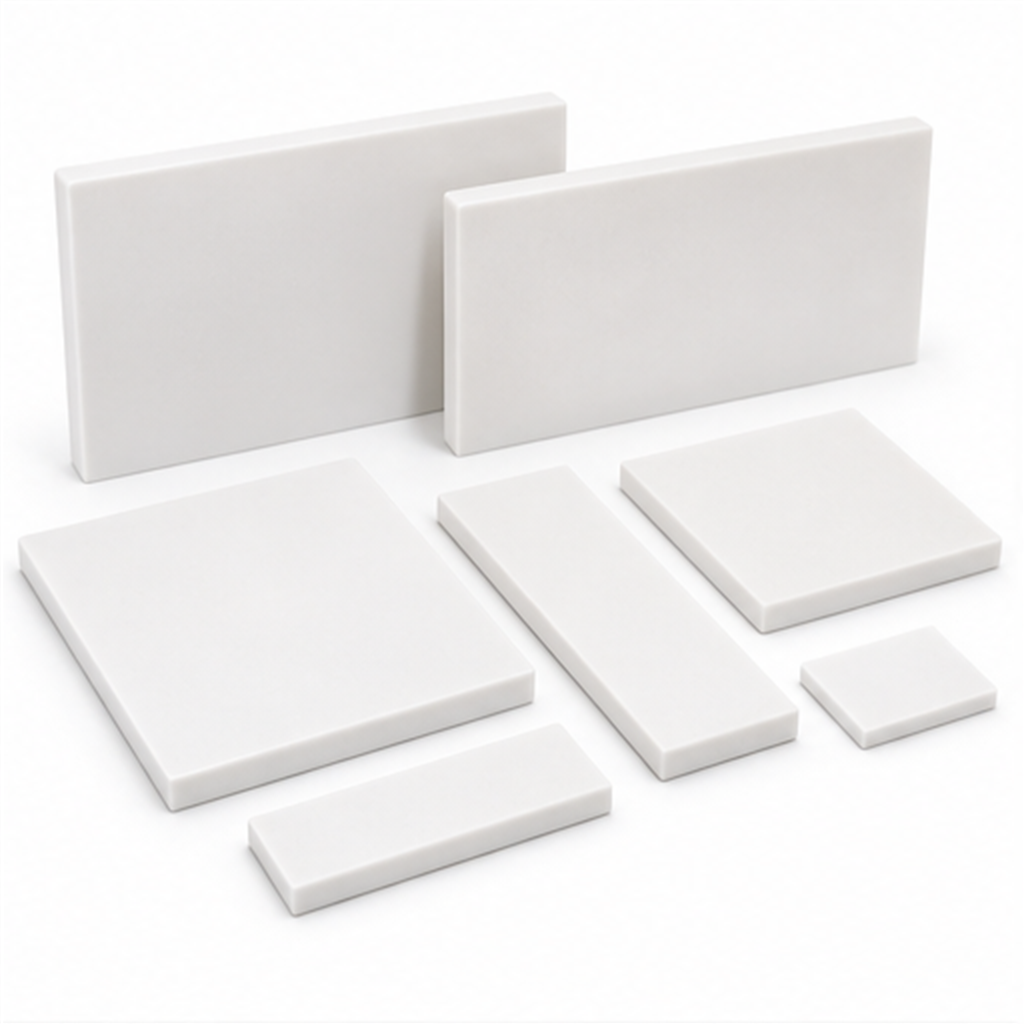
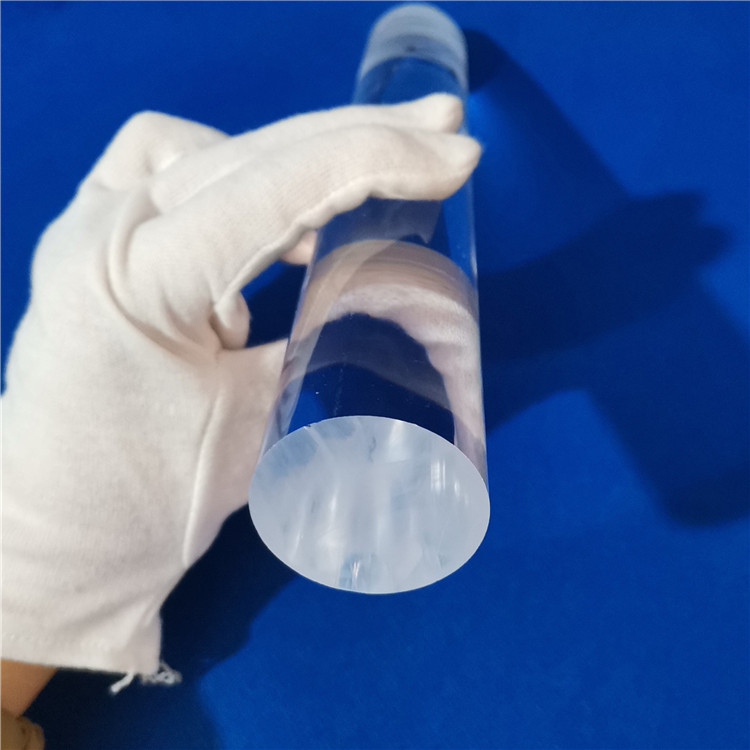
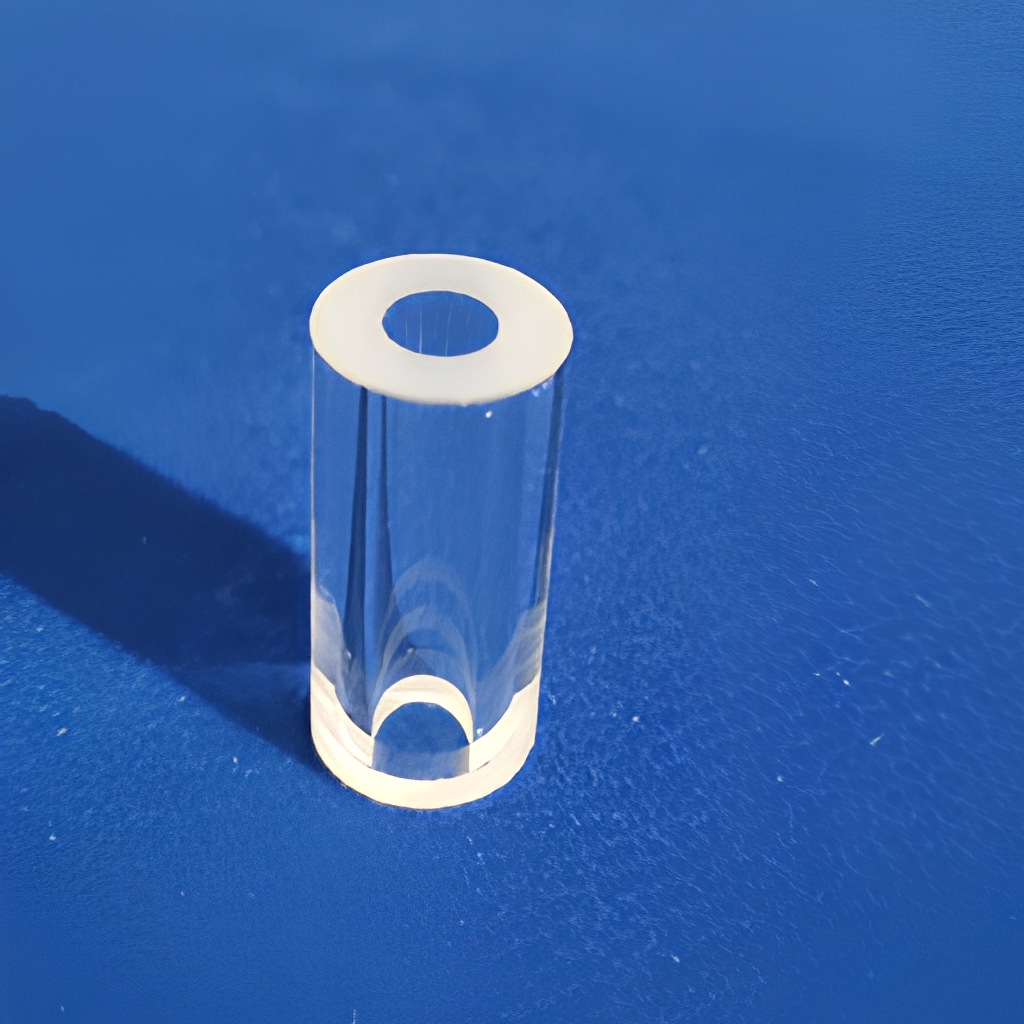
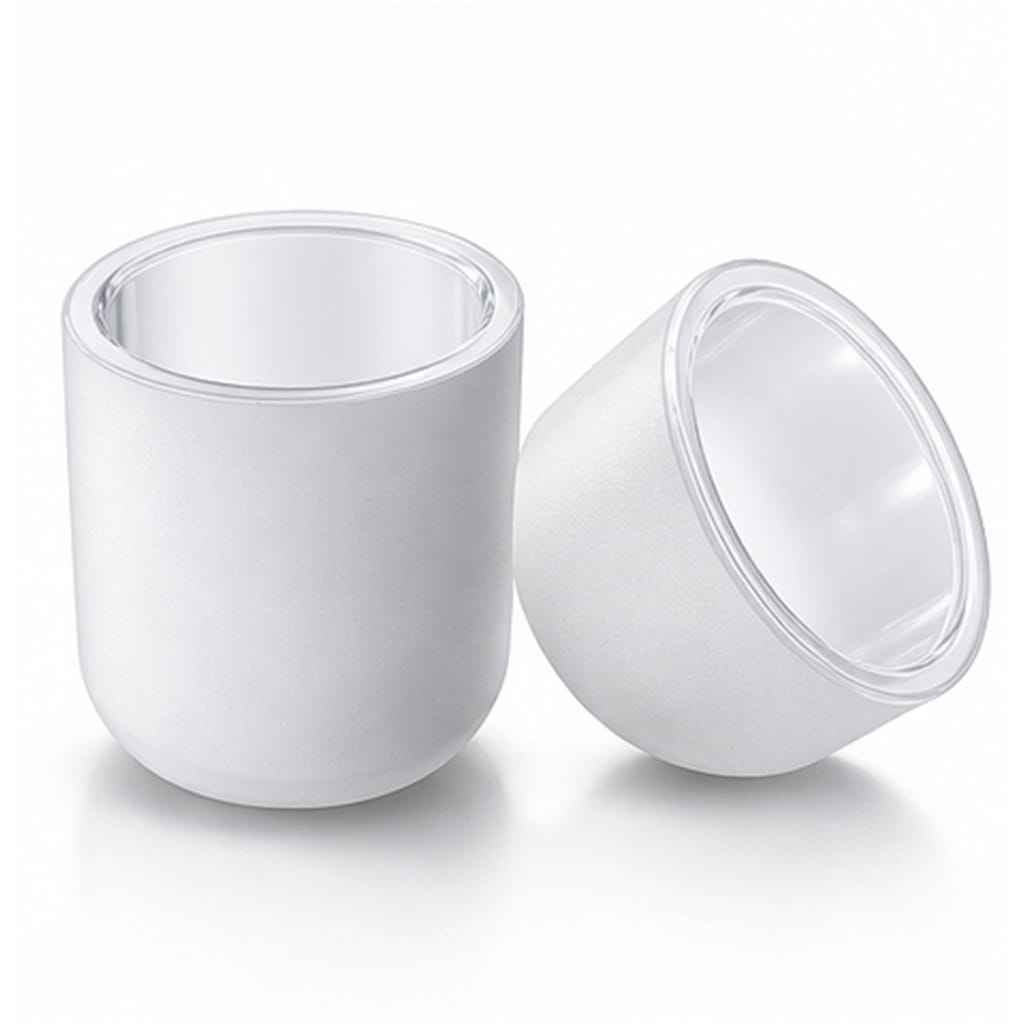
Featured High-Purity Quartz Components & Optical Cells

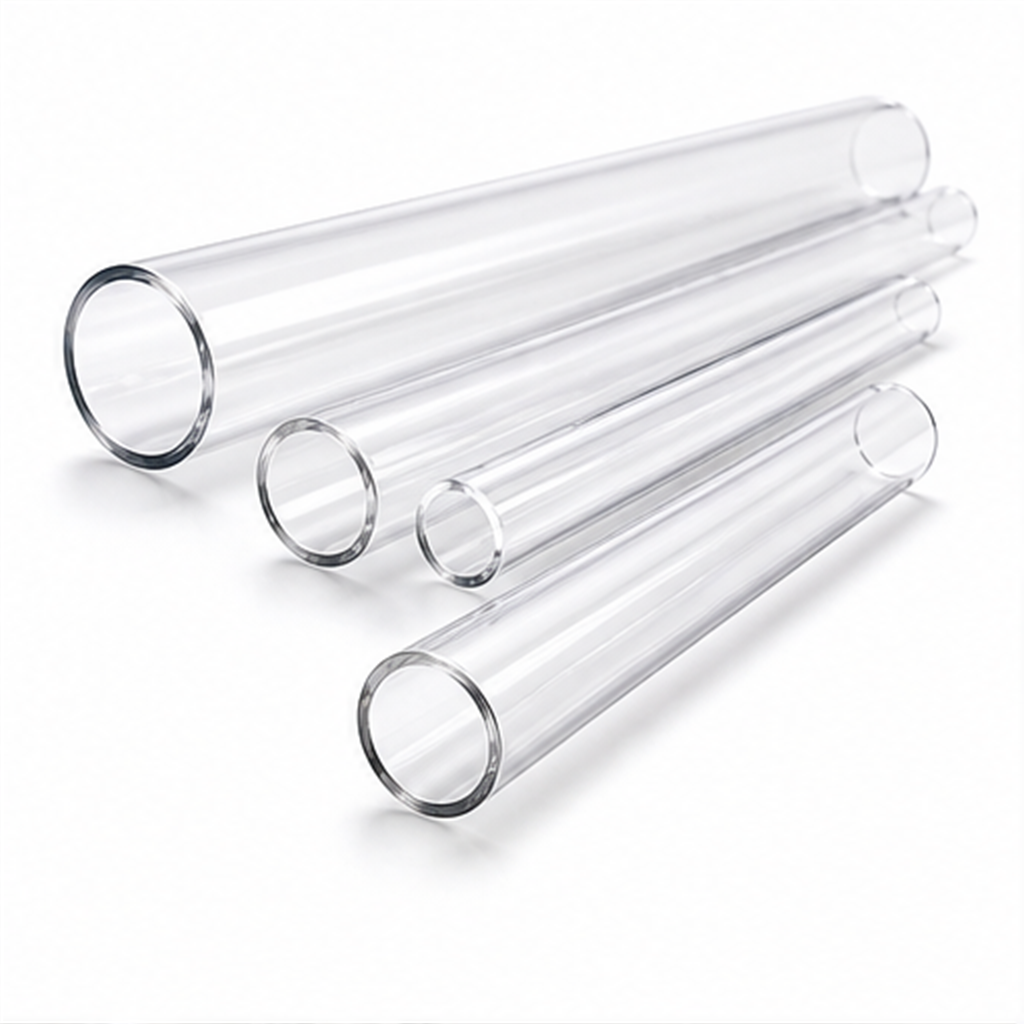
Synthesized from high-grade natural and synthetic silicon dioxide (SiO₂ ≥ 99.99%), our precision product lines serve liquid chromatography, spectrophotometry, crystal growth, and industrial thermal processing across global research and OEM assembly facilities.

99.99%
SiO₂ Chemical Purity
±0.005mm
Optical Path Tolerance
1100°C
Continuous Working Temp
10+
Automated Drawing Lines
80%+
Global Export Rate
Engineering White Paper

The Engineering Architecture of Precision Quartz Flow Cells

Optical flow cells are mission-critical fluidic-photometric interfaces in High-Performance Liquid Chromatography (HPLC), Ultra-High Performance Liquid Chromatography (UHPLC), dynamic light scattering (DLS), and automated continuous flow chemistry. Achieving accurate absorbance linearity and high signal-to-noise ratios requires strict adherence to thermo-mechanical and optical manufacturing criteria.

Direct Molecular Fusion vs. Epoxy Gluing

Standard commercial cuvettes frequently rely on optical adhesives to bond quartz plates together. In analytical chromatography, organic solvents such as acetonitrile (ACN), tetrahydrofuran (THF), and methanol leach monomers from epoxies, generating ghost chromatographic peaks and UV baseline drift.

Our Donghai manufacturing facility applies Direct Molecular Fusion Bonding (Diffusion Bonding). Under extreme cleanroom conditions, polished quartz plates (surface flatness λ/4) are placed in optical contact and sintered at 1150°C. The silica crystal lattices fuse across the interface without adhesives, producing an integrated flow cell impervious to all acids and organic solvents.

  • Zero solvent leaching or chromatographic contamination
  • Zero chemical delamination under aggressive flow conditions
  • Broad pH endurance across 1.0 to 12.5 operational profiles

Sub-Nanometer Optical Polishing & Parallelism

Total internal reflection and optical scatter within flow cell channels attenuate beam intensity, increasing photometric noise. Our computer-controlled Double-Sided Chemical Mechanical Polishing (CMP) achieves surface roughness Ra < 0.5 nm (Scratch-Dig 10-5 per MIL-PRF-13830B).

Window parallelism is held within ≤ 15 arcseconds, preventing refractive divergence when working with monochromatic laser illumination or narrow-slit DAD (Diode Array Detectors).

  • Optical Path Length Precision: Controlled to ±0.005 mm
  • Wavefront Distortion: Peak-to-Valley (PV) < λ/4 at 632.8 nm
  • Internal Scattering: Lower than 0.05% across 200–2500 nm

Hydrodynamic Bubble Suppression Geometry

Microbubbles trapped within detection chambers disrupt refractive pathways, causing sudden absorbance spikes and false chromatographic peaks. Our engineers utilize precision laser micro-machining and CNC ultrasonic boring to produce flow cell channels with parabolic entrance funnels and tapered Z-path geometry.

These hydrodynamic channels maintain laminar flow velocities up to 10 mL/min, sweeping dissolved micro-bubbles through the detection volume without dead zones, eddy currents, or analyte back-mixing.

  • Ultra-low inner chamber volume down to 0.5 μL
  • Zero dead-volume inlet/outlet capillary interfaces
  • Operating pressure rating up to 12 MPa (120 Bar)
Strategic Procurement Insights

Global Quartz Flow Cell Procurement Trends (2025–2030)

Procurement teams across analytical instrumentation, biopharma manufacturing, and environmental monitoring face tightening regulatory tolerances and shifting supply-chain fundamentals. We track and accommodate key industry shifts to support your long-term sourcing roadmap.

Microfluidics & Miniaturized Flow Channels

Modern bio-separations and capillary electrophoresis require micro-flow cells with path lengths of 1mm to 50mm combined with internal volumes under 2 μL. High optical clarity coupled with sub-millimeter boring demands raw synthetic quartz (JGS1) to prevent UV solarization down to 190 nm. Suppliers capable of sub-micron CNC milling and diffusion sealing are capturing market share over standard cuvette fabricators.

High-Pressure Inline Process Analytical (PAT)

Process analytical technology (PAT) is expanding from laboratory benches directly into continuous pharmaceutical manufacturing lines. Industrial flow cells must endure continuous pressures exceeding 80 bar and resist thermal shock during CIP/SIP (Clean-In-Place / Steam-In-Place) protocols at 135°C. Fused quartz with thermal expansion coefficients of 5.5 × 10⁻⁷/°C outperforms sapphire-composite alternatives on cost and thermal shock resistance.

Near-Source Raw Material Integration

Supply disruptions in refined quartz sand have emphasized the advantage of geographic proximity to raw quartz reserves. Sourcing flow cells directly from manufacturers situated in Donghai County—China's crystal capital—secures raw material quality, avoids intermediate broker markups, and cushions OEM buyers from volatile international supply chains.

Empirical Comparison

Fused Silica & Quartz Optical Grades: Technical Matrix

Selecting the appropriate material grade ensures that your photometric instruments deliver accurate quantitative data without optical saturation or baseline cutoff.

Material Grade SiO₂ Purity Transmission Band Hydroxyl (OH⁻) Level Autofluorescence (365nm) Primary Industrial Use
JGS1 Synthetic Fused Silica ≥ 99.9999% 185 nm – 2500 nm < 5 ppm to 1200 ppm (Opt) Extremely Low / None Deep UV Spectrometry, HPLC DAD, Flow Cytometry
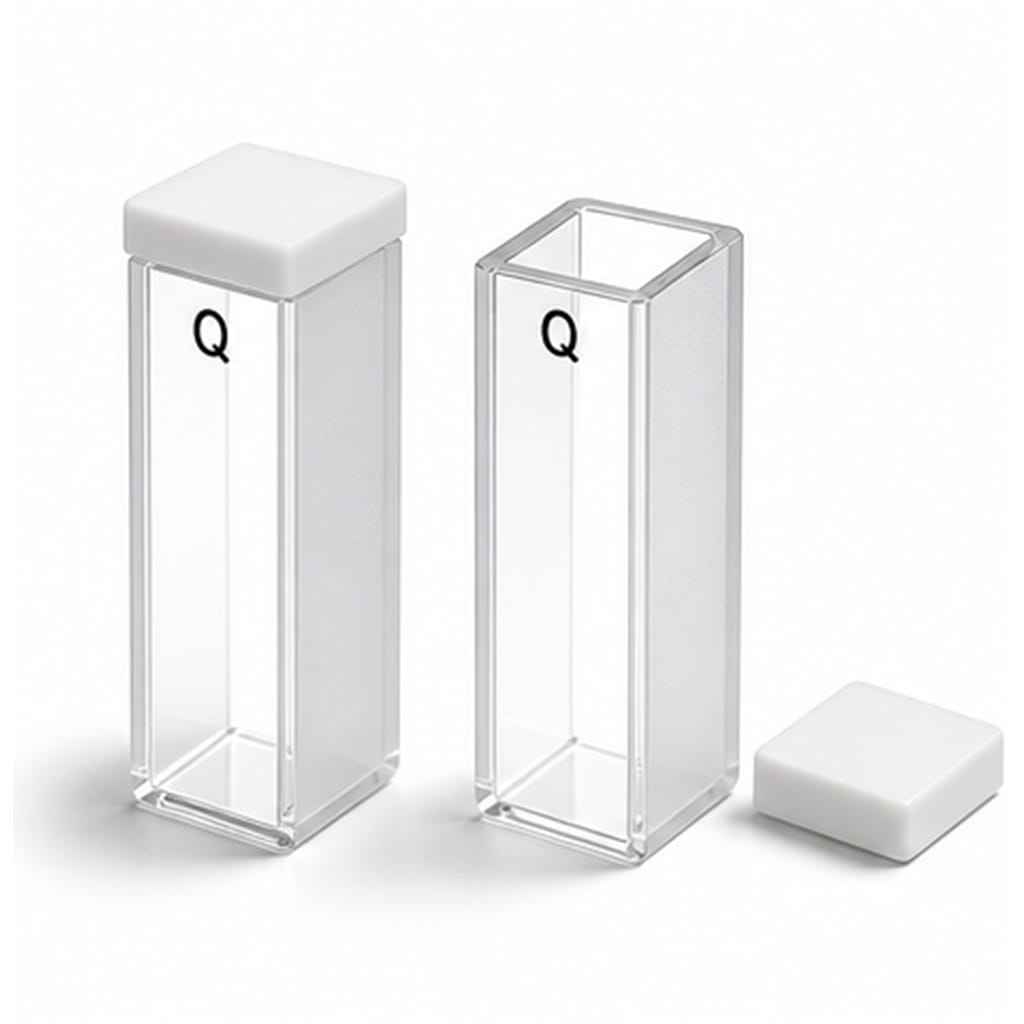
JGS2 Optical Fused Quartz ≥ 99.99% 220 nm – 2500 nm < 30 ppm Low Standard UV-Vis Cuvettes, Light Guides, Viewports
JGS3 Infrared Optical Quartz ≥ 99.99% 260 nm – 3500 nm < 5 ppm (Water-free) Moderate FTIR Flow Cells, Infrared Pyrometry, Laser Windows
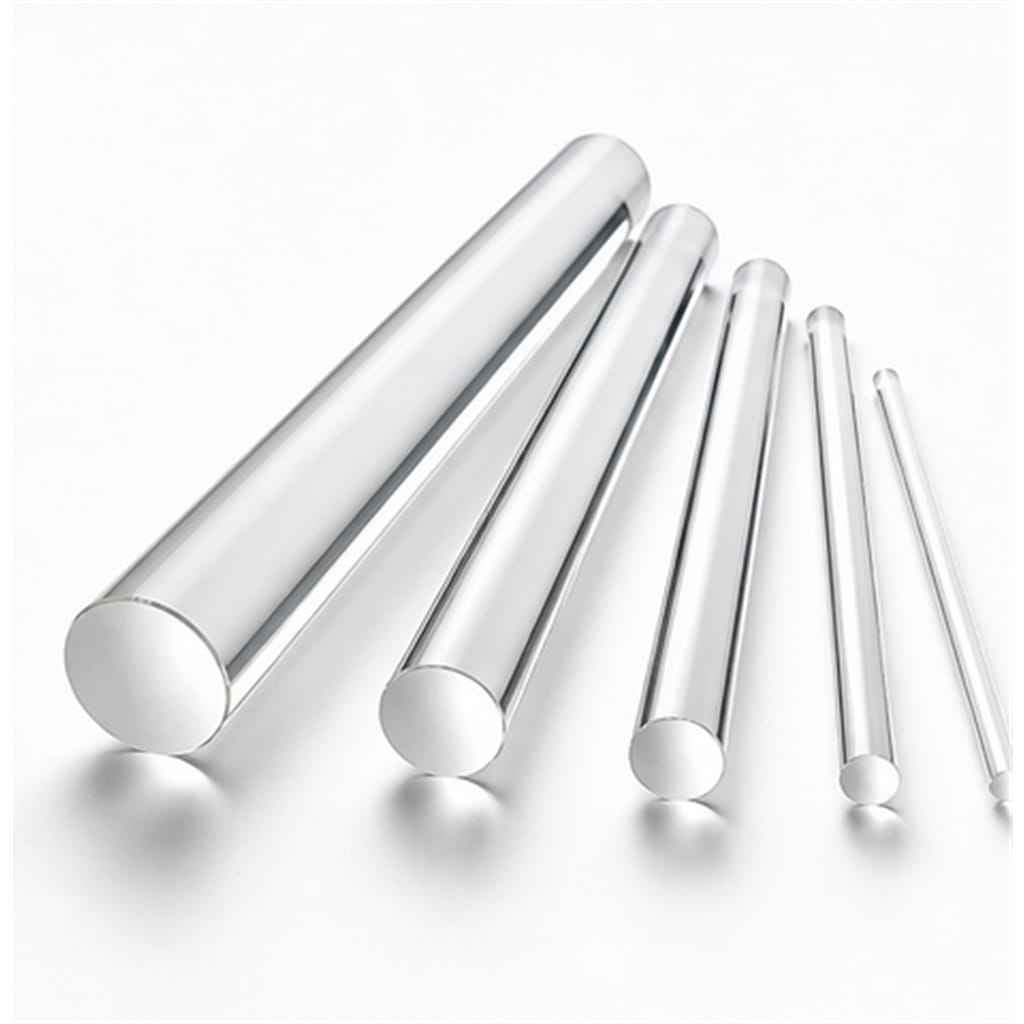
Standard Technical Quartz ≥ 99.9% 260 nm – 2000 nm 100 – 200 ppm Moderate to High Furnace Diffusion Tubes, Crucibles, High-Temp Rods
Borosilicate 3.3 Glass (Ref) ≈ 81% 310 nm – 2200 nm N/A (Multi-oxide) Noticeable General Laboratory Glassware, Sight Windows
Factory Authority & Reliability

Why OEM Instrument Builders Partner with Kemzo Quartz

Founded in 2011 in Donghai County, Lianyungang, Jiangsu, Donghai Kemzo Quartz Products Co., Ltd. operates as a vertically integrated manufacturer and exporter recognized as an official Jiangsu High Technology Enterprise and certified to ISO 9001 standards.

Cluster Advantage & Traceable Purity

Donghai holds China's highest-density natural crystal reserves. Our close integration with primary refining lines grants us unmediated access to natural quartz sand with total metallic impurities below 15 ppm. Every flow cell and furnace tube batch carries spectroscopic traceability back to raw feedstock lots.

11+ Years of Drawing-to-Part OEM/ODM Agility

Whether your assembly calls for standard 10mm rectangular cuvettes, double-flanged diffusion tubes, or sub-microliter microfluidic flow chips with integrated capillary connectors, our engineering office confirms technical drawings and tolerance limits within 1 hour. Prototyping ships in as few as 7 business days.

Rigorous Cleanroom QA & Metrology Verification

Every optical flow cell undergoes spectrophotometric transmission scans across 190–1100 nm, laser interferometric surface roughness evaluation, and high-pressure helium leak detection. Parts pass through Class 1,000 cleanroom ultrasonics and hermetic vacuum packaging before crating.

Global Export Packaging & Trade Coverage

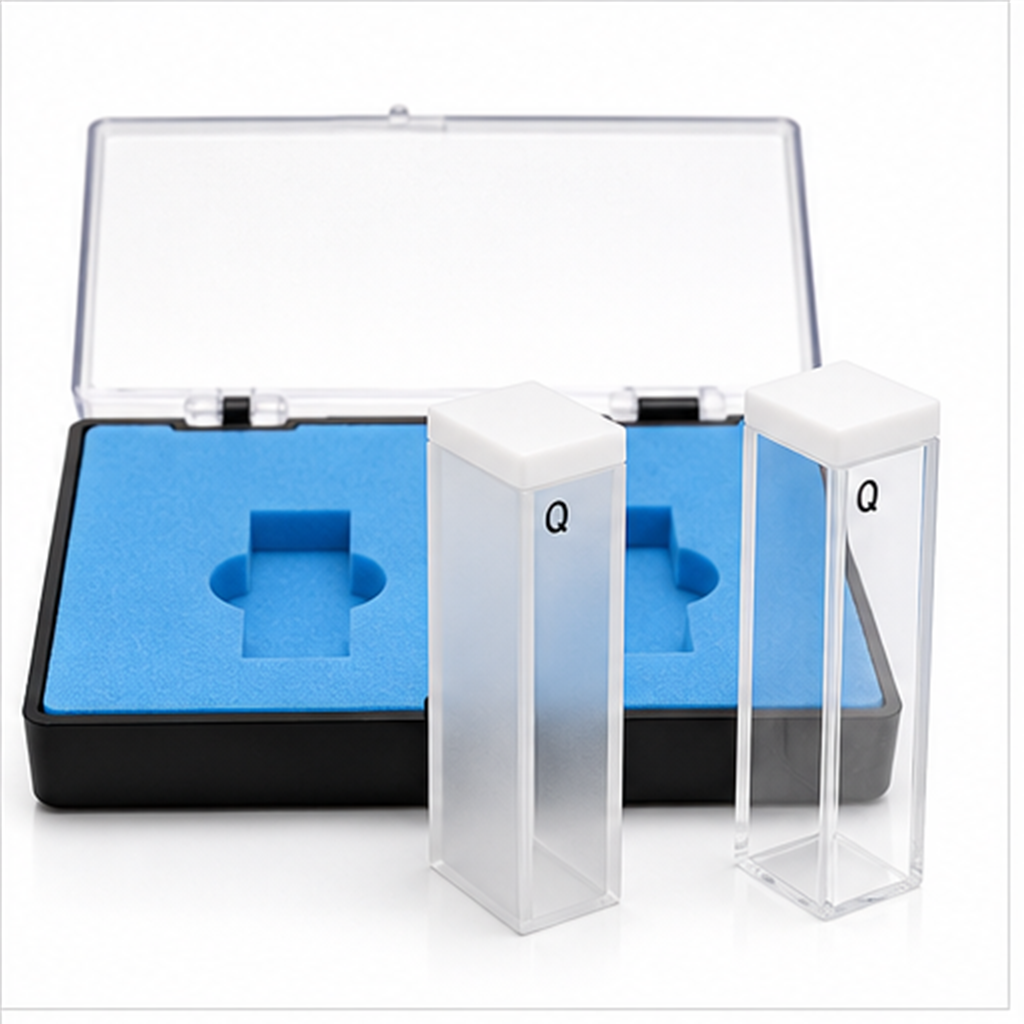
Exporting more than 70% of our annual production to North America, Europe, East Asia, and Oceania, we support FOB, CFR, CIF, EXW, DDU, and DAF terms. Precision optical glassware travels in impact-absorbent molded EVA foam encased in reinforced marine-grade export wooden crates.

Procurement & Technical Questions

Frequently Asked Questions for Quartz Flow Cell Buyers

Direct answers to the most common optical, mechanical, and commercial questions raised by laboratory engineers and procurement managers.

How do I determine whether my flow cell requires JGS1 Synthetic Silica or JGS2 Quartz?
The selection depends on your instrument's detection wavelength range and fluorescence requirements. If your detector works below 220 nm (such as peptide or protein peptide-bond detection at 195–214 nm, or DAD UV systems), JGS1 Synthetic Fused Silica is required because it remains fully transparent down to 185 nm without UV solarization. For standard UV-Vis spectroscopy between 230 nm and 800 nm, JGS2 Optical Fused Quartz delivers excellent linearity and stability at a lower unit cost.
Why is direct thermal fusion bonding superior to adhesive glued joints in flow cells?
Adhesively bonded cuvettes and flow cells utilize epoxy or UV-curing polymers that dissolve or swell when exposed to organic solvents like tetrahydrofuran, methylene chloride, dimethylsulfoxide, and acetonitrile. This leads to channel leakage, window delamination, and baseline chromatographic ghost peaks. Our direct molecular fusion fuses polished quartz plates at 1150°C into a monolithic quartz piece, eliminating adhesives completely and providing lifetime resistance to all solvents and acids (except HF).
What path length tolerances and aperture sizes can your factory manufacture?
We fabricate optical path lengths from 0.1 mm up to 100 mm. For precision analytical flow cells, our standard path length tolerance is ±0.01 mm, with high-precision custom runs reaching ±0.005 mm. Internal channel apertures range from micro-apertures of 0.2 mm × 0.2 mm up to macro dimensions of 10 mm × 10 mm.
Can you manufacture custom quartz flow cells based on our proprietary CAD drawings?
Yes. Over 60% of our production consists of OEM and ODM custom components. We routinely produce custom parts from STEP, DWG, DXF, or PDF engineering drawings. Our internal CNC micro-machining, ultrasonic drilling, laser ablation, and flame polishing capabilities allow us to prototype complex multi-window flow chambers, water-jacketed cuvettes, and specialized microfluidic manifolds.
What is your typical order-to-delivery turnaround for custom optical flow cells?
Standard catalog items and stock cuvettes dispatch within 24 to 48 hours. Custom OEM prototypes typically require 7 to 12 working days for optical machining, fusion bonding, annealing, and metrology testing. Production volume batches (500–5,000 units) usually ship within 3 to 4 weeks via door-to-door express or air cargo.
How do you ensure fragile quartz optical cells arrive safely during international shipping?
We use a multi-tiered export packaging system. Each optical flow cell is sealed in a dust-free enclosure, nested within precision-milled high-density EVA shock-dampening foam blocks, boxed in crush-resistant inner cartons, and crated inside heavy-gauge, export-grade plywood crates. Our international transit damage rate remains consistently under 0.05%.
What cleaning procedures are recommended to maintain quartz flow cell optical transmission?
For general protein and biological residue, flush with 0.1M nitric acid or a specialized enzymatic laboratory detergent; avoid concentrated alkaline solutions (pH > 12.5) for extended contact times. For inorganic scales, rinse with dilute hydrochloric acid. Never clean optical surfaces with abrasive powders, and never use ultrasonic baths on non-monolithic, glued competitor cells (molecular-fused cells can safely withstand standard mild ultrasonic cleaning).

Request an Engineering Review & Factory-Direct Quote

Send us your dimensional drawings, target path length, and working fluid parameters. Our senior optics engineers will review tolerances, propose the most economical manufacturing process, and deliver a formal quotation within 1 hour.