Precision Quartz Glass & Tubing Products
Explore our core high-purity clear fused quartz tubes, optical substrates, and high-temperature laboratory ware engineered to exact drawing specifications.
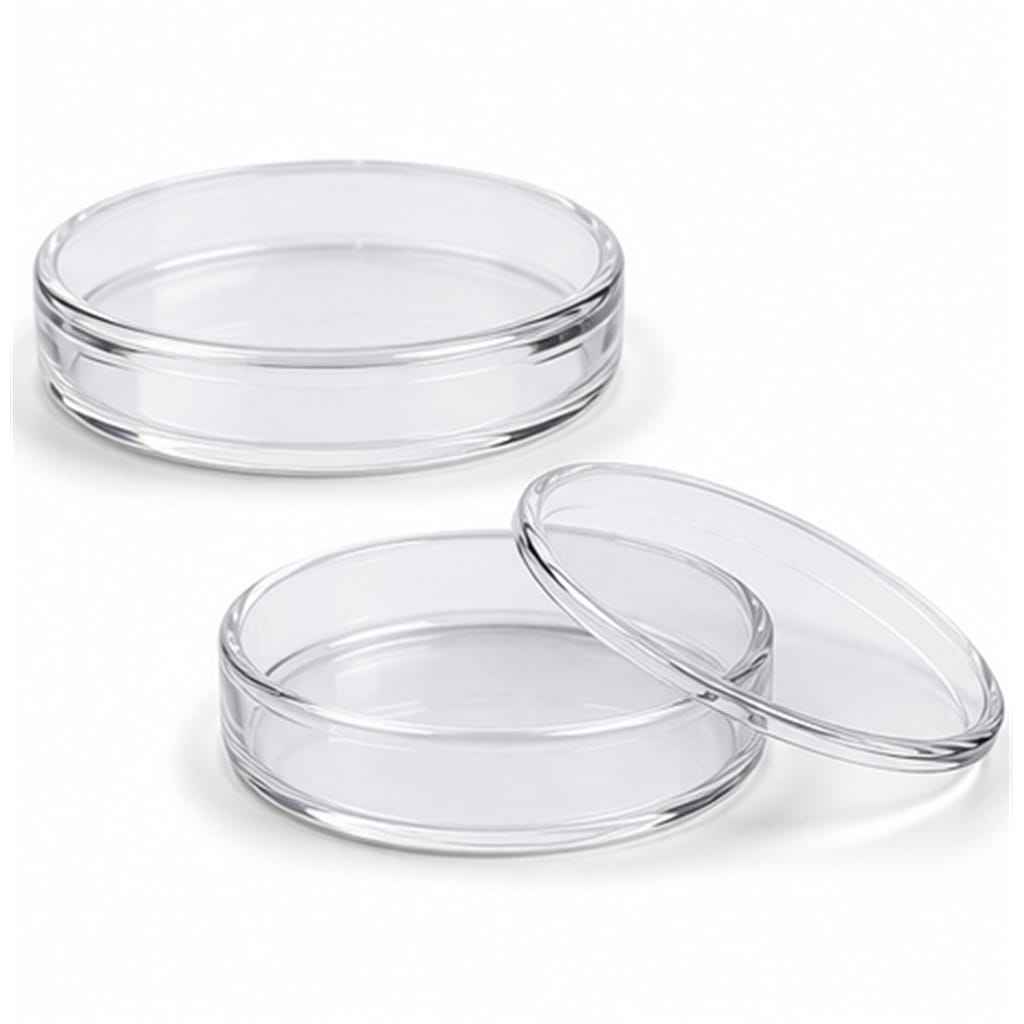
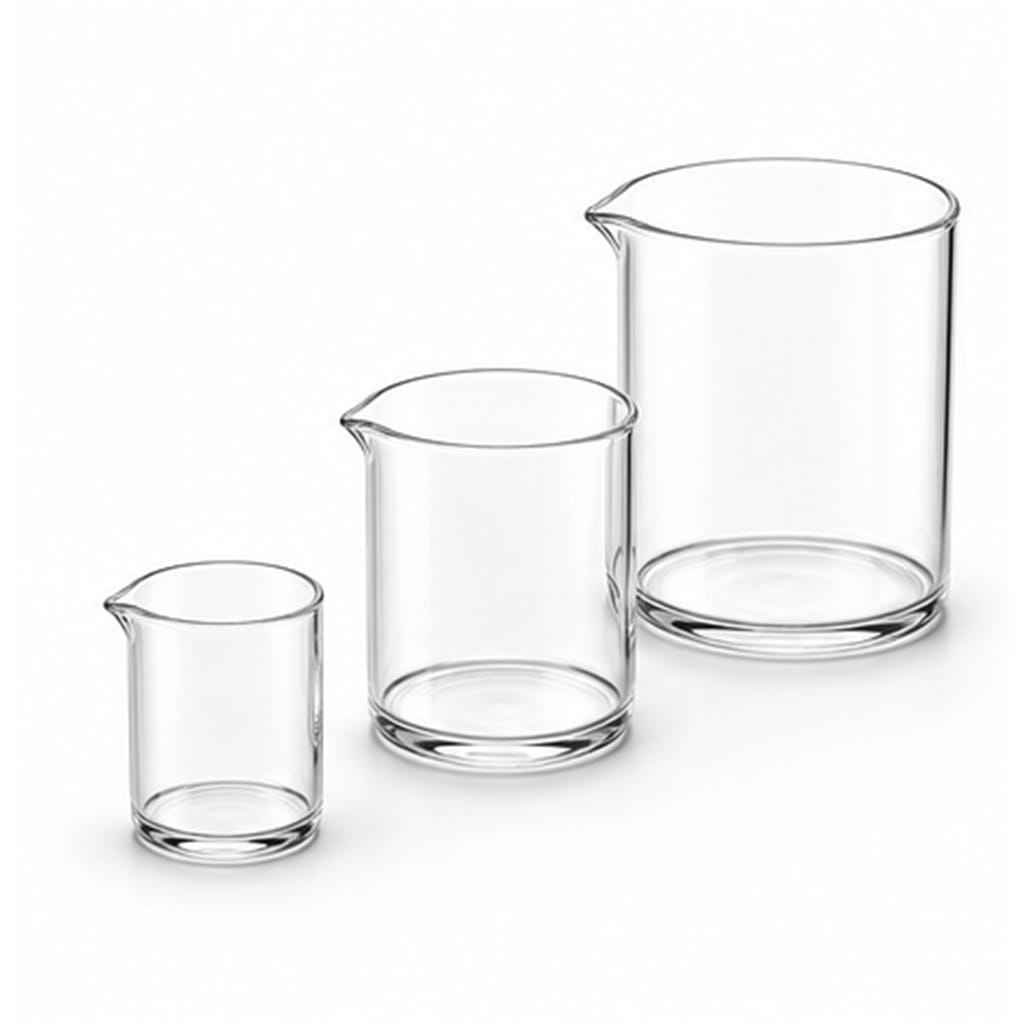
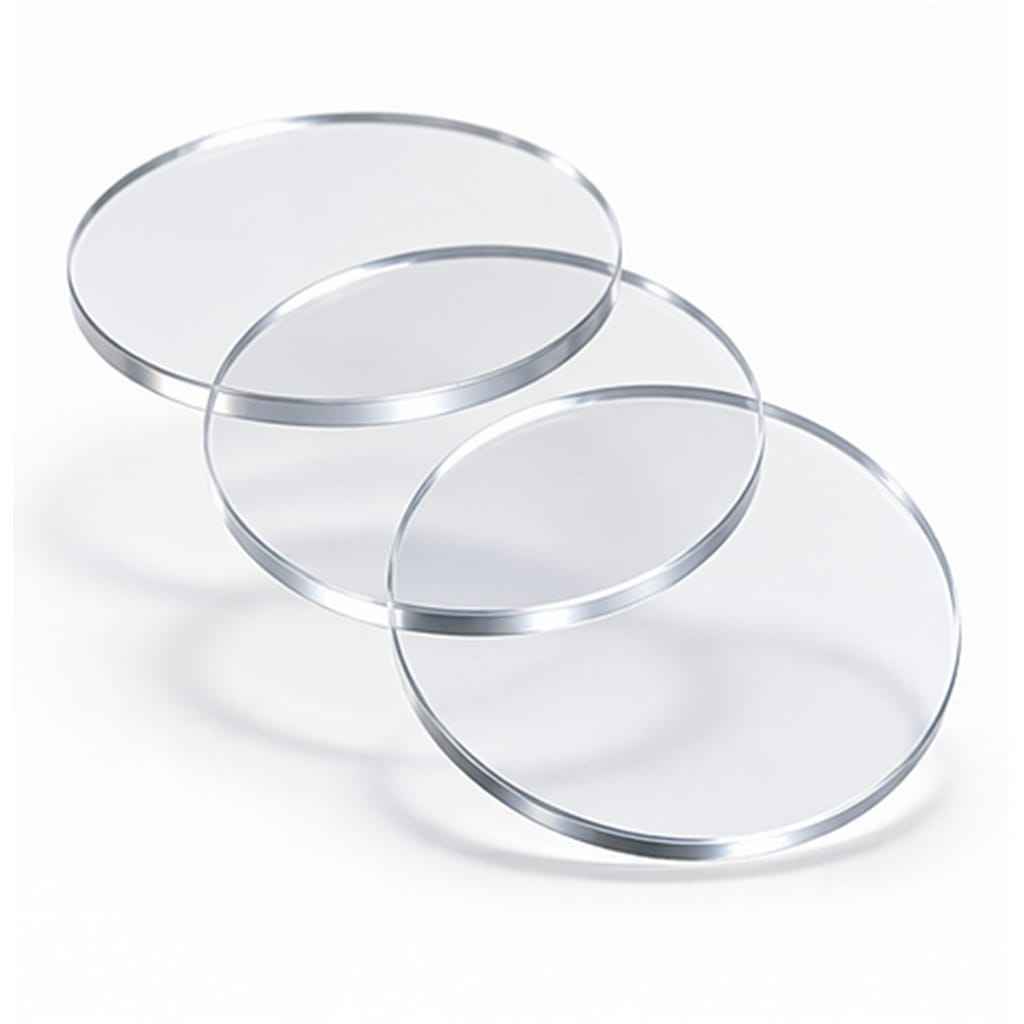
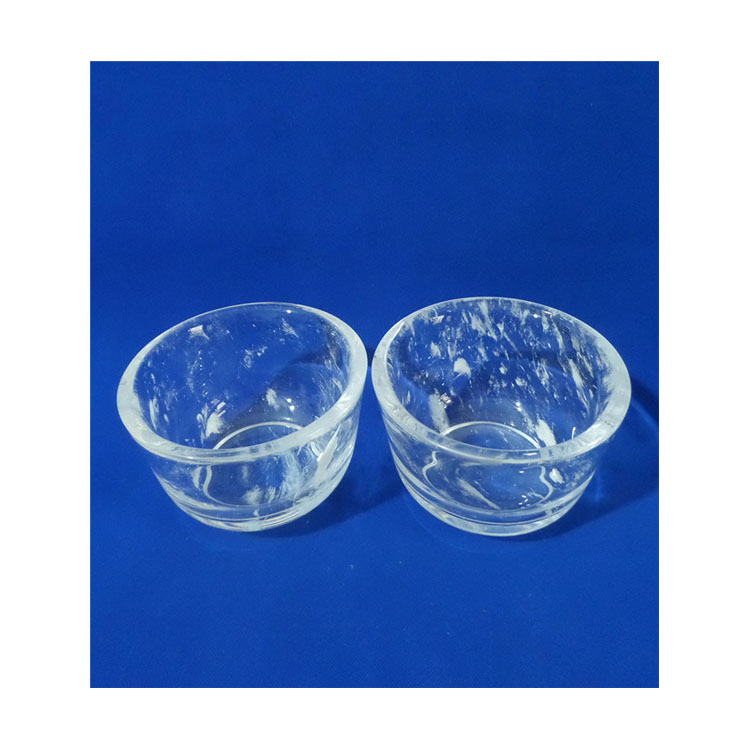
1. Executive Overview: China’s Role in Global Fused Quartz Glass Tubing Supply Chains
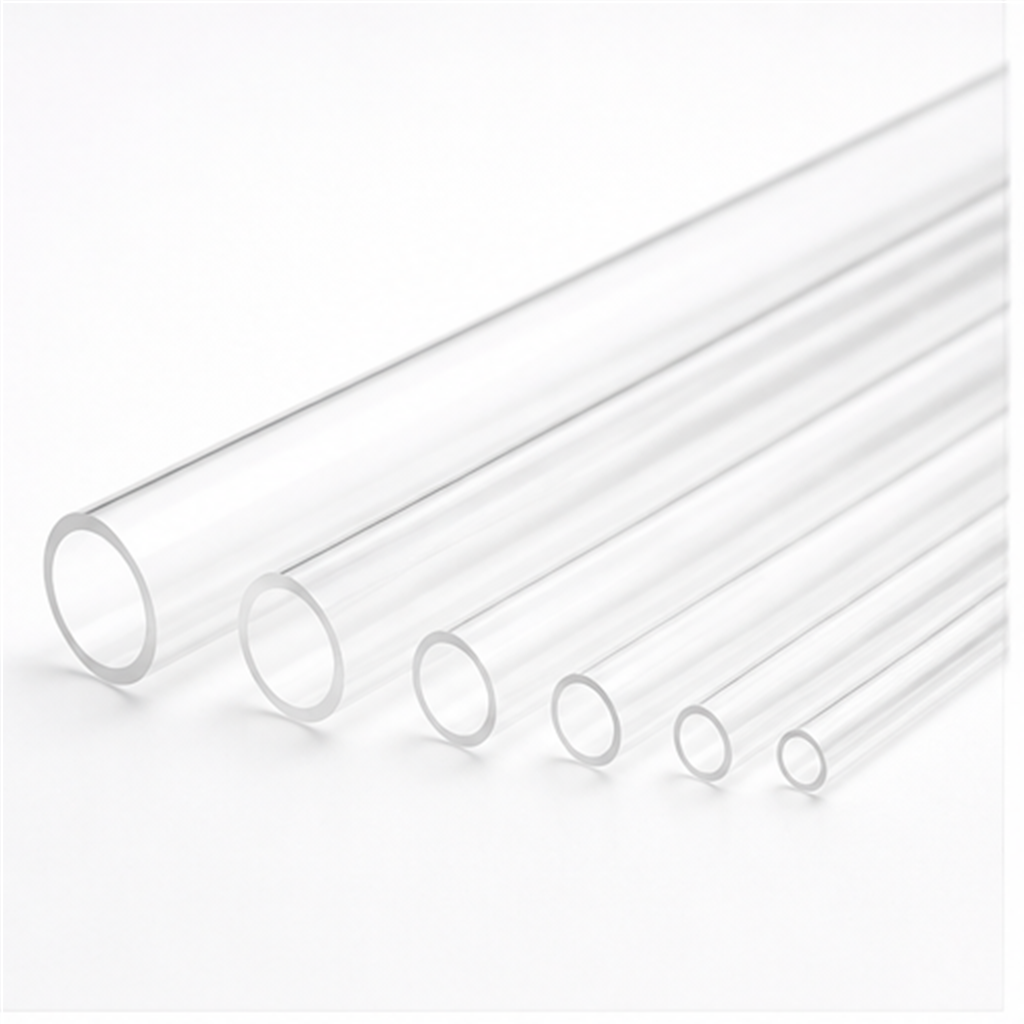
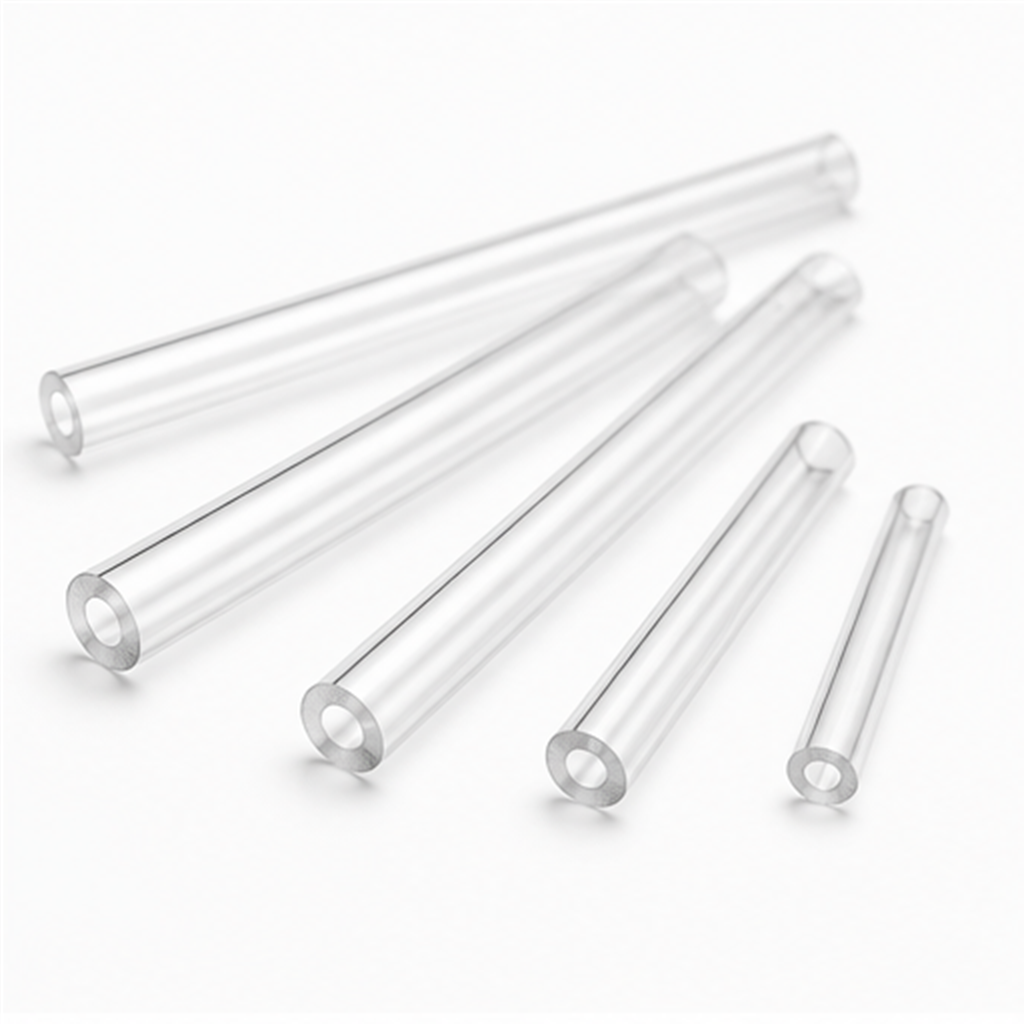
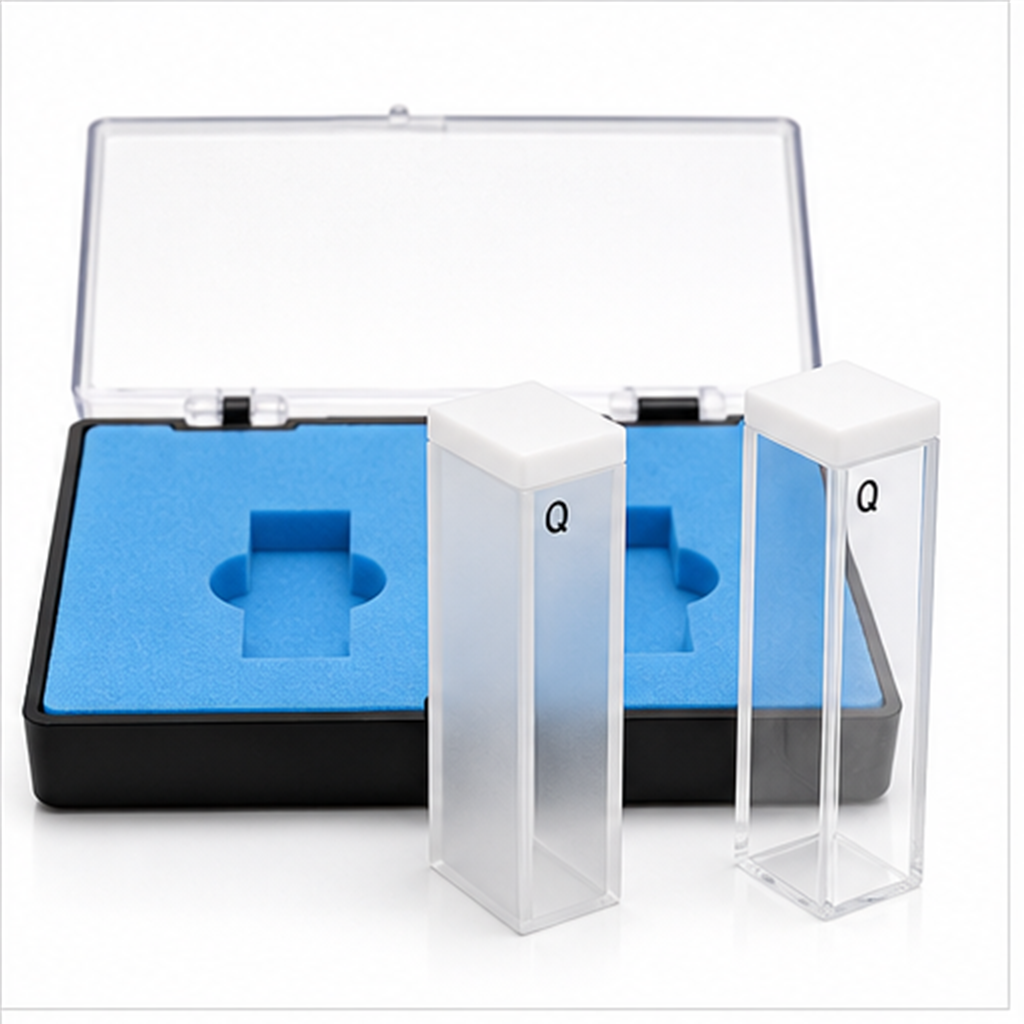
High-purity fused quartz glass tubing represents a fundamental enable material across state-of-the-art technology sectors including semiconductor wafer processing, photovoltaic cell fabrication, chemical synthesis, optical fiber production, and high-intensity ultraviolet (UV) sterilization. Sourced from natural quartz crystals or chemically synthesized silicon precursors, fused quartz possesses extraordinary thermomechanical, optical, and chemical resistance properties unattainable through standard soda-lime or borosilicate glass formulations.
China has emerged as the global epicenter for fused quartz tube manufacturing and thermal processing, driven by localized industrial clusters centered in regions such as Donghai County in Jiangsu Province—widely recognized as China's primary crystal capital. As direct technical buyers and enterprise procurement officers navigate complex international supply chains, identifying top-tier Chinese quartz tubing manufacturers requires evaluating not only initial price competitiveness, but more critically: chemical trace purity levels, dimensional tolerance controls, hydroxyl (OH⁻) content management, thermal stress relief annealing protocols, and technical compliance with international quality benchmarks like ISO 9001.
2. Material Science: Fused Quartz vs. Fused Silica Technical Matrix
Understanding the precise chemical and physical distinctions between natural fused quartz and synthetic fused silica is paramount for selecting the optimal material grade for target industrial processes:
- Fused Quartz (Natural Crystal-Derived): Manufactured by melting highly purified natural quartz sand ($SiO_2 \ge 99.99\%$). It exhibits remarkable thermal stability up to 1100°C continuous operation, minimal thermal expansion coefficient ($5.5 \times 10^{-7} / ^\circ\text{C}$), and superior dielectric strength. Ideal for furnace diffusion tubes, heating element sheaths, site glasses, and heavy-duty laboratory glassware.
- Synthetic Fused Silica (Chemical Precursor-Derived): Produced by flame hydrolysis of silicon halide chemicals ($SiCl_4$). It delivers absolute structural uniformity with near-zero trace metallic contaminants ($< 0.1\text{ ppm}$) and exceptional deep ultraviolet (UV) spectral transmission at wavelengths as low as 185 nm. Critical for photolithography photomasks, precision QCM sensor substrates, and high-grade optical windows.
| Property Parameter | Standard Fused Quartz Tube | High-Purity Low-OH Quartz Tube | Synthetic Fused Silica |
|---|---|---|---|
| $SiO_2$ Purity Level | ≥ 99.99% (4N) | ≥ 99.995% (4.5N) | ≥ 99.9999% (6N) |
| Hydroxyl ($OH^-$) Content | 100 - 200 ppm | < 5 ppm - 20 ppm | 10 - 1000 ppm (Grade Dependent) |
| Softening Point (°C) | ~1683 °C | ~1710 °C | ~1600 °C |
| Annealing Point (°C) | ~1215 °C | ~1250 °C | ~1120 °C |
| Max Continuous Temp (°C) | 1100 °C | 1150 °C - 1200 °C | 950 °C - 1000 °C |
| Thermal Expansion Coeff. | $5.5 \times 10^{-7} / ^\circ\text{C}$ | $5.4 \times 10^{-7} / ^\circ\text{C}$ | $5.8 \times 10^{-7} / ^\circ\text{C}$ |
| UV Transmission (254 nm) | 80% - 85% | 85% - 88% | > 90% (Deep UV) |
3. Future Procurement Trends in China Quartz Glass Tubing (2025–2030)
As advanced manufacturing sectors evolve globally, buyers sourcing quartz tubing from Chinese OEM suppliers must account for three major macro-trends shaping product development and procurement strategies:
A. Ultra-Large Outer Diameter (OD) & Wall Thickness Consistency for Solar PV
With the photovoltaic sector transitioning to high-efficiency TOPCon (Tunnel Oxide Passivated Contact) and Heterojunction (HJT) N-type solar cell architectures, diffusion and LPCVD process temperatures have escalated. Furnace tubes now require enlarged outer diameters (ranging from 300mm up to 600mm) while demanding strict dimensional uniformity along total lengths exceeding 3,000mm. Leading Chinese factories are investing in multi-axis CNC thermal drawing lathes to maintain wall thickness variations under $\pm 0.15\text{ mm}$, preventing thermal sagging and premature devitrification in high-throughput PV cell manufacturing lines.
B. Low-Hydroxyl ($OH^-$) Vacuum Annealing & Thermal Sagging Mitigation
In high-temperature semiconductor diffusion furnaces operating at $>1150^\circ\text{C}$, the presence of hydroxyl ions ($OH^-$) within the quartz molecular structure lowers viscosity, accelerates devitrification (transformation from amorphous silica to crystalline cristobalite), and leads to structural tube distortion. Procurement trends clearly indicate a surge in demand for double-vacuum vacuum-melted quartz tubes treated with specialized chlorine gas desiccation process steps to drive $OH^-$ levels below 5 ppm, extending tube service lifespan by 30% to 50% under severe thermal cycling.
C. High-Precision Secondary Machining & Cleanroom Assembly Integration
Global buyers are shifting away from purchasing raw, unpolished quartz stock tubing toward fully customized, ready-to-install quartz assemblies. Modern factories in China now provide comprehensive in-house secondary fabrication services: precision wire slicing, fire-polishing, CNC optical grinding, water-jet slot cutting, ground-glass joint tapering, precision capillary resizing, and Class 10,000 cleanroom ultrasonic washing and clean-pack wrapping.
4. Enterprise Advantages: Why Source from Donghai Kemzo Quartz Products Co., Ltd.
Situated in the heart of Donghai’s raw material hub, Donghai Kemzo Quartz Products Co., Ltd. has established itself as an authoritative ISO 9001-certified manufacturer and global exporter of high-purity fused quartz components since 2011. Serving international clients across North America, Europe, East Asia, and Oceania, Kemzo Quartz combines technical specialization with streamlined OEM/ODM direct factory supply chains.
Geographic & Raw Material Superiority
Direct proximity to Donghai’s high-grade natural silica reserves ensures uninterrupted access to premium quartz raw sand. This integrated upstream access reduces feedstock acquisition costs and guarantees continuous batch-to-batch chemical purity ($SiO_2 \ge 99.99\%$).
Strict ISO 9001 Quality Inspection Protocols
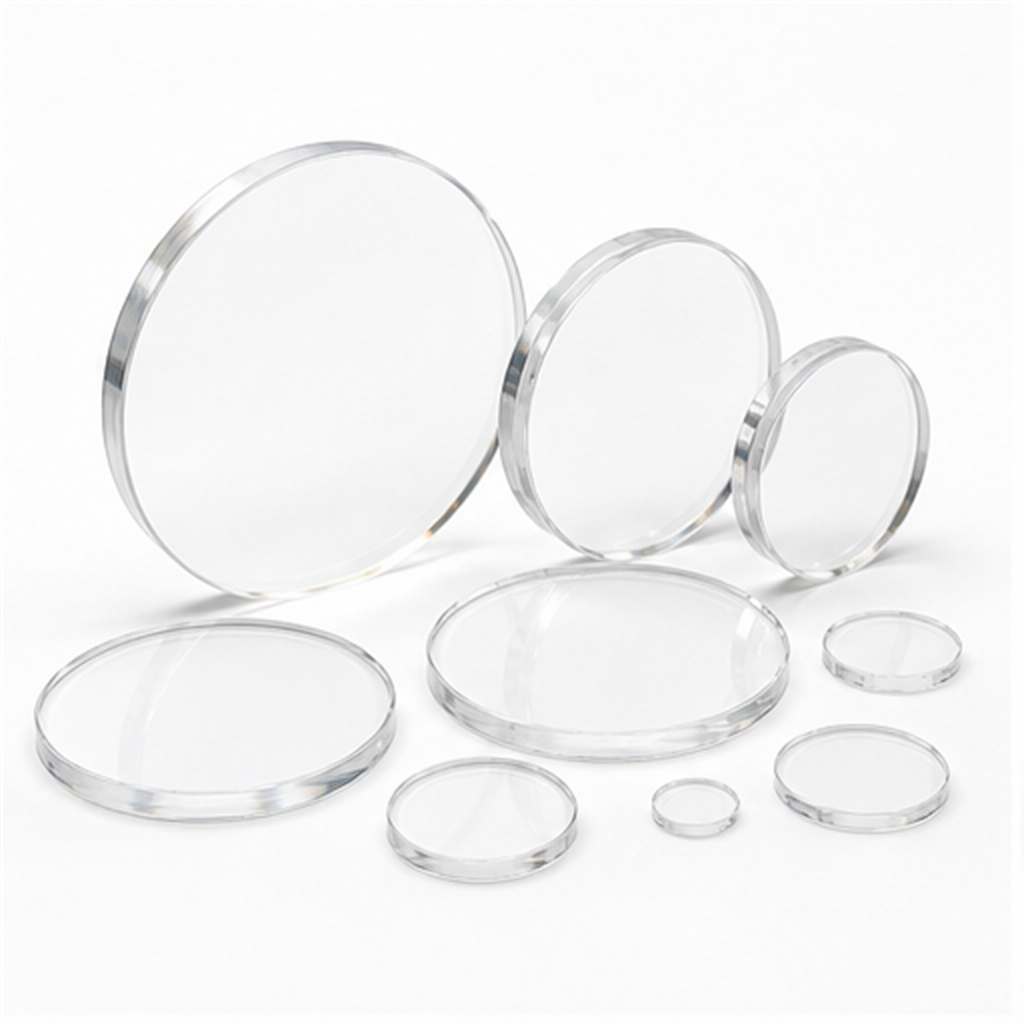
Every quartz tube, crucible, plate, and custom lathe-worked component undergoes multi-stage quality control. From raw material spectrum analysis to laser outer-diameter measuring, internal stress polariscope verification, and optical bubble/stripe rating, quality is strictly controlled prior to export packaging.
Full OEM / ODM Manufacturing to CAD Drawing
With 11+ years of engineering experience making custom quartz products, Kemzo Quartz provides turnkey manufacturing based on client-submitted 2D/3D technical drawings (STEP, DWG, PDF). In-house capabilities include thermal bending, sealing, flange fusing, edge chamfering, and optical polishing.
Specialized Export Packaging & Shock Mitigation
To eliminate fragile glass breakage during sea, air, and international express transit, Kemzo utilizes custom-molded high-density PE foam lining, individual tube isolation sleeves, shock-absorbing inner cartons, and fumigated export wooden crates engineered for global logistics safety.
5. Technical Sourcing Checklist for Procurement Managers
When requesting quotes and evaluating technical proposals from China quartz glass tube factories, enterprise purchasing agents should specify the following parameters in their Request for Quotation (RFQ) documentation to ensure complete quotation accuracy and avoid material mismatch:
- Dimensional Tolerances: Specify exact Outer Diameter (OD), Inner Diameter (ID), Wall Thickness (WT), Length (L), Straightness (mm/m), and Out-of-Roundness limits. Standard drawing tolerance is typically $\pm 0.2\text{ mm}$, whereas precision ground/drawn tubes can achieve $\pm 0.05\text{ mm}$ or tighter.
- End Finish Configuration: Indicate whether tube ends should be raw cut, machine-ground flat, fire-polished, flange-formed, flared, or fitted with standard taper ground-glass joints (e.g., $14/23, 24/29, 29/32$).
- Thermal Operating Envelope: State maximum working temperatures, thermal ramp rates (°C/min), continuous furnace run durations, and whether the tube will experience vacuum or positive pressurized atmospheres.
- Optical & Surface Defect Class: For sight glasses, lamps, or UV sterilization sleeves, define acceptable bubble sizes, maximum allowable airline inclusions per meter, and required optical transmission percentages at target wavelengths (e.g., 254 nm or 365 nm).
Quartz Glass Tubing Procurement FAQ
Clear engineering answers to critical purchasing, technical performance, and logistics questions.
Need Precision Quartz Tubing Manufactured to Spec?
Submit your CAD drawing, target dimensions, operating conditions, or volume requirements to receive expert engineering feedback and a competitive factory-direct quotation within 1 hour.