Featured Precision Quartz Products
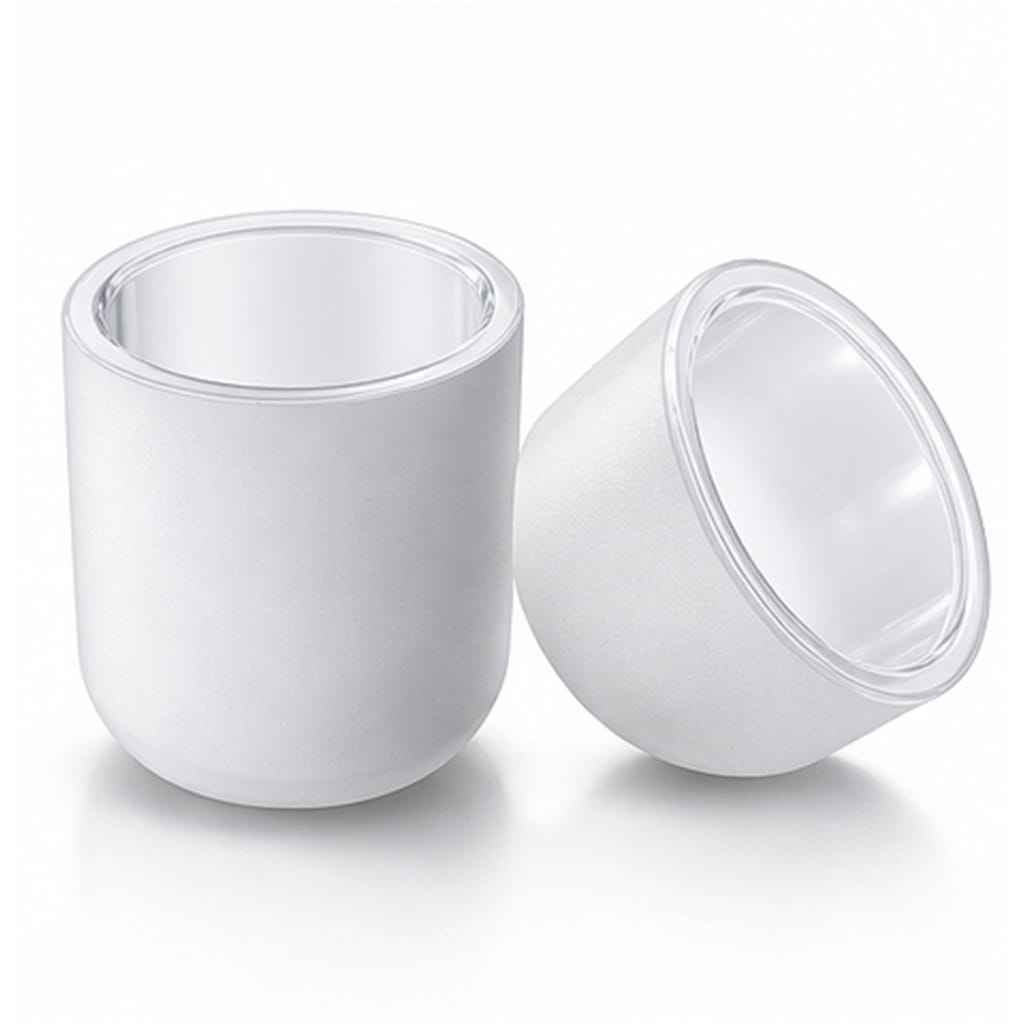
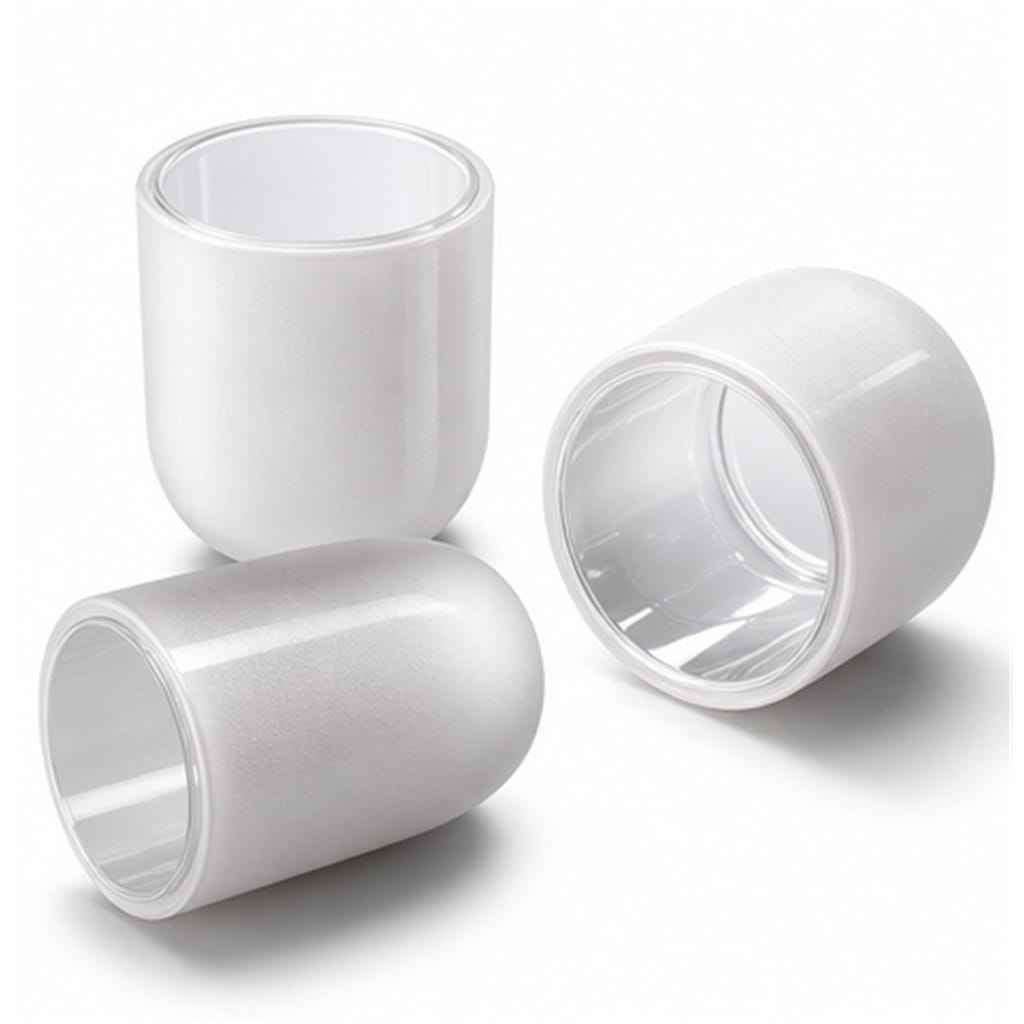
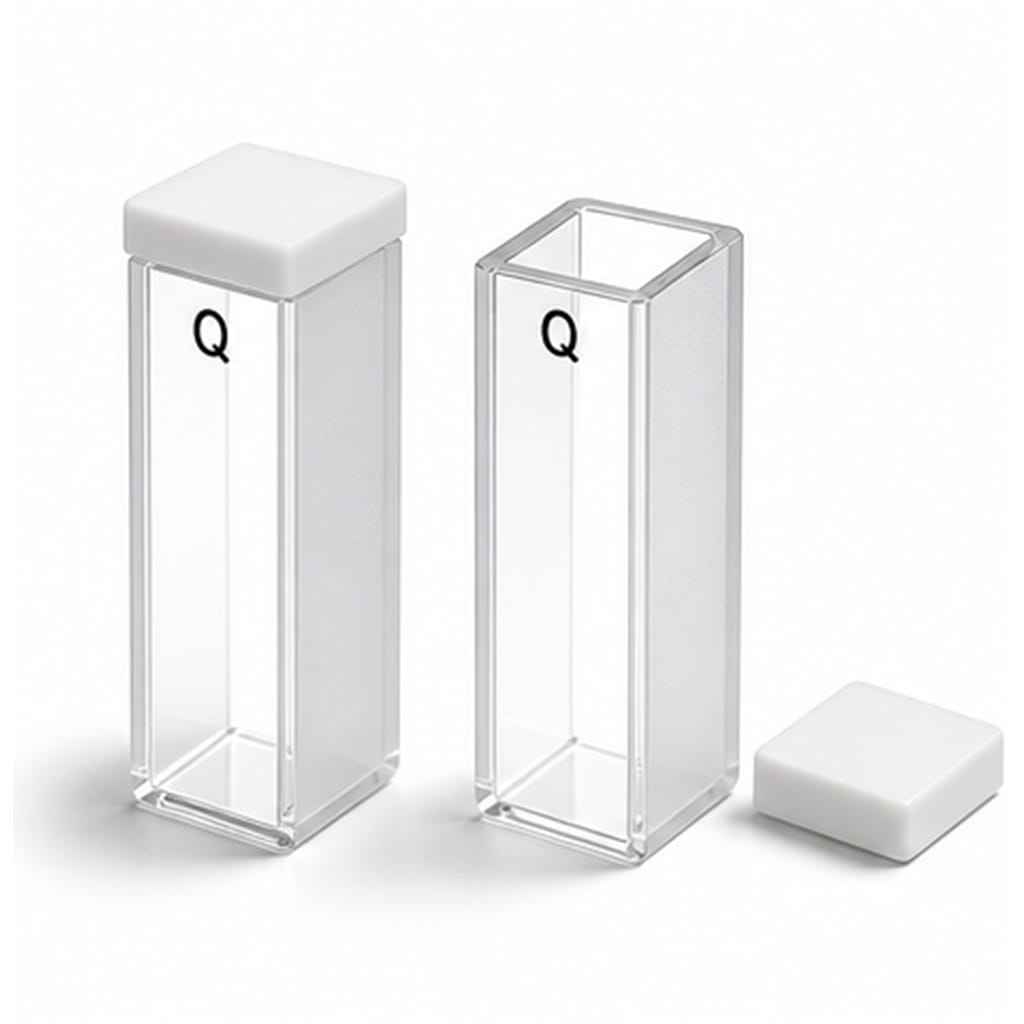
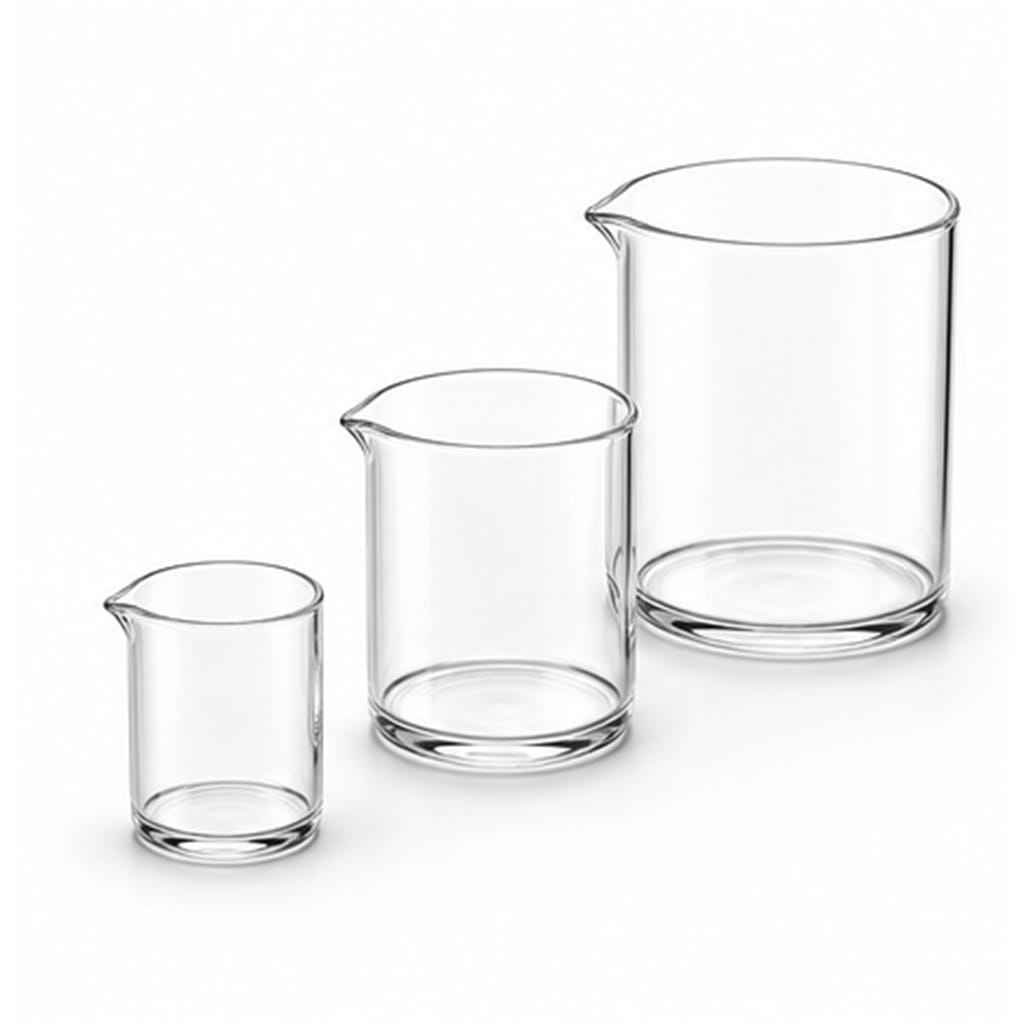
Direct factory export of ISO 9001 quality certified fused quartz cuvettes, crucibles, rods, and heavy-duty labware engineered for demanding laboratory and industrial applications.
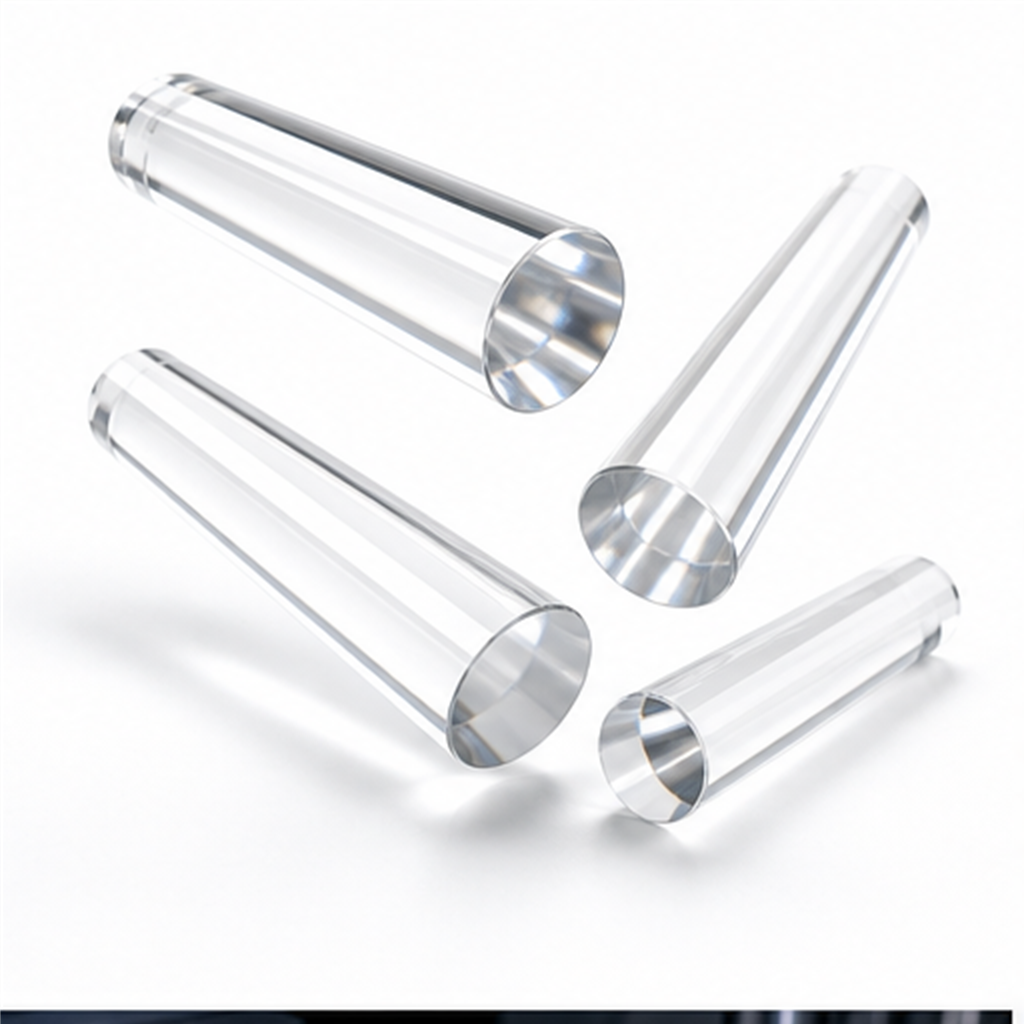
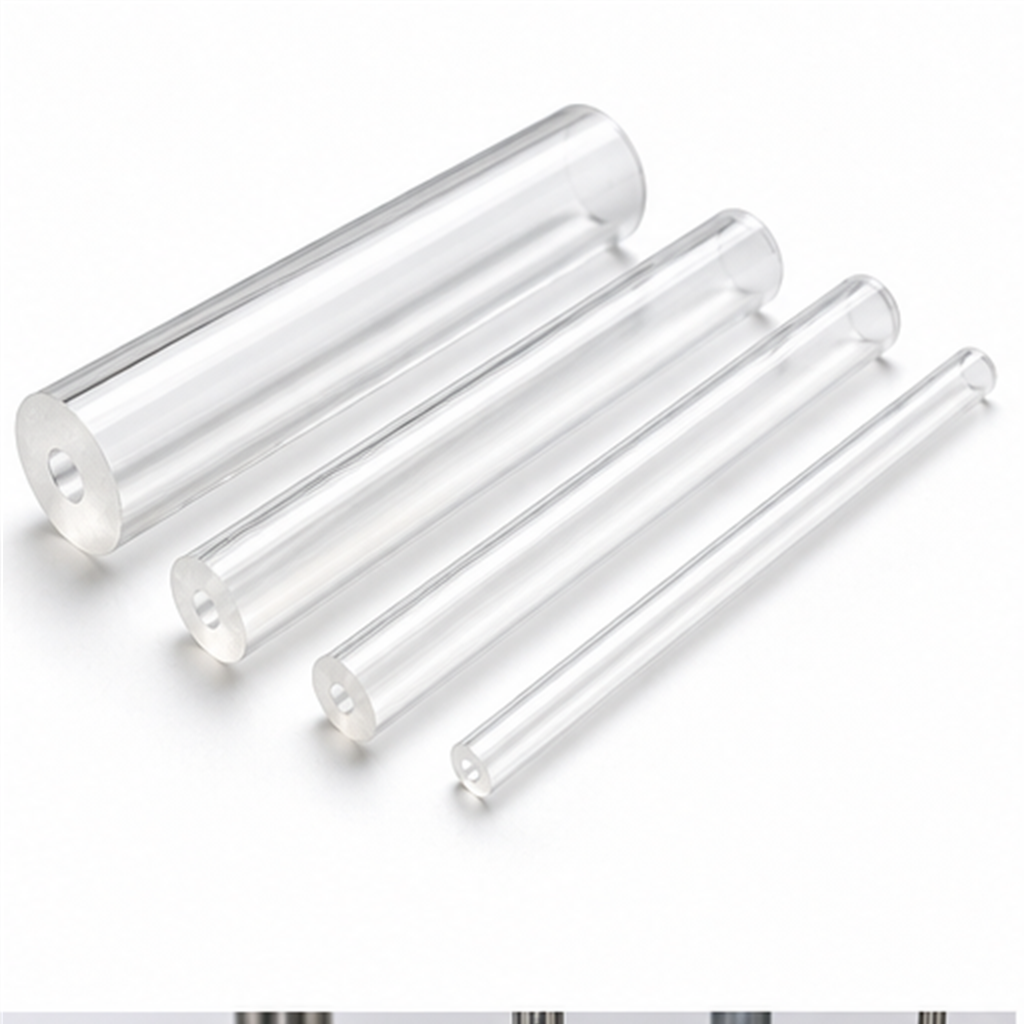
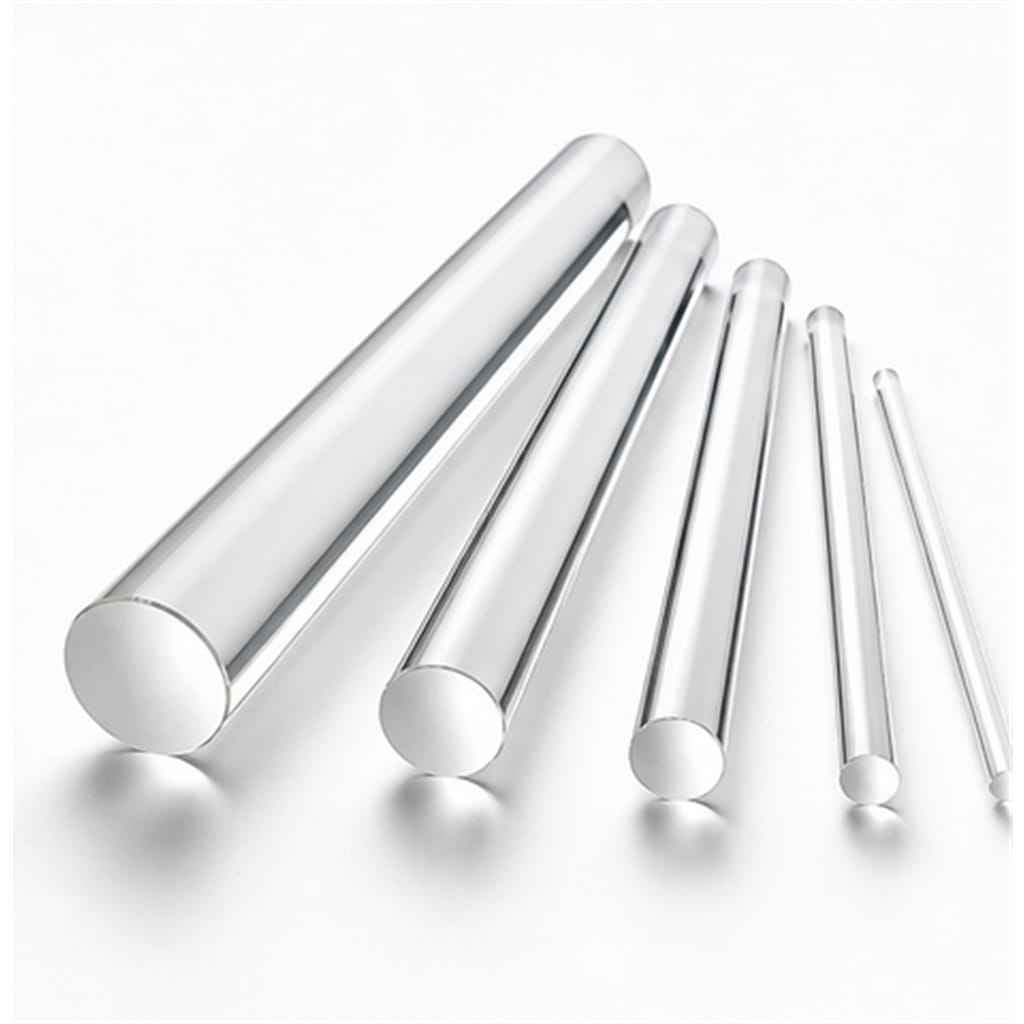
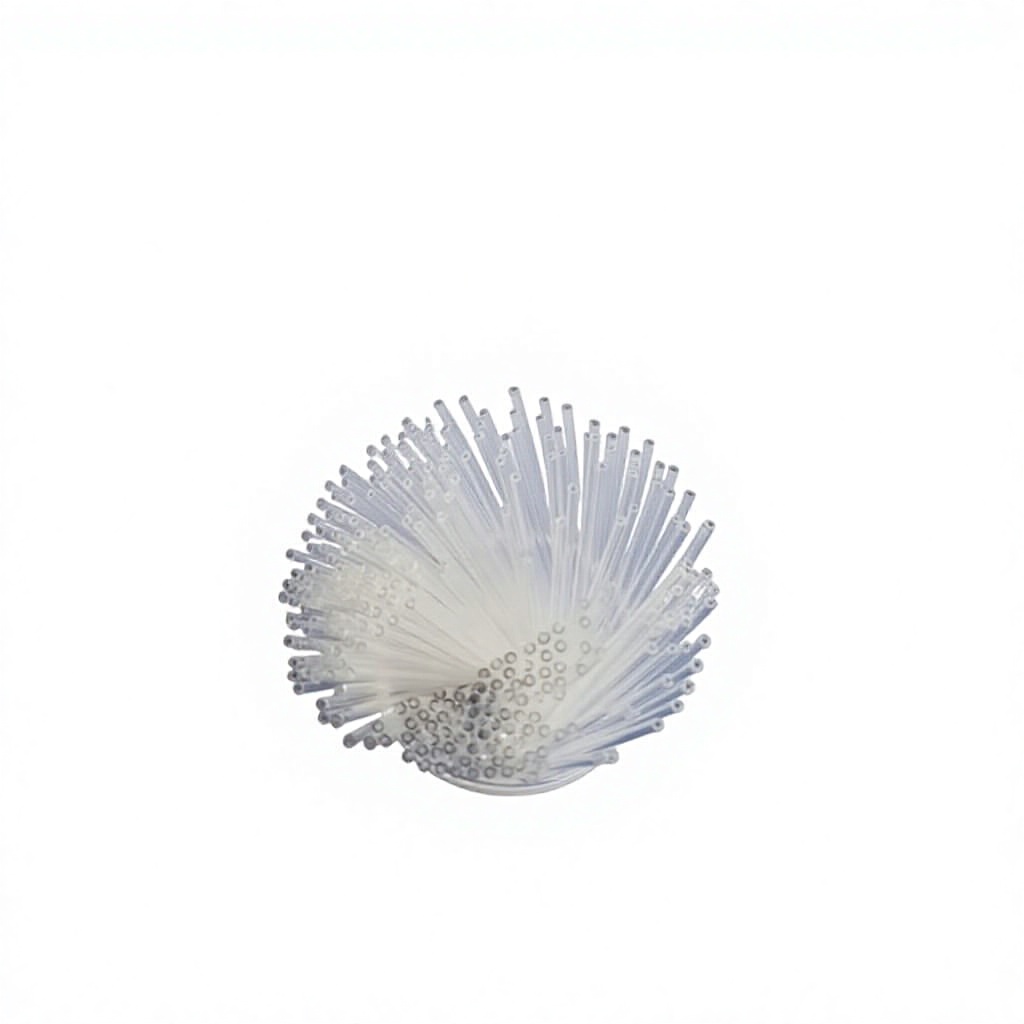
Engineering Whitepaper: Optical Quartz Synthesis & Material Grades
An authoritative technical guide on selecting optical glass materials, optical transmission curves, and thermal stability profiles for spectrophotometry and analytical research.
JGS1 Synthetic Fused Silica (Deep UV)
Synthesized from high-purity silicon compounds ($SiCl_4$), JGS1 material represents the pinnacle of optical transmittance in the Deep Ultraviolet (190 nm - 2500 nm) spectrum. Free from micro-bubbles, inclusions, and structural striations, JGS1 cuvettes exhibit zero fluorescence and superior resistance to high-energy UV laser radiation, making them indispensable for precision UV-Vis spectrophotometry, DNA/protein quantification, and high-performance fluorometry.
JGS2 Fused Natural Quartz (UV-Vis)
Melted from refined natural quartz crystal deposits abundant in the Donghai region, JGS2 provides exceptional optical clarity across the Standard UV and Visible Spectrum (220 nm - 2500 nm). Offering an optimal balance of economic efficiency and mechanical durability, JGS2 spectrophotometer cuvettes are the global benchmark for clinical chemistry, environmental water analysis, routine QA/QC testing, and academic laboratory applications.
JGS3 Infrared Optical Quartz (IR-NIR)
Processed under high-vacuum conditions to remove Hydroxyl ($OH^-$) groups down to $< 5 \text{ ppm}$, JGS3 optical quartz is specially optimized for Infrared and Near-IR Analysis (260 nm - 3500 nm). Eliminating the prominent absorption bands at $2.7 \mu m$, JGS3 infrared absorption cells deliver uncompromised signal resolution for petrochemical spectrophotometry, atmospheric gas sensing, and polymer spectroscopy.
Cuvette Bonding Technology & Optical Tolerances
Understanding how thermal fusion bonding prevents optical distortion, pathlength drift, and solvent leakage in photometric cells.
In high-precision spectrophotometry, the method used to assemble optical quartz cuvettes dictates measurement accuracy and cell longevity. Traditional cuvettes bound with organic epoxies or glass frits suffer from chemical dissolution when exposed to corrosive organic solvents (e.g., chloroform, toluene, concentrated acids). Leading OEM quartz exporters utilize Molecular Fusion Bonding (Direct Thermal Diffusion Bonding).
| Manufacturing Parameter | Molecular Thermal Diffusion Bonding | Glass Powder Frit Sintering | Epoxy Resin Adhesive |
|---|---|---|---|
| Optical Window Distortion | Zero Distortion ($\lambda/4$ Flatness) | Moderate Thermal Stress | High Stress Variance |
| Pathlength Accuracy | ± 0.005 mm (Ultra-Precision) | ± 0.020 mm | ± 0.050 mm |
| Chemical Solvent Resistance | 100% Inert (Acids, Bases, Solvents) | Degrades in Hydrofluoric & Hot Alkali | Dissolves in Organic Solvents |
| Operating Temperature Range | Up to 1100 °C Continuous | Up to 600 °C | Limited ($< 120 \text{ °C}$) |
| Spectral Artifacts / Leaching | None (Pure $SiO_2$ Interface) | Potential Flux Leaching | High Organic Leaching Risk |
| Typical Applications | Laser Fluorometry, Micro-Volume UV-Vis | Standard Routine Labware | Educational / Disposable Cells |
Future Sourcing & Industry Development Trends
Strategic insights for procurement managers, laboratory equipment distributors, and OEM instrument manufacturers navigating the 2025–2030 optical glass supply chain.
1. Shift Toward Micro-Volume & Flow-Through Dynamics
Biopharmaceuticals and genomic sequencing applications demand accurate spectroscopic measurements from minimal sample volumes ($0.5 \mu L$ to $50 \mu L$). Optical cuvette factories are pivoting production capacity toward micro-fluidic quartz cells, bubble-free flow cells, and multi-channel quartz chips capable of handling automated continuous sample profiling without cross-contamination.
2. Robotic Automation & SBS Format Compatibility
Modern analytical laboratories are adopting high-throughput robotic platforms. Procurement trends indicate a massive surge in demand for micro-cuvette quartz plates and optical cell blocks adhering strictly to Society for Biomolecular Screening (SBS) standard dimensional foot-prints, requiring automated robot-arm clearance and sub-micron edge tolerances.
3. Strict Traceability & ESG Environmental Compliance
Global regulatory bodies are imposing rigorous quality auditing on laboratory consumables. Top tier suppliers must provide full material batch certification, spectral verification certificates, and eco-friendly manufacturing footprints, including closed-loop chemical quartz refining and hazardous waste neutralization protocols.
Why Direct Sourcing from Donghai Kemzo Quartz Delivers Competitive Advantage
Located in Donghai County, Lianyungang—widely recognized as China's crystal capital—Donghai Kemzo Quartz Products Co., Ltd. has established an integrated supply chain ecosystem for high-purity quartz manufacturing since 2011.
Our facility combines regional raw material abundance ($99.99\% \text{ SiO}_2$ purity) with advanced CNC optical machining, cold surface polishing, and high-vacuum thermal annealing. Operating under an ISO 9001 accredited quality control framework and designated as a Jiangsu High Technology Enterprise, we deliver engineered quartz products to over 20 global territories.
Frequently Asked Questions (Procurement FAQ)
Expert technical responses to common questions regarding optical cuvettes, spectral performance, custom OEM capabilities, and international logistics.
What is the functional difference between quartz cuvettes and standard optical glass cuvettes?
Quartz cuvettes (fused silica) allow light transmission across a broad spectrum from 190 nm (UV) to 2500 nm (NIR). Standard optical glass or polystyrene disposable cuvettes absorb ultraviolet light below 340 nm, making them useless for UV spectroscopy. Additionally, quartz cuvettes withstand extreme chemical exposure, high operating temperatures (up to 1100 °C), and thermal shock, whereas glass and plastic deform or dissolve.
How do you guarantee pathlength accuracy across large production runs?
Our manufacturing plant uses precision double-sided optical grinding and high-accuracy laser interferometers to measure internal light path dimensions. Standard cuvettes hold a pathlength tolerance of ±0.005 mm (such as standard 10mm cells). Every export batch comes with a certificate of optical calibration upon request.
Can you manufacture custom micro-volume cells or specialized optical flow cuvettes from custom drawings?
Yes. With over 11 years of specialized OEM/ODM engineering experience, we fabricate custom cuvettes, micro-fluidic flow cells, demountable cells, jacketed constant-temperature cuvettes, and multi-path optical windows according to customer-supplied STEP, DWG, or PDF engineering drawings.
What cleaning and maintenance procedures are recommended to preserve cuvette optical clarity?
Quartz cuvettes should be rinsed immediately after use with high-purity solvents or deionized water. For stubborn organic residues, soak in a dilute nitric acid solution (10-20%) or specialized non-alkaline lab detergent. Never scrub optical windows with abrasive materials or ultrasonic baths that utilize coarse glass-striking wire baskets, as this causes microscopic scratches (scratch-dig degradation).
How are fragile optical quartz components packaged to prevent damage during global transit?
Each optical cuvette is enclosed in individual anti-static, shock-absorbing EVA foam slotted boxes, sealed in moisture-proof dust bags, and packed within export-grade multi-layer corrugated master cartons or customized wooden cases. Our breakage rate during international air and sea transit is maintained below 0.1%.
What are your standard export delivery terms and lead times?
We support flexible Incoterms including FOB, CFR, CIF, EXW, DDU, DAF, and express door-to-door delivery. Standard products ship within 3-7 business days, while custom OEM quartz components typically require 2-3 weeks depending on geometry and optical polishing specifications.
Request a Custom Quartz Cuvette Quotation & Technical Evaluation
Need high-precision optical cuvettes, custom pathlength absorption cells, or bulk fused silica laboratory components? Send your technical specifications or CAD drawings to our engineering team for a rapid response within 1 hour.