Precision Quartz Glass Products & Component Portfolio
Explore our core catalog of high-purity fused quartz products engineered for extreme thermal stability, chemical resistance, and micro-precision tolerances in demanding laboratory and semiconductor environments.
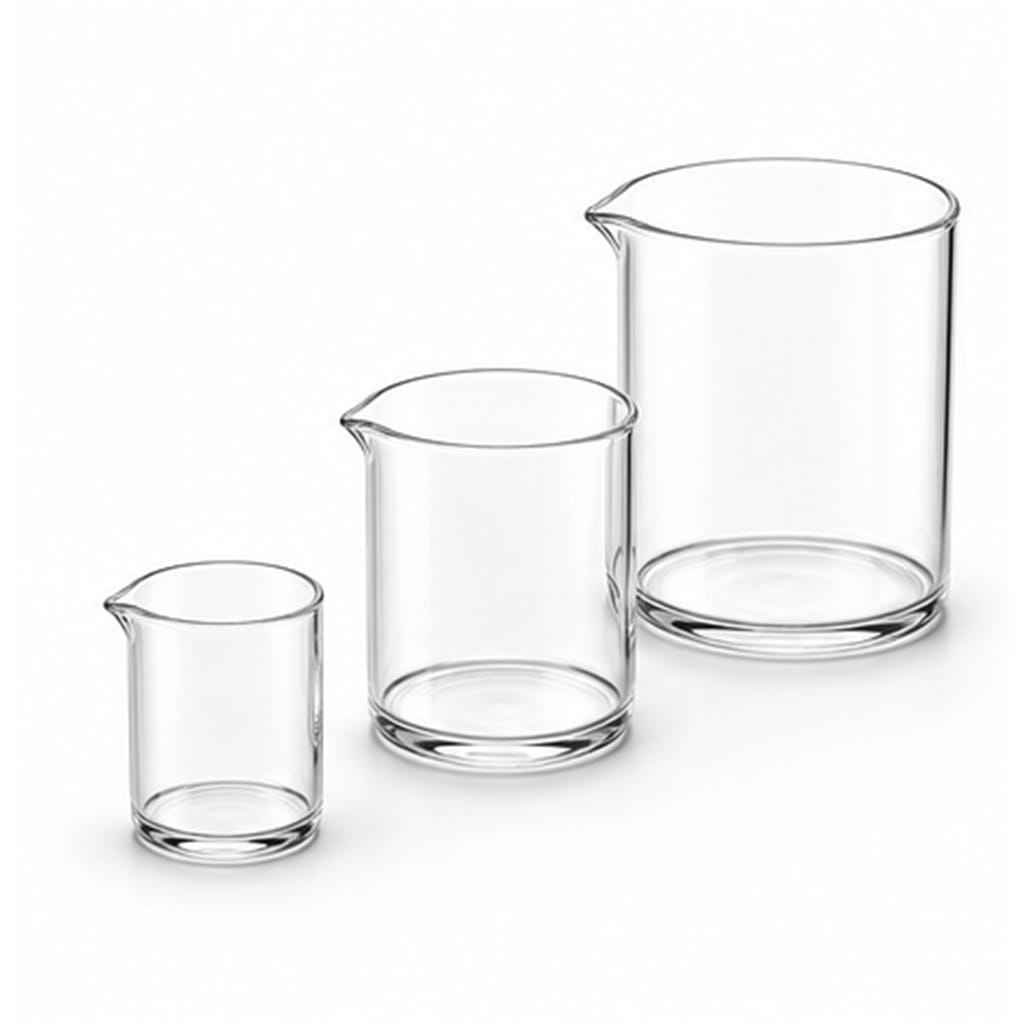
Clear Fused-Quartz Laboratory Beakers with Molded Pouring Spout for Acid-Resistant Chemical Heating
View Product Details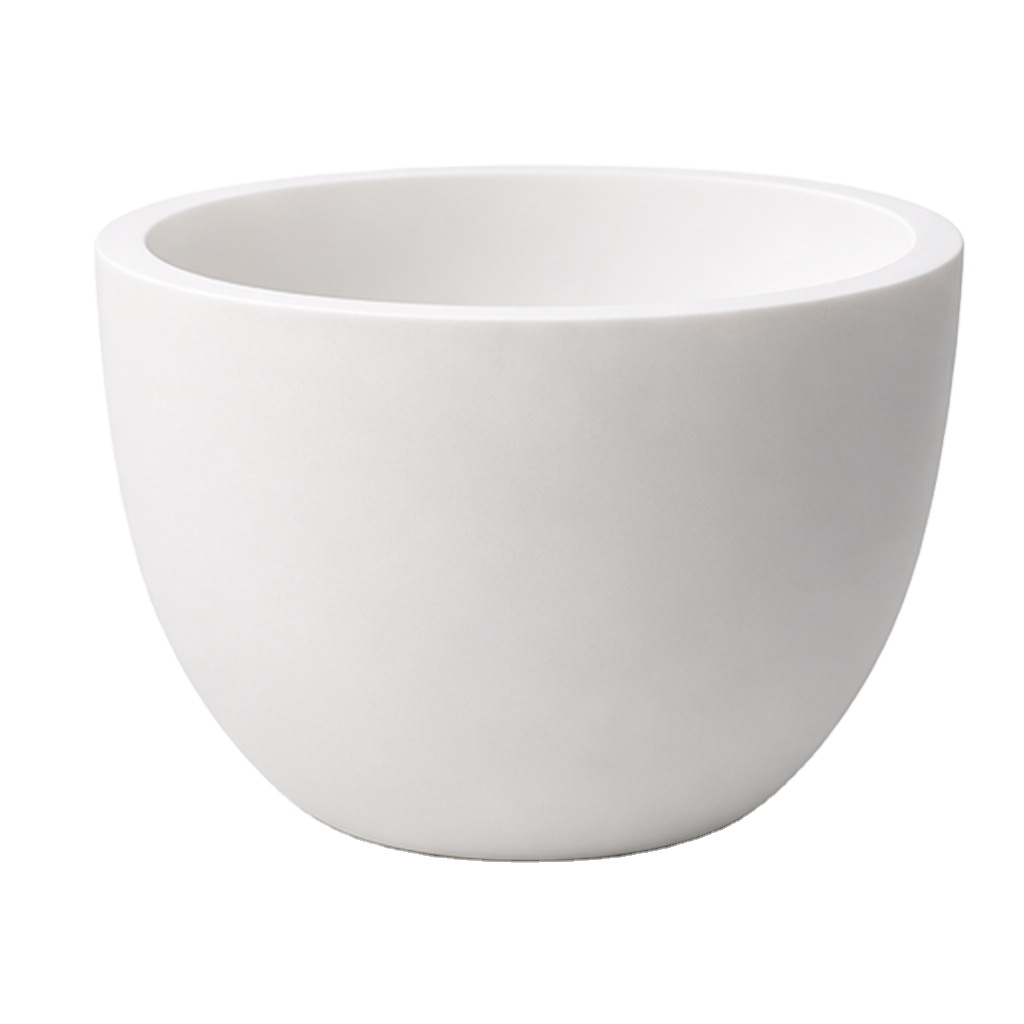
10 Inch High Purity Opaque Milky Fused Quartz Crucible for High Temp Melting Casting
View Product Details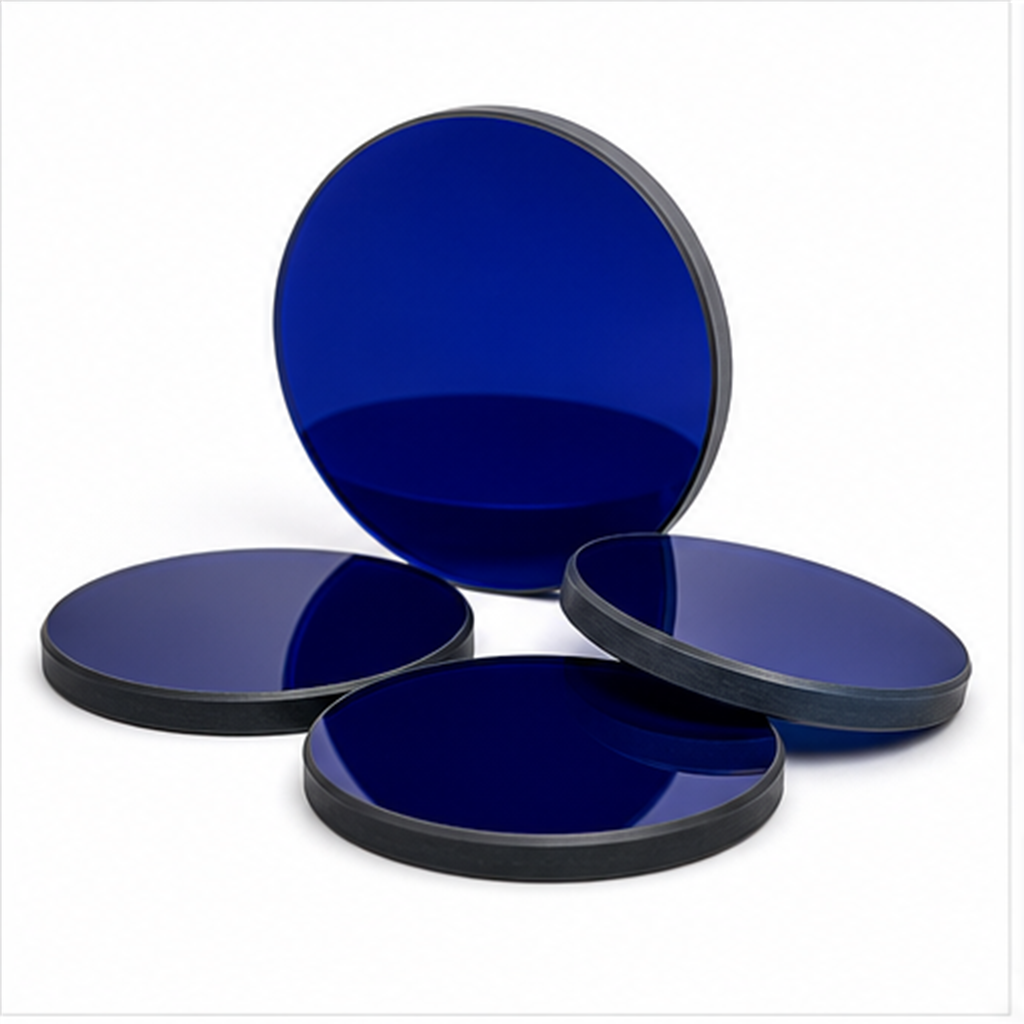
Optical Cobalt Blue Glass Disc Circular Filter Furnace Sight Glass Window
View Product Details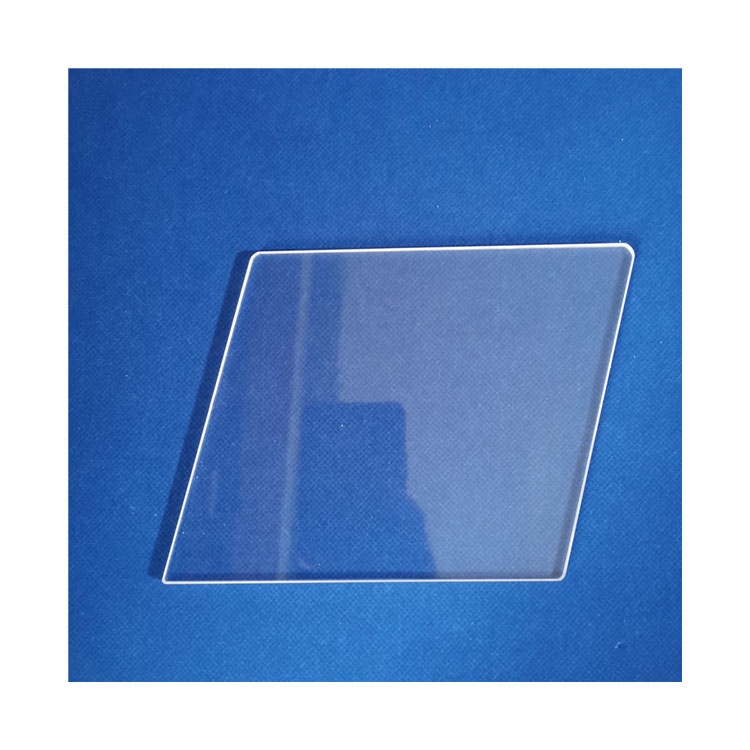
Clear Fused Silica Quartz Glass Plate Transparent Square 0.5-100mm for Optical Semiconductor Industry
View Product Details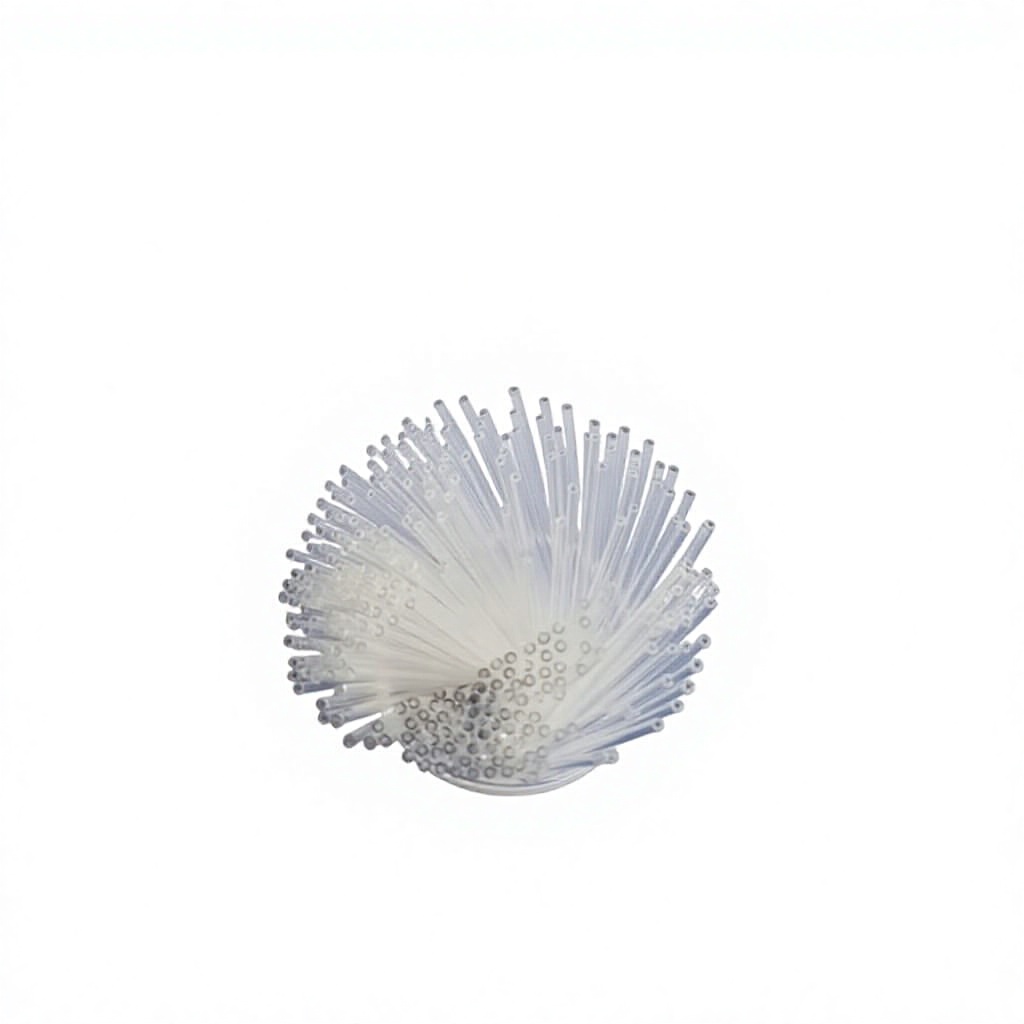
Custom Size Translucent Capillary Quartz Tube Polished Twin Pipe Ozone Free Chemical Industry
View Product Details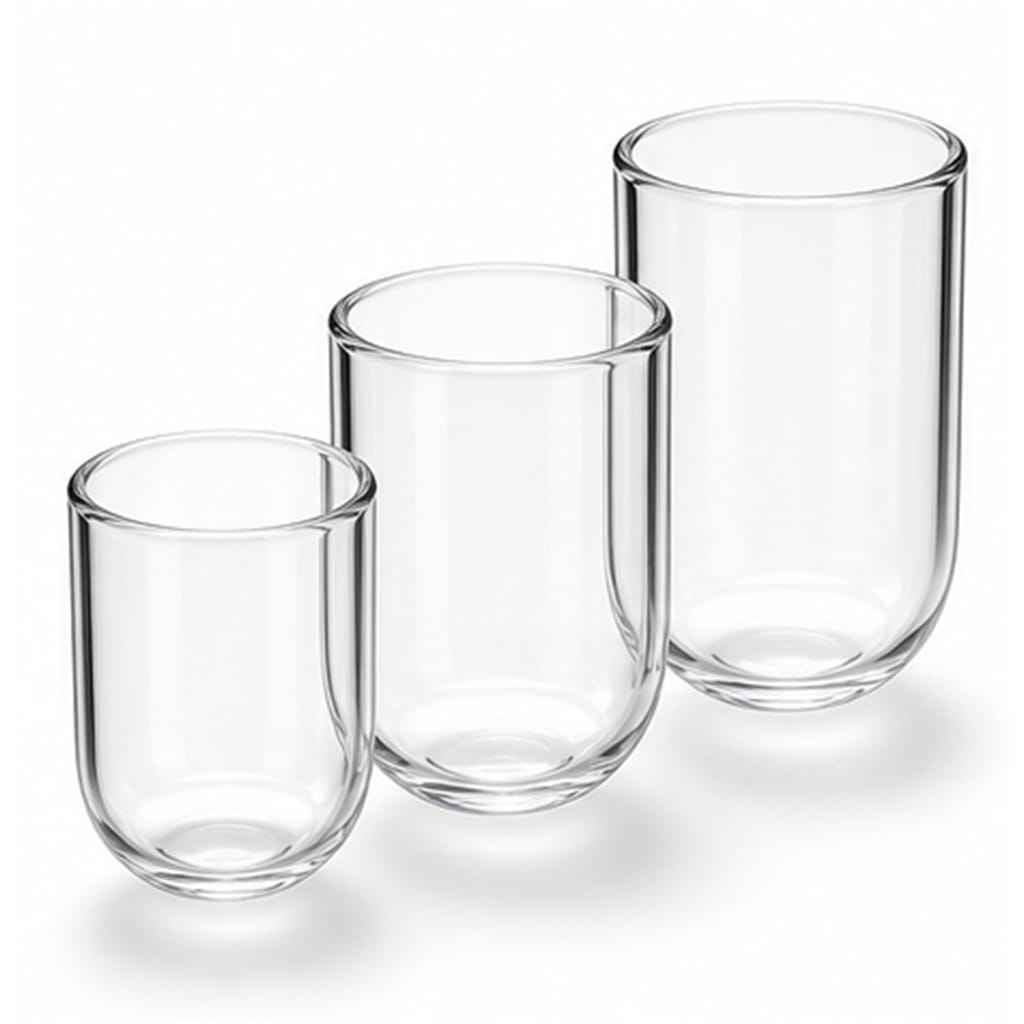
Clear Fused-Quartz Melting Crucibles with Fire-Polished Rims for High-Temperature Laboratory Muffle Furnaces
View Product Details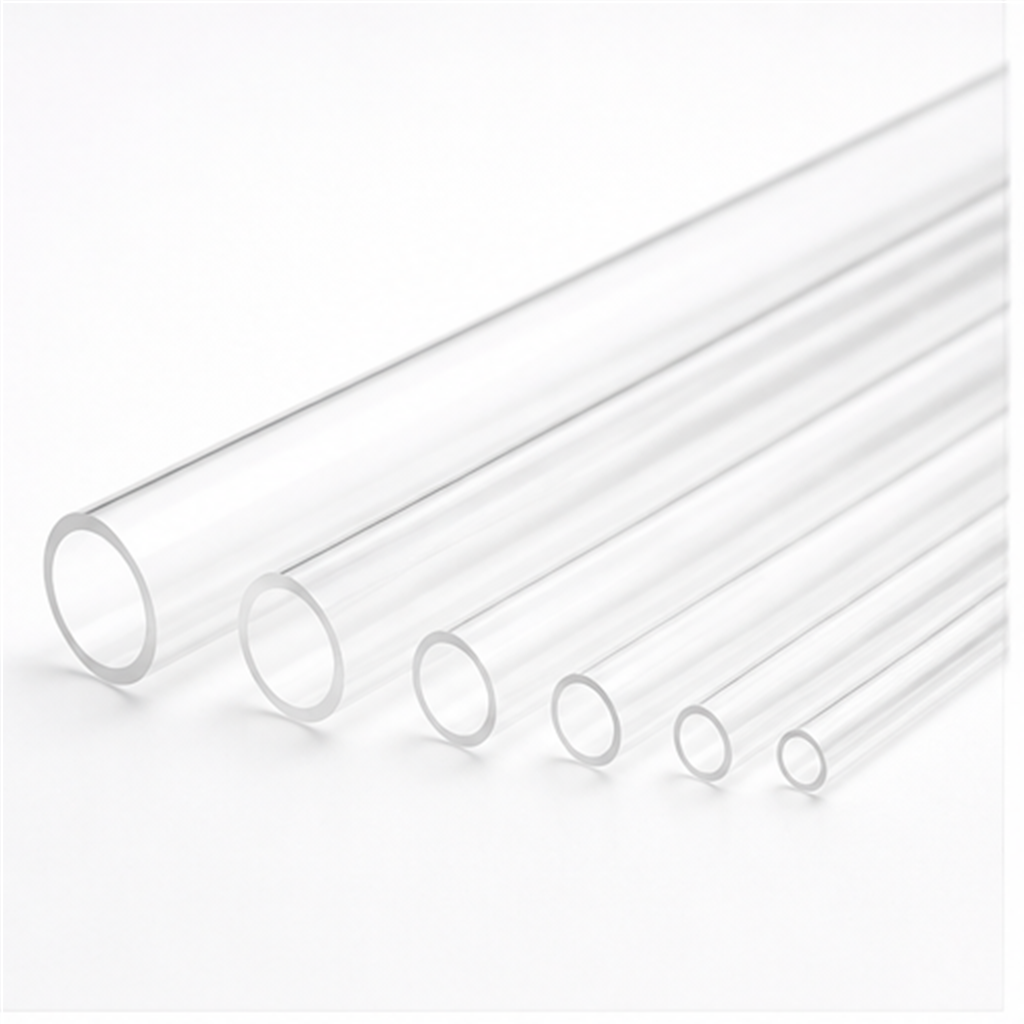
High Purity Clear Fused Quartz Glass Tube Flat Cut Unpolished Ends
View Product Details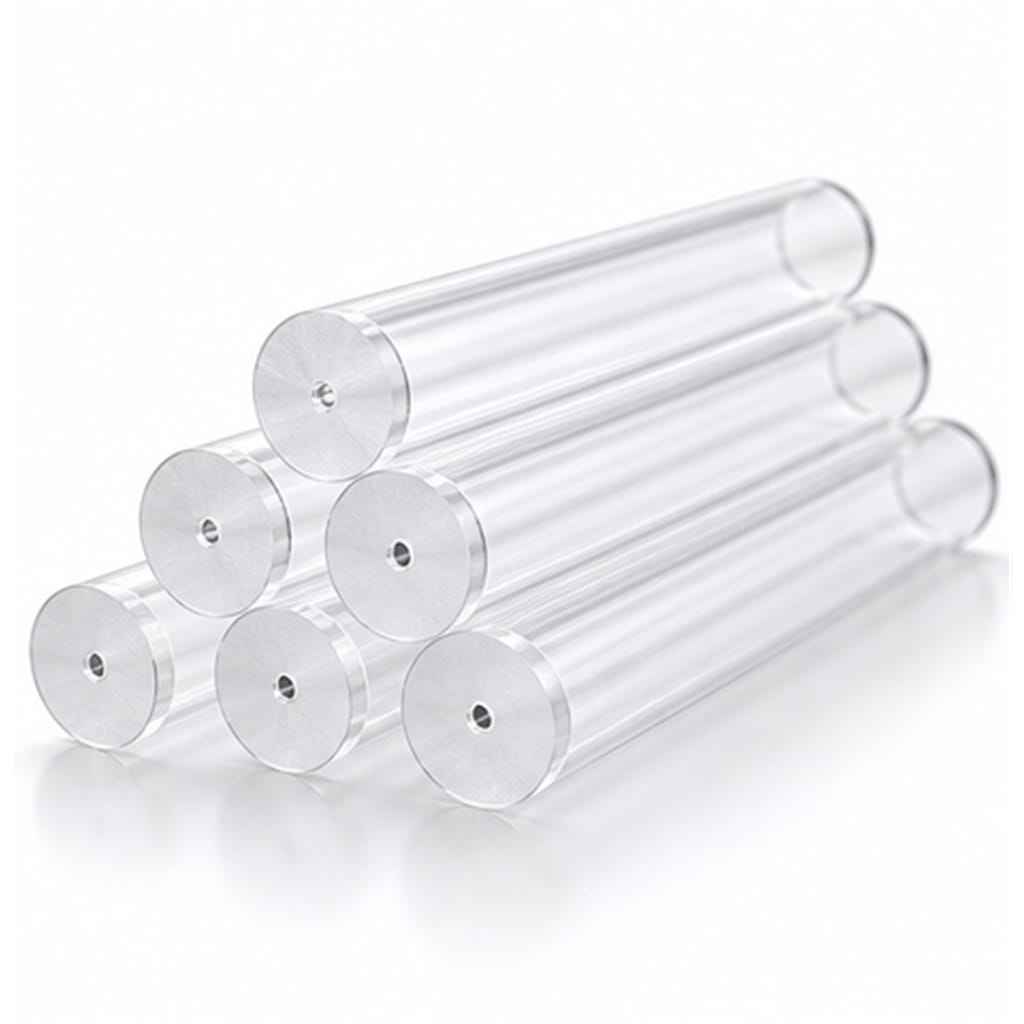
Capillary Micro-Bore Fused-Quartz Tubes with Precision Small Aperture for GC Chromatography and Microfluidics
View Product DetailsThe Critical Role of Precision Quartz Boat Carriers in Next-Gen Microelectronics & Photovoltaic Fabrication
In advanced semiconductor thermal processes—such as high-temperature diffusion, oxidation, annealing, and Low-Pressure Chemical Vapor Deposition (LPCVD)—the physical and chemical integrity of wafer carriers is paramount. Fused quartz boat carriers serve as the unyielding backbone of high-yield silicon substrate processing.
As semiconductor node geometries shrink below 5nm and photovoltaic architectures transition toward N-type TOPCon and HJT cells, thermal stability, impurity migration, and dimensional tolerances during thermal cycling dictate ultimate device yield. High-purity fused silica (synthetic and natural crystal quartz) provides an unparalleled combination of ultra-low thermal expansion (5.5 × 10⁻⁷/°C), supreme thermal shock tolerance, high softening temperatures (~1683°C), and exceptional chemical inertness against aggressive cleaning solutions such as hydrofluoric (HF) and nitric (HNO₃) acid blends.
Key Technical Benchmark: Why Fused Quartz Outperforms Alternative Carrier Materials
Unlike metal or ceramic carriers that risk metallic ion migration (such as Sodium, Iron, or Copper contamination) at temperatures exceeding 1000°C, high-purity quartz carriers maintain trace impurity levels below 0.1 ppm. Furthermore, their matched coefficient of thermal expansion (CTE) with quartz process tubes reduces thermal stress gradients during rapid ramping cycles, preventing catastrophic thermal shattering and wafer warping during thermal processing.
Material Analysis: Fused Quartz vs. Silicon Carbide (SiC) vs. High-Purity Graphite
Understanding material trade-offs is essential for fab procurement managers and process integration engineers selecting wafer carrier systems.
| Performance Characteristic | High-Purity Fused Quartz | CVD Silicon Carbide (SiC) | High-Purity Graphite (PyCoated) |
|---|---|---|---|
| Maximum Working Temperature | 1150°C (Continuous) / 1350°C (Peak) | 1400°C - 1600°C | 2000°C+ (Inert Gas Only) |
| SiO2 Chemical Purity | > 99.99% (Trace impurities < 15 ppm) | Purity varies with substrate grade | Requires thick CVD SiC coating |
| Thermal Expansion (CTE 20-300°C) | 5.5 × 10⁻⁷ / °C (Ultra Low) | 4.5 × 10⁻⁶ / °C (Moderate) | 4.0 × 10⁻⁶ / °C (Moderate) |
| Resistance to Acid Cleaning (HF/HNO3) | Controlled etch rate; highly cleanable | Resistant to HF; vulnerable to alkali | Degrades rapidly if coating breaks |
| Cost-to-Performance Ratio | Optimal (Ideal for Fab CAPEX/OPEX) | High Initial Investment (3x-5x Quartz) | Moderate (High maintenance cost) |
| Particle Generation / Outgassing | Zero outgassing; virtually non-particulating | Low; requires mechanical polishing | High risk if pyrolytic layer flakes |
Future Procurement Trends in Quartz Boat Carrier Sourcing
Global semiconductor fab expansions and solar gigawatt-capacity plants are changing how supply chain executives evaluate and purchase quartz glass carriers.
1. Transition to 300mm & Larger Wafer Scaling
Fabs are migrating to larger wafer formats (300mm in semiconductors and 210mm/M10/M12 in solar cells). This shift demands larger quartz boats that maintain structural rigidity without sagging or inducing non-uniform wafer pitch tolerances under thermal loads.
2. Ultra-High-Purity Synthetic Materials
Sub-3nm chip production mandates synthetic fused silica carriers with zero micro-bubbles and hydroxyl (OH) content tailored for UV laser and high-temp vacuum diffusion, preventing alkali ion migration during critical gate oxidation steps.
3. Automated Material Handling System (AMHS) Integration
Modern automated 300mm fabs utilize robotic end-effectors for boat loading. Sourcing requirements now mandate micron-level slot pitch consistency, laser-checked flatnesses, and custom pin/flange interface dimensions for seamless AMHS dock landing.
4. Strategic Direct-Factory OEM Supply Chains
To eliminate supply disruption and intermediary markup, global buyers are partnering directly with integrated raw material processors and precision flame-fabrication centers located in key mineral clusters like Donghai, China.
Technology Development Trends in Quartz Glass Carrier Manufacturing
Driven by strict yield expectations, component fabrication techniques for quartz boats have evolved from manual flame welding to computer-controlled CNC slotting, laser metrology, and stress-relieved annealing thermal profiles.
1. High-Precision Diamond Wheel CNC Slotting
Traditional manual flame-carving of carrier slots often resulted in non-uniform slot widths, micro-cracks, and internal mechanical stress concentration points. Today's high-reliability quartz boats utilize 5-axis CNC diamond grinding centers to achieve slot pitch tolerances within ±0.02 mm and smooth slot radii that minimize stress concentration during thermal expansion.
2. Hydrogen-Oxygen Flame Polishing & Thermal Stress Annealing
Following mechanical machining, quartz carriers undergo automated hydrogen-oxygen flame polishing to eliminate surface micro-fissures and restore optical-grade smoothness. The assembled carrier is then subjected to a multi-stage thermal annealing cycle in clean electric kilns (heating up to 1150°C and slow-cooling past the strain point of 1120°C) to relieve residual stress and prevent warping or cracking in service.
3. Surface Chemical Passivation & Acid Wash Protocols
Advanced quartz boat manufacturing incorporates cleanroom acid passivation (high-purity HF/HNO₃ bath immersion) followed by 18 MΩ·cm ultra-pure water (UPW) ultrasonic rinsing and ISO Class 5 cleanroom oven drying. This ensures that the finished carrier arrives at the fab ready for immediate furnace installation without particle contamination risks.
Enterprise Authority & Manufacturing Excellence: Donghai Kemzo Quartz
Donghai Kemzo Quartz Products Co., Ltd. is a recognized technology leader and specialized global exporter headquartered in Donghai County, Lianyungang, Jiangsu, China—widely celebrated as China's premier quartz and crystal capital.
Geographic & Raw Material Advantage
Leveraging the natural high-purity quartz quartz sand reserves of Donghai, Kemzo Quartz controls raw material purity from the ground up. This geographic cluster advantage ensures short, secure raw material supply chains, lower material costs, and stable chemical batch consistency for global customers.
Certified Quality Management & Tech Distinction
Operating since 2011, Kemzo Quartz has grown into an ISO 9001 certified manufacturer and designated Jiangsu High Technology Enterprise. With over 10 specialized production lines and a plant area of up to 3,000 m², Kemzo produces over US$10M–$50M annually across global export markets.
Comprehensive Customization (OEM / ODM / Drawing)
With over 11 years of deep OEM/ODM expertise, Kemzo's engineering team crafts custom quartz parts directly from customer CAD drawings or physical samples. Capabilities include cutting, grinding, fire-polishing, slotting, flange welding, and custom ground-joint fitting.
Global Logistics & Export Security
Exporting 71% to 80% of total output to North America, Europe, East Asia, Southeast Asia, and Oceania, Kemzo accepts flexible payment methods (T/T, L/C, PayPal) and Incoterms (FOB, CFR, CIF, EXW, DDU, DAF). Fragile quartz parts are cushioned with individual foam inserts and shock-resistant wooden crates.
Frequently Asked Questions (FAQ) for Quartz Sourcing & Engineering
Addressing critical operational, chemical, and procurement queries faced by process engineers and procurement officers.
1. What is the fundamental difference between fused quartz and synthetic fused silica?
2. What maximum continuous operating temperature can Kemzo quartz boats endure?
3. How do you prevent devitrification (cristobalite phase transformation) of quartz boats in furnace tubes?
4. Can Kemzo manufacture custom quartz wafer boats directly from engineering drawings?
5. What packaging measures are taken to prevent breakage during international freight?
6. What lead times and response speeds can buyers expect for custom inquiries?
Request Technical Drawings, Custom Quotes, & Material Samples
Partner directly with Donghai's leading fused quartz manufacturer. Whether you need standard laboratory quartzware or custom-machined wafer boats engineered to exact drawing tolerances, our technical team responds within 1 hour.
Contact Us