High-Purity Process Quartz Products
From fused silica diffusion process tubes to precision-machined single-crystal wafers, our export-grade components are manufactured in Donghai, China, delivering superior thermal shock resistance and minimal micro-bubble inclusions.
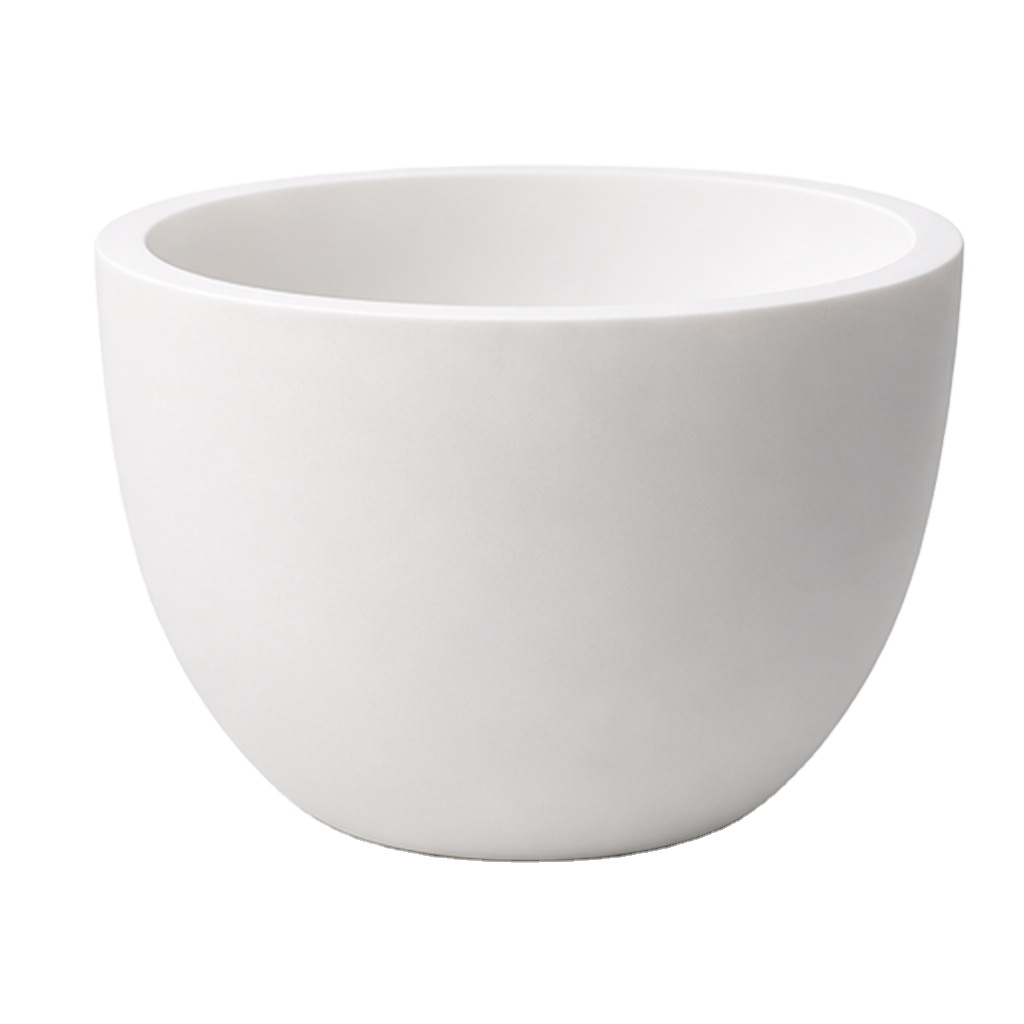
10 Inch High Purity Opaque Milky Fused Quartz Crucible for High Temp Melting Casting
- Continuous operation up to 1250°C
- Ultra-low thermal expansion
- Vacuum arc fused opaque body
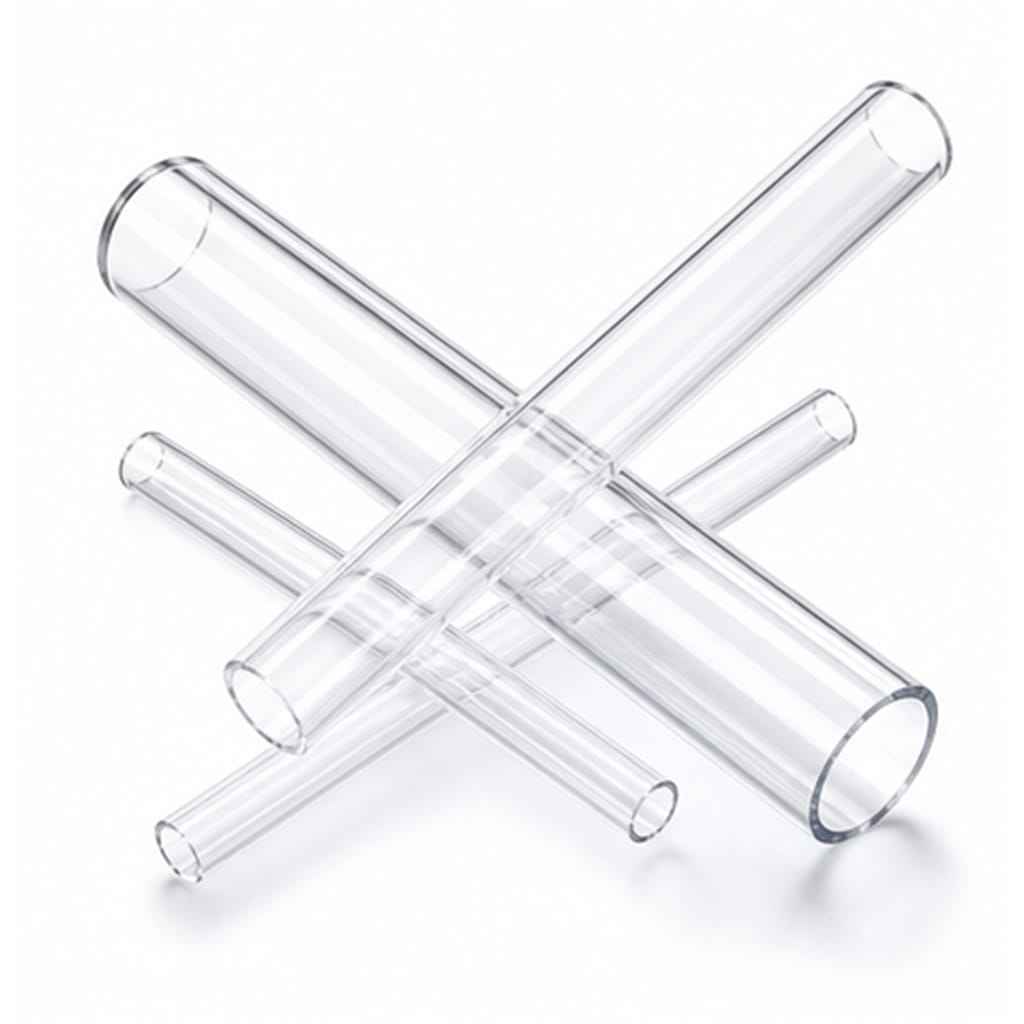
Precision Flat-Cut Fused-Quartz Straight Process Tubes with 90-Degree Squared Ends for Vacuum CVD Chambers
- Precision 90° squared ends
- Wall thickness tolerance: ±0.15mm
- CVD / LPCVD chamber optimized
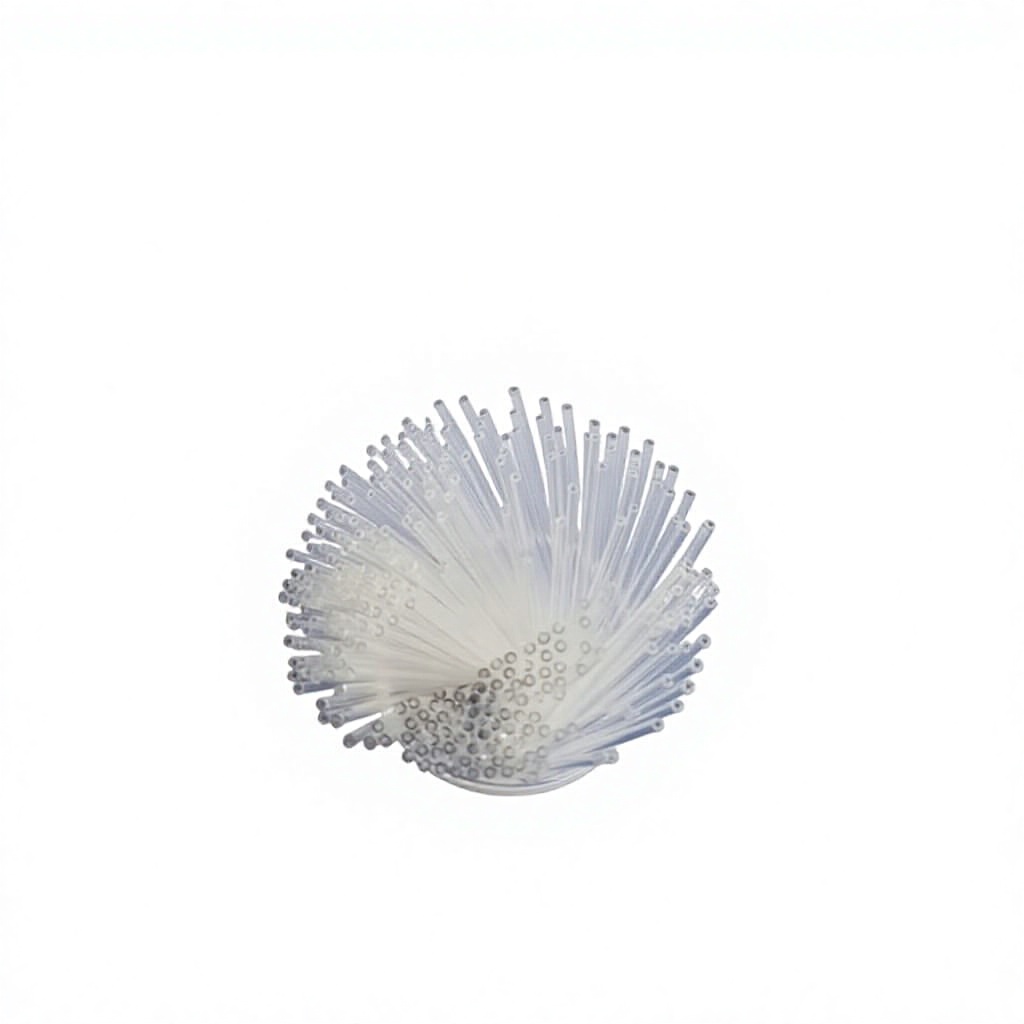
Custom Size Translucent Capillary Quartz Tube Polished Twin Pipe Ozone Free Chemical Industry
- Dual-bore twin pipe configuration
- High mechanical burst strength
- Hydroxyl [OH-] controlled grade
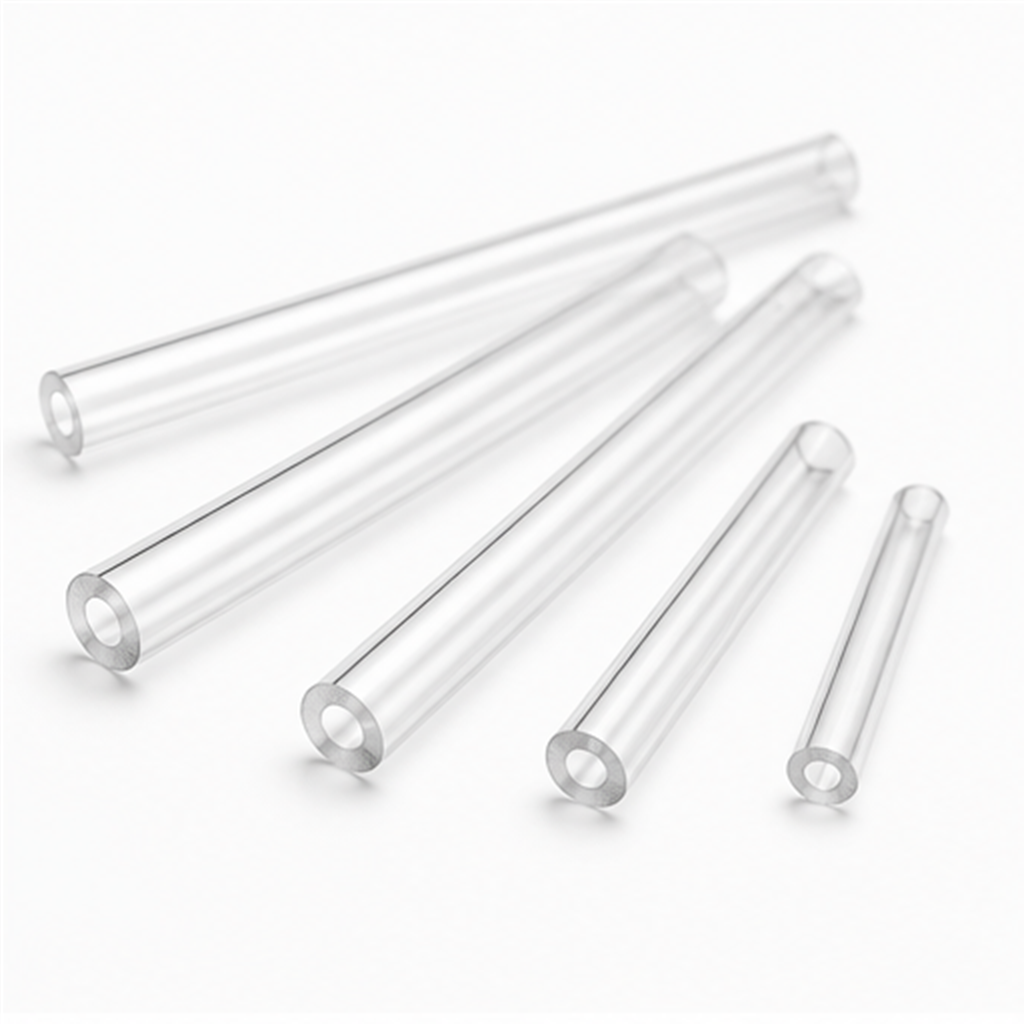
Small Bore Clear Fused Quartz Glass Tube with Flat Cut Unpolished Ends for Chromatography
- Precision capillary bore profile
- Inert chromatography substrate
- High UV transmission efficiency
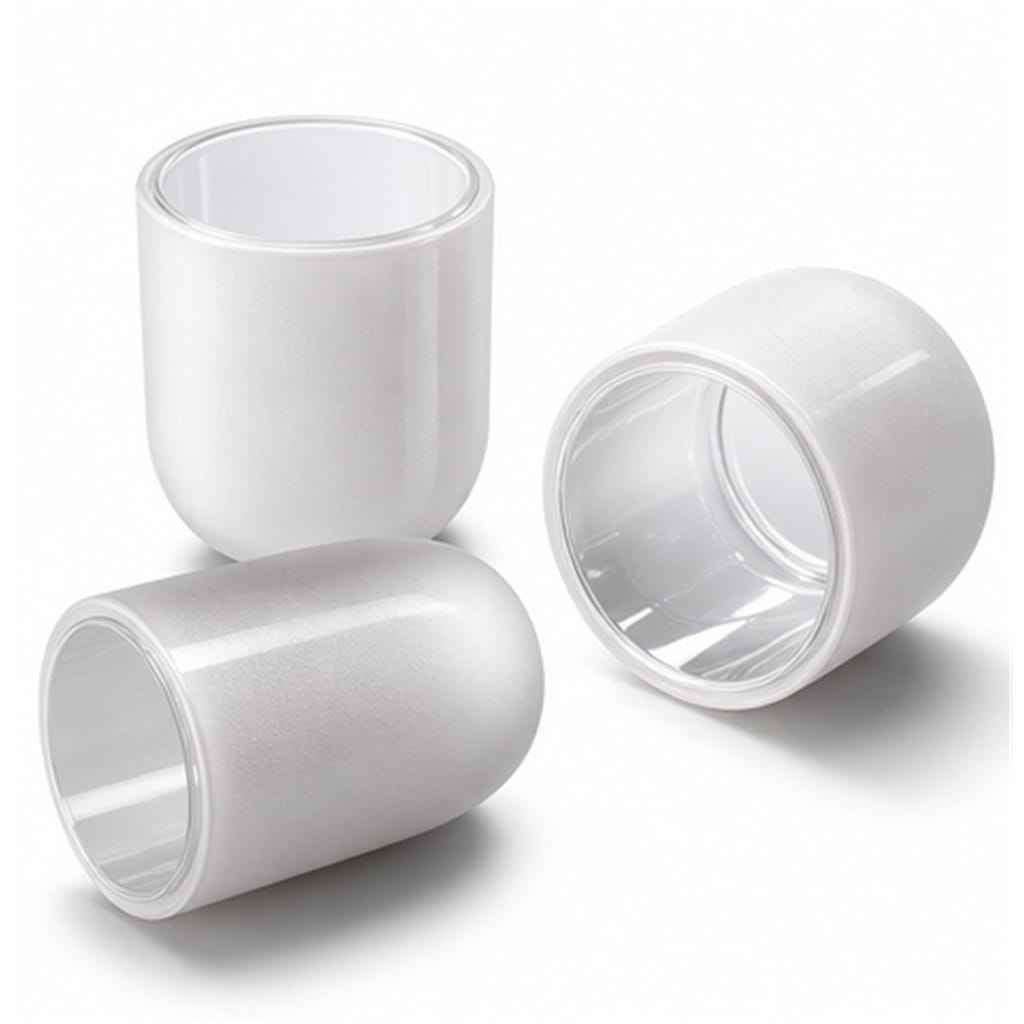
4-Inch US Quartz Sand Fused Crucibles with Fire-Polished Rim for High-Temperature Semiconductor Ingot Melting
- Premium Iota equivalent silica sand
- Fire-polished anti-spall rim
- Heavy metal impurities < 8 ppm
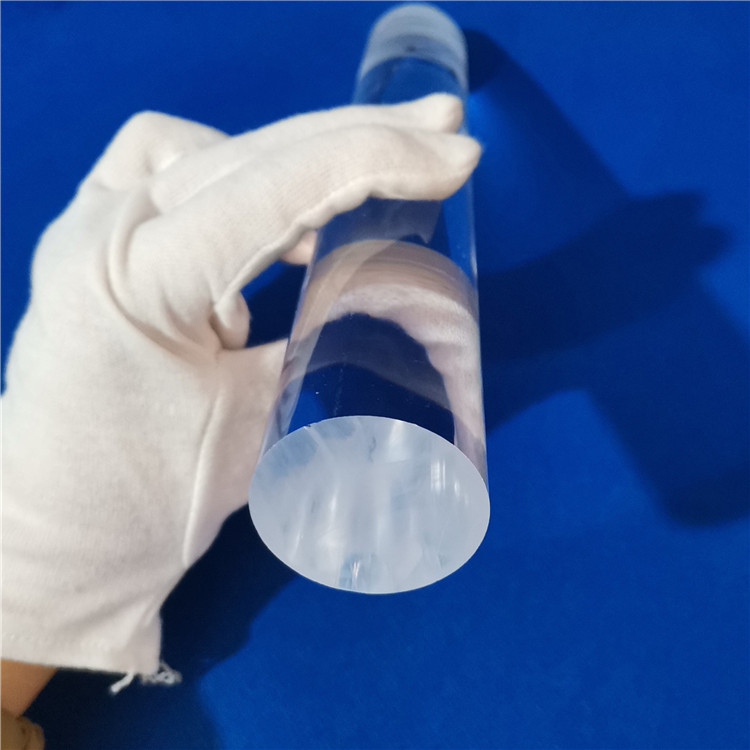
Clear Transparent Quartz Rod 4-42mm Diameter Polished Fused Silica Bar 1100 Degrees Centigrade Decoration Glass
- Diameters from 4mm up to 42mm
- Full optical fire-polished finish
- High tensile bending strength
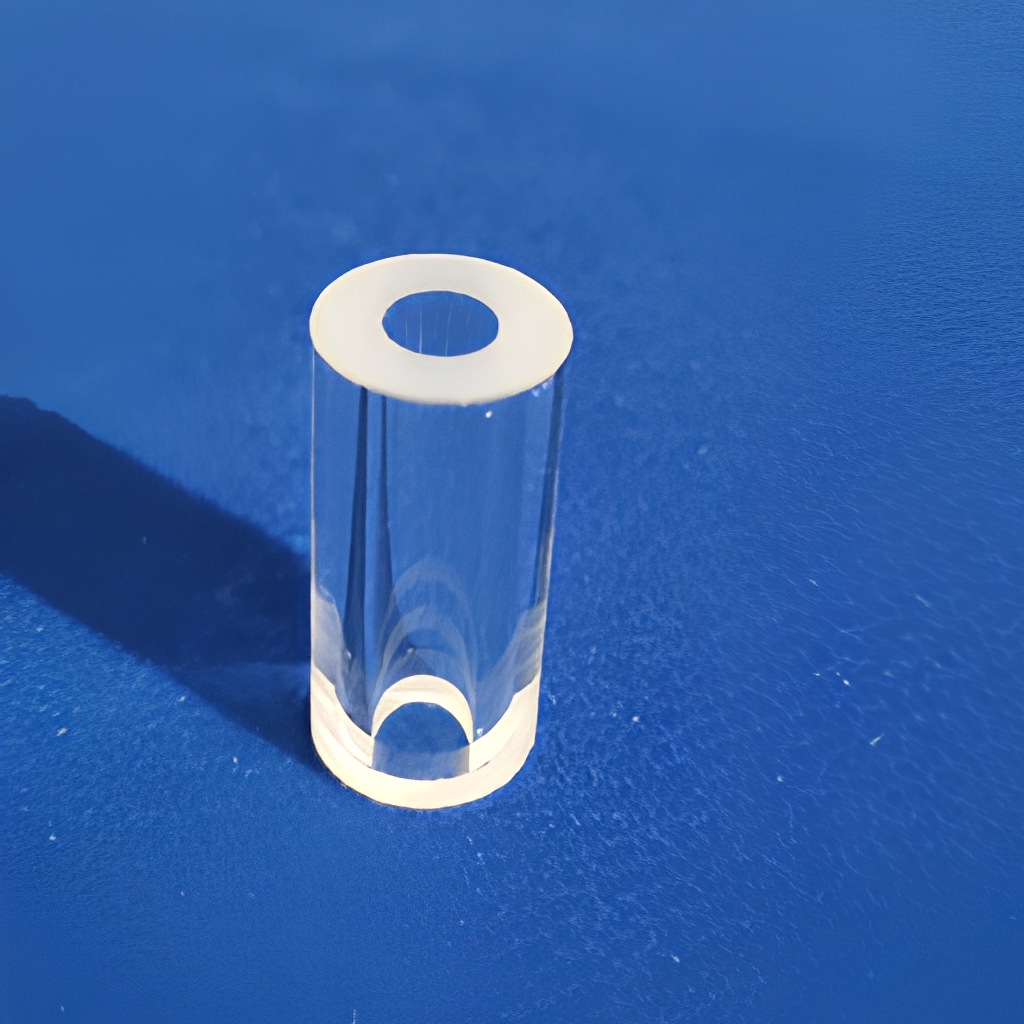
99.99% Pure Clear Quartz Twin Tube Polished Ozone Free Customized Bending Welding Cutting for Chemical Industry
- 99.99% SiO2 grade assurance
- Precision CNC bending & welding
- Zero-ozone optical formulation
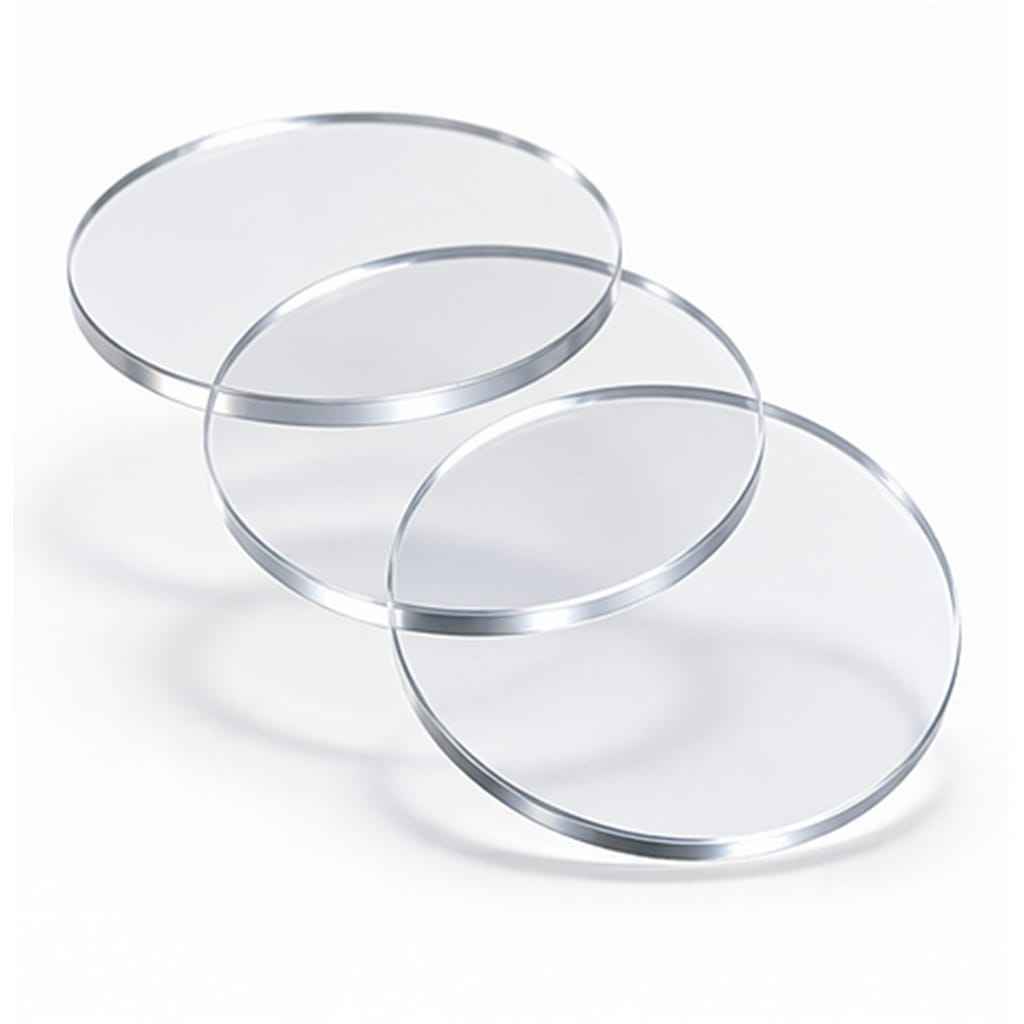
Optically Polished Single-Crystal Quartz Wafers with Chamfered Edges for Piezoelectric QCM Sensors
- Double-sided Ra < 0.5nm polish
- Precision chamfered edge bevel
- AT-cut / SC-cut orientation
Fused Silica Diffusion Tube Mechanics & Purity Criteria
In modern semiconductor fabrication (sub-28nm gate nodes) and high-efficiency photovoltaic processing (TOPCon boron/phosphorus diffusion), quartz diffusion furnace tubes serve as the frontline containment vessel. Understanding the thermal-mechanical dynamics and chemical kinetics of vitreous silica is critical for global procurement managers.
Devitrification Kinetics & Viscosity
The primary degradation mode of quartz diffusion tubes operating above 1150°C is devitrification—the polymorphic phase transformation of meta-stable amorphous vitreous silica into crystalline high-cristobalite. Cristobalite undergoes a destructive displacive inversion at approximately 220°C–270°C accompanied by a dramatic 2.8% to 4.9% volumetric contraction.
Leading exporters prevent premature cristobalite nucleation by strictly governing the OH (hydroxyl) ion content. While synthetic silica possesses higher hydroxyl levels causing reduced high-temperature viscosity and accelerated sag, our thermally stabilized natural quartz tubes maintain a controlled OH content (<30 ppm), maintaining an annealing point near 1215°C and strain point of 1120°C.
Trace Element & Alkali Ion Barrier
In low-pressure chemical vapor deposition (LPCVD) and dry oxidation, mobile ionic contaminants (particularly sodium Na+, potassium K+, and lithium Li+) migrate rapidly across the silica network under electric fields or thermal gradients. If these ions diffuse into the furnace environment, they degrade gate-oxide integrity and cause carrier lifetime collapse.
Our raw material purification process in Donghai leverages advanced magnetic separation, hot acid washing (HF + HCl), and thermal chlorination to ensure alkali contaminants remain strictly below 0.8 ppm cumulative. Refractory metals such as iron (Fe), copper (Cu), and nickel (Ni) are kept below 0.2 ppm, preventing deep-level trap formation on silicon substrates.
Vitreous Silica Technical Specification Matrix
| Critical Parameter | High-Purity Natural Fused Quartz | Synthetic Fused Silica | Silicon Carbide (SiC Reference) | Industrial Processing Significance |
|---|---|---|---|---|
| SiO2 Purity | ≥ 99.99% (4N) | ≥ 99.9999% (6N) | N/A (Crystalline SiC) | Guarantees zero cross-contamination in wafer annealing and doping. |
| Hydroxyl [OH-] Content | < 5 to 30 ppm | 150 to 1200 ppm | 0 ppm | Lower OH- ensures higher structural viscosity and minimizes high-temperature tube sag. |
| Continuous Max Temp | 1150°C | 1100°C | 1350°C – 1400°C | Permits high-throughput solar cell emitter drive-in without structural deformation. |
| Thermal Expansion (20-300°C) | 5.5 × 10⁻⁷ /°C | 5.1 × 10⁻⁷ /°C | 4.3 × 10⁻⁶ /°C | Exceptional thermal shock endurance: handles rapid furnace insertion without shattering. |
| Bending Strength (MOR) | 68 MPa (at 20°C) | 72 MPa | 400+ MPa | Sufficient structural modulus to support multi-wafer quartz boats under heavy payload. |
| Cost / Replacement Ratio | Baseline (1.0x Economical) | 3.5x – 5.0x | 4.0x – 7.5x | Superior capital expenditure efficiency for large-scale photovoltaic cell installations. |
Future Procurement Trends for Diffusion Process Hardware
Global supply chain disruptions and escalating fab automation standards have reshaped what Tier-1 semiconductor and solar manufacturers demand from quartzware factories.
Ultra-Large Bore & Extended Lengths
With TOPCon solar manufacturing shifting to M10/G12 rectangular silicon wafers and semiconductor fabs scaling vertical batch furnaces, demand is skyrocketing for quartz diffusion tubes exceeding 350mm–480mm outer diameter with continuous lengths over 2500mm. Tight tolerances on camber (<0.5mm/m) and wall thickness uniformity are now baseline requirements.
Resilience via Raw Cluster Integration
International fab buyers are pivoting away from simple distributors toward vertically integrated factories clustered directly in raw material production zones like Donghai County, China. Direct control over mineral sorting, vacuum electric melting, and precision hotworking ensures supply security and shields buyers from speculative raw silica price shocks.
Strict Geometric Runout & Robotic Automation
Automated wafer loading boats (wafer-transfer robots) require zero-play interface precision. Standard fire-pulled ends are being replaced by high-precision diamond grinding, CNC water-jet flange cutting, and laser optical scanning to guarantee angular runout < 0.1° and face flatness within 0.05mm, preventing vacuum seal leakage during atomic layer deposition (ALD).
Why Global Procurement Officers Partner With Kemzo
Our manufacturing infrastructure is purpose-built to deliver high-tolerance, thermal-shock resistant quartz solutions with predictable lead times.
Continuous spectrographic testing ensures raw silica sand contains trace metals < 15 ppm, preventing wafer contamination.
State-of-the-art laser outer-diameter calipers and ultrasonic wall thickness gauges ensure ultra-tight machining tolerances.
Annealed in computer-controlled electric kilns to relieve residual stress, ensuring thermal stability across extreme thermal cycling.
Fully compliant with FOB, CIF, EXW, CFR, DDU, DDP, and expedited air courier options with multi-currency settlement (USD/EUR).
Frequently Asked Questions for Quartz Diffusion Tube Importers
Expert technical insights addressing thermal longevity, cleaning protocols, custom machining, and logistics protection.
How does hydroxyl [OH-] content affect diffusion tube life?
Hydroxyl ions act as network terminators within the three-dimensional silicon-oxygen tetrahedron (Si-O-Si) matrix. High [OH-] content significantly reduces the viscosity of vitreous silica at elevated temperatures (>1000°C), resulting in accelerated sag, warping, and earlier devitrification. Kemzo's thermal stabilization processes ensure low [OH-] levels (<30 ppm), maintaining superior structural stability during high-temperature semiconductor drive-in operations.
What are the standard cleaning and handling protocols before installation?
Before placing quartz diffusion tubes into a furnace, tubes must undergo thorough acid etching—typically a 5% to 10% hydrofluoric (HF) acid bath for 5–10 minutes to remove trace surface contaminations, followed by an immediate rinse with 18 MΩ high-purity deionized water and dry nitrogen purging. Never touch quartz surfaces with bare hands; skin alkali oils (sodium) trigger rapid local cristobalite devitrification during thermal cycling.
Can Kemzo fabricate complex ground-joints, flanges, and multi-port injection branches?
Yes. Our precision glass-blowing and CNC workshop handles custom CAD/drawing specifications. We routinely manufacture ball-and-socket ground joints, KF/NW high-vacuum flanges, welded thermocouple wells, gas inlet tubes, and slotted semiconductor wafer carrier boats, all manufactured with strict dimensional tolerances and thorough furnace stress-relief annealing.
How are fragile, oversized quartz tubes packed to prevent export shipping breakage?
Fragile quartz process tubes are individually sheathed in anti-static PE film, surrounded by multi-density expanded polyethylene (EPE) shock-absorbing foam molds, and suspended within custom-built, heavy-duty export plywood crates. Crates feature shockwatch and tilt indicators, engineered to withstand container vibration and multi-modal handling without breakage.
Accelerate Your Semiconductor & Photovoltaic Sourcing
Whether you require standard clear fused quartz process tubes, opaque melting crucibles, or custom CNC-machined quartzware built to tight engineering drawings, our technical engineers provide quotation feedback and feasibility assessments within one hour.