Precision Ground Joint Series & Featured Quartz Components
Direct from our Donghai facility: 10+ continuous furnace lines manufacturing precision-ground, flame-polished, and optical-grade fused quartz components manufactured to extreme dimensional tolerances for semiconductor, chemical process, and vacuum research installations.
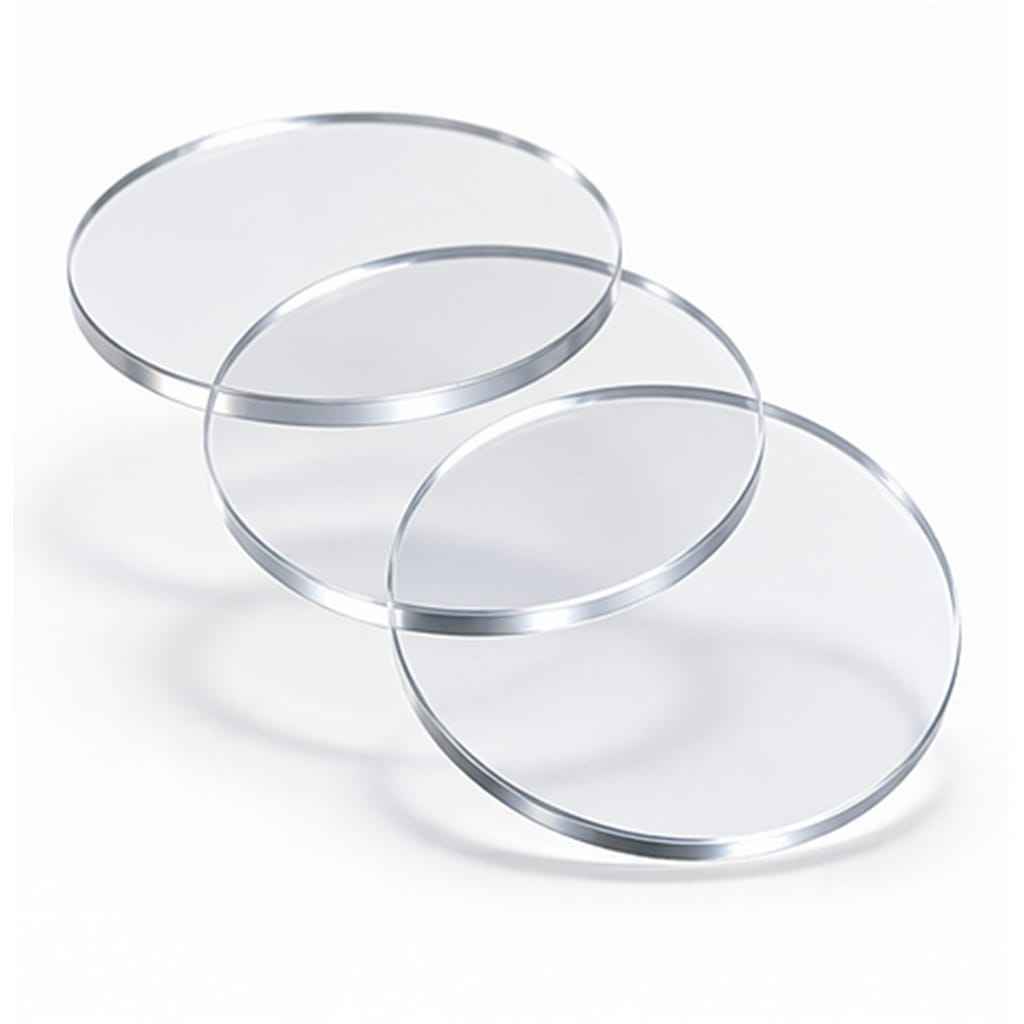
Optically Polished Single-Crystal Quartz Wafers with Chamfered Edges for Piezoelectric QCM Sensors
- Surface Roughness: Ra < 0.5 nm
- Orientations: AT-cut / SC-cut available
- Edge: Precision CNC beveling & chamfer
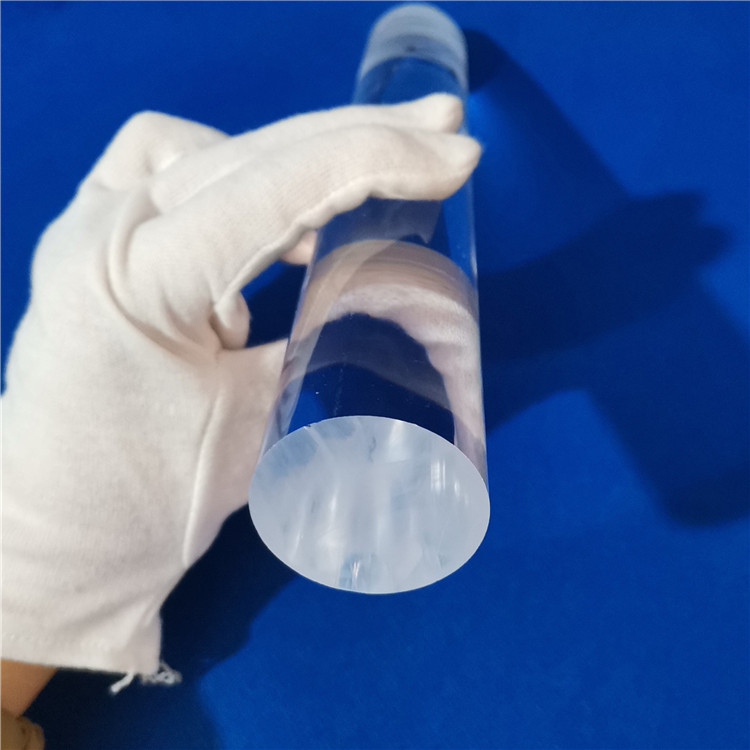
Clear Transparent Quartz Rod 4-42mm Diameter Polished Fused Silica Bar 1100 Degrees Centigrade Decoration Glass
- Diameter: 4 mm to 42 mm calibrated
- Purity: SiO₂ ≥ 99.99% raw matrix
- Finish: Flame or mechanical optical polish
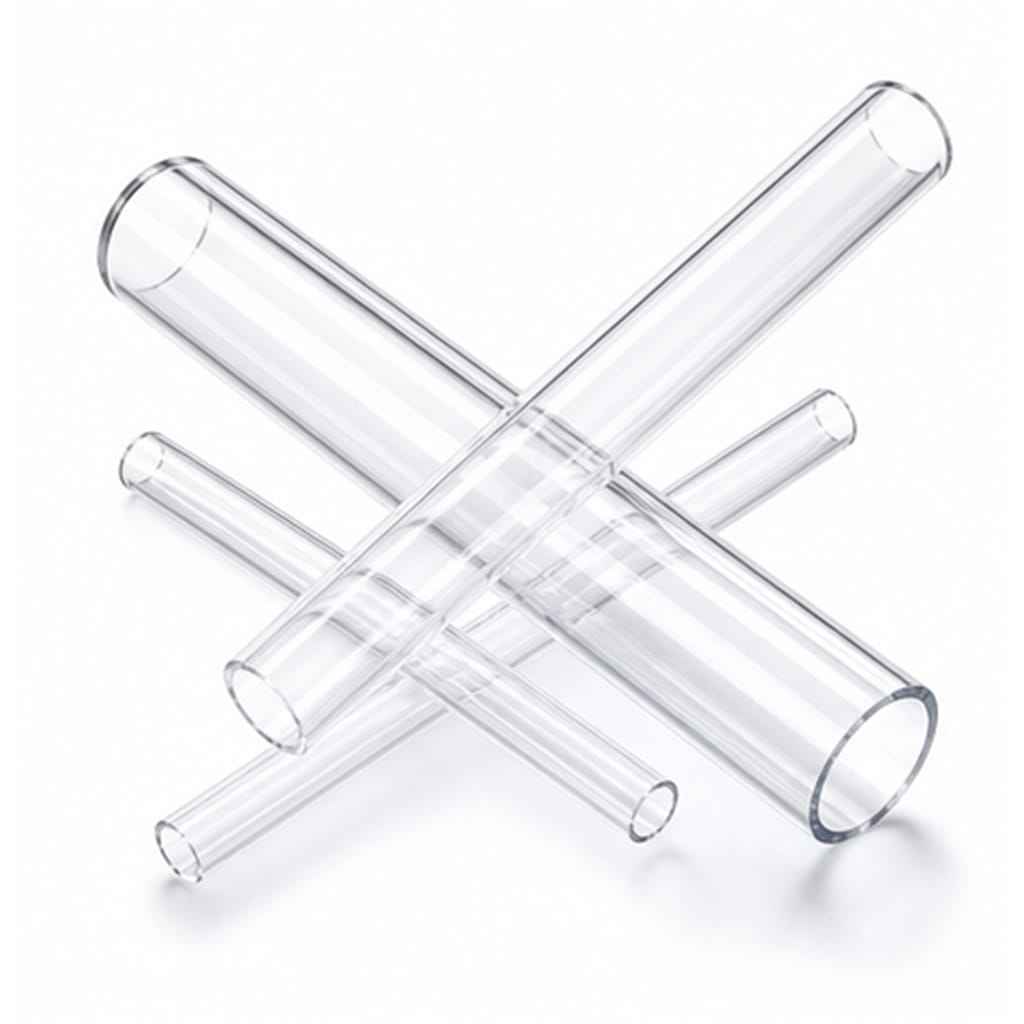
Precision Flat-Cut Fused-Quartz Straight Process Tubes with 90-Degree Squared Ends for Vacuum CVD Chambers
- Ends: 90° perpendicular diamond square cut
- Application: LPCVD / PECVD / Diffusion
- Thermal shock resistance: ΔT > 1000°C
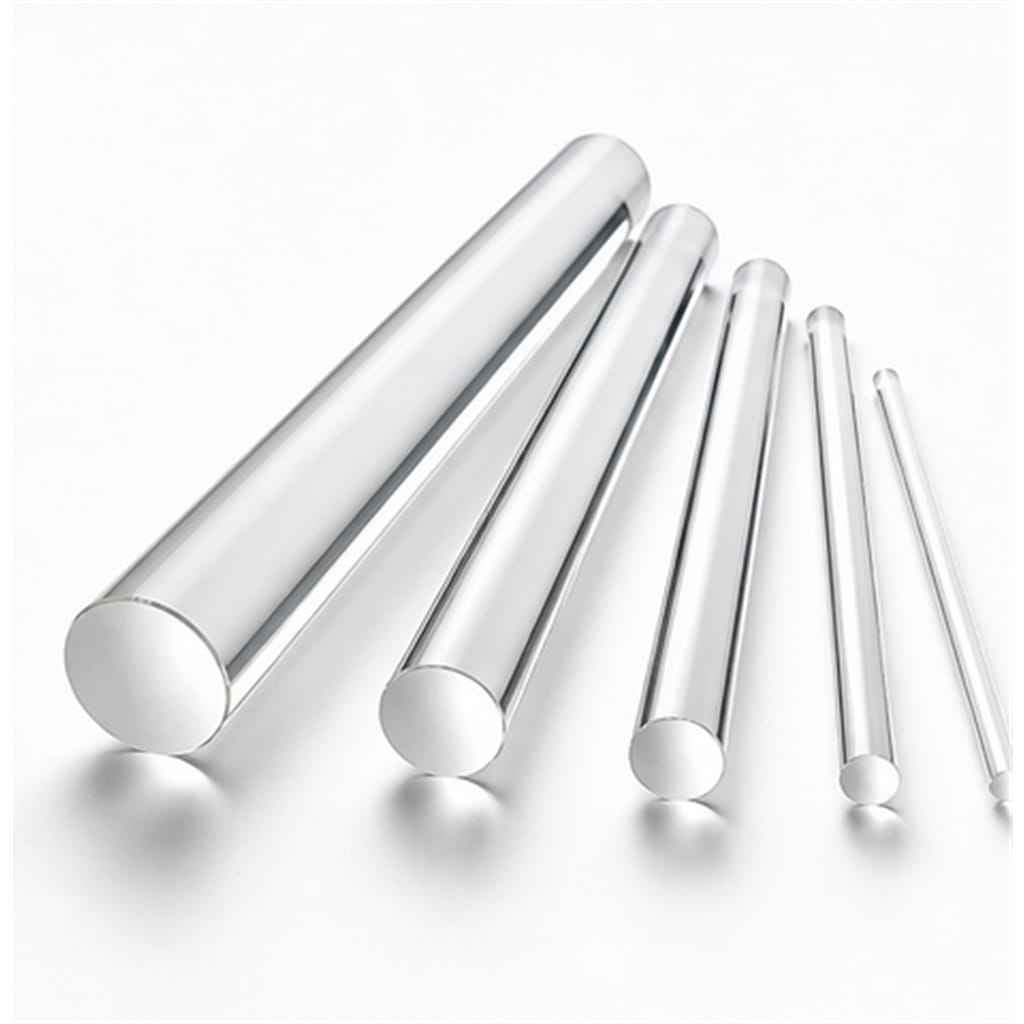
Solid Fused-Quartz Cylindrical Rods with Precision 90-Degree Flat-Cut Ends for Optical Laser Light Guides
- Optics: Total internal reflection optimized
- Wavelength range: 190 nm – 2500 nm
- Flatness: λ/4 laser end-face polishing
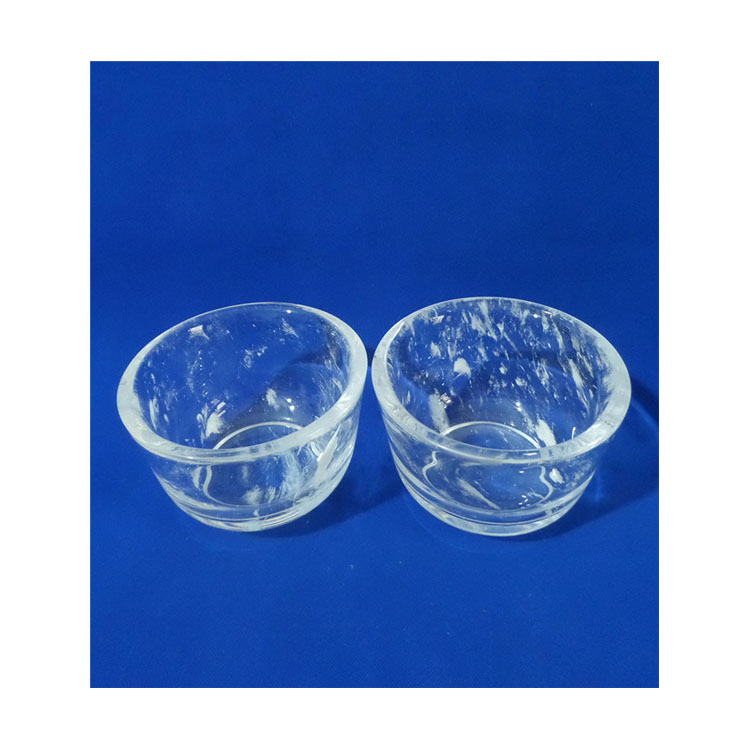
High Temperature Resistant Quartz Glass Circular Silica Custom Size Cutlery Use
- Config: Machined discs, flanges & covers
- Thermal: 1450°C peak temperature resistant
- Surface: Micro-smooth planar ground finish
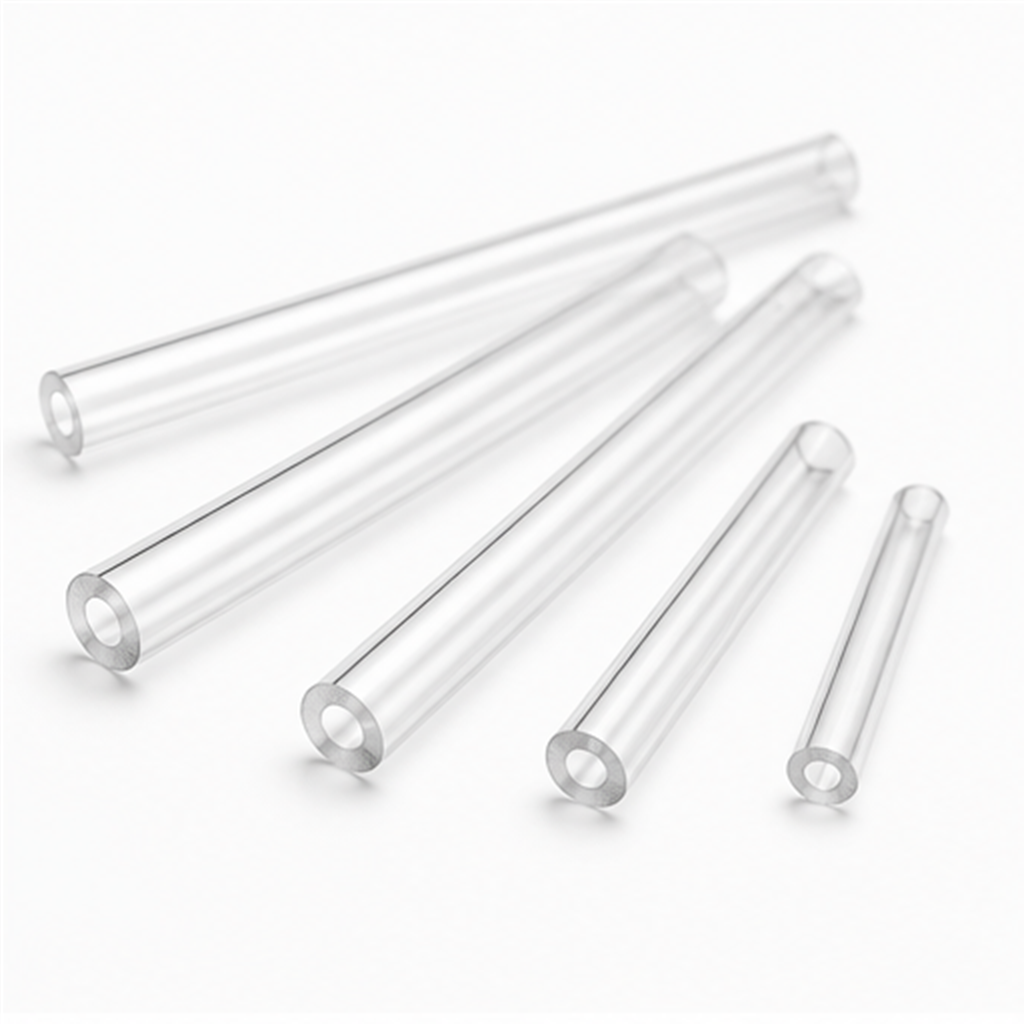
Small Bore Clear Fused Quartz Glass Tube with Flat Cut Unpolished Ends for Chromatography
- Capillary ID: Precise micro-bore tolerances
- Inertness: Zero baseline chemical leaching
- Usage: HPLC, GC columns & micro-fluidics
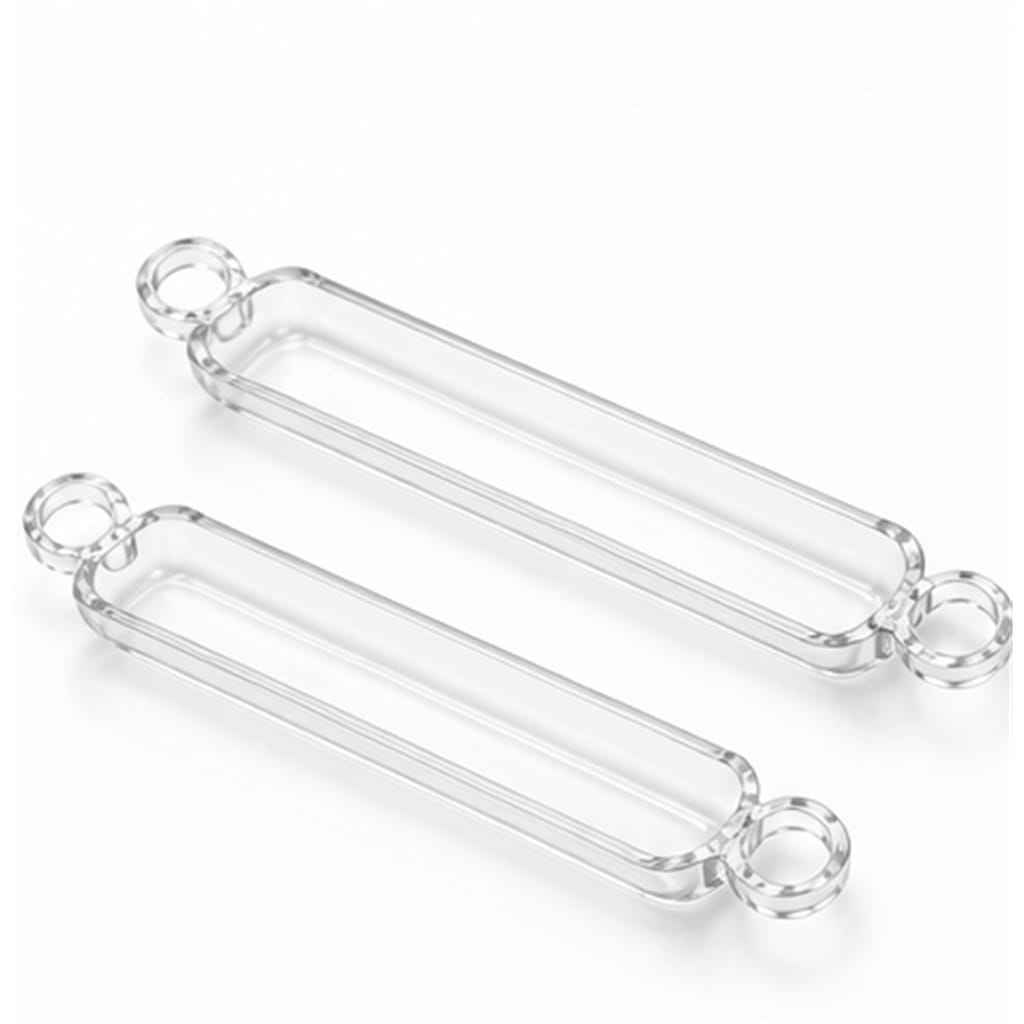
Fused-Quartz Combustion Sample Boats with Integrated Pull-Ring Handles for Laboratory Tube Furnace Heating
- Structure: Solid fused pull-ring handle
- Crucible wall: Uniform high-strength casting
- Compatibility: Standard tube furnace bores
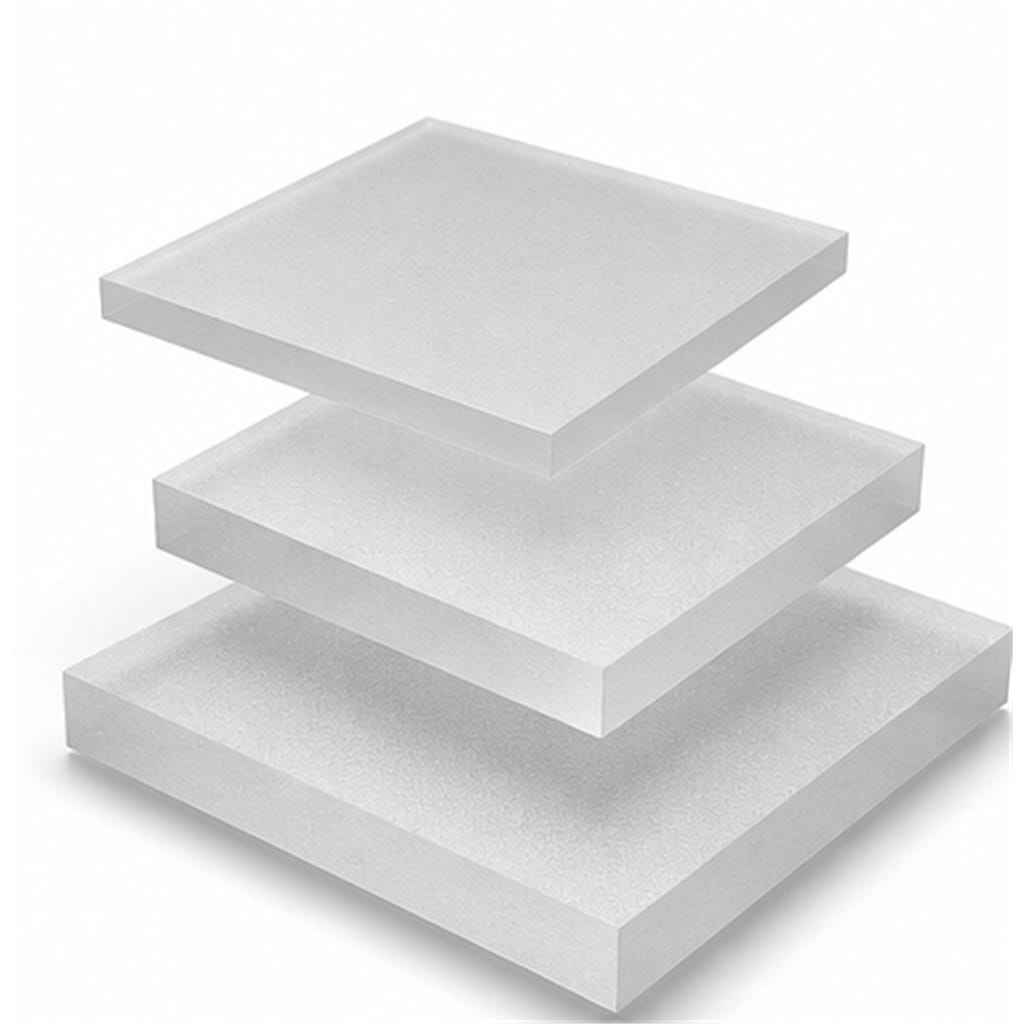
Raw Rough-Ground Fused-Quartz Blank Plates with Straight Edges for Semiconductor Wafer Substrate Lapping
- Material: High-purity natural silica ingot cut
- Parallelism: < 0.02 mm across full surface
- Use: CMP polishing carrier & wafer lapping
The Science of Precision Quartz Glass Joints in High-Vacuum Systems
Why modern semiconductor foundries, advanced chemical vapor deposition (CVD) equipment, and ultra-high vacuum (UHV) distillation chambers rely unconditionally on fused quartz standard taper joints over borosilicate or metal interfaces.
Ultra-Low Thermal Expansion Coefficient
Standard borosilicate glasses exhibit a coefficient of thermal expansion (CTE) of roughly 33 × 10⁻⁷/°C. In contrast, fused quartz processed at Kemzo demonstrates an exceptionally low CTE of 5.5 × 10⁻⁷/°C between 20°C and 320°C.
This near-zero thermal expansion eliminates differential thermal stresses in joined male (cone) and female (socket) tapers. When operating inside furnace chambers cycling between 200°C and 1150°C, quartz ground joints maintain consistent interface pressure without micro-cracking, binding, or joint seizure caused by uneven expansion.
ΔT Shock Resistance > 1100°CGrease-Free Ultra-High Vacuum Sealing
In semiconductor diffusion and organic vapor synthesis, conventional silicone or fluorocarbon high-vacuum greases volatilize and introduce hydrocarbon contamination into process streams. Fused quartz joints manufactured with precision planetary diamond lapping achieve a microscopic surface roughness of Ra ≤ 0.8 μm.
This ultra-fine mating surface permits grease-free hermetic seals under fine mechanical clamping, maintaining leak tightness down to 1 × 10⁻⁹ mbar·l/s under helium mass spectrometer verification tests.
Helium Leak Tested: < 10⁻⁹ mbar·l/sChemical Purity & Acid Inertness
Synthesized from high-grade Donghai natural crystalline silica, Kemzo fused quartz parts contain trace metallic impurities totaling < 20 ppm, with iron (Fe) suppressed below 0.8 ppm and sodium (Na) below 1.5 ppm. This guarantees absolute zero dopant outgassing.
Except for hydrofluoric acid (HF) and concentrated phosphoric acid above 300°C, our fused quartz joints resist all concentrated mineral acids, halogens (chlorine, fluorine gas at elevated temperatures), and organic solvents indefinitely.
Total Impurity Matrix < 20 ppm| Performance Characteristic | Kemzo High-Purity Fused Quartz | Borosilicate 3.3 Glass | Polycrystalline Alumina Ceramic |
|---|---|---|---|
| Thermal Expansion (20–300°C) | 5.5 × 10⁻⁷ / °C (Zero thermal shock hazard) | 33 × 10⁻⁷ / °C (Moderate risk of fracture) | 80 × 10⁻⁷ / °C (High expansion stress) |
| Continuous Working Temperature | 1100 °C (Short excursions to 1450 °C) | 450 °C (Deforms rapidly above 500 °C) | 1600 °C (High heat, zero visual transparency) |
| Optical Transparency (UV – NIR) | > 92% transmission (190 nm to 2500 nm) | Opaque below 310 nm UV spectrum | Completely opaque (No internal inspection) |
| Microscopic Joint Surface Finish (Ra) | 0.4 – 0.8 μm (Precision diamond lapped) | 1.2 – 2.5 μm (Requires grease sealant) | 1.5 – 3.0 μm (Porous ceramic microstructure) |
| Thermal Annealing / Stress Relief | Full soak at 1215 °C / Strain point 1120 °C | Anneal at 560 °C / Strain point 510 °C | Sintered ceramic matrix |
| Trace Alkali Impurities (Na, K, Li) | ≤ 5.0 ppm total (Semiconductor grade safe) | > 40,000 ppm (Heavy fluxing oxides) | Variable, binds trace transition metals |
Future Procurement Trends in Quartz Glass Joints & Reactor Flanges
As microelectronics packaging, photovoltaic wafer doping, and green hydrogen synthesis advance toward harsher thermal and chemical frontiers, procurement directors must adapt their specification protocols.
1. Migration from Hand-Blown Lathe Joints to 5-Axis CNC Lapped Tolerances
Traditional quartz glass fabrication relied heavily on bench lampworking artisans shaping tapers by manual eye. Today, leading global buyers demand certified taper angles conforming to DIN 12242 and ASTM E676 with angular errors below ± 0.05°. Kemzo's automated diamond CNC lapping systems eliminate dimensional variance, guaranteeing 100% interchangeability between male cones and female sockets produced in disparate production batches across multiple years.
2. Shift to Standardized O-Ring Flange & Spherical Ball-and-Socket Joints
While standard conical tapers (e.g., ST 14/20, 24/40, 29/42, 45/50) remain standard for static assemblies, industrial plants subject to mechanical vibration and continuous thermal pulsing are shifting procurement toward spherical ball-and-socket joints (S13, S19, S35, S50) and flat-ground quartz O-ring flanges. Spherical joints tolerate up to 10 degrees of angular misalignment without losing vacuum hermeticity, dramatically reducing breakage during thermal expansion in high-throughput production lines.
3. Demand for Integrated Multi-Port Quartz Manifolds & Diffusion Tapers
OEM equipment builders are bypassing the procurement of individual joint fittings in favor of fully integrated monolithic quartz headers, gas-inlet manifold tubes, and thermocouple well chambers. By procuring pre-fused, stress-annealed assemblies directly from primary Donghai exporters, international clients reduce secondary assembly costs, eliminate on-site glassblowing failures, and secure single-source quality accountability.
4. Supply Chain De-Risking via Source-Cluster Manufacturing Hubs
Procurement vulnerability during global logistics disruptions has highlighted the strategic advantage of sourcing from vertically integrated clusters. Donghai County supplies over 70% of China's primary high-purity quartz raw material. Partnering directly with an established producer like Kemzo eliminates tier-3 middleman markups, guarantees continuous raw ingot allocations, and insulates overseas buyers from localized material shortages.
Why Tier-1 Industrial Buyers Partner with Kemzo Quartz
Headquartered in Lianyungang, Jiangsu – the epicenter of world quartz processing – Donghai Kemzo Quartz Products Co., Ltd. blends indigenous geological resources with modern engineering precision.
Raw Material Dominance
Direct sourcing of Donghai ultra-pure quartz sand. Chemical refining achieves SiO₂ levels of 99.99% without reliance on volatile imported precursor chains.
10+ Production Lines
Multiple continuous electric vacuum drawing lines, rotary crucible casting units, and 5-axis optical slicing, grinding, and laser-cutting stations.
ISO 9001 & High-Tech Status
Certified by international registrars. Honored as a Jiangsu High Technology Enterprise with documented in-process and final laser dimensional inspection.
Global Export Logistics
Over 70% of production exported across North America, Europe, Japan, and Korea. Supported by custom foam-injected suspension wooden crates and door-to-door DDU/DAP terms.
Frequently Asked Questions: Technical Sourcing of Quartz Glass Joints
Essential guidance for mechanical engineers, chemical process designers, and procurement managers specifying custom fused quartz components.
What is the standard taper angle and ratio for quartz ground joints?
Standard taper (ST) quartz joints adhere to an international 1:10 taper ratio (equivalent to an included half-angle of 2°51'45"). When specifying joints such as 24/40, the first number refers to the maximum outer diameter (24 mm) at the widest point of the ground zone, while the second number defines the total ground length (40 mm). Kemzo manufactures all standard metric and imperial joints, including 10/19, 14/20, 19/22, 24/40, 29/42, 34/45, 45/50, and large-bore 60/50, 71/60, and 100/60 formats.
Can fused quartz joints be welded or connected directly to borosilicate glass?
No, fused quartz cannot be directly flame-welded to borosilicate glass due to the vast discrepancy in thermal expansion coefficients (5.5 × 10⁻⁷/°C for quartz vs 33 × 10⁻⁷/°C for borosilicate). Direct fusing causes catastrophic thermal stress cracking upon cooling. To connect quartz systems to borosilicate lines, engineers must specify graded glass-to-quartz seals (multi-step transition glasses) or utilize precision mechanically clamped O-ring ground joints with PTFE or fluoroelastomer gaskets.
How do you prevent quartz ground joints from freezing or seizing at 900°C+?
At operating temperatures exceeding 500°C, organic greases carbonize, causing solid particulate binding. Above 900°C, surface silica atoms across tightly clamped ground interfaces can undergo solid-state sintering diffusion. To prevent joint freeze, engineers should specify diamond micro-honed surfaces with controlled matte finishes, avoid excessive axial clamping forces during thermal ramp-up, and utilize high-purity colloidal graphite or specialized sub-micron boron nitride (BN) dry release films where permissible.
What is the proper cleaning procedure for high-purity quartz ground joints?
Quartz components can be cleaned by soaking in an aqua regia bath (3:1 HCl to HNO₂) or 50% nitric acid to dissolve metallic and organic residues. For silica surface regeneration, a quick dip in dilute 3% to 5% hydrofluoric (HF) acid for under 2 minutes removes surface contaminants. However, prolonged exposure to HF must be avoided as it dissolves the SiO₂ matrix and destroys the precision-lapped micro-contour of the ground joint, compromising future vacuum integrity. Always rinse thoroughly with 18.2 MΩ·cm deionized water.
What are your standard OEM drawing formats and lead times for custom tooling?
Kemzo accepts engineering files in standard CAD formats including STEP (.stp), IGES (.igs), SolidWorks (.sldprt), and PDF engineering drawings with geometric dimensioning and tolerancing (GD&T). For standard ground joint configurations and stock tube diameters, prototypes dispatch within 3 to 7 working days. Complex custom assemblies, such as multi-necked reaction vessels or water-cooled quartz condensers, generally require 2 to 3 weeks for tooling and precision annealing.
How does Kemzo guarantee zero transit breakage for international air and ocean shipments?
Exporting fragile quartz requires specialized packing physics. Every piece is wrapped in anti-static, dust-free expanded polyethylene (EPE) foam, isolated within individual structural chambers, and packed into heavy-duty corrugated cartons. These cartons are then suspended in multi-axis cushioned export wooden crates conforming to ISPM 15 standards. Over the last decade, Kemzo has maintained an export damage claim rate of less than 0.15% across shipments to over 45 countries.
Request an Engineering Review & Quotation Within 1 Hour
Submit your CAD drawing, specifications, or bill of materials directly to our chief optical engineers. We offer complete OEM custom fabrication, prototyping batches, and competitive container-load wholesale export terms.