Featured Chromatography & Precision Quartz Labware
Precision-drawn fused quartz components produced from ≥99.99% SiO₂ raw feedstock, offering ultra-smooth internal micro-bores, minimal silanol activity, and extreme thermal resilience up to 1450 °C.
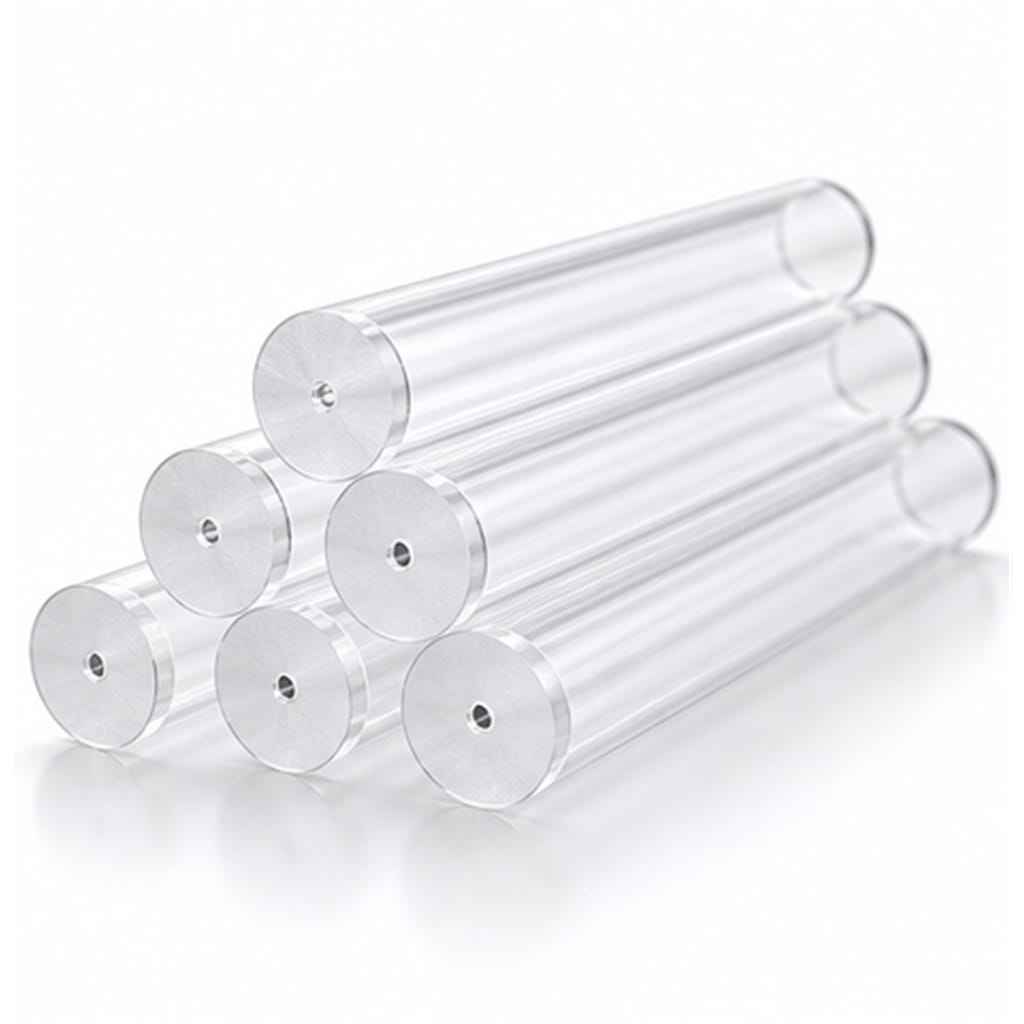
Capillary Micro-Bore Fused-Quartz Tubes with Precision Small Aperture
Micro-bore dimensions tailored for gas chromatography capillary columns, capillary zone electrophoresis (CE), and nano-LC fluidic delivery.
Product Details →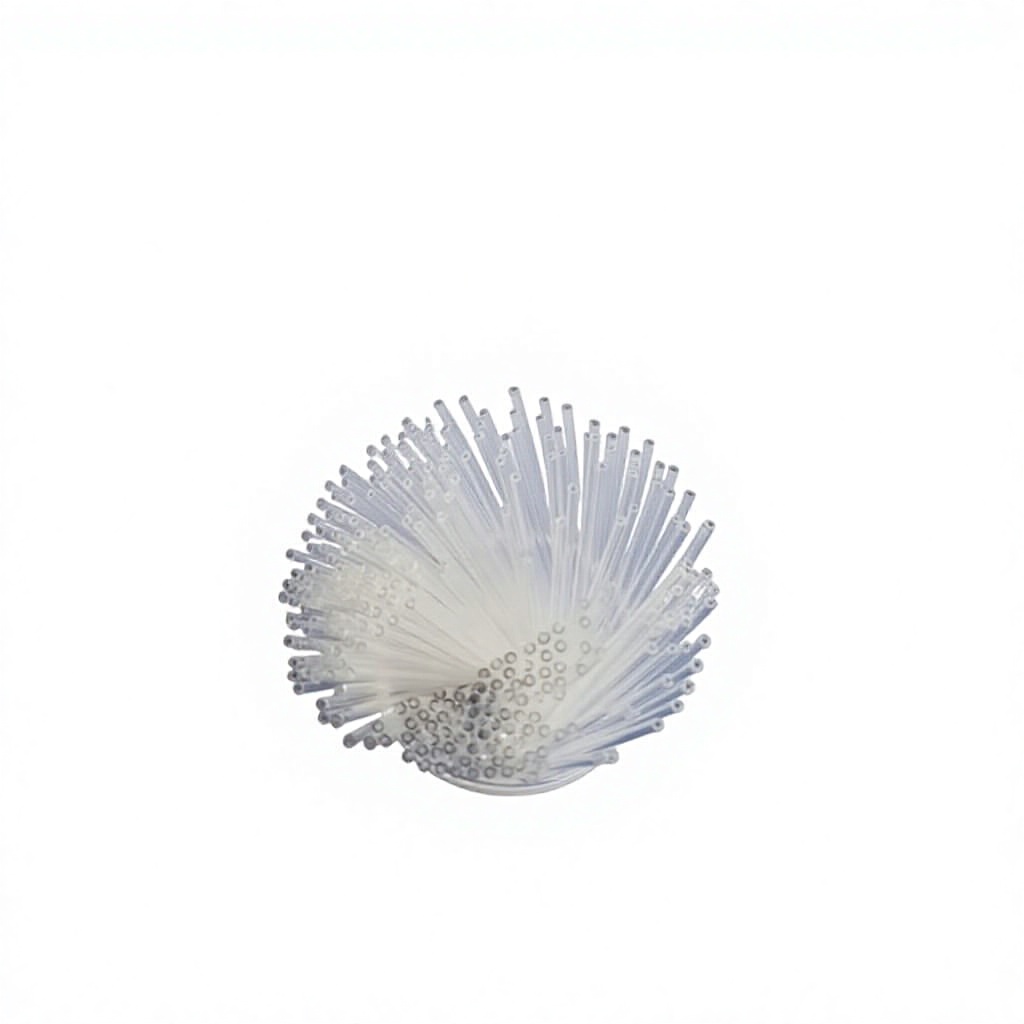
Custom Size Translucent Capillary Quartz Tube Polished Twin Pipe
Dual-bore and multi-lumen quartz tubing for coaxial reagent mixing, ozone-free catalytic micro-reactors, and aggressive fluid handling.
Product Details →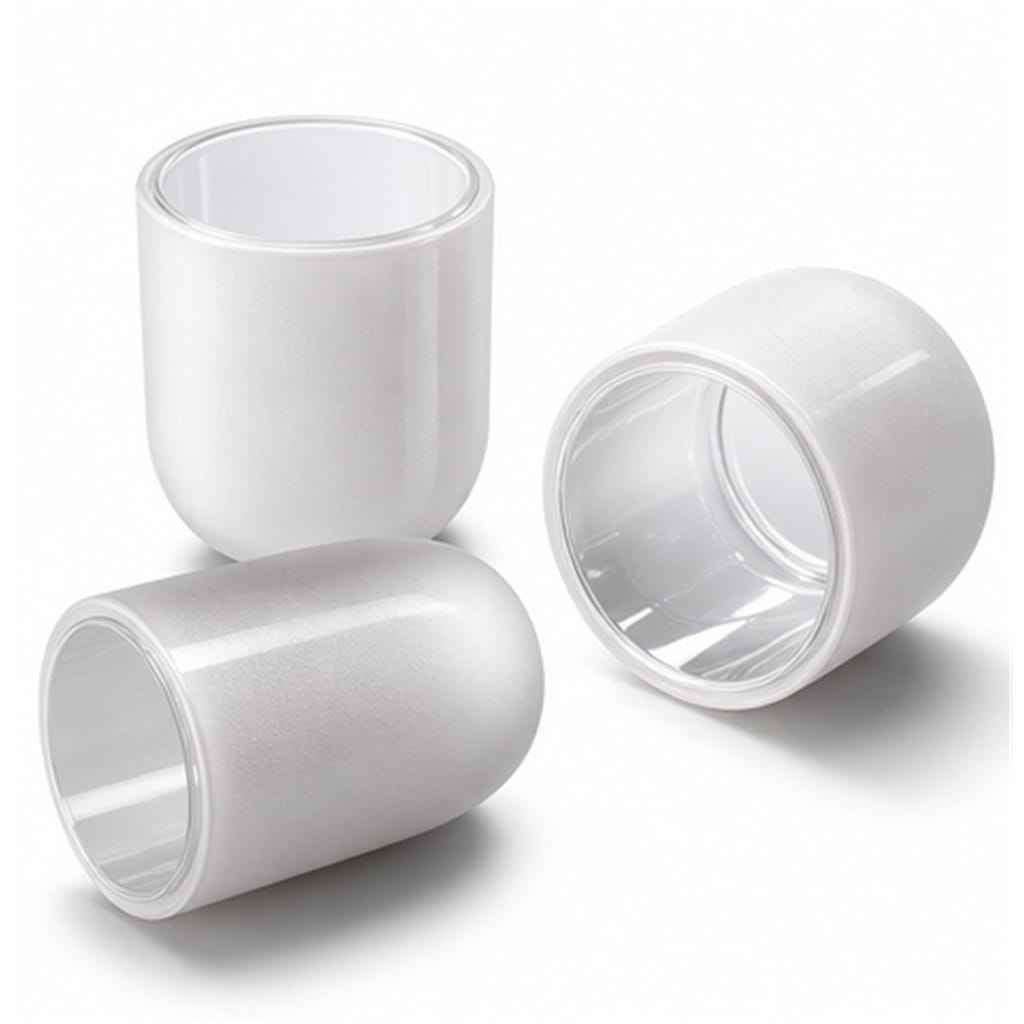
4-Inch US Quartz Sand Fused Crucibles with Fire-Polished Rim
Designed for analytical ash testing, molten sample digestion, and thermal semiconductor materials preparation up to 1450 °C.
Product Details →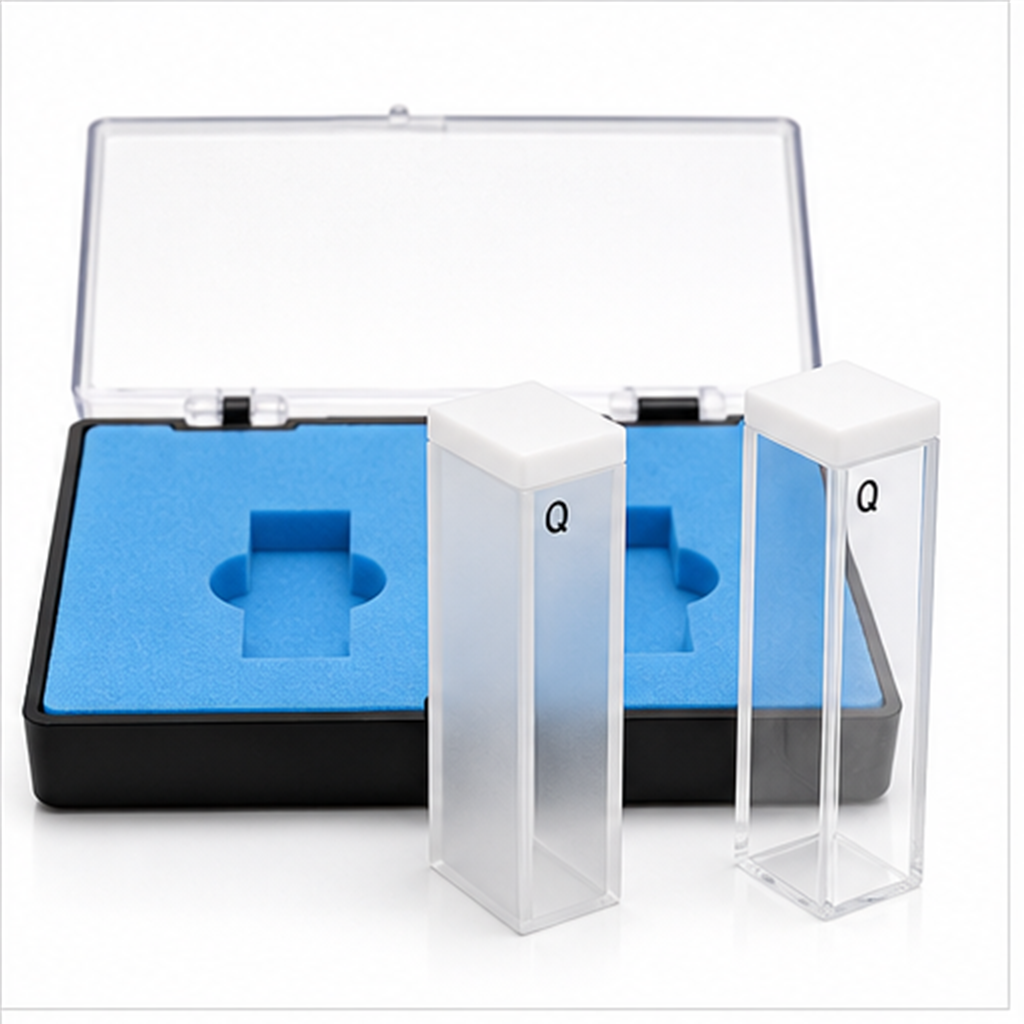
Standard 2-Window & 4-Window UV Quartz Analytical Cuvettes
High-transmission optical cells (190–2500 nm) designed for HPLC UV/Vis flow detectors, fluorescence monitoring, and spectrophotometric testing.
Product Details →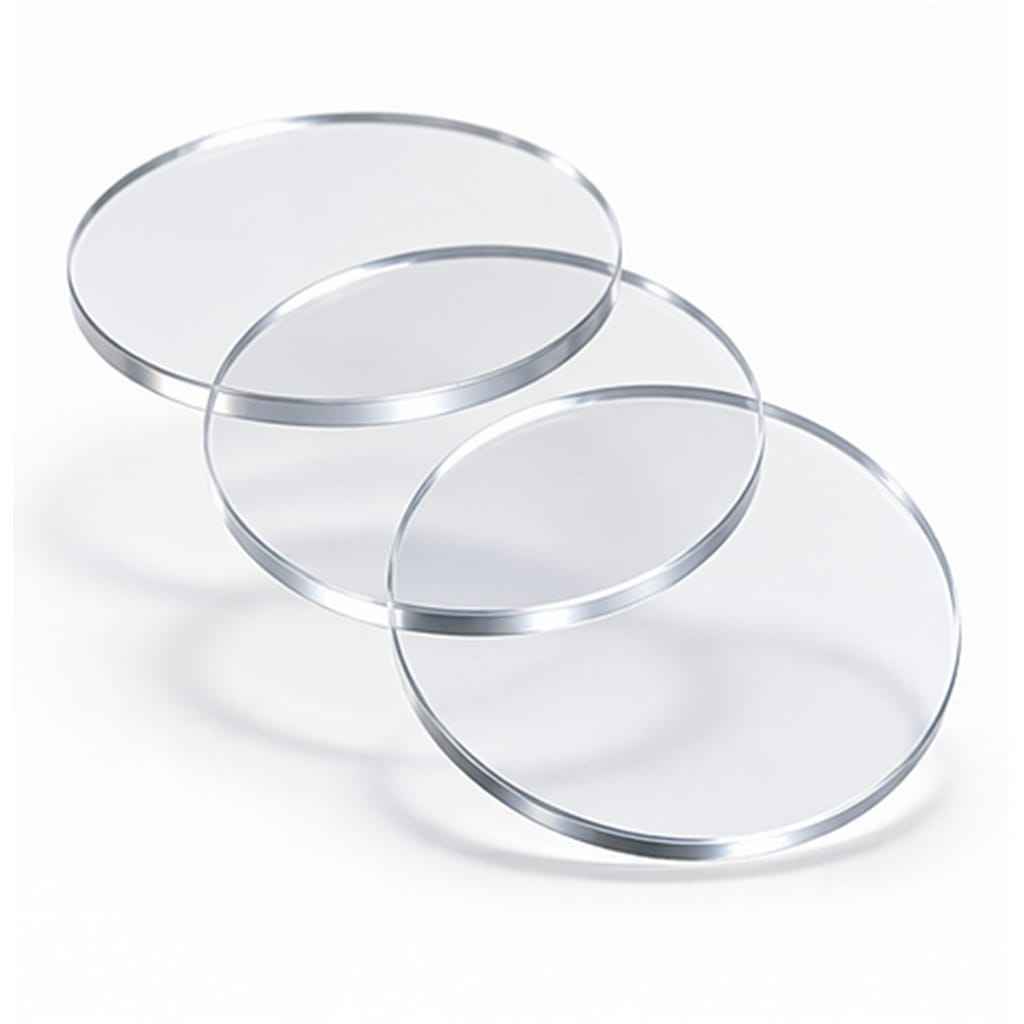
Optically Polished Quartz Wafers for Piezoelectric QCM Sensors
Precision-chamfered single-crystal substrates engineered for micro-gravimetric quartz crystal microbalance biosensors and lab-on-a-chip setups.
Product Details →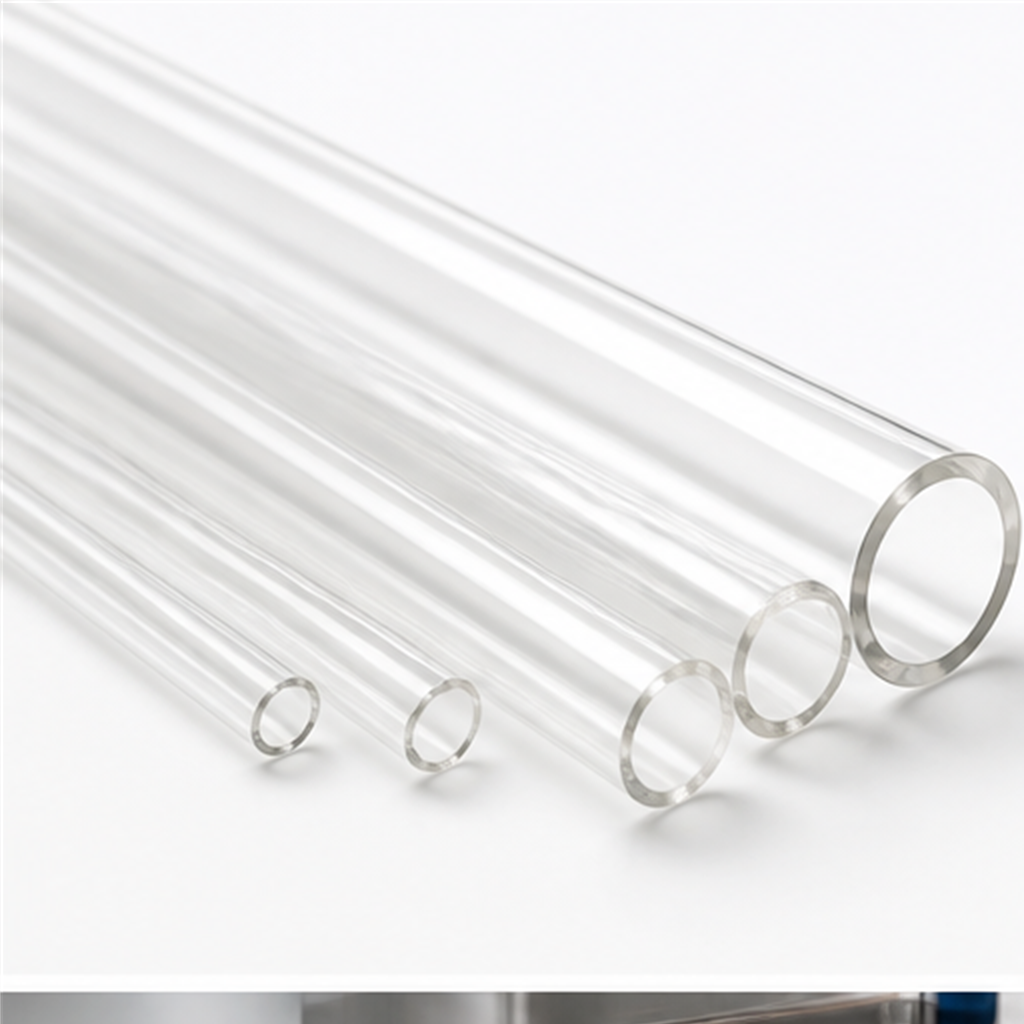
High Purity Clear Fused Quartz Glass Furnace & Reactor Tubing
Continuous thermal resistance up to 1100 °C with near-zero thermal expansion coefficient (5.5 × 10⁻⁷/°C) for combustion chromatography.
Product Details →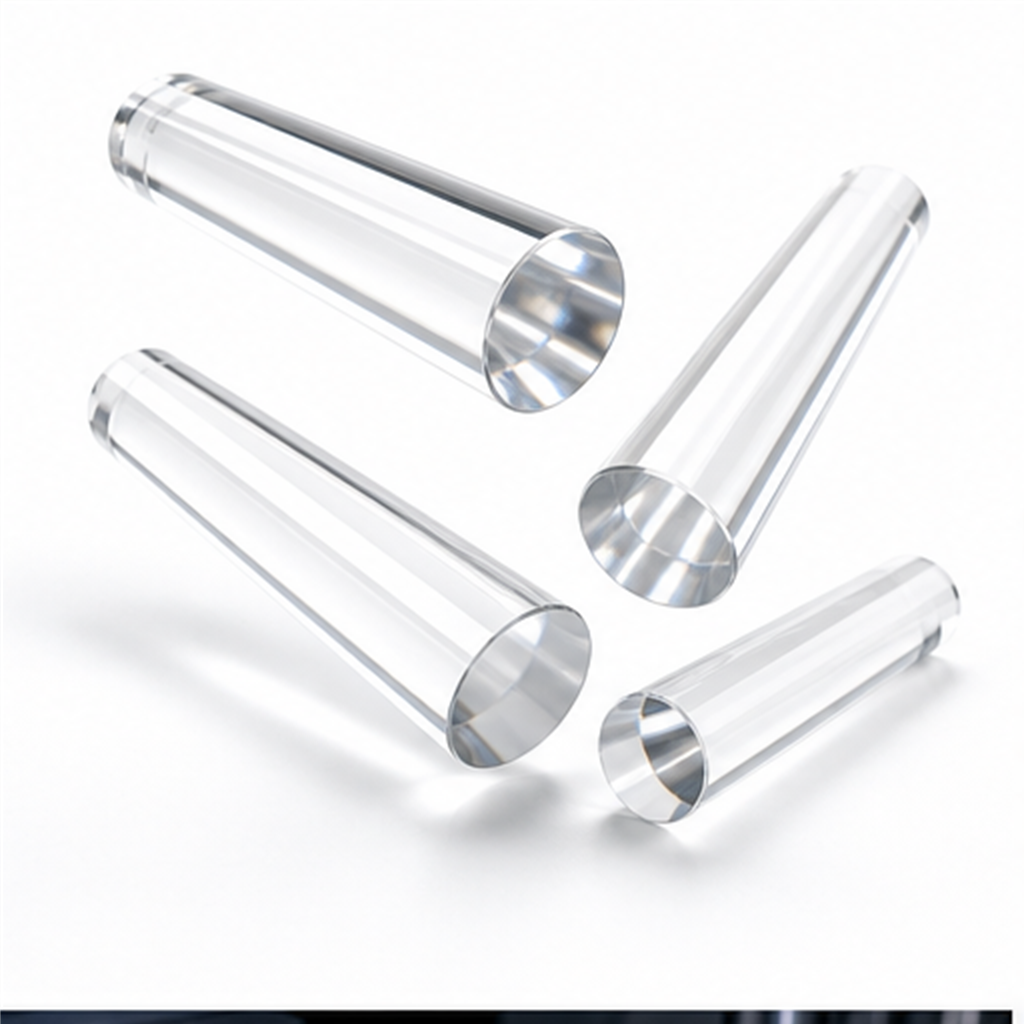
High Purity Solid Optical Clear Fused Quartz Glass Rod
Fire-polished solid light-guiding rods designed for UV detection interfaces, flame ionization detectors (FID), and chemical process sight probes.
Product Details →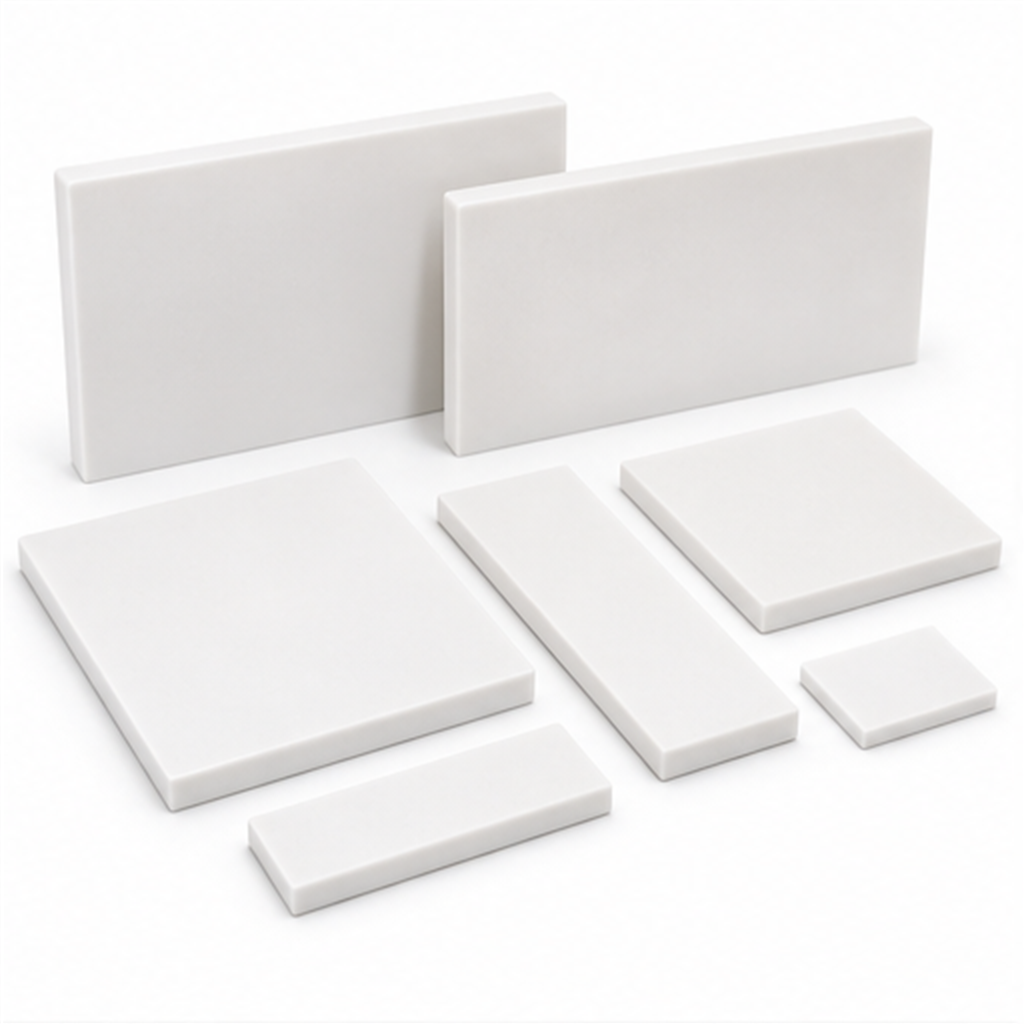
High Purity Opaque Milky White Fused Quartz Plate Sheet Slab
Infrared-scattering thermal shields and chemical-resistant base slabs suited for high-temperature chromatograph heating mantles and sensor beds.
Product Details →Technical Whitepaper: Capillary Fused Quartz Columns in Modern Separation Science
In analytical separation science, the physical geometry and chemical inertness of the separation conduit directly dictate theoretical plate count, peak symmetry, and limit of detection (LOD). Capillary fused quartz (amorphous silicon dioxide, SiO₂) represents the gold standard for gas chromatography (GC), capillary electrophoresis (CE), supercritical fluid chromatography (SFC), and capillary liquid chromatography (capillary LC/nano-UHPLC). For analytical chemists, laboratory managers, and OEM instrument fabricators across Slovakia, selecting an established manufacturing partner capable of micrometer-level internal diameter uniformity and trace-metal purification is decisive for mission-critical validation protocols.
Material Superiority: Why Synthetic & Natural Fused Silica Outperforms Borosilicate
Conventional borosilicate glass contains substantial fractions of alkali metals, boron oxide (B₂O₃), and alumina (Al₂O₃). Under thermal stress or exposure to polar compounds (such as basic pharmaceuticals, free fatty acids, or organophosphorus pesticides), these metal centers act as Lewis acid sites, inducing peak tailing, irreversible solute adsorption, and catalytic sample decomposition inside the column. In contrast, Donghai Kemzo Quartz draws capillary tubing from ultra-purified quartz feedstock exhibiting cumulative metallic impurity profiles below 15 ppm.
The resulting tubing features an atomically smooth internal bore with a roughness average (Ra < 0.05 μm). This pristine surface maximizes static coating efficiency for stationary phase cross-linking (such as 100% dimethylpolysiloxane or polyethylene glycol phases) and drastically minimizes baseline bleed during high-temperature temperature-programmed gas chromatography (up to 400 °C with high-temperature polyimide external jacketing).
Capillary Fused Quartz vs. Competing Chromatography Tubing Materials
| Performance Characteristic | Fused Quartz Capillary (Kemzo) | Borosilicate Glass | Stainless Steel (316L) | PEEK (Polyetheretherketone) |
|---|---|---|---|---|
| Chemical Inertness | Ultra-High (Low silanol activity, inert to acids & organics) | Moderate (Alkali leaching causes peak tailing) | Poor for bio-analytes (Metal ion coordination) | High (Hydrophobic, but swells in THF/chloroform) |
| Internal Surface Smoothness (Ra) | < 0.05 μm (Flame-drawn optical mirror finish) | ~ 0.2 – 0.4 μm | ~ 0.4 – 0.8 μm (Requires electro-polishing) | ~ 0.2 – 0.5 μm (Extrusion die marks) |
| Thermal Stability Range | -200 °C to +1100 °C (Softening point 1683 °C) | Up to ~450 °C | Up to ~800 °C | Up to ~120 °C (Softens at high temps) |
| Optical Clarity / UV Cutoff | Deep UV transparent down to 190 nm | Cuts off below 310 nm | Opaque | Opaque |
| Burst Pressure (100 μm ID / 360 μm OD) | > 15,000 psi (> 1,000 bar) | ~ 3,000 psi | > 25,000 psi | ~ 4,000 – 5,000 psi |
Slovak Industrial Infrastructure & Localized Application Scenarios
Slovakia (Slovenská republika) has emerged as a high-technology manufacturing and chemical hub in the European Union. Capillary fused quartz tubing serves as a core analytical backbone across Slovakia's industrial corridors:
Pharmaceutical & API Formulation Clusters
Concentrated in western and central Slovak hubs such as Hlohovec, Bratislava, Nitra, and Šarišské Michaľany. Laboratories at Saneca Pharmaceuticals, Zentiva, and contract testing facilities utilize our precision-bore fused silica capillaries for impurity profiling, chiral capillary electrophoresis, and residual solvent quantification according to European Pharmacopoeia (Ph. Eur.) guidelines.
Petrochemical & Polyolefin Refining
The Slovnaft refinery complex (MOL Group) in Bratislava and adjacent polymer facilities require rigorous gas chromatography capillary assemblies. Our quartz columns and high-temperature furnace tubes withstand continuous volatile organic compound (VOC) monitoring, simulated distillation (SimDist), and refinery gas analyzer (RGA) operational cycles without thermal fatigue.
Automotive & EV Materials QA Labs
As the world's highest per-capita automobile producer (Volkswagen Bratislava, Stellantis Trnava, Kia Športová Štadión Štúrovo/Žilina, Jaguar Land Rover Nitra, and Volvo Valaliky Košice), Slovak tier-1 suppliers mandate head-space GC capillary tubing for cabin interior air fogging tests (VDA 278) and battery electrolyte solvent trace characterization.
Danube & Váh Basin Environmental Assay
Slovak environmental surveillance entities, including the Slovak Hydrometeorological Institute (SHMÚ) and regional water laboratories (Bratislavská vodárenská spoločnosť, Výskumný ústav vodného hospodárstva), rely on capillary columns for ultra-trace detection of endocrine disruptors, per- and polyfluoroalkyl substances (PFAS), and agrochemical washouts.
Academic & SAS Research Foundations
Institutes within the Slovak Academy of Sciences (Slovenská akadémia vied - SAV) in Dúbravská cesta, Bratislava, together with the Faculty of Chemical and Food Technology at the Slovak University of Technology (FCHPT STU) and Comenius University, deploy our optical cuvettes, capillary tubes, and QCM sensors in fundamental microfluidics and synthetic chemistry.
Agricultural & Viniculture Purity Screening
From the Tokaj viticultural terroir in Eastern Slovakia to the Small Carpathian (Malokarpatská) wine region, commercial wineries and inspection authorities use GC capillary columns to detect trace pesticides, volatile aromatic esters, and higher alcohols, verifying geographic authenticity under EU Protected Designation of Origin (PDO) mandates.
Slovak Industrial & Analytical Trends: Driving Demand for Capillary Quartz
Slovakia's ongoing alignment with European Green Deal mandates, strict REACH annex revisions, and the national automotive transition toward electric battery manufacturing are reshaping procurement criteria for laboratory glass and quartz consumables:
1. Transition to Microbore and Nano-Chromatography Formats
Laboratory managers across Bratislava and Trnava are under growing corporate ESG pressure to reduce hazardous organic solvent consumption (such as acetonitrile, dichloromethane, and hexane). Transitioning from conventional 4.6 mm analytical columns to microbore capillary fused quartz columns (50–150 μm ID) curtails solvent usage by up to 95%, drastically diminishing disposal costs under Slovak environmental waste management statutes.
2. Rise of Advanced Biopharmaceutical Characterization
With clinical trials and therapeutic monoclonal antibody (mAb) synthesis expanding across Central Europe, capillary zone electrophoresis (CZE) and capillary isoelectric focusing (cIEF) have become indispensable. These methodologies demand synthetic fused silica capillaries featuring window-etched UV detection cells with total optical transparency at 190–214 nm and absolute dimensional stability under 30 kV field potentials.
3. Battery Gigafactory Quality Controls
As Slovakia accelerates the construction of battery cell manufacturing facilities in Šurany and surrounding industrial parks, analytical QA departments require dedicated capillary GC systems equipped with flame photometric (FPD) or mass spectrometry (MS) detectors to measure minute electrolyte decomposition products and moisture-induced off-gassing at sub-parts-per-billion levels.
Why Slovak Procurement Leaders Partner with Kemzo Quartz
Situated in Donghai County — internationally recognized as the silicon and crystal capital — Donghai Kemzo Quartz Products Co., Ltd. has spent over a decade delivering high-performance quartz solutions to analytical laboratories and equipment builders across the globe.
Source-Cluster Raw Materials
By extracting and purifying quartz directly within the primary mineral belt of Donghai, we retain complete genealogical control over the crystalline SiO₂ feed. Purity levels reliably reach 99.99%, safeguarding your chromatography assays against transition metal cross-contamination.
ISO 9001 & High-Tech Certified
Recognized as an official Jiangsu High Technology Enterprise, our factory operates strictly within audited ISO 9001 quality management parameters. Every capillary draw undergoes online laser micrometer verification to ensure concentricity and circularity tolerances.
Custom OEM to Client Drawings
Beyond stock metric capillary spools, we provide custom precision end-cleaving, polyimide window stripping, flare-end creation, precision ground taper joints, and multi-lumen custom shapes matching your exact CAD drawings and instrumentation schematics.
Rapid Central Europe Dispatch
Our dedicated international sales team guarantees email responses within 1 hour. We accommodate flexible delivery terms (FOB, CIF, DAP, DDU, DDP) with regular express air shipments landing seamlessly at Bratislava (BTS) and Vienna Schwechat (VIE) hubs.
Frequently Asked Questions by Slovak Laboratory & Factory Buyers
Key technical, fiscal, and logistical concerns addressed for purchasing directors and research scientists in Slovakia:
What specific capillary dimensions are standard for Slovak GC and CE applications?
For standard gas chromatography, we routinely supply capillary tubing with internal diameters (ID) of 0.10 mm, 0.18 mm, 0.25 mm, 0.32 mm, and 0.53 mm, with outer diameters (OD) of 0.36 mm to 0.68 mm protected by a 15–25 μm polyimide coating. For capillary electrophoresis and nano-LC applications across Slovak university laboratories, we draw micro-bore capillaries down to 10 μm, 25 μm, 50 μm, and 75 μm ID with a uniform 360 μm or 150 μm OD standard for high-pressure ferrule fittings.
How does Kemzo handle EU customs clearance and VAT for delivery into Slovakia?
We routinely arrange shipments to Slovak enterprise buyers under DAP (Delivered at Place) or DDP (Delivered Duty Paid) terms. For businesses possessing a valid Slovak VAT identification number (IČ DPH), standard import customs declarations utilize Common Customs Tariff codes (TARIC 7002.31.00 for fused quartz tubes and 7017.20.00 for laboratory quartz ware). Complete export documentation, packing lists, and commercial invoices are verified prior to departure to ensure rapid clearance through Slovak Financial Administration (Finančná správa SR) checkpoints.
What protective measures are taken to prevent breakage during international transport to Central Europe?
Capillary fused quartz spools are secured on tension-controlled, shock-absorbing ABS or polyolefin rings, sealed in static-free vacuum barrier bags, and encased in high-density multi-layer EPE foam inserts. Larger quartz furnace tubes and plates are packed into ISPM 15 certified shock-dampening wooden export crates. Our damage rate on international airfreight shipments is consistently maintained below 0.08%.
Can you furnish lot-specific Certificates of Analysis (CoA) and trace metal reports?
Yes. Upon request, every production batch includes a comprehensive Certificate of Analysis verifying SiO₂ purity (typically ≥ 99.99%), ICP-OES trace metal impurity profiles (quantifying Fe, Al, Ti, Ca, Mg, Na, and K), dimensional concentricity tolerances, and polyimide coating thickness consistency for validation within GMP/GLP regulated facilities.
What is your minimum order quantity (MOQ) and sample policy for custom prototypes?
To support academic research at SAV/STU and custom prototype engineering for Slovak OEMs, we do not impose heavy industrial MOQs on stock capillary dimensions. Sample coils (10 m to 50 m) or individual prototype quartz tubes can be prepared and dispatched within 5–7 business days for laboratory qualification.
What payment terms and settlement currencies are accepted?
We accept wire transfer (T/T), Letter of Credit (L/C at sight), and secure corporate digital transactions. We invoice natively in Euros (EUR) to eliminate foreign exchange friction for Slovak and EU banking institutions, as well as in USD and CNY.
Accelerate Your Analytical Precision With Factory-Direct Quartz
Whether you require standard capillary chromatography lines, custom-slotted quartz combustion boats, or high-transmission optical UV cuvettes, our engineering team in Donghai stands ready to evaluate your technical specifications and provide a competitive quote within 60 minutes.