Engineered Quartz Products Serving Osijek Industry
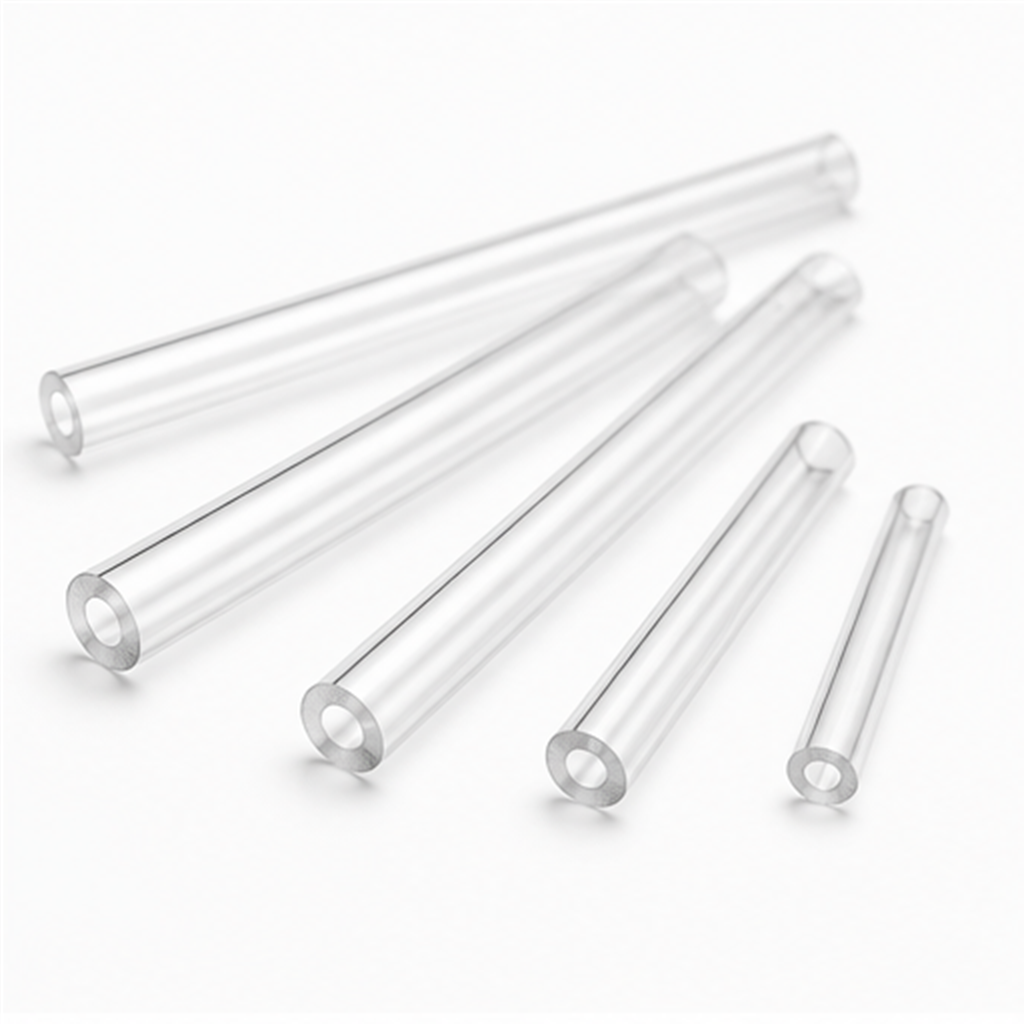
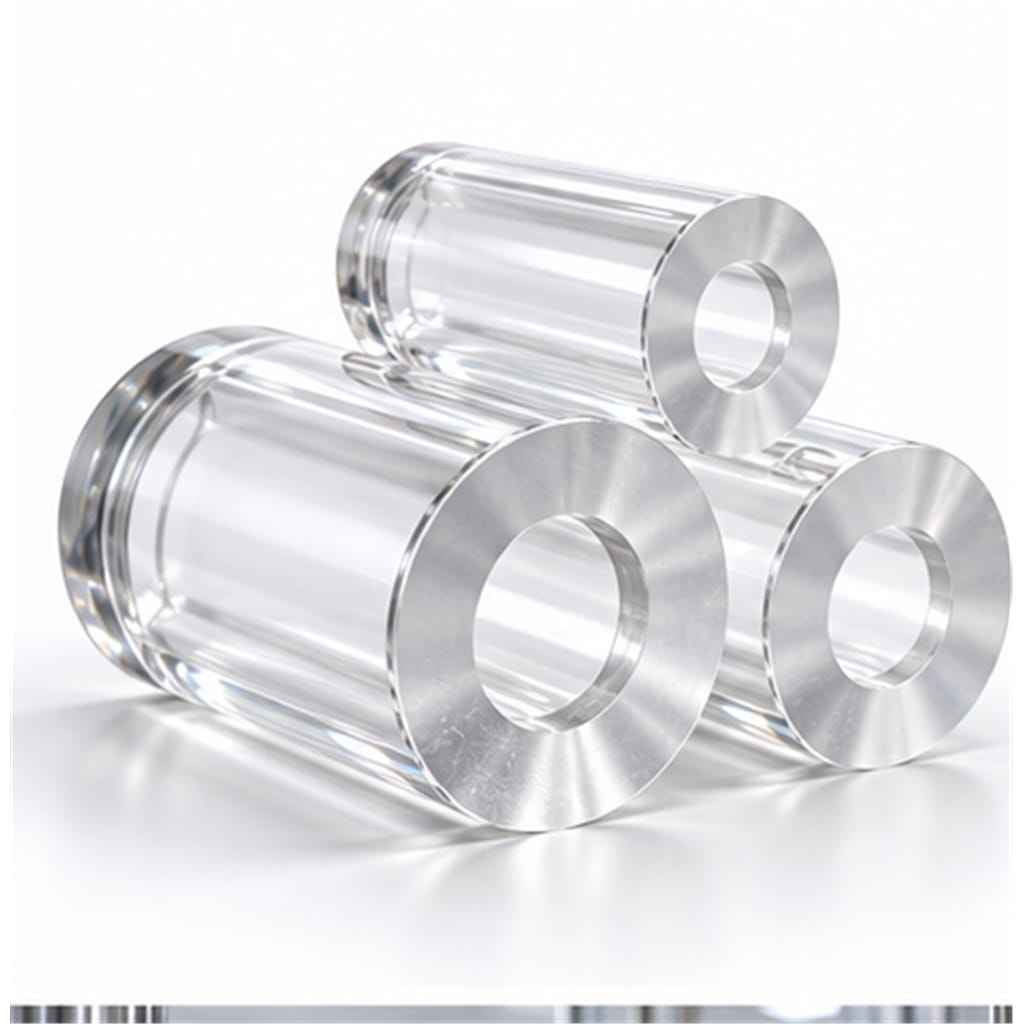
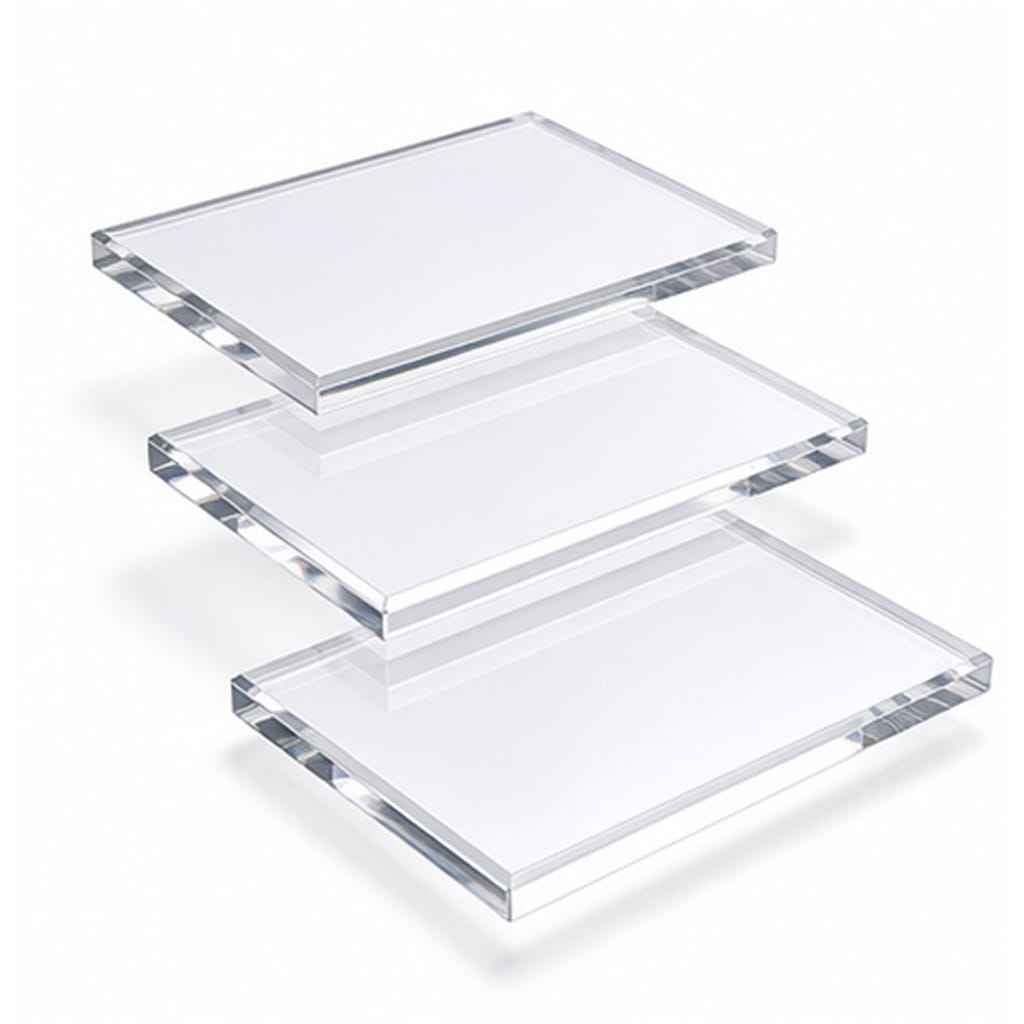
Precision-manufactured from high-grade natural and synthetic crystal silica. Standard stock sizes available for immediate dispatch or custom-formed to technical drawings with dimensional tolerance control down to ±0.05 mm.
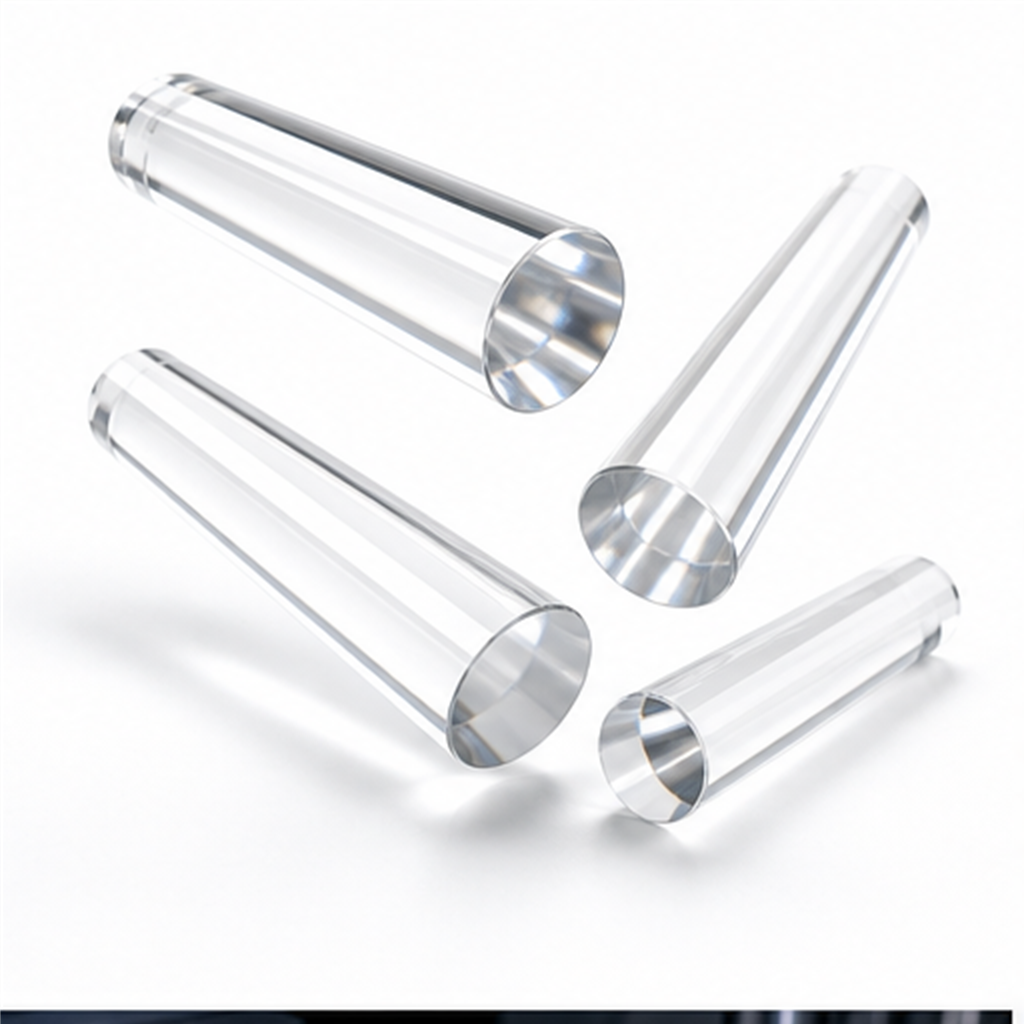
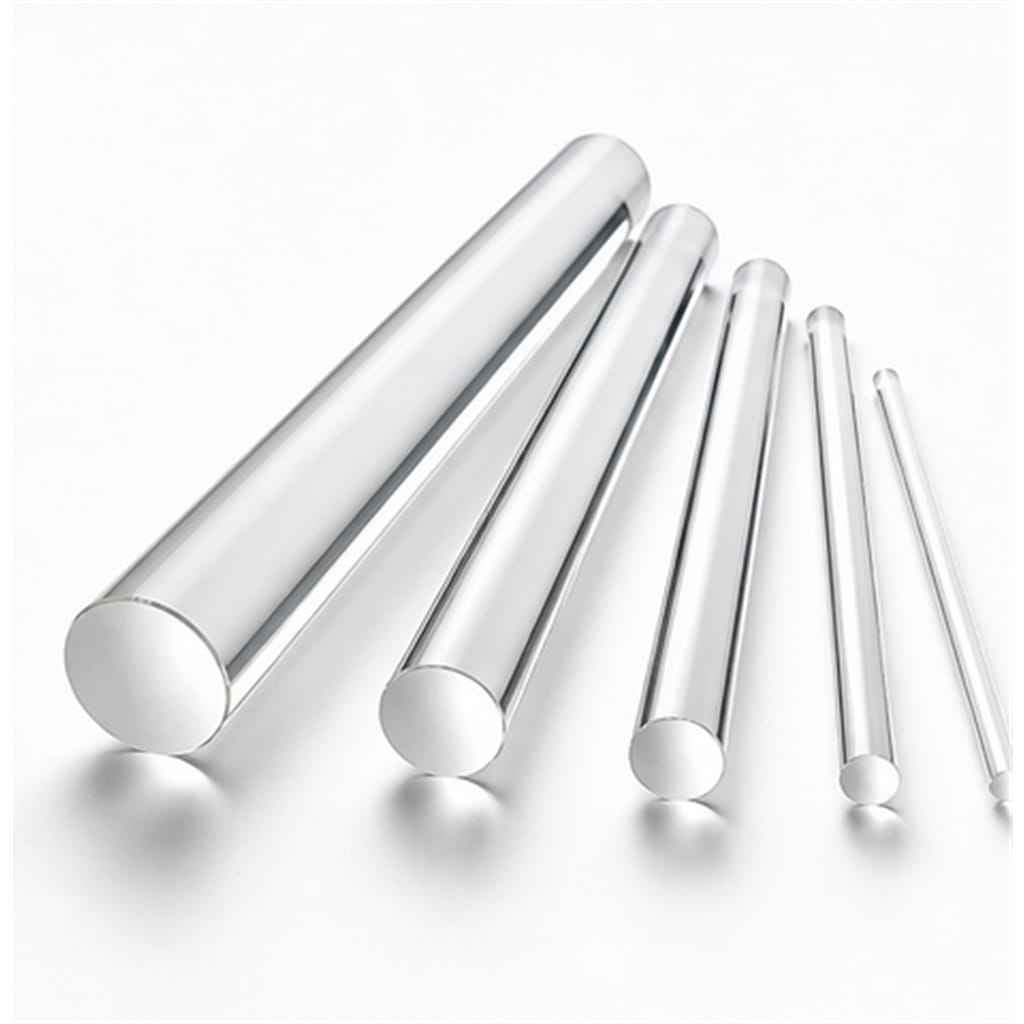
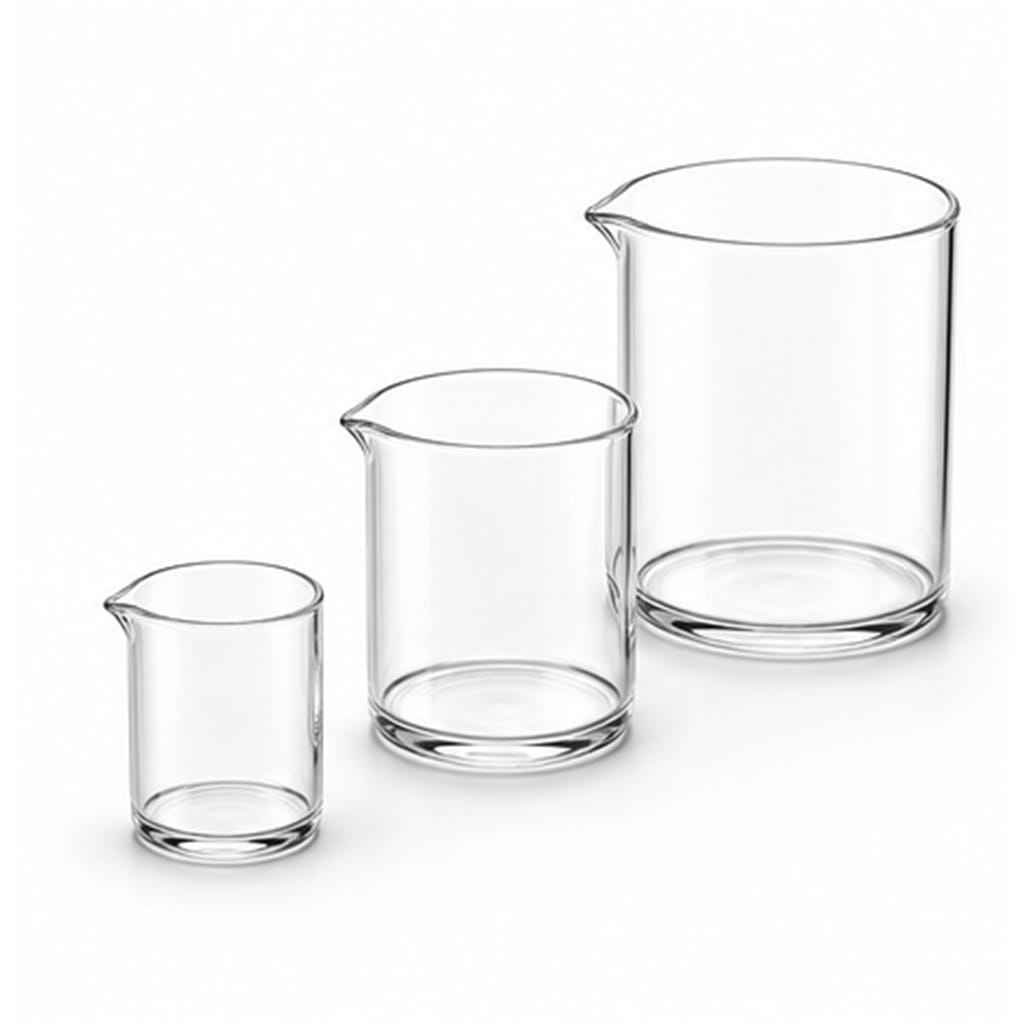
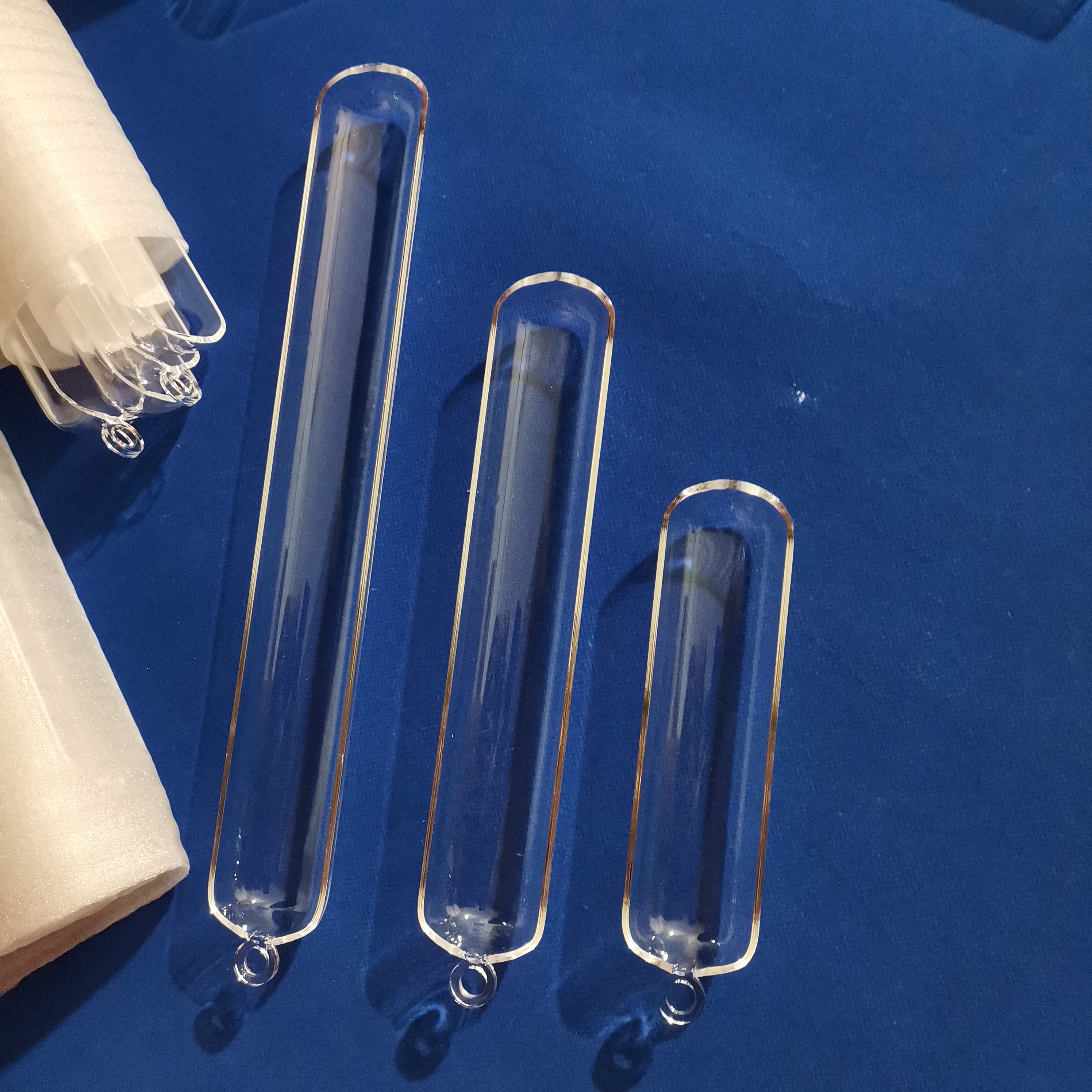
Technical Specification & Structural Architecture of Fused Quartz Crucibles
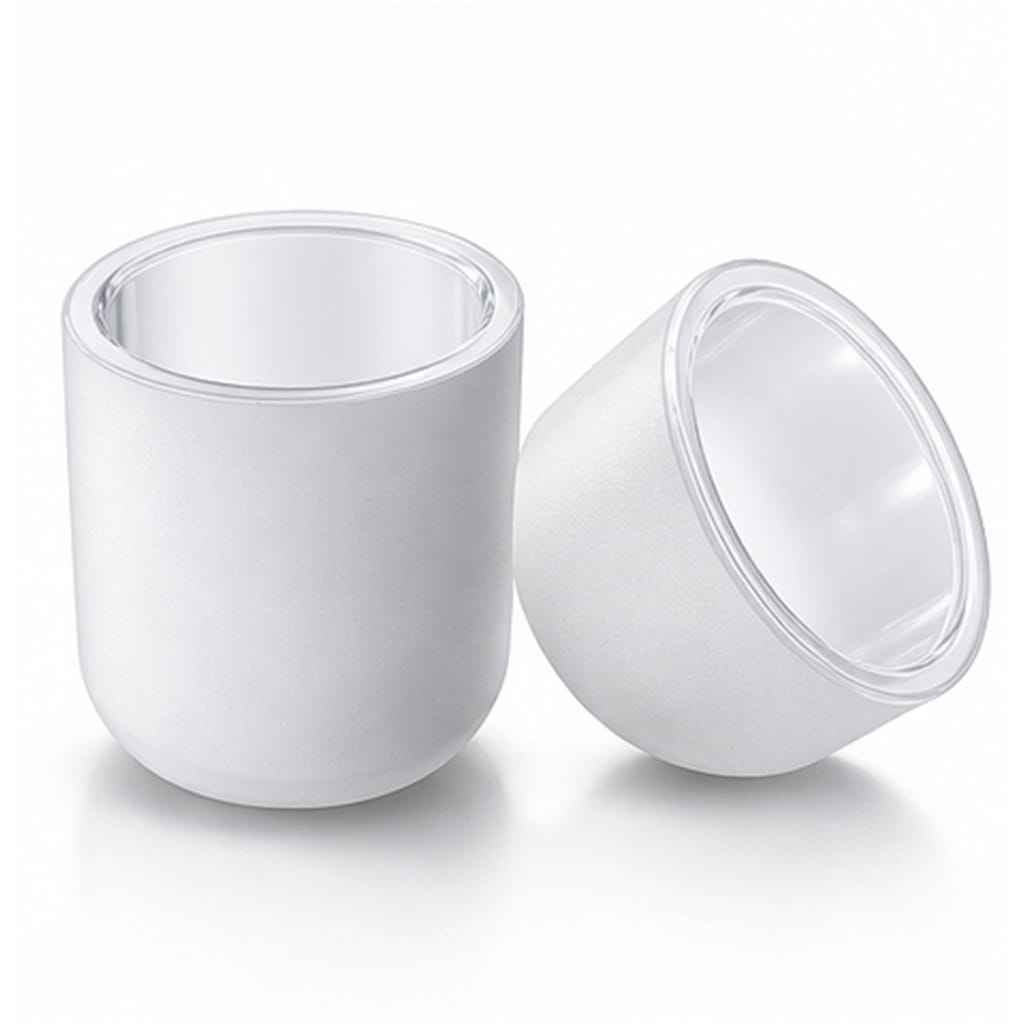
Fused quartz melting crucibles represent the pinnacle of refractory vessels for high-temperature material containment, pyrometallurgy, crystal synthesis, and specialized chemical synthesis. Donghai Kemzo Quartz Products Co., Ltd., capitalizing on raw materials sourced from Donghai County—internationally acknowledged as the premier crystal hub—manufactures CE-certified, ISO 9001-audited quartz crucibles engineered to eliminate thermal fracture and boundary layer contamination. When thermal operations breach 1000 °C, common borosilicate glassware exhibits structural creep, while conventional clay-graphite or alumina crucibles release trace cations (such as iron, calcium, or aluminum) into high-purity melts.
In contrast, our fused quartz crucibles deliver an uncompromising silica composition exceeding 99.99% SiO₂. The amorphous silicon dioxide network possesses an exceptionally low coefficient of thermal expansion (5.5 × 10⁻⁷ /°C between 20 °C and 300 °C), roughly one-sixth that of refractory borosilicates. This microstructural characteristic allows Kemzo crucibles to withstand severe thermal gradients, cyclic induction loading, and instant quenching from red-hot furnace conditions directly into cold atmospheric environments without spalling, crazing, or macroscopic fracturing.
| Physical & Thermal Property | Fused Quartz Value | Engineering Implication for Osijek Processors |
|---|---|---|
| Chemical Purity (SiO₂) | 99.9% to 99.99% | Guarantees zero leaching of heavy metals or alkalis during smelting or chemical calcination. |
| Transformation / Softening Point | ~1683 °C | Provides structural integrity during prolonged induction or muffle furnace runs up to 1200 °C. |
| Continuous Working Temp | 1100 °C | Designed for round-the-clock continuous thermal cycles in smelting and laboratory calcination. |
| Short-term Peak Temp | 1450 °C | Allows brief melting runs of precious metals, silicon, and specialized superalloys. |
| Density | 2.20 g/cm³ | Substantially lower mass inertia compared to cast iron, tungsten, or dense alumina containers. |
| Thermal Shock Resistance | Water Quench from 1100 °C | Crucibles can be removed directly from hot furnaces without slow cooling cycles. |
| Dielectric Constant (1 MHz) | 3.70 | High electromagnetic transparency for high-frequency induction smelting fields. |
Localized Industrial Application Scenarios in Osijek & Eastern Croatia
Osijek, the primary economic, industrial, and academic hub of Slavonia and the wider Osijek-Baranja County, is experiencing a decisive industrial transformation. Positioned strategically along the Drava River and adjacent to European transport corridors (Pan-European Corridor Vc), the local economy unites traditional heavy machinery, precision metallurgy, agricultural chemical synthesis, and burgeoning high-technology research anchored by the Josip Juraj Strossmayer University of Osijek. The supply of CE-certified, high-temperature quartz melting crucibles and related fused quartz components plays a vital technical role across several regional manufacturing ecosystems:
Specialty Metallurgy & Precious Metal Refining
Foundries and casting workshops in the Osijek industrial zone require inert vessels to melt gold, silver, non-ferrous dental alloys, and advanced brass compositions without slag absorption or wall leaching.
Advanced Ceramics & Material Science Labs
Research institutes and university technical faculties in Osijek deploy our high-purity quartz boats and crucibles for sol-gel calcination, solid-state battery material sintering, and spectroscopy sample preparations.
Chemical Synthesis & Agricultural Testing
Slavonia’s extensive agrochemical industries leverage quartz laboratory beakers and pressure sight tubes for aggressive acid digestions, pesticide residue extractions, and high-pressure steam evaluation.
In pyrometallurgical casting, induction melting is commonly utilized within Osijek's specialized machinery sub-sectors. Because amorphous fused silica does not couple with intermediate radio frequencies, magnetic flux passes cleanly through crucible walls into target charges, optimizing energy density while maintaining a thermally stable wall profile. Furthermore, the glass-smooth interior surfaces reduce molten metal wetting angles, ensuring maximum yield recovery during precision decanting.
Future Development Trends: Eastern Croatia's Advanced Manufacturing Pivot
As the European Union intensifies its focus on regional re-industrialization, energy independence, and advanced semiconductor self-reliance, the industrial sector in Eastern Croatia is actively integrating into regional supply chains. Osijek’s modern business zones (such as Business Zone Nemetin and Eco-Industrial Park Osijek) are drawing investments in electronic hardware components, photonics, and renewable technologies. These industrial macro-trends drive elevated standards for high-temperature refractory consumables:
1. Strict Trace Contaminant Thresholds: Modern electronic sub-assembly production and optical coatings demand crucibles and processing tubes with transition metal traces (Fe, Cu, Ni, Cr) strictly controlled to below part-per-million (ppm) levels. Kemzo's advanced chemical pickling and multi-stage vacuum melting ensure exceptional bulk purity to satisfy incoming cleanroom validations.
2. Rapid Prototyping & Custom Drawing Support: Croatian engineering units frequently run specialized, agile production schedules that require rapid customization. The shift from standard catalogue parts to custom-drawn quartz vessels—complete with specialized pouring spouts, locating ribs, ground sockets, and integrated thermocouple wells—has become standard operating practice.
3. Transparent Supply Chain Auditing & CE/ISO Governance: Importers across the Republic of Croatia and greater Central-Eastern Europe demand total adherence to European CE norms and documented ISO 9001 Quality Management Systems. Sourcing managers require documented proof of furnace annealing to ensure minimal residual hoop stress before introducing glassware into high-risk thermal chambers.
Enterprise Advantages: Why Kemzo Quartz Serves Osijek & Global Procurement
Donghai Kemzo Quartz Products Co., Ltd. has established itself as an authoritative manufacturer and exporter of fused quartz materials since 2011. Supported by a skilled workforce and advanced thermal forming facilities in Jiangsu, China, our enterprise merges geographical material advantages with international engineering governance:
Upstream Raw Sand Control
Situated in Donghai, the global hub for crystalline quartz, our factory directly refines raw silica, ensuring SiO₂ concentrations of 99.9% to 99.99% without third-party markups.
OEM / ODM to Technical Drawing
Over 11 years of custom OEM manufacturing. Our glass lathes, automatic CNC diamond grinders, and annealing furnaces fabricate complex geometries to precise customer tolerances.
ISO 9001 & CE Certified
Recognized as a Jiangsu High Technology Enterprise. Production runs incorporate strict polariscope stress verifications, precision ultrasonic wall checks, and spectroscopic analysis.
Robust Export Crate Logistics
With 70%+ of output exported, we implement multi-layer cushioning and custom fumigated plywood crating with DDU, CIF, and express options directly into Osijek facilities.
Frequently Asked Questions (FAQ) for Osijek & Regional Buyers
To assist factory engineers, laboratory purchasing heads, and foundry superintendents across Eastern Croatia, our technical support group has addressed the most recurrent commercial and application queries:
What distinguishes fused quartz from synthetic fused silica in metal melting operations?
Fused quartz is melted from naturally occurring, exceptionally pure crystalline quartz rocks. It provides robust thermal mechanical properties, low devitrification risks, and structural longevity at an accessible price point, making it the premier selection for metallurgical crucibles, induction pots, and furnace process tubes. Synthetic fused silica is created via the gas-phase hydrolysis of silicon tetrachloride (SiCl₄); while it provides higher UV optical transmission and negligible heavy metal presence, its substantially higher production cost is rarely necessary for pyrometallurgical, smelting, or general high-temperature refractory uses.
How does fused quartz handle thermal cycling compared to standard borosilicate or ceramic crucibles?
Standard borosilicate glass softens around 820 °C and fractures when exposed to severe temperature shocks due to its higher expansion coefficient (33 × 10⁻⁷ /°C). Ceramics like alumina require slow, controlled pre-heating (often 3–5 °C/min) to avoid thermal stress spalling. Transparent fused quartz features an expansion coefficient of only 5.5 × 10⁻⁷ /°C. A Kemzo quartz crucible can be repeatedly heated up to 1100 °C and pulled into room temperature conditions without structural cracking, streamlining turnaround times in busy testing laboratories and small-batch foundries.
What packaging safety measures are deployed to prevent breakage during sea and air transit to Osijek?
Every individual quartz product is wrapped in custom-cut, high-density polyethylene (EPE) foam sleeves or encapsulated in vacuum bubble cushioning. Items are isolated within segmented inner master cartons to prevent glass-to-glass contact. These inner cartons are subsequently loaded into export-grade, heavy-duty wooden crates braced with perimeter battens, steel corner clips, and internal desiccants. Our fragile export shipments achieve a non-breakage delivery rate exceeding 99.5% across European road, air, and marine freight corridors.
Can crucibles and quartz components be produced to proprietary CAD or step drawings?
Yes. Our engineering shop operates dedicated quartz glass machining lines equipped with ultrasonic cutting, CNC diamond contouring, fire polishing, and hot torch manipulation. Clients in Osijek can submit DWG, DXF, STP, or PDF drawings with defined dimensional tolerances, wall thickness requirements, and edge finishes. Our technical team evaluates material feasibility, provides structural feedback, and delivers a formal engineering quotation within one business hour.
What are the accepted trade terms, currencies, and typical order turnaround times for Croatia?
We accommodate diverse Incoterms including EXW, FOB, CFR, CIF, and DDU (Delivered Duty Unpaid) directly to your facility in Osijek or the surrounding Slavonian region. Payments are accepted in EUR, USD, and other major currencies via T/T, L/C, or PayPal for sample batches. Standard catalogue tubing and crucibles typically dispatch within 3–7 business days; custom fabricated crucibles and precision machined plates generally require 10–18 business days depending on geometric complexity and quantity.