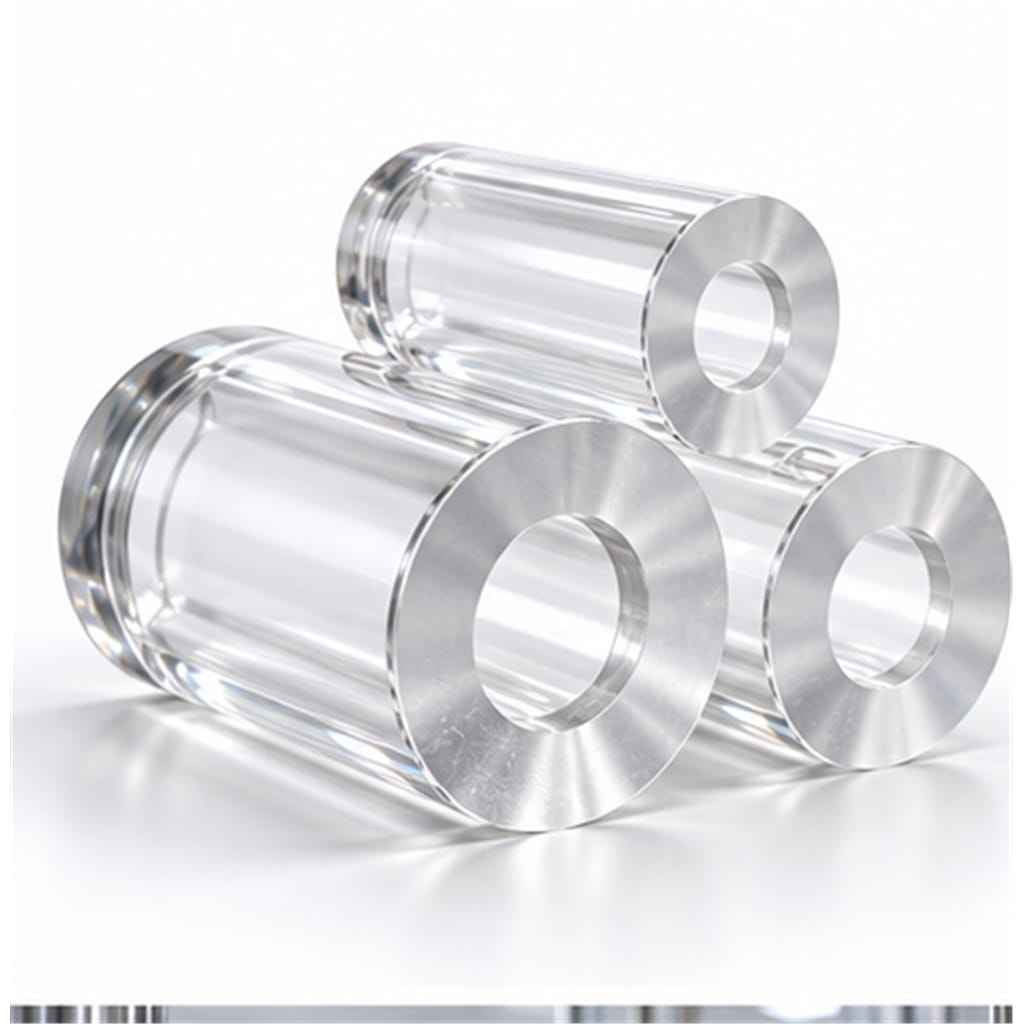
CE Certified Optical Quartz Window Manufacturer & Factory Serving the Jakarta Market
Industrial-Grade Synthetic & Fused Silica Windows, Precision High-Pressure Sight Glasses, and High-Transmittance Optical Viewports Engineered to DIN EN 61010-1 Standards for Indonesian Heavy Industry
Specialized Quartz & Optical Glass Assemblies
Explore our CE and ISO 9001 certified optical quartz products, engineered directly to CAD drawings for thermal resilience, deep UV transmission, and mechanical durability in high-throughput production lines.
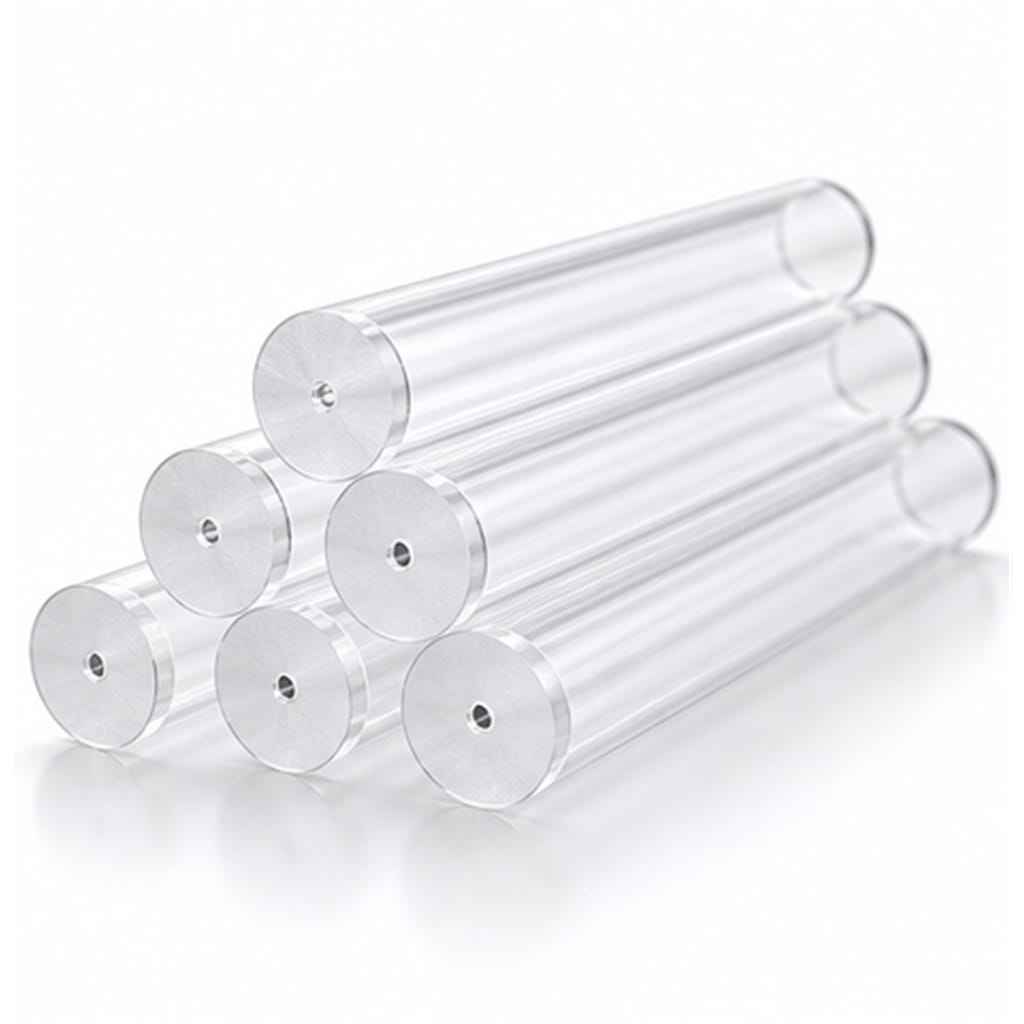
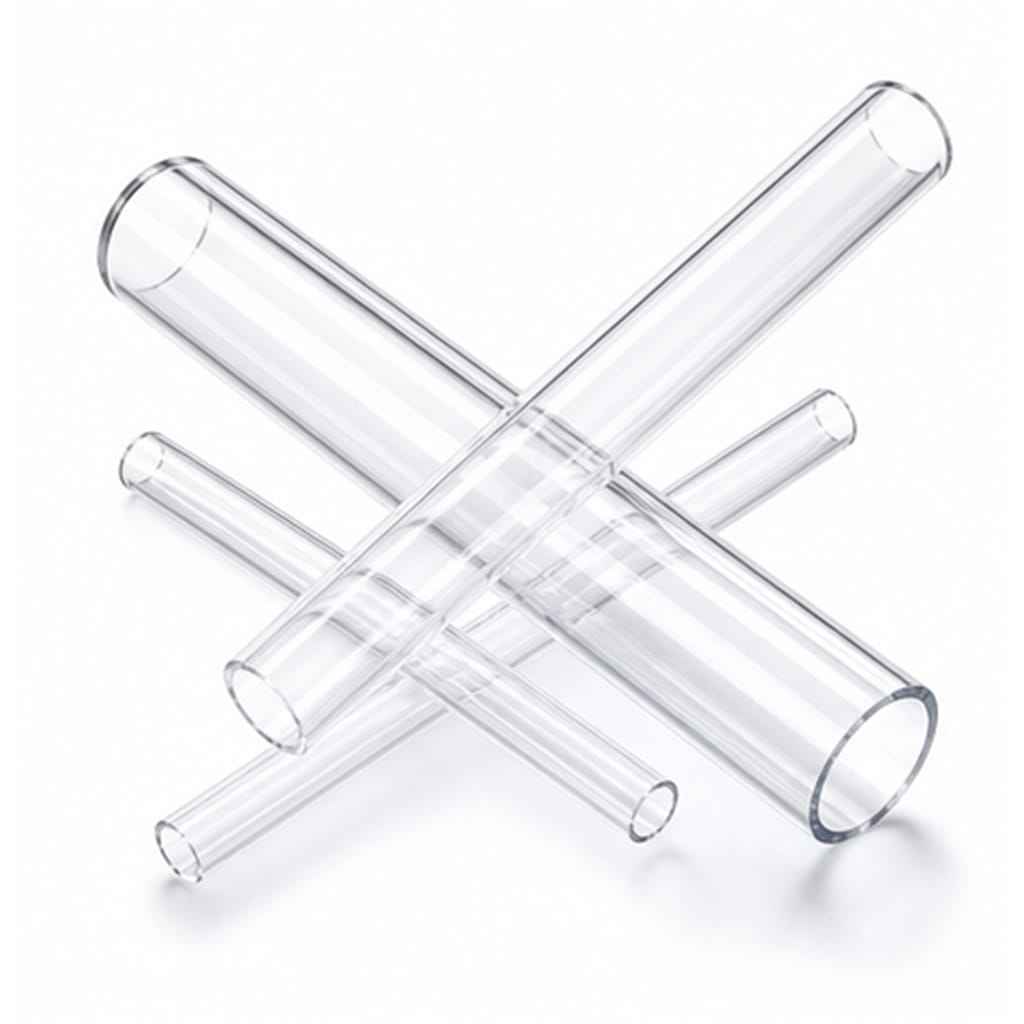
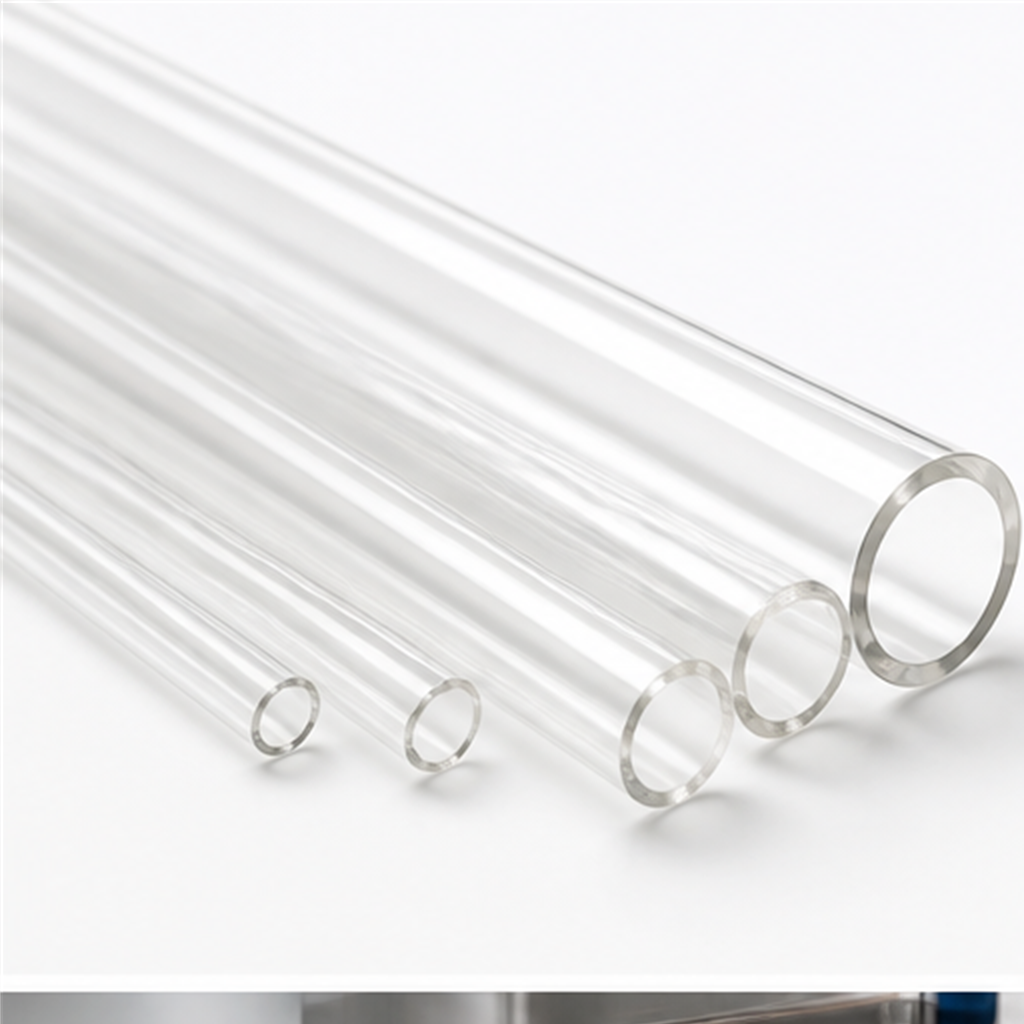
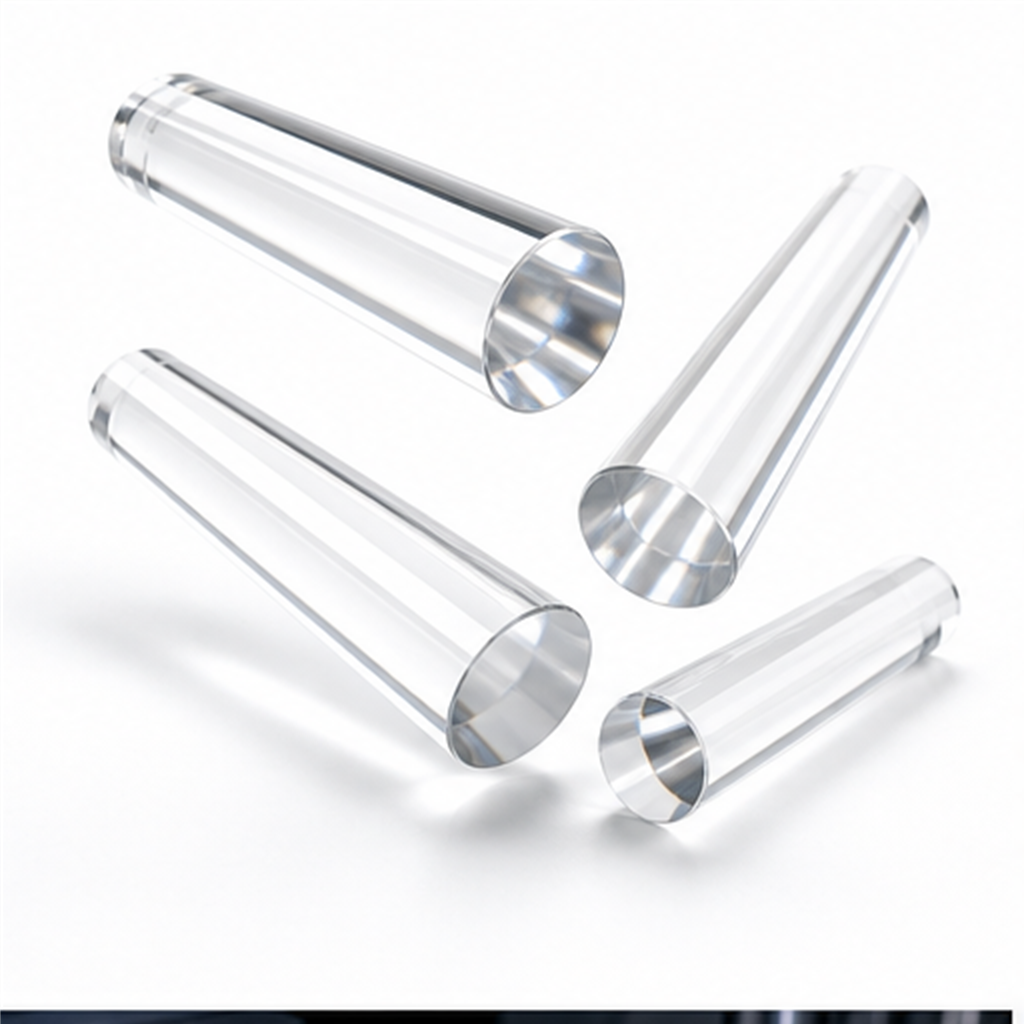
Material Physics: Optical Grade Quartz Windows in Industrial Environments
Precision optical windows made from high-purity fused silica (JGS1) and natural fused quartz (JGS2/JGS3) play an irreplaceable role in advanced metrology, spectroscopy, and process inspection windows across modern engineering facilities. Unlike standard borosilicate or soda-lime float glass, fused quartz features an amorphous network of pure silicon dioxide (SiO₂ ≥ 99.99%), with an exceptionally low coefficient of thermal expansion (5.5 × 10⁻⁷/°C). This characteristic practically eliminates thermal stress gradients during extreme thermal cycling between ambient conditions and elevated operating temperatures exceeding 1,100°C.
For optoelectronic, laser diagnostic, and industrial processing lines operating in high-demand regions like Greater Jakarta (Jabodetabek), choosing certified optical quartz viewports guarantees consistent surface flatness (λ/4 to λ/10 per inch) and tight parallelism (≤ 30 arcseconds). This performance mitigates wavefront distortion in UV-Vis spectrophotometry, high-temperature thermal imaging, and photolithographic curing operations.
| Property Parameter | Optical Fused Silica (JGS1) | Standard Fused Quartz (JGS2) | Borosilicate Glass (Reference) |
|---|---|---|---|
| Transmission Spectrum Range | 185 nm – 2,500 nm (Deep UV-Vis) | 220 nm – 2,500 nm (Optical Range) | 320 nm – 2,000 nm |
| Thermal Expansion (20°C–300°C) | 5.5 × 10⁻⁷ /°C | 5.5 × 10⁻⁷ /°C | 32.5 × 10⁻⁷ /°C |
| Continuous Working Temp | 1,100 °C | 1,050 °C | 450 °C |
| Softening Point | 1,730 °C | 1,683 °C | 820 °C |
| Surface Quality (Scratch-Dig) | 20-10 / 40-20 (Laser Quality) | 60-40 (Precision Optical) | 80-50 (Commercial) |
| Hydrolytic Resistance (ISO 719) | Class HGB 1 (Insoluble) | Class HGB 1 (Insoluble) | Class HGB 1 |
99.99%
SiO₂ Purity Index
1100°C
Continuous Work Threshold
≤ 1 Hour
Engineering Response Rate
ISO 9001
CE Compliant Operations
Industrial Application Scenarios in the Greater Jakarta Corridor
Analyzing technical deployment zones across Cikarang, Karawang, Banten, and Tanjung Priok logistics ecosystems where thermal reliability and optical precision are mission-critical.
⚙️
Petrochemical & Refinery Viewports (Cilegon & Banten)
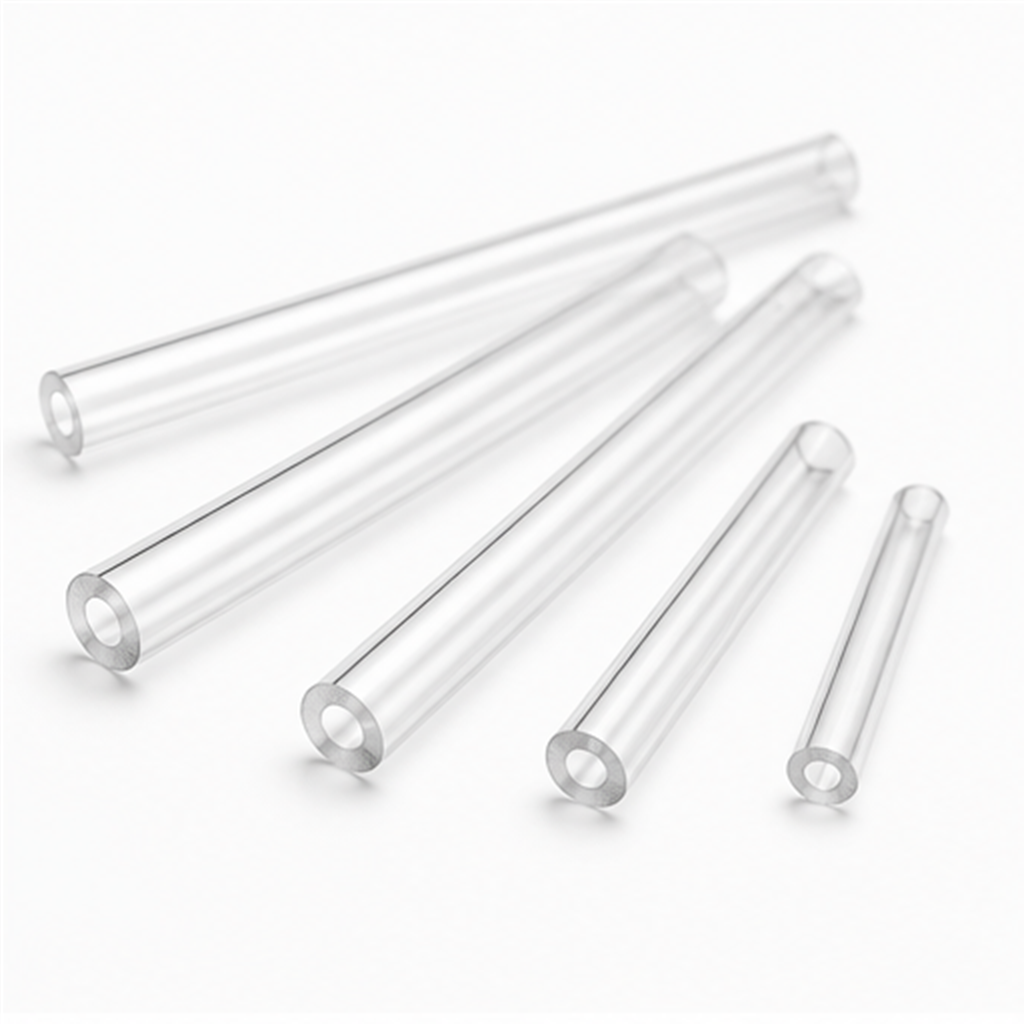
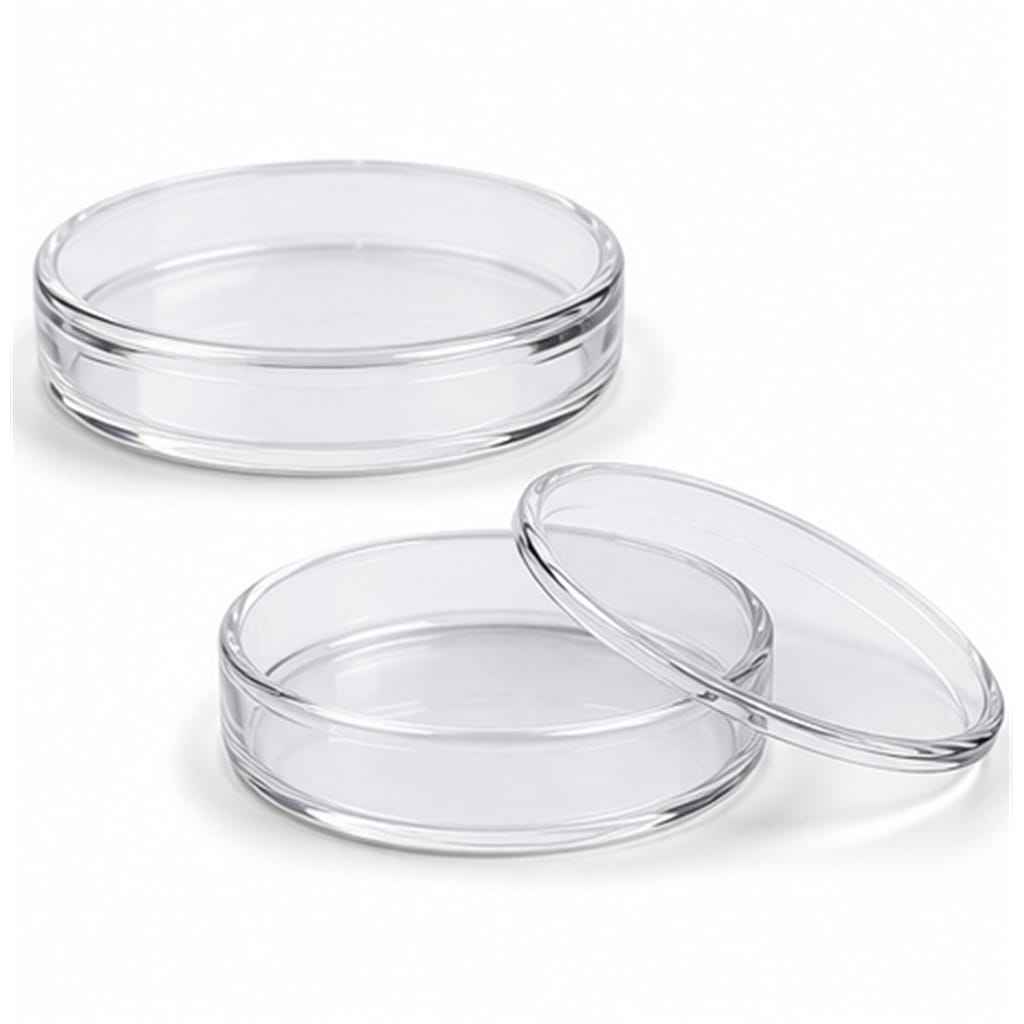
Processing reactors along West Java's coastal chemical corridor require heavy-wall fused quartz sight glass tubes and circular pressure windows capable of withstanding corrosive sulfurous gases, acid vapors, and hydrostatic pressures exceeding 50 bar inside catalytic thermal cracking units.
☀️
Photovoltaic & Semiconductor Cleanrooms (MM2100 & Karawang)
Fabrication plants producing solar cells and electronics sub-assemblies employ precision double-side polished quartz plates and squared tubes for high-vacuum LPCVD and PECVD furnaces, eliminating risk of alkali metal migration into wafers under prolonged baking.
🔬
Analytical Metrology & Quality Labs (Puspiptek & Jabodetabek)
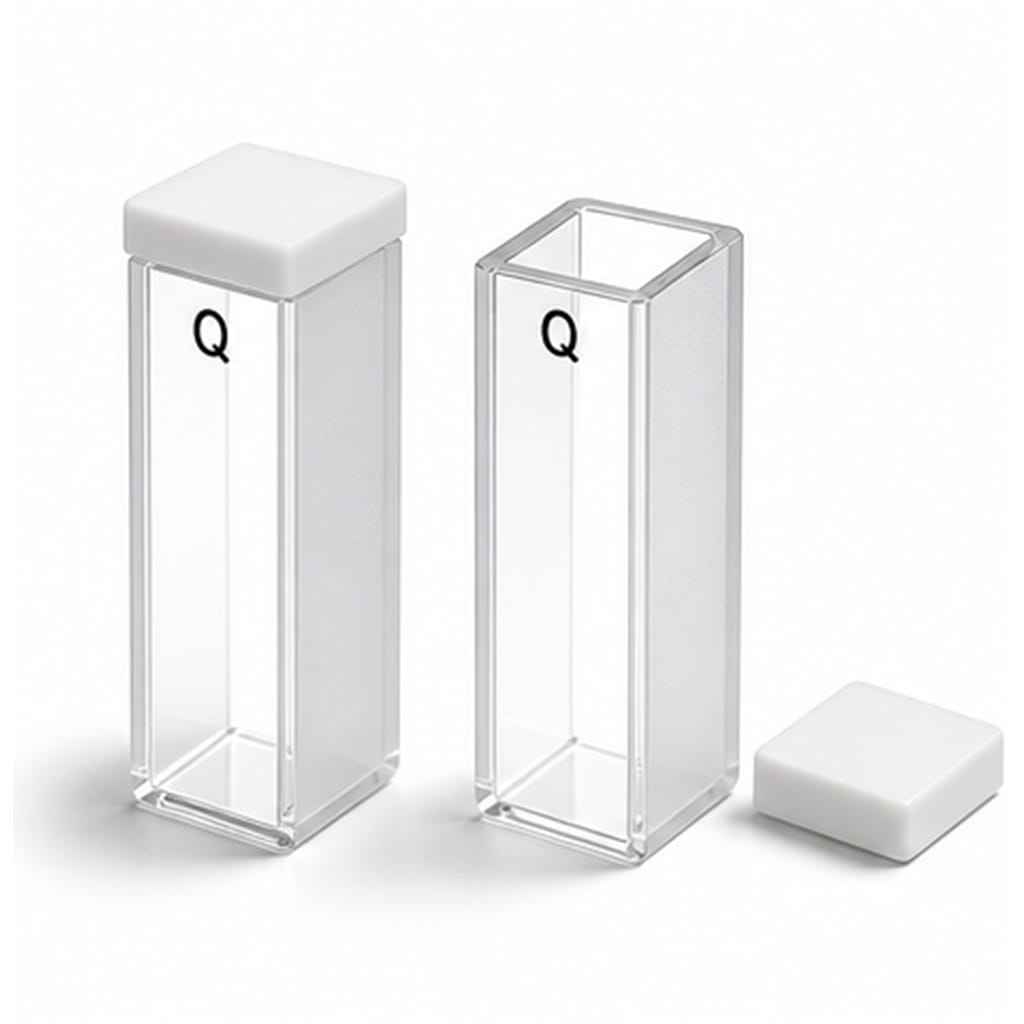
Government testing institutions (such as BRIN) and commercial pharmaceutical R&D centers rely on custom optical spectrophotometer cuvettes, capillary tubes, and deep-UV fused silica windows for accurate liquid chromatography and optical emission spectroscopy.
⚡
Thermal Power & Steam Boiler Infrastructure (Muara Karang & Tanjung Priok)
Superheated steam monitoring requires tubular and disc sight glasses with low thermal expansion to prevent catastrophic shattering caused by rapid thermal fluctuations during high-pressure boiler shutdowns and flash-evaporation cycles.
🧪
UV Curing & Industrial Coating Lines (Cikarang Industrial Estate)
High-speed manufacturing facilities utilize high-transmission quartz plates to insulate UV curing lamps from the manufacturing line, maximizing UV curing wavelength efficiency without retaining excess heat.
Industrial Trends Driving Quartz Procurement in Indonesia (2025–2030)
The industrial landscape of Indonesia is experiencing rapid transformation under the "Making Indonesia 4.0" masterplan. Three macro-economic vectors are specifically driving local procurement teams in Jakarta toward certified, direct-factory optical quartz sourcing:
1. Expansion of the EV Battery & Nickel Processing Axis: While rotary kilns and hydrometallurgical leaching plants are centralized in Central Sulawesi and North Maluku, the headquarters, regional engineering hubs, and central verification laboratories remain clustered around Central and South Jakarta. Metallurgical assay laboratories are migrating to precision fused quartz crucibles and quartz ash boats that endure thermal shocks up to 1,450°C without shedding trace contamination.
2. Localization of Solar Photovoltaic (PV) Wafer Supply Chains: In support of national renewable energy targets, Java's industrial belts are establishing localized solar cell manufacturing lines. These production lines require continuous supplies of high-purity quartz diffusion tubes, furnace carriers, and quartz window blocks that withstand repetitive 24/7 high-temperature oxidation processes.
3. Demand for Transparent Bilateral Trade & Reliable Direct Packaging: Historically, Indonesian buyers suffered substantial lead-time penalties and product breakage by buying through secondary traders in Singapore or domestic intermediaries. Modern procurement strategies favor direct manufacturer partnerships backed by seaworthy and air-freight shock-absorbent wooden crating, reducing total cost of ownership by up to 28%.
Integrated Quartz Engineering & Factory Capabilities
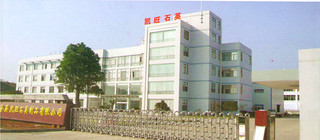
Originating from Donghai—internationally recognized as the natural crystal capital—Donghai Kemzo Quartz Products Co., Ltd. combines raw quartz processing with high-precision CNC cutting, grinding, fire-polishing, and cleanroom vacuum annealing.
Operating under rigorous ISO 9001:2015 quality architecture and accredited as a Jiangsu High Technology Enterprise, we control purity directly from the silica melting phase. Our products feature CE certification compliance for electrical and thermal instrument safety integration, ensuring full engineering compatibility with European, Japanese, and American manufacturing equipment operating across Indonesia.
Frequently Asked Questions by Indonesian Procurement Teams
Key technical, commercial, and logistical guidelines for engineering and import officers sourcing quartz components for Indonesian operations.
How do you ensure zero-breakage delivery to Tanjung Priok or Soekarno-Hatta (CGK)?
Exporting fragile fused quartz requires engineered multi-tier shock protection. Each quartz tube, sight glass, or optical plate is individually wrapped in electrostatic-free EPE micro-foam and vacuum-sealed bubble wrap. Multiple units are nested in reinforced honeycomb separators within drop-tested inner boxes, which are then bolted into fumigated, export-grade plywood crates equipped with shock and tilt indicator sensors. This packaging delivers an intact arrival rate exceeding 99.8% across air freight and sea freight routes into Jakarta.
Can Kemzo customize quartz viewports based on local equipment CAD drawings?
Yes. We possess more than 11 years of proven OEM and ODM experience. You can supply technical drawings in PDF, DWG, or STEP formats, including required dimensional tolerances (±0.05 mm standard, ±0.01 mm high-precision), surface finish metrics (such as optical 60/40 or 40/20 scratch-dig), and edge chamfer specifications. Our engineering department reviews manufacturability and returns a comprehensive design confirmation and quotation within one business hour.
What is the difference between synthetic fused silica and natural fused quartz for optical applications?
Natural fused quartz is produced by melting natural crystalline silica sands, offering thermal resilience up to 1,100°C, structural rigidity, and broad optical transmission from 220 nm to the near-infrared at a practical cost point. Synthetic fused silica is created through vapor chemical synthesis of silicon tetrachloride (SiCl4), delivering ultra-pure material (< 0.1 ppm metallic impurities) without bubble inclusions, making it suitable for deep ultraviolet applications below 220 nm and precision laser window optics.
Which Incoterms and payment terms are supported for Indonesian import declarations?
We support standard international commercial terms including FOB (Shanghai/Lianyungang), CIF (Tanjung Priok, Jakarta), CFR, and DDU/DAP air cargo delivery directly to your plant in Cikarang or Karawang. Commercial invoices, detailed packing lists, Certificates of Origin (Form E for favorable tariff treatment under ACFTA), and Mill Test Certificates are provided with each order. Payment terms include T/T, Letter of Credit (L/C), and secure digital escrow options in USD, EUR, or CNY.
Are your optical quartz windows compliant with CE and industrial safety directives?
Yes, our optical quartz sight glasses and pressure viewports conform to European Machinery Directives, Pressure Equipment Directive (PED 2014/68/EU) guidelines, and DIN EN 61010-1 design safety standards. Each high-pressure batch is subjected to hydrostatic burst tests, polarized stress analysis, and spectrophotometric spectrophotometer validation prior to release.
Need Custom Optical Quartz Windows for Your Jakarta Facility?
Send your drawings, specifications, and operating parameters to our engineering team. Receive technical feasibility verification, material recommendations, and a direct factory quotation within one hour.
Get a Quote