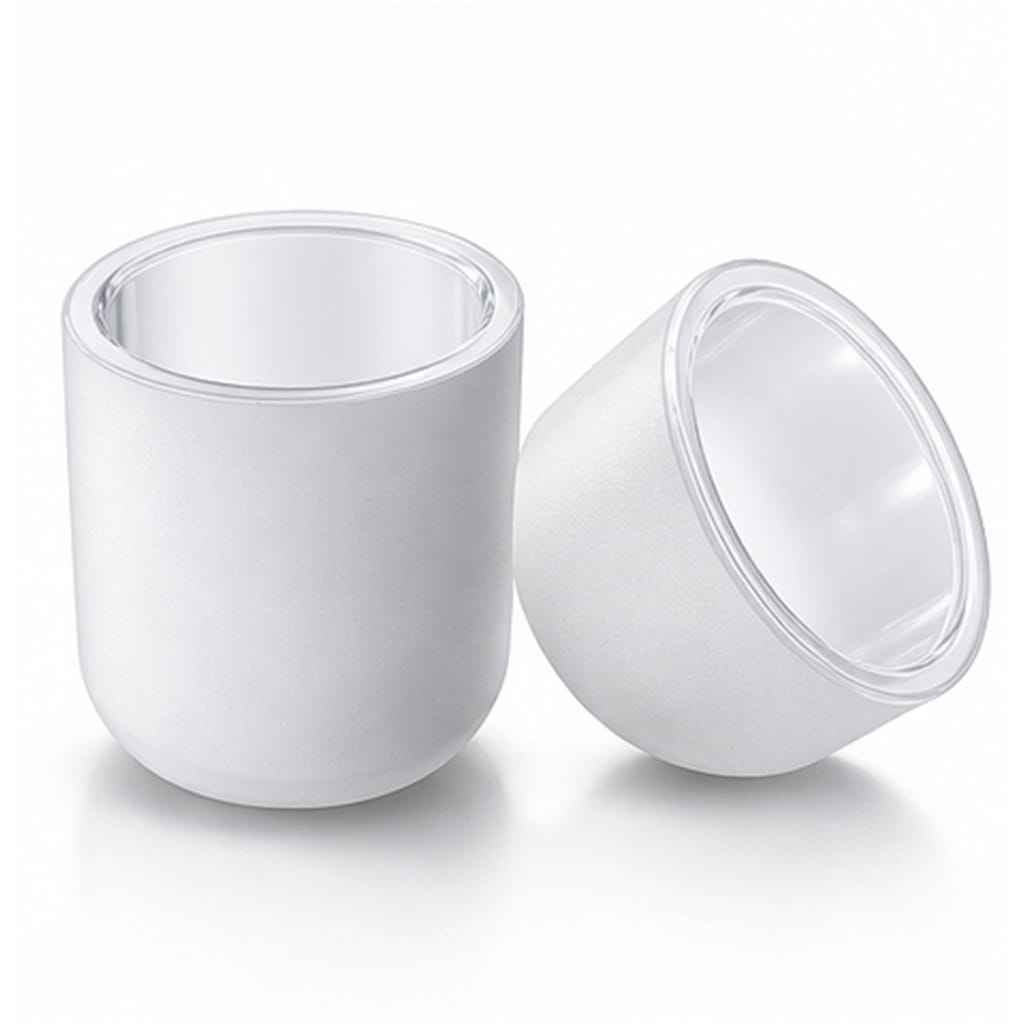
Direct Export Portfolio
Precision Quartz Components Engineered for Extreme Thermal Environments
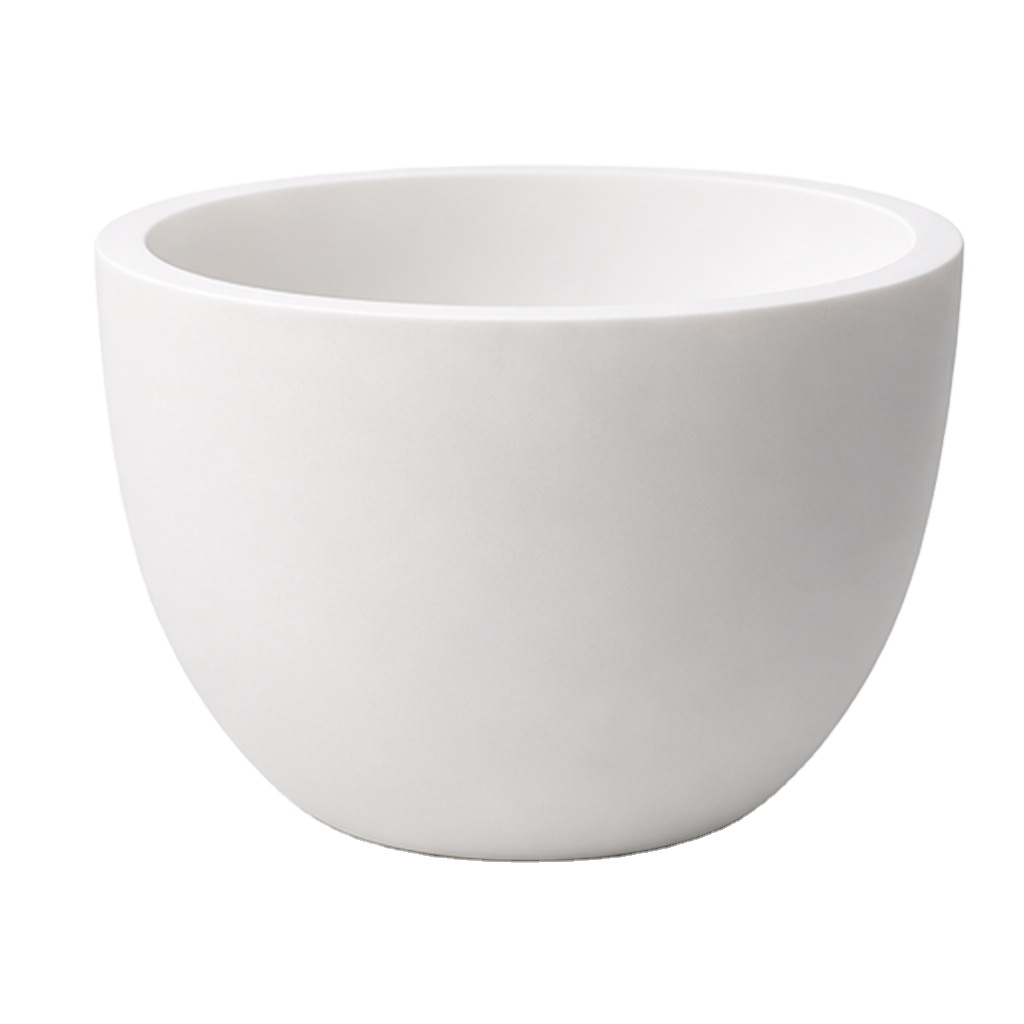
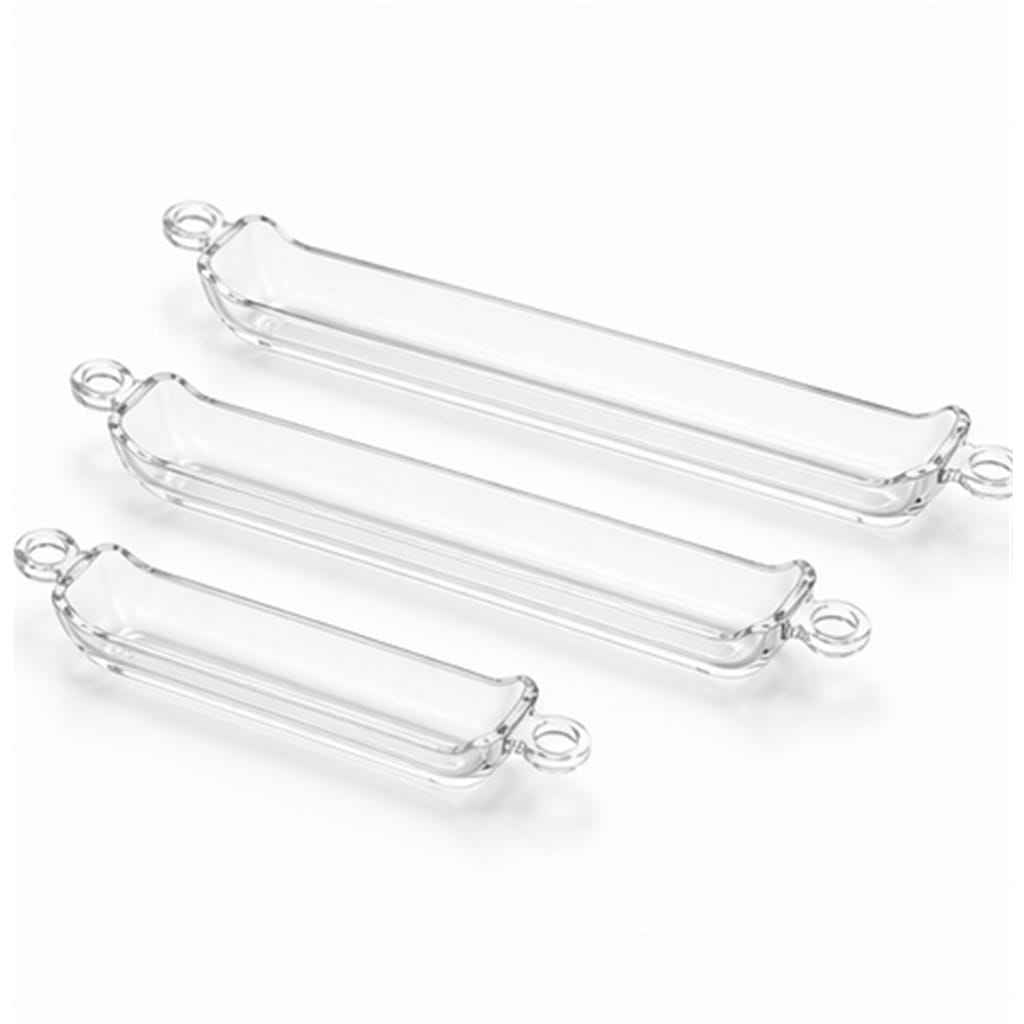
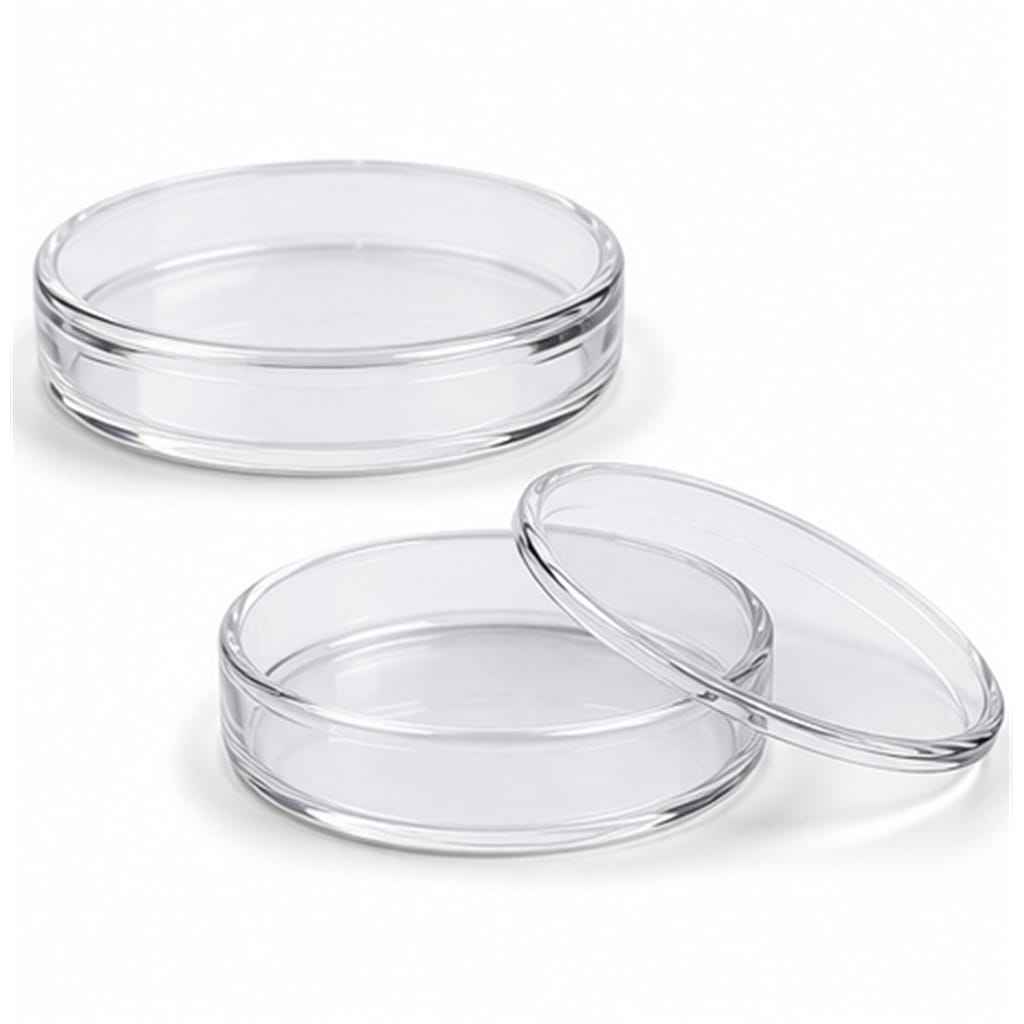
Kemzo Quartz supplies ISO 9001-certified fused silica and high-purity quartz apparatus engineered in Donghai, China, providing stable performance across industrial heating, semiconductor development, chemical synthesis, and precision metallurgy.
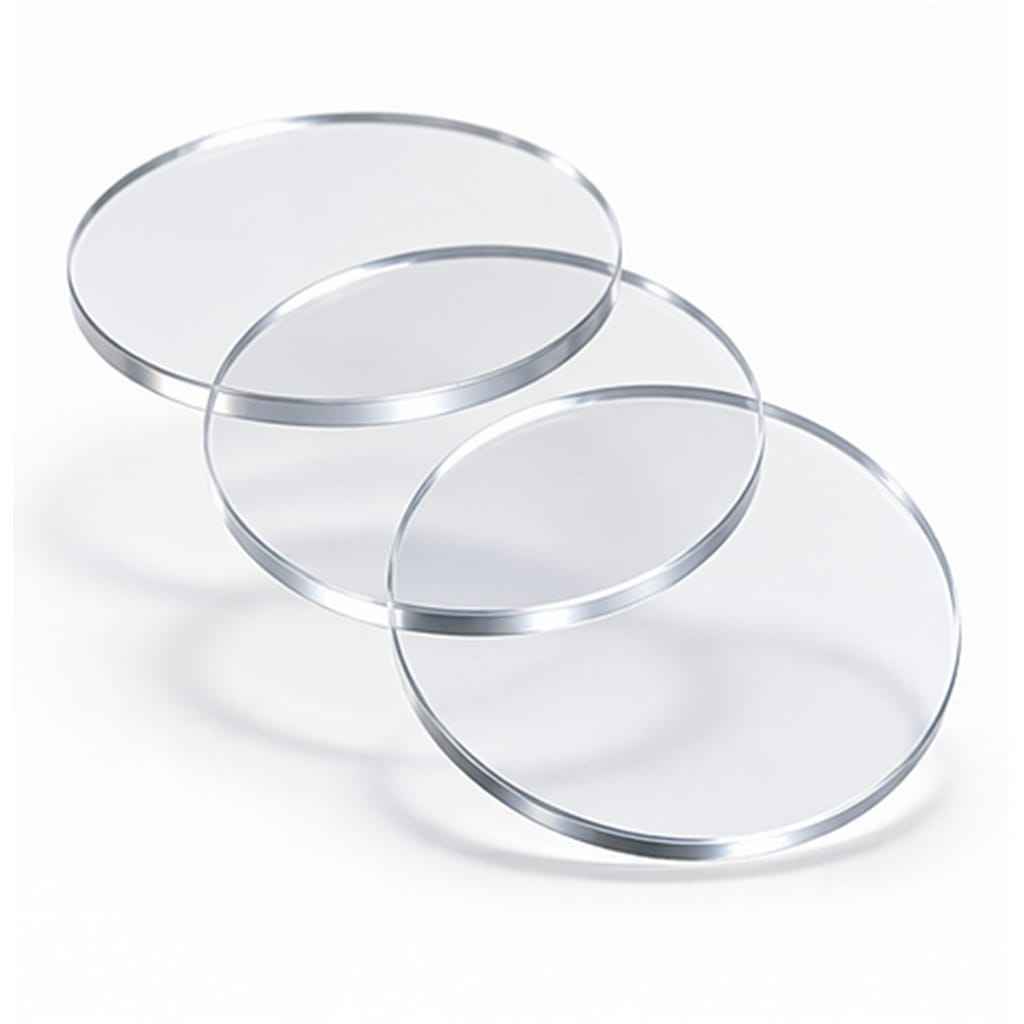
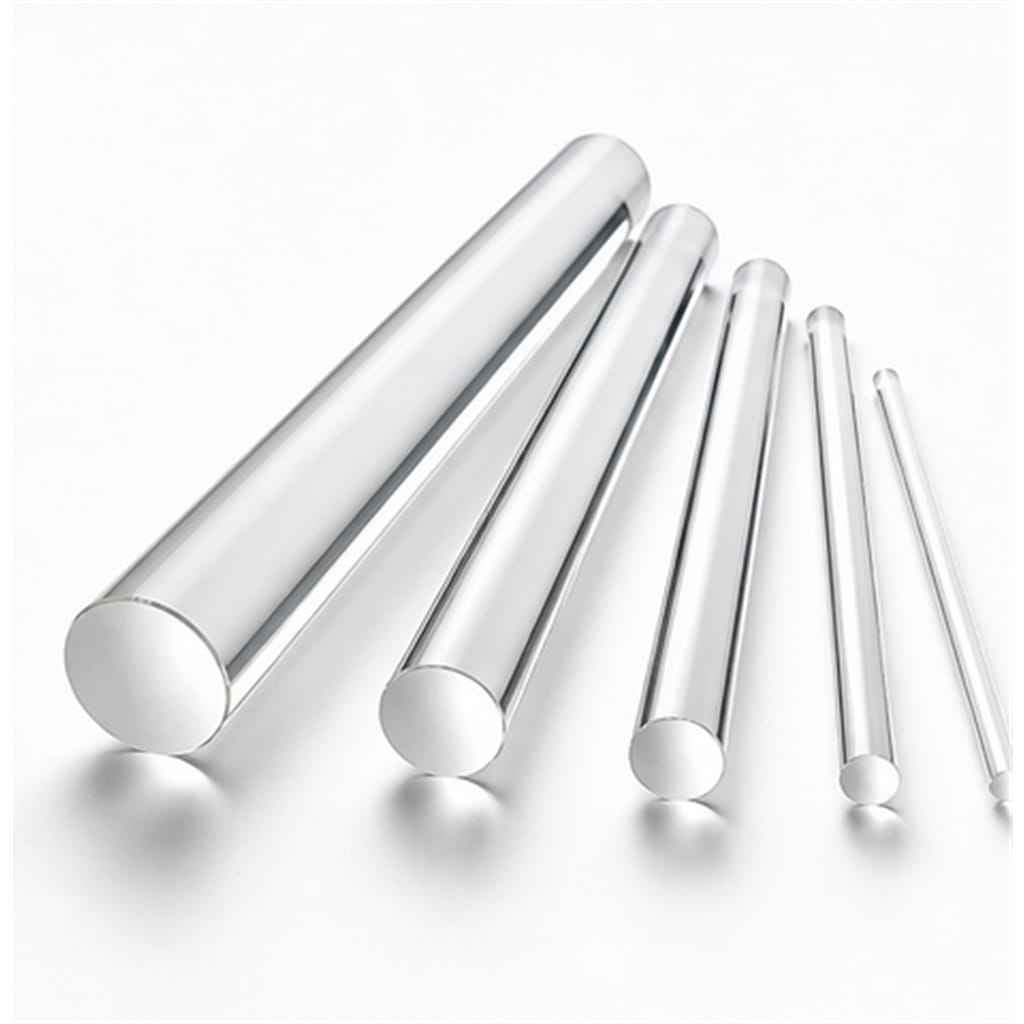
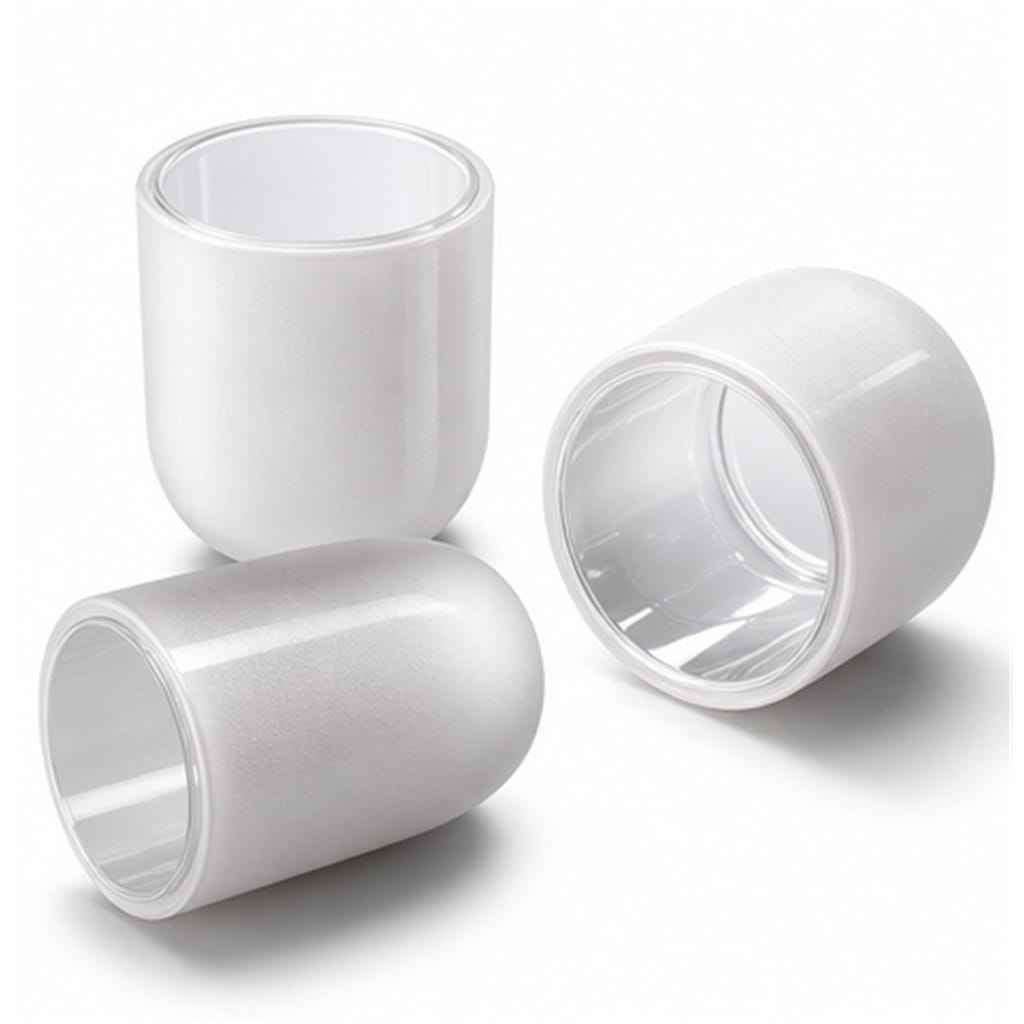
99.99%
SiO₂ Chemical Purity
1100°C
Continuous Working Temp
>98%
Medium-Wave IR Efficiency
≤ 1 Hour
Engineering Response Time
Technical White Paper: Carbon Fiber Quartz Heating Technology for Havana's Industrial Demands
As industrial processing facilities, biotechnology laboratories, and specialized curing operations in Havana seek modern thermal efficiency, carbon fiber quartz heating lamps represent an advanced thermodynamic leap over traditional metallic alloy (Ni-Cr or Fe-Cr-Al) elements. Utilizing a carbon fiber filament weave suspended within an inert-gas-purged, ultra-pure fused silica envelope, these infrared emitters convert over 98% of electrical input into directed radiant thermal energy.
Unlike halogen or short-wave infrared emitters that waste significant portions of their output in visible light radiation, carbon fiber emitters deliver a finely matched spectrum concentrated in the medium-wave infrared (MWIR) wavelength band (2.0 to 4.5 μm). This range matches the fundamental absorption resonance of water, biological organic matter, lacquers, polymer resins, and agricultural products. For manufacturers operating in the Mariel Special Development Zone (ZEDM) and Havana's industrial districts, this spectral synergy translates into direct core heating, minimal surface skinning defects, and power reductions reaching up to 30% compared to legacy metallic heating systems.
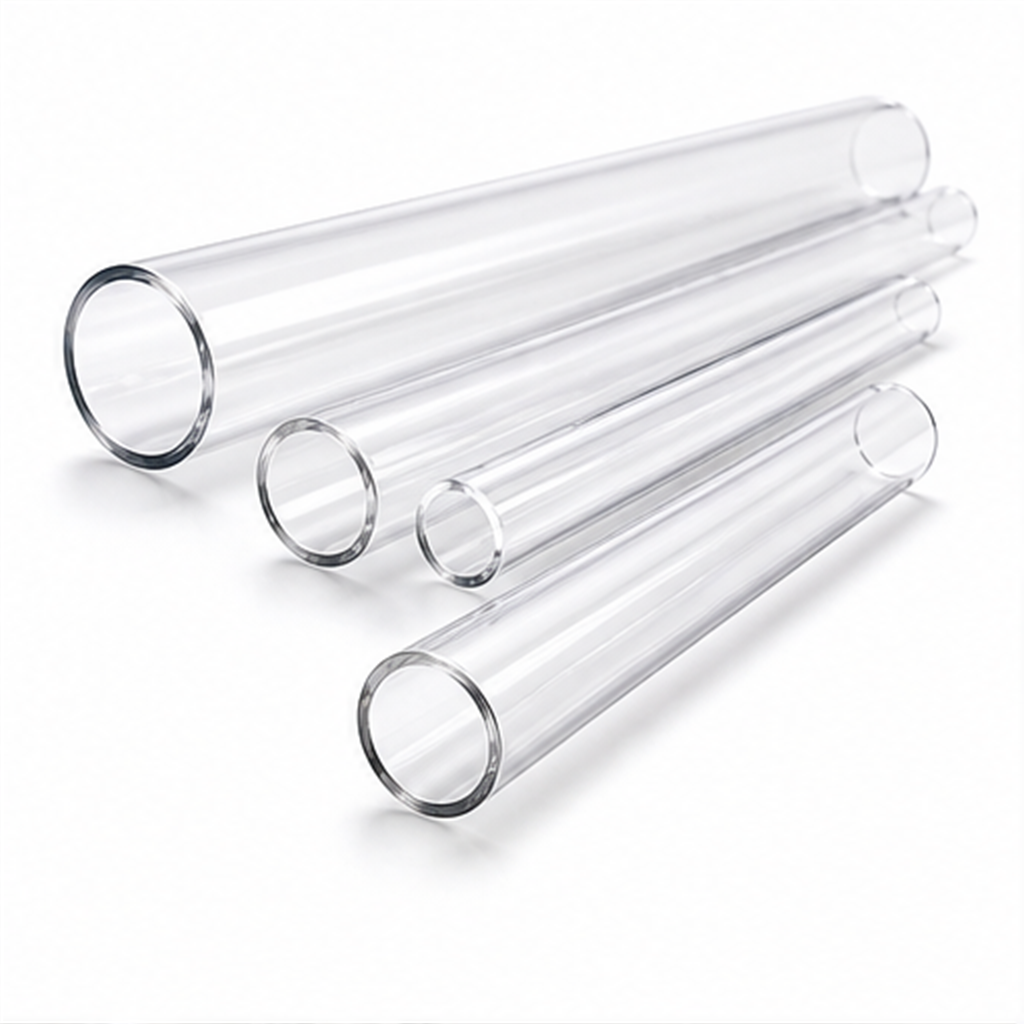
The fused silica glass tube serves not merely as a mechanical housing, but as an active optical and thermal component. Manufactured in Donghai, China—the global epicenter of high-purity natural silica reserves—our transparent fused quartz envelopes boast a softening point exceeding 1683°C, extreme linear thermal expansion stability (5.5 × 10⁻⁷ /°C), and absolute resistance to thermal shock. This thermal resilience is critical in Havana, where rapid ambient fluctuations and occasional process interruptions demand materials that can be brought from 1100°C to ambient water quench without micro-fracturing or catastrophic devitrification.
| Physical & Thermodynamic Metric | Carbon Fiber Quartz Emitter | Conventional Tungsten Halogen | Ceramic / Calrod Metal Sheath |
|---|---|---|---|
| Primary Spectral Band | Medium-Wave IR (2.0 – 4.5 μm) | Short-Wave IR (0.8 – 1.4 μm) | Long-Wave IR (3.0 – 10.0 μm) |
| Thermal Response Time | ≤ 2 to 3 seconds | ≤ 1 second | 10 to 25 minutes |
| Electric-to-Thermal Conversion | 98.2% Direct Radiation | 85% Radiant / 15% Visible | 50% Convective / 45% Radiant |
| Envelope Composition | High-Purity Fused Quartz (SiO₂ > 99.9%) | Doped Quartz / Hard Glass | Stainless Steel / Incoloy Sheath |
| Thermal Shock Tolerance | ΔT > 1000°C (Water Quench Proof) | Moderate (Sensitive to oil contamination) | Low (Prone to oxidation scale) |
| Atmospheric Corrosion Durability | Hermetic Quartz (Immune to Salt & Moisture) | High (Enclosed glass structure) | Poor to Medium (Pitting in high salinity) |
| Operating Lifetime Expectancy | 8,000 to 10,000+ Continuous Hours | 3,000 to 5,000 Hours | 4,000 to 7,000 Hours |
Localized Industrial Application Scenarios in Havana
The operational landscape of Havana presents specific engineering challenges: elevated coastal humidity, ambient maritime salinity from the Gulf of Mexico, energy grid efficiency imperatives, and specialized commercial production needs. Carbon fiber quartz heater lamps engineered by Kemzo Quartz have been customized to overcome these site-specific conditions across diverse sectors:
Tobacco Conditioning & Cigar Curing
Cuba's world-renowned premium tobacco requires uniform dehydration and secondary fermentation stabilization without scorching delicate leaf wrapper oils. Medium-wave infrared precisely agitates internal cellular water molecules without creating harsh localized hot spots, preventing leaf embrittlement and maintaining aromatic integrity.
Automotive Paint & Fleet Refinishing
Automotive repair shops and commercial fleet refurbishers across Havana frequently struggle with high ambient humidity causing micro-blistering and long solvent evaporation cycles. Carbon fiber quartz emitters penetrate multi-layer basecoats to dry coatings from the metal primer up, curing finishes in a fraction of traditional cycle times.
Biomedical & Pharmaceutical Production
The BioCubaFarma cluster and clinical research labs in Playa and Marianao require sterile, cleanroom-grade process heat for glassware sterilization, pyrogen elimination, and reagent concentration. Non-contact quartz radiant tubes eliminate convective airborne dust contamination, sustaining pristine sterility.
PET Bottle Blow Molding & Plastic Thermoforming
Beverage bottling lines and packaging converters around Havana Harbor rely on carbon fiber heaters for preform reheat tunnels. The quick on/off thermal cycling permits instantaneous temperature trimming, balancing the wall thickness of bottles and preventing thermal haze or crystal hazing defects.
Textile Screen Printing & Garment Flash Curing
Commercial screen-printing operations in Havana require flash curing plastisol and water-based textile inks without scorching cotton fabric. Our medium-wave carbon fiber lamps reach full operational intensity within 3 seconds, allowing power to shut down between printing strokes to prevent excessive workshop heat buildup.
Specialized Food Dehydration & Coffee Roasting
From organic cocoa processing to artisan Cuban coffee bean surface roasting and tropical fruit drying, controlled infrared dehydration inhibits enzymatic breakdown while preserving volatile organoleptic compounds, delivering high product consistency under strict food-contact safety standards.
Havana Market Strategic Development Trends & Energy Transition
The industrial ecosystem across Havana is navigating a strategic transition toward operational resilience, modernization, and heightened energy efficiency. In a manufacturing market sensitive to grid electricity tariffs and generation stability, procurement parameters have fundamentally shifted toward technologies offering lower kilowatt-hour consumption, minimal maintenance overhead, and longer lifespans.
Prioritization of High-Efficiency MWIR Radiative Systems
Cuba's national energy framework increasingly incentivizes energy-conserving equipment retrofits. Factory engineers in Havana are steadily replacing outdated, heavy-load resistive ceramic elements with fast-response carbon fiber quartz systems. Because carbon fiber lamps can be modulated dynamically with SCR thyristors and closed-loop pyrometers, idling losses are reduced by 40% to 65%.
Expansion of the Mariel Special Development Zone (ZEDM)
The concentration of modern logistics centers, light manufacturing hubs, and foreign-direct-investment production plants in the nearby ZEDM corridor has created a surge in demand for standardized, replacement-ready emitter arrays. Industrial plants require international CE, RoHS, and ISO compliance to streamline technical audits and customs clearance.
Demand for Severe Maritime Corrosion Resistance
With Havana's northern coastline continuously exposed to high humidity and salt aerosols, open metallic coils deteriorate rapidly due to oxidation and contact embrittlement. Fused quartz envelopes completely shield the carbon fiber heating core within vacuum or inert argon chemistry, providing complete immunity to marine air and atmospheric chemical fumes.
Why Global & Cuban Engineers Rely on Kemzo
Manufacturing Authority & Supply Chain Dominance
Headquartered in Donghai County, Jiangsu Province—internationally recognized as China’s premier silicon and quartz processing cluster—Donghai Kemzo Quartz Products Co., Ltd. has combined geological source control with advanced glass-forming mastery since 2011.
Source-Cluster Raw Material Purity
By securing crystalline feedstock directly from Donghai’s mineral reserves, we control raw quartz sand grading with metallic impurities kept strictly below 5 ppm, ensuring zero internal envelope blackening and consistent spectral transmission.
Over 10 Specialized Production Lines
Our continuous melting, tube drawing, precision cutting, CNC ultrasonic drilling, and computerized glass-lathe facilities accommodate custom outer diameters from 3 mm to 500 mm with stringent concentricity and straightness tolerances.
Rigorous Thermal Annealing & QC
Every finished quartz tube and carbon fiber envelope undergoes computerized thermal annealing up to 1215°C to completely neutralize mechanical stresses, verified under polarized light stress analyzers before hermetic capping.
11+ Years International OEM / ODM
We configure custom lengths (100 mm to over 3,000 mm), twin-tube formats, gold or white ceramic back-reflector coatings, specialized end caps (R7s, SK15, lead wires), and electrical ratings tuned for 110V, 220V, 380V, or 480V networks.
Seaworthy Export Shock-Crating
Fragile glass shipments destined for Havana are secured with individual form-fitted foam sleeves, anti-vibration separators, sealed moisture barriers, and heavy-duty fumigated wooden crates tailored for long-distance ocean transit.
Agile Engineering Support (≤ 1 Hour)
Our bilingual technical engineering desk evaluates custom CAD drawings, mechanical tolerances, and operating temperatures, returning preliminary feasibility assessments and commercial terms within 60 minutes.
Havana Procurement Frequently Asked Questions (FAQ)
Procurement directors, plant engineers, and import specialists in Havana regularly consult us regarding technical integration, logistical security, and electrical compatibility:
How does the carbon fiber filament compare to traditional nickel-chromium wire in tropical Caribbean climates?
Traditional nickel-chromium or iron-chrome resistance wires operate exposed to air or inside semi-porous ceramic beads, making them highly vulnerable to rapid oxidative corrosion and salt-induced pitting in Havana’s humid, maritime air. In contrast, carbon fiber filaments are hermetically sealed within a high-purity transparent fused quartz tube filled with inert gas. The filament never contacts ambient oxygen or humidity, completely eliminating oxidation, preventing resistance drift, and ensuring stable thermal output for 8,000 to 10,000+ operating hours.
Can Kemzo Quartz lamps tolerate the voltage variations experienced on Cuban electrical grids?
Yes. The resistance characteristics of woven carbon fiber filaments feature a distinct negative-to-positive temperature coefficient curve that creates minimal inrush current upon cold start—typically less than 1.2 times the nominal operating current, compared to tungsten halogen lamps which can draw up to 10 times their rated current. This absence of extreme startup surges significantly lowers stress on local electrical switchgear, contactors, and circuit breakers, ensuring higher reliability even where line voltage fluctuations occur.
What reflective coating options are recommended for high-humidity drying tunnels in Havana?
We offer two primary 180° directional back-reflector options: 24K high-purity gold coating and white ceramic coating. For lower temperature curing applications (envelope temperatures below 600°C), gold provides an exceptional infrared reflectance rate of up to 96%. For continuous high-heat operations exceeding 800°C, our vitreous white ceramic coating is permanently fused to the silica tube wall; it is chemically inert, non-flaking, and completely immune to humidity, oil vapors, and acidic processing fumes.
How are fragile fused quartz tubes and quartz crucibles protected during ocean freight to Havana?
Our international packaging protocol complies fully with ISPM-15 export regulations. Each quartz tube or crucible is encased in high-density polyethylene protective cushioning and inserted into rigid cellular sleeves. Multiple unit modules are grouped within heavy-gauge fluted cartons, which are then anchored within fully reinforced, perimeter-braced plywood sea crates featuring shock-mitigating pallet bases. This multi-tier damping design prevents impact shock transmission during container handling at the Port of Havana.
What minimum order quantities (MOQ) and lead times apply for custom OEM configurations?
To support prototyping, research initiatives, and equipment retrofits in Cuba, Kemzo Quartz offers flexible ordering terms. Standard tube sizes and standard-mount heating lamps have no rigid minimums, while fully custom geometries (such as custom bends, non-standard ground-glass flanges, or proprietary mounting brackets) typically require pilot runs of only 10 to 20 units. Standard manufacturing turnaround is 10 to 18 business days from engineering drawing sign-off, with express door-to-port and air cargo options available.
Which Incoterms and payment currencies does Kemzo Quartz support for Havana imports?
We work flexibly across standard international Incoterms, including FOB (China major ports like Qingdao, Shanghai, Lianyungang), CFR, CIF (Port of Havana), and EXW. For transaction settlement, we accept international T/T bank transfers, confirmed Letters of Credit (L/C), and multi-currency transactions denominated in USD, EUR, and CNY to streamline compliance with relevant foreign exchange frameworks.
Ready to Upgrade Your Thermal Systems in Havana?
Whether you require standard replacement carbon fiber quartz emitters, custom quartz glass process tubes, or precision-machined crucibles for metallurgical melting, our engineering specialists will review your operational parameters and deliver a detailed technical quote within one hour.