Featured Industrial & Laboratory Quartz Solutions
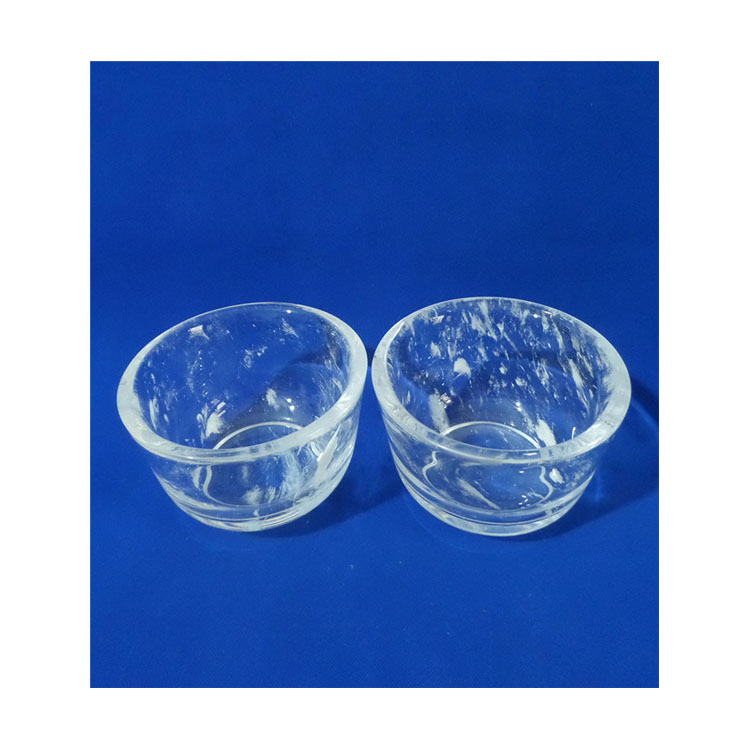
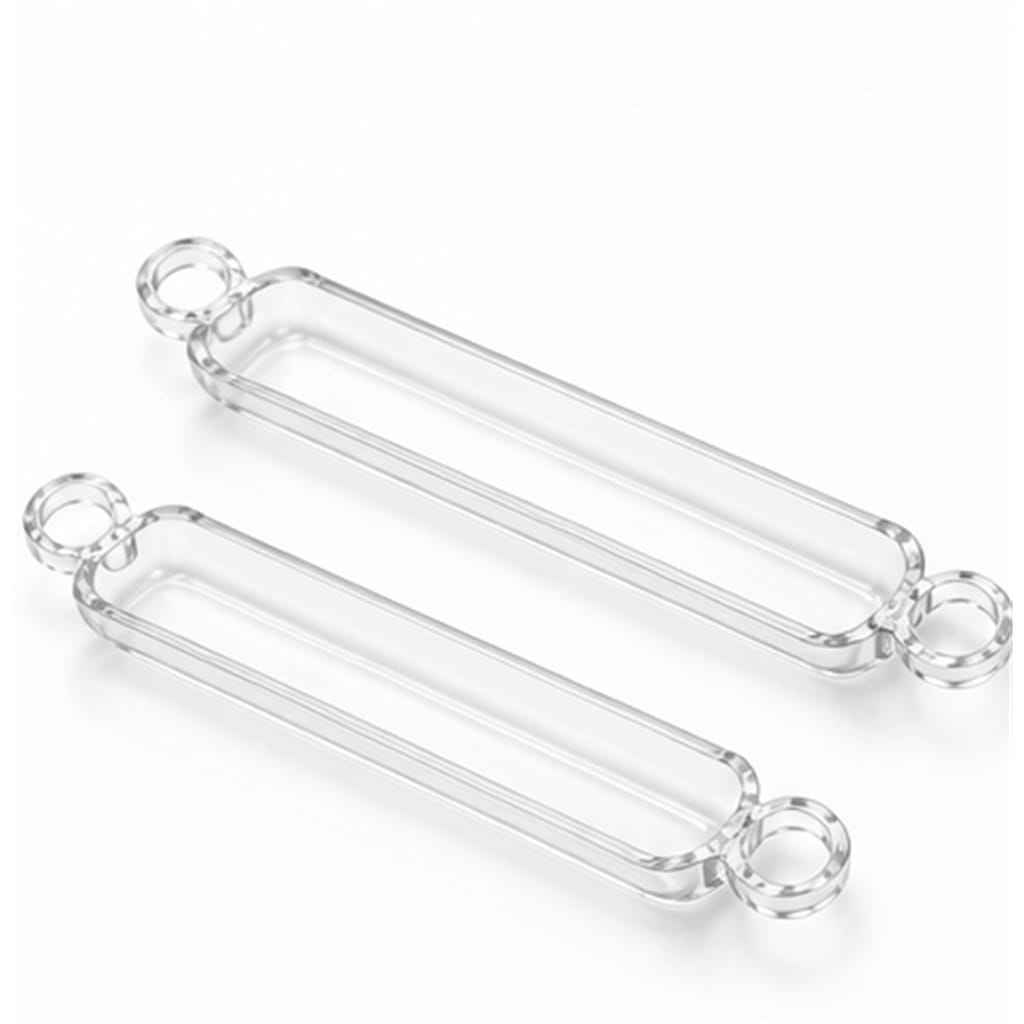
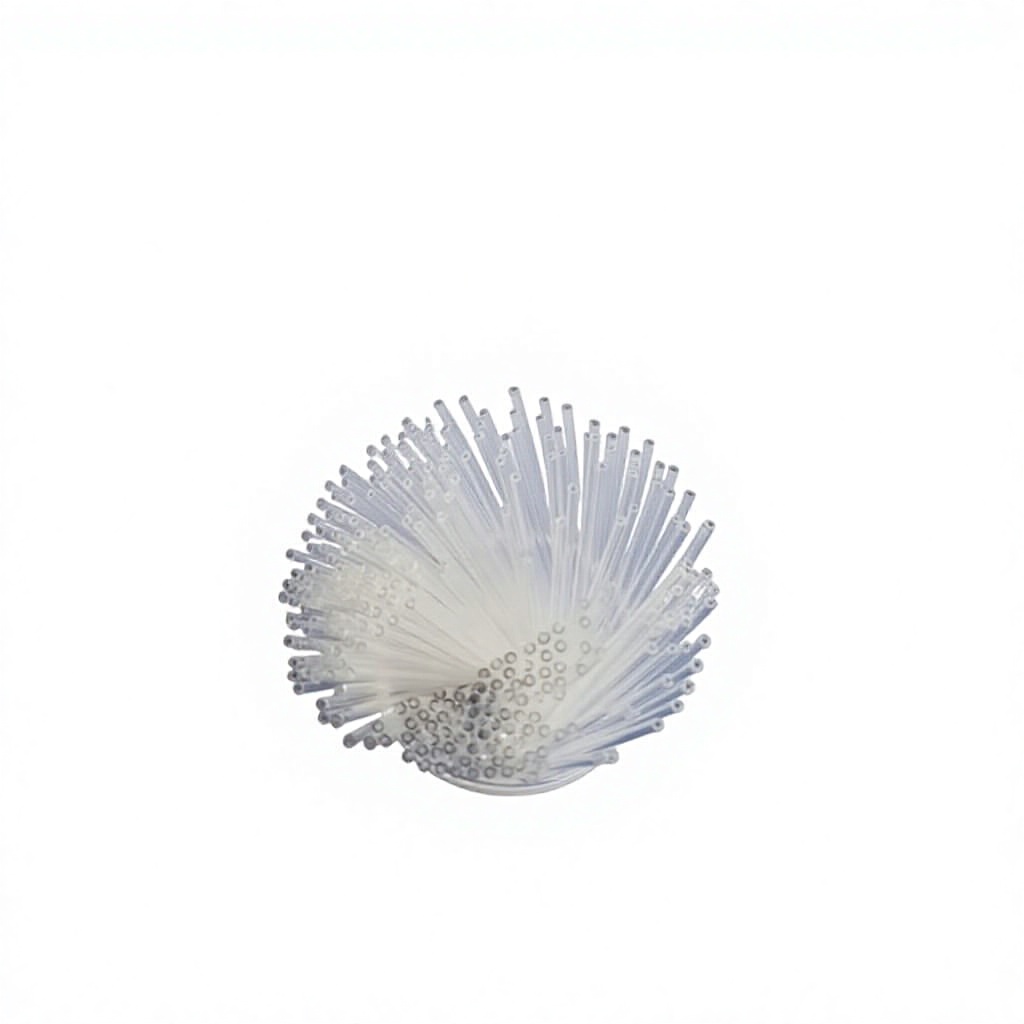
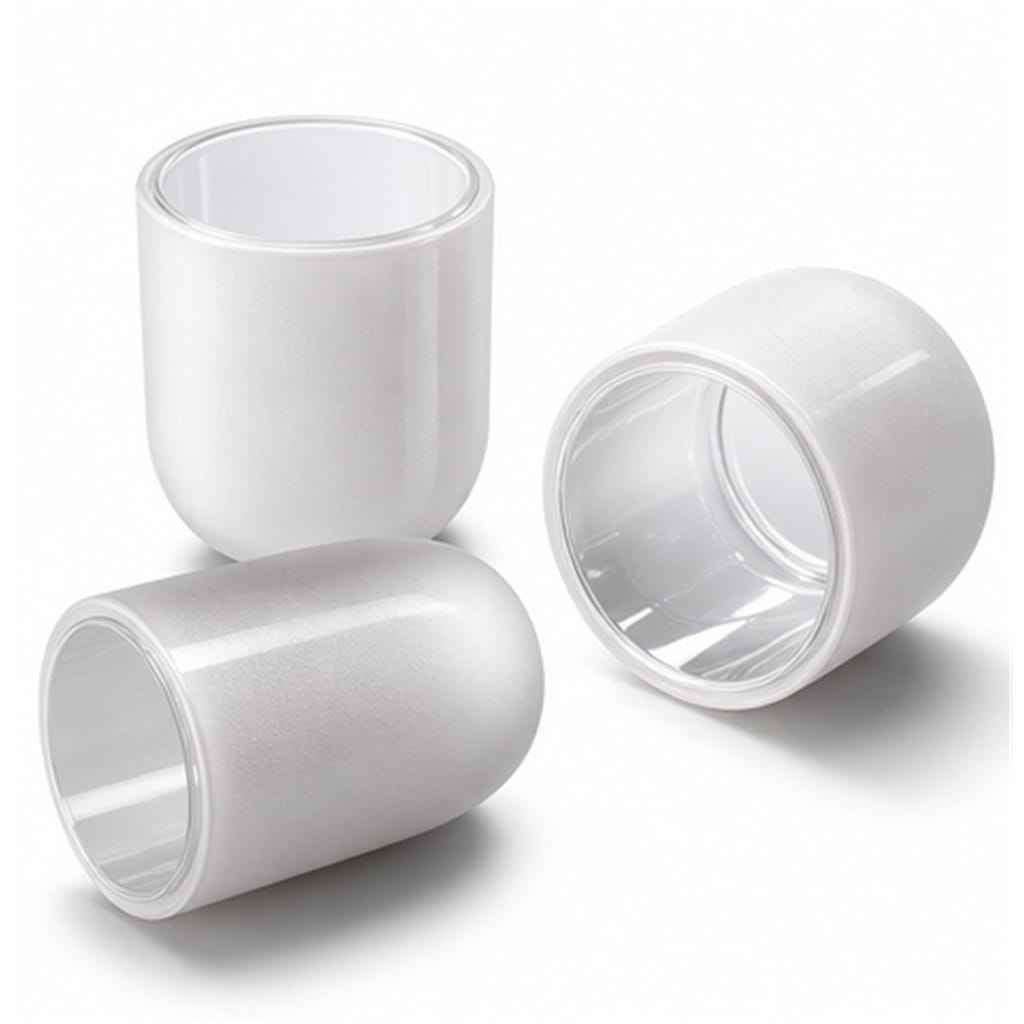
Manufactured from refined Donghai quartz deposits with purity up to 99.99% SiO₂. Discover 8 mission-critical glass configurations engineered to meet international chemistry standards and regional Caribbean operational demands.
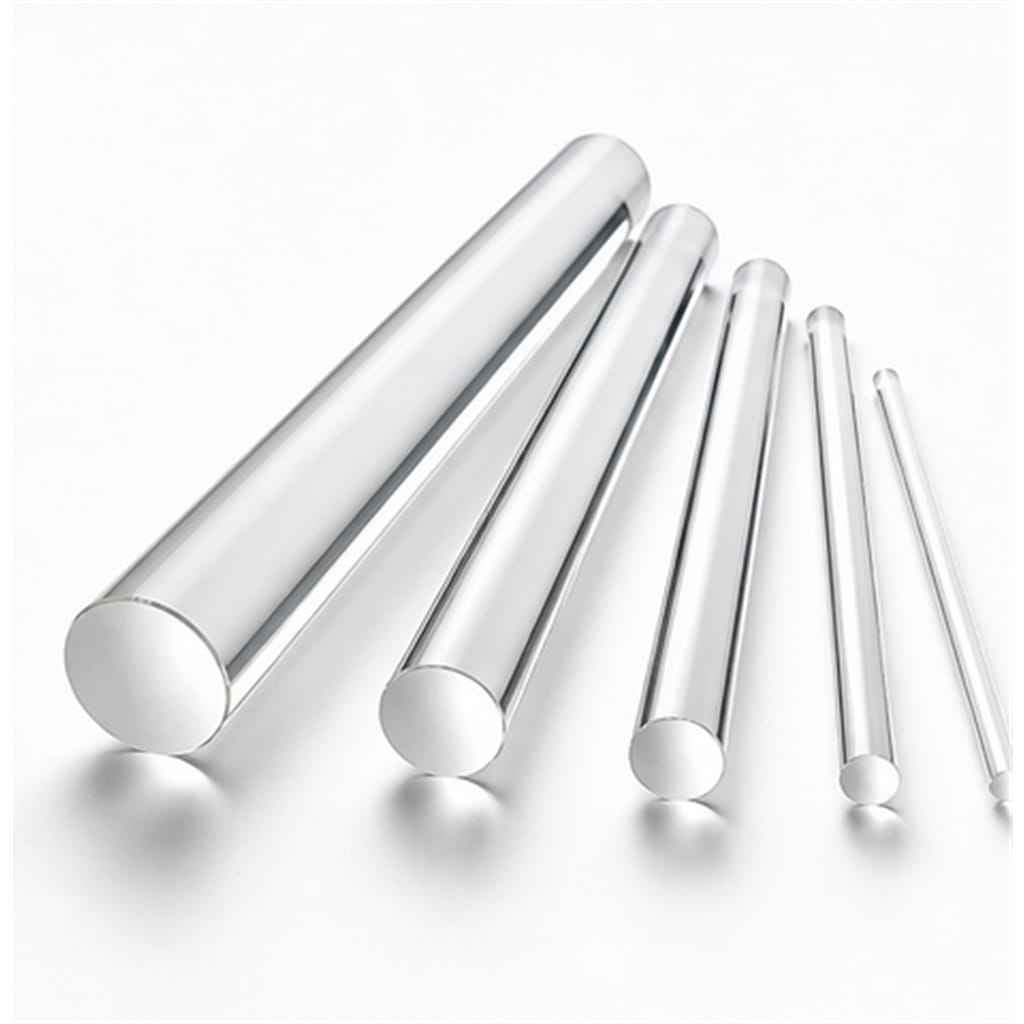
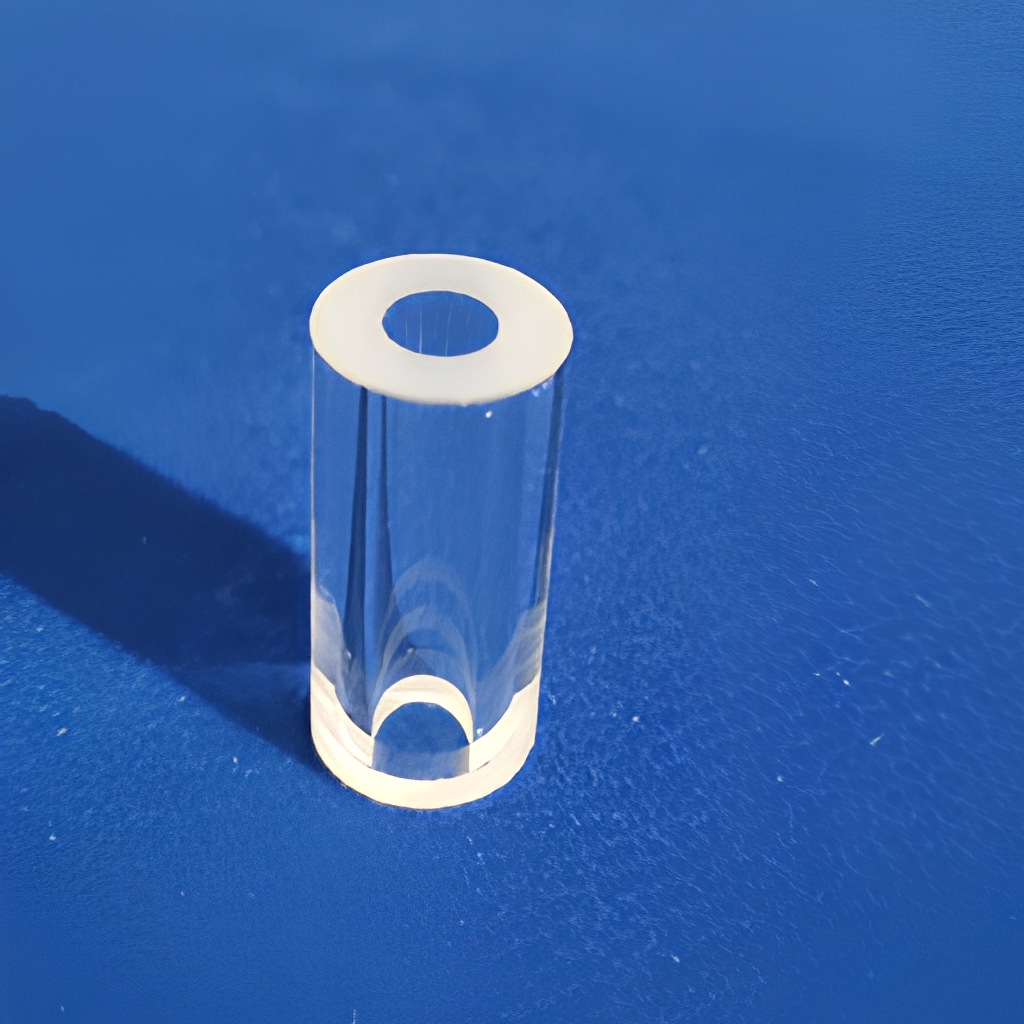
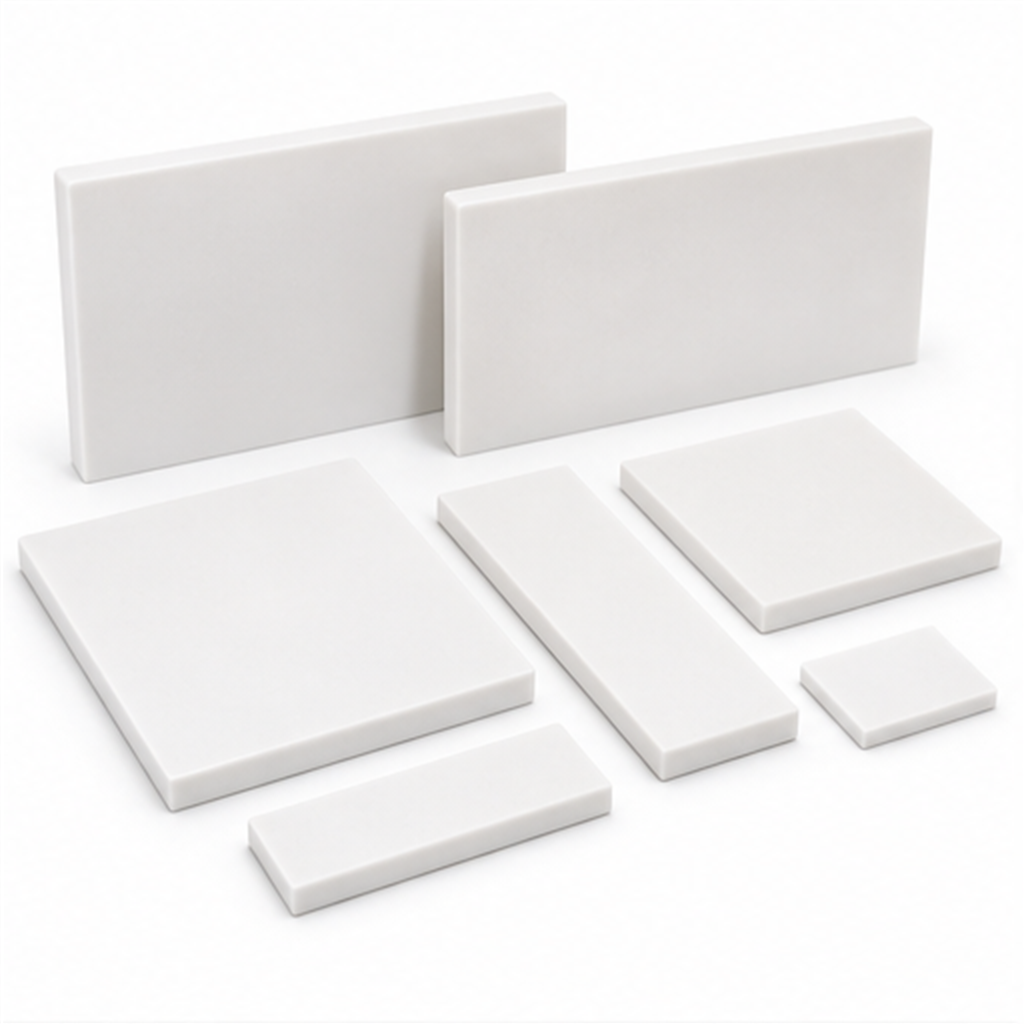
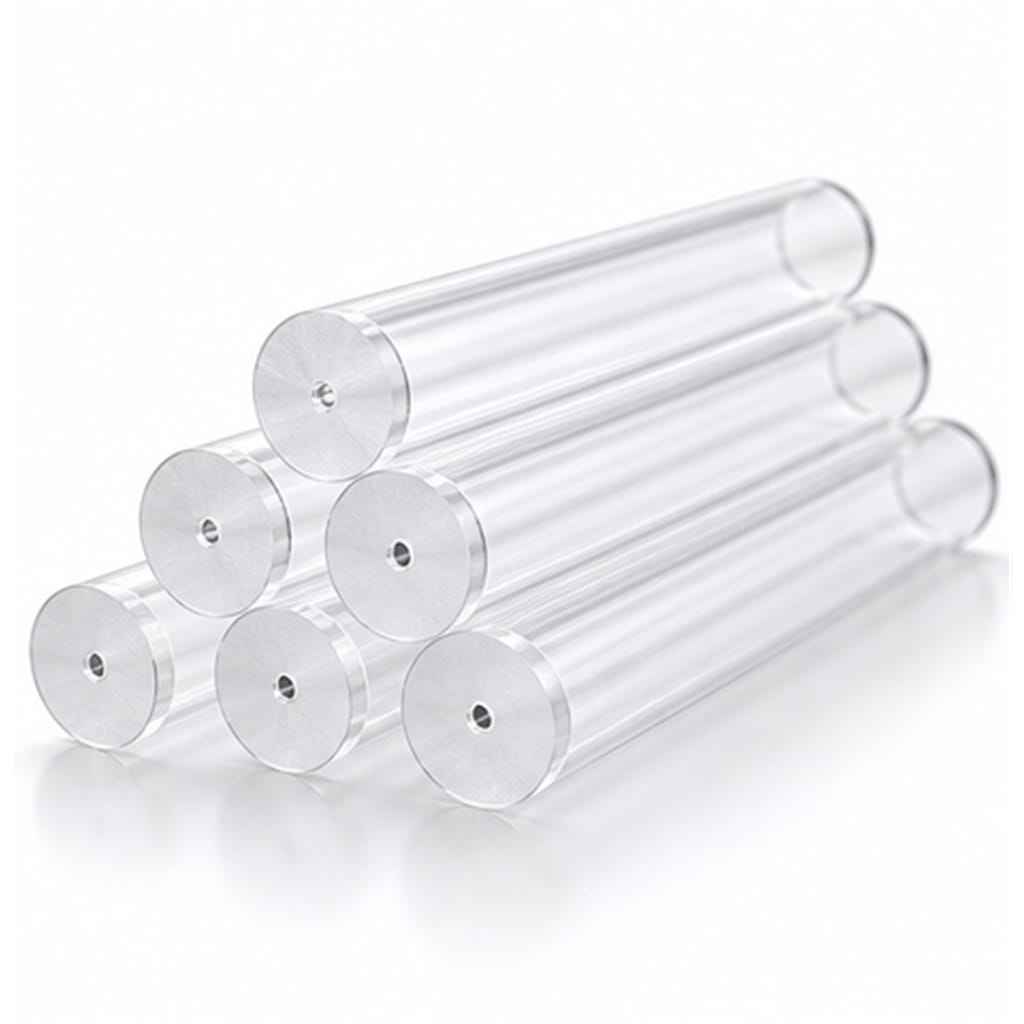
Localized Application Scenarios in the Cuban Industrial Landscape
Navigating high-temperature, corrosive environments across Cuba requires specialized vitreous silica hardware rather than standard borosilicate ware.
In the Cuban market, sourcing reliable, precision-engineered fused quartz beakers and customized glassware has become an essential priority for technical laboratories, agro-industrial complexes, and medical research institutes. Traditional laboratory borosilicate 3.3 glass, while adequate for general volumetric and routine titration procedures, often fails when subjected to temperatures exceeding 450°C to 500°C, or when aggressive multi-acid digestions are required. High-purity fused quartz (SiO₂ ≥ 99.99%) changes this paradigm completely. With an annealing point of approximately 1215°C and an ultra-low linear thermal expansion coefficient of only 5.5 × 10⁻⁷/°C, fused quartz beakers withstand instantaneous temperature differentials of more than 1000°C without mechanical fracturing.
Industrial operations in Cuba—ranging from nickel-cobalt hydrometallurgical operations in Moa (Holguín province) to petrochemical testing facilities in Matanzas and specialized biopharmaceutical hubs in Havana (such as BioCubaFarma clusters)—rely heavily on quartz vessels. These operations present distinct chemical and thermodynamic parameters where quartz is uniquely suited.
Biopharmacy & Vaccine Synthesis
Cuba's globally acknowledged biotechnology sector demands zero trace metal leaching. In the synthesis of recombinant proteins, molecular testing, and sterile media preparation, fused quartz beakers prevent sodium, boron, and calcium ion precipitation into ultra-pure buffers, maintaining batch sterility under rigorous cyclic autoclaving at elevated temperatures.
Mining Metallurgy (Nickel & Cobalt)
The lateral extraction and smelting laboratories in eastern Cuba employ hot concentrated sulfuric, nitric, and perchloric acids to digest mineral samples. Quartz beakers offer total corrosion immunity to inorganic acids (except HF and boiling H₃PO₄) up to 1100°C continuous heating, enabling precise spectrochemical assays of ore grades without container dissolution.
Sugar Cane & Agro-Biochemistry
Sugar cane byproduct refining, rum distillation quality control, and agrochemical soil testing require rapid charring, ash determinations, and high-temperature moisture dry-downs. Direct torch contact and rapid muffle furnace insertion demand quartz vessels that will not warp, devitrify prematurely, or fracture upon air quenching.
Localized Procurement Trends in Cuba: The Shift to Direct Chinese Sourcing
Analyzing strategic trade shifts, currency diversification, and infrastructural modernizations influencing Cuban lab procurement channels.
The Cuban supply chain for technical scientific glassware is undergoing a structural realignment. Historically dependent on Western European manufacturers and Latin American intermediaries, Cuban state purchase entities, joint ventures, and scientific consortiums have increasingly faced logistical hurdles, excessive shipping premiums, and compliance friction. Consequently, direct procurement from tier-1 Chinese manufacturers has transitioned from an alternative option to the primary strategic sourcing vector.
Several driving forces define this trend:
Bypassing Intermediary Markups
Third-party consolidation in third countries routinely inflated laboratory glassware costs by 150–300%. Sourcing directly from Donghai-based quartz producers slashes raw procurement expenditures while ensuring comprehensive factory-grade inspection certs.
Flexible Currency & Bilateral Banking
Cuban buyers require transaction mechanisms unencumbered by standard clearing constraints. Established Chinese exporters facilitate arrangements via EUR, CNY, and open documentary letters of credit backed by Sino-Cuban trade infrastructure.
High-Duty Tropicalized Packaging
Caribbean maritime transit entails extensive heat, sea spray exposure, and rough port handling. Modern Chinese exporters have mastered triple-layer reinforced fumigated wooden crates with moisture-barrier vacuum seals to achieve zero-breakage delivery at Mariel Port.
Custom Technical Blueprinting
Rather than being forced to use legacy Soviet-era glass formats or off-the-shelf Western sizes, Cuban facilities leverage direct OEM/ODM engineering to reproduce obsolete apparatuses and fabricate tailored pour spouts, handles, and ground flanges.
| Performance Metric | High-Purity Fused Quartz Beaker | Borosilicate 3.3 Glass Beaker | Critical Advantage for Cuban Labs |
|---|---|---|---|
| Continuous Working Temp | 1100 °C | ~450 °C | Enables prolonged high-temperature fusion, ignition, and molten salt applications. |
| Max Short-Term Limit | 1450 °C | ~500 °C | Allows direct blast burner application without plastic collapse. |
| Thermal Expansion (α) | 5.5 × 10⁻⁷ / °C | 33 × 10⁻⁷ / °C | Resists thermal shock when quenched into icy water from red heat. |
| Chemical Purity (SiO₂) | ≥ 99.99% | ~80% (contains Na₂O, B₂O₃, Al₂O₃) | Zero metallic background leaching in trace spectroscopy assays. |
| UV-Vis Spectral Window | 190 nm – 2500 nm (High UV transparency) | Cut-off below 320 nm | Enables photochemical synthesis, UV digestion, and direct spectrophotometry. |
Why Global Buyers & Cuban Importers Choose Kemzo Quartz
Headquartered in Donghai—the world-renowned crystal capital of China—Donghai Kemzo Quartz Products Co., Ltd. combines local geological advantages with certified modern cleanroom fabrication.
Donghai Regional Raw Purity
Located at the epicenter of China's quartz extraction belt, our procurement teams select the finest crystalline silicon dioxide raw sand. Through multi-stage chemical washing and electromagnetic separation, we eliminate iron, aluminum, and alkali traces, guaranteeing an exceptionally inert melted structure.
Rigorous Stress-Relief Annealing
Fused quartz pieces processed via lathe blowing or flame welding develop localized internal stresses. Kemzo operates precision electric annealing furnaces with slow, controlled cool-down curves (above 1120°C strain point) to eliminate birefringence strain, ensuring our beakers never shatter under heat.
Export Logistics & IncoDocs
Recognized as a Jiangsu High Technology Enterprise with an Onsite-Checked supplier status, we handle CIF Havana, CFR Mariel, and custom door-to-port routing. We provide comprehensive documentation: Certificates of Analysis (COA), Fumigation Certificates, and consular declarations.
Need Technical Quartz Glassware for Your Laboratory or Plant?
Consult with our quartz engineering specialists. We offer drawing feasibility analysis within 1 hour, customized quartz beaker volumes (5 ml to 10,000 ml), and tailored logistical packaging for Cuba and the Caribbean.
Frequently Asked Questions (FAQ) for Cuban Procurement
Clear, definitive technical and commercial answers addressing shipping, payment, thermal behavior, and product specifications.
What specific advantages does a quartz glass beaker offer over standard borosilicate glassware in Cuban labs?
How are fragile quartz beakers packaged to survive maritime transit to Cuba?
Can Kemzo customize quartz beakers according to specific client technical drawings?
What trade terms (Incoterms) and payment methods are supported for Cuban imports?
How can devitrification (recrystallization) of quartz beakers be avoided during high-temperature use?
What is the typical production and delivery schedule for volume quartz orders to Cuba?
Standardized Manufacturing & Export Readiness
From raw crystal sorting in Donghai to finished optical packaging, every phase of production is monitored under an ISO 9001 certified Quality Management System.
Spectrochemical Assay
Each raw material melt is checked using ICP-OES to verify that trace metal concentrations (Fe, Al, Ti, Ca, Mg) remain within acceptable baseline standards.
Dimensional Uniformity
Wall thickness, diameter concentricity, and bottom flatness are tracked with laser micrometers to prevent hot spots and uneven thermal conduction.
Optical & Micro-Bubble Inspection
Tubes and vessels undergo back-lit visual inspections to ensure airline defects, particulate inclusions, and surface micro-bubbles are minimized.
Comprehensive Certification
Every shipment includes our factory Certificate of Compliance, thermal cycling proof, and detailed packing lists matching export customs standards.