White Paper: Material Engineering & Thermal Physics of Opaque Quartz Crucibles
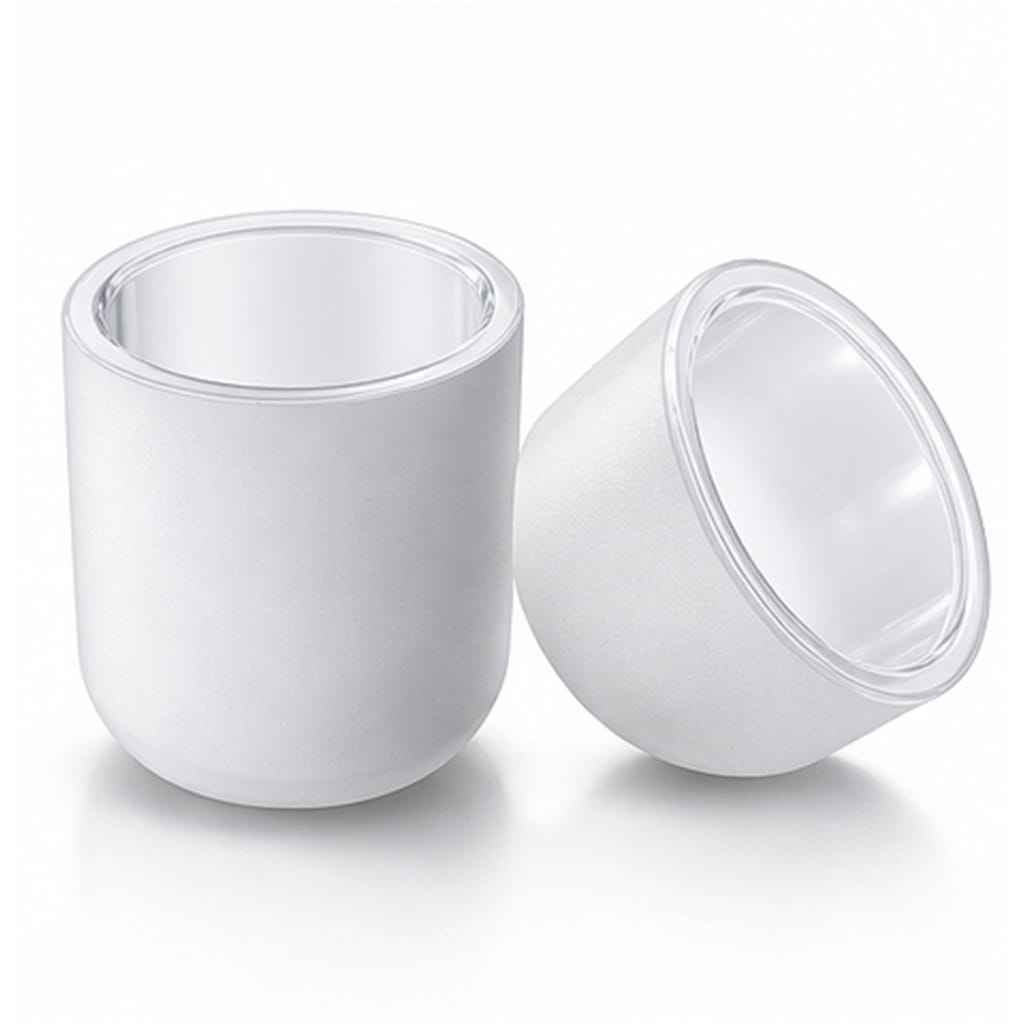
In high-temperature metallurgy, semiconductor monocrystalline silicon pulling, and specialty glass melting, the operational envelope of process vessels dictates overall yield and chemical purity. Opaque quartz crucibles (also referred to as translucent fused silica or milky quartz crucibles) represent a critical subset of high-purity quartz refractories. Unlike transparent fused quartz glass, which allows direct radiant heat transfer, opaque quartz features a micro-porous internal structure engineered with millions of microscopic gas bubbles (~10–50 microns) uniformly dispersed throughout the fused silica matrix.
This unique microstructure imparts exceptional diffuse reflection of infrared thermal radiation, significantly reducing radiant heat loss during high-temperature containment. Consequently, opaque quartz crucibles act as self-insulating thermal barriers, enabling precise uniform heat distribution across liquid silicon or alloy melts. When serving advanced industrial operations in Kyiv—where heavy machinery, thermal power rebuilds, and high-tech metallurgical processes demand rigorous component durability—understanding these material fundamentals is key to optimizing thermal efficiency and minimizing furnace wear.
Donghai Raw Material Sourcing & Electro-Fusion Processing
The performance of an opaque quartz crucible is intrinsically linked to its geological feedstock. Situated in Donghai County, Jiangsu Province—recognized globally as China’s premier crystal capital—Donghai Kemzo Quartz Products Co., Ltd. leverages raw natural quartz sand deposits with silica purities exceeding 99.99%. Through advanced high-voltage electric arc melting (electro-fusion) and rotational molding techniques, raw granular quartz sand is fused at temperatures exceeding 2000°C.
During the rotational molding process, centrifugal forces shape the crucible wall while controlled thermal gradients induce localized sintering. By controlling atmosphere pressure and grain size distribution, our manufacturing lines produce crucibles with a densely glazed, smooth inner wall—minimizing silicon melt devitrification—paired with a opaque, heat-trapping exterior wall designed for uniform energy transfer.
Engineering Benchmark: Opaque Quartz vs. Alternative Refractory Ceramics
To evaluate material performance for Kyiv's industrial plants and research labs, the following comparative matrix details key physical, thermal, and chemical metrics between Kemzo Opaque Quartz Crucibles, Standard Transparent Quartz, and Conventional Alumina Ceramics (99% Al2O3).
| Material Parameter | Kemzo Opaque Quartz Crucible | Transparent Fused Quartz | Alumina Ceramic (99% Al₂O₃) |
|---|---|---|---|
| Chemical Purity (SiO₂ / Primary) | ≥ 99.99% SiO₂ | ≥ 99.99% SiO₂ | 99.0% Al₂O₃ |
| Thermal Shock Resistance | Superior (Extremely High) | Excellent | Moderate (Prone to Spalling) |
| Coefficient of Thermal Expansion | 5.5 × 10⁻⁷ / °C (20°C–300°C) | 5.5 × 10⁻⁷ / °C | 8.0 × 10⁻⁶ / °C (15x Higher) |
| Continuous Operating Temp | 1100 °C | 1100 °C | 1600 °C |
| Peak / Short-Term Temp Limit | 1450 °C | 1450 °C | 1700 °C |
| Apparent Bulk Density | 1.90 – 2.05 g/cm³ (Micro-porous) | 2.20 g/cm³ (Solid) | 3.90 g/cm³ (Heavy) |
| Infrared Radiation Scattering | High (Diffuse Reflection) | Low (Direct Transmission) | None (Opaque Sintered) |
| Acid Corrosion Resistance | Immune to HCl, HNO₃, H₂SO₄ | Immune to HCl, HNO₃, H₂SO₄ | Moderate (Attacked by Strong Acids) |
Thermal Shock Immunity
Due to an near-zero thermal expansion coefficient (5.5×10⁻⁷/°C), our opaque crucibles withstand rapid heating from ambient room temperature to 1100°C followed by air quenching without micro-fracturing.
Trace Impurity Control
Total transition metal contamination (Fe, Cu, Ni, Cr) is kept below 15 ppm, preventing trace metallic diffusion into sensitive silicon or high-purity chemical reagents.
Smooth Glazed Inner Surface
Our crucibles undergo specialized fire-polishing along the interior wall to form a non-porous silica skin, inhibiting molten silicon adhesion and reducing crucible devitrification rate during Czochralski crystal growth.
Localized Industrial Applications: Supporting Kyiv’s High-Temp Enterprises
Kyiv serves as Ukraine’s primary industrial hub, hosting prestigious metallurgical research centers, precision electronics manufacturing, and large-scale industrial infrastructure plants. Donghai Kemzo Quartz Products Co., Ltd. provides localized engineering support and specialized quartz vessel supplies tailored to the operational demands of the Kyiv municipality and adjacent oblasts.
Primary Kyiv Industrial Sectors Utilizing Opaque Quartz Vessels
- Heavy Metallurgy & Special Alloy Investment Casting: Kyiv industrial enterprises in Obolon, Podil, and Darnytsia require thermally robust vessels to melt high-purity titanium alloys, special steels, and noble metals without slag contamination.
- Energy Grid Reconstruction & Electrical Insulation: As Kyiv modernizes its local power infrastructure and high-voltage electrical grid components, high-purity quartz vessels are utilized in sintering ceramic insulators and thermal treatment of transformer core materials.
- Photovoltaic & Semiconductor Crystal Pulling: Regional technological parks and electronic component suppliers rely on large-diameter opaque quartz crucibles for melting polysilicon during Czochralski (CZ) monocrystalline silicon ingot growth.
- Academic & Industrial R&D Testing Laboratories: Research institutions such as the National Academy of Sciences of Ukraine (NASU) and Igor Sikorsky Kyiv Polytechnic Institute utilize customized opaque quartz crucibles for high-temperature chemical synthesis and gravimetric analysis.
Case Scenario: High-Temperature Acid Digestions and Precious Metal Recovery
For industrial precious metal refiners operating near Kyiv, traditional metallic or ceramic crucibles pose significant contamination risks when exposed to boiling nitric acid, aqua regia, or pyrometallurgical fluxes. Kemzo opaque quartz crucibles exhibit absolute chemical inertness to almost all mineral acids (excluding hydrofluoric acid and hot concentrated phosphoric acid above 300°C). This allows Kyiv technicians to conduct high-temperature acid digestions, calcination, and slag separations without risking chemical leaching or vessel erosion.
Logistics Integration & Supply Chain Resilience for Ukrainian Procurement
Navigating global supply chains to Kyiv demands robust logistical planning, multi-layered protective packaging, and flexible trade terms. Kemzo Quartz has established streamlined export workflows engineered to deliver fragile glass and quartz refractories safely into Ukraine’s capital.
Multi-Layered Export Packaging Standard
To eliminate shipping damage caused by transit vibration over long-distance rail and road freight networks servicing Kyiv, every opaque quartz crucible undergoes a rigorous 3-stage packaging protocol:
- Stage 1: Vacuum Sealed Polyethylene Wrapper – Prevents moisture absorption and atmospheric particulate contamination.
- Stage 2: Custom High-Density EPE Foam Molding – Suspends the crucible within individual shock-absorbing cells, preventing perimeter contact.
- Stage 3: Reinforced Wooden Export Crate – Fully enclosed plywood casing fitted with corner bumpers and shock/tilt sensors to guarantee intact delivery at Kyiv customs terminals.
Flexible Incoterms & Logistics Channels to Kyiv
We offer seamless procurement via standard international commercial terms, including FOB Shanghai/Lianyungang, CIF, DDP, and DDU Kyiv. Whether shipping consolidated air freight directly to Boryspil/Kyiv logistics centers or overland rail/truck routing via European hubs, our export specialists manage complete customs documentation and material safety certifications.
Company Strength & Manufacturing Excellence: Donghai Kemzo Quartz
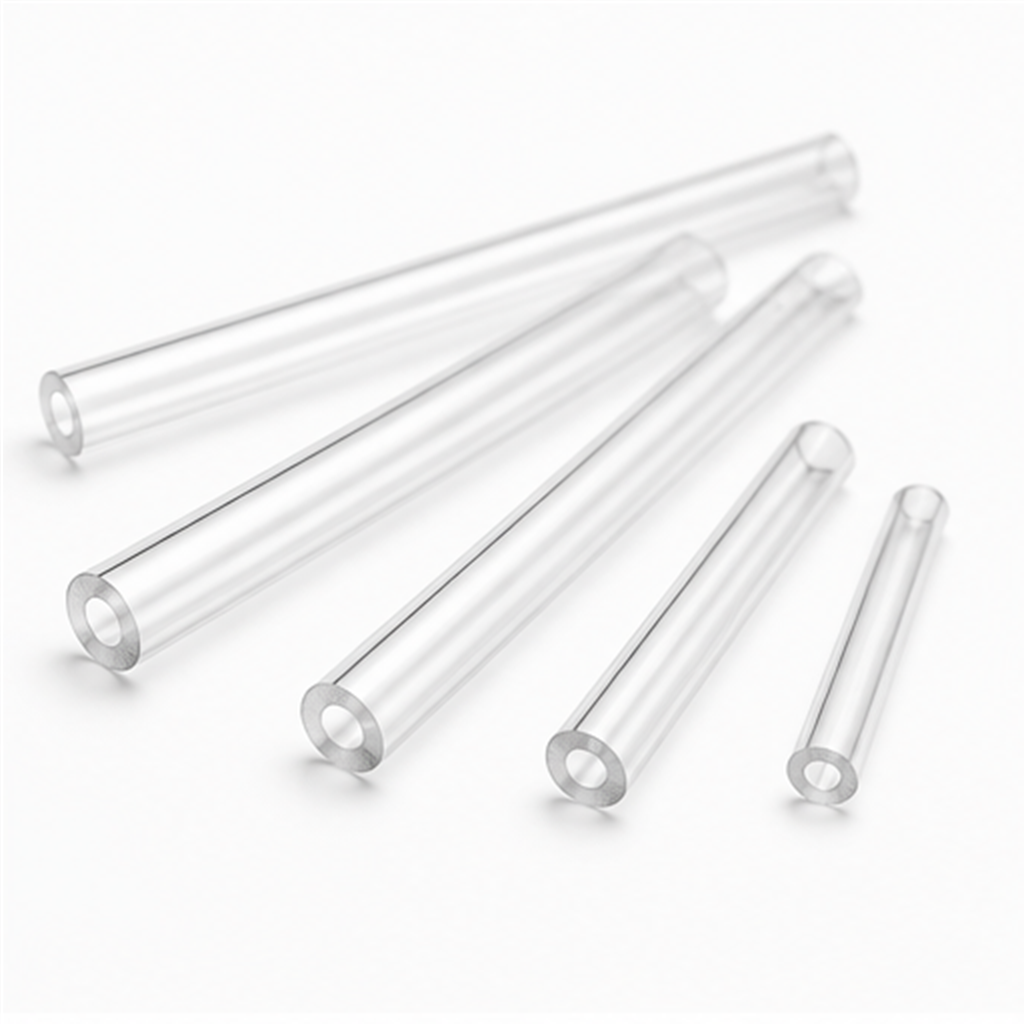
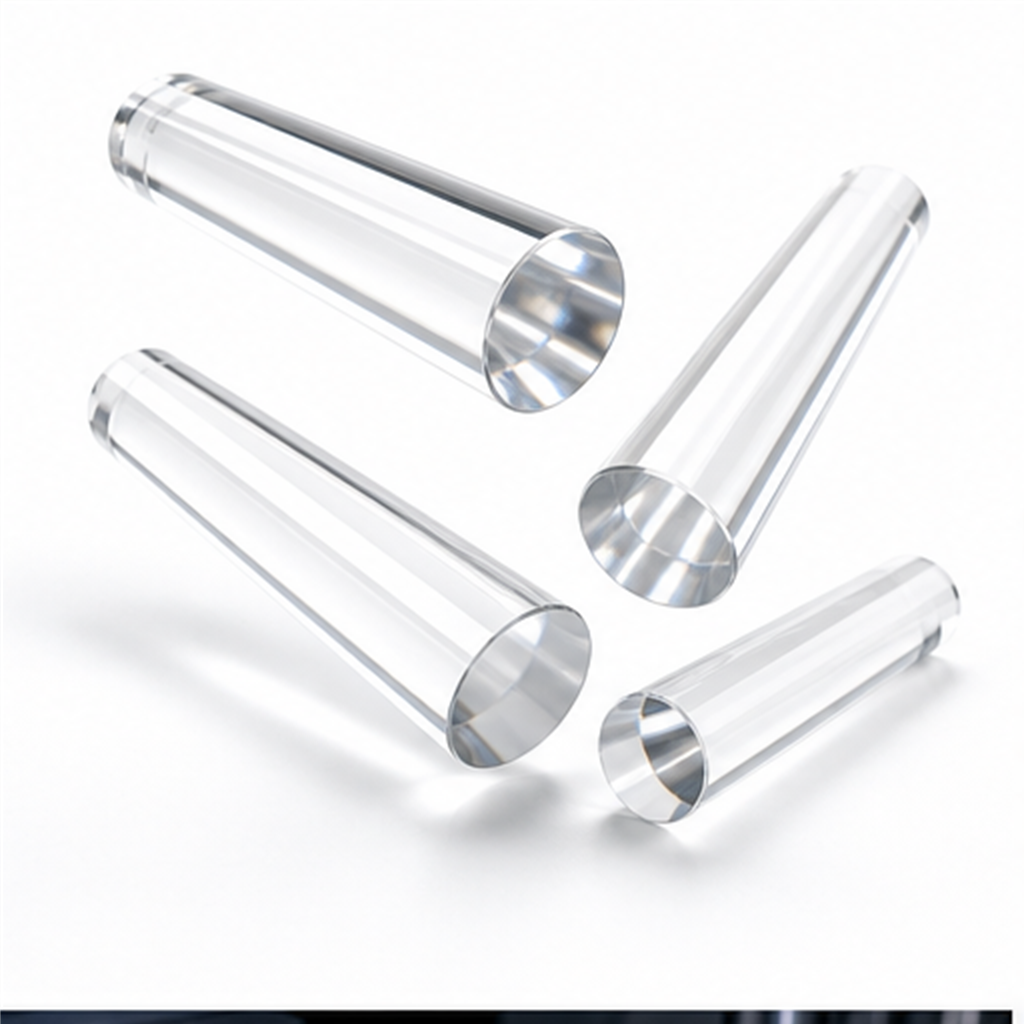
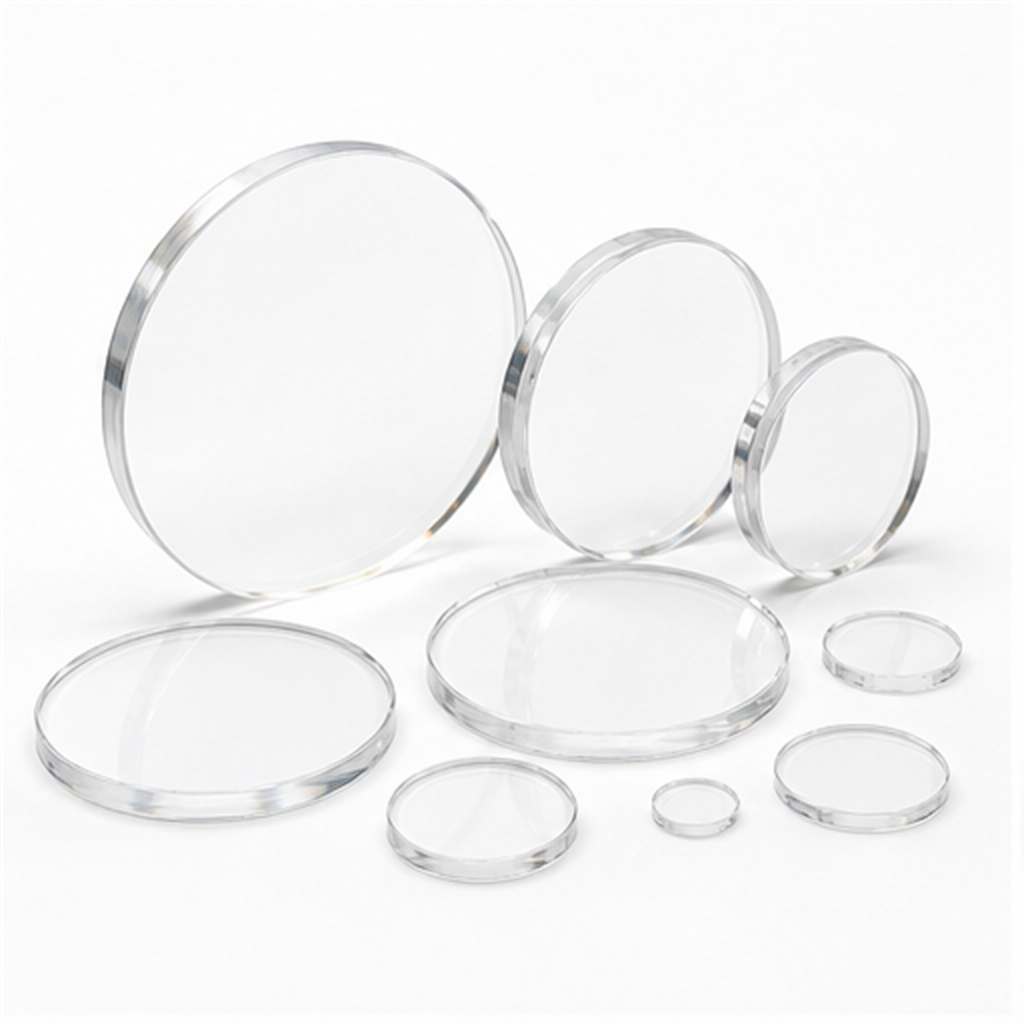
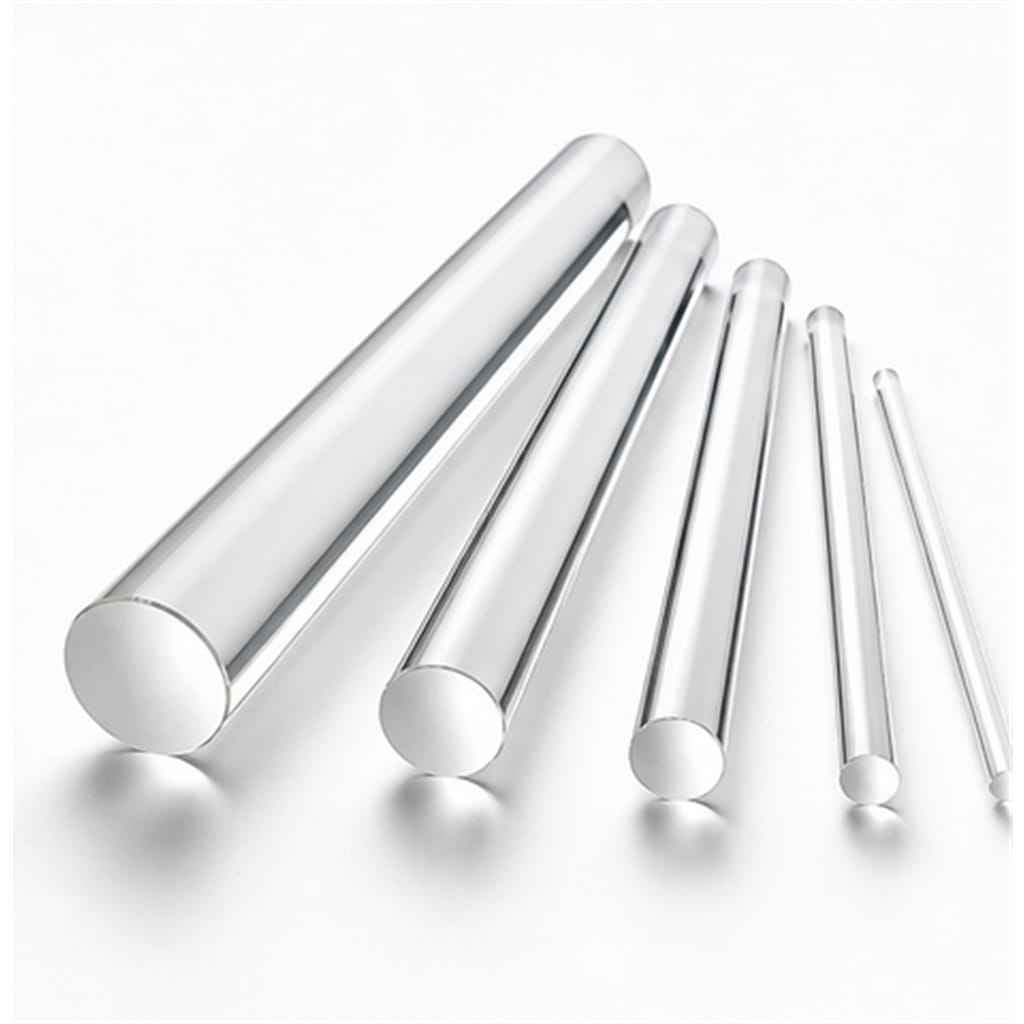
Founded in 2011 in Donghai, Jiangsu, Donghai Kemzo Quartz Products Co., Ltd. operates as a leading manufacturer and exporter of high-purity fused quartz products. As a recognized Jiangsu High Technology Enterprise certified under ISO 9001 Quality Management System, our facility spans advanced automated production lines for quartz tubes, rods, plates, and crucibles, serving clients across North America, Europe, East Asia, and Eastern Europe.
ISO 9001 Quality Control
Every crucible batch undergoes comprehensive 5-stage inspection: raw sand spectral analysis, wall thickness Ultrasonic scanning, stress relief polarimetry, and 100% visual backlight check.
OEM & Custom Drawing Manufacturing
We fabricate customized crucibles to exact CAD/STEP engineering drawings, including custom pouring spouts, side flanges, ground lids, and specialized taper geometries.
Rapid International Response
Export inquiries from Kyiv and Eastern European buyers receive detailed technical feedback and price quotations within 1 hour from our dedicated engineering sales office.
Frequently Asked Questions (FAQ) for Kyiv & European Buyers
Opaque quartz crucibles contain uniformly distributed microscopic air bubbles that scatter infrared radiation, acting as an insulating thermal barrier. This makes them ideal for high-temperature melting where uniform heat retention and energy efficiency are critical. Transparent quartz crucibles allow direct optical radiation and are preferred when direct visual monitoring or UV spectral transmission is required.
Our transparent and opaque fused quartz crucibles withstand continuous operating temperatures up to 1100°C and short-term peak thermal exposures up to 1450°C. The softening point of fused silica is approximately 1683°C.
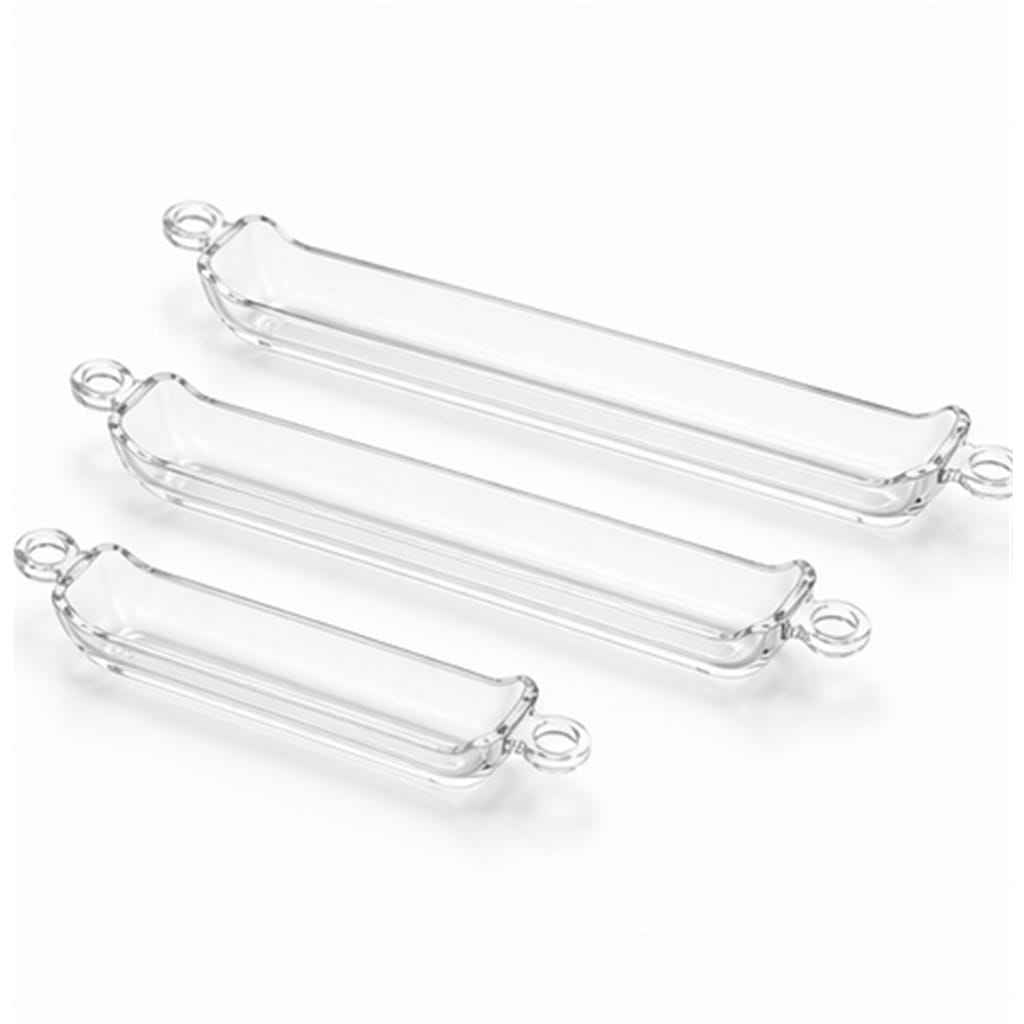
Yes. With over 11 years of OEM/ODM manufacturing expertise, we produce custom opaque quartz crucibles, boats, plates, and tubes directly from client CAD, STEP, or PDF drawings. Our engineering team reviews tolerances, wall thickness profiles, and thermal specifications prior to production.
We utilize custom molded EPE foam surrounding each individual crucible, inner vacuum plastic wrapping, and shock-resistant reinforced wooden export crates. This transit protection standard guarantees safe arrival across long-distance freight channels into Kyiv.
We accept T/T (Telegraphic Transfer), L/C (Letter of Credit), PayPal, and major credit options in USD, EUR, and CNY. Commercial delivery terms include FOB, CFR, CIF, EXW, DDU, DDP, and door-to-door express delivery.
Yes. Fused quartz exhibits exceptional chemical resistance to virtually all mineral acids (including Hydrochloric, Nitric, Sulfuric, and Aqua Regia). It is only corroded by Hydrofluoric acid (HF) and hot concentrated Phosphoric acid above 300°C.
Need High-Purity Opaque Quartz Crucibles Delivered to Kyiv?
Contact our engineering specialists today to request technical data sheets, discuss drawing feasibility, or receive a competitive factory-direct quote within 1 hour.
Inquire Now