The Strategic Importance of Fused Silica in the Valencian Community
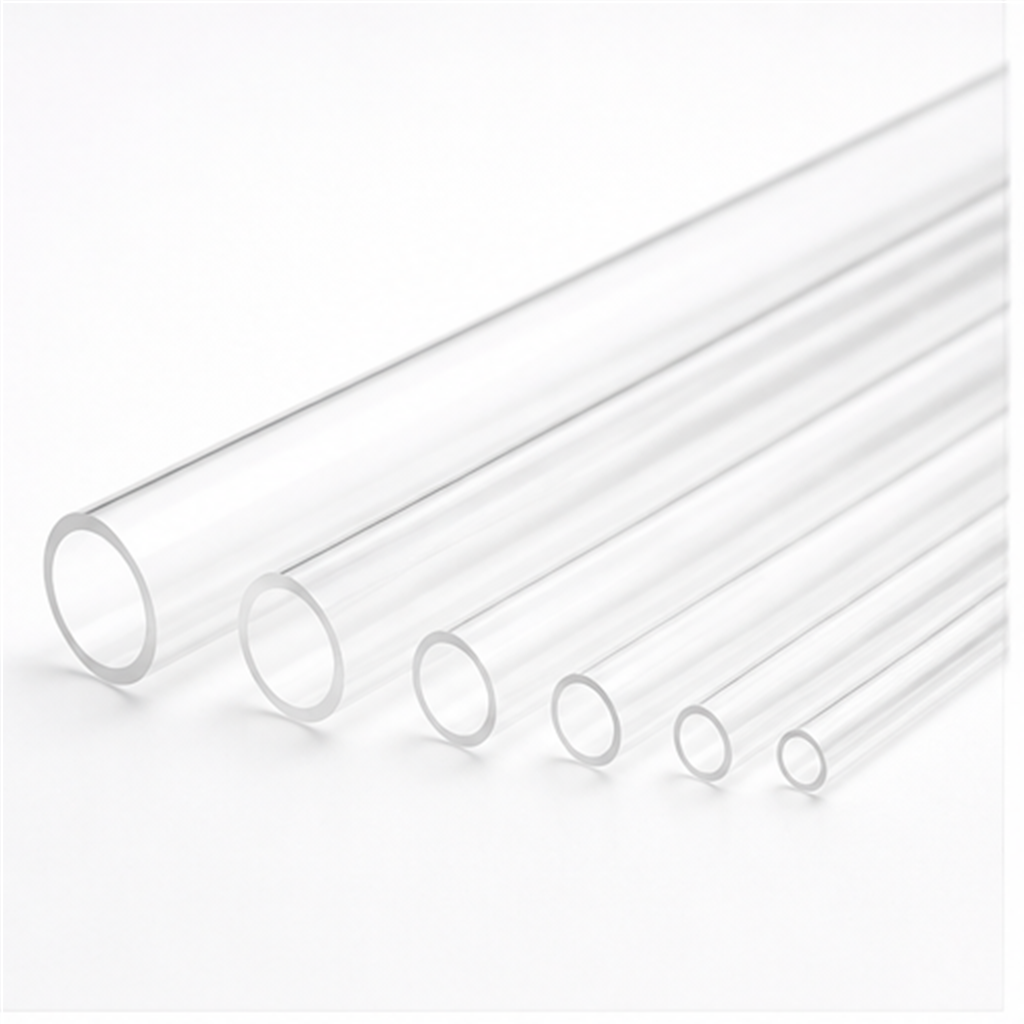
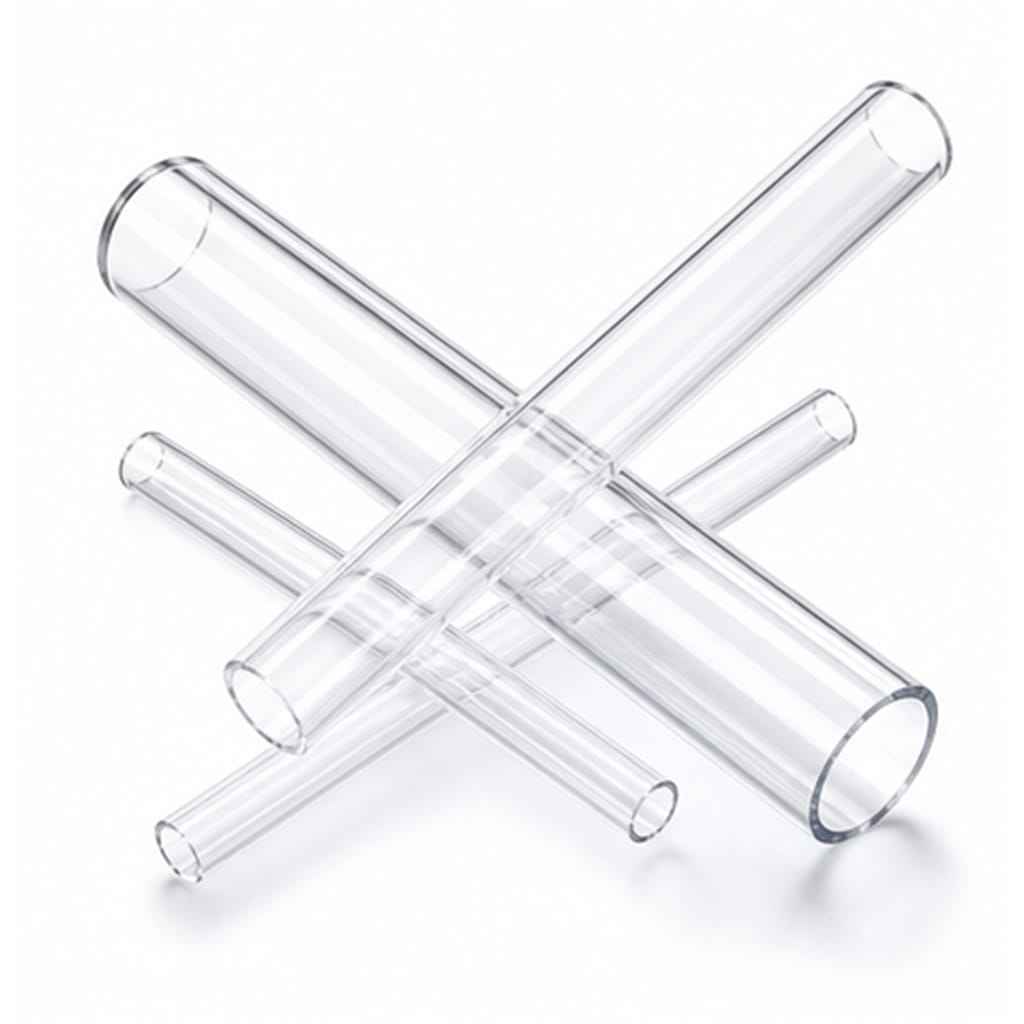
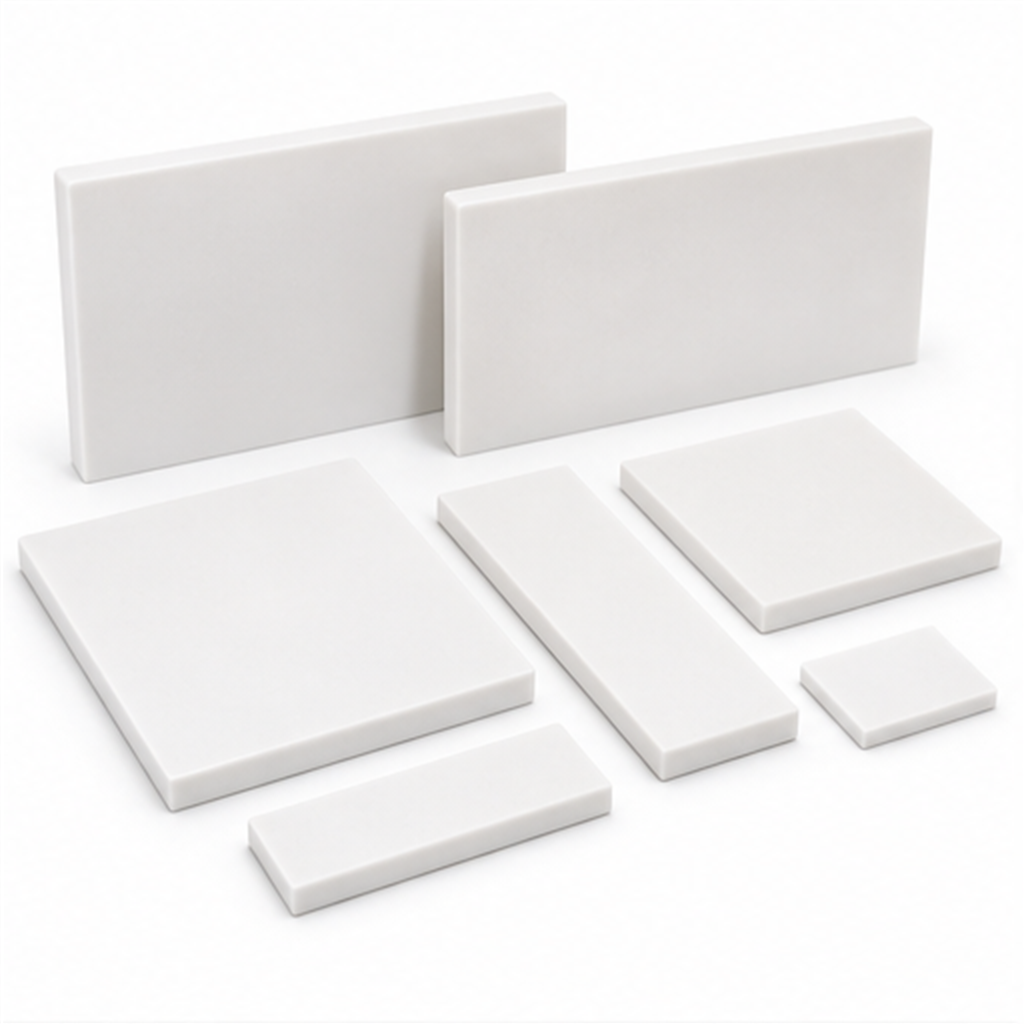
The industrial landscape of the Valencian Community (Comunitat Valenciana)—encompassing the metropolitan hubs of Valencia, Sagunto, and the adjacent ceramic belt of Castellón—demands thermal and optical components that operate beyond the physiological limitations of standard borosilicate glass. Modern high-temperature manufacturing relies heavily on synthetic fused silica and high-purity fused quartz plates. Fused quartz, produced by thermal fusion of natural quartz crystals, exhibits an extraordinary combination of properties: near-zero thermal expansion (5.5 × 10⁻⁷/°C), continuous service tolerance above 1100°C, and exceptional mechanical resistance under corrosive acidic environments.
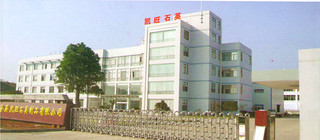
For technical directors and procurement engineers in Valencia’s key industrial sectors, maintaining direct factory relations with an ISO 9001-certified primary quartz manufacturer in Donghai County, China, resolves two historic challenges: reducing the exorbitant markup of third-party European traders and obtaining sub-millimeter custom fabrication directly to CAD specifications without prolonged re-engineering delays.
1100°C
Continuous Working Temp
99.99%
SiO2 Ultra-Purity Grade
≤ 1 Hour
Engineering Response Time
70%+
Annual Production Exported
Localized Industrial Application Scenarios Across Valencia
Valencia’s diversified industrial clusters employ fused quartz plates, tubes, and crucibles across four specialized engineering sectors:
Ceramic Roller Kilns & Frits
High-temperature sight windows, thermal observation ports, and pyrometer protection plates for continuous tunnel kilns and frit furnaces across the Castellón-Valencia ceramics belt.
Photovoltaic & Battery Cells
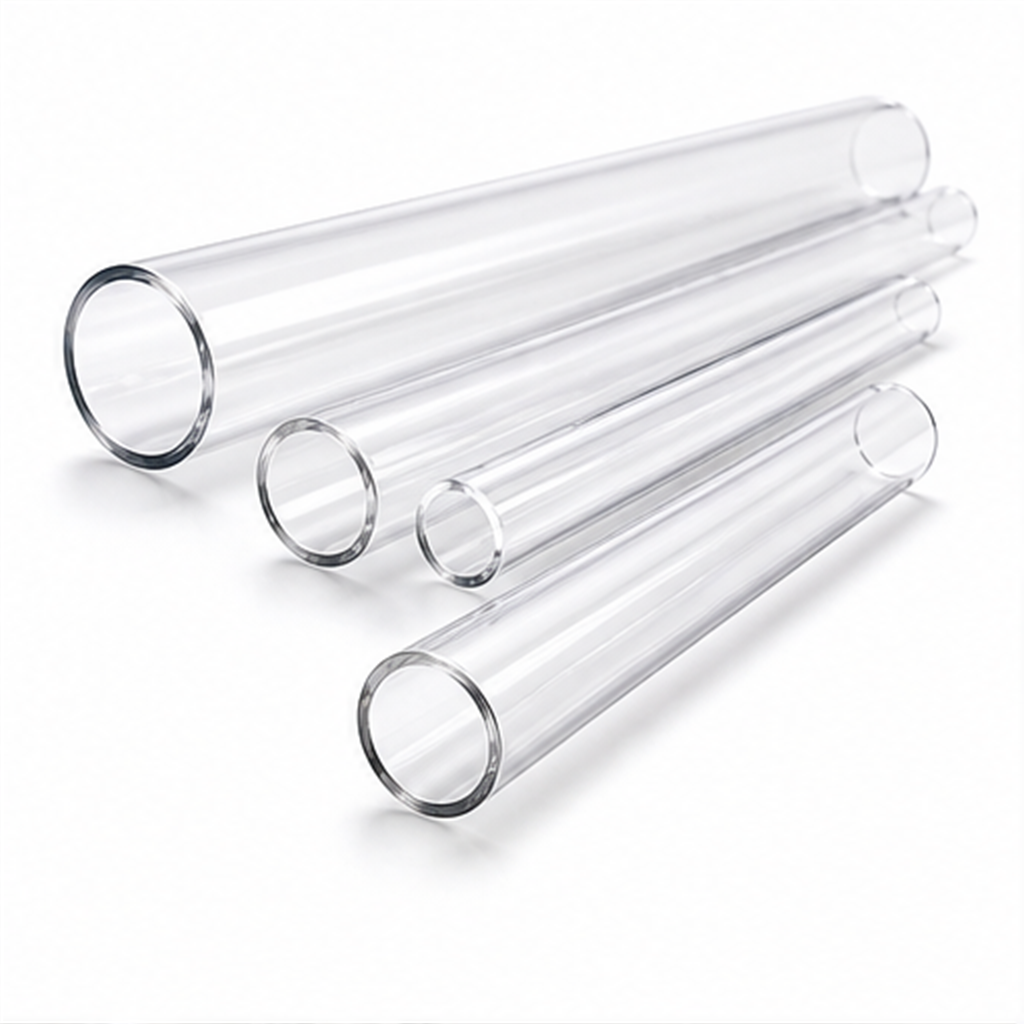
Precision process quartz plates, wafer carriers, and quartz diffusion tubes for solar cell production lines and the emerging gigafactory ecosystem centered around Sagunto.
UV Curing & Graphic Arts
Ultra-clear UV transmission plates, optical filter windows, and cold-mirror substrates used extensively in high-speed packaging, label printing, and polymer coating facilities.
University & R&D Labs
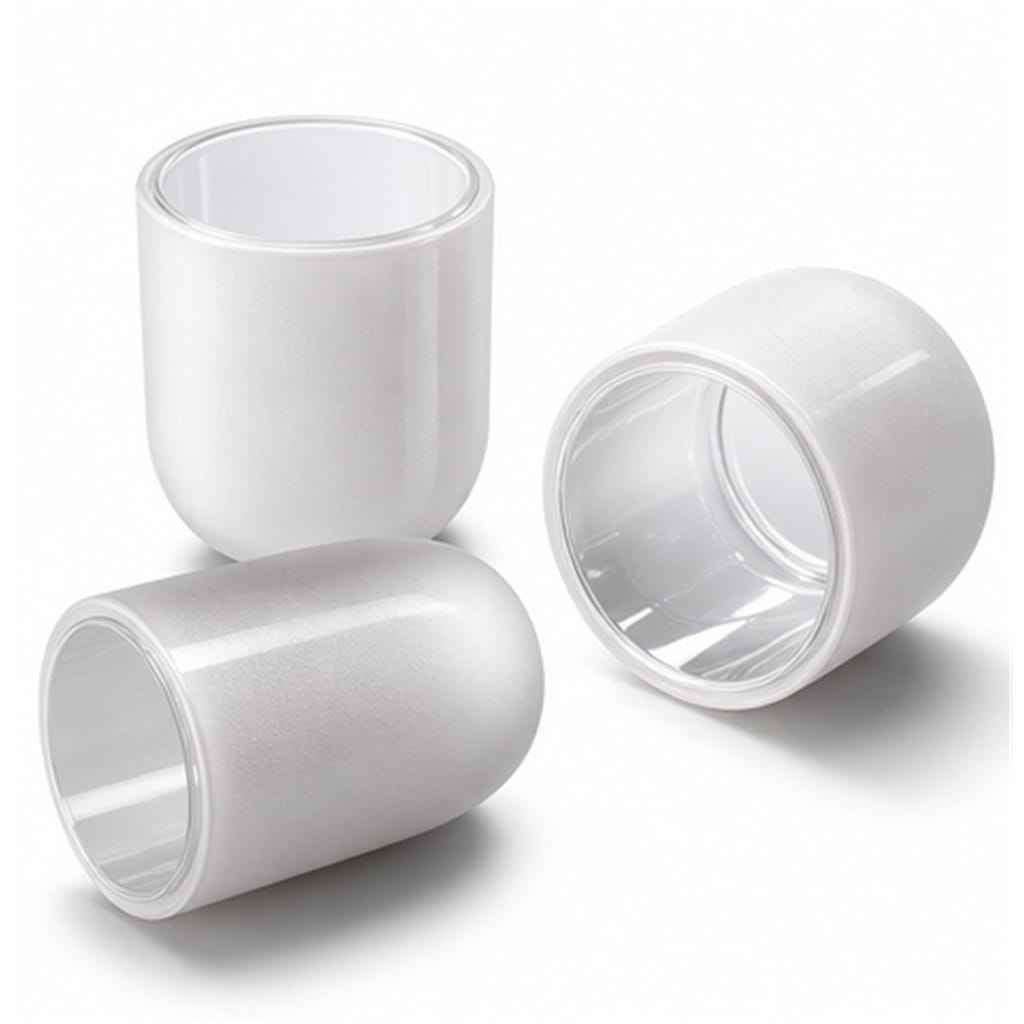
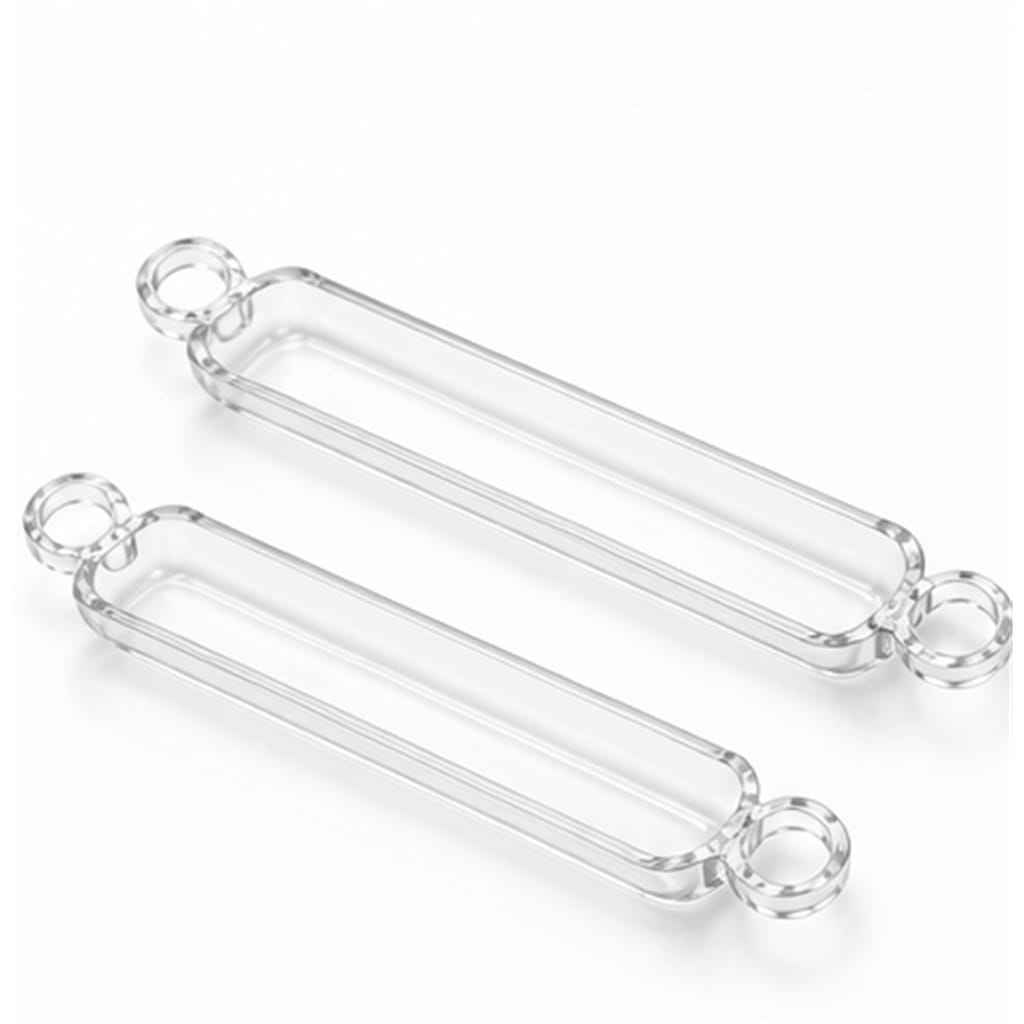
Spectroscopic cuvettes, reaction combustion boats, and custom quartz reactors supplying research teams at Universitat de València and Universitat Politècnica de València (UPV).
Market Trends: Valencia’s Energy Transition Driving Fused Quartz Demand
As part of Spain’s broader decarbonization roadmap (PNIEC) and the European Green Deal, the Comunitat Valenciana is aggressively transitioning its industrial base toward electrification and hydrogen-fueled thermal processes. In the ceramic tile sector, where traditional methane kilns are being retrofitted with electric and green hydrogen burners, operating temperatures fluctuate more dramatically, increasing the risk of thermal shock failure in sight glasses. Fused quartz plates, retaining mechanical integrity up to 1450°C for intermittent peaks and exhibiting virtually zero expansion, have become the standard upgrade over legacy borosilicate windows.
Furthermore, the emergence of the Mediterranean Battery Valley in Sagunto and regional solar cell manufacturing facilities has dramatically increased annual procurement volume for custom high-purity CVD process chambers, quartz carrier boats, and plasma-resistant plates. Local buyers require steady direct-from-factory volume agreements with robust packaging capable of maritime transit directly through the Port of Valencia (Puerto de Valencia).
Technical Comparison: Fused Quartz vs. Standard Technical Glasses
To assist Valencia-based mechanical and chemical engineers in material specification, the table below delineates the critical thermodynamic and physical characteristics of Donghai Kemzo's high-purity fused quartz compared to alternative engineering glasses:
| Physical / Chemical Property |
Donghai Kemzo Fused Quartz |
Borosilicate Glass 3.3 |
High-Alumina Ceramic |
| SiO2 Chemical Purity |
≥ 99.99% |
~ 81% |
< 5% (Al2O3 base) |
| Max Continuous Service Temp |
1100 °C |
450 °C |
1400 °C |
| Peak Intermittent Temperature |
1450 °C |
500 °C |
1600 °C |
| Thermal Expansion (20-300°C) |
5.5 × 10⁻⁷ /°C |
33 × 10⁻⁷ /°C |
70 × 10⁻⁷ /°C |
| UV Transmission (200-300nm) |
> 85% - 90% (JGS2/JGS1) |
< 10% (Opaque in deep UV) |
0% (Opaque) |
| Thermal Shock Tolerance |
1100°C directly to cold water quench |
Max 150°C thermal gradient |
Moderate to poor spallation |
| Chemical Resistance |
Inert to all acids (except HF/H3PO4) |
Resistant, susceptible to alkaline |
Good, varies with bonding matrix |