Industry Whitepaper: Precision Fused Quartz Engineering for Sapporo Industry
As Northern Japan, anchored by the metropolitan hub of Sapporo and the surrounding Hokkaido industrial zones (including Chitose and Ishikari), undergoes a historical transformation into a primary center for advanced semiconductor manufacturing, photonics research, and environmental technology, the demand for specialized thermal and optical materials has accelerated. Clear fused quartz glass—synthesized from pristine silicon dioxide ($\text{SiO}_2$)—serves as an irreplaceable foundational component across thermal furnace processing, chemical microfluidics, analytical spectroscopy, and semiconductor wafer fabrication.
Donghai Kemzo Quartz Products Co., Ltd., based directly in Donghai County (China’s natural crystal capital), provides direct OEM/ODM manufacturing and international supply chain solutions specifically tailored to the demanding Japanese Industrial Standards (JIS) required by Sapporo-based enterprises. This whitepaper presents an in-depth technical analysis of fused quartz material behavior, localized application integration in Hokkaido, quality assurance protocols, and wholesale procurement frameworks.
1. Material Chemistry and Physical Dynamics of Clear Fused Quartz
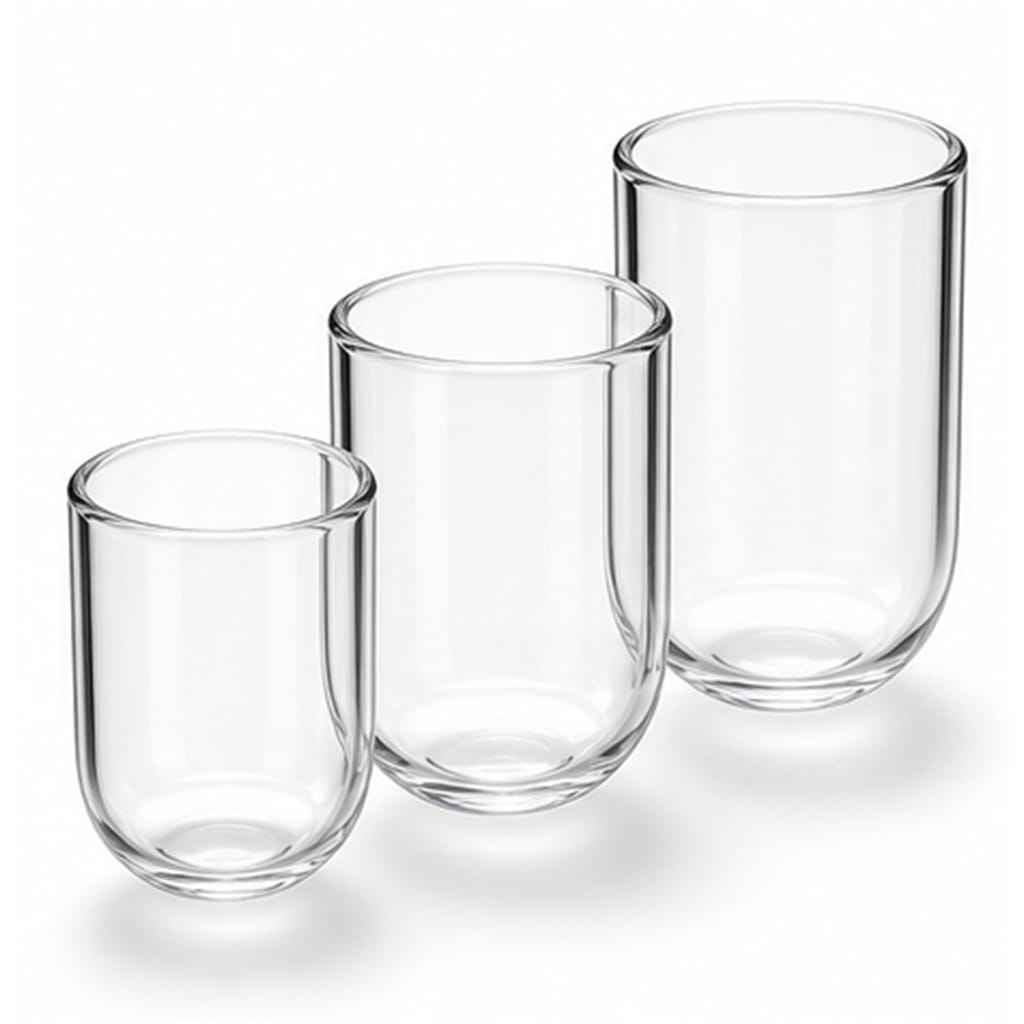
Understanding the operational distinction between standard technical glasses (such as borosilicate or soda-lime) and high-purity clear fused quartz is essential for process engineers in Sapporo. Fused quartz is manufactured by melting naturally occurring high-purity quartz crystals at temperatures exceeding $2000\text{°C}$ using electric arc furnace or oxy-hydrogen flame melting technologies.
The resulting amorphous material consists almost entirely of silicon dioxide ($\text{SiO}_2 \ge 99.99\%$). The absence of alkali oxides ($\text{Na}_2\text{O}$, $\text{K}_2\text{O}$, $\text{CaO}$) provides extraordinary dielectric properties, chemical inertness, and unmatched high-temperature stability.
| Physical / Chemical Property | Technical Nominal Value | Impact on Industrial Performance |
|---|---|---|
| Chemical Purity ($\text{SiO}_2$) | ≥ 99.99% (Grade A Raw Sand) | Prevents metallic contamination in semiconductor wafer diffusion and chemical analysis. |
| Continuous Working Temp | 1100°C | Maintains dimensional integrity in high-temperature muffle and tube furnaces. |
| Short-Term Peak Temp | 1450°C | Resists thermal deformation during brief thermal ramping cycles. |
| Softening Point | 1683°C | Defines absolute structural boundary prior to viscous phase change. |
| Coefficient of Thermal Expansion | $5.5 \times 10^{-7}/\text{°C}$ ($20\text{°C} \text{ to } 300\text{°C}$) | Virtually eliminates thermal stress cracking during rapid quenching or heating. |
| UV Transmission Rate | > 85% at 254 nm wavelength | Enables high-efficiency ultraviolet sterilization and optical spectroscopy windows. |
| Refractive Index ($n_d$) | 1.4585 (at 589.3 nm) | Ensures minimal optical aberration in sight glasses and light guide rods. |
2. Localized Application Scenarios Across Sapporo & Hokkaido
Sapporo serves as the administrative, educational, and logistical core of Hokkaido. The industrial requirements of local entities diverge into four primary high-technology domains:
A. Semiconductor Wafer Diffusion and Epitaxial Growth (Rapidly Expanding Chitose-Sapporo Corridor)
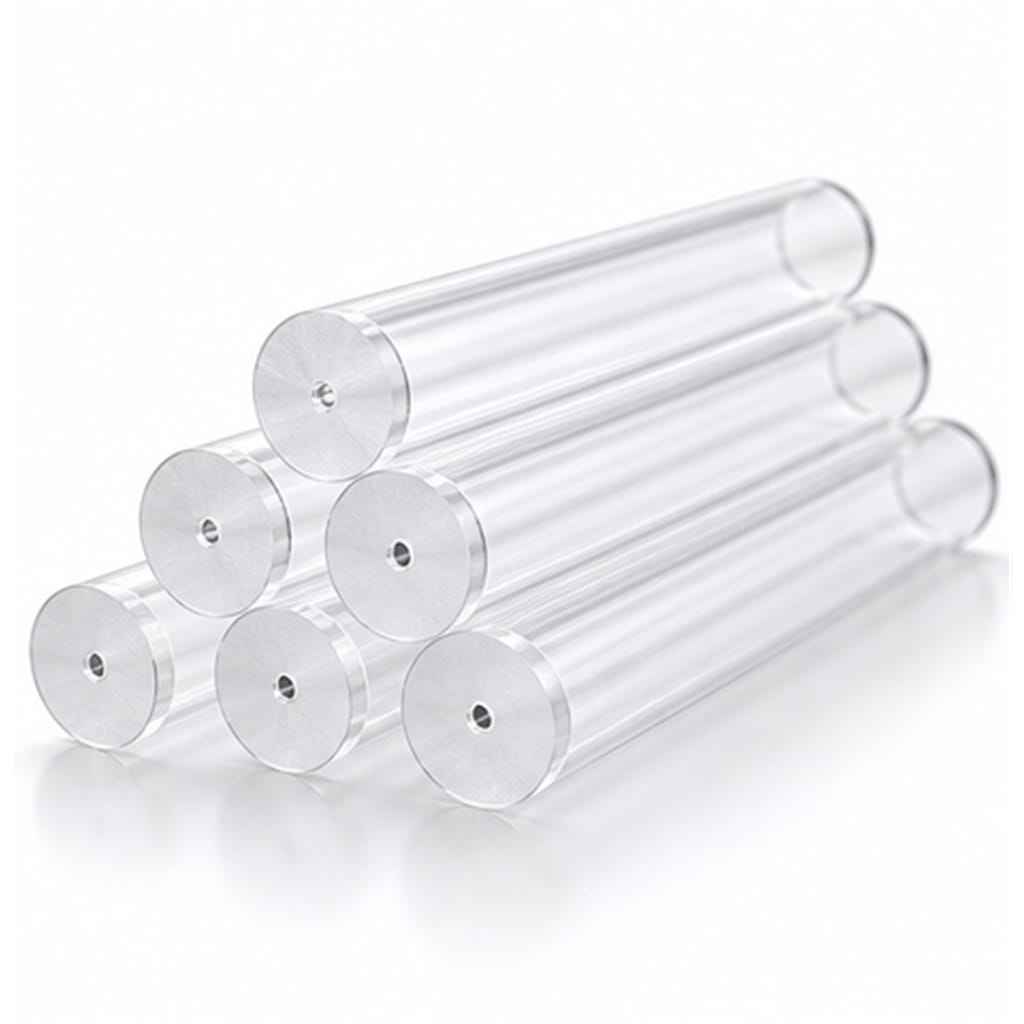
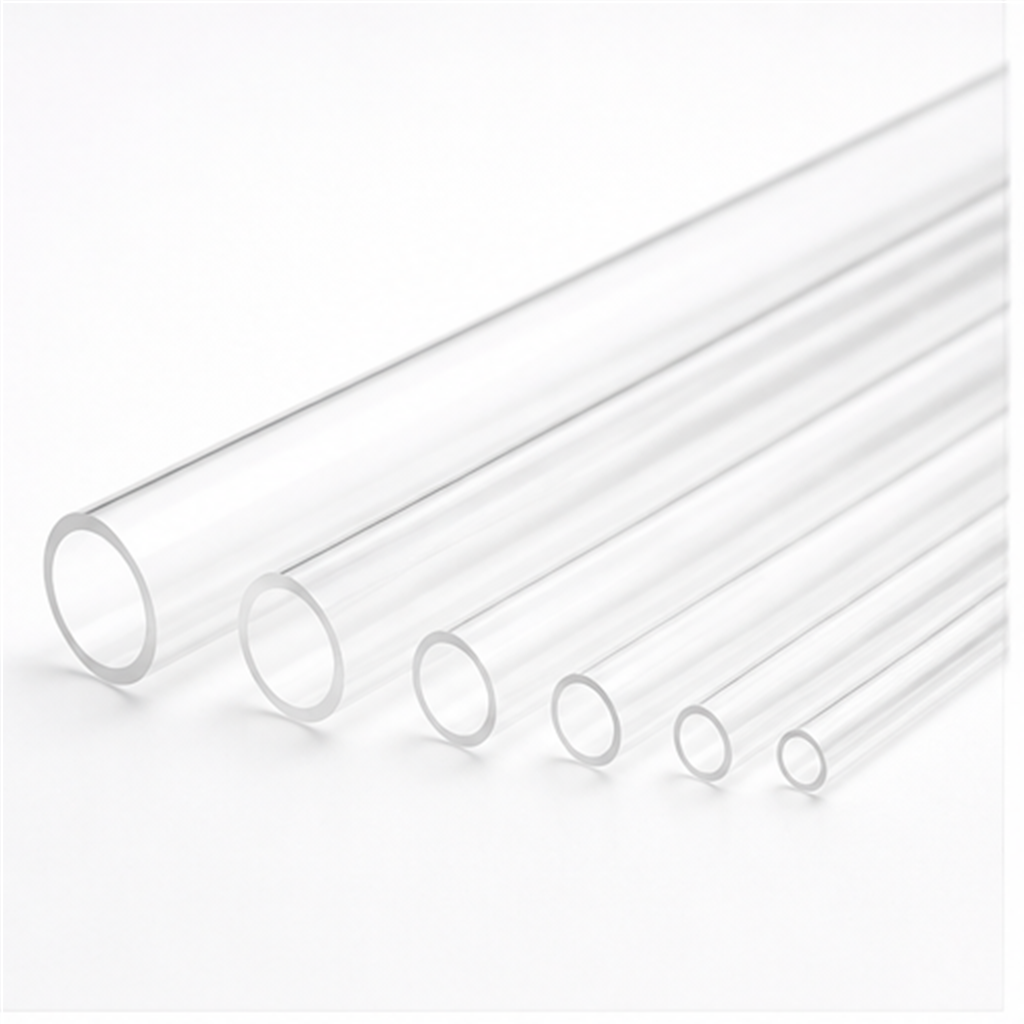
With massive public and private capital investments establishing cutting-edge semiconductor foundries near Sapporo, clear fused quartz tubing and quartz diffusion furnace accessories represent critical consumables. Quartz furnace tubes, wafer boats, and ground-joint process chambers operate at continuous process temperatures between $900\text{°C}$ and $1150\text{°C}$. Trace impurities like Iron ($\text{Fe}$), Aluminum ($\text{Al}$), or Sodium ($\text{Na}$) inside furnace walls can migrate into silicon substrates, causing catastrophic crystal defects. Kemzo’s double-distilled, acid-washed quartz tubing keeps total metallic trace elements below $20 \text{ ppm}$, fulfilling rigorous semiconductor purity mandates.
B. Cold-Climate Industrial Heating and Infra-Red Thermal Shields
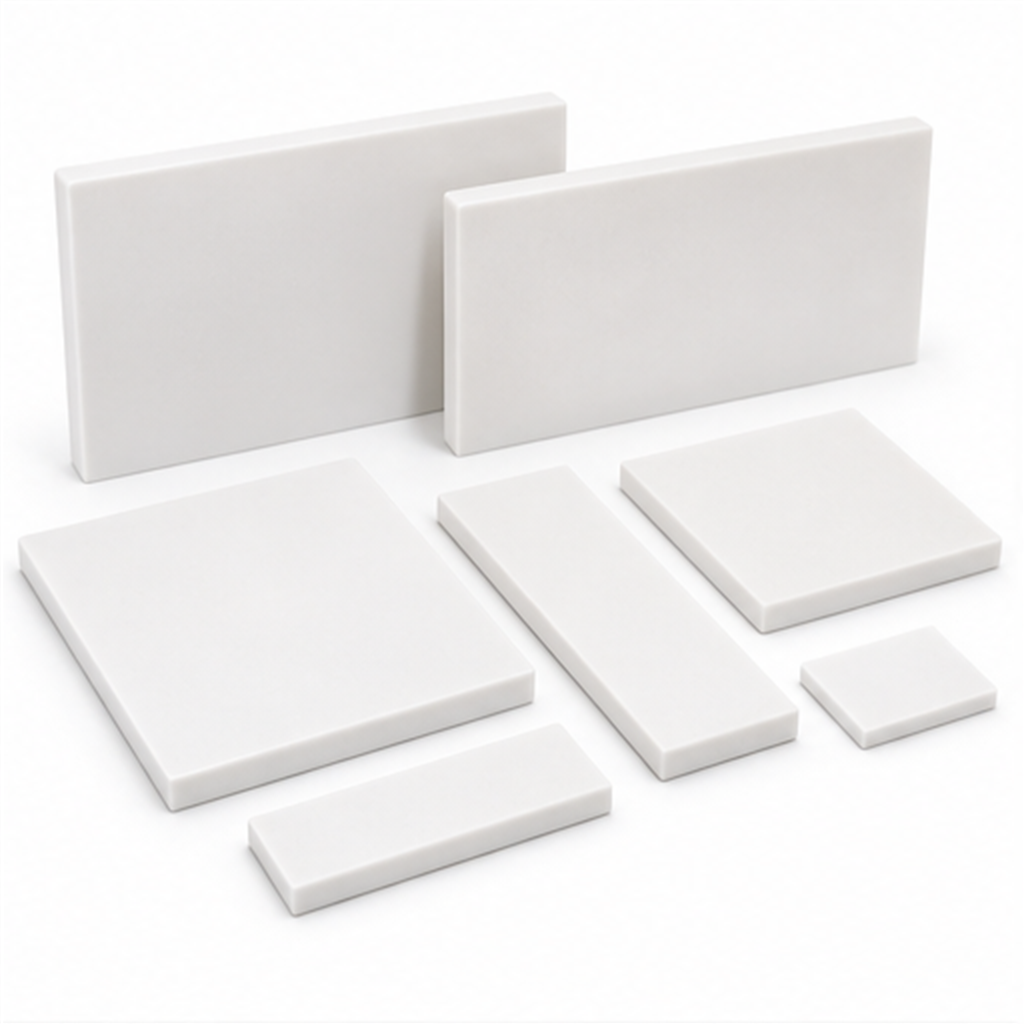
Hokkaido’s sub-zero winter ambient conditions create substantial energy management challenges for industrial processing plants. Clear quartz glass tubes and opaque silica plates are widely integrated into industrial infrared heater units, drying tunnels, and combustion sample systems. Clear quartz functions as an optimal envelope for carbon fiber and halogen heating elements, offering $90\%+$ transmission of mid-to-far infrared radiation while enduring intense localized thermal differentials.
C. Microfluidics, GC Chromatography, and Biotechnology (Hokkaido University & Research Centers)
Sapporo hosts leading research institutes, including Hokkaido University's chemical and biotechnology facilities. Micro-bore capillary fused-quartz tubing (with inner diameters down to precision sub-millimeter scales) is extensively utilized in gas chromatography (GC), microfluidic reaction chips, and capillary electrophoresis. The smooth internal bore surface, precise dimensional tolerance ($\pm 0.01\text{ mm}$), and near-zero chemical reactivity ensure sample integrity during trace chemical isolation.
D. Municipal Water Treatment & Marine Optics in Coastal Hokkaido
Sapporo’s environmental engineering sectors rely heavily on high-power UV-C disinfection units. Transparent clear quartz sleeve tubes act as protective barriers surrounding germicidal ultraviolet lamps submerged in water systems. Their exceptional transmittance at $254\text{ nm}$ ensures maximum microbicidal efficiency while withstanding hydrodynamic pressure and thermal cycling.
3. Quality Assurance Protocols, JIS Compliance, and Tolerance Control
Exporting clear quartz tubing to Japanese buyers requires stringent batch-to-batch repeatability and rigorous quality assurance. At Donghai Kemzo Quartz, every production batch destined for Japanese distributors and end-users undergoes a five-stage quality control protocol:
- Spectrographic Raw Material Analysis: Inductively Coupled Plasma Mass Spectrometry (ICP-MS) testing of incoming Donghai crystal sand to verify $\text{SiO}_2$ content (≥ 99.99%) and enforce trace metal thresholds.
- Precision Mechanical Drawing & Dimensional Verification: Laser micrometer tracking during automated tube drawing to maintain Outer Diameter (OD) and Wall Thickness (WT) tolerances within $\pm 0.1\text{ mm}$ (or custom $\pm 0.02\text{ mm}$ for precision optics).
- Thermal Stress Annealing: Controlled heating to the annealing point ($1215\text{°C}$) followed by gradual cooling inside digital annealers to eliminate internal residual stress, preventing micro-fractures under mechanical stress.
- Flame-Polishing & Edge Finishing: Precision diamond cutting followed by hydrogen-oxygen flame polishing of rims to eliminate micro-chips and achieve smooth structural sealing surfaces.
- Polariscopic Visual Inspection: Optical bubble-and-airline inspection under high-intensity polarized backlight, ensuring strict compliance with optical clarity grades.
4. Strategic Supply Chain Alignment: Direct Manufacturer vs. Trading Intermediaries
Procuring custom quartz glass through indirect trading firms often leads to inflated costs, elongated lead times, and communication errors regarding technical tolerances. Partnering directly with a China-based direct manufacturer situated in Donghai offers distinct operational advantages for Sapporo procurement teams:
- Cost Efficiency: Eliminates middleman markups, yielding a $25\% \text{ to } 40\%$ reduction in unit costs for high-volume quartz tube and crucible purchases.
- Direct Engineering Collaboration: Direct review of CAD drawings, STEP files, or physical samples by Kemzo’s glassblowing engineers, ensuring seamless adaptation to specialized furnace configurations.
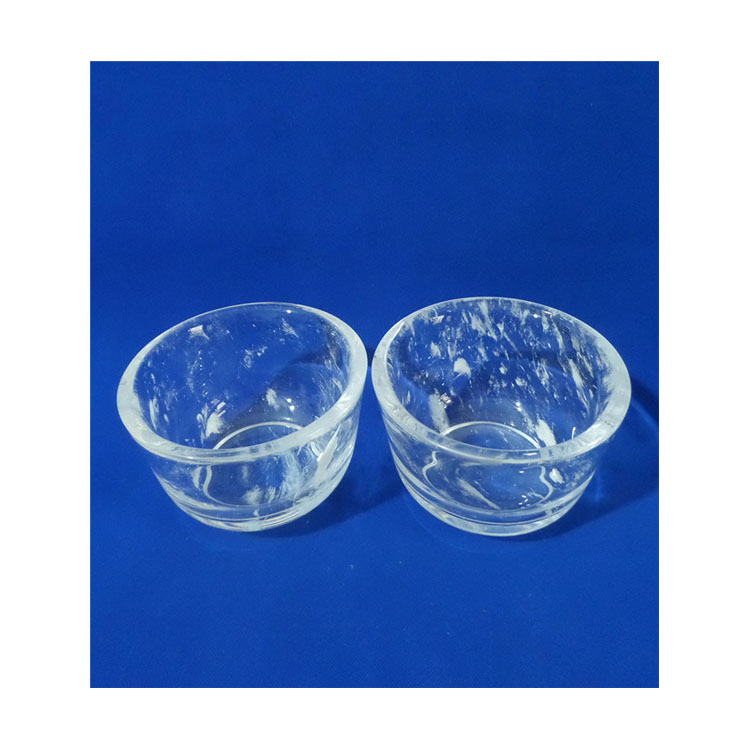
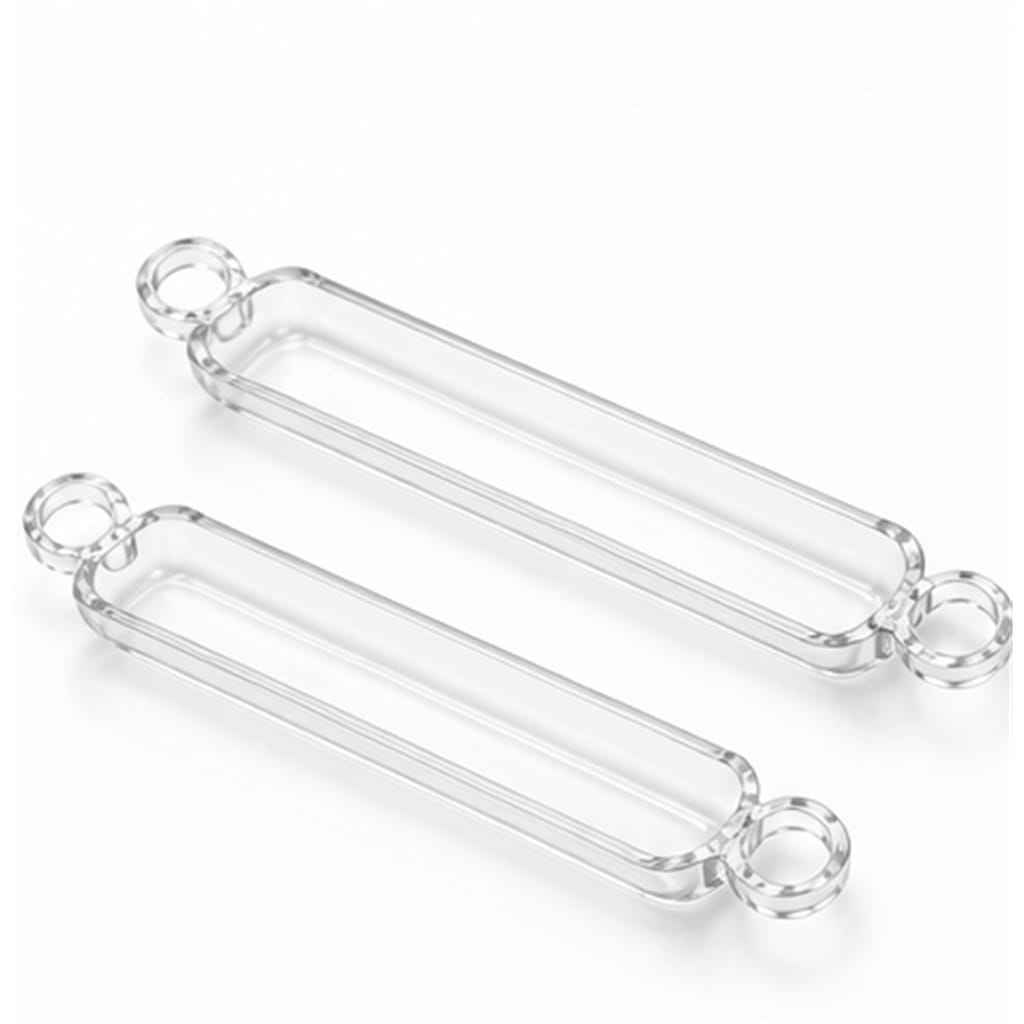
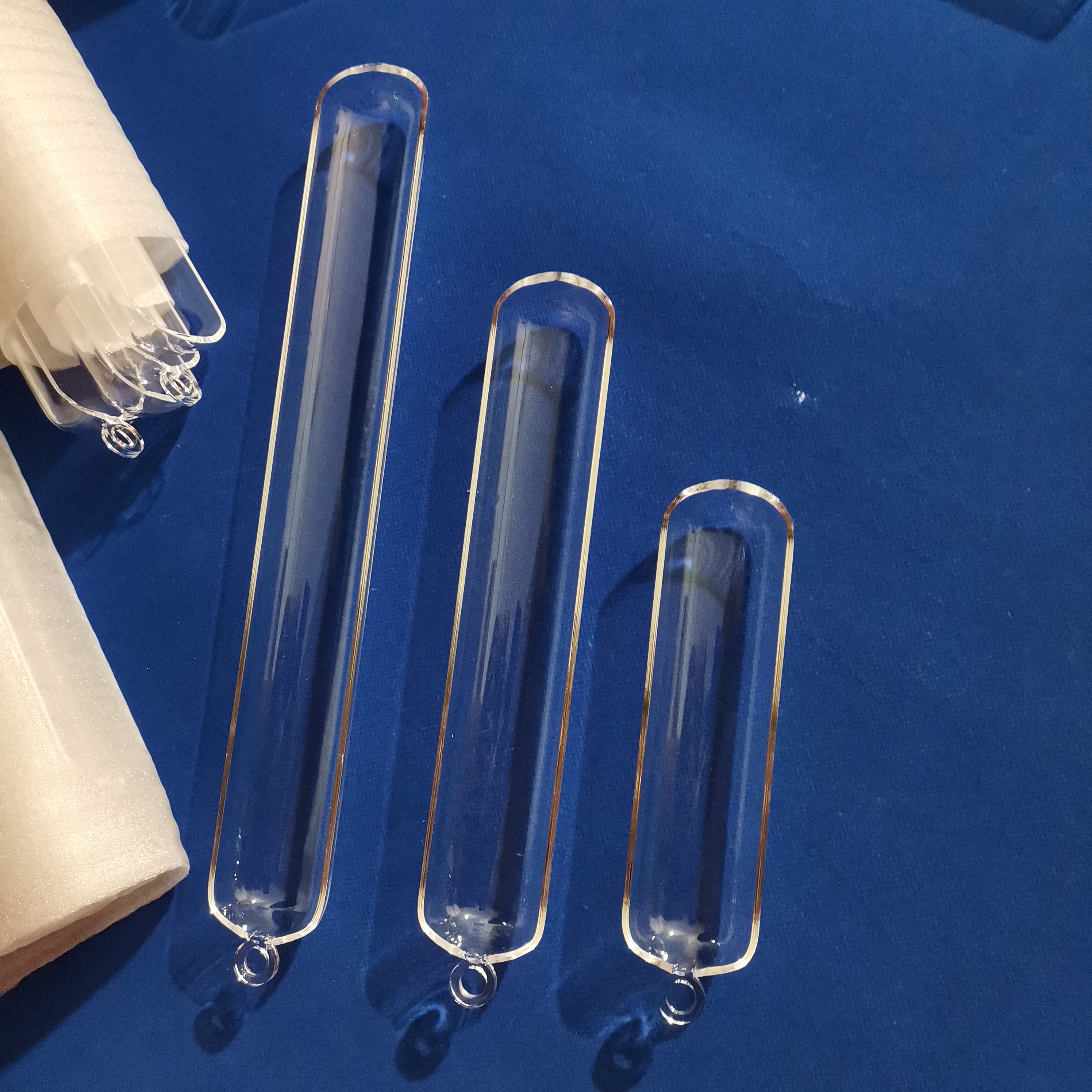
- Custom OEM & ODM Capability: Capability to manufacture complex shapes, including flared ends, ground joints, side-arm ports, handles, and opaque-to-clear welded assemblies.
- Logistics Optimization for Northern Japan: Streamlined maritime and air freight routing from Lianyungang / Shanghai ports directly to Tomakomai Port or Sapporo New Chitose Airport (CTS), backed by export-grade wooden crate packaging lined with anti-vibration shock foam.