Custom Quartz Glass Solutions for Montreal Industry
Direct OEM manufacturing under ISO 9001 certification. High optical clarity, extreme thermal resistance, and precise mechanical tolerances tailored to your engineering specifications.
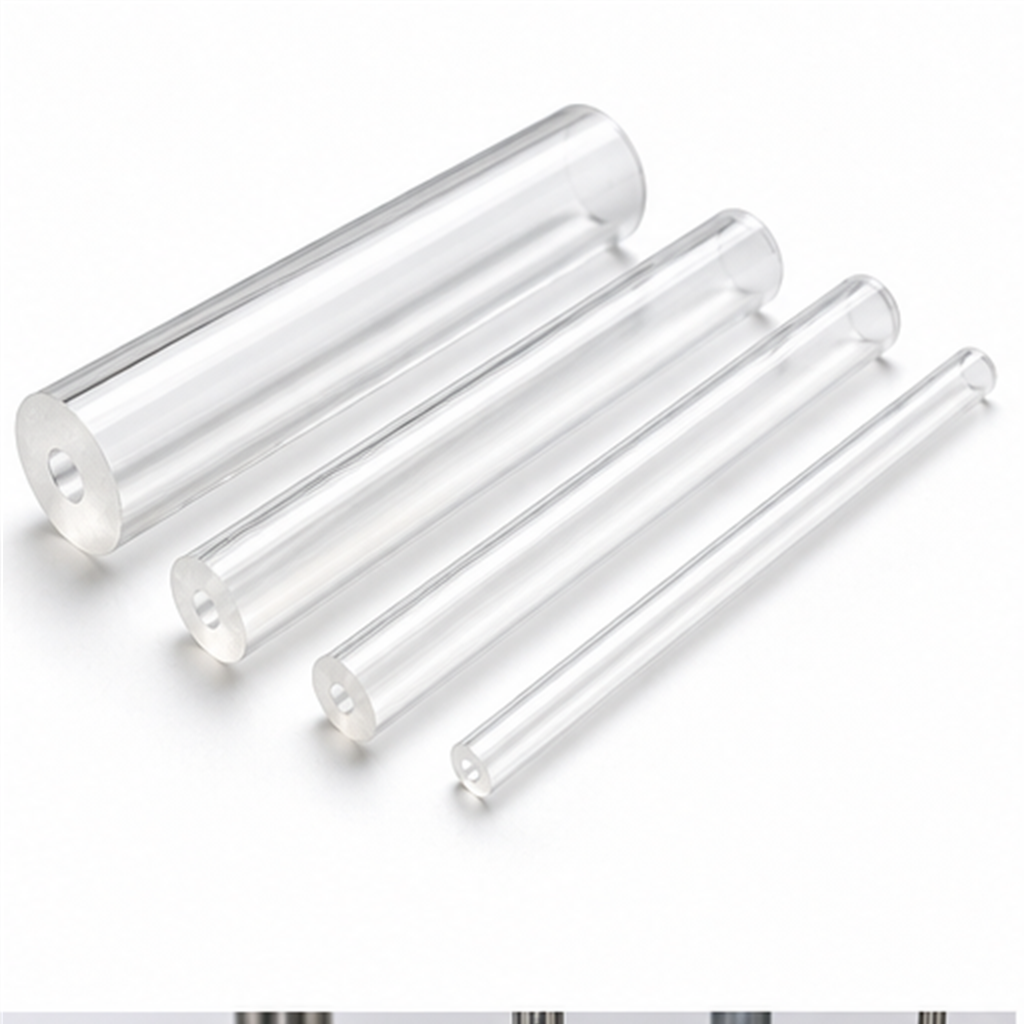
High Purity Heavy Wall Small Bore Quartz Glass Tube Flat Cut Unpolished
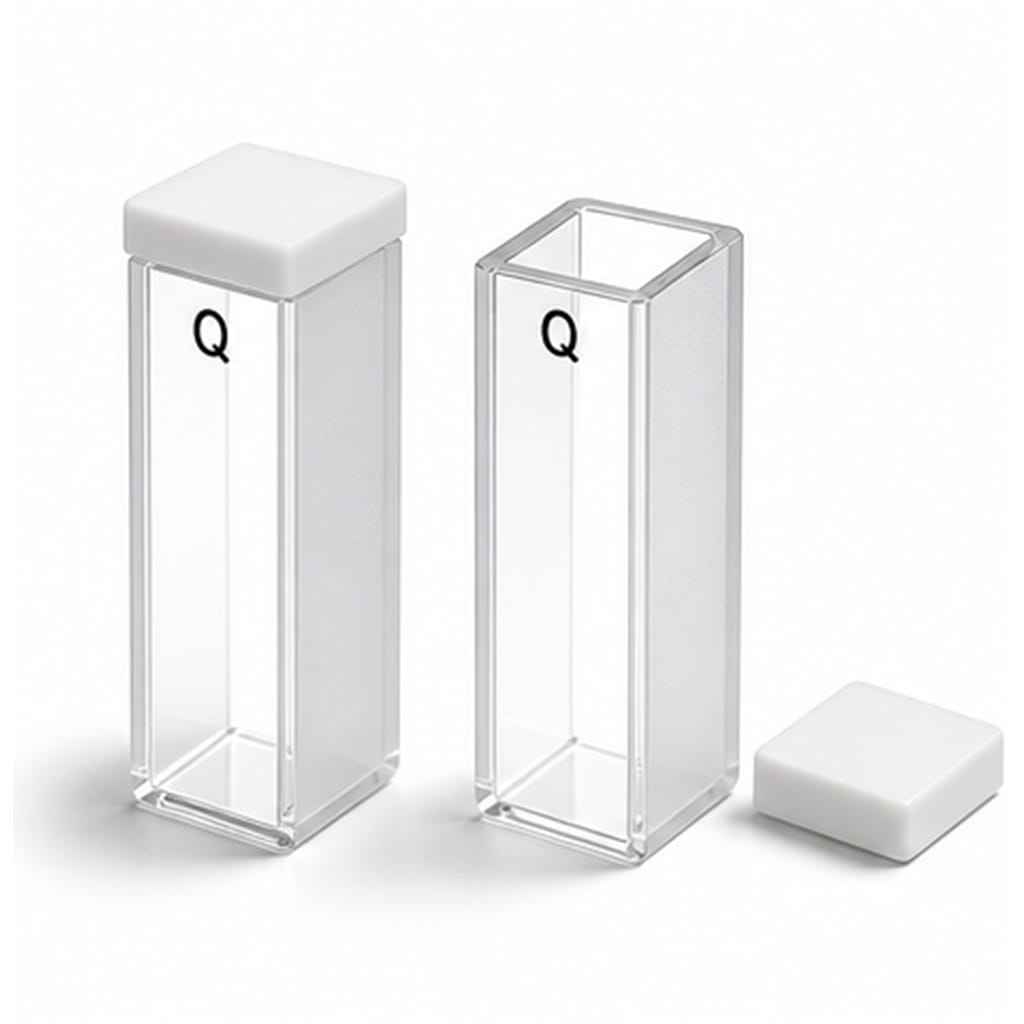
Optical Fused-Quartz Spectrophotometer Cuvettes with PTFE Lids for UV-Vis Precision Absorbance Analysis
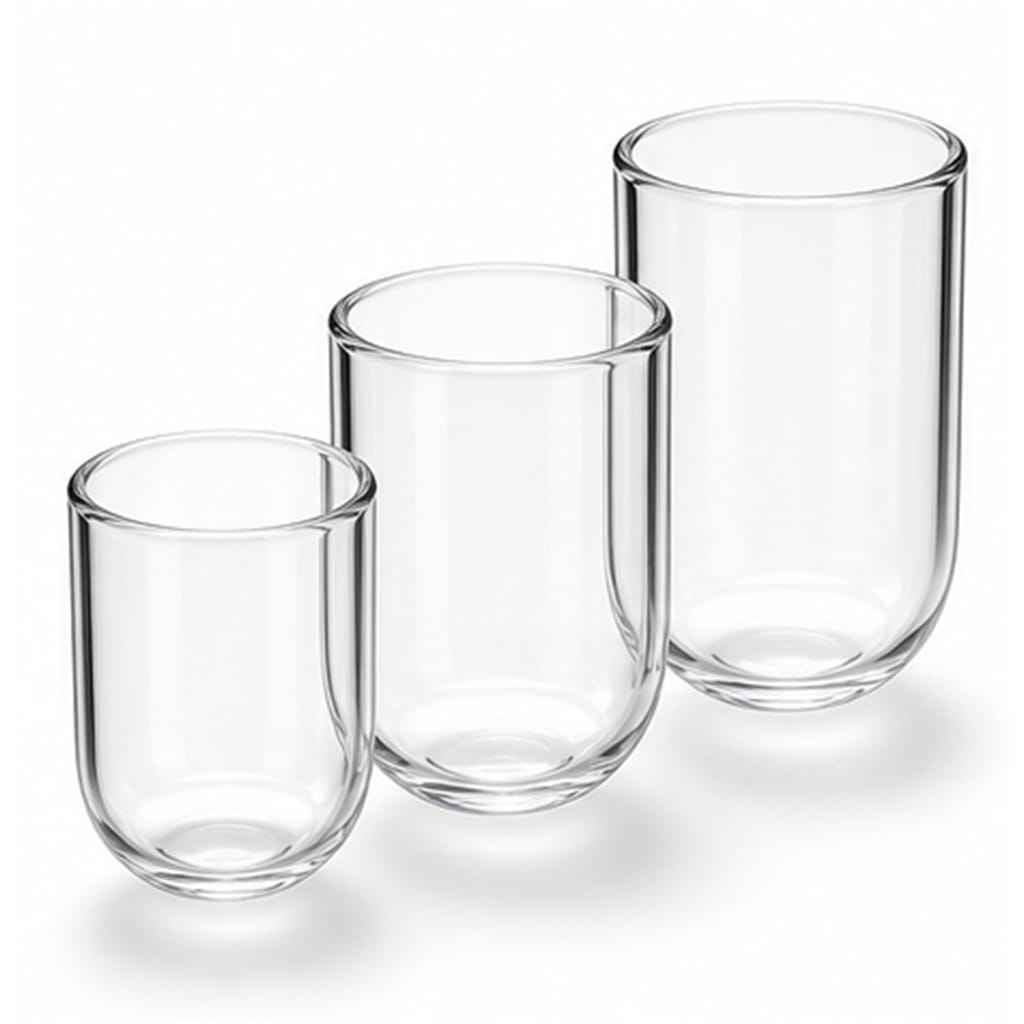
Clear Fused-Quartz Melting Crucibles with Fire-Polished Rims for High-Temperature Laboratory Muffle Furnaces
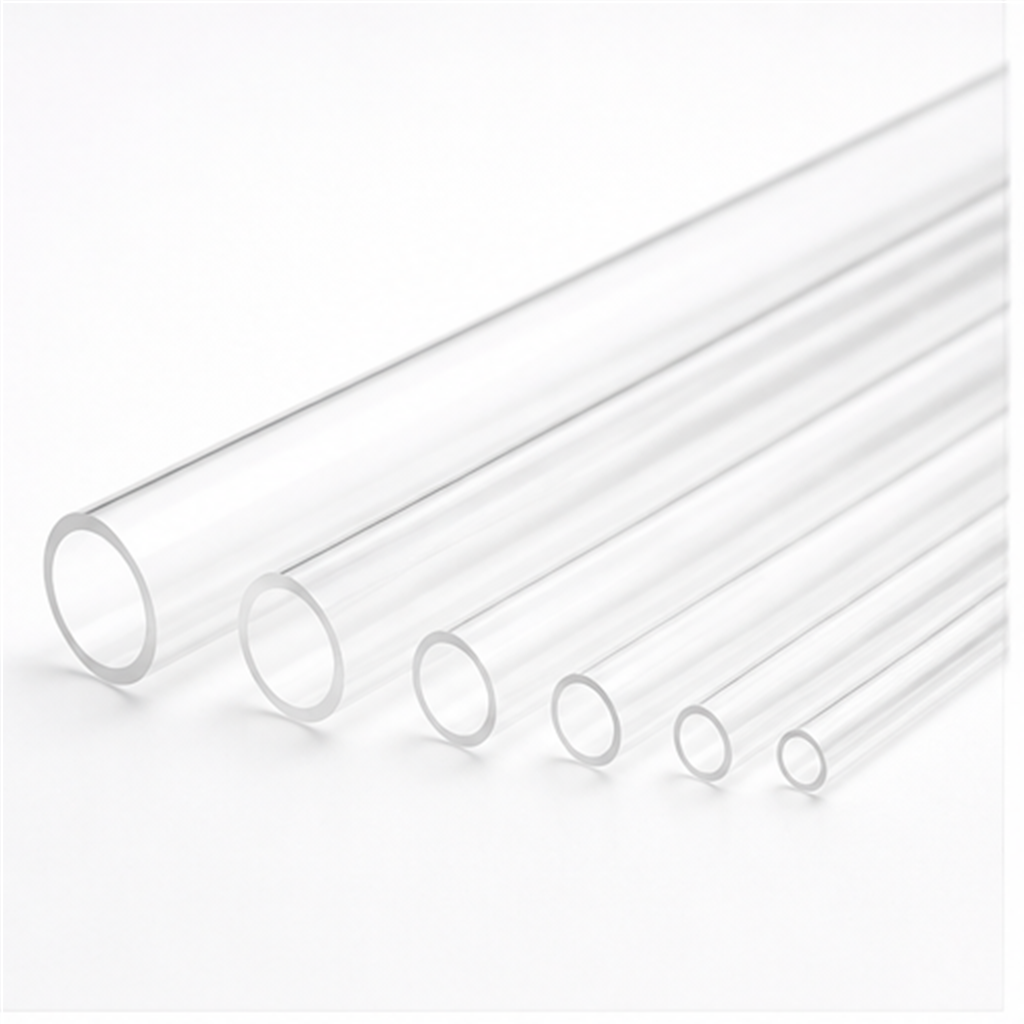
High Purity Clear Fused Quartz Glass Tube Flat Cut Unpolished Ends
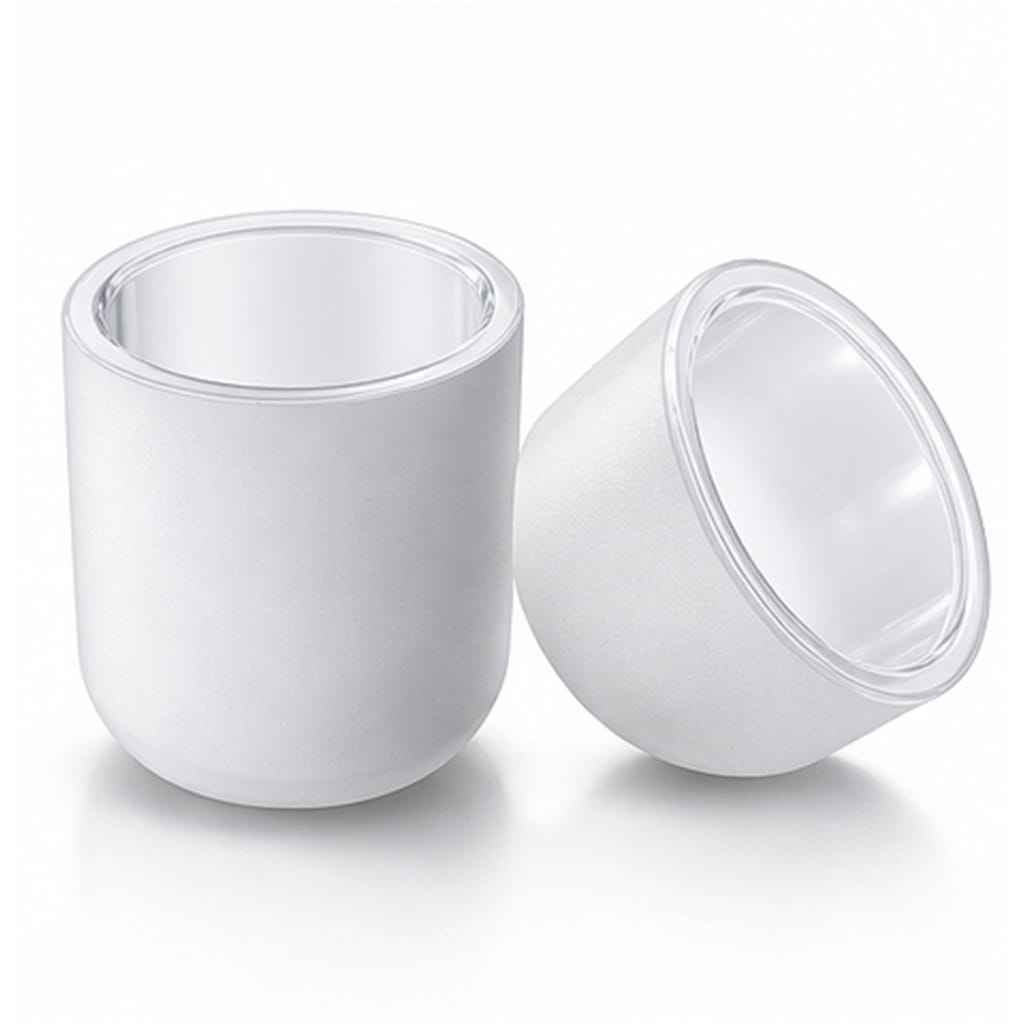
4-Inch US Sand Fused-Quartz Crucibles with Bubble-Free Inner Layer for Silicon Crystal Growth Melting
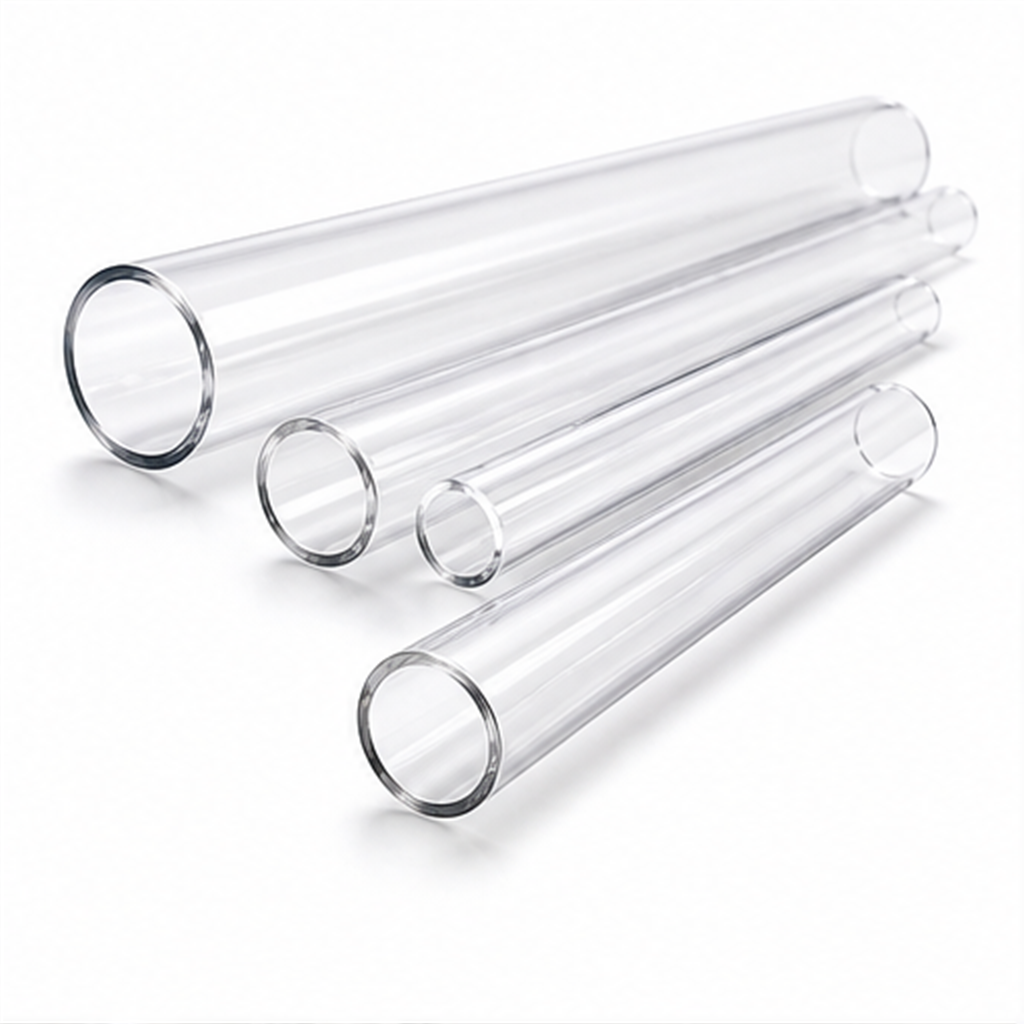
Thermal Shock Resistant Transparent Fused Quartz Furnace Tube for High Temperature Processing
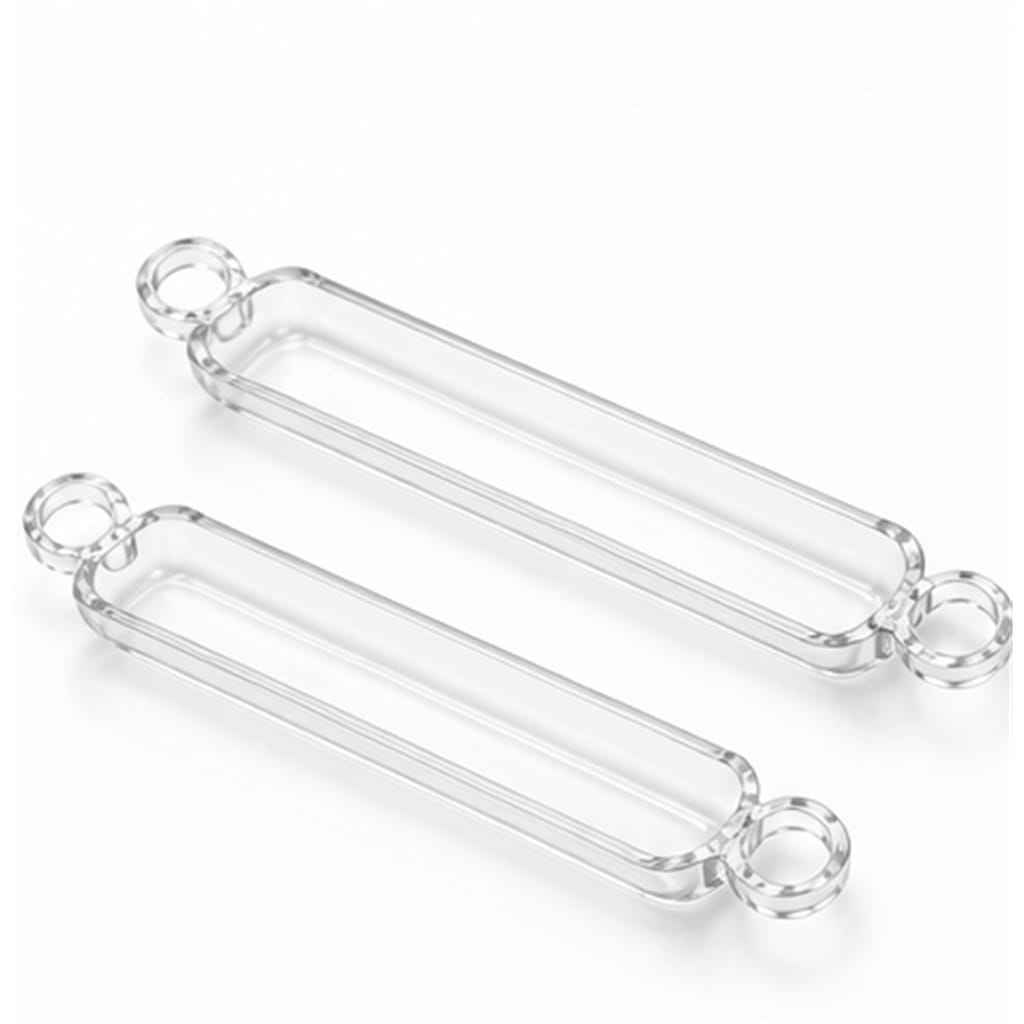
Fused-Quartz Combustion Sample Boats with Integrated Pull-Ring Handles for Laboratory Tube Furnace Heating
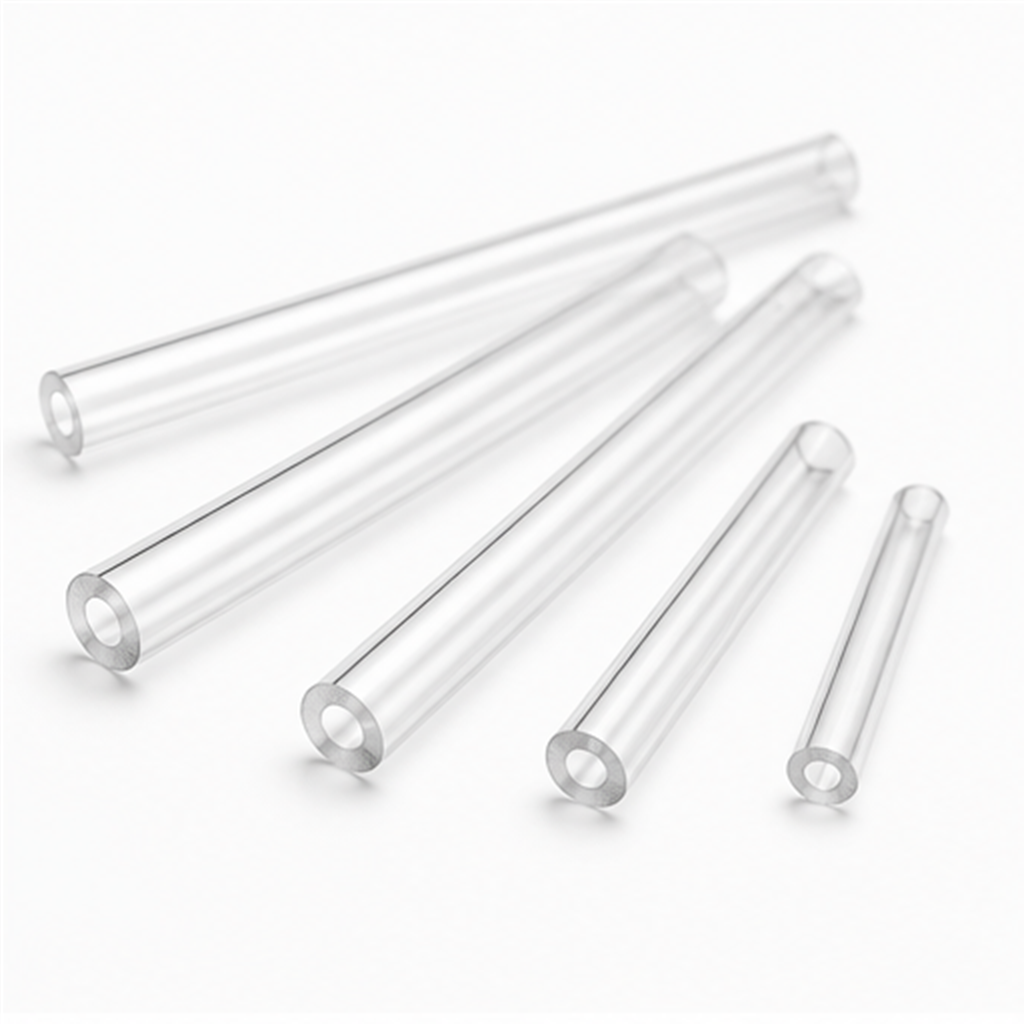
Small Bore Clear Fused Quartz Glass Tube with Flat Cut Unpolished Ends for Chromatography
Material Science Whitepaper: OEM Quartz Glass Discs
A technical engineering handbook on fused silica optical discs, physical properties, manufacturing tolerances, and quality verification standards.
1. Spectral Classifications: Fused Quartz (JGS2/JGS3) vs. Synthetic Fused Silica (JGS1)
When specifying custom optical quartz discs for demanding applications in Montreal’s research institutes and industrial cleanrooms, choosing the correct material grade is critical to performance. Quartz glass is chemically composed of high-purity silicon dioxide ($\text{SiO}_2$), but micro-structural differences stemming from raw material origin and synthesis routes govern its optical transmission, hydroxyl ($\text{OH}^-$) content, and thermal bubble classifications.
JGS1 (Synthetic Fused Silica): Synthesized via the chemical vapor deposition (CVD) of high-purity silicon tetrachloride ($\text{SiCl}_4$) in an oxygen-hydrogen flame. JGS1 is virtually free of metallic impurities (Fe, Al, Ti, Na content $<0.1\text{ ppm}$) and exhibits exceptional transmittance in the Deep Ultraviolet (DUV) range down to $185\text{ nm}$. With high hydroxyl content ($1000\text{--}2000\text{ ppm}$), it resists DUV laser-induced damage (excimer laser optics at $193\text{ nm}$ and $248\text{ nm}$), making JGS1 quartz discs the gold standard for semiconductor photomask blanks, deep UV viewports, and quantum laser trapped-ion optical windows.
JGS2 (Fused Quartz from Natural Crystal): Produced by melting refined natural quartz crystals in an electric resistance or oxygen-gas flame furnace. JGS2 retains excellent optical transparency across the visible spectrum ($380\text{--}780\text{ nm}$) and near-infrared (NIR) wavelengths up to $2500\text{ nm}$. Containing moderate $\text{OH}^-$ concentrations ($30\text{--}150\text{ ppm}$), JGS2 strikes an optimal balance between optical performance and cost-effectiveness for plasma processing viewports, sight glasses, and thermal radiation barriers.
JGS3 (Infrared Grade Synthetic Fused Silica): Melted under vacuum conditions to strip away water molecules, reducing $\text{OH}^-$ levels to $<5\text{ ppm}$. Eliminating hydroxyl absorption bands at $2.2\text{ }\mu\text{m}$ and $2.73\text{ }\mu\text{m}$, JGS3 provides superior infrared optical transmission reaching out to $3.6\text{ }\mu\text{m}$, essential for IR thermal imaging, spectroscopy cells, and CO2 laser optical windows.
Information Gain Engineering Note: Selecting the proper quartz material grade prevents costly field failures. For high-power UV optical path systems operating below $260\text{ nm}$, JGS1 synthetic silica prevents solarization and optical darkening. For high-temperature vacuum viewports up to $1100^\circ\text{C}$, electric-melted JGS2 provides superior dimensional rigidity.
2. Thermal, Mechanical, and Electrical Properties
Fused quartz glass discs possess physical properties unmatched by commercial soda-lime, borosilicate, or sapphire glass substrates. Its coefficient of thermal expansion (CTE) is exceptionally low—approximately $5.5 \times 10^{-7} /\text{K}$ between $20^\circ\text{C}$ and $300^\circ\text{C}$. This near-zero thermal expansion grants the material extreme thermal shock resistance: a thin quartz glass disc heated to $1000^\circ\text{C}$ can be quenched directly into ice water without cracking or catastrophic structural failure.
| Physical Property | Standard Metric Value | Engineering Significance |
|---|---|---|
| Purity ($\text{SiO}_2$ Content) | 99.99% – 99.999% | Prevents metallic ion leach-out in biopharma & semiconductor processes. |
| Continuous Service Temperature | 1100 °C | Sustains structural integrity without warping in high-temp furnaces. |
| Maximum Short-Term Temperature | 1450 °C | Softening point begins near 1683 °C; allows high thermal spike tolerance. |
| Thermal Coefficient of Expansion (CTE) | $5.5 \times 10^{-7} /\text{K}$ | Virtually zero thermal displacement under intense thermal gradients. |
| Mohs Hardness / Knoop Hardness | 5.5 – 6.5 / $600\text{ kg/mm}^2$ | Resistant to mechanical wear, chemical abrasion, and scratch formation. |
| Dielectric Strength ($20^\circ\text{C}$) | $25\text{--}40\text{ kV/mm}$ | Excellent electrical insulator under RF and microwave field excitation. |
| Refractive Index ($n_d$ at $587.6\text{ nm}$) | 1.4585 | Low dispersion value ($V_d = 67.8$), optimal for precision light focusing. |
3. OEM Fabrication, CNC Edging, Lap Polishing & Quality Controls
Producing custom quartz glass discs for high-precision technical applications requires strict, multi-stage processing controls. Raw fused quartz ingots or high-purity drawn plates undergo high-precision diamond wire slicing into rough blank discs. The disc blanks then enter multi-axis CNC machining centers for edge beveling, step-milling, chamfering, and ultrasonic hole drilling.
Surface Quality & Optical Polishing: Discs intended for optical viewports, laser windows, and sensors undergo double-sided planetary lapping and pitch polishing using cerium oxide or colloidal silica slurries. Surface flatness can be controlled down to $\lambda/10$ per $25\text{ mm}$ at $632.8\text{ nm}$, with surface roughness ($Ra$) achieving $<0.5\text{ nm}$ (5 Angstroms). Surface scratch-dig quality complies with ISO 10110 / MIL-PRF-13830B standards (e.g., 10/5 scratch-dig for laser optics, 40/20 for industrial viewports, 60/40 for standard furnace sight glasses).
Stress Relief Annealing: Machining, cutting, and grinding introduce residual mechanical stresses into quartz glass. Custom discs are subjected to computer-controlled fine annealing schedules inside cleanroom furnaces. Heating the discs near the strain point ($1120^\circ\text{C}$) followed by slow cooling yields minimal residual birefringence ($<5\text{ nm/cm}$), crucial for polarization-sensitive quantum optics and high-stress pressure viewports.
Localized Applications in Greater Montreal
Bridging specialized Chinese manufacturing capabilities with Quebec’s leading innovation ecosystems in quantum computing, aerospace, photonics, and clean energy.
1. Quantum Optics & Laser Trapped-Ion Windows
Montreal and the surrounding Quebec quantum cluster rely heavily on JGS1 synthetic fused silica optical discs for ultra-high vacuum (UHV) cell viewports. Discs with sub-nanometer surface roughness, low birefringence, and anti-reflective (AR) dielectric coatings allow ultra-precise laser transmission for cooling and probing trapped ions in quantum processing units.
2. Aerospace Viewports & Flight-Test Sight Glasses
Greater Montreal ranks among the world's premier aerospace manufacturing hubs. Custom OEM quartz glass discs are integrated into environmental simulation chambers, engine exhaust inspection viewports, and high-altitude optical sensors where pressure differentials, severe vibration, and extreme temperature fluctuations demand unyielding mechanical durability.
3. Biopharma Spectroscopy & Analytical Microfluidics
Leading pharmaceutical and research laboratories connected with McGill University, Université de Montréal, and Laval biopharma firms utilize thin optical quartz discs as cover slips, flow-cell sight windows, and DUV spectrophotometer windows. Quartz’s high DUV optical transparency allows accurate, uncorrupted fluorescence spectrometry and DNA concentration analysis.
4. High-Temperature Furnace Windows & Plasma Etching
Next-generation energy research across Quebec requires robust sight glass quartz discs capable of withstanding corrosive gas atmospheres and continuous working temperatures of $1100^\circ\text{C}$. Custom fire-polished edge quartz discs act as inspection windows for solar cell crystal growth, hydrogen electrolysis cells, and semiconductor plasma etching devices.
Montreal Regional Procurement & Technology Trends
Market insights for Quebec purchasing officers, procurement directors, and system engineers specifying imported technical quartz glass components.
Surge in Deep-UV & NIR Purity Requirements
As Montreal expands its footprint in quantum photonics and advanced LIDAR developments, engineering specs have transitioned from basic commercial glass to high-purity synthetic fused silica (JGS1/JGS3) with strict internal homogeneity (Striae Grade A) and minimal bubble content.
Mitigating Local Supply Chain Friction
Sourcing small-run custom optical components locally in Canada often entails extended lead times and high cost markups. Partnering directly with Chinese OEM manufacturers like Kemzo Quartz allows Montreal engineers to secure factory-direct pricing, custom CAD drawing execution, and rapid air-freight delivery.
Rigorous Compliance & Import Standards
Quebec high-tech buyers strictly mandate RoHS, REACH, and ISO 9001 quality compliance. Complete material certification test reports, bubble class declarations, and interferometric surface topography charts are increasingly required alongside CBSA customs import paperwork.
Why Partner With Donghai Kemzo Quartz
Located in Donghai County—China's famed Crystal Capital—we combine raw material superiority, advanced CNC glass processing, and global export experience.
Established Pioneer
Over 11 years of dedicated OEM/ODM quartz manufacturing experience serving North America, Europe, and Asia.
Raw Material Purity
Direct sourcing from Donghai natural quartz reserves ensures low chemical contamination and consistent spectral performance.
Production Lines
Equipped with multi-axis CNC machines, double-side polishers, ultrasonic drillers, and automated annealing furnaces.
Inquiry Response
Fast technical drawing feasibility evaluation, quote turnaround, and direct communication with experienced optical engineers.
Frequently Asked Questions for Montreal Buyers
Technical guidance for Canadian procurement managers and optical engineers inquiring about custom quartz glass discs.
What is the difference between fused quartz discs and fused silica discs?
What thermal limits apply to your transparent quartz glass discs?
Can you fabricate custom quartz glass discs directly from our CAD drawings?
How do you ensure fragile quartz glass discs survive international freight to Montreal?
What payment terms, Incoterms, and currency options do you offer for Canadian buyers?
What quality certifications and material inspection reports accompany shipment?
Need Custom Quartz Glass Discs for Your Montreal Facility?
Send your CAD drawings, dimensional specifications, or material requirements to our engineering team. Receive a free manufacturing feasibility assessment and competitive OEM quotation within one hour.