Precision Quartz Components Portfolio
Engineered to fulfill rigorous technical specifications across Central Japan's semiconductor foundries, advanced automotive sensor labs, and optics facilities. Direct factory export with complete drawing-based custom OEM/ODM support.
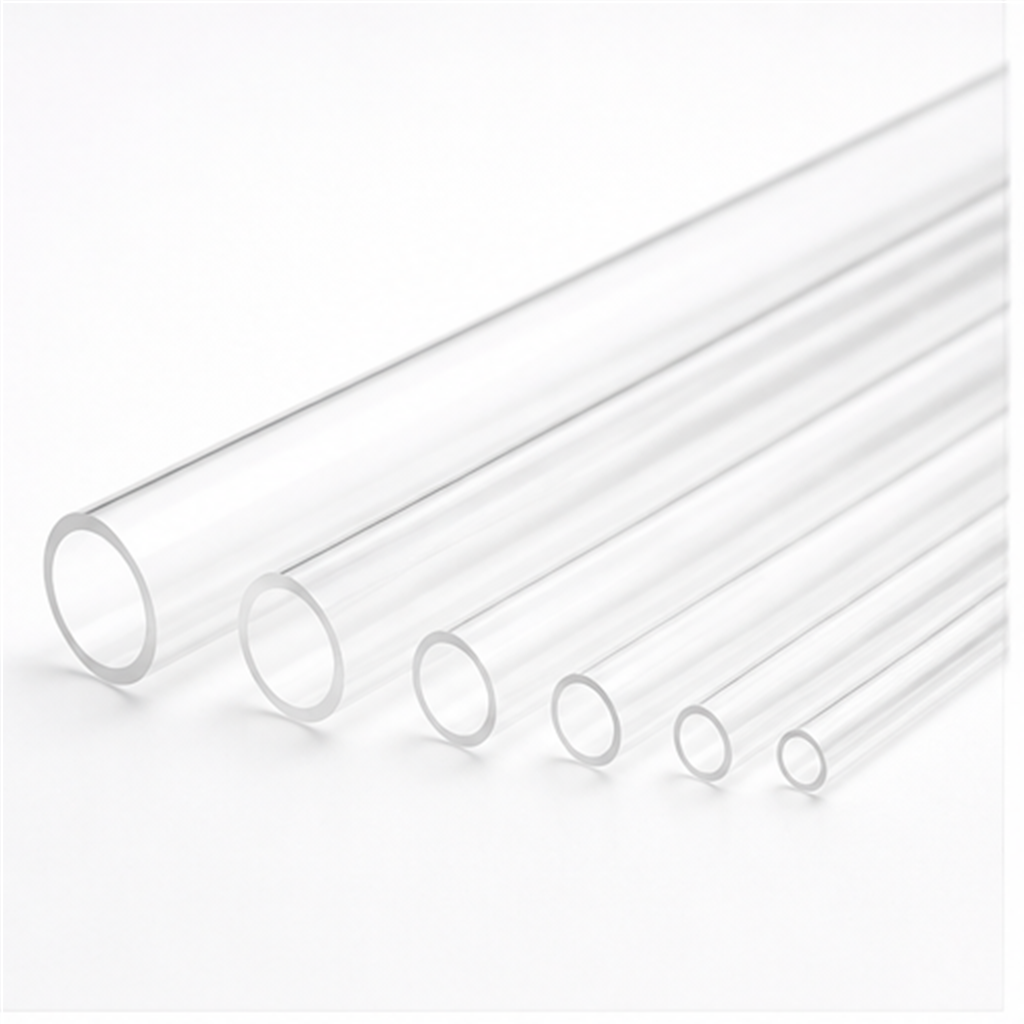
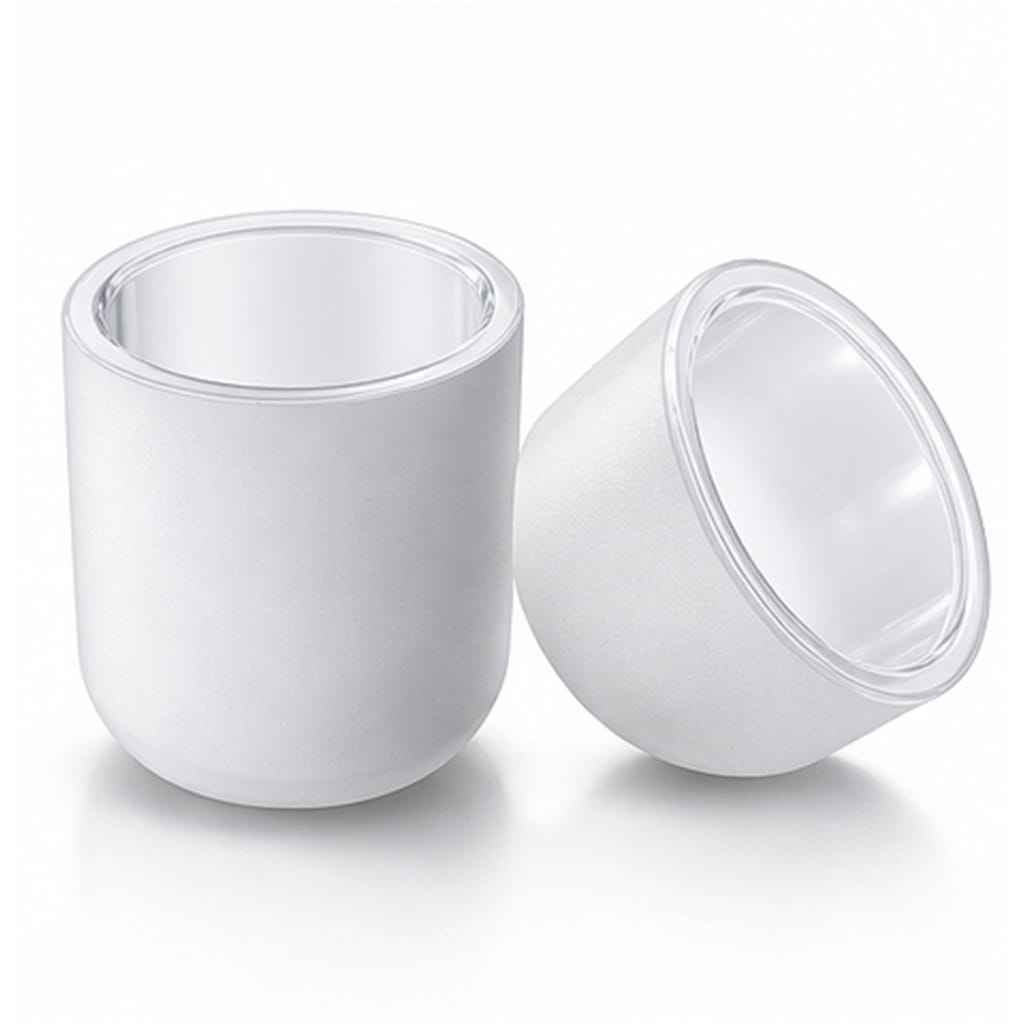
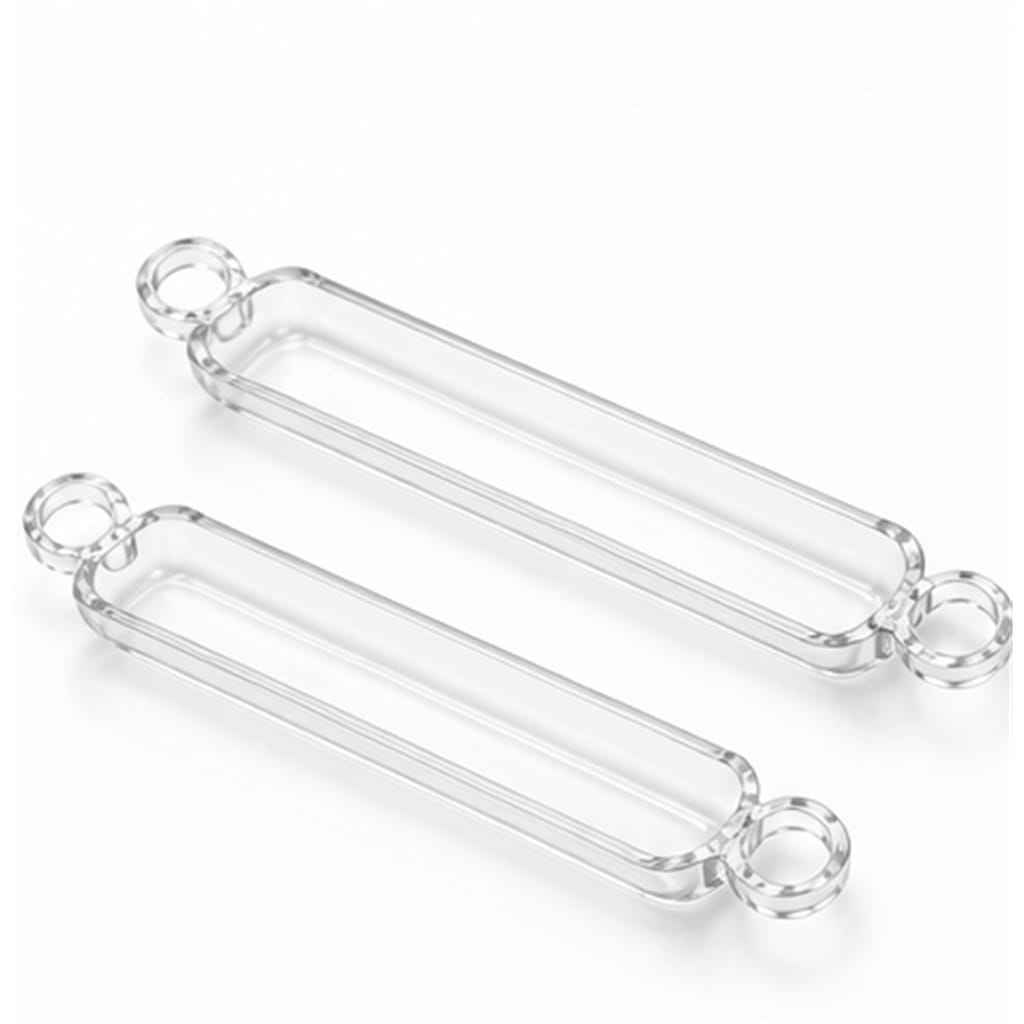
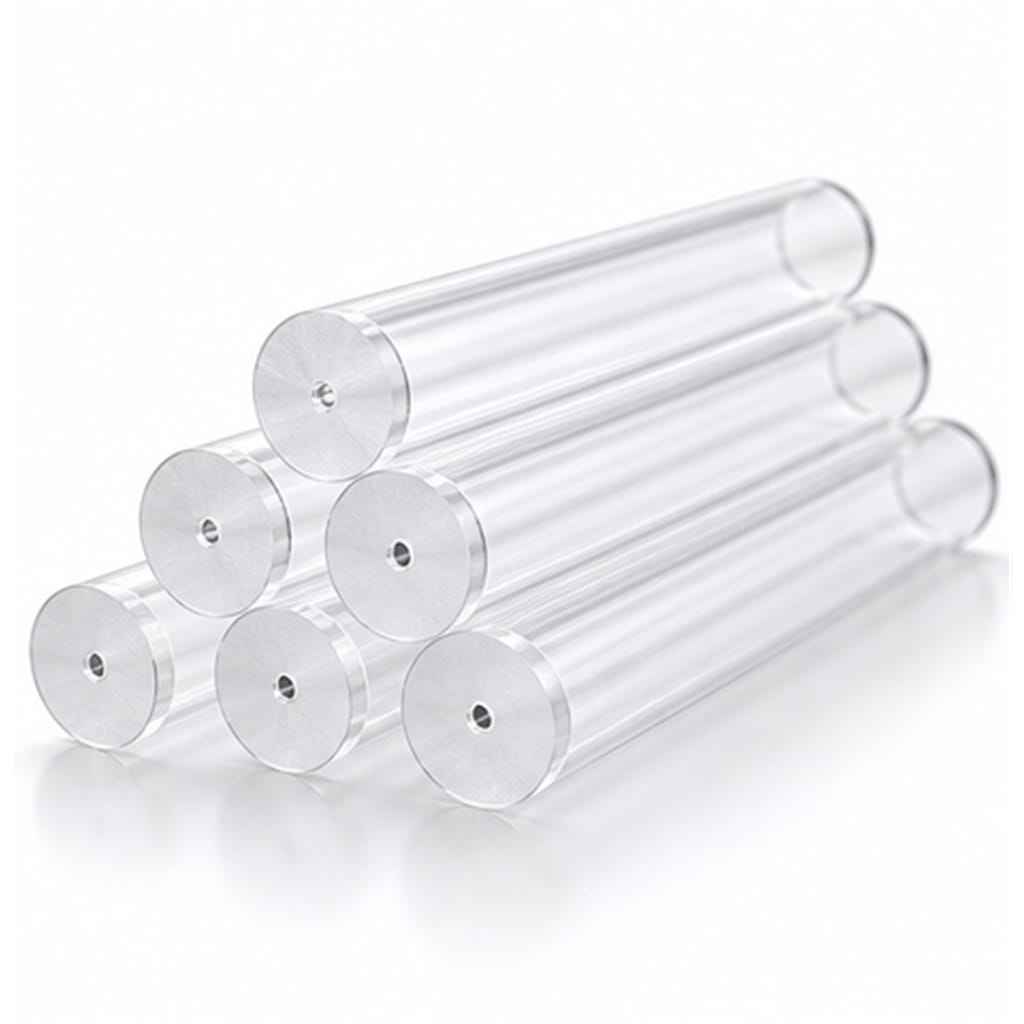
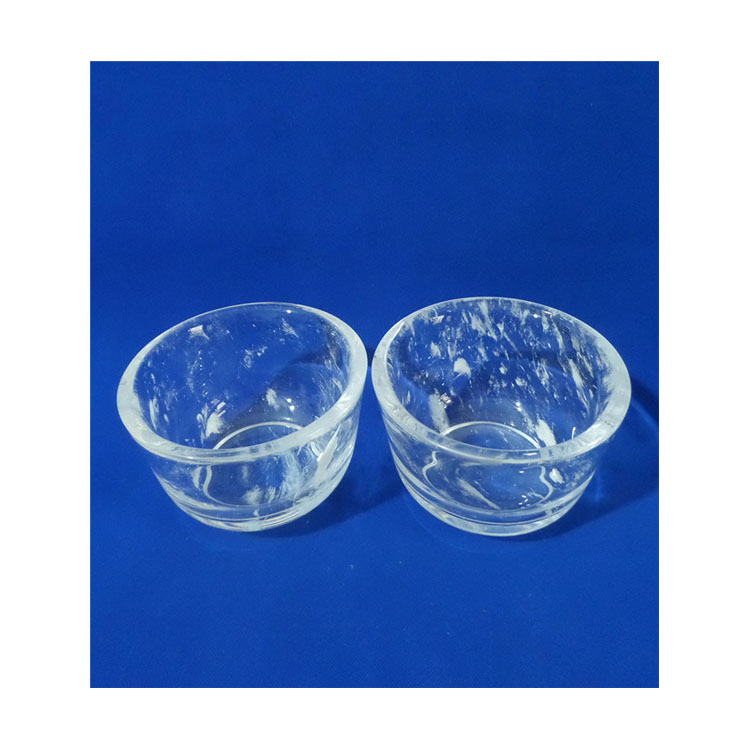
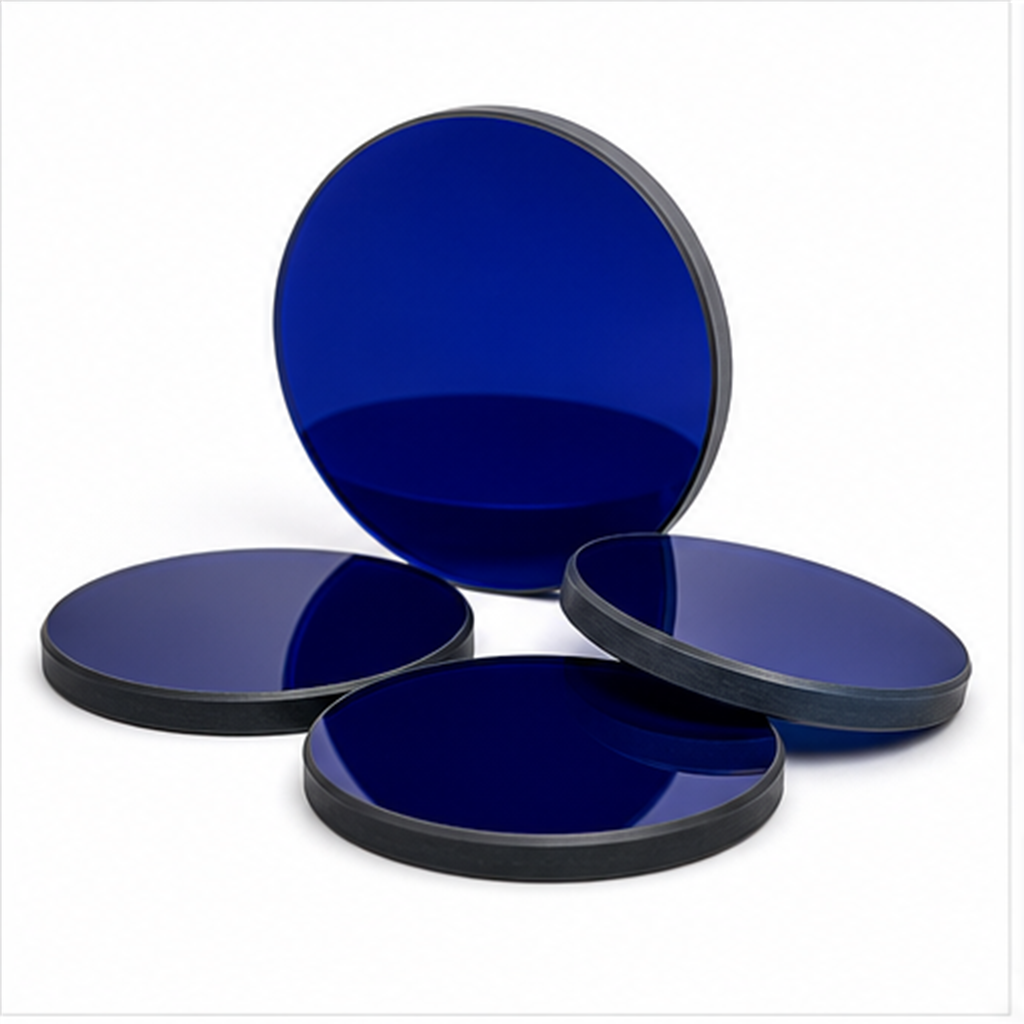
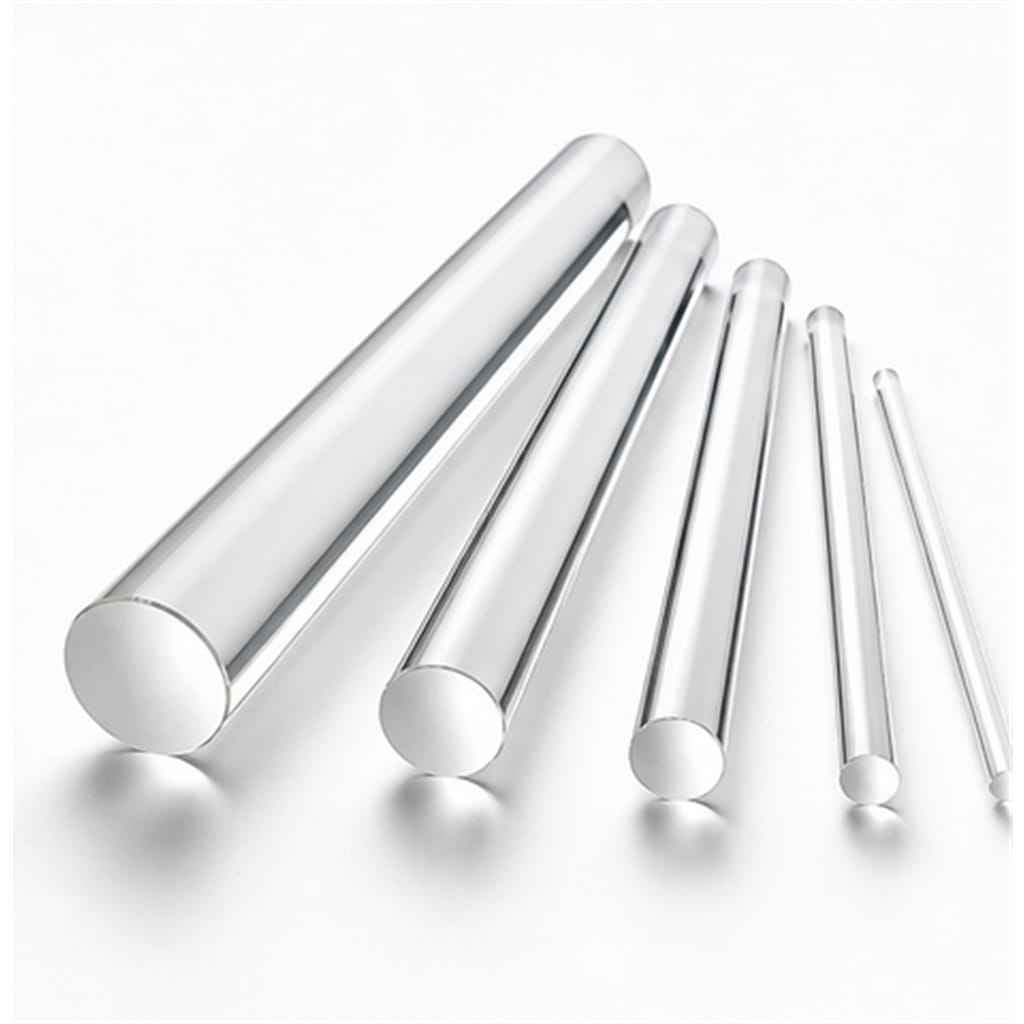
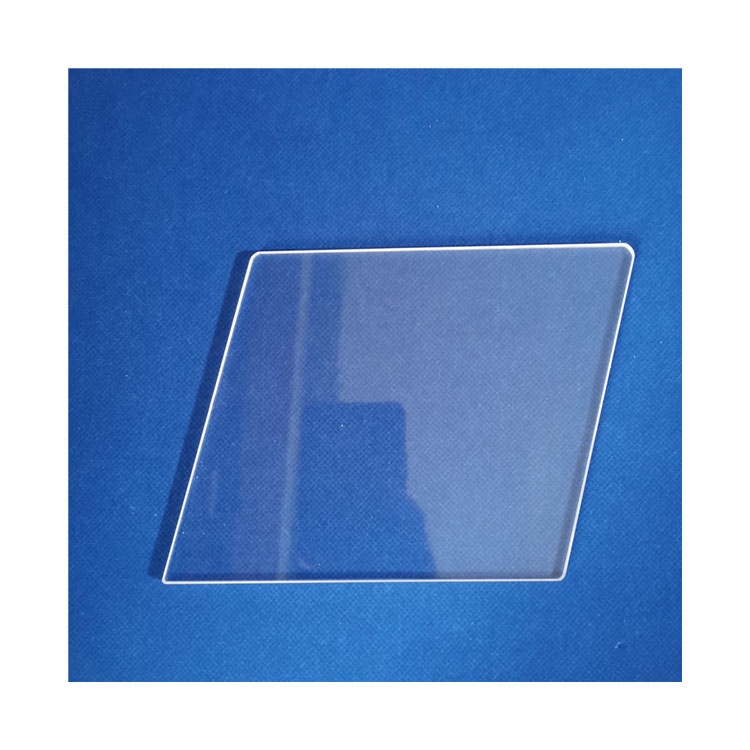
Application Scenarios in the Greater Nagoya Industrial Hub
The Chubu region, centered around Nagoya, represents Japan’s premier automotive, aerospace, and advanced manufacturing economic engine. Precision fused quartz substrates and labware perform vital functions across several critical local sectors.
Automotive LiDAR & Sensor Optics
Nagoya’s tier-1 automotive innovators require high-transmittance fused silica substrates for solid-state LiDAR emitter covers, NIR lens modules, and HUD optical windows. The near-zero coefficient of thermal expansion guarantees structural fidelity under extreme vehicle engine and thermal cycling conditions.
Semiconductor & Power Electronics (SiC/GaN)
With major silicon wafer processing and next-generation gallium nitride (GaN) and silicon carbide (SiC) power semiconductor investments across Aichi and Mie, our diffusion furnace quartz tubes, boats, and substrates provide the ultra-pure inert barrier needed to prevent trace-metal contamination.
Aerospace Thermal Barrier Systems
The Greater Nagoya aerospace corridor relies on our opaque and high-purity quartz plates and crucibles for casting superalloys and composite thermal vacuum testing. Working temperatures continuous up to 1100°C withstand demanding turbine testing and space simulation.
Nagoya Market Industry Trends & Supply Resilience
Strategic shifts across Central Japan’s supply chains are redefining how engineering procurement teams evaluate fused quartz and fused silica suppliers.
The Shift Toward EV Power Modules
Nagoya's legacy ICE automakers are accelerating high-voltage EV architecture development. Fused quartz substrates serve as critical thermal fixtures during high-temperature chip sintering, wire bonding, and automated optical inspection for inverter systems.
Reshoring & Dual-Sourcing Strategies
Japanese manufacturing conglomerates are mitigating supply concentration risks by qualifying agile, direct-from-source manufacturers who match high Japanese precision (JIS) tolerances while reducing long lead times and high markups from conventional trading intermediaries.
Demand for Optical Cleanliness & Low DUV Absorption
As micro-machining and advanced laser welding expand across Gifu and Aichi factories, the necessity for high-damage-threshold fused silica plates with minimum OH-group absorption and negligible micro-bubble inclusion has climbed sharply over the past three years.
Physical & Thermal Properties Technical Specification
Understanding the material science metrics that differentiate raw mineral fused quartz from synthetic fused silica substrates is essential for system qualification.
| Property Indicator | Test Condition / Standard | Natural Fused Quartz | Synthetic Fused Silica | Significance for Chubu Engineers |
|---|---|---|---|---|
| SiO₂ Content | ICP-OES / GD-MS | ≥ 99.99% | ≥ 99.9999% | Cleanroom Compliant Zero ionic diffusion in semiconductor processing. |
| Softening Point | ASTM C-338 | 1683 °C | 1600 °C | Maintains structural integrity during continuous high-heat oxidation. |
| Annealing Point | ASTM C-336 | 1215 °C | 1180 °C | Residual stress baseline to eliminate localized cracking in thermal runs. |
| Thermal Expansion (CTE) | 20°C to 300°C | 5.5 × 10⁻⁷ /°C | 5.2 × 10⁻⁷ /°C | Negligible dimensional drift under intense laser irradiation or rapid quenching. |
| Refractive Index (nD) | λ = 589.3 nm | 1.4585 | 1.4584 | Predictable light guide and optical viewport dispersion indices. |
| Dielectric Constant | 1 MHz @ 25°C | 3.75 | 3.80 | Superior high-frequency RF window performance for radar test systems. |
Manufacturing Excellence & Enterprise Advantages
Originating in Donghai County—China's crystal capital—Donghai Kemzo Quartz Products Co., Ltd. combines raw mineral control with advanced finishing machines to serve Japanese and global engineering companies.
Upstream Mineral Advantage
Direct sourcing in Donghai’s historic quartz deposit hub ensures consistent high-purity natural silica sand without third-party raw material markup.
ISO 9001 & High-Tech Certified
Honored as a Jiangsu High Technology Enterprise and backed by full ISO 9001 certified QA tracking from melting to coordinate measuring machine (CMM) testing.
11+ Years Precision OEM/ODM
Equipped with computerized slicing, CNC edge chamfering, double-side lapping, and flame-working to manufacture parts directly to customer CAD drawings.
Direct Freight to Port of Nagoya
Streamlined logistics routes to Port of Nagoya and Chubu Centrair International Airport (NGO) with shock-absorbing vacuum export crating.
Frequently Asked Questions for Nagoya Procurement
Essential technical, operational, and commercial questions answered for Japanese plant managers, quality assurance engineers, and sourcing teams.
How does Kemzo Quartz handle shipping fragile quartz glassware to factories in Aichi and Mie Prefectures?
Fragile goods logistics is a pillar of our export operations. Quartz tubes, large furnace liners, and delicate plates are cleaned, sealed in dust-free poly bags, isolated using multi-layer high-density closed-cell polyethylene foam, and secured inside custom-built fumigated plywood export crates. Crates feature shock-watch and tilt indicators. Direct routes to the Port of Nagoya or air express via Chubu Centrair International Airport (NGO) ensure safe, breakage-free arrival.
Can our engineering team order custom-dimension fused quartz substrates based on our technical drawings?
Yes. Over 70% of our production is customized OEM/ODM work. Send your DXF, DWG, STEP, or PDF drawings with desired tolerances, surface finish specifications (such as Ra < 0.5 nm or 60/40 scratch-dig), and beveling parameters. Our engineering department reviews manufacturability and returns an evaluation along with a quote within one hour.
What are the differences between natural fused quartz and synthetic fused silica for optical applications?
Natural fused quartz is manufactured by melting natural high-purity crystalline silica (SiO₂). It provides thermal stability up to 1100°C continuous and thermal shock resistance at a competitive cost, ideal for furnace tubes, crucibles, and general sight glass. Synthetic fused silica is created via the vapor-phase hydrolysis of silicon compounds (SiCl₄), achieving 99.9999% purity, negligible metallic trace impurities, and transmission extending into the Deep Ultraviolet (DUV) range down to 190 nm, which is required for precision photolithography and laser optics.
Which Incoterms and international trade payment methods are available for Japanese buyers?
To accommodate corporate procurement protocols, we offer flexible trade terms including FOB, CIF (Port of Nagoya), CFR, EXW, and DDU door-to-door directly to your plant. We accept transactions in USD, EUR, JPY, and CNY through secure Telegraphic Transfer (T/T), Letter of Credit (L/C), and PayPal for prototyping phases.
Do you provide batch test certificates, material safety sheets, and dimensional inspection reports?
Every export shipment includes a Certificate of Analysis (COA) confirming chemical purity, an inspection report verifying critical dimensions (micrometer and CMM verified), and material compliance data sheets. Traceability is maintained throughout the production cycle from the incoming sand lot to the finished crate.
What is the typical prototype and production lead time for orders bound for Central Japan?
Standard stock tubes, plates, and crucibles ship within 3 to 5 business days. Custom CNC machining, fine optical double-side polishing, or custom flame work typically requires 10 to 18 business days depending on volume and drawing complexity. Air courier shipments to Nagoya take approximately 3 to 4 days, while standard sea freight transit takes roughly 5 to 7 days from departure.
Accelerate Your Precision Quartz Sourcing
Partner directly with an ISO 9001 certified manufacturer. Receive rapid CAD review, competitive factory-direct pricing, and dependable delivery to your facilities in Nagoya and throughout Central Japan.