High-Purity Fused Quartz Components
Custom-engineered silica tubes, plates, crucibles, and labware designed for extreme thermal and chemical environments in Kawasaki’s high-tech industrial hubs.
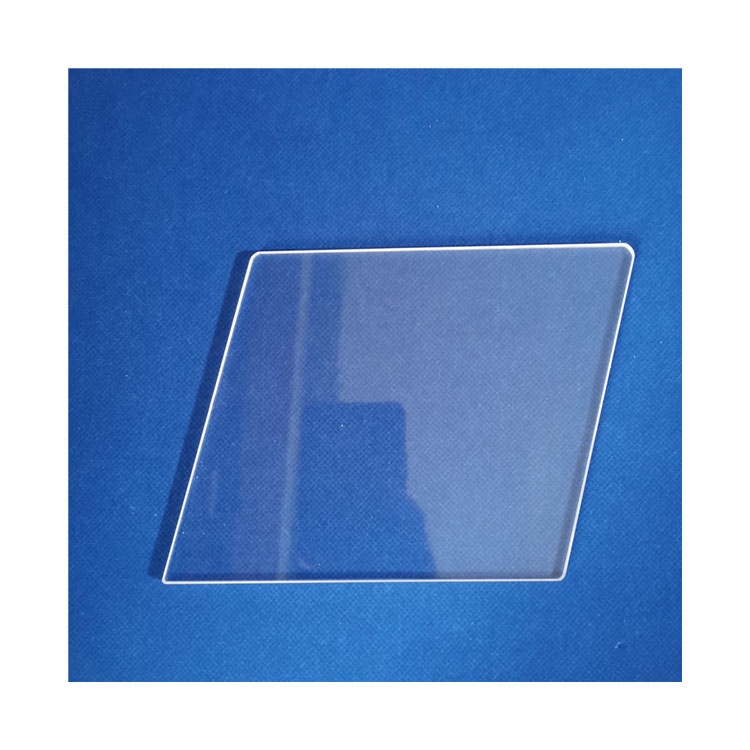
Clear Fused Silica Quartz Glass Plate Transparent Square 0.5-100mm
View Specifications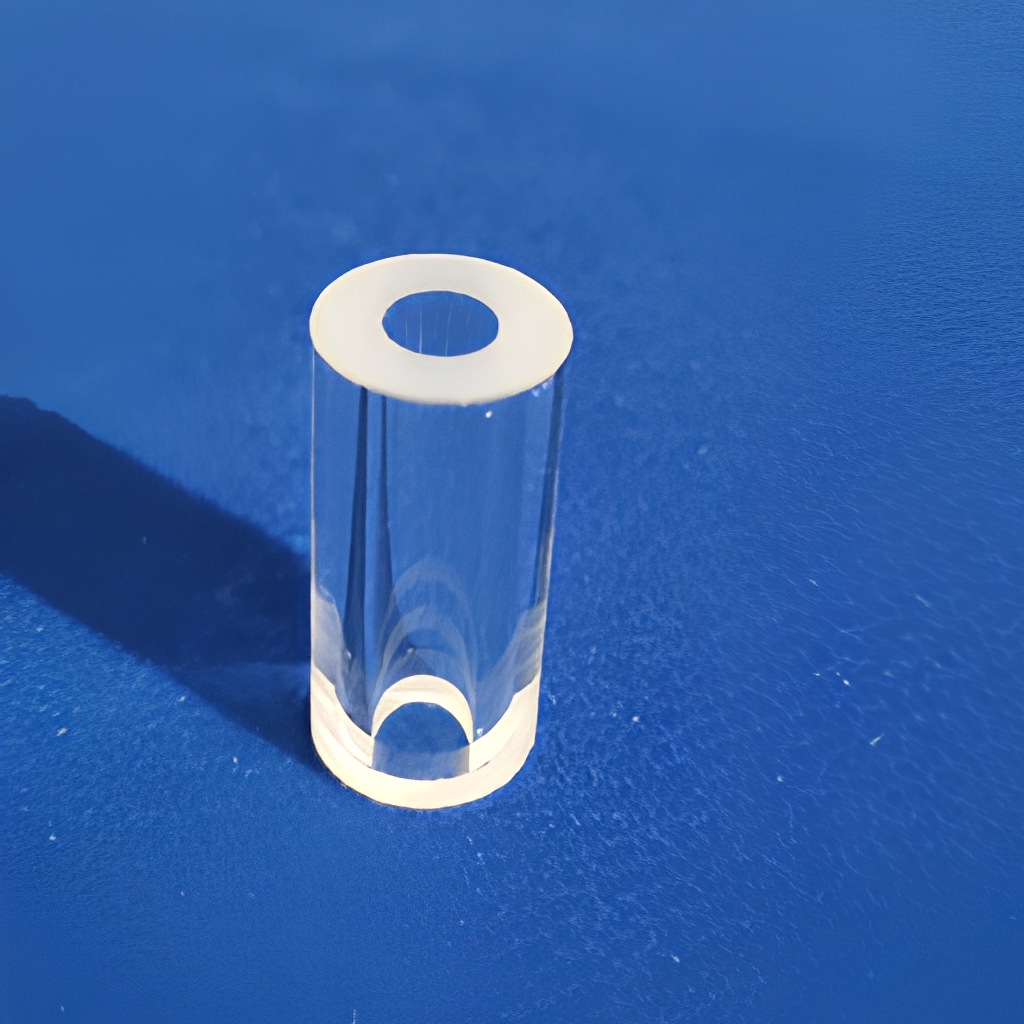
99.99% Pure Clear Quartz Twin Tube for Chemical Industry
View Specifications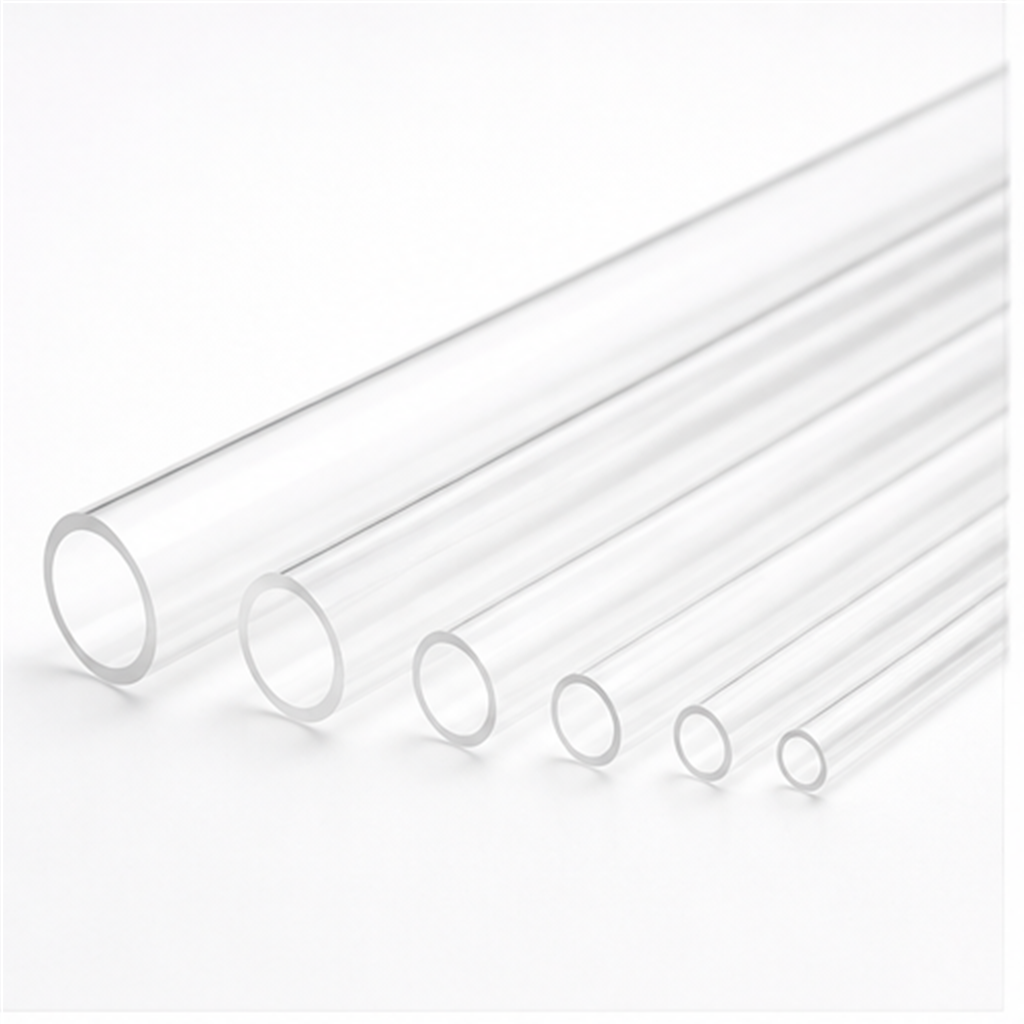
High Purity Clear Fused Quartz Glass Tube Flat Cut Unpolished Ends
View Specifications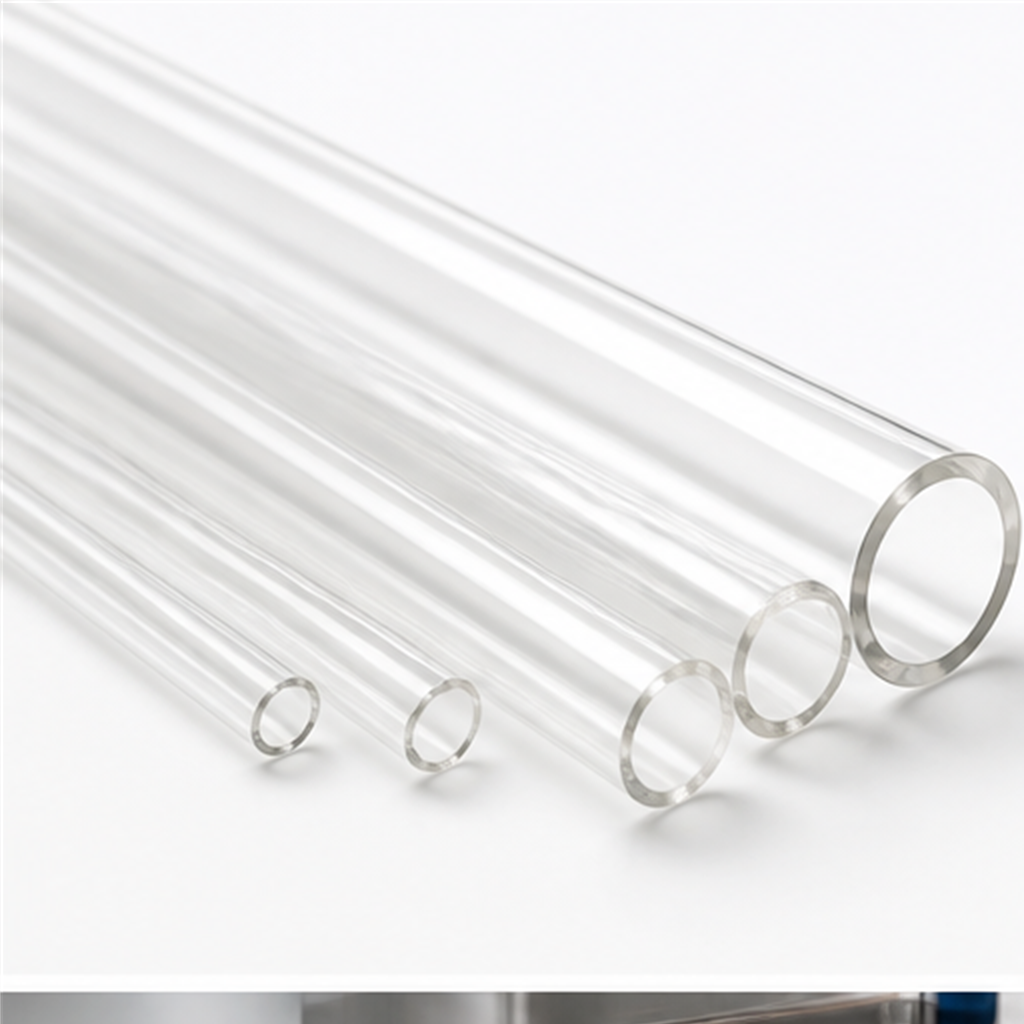
High Temperature Transparent Fused Quartz Furnace Tubing
View Specifications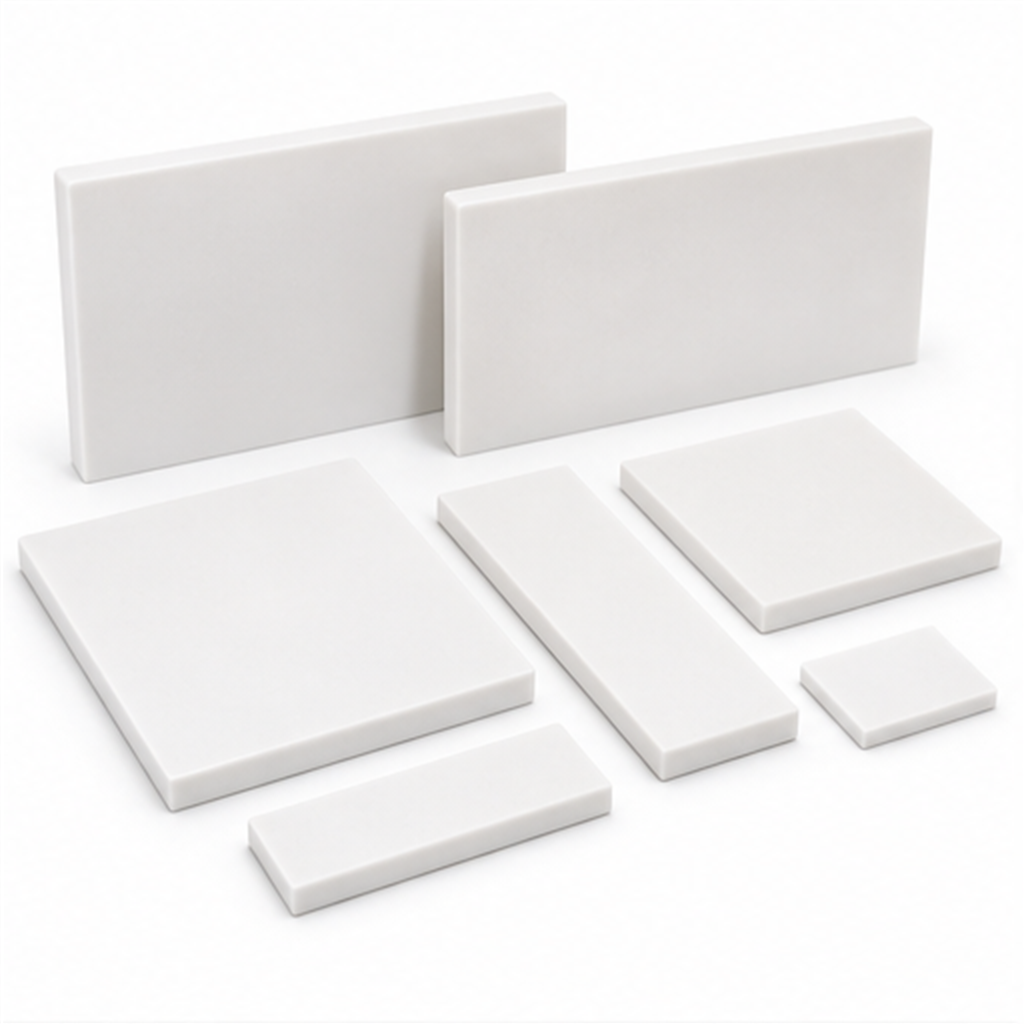
High Purity Opaque Milky White Fused Quartz Rectangular Plate Sheet
View Specifications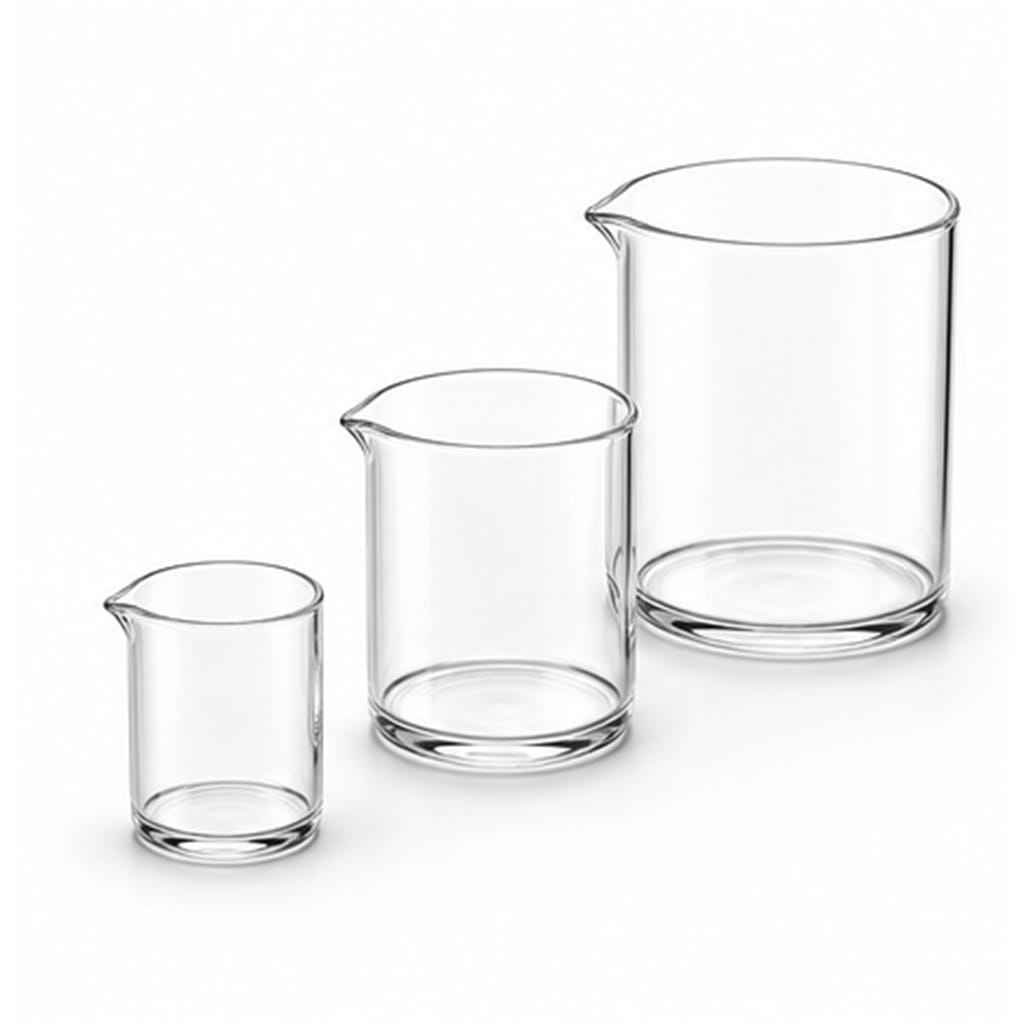
Clear Fused-Quartz Laboratory Beakers for Acid Heating
View Specifications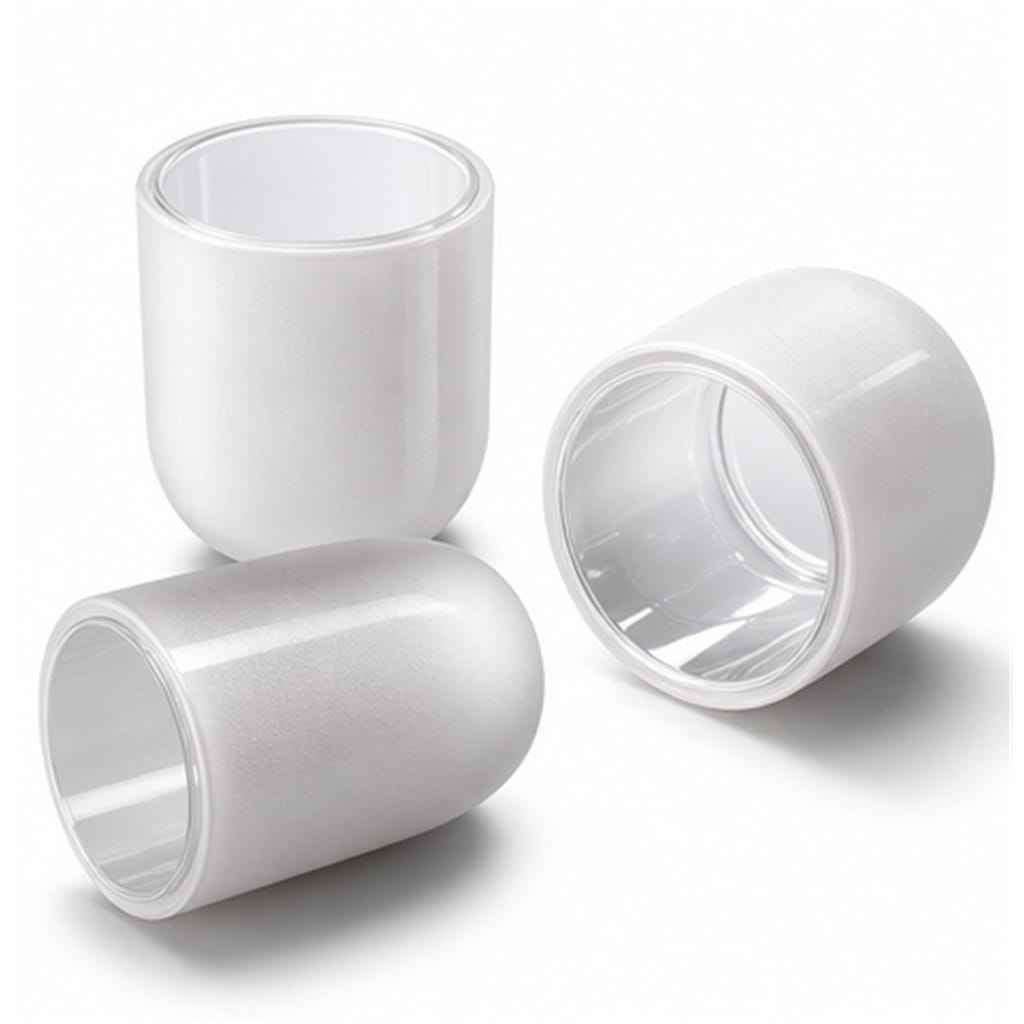
4-Inch US Quartz Sand Fused Crucibles for Ingot Melting
View Specifications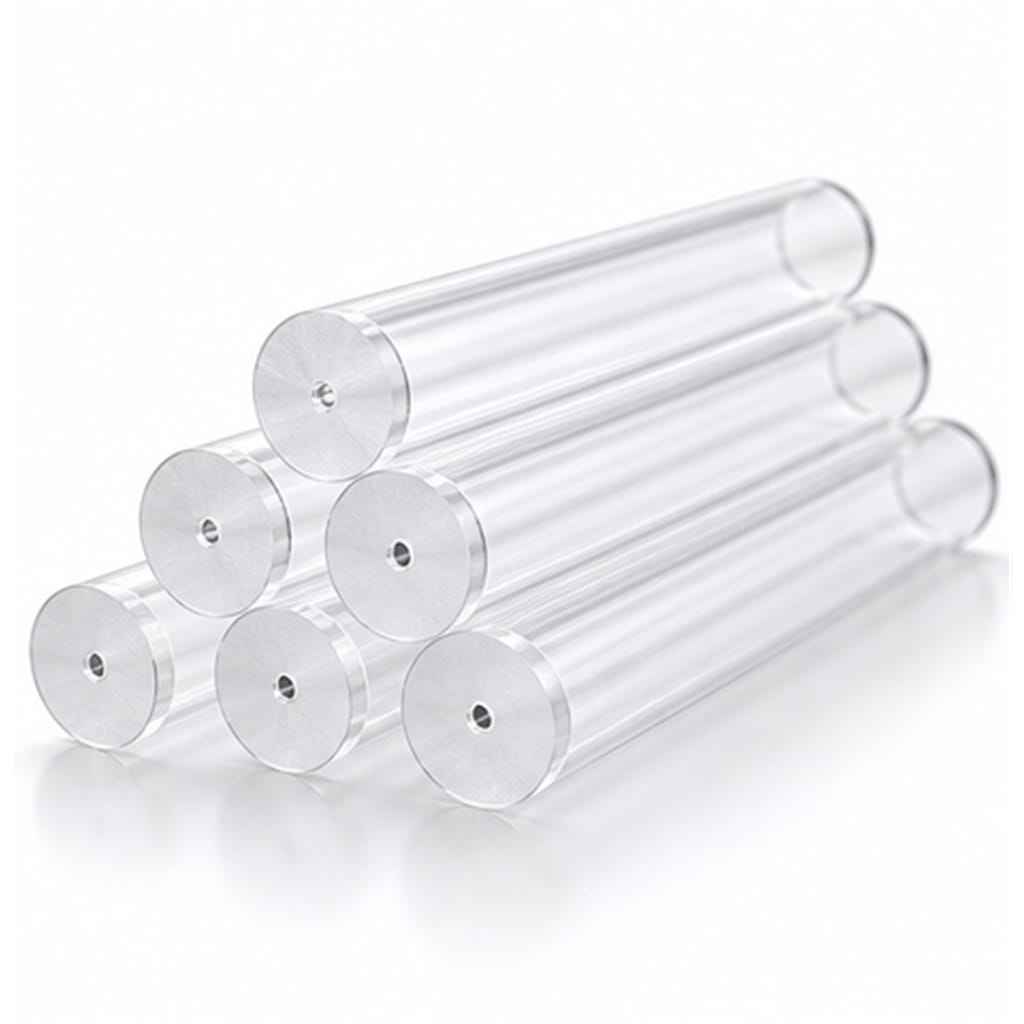
Capillary Micro-Bore Fused-Quartz Tubes for GC & Microfluidics
View Specifications1. Strategic Importance of Fused Quartz in Kawasaki’s Industrial Ecosystem
Kawasaki City, situated strategically within the Keihin Industrial Area between Tokyo and Yokohama, stands as one of Japan’s premier hubs for advanced technology, chemical synthesis, and semiconductor equipment manufacturing. The region's dense concentration of cleanroom facilities, research institutes, and heavy chemical complexes demands raw materials that can withstand rigorous thermal, chemical, and optical constraints. Among these critical materials, high-purity fused quartz tubing and fabricated silica components play an indispensable role.
Fused quartz—produced by melting naturally occurring high-purity quartz crystal at temperatures exceeding 2,000°C—exhibits physical and chemical characteristics that far surpass standard borosilicate glass or industrial polymers. In the context of Kawasaki’s advanced manufacturing infrastructure, fused quartz serves as the backbone for diffusion furnace tubes, plasma etching chamber liners, high-intensity UV lamp envelopes, chemical reaction vessels, and precision optical windows.
Information Gain Insight: Unlike standard glass formulations, fused quartz possesses an extremely low coefficient of thermal expansion (5.5 × 10⁻⁷/°C from 20°C to 300°C). This imparts extraordinary thermal shock resistance, enabling a fused quartz tube to withstand immediate immersion into ice water from temperatures above 1,000°C without catastrophic mechanical failure.
2. Material Science & Technical Performance Parameters
To meet the precise demands of Kawasaki-based optical, semiconductor, and energy research facilities, manufacturing high-purity quartz requires strict control over raw material selection, fusion methodology, and thermal finishing. Donghai Kemzo Quartz Products Co., Ltd. utilizes regional high-grade crystal sand processed through continuous electric thermal fusion and hydrogen-oxygen flame refining to deliver consistent, trace-metal-controlled quartz glass.
Key Physical, Thermal, and Optical Metrics
Engineers and procurement teams evaluating fused quartz specs for industrial projects must consider several fundamental physical parameters. The table below outlines the core properties of our standard clear fused quartz tubing and plate series:
| Technical Property | Typical Value / Specification | Engineering Significance in Application |
|---|---|---|
| Chemical Purity (SiO2) | ≥ 99.99% (4N Grade) | Prevents metallic ion contamination (Fe, Cu, Na) in semiconductor wafer processing. |
| Continuous Operating Temp | 1,100 °C | Maintains structural integrity in high-temperature oxidation and diffusion furnaces. |
| Peak Short-Term Temp | 1,450 °C | Allows brief thermal spikes during chemical vapor deposition (CVD) cycles. |
| Softening Point | ~1,683 °C | Defines absolute material limit prior to viscous deformation under mechanical load. |
| Thermal Expansion (20-300°C) | 5.5 × 10⁻⁷ / °C | Eliminates thermal stress cracking under severe temperature fluctuations. |
| Optical Transmittance (UV-Vis) | > 90% at 220nm - 2,500nm | Ensures optimal efficiency in UV curing, lithography, and spectroscopic viewports. |
| Hydroxyl (OH-) Content | < 5 ppm to 30 ppm (Grade Dependent) | Low OH- prevents thermal sagging and infrared absorption in heating elements. |
3. Localized Application Scenarios Across Kawasaki’s Key Sectors
Semiconductor Wafer Fabrication
Utilized in LPCVD and oxidation furnace systems across Kanagawa prefecture. Quartz diffusion tubes, wafer boats, and ground-joint process tubes guarantee ultra-clean wafer heating without particulate shedding.
Chemical & Petrochemical Processing
Kawasaki Port area chemical reactors rely on custom clear twin-tubes and acid-resistant laboratory beakers. Superior corrosion resistance against strong acids (HF excluded) ensures operational safety.
Photonics & High-Precision Optics
Kanagawa Science Park (KSP) laboratories apply optical-grade transparent quartz plates and capillary micro-bore tubes for spectroscopy, microfluidics, and ultraviolet curing light guides.
Localized Industrial Development & Procurement Trends
As Kawasaki progresses toward its aggressive Carbon Neutral Industrial Complex Strategy and regional hydrogen infrastructure development, manufacturing processes are undergoing significant technical upgrades. Buyers and process engineers in Kawasaki are prioritizing suppliers capable of providing high-performance materials that align with three core localized trends:
- High-Temperature Clean Energy Systems: Hydrogen production and high-temperature electrolysis units require fused quartz tubes that maintain dimensional stability under high pressure and thermal loading without gas permeability issues.
- Next-Generation Semiconductor Packaging: With local R&D facilities focusing on sub-3nm nodes and 3D chiplet integration, quartz parts must undergo precision cold-machining, laser cutting, and surface polishing to meet micro-inch tolerances.
- Reduced Lead Times & Supply Chain Resilience: Industrial facilities in Japan require direct OEM partnerships with factories that offer comprehensive drawing-to-part capabilities, quick prototyping, and compliant international export packaging.
4. Donghai Kemzo Quartz: Enterprise Advantages & Quality Assurance
Rooted in Donghai County—globally recognized as China’s crystal capital—Donghai Kemzo Quartz Products Co., Ltd. has established itself as an ISO 9001 certified global manufacturer and exporter of silica products since 2011. Our 1,000 to 3,000 m² modern manufacturing plant operates over 10 specialized production lines dedicated to clear and opaque quartz glass fabrication.
Source-Region Raw Material Selection
Direct proximity to high-grade natural quartz deposits allows us to select top-tier silica sand, maintaining strict control over metallic impurity thresholds (< 10 ppm total contamination).
Full-Spectrum OEM & ODM Customization
We work directly from customer CAD drawings (STEP, DWG, PDF). Our capabilities include flame bending, precision grinding, fire-polishing, slotting, and ground-joint fitting.
Rigorous Inspection & Stress Relieving
All fabricated tubing and plates undergo full annealing cycles to relieve internal stresses. Optical polariscopic checks and laser dimensional profiling ensure 100% compliance before shipment.
Export Packaging for Fragile Goods
Every piece is individually wrapped in anti-static shock foam, packed in custom multi-layer cartons, and sealed inside export-grade wooden crates for sea and air freight to Japan.
5. Procurement FAQ for Buyers in Kawasaki & Japan
Fused quartz is melted from natural quartz crystals, delivering exceptional thermal resistance, mechanical strength, and cost-efficiency for furnace, heating, and general optical applications. Synthetic fused silica is produced chemically from silicon tetrachloride (SiCl4), offering extreme deep-UV transmission (down to 175nm) and lower trace-metal impurity levels, primarily used in advanced deep-UV lithography.
Yes. We routinely fabricate custom quartz components according to customer engineering drawings, adhering to specified JIS dimensional tolerances, wall thickness uniformity, and surface roughness requirements (Ra < 0.2 µm for polished plates).
Fused quartz is chemically inert to almost all acids (including nitric, sulfuric, and hydrochloric acid) even at elevated temperatures. The primary exceptions are Hydrofluoric Acid (HF) and Phosphoric Acid at temperatures above 150°C. Strong alkaline solutions will also slowly etch the surface at elevated temperatures.
Standard prototype or sample orders are typically produced within 7 to 10 working days. Batch production runs require 2 to 3 weeks depending on processing complexity. We offer flexible trade terms including FOB, CIF, DDU, and express door-to-door air freight directly to your facility in Kanagawa.
Need Custom Fused Quartz Components in Kawasaki?
Send us your drawings or technical requirements. Our engineering team provides detailed feasibility feedback and factory-direct pricing within 1 hour.
Get a Quote